In Vatican City, architecture is rarely seen as a collection of individual buildings. Instead, there is a carefully choreographed sequence of spaces, rituals, and visual encounters. From the embrace of St. Peter’s Square to the overpowering imagery of the Sistine Chapel, each element is part of an environment designed to focus attention, inspire awe, and reinforce collective belief. Vatican City is more than a religious centre; it can be understood as a city in which architecture, art, and ceremony work in tandem to shape human experience.
Vatican City unfolds slowly, not like many modern cities built for speed and efficiency. It urges people to slow down, to look up, to be part of a spatial experience that has been honed over centuries. Here architecture is not simply a background for religious life. It takes part in it as an active agent; Squares draw crowds, basilicas raise the eye, and chapels turn walls and ceilings into stories of faith. The city is not just a collection of destinations to visit, but a meticulously choreographed journey to be lived.
Vatican City is less than half a square kilometer, but its architecture has a reach that goes well beyond its borders. As the spiritual centre of the Roman Catholic Church, it has influenced architectural thought, artistic production and religious symbolism across continents for centuries. But the significance of it is not just that its monuments are so large, but that they combine to provide people a collective experience of belief.
The City as a Sequence of Revelation
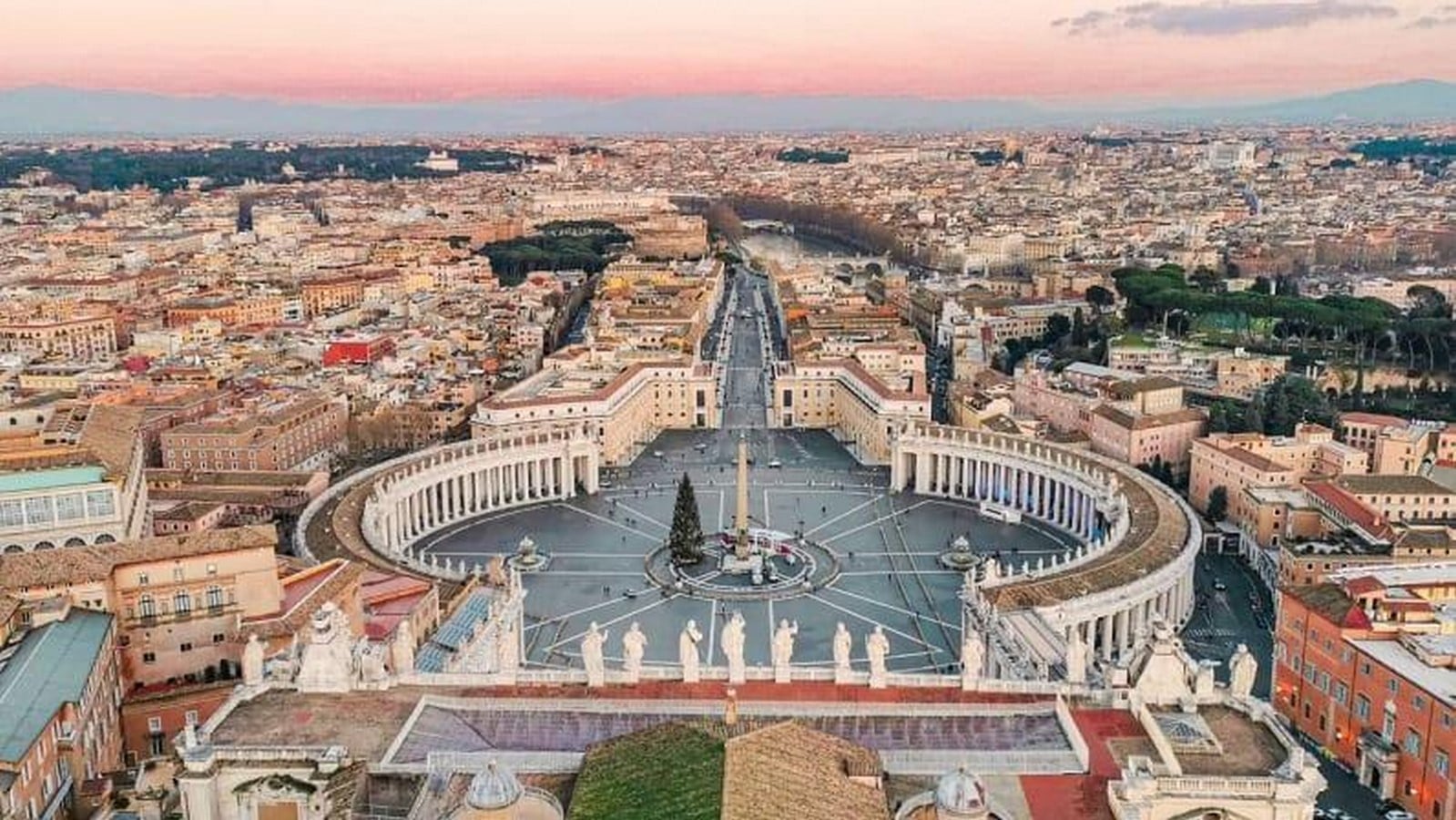
What most grabs you about Vatican City is the way it manages expectations. The city doesn’t offer itself up all at once. Rather, spaces reveal themselves slowly, turning into almost theatrical moments of discovery.
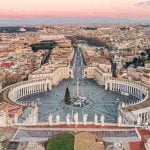
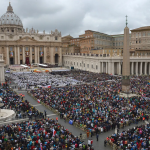
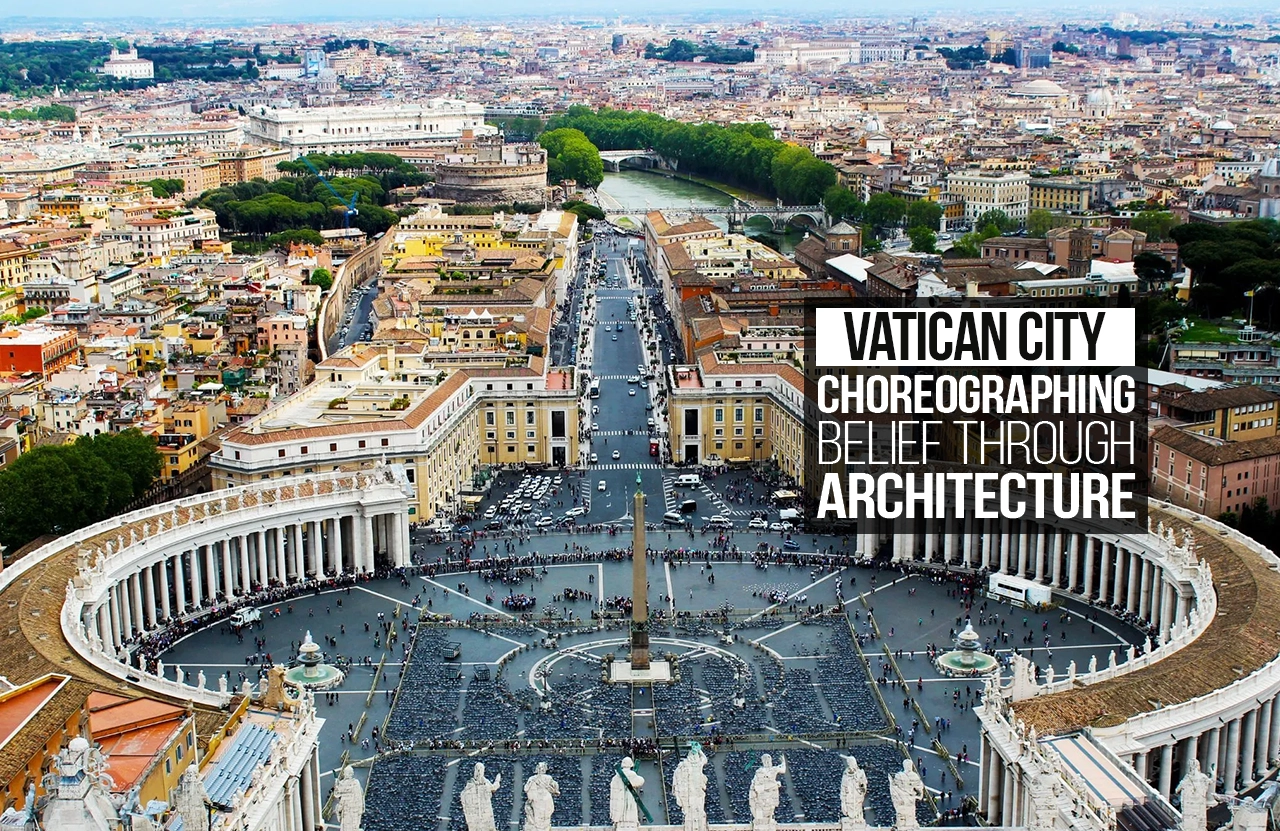
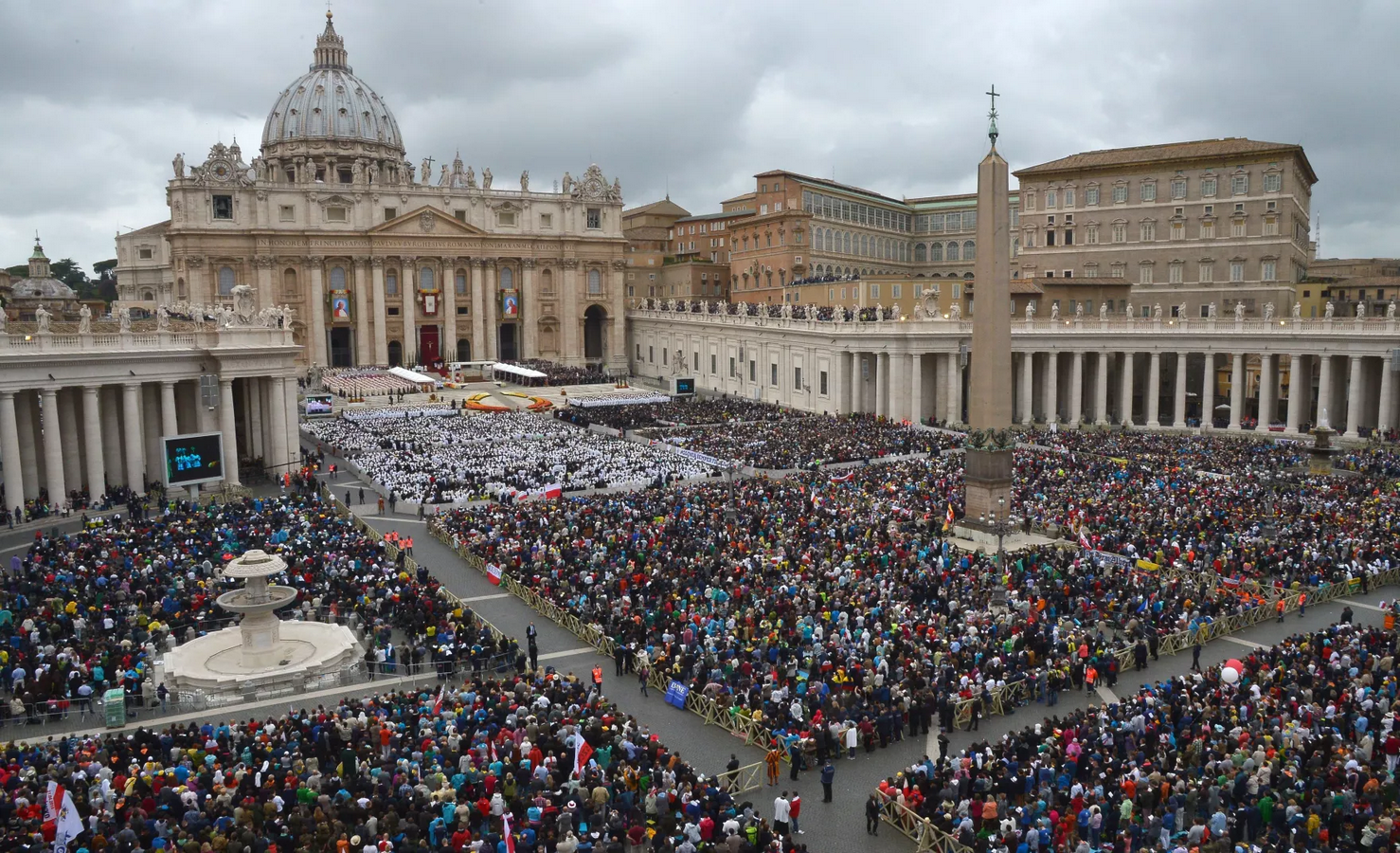
The clearest example of this is perhaps the approach to St. Peter’s Square through the surrounding streets. The dense urban fabric suddenly gives way to a huge open piazza surrounded by the sweeping colonnades of Gian Lorenzo Bernini. The difference is stark. The visitor shifts momentarily from compression to expansion, from enclosure to openness.
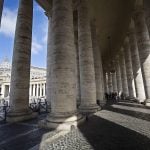
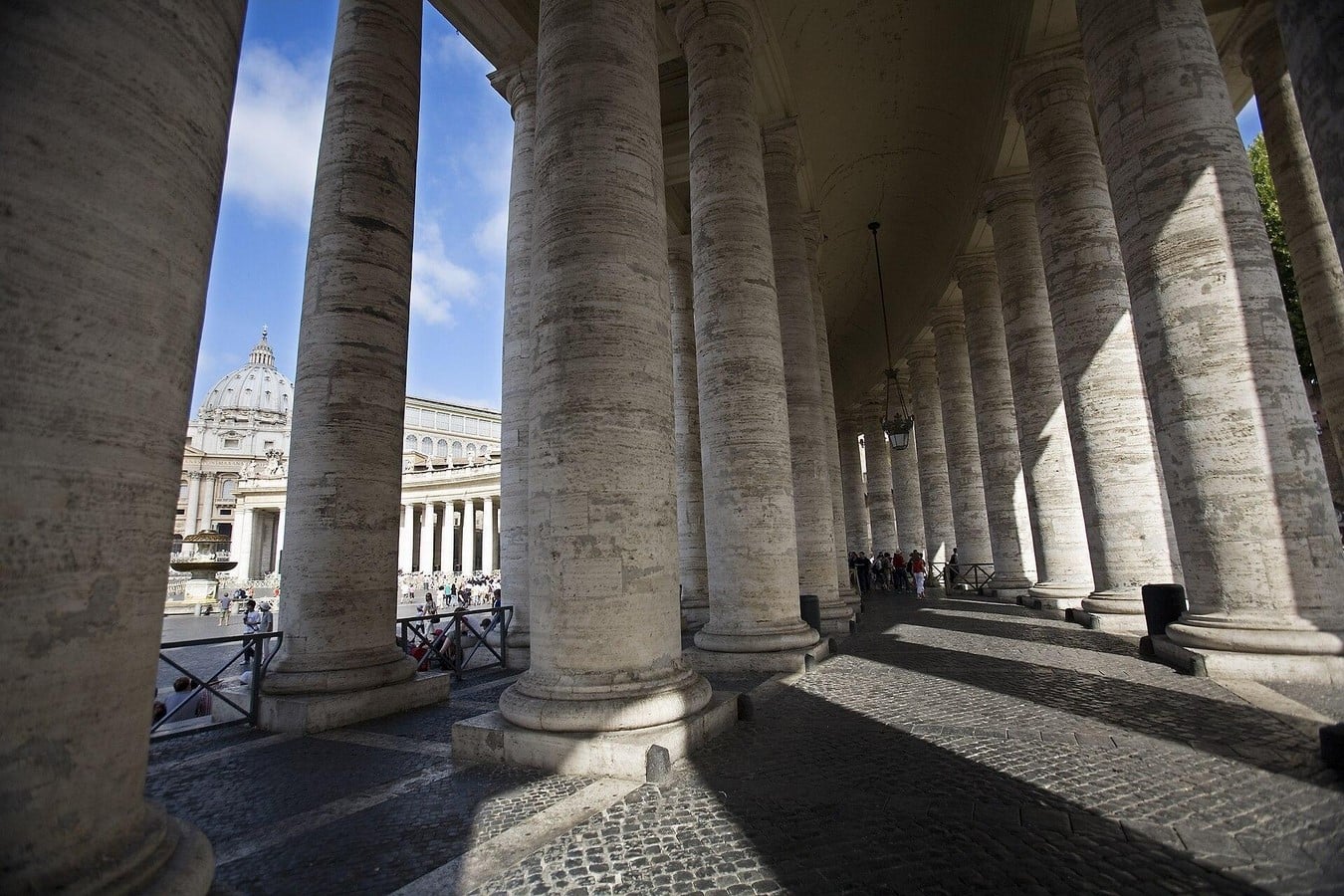
Bernini famously referred to the colonnades as the mother arms of the Church. Symbolically or spatially interpreted, the effect is potent. The curving rows of columns seem to pull people inward, turning a monumental public space into something surprisingly welcoming. The body becomes part of the architecture’s narrative.
Monumentality and the Experience of Awe
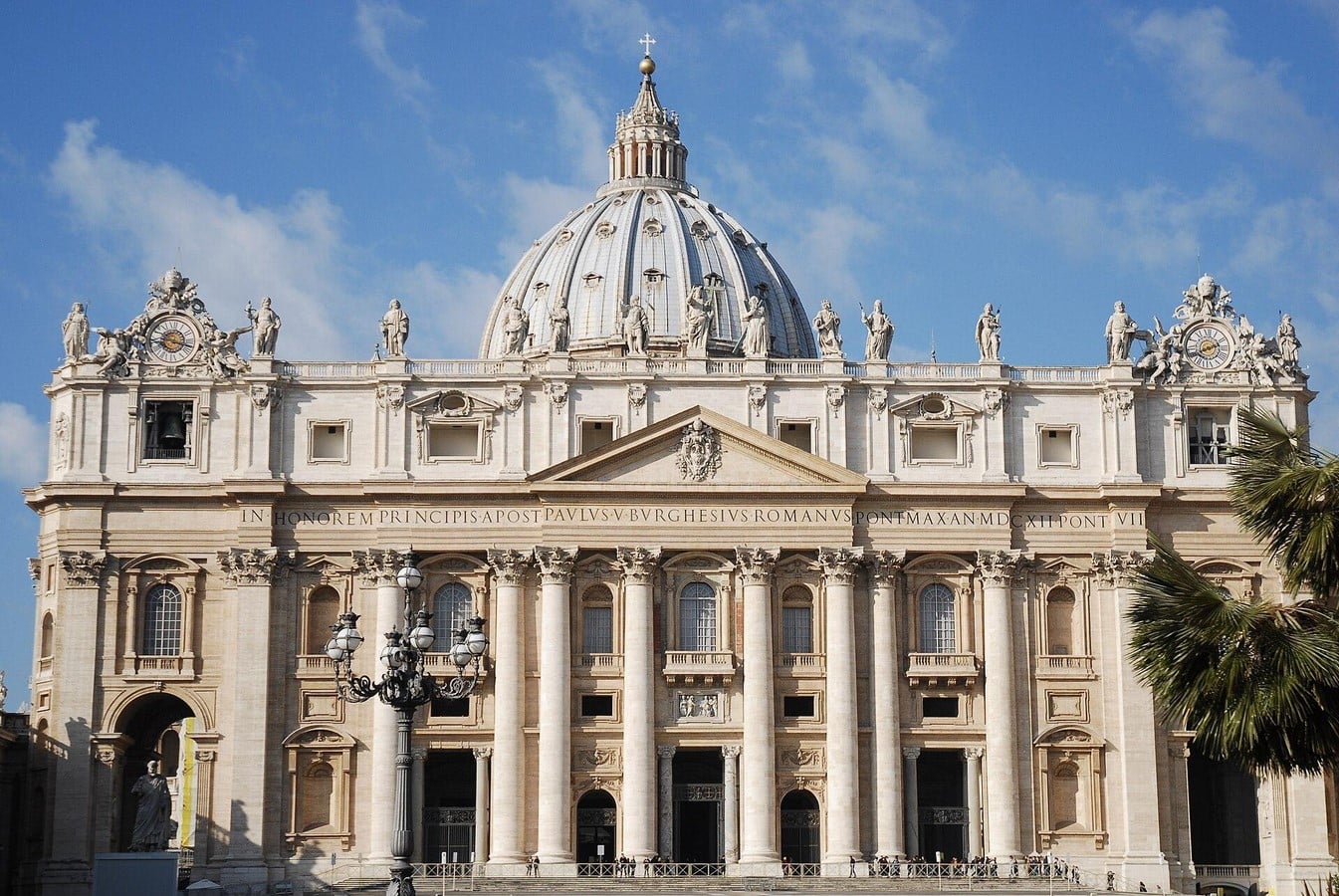
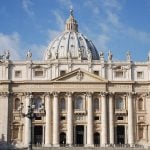
The fact of being in front of St. Peter’s Basilica changes people’s behavior. The conversations die down. Motion decelerates. Our eyes are drawn upwards, almost instinctively.
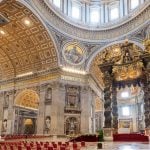
The basilica is one of the largest churches in the world, but it is more than size that makes it so influential. What makes the building memorable is the combination of monumentality with atmosphere. Light streams in from high windows, falling on marble surfaces in changing patterns. Gold details slowly emerge from the shadow. The interior seems huge, but never quite overwhelming.
Something of the experience is Michelangelo’s dome. It flies over the crossing and pulls the eye a little upwards to the sky, with a steady pull upwards. The architecture encourages visitors to be aware of their own scale within the building. Human dimensions seem reduced, and the realization often leads to feelings of humility.
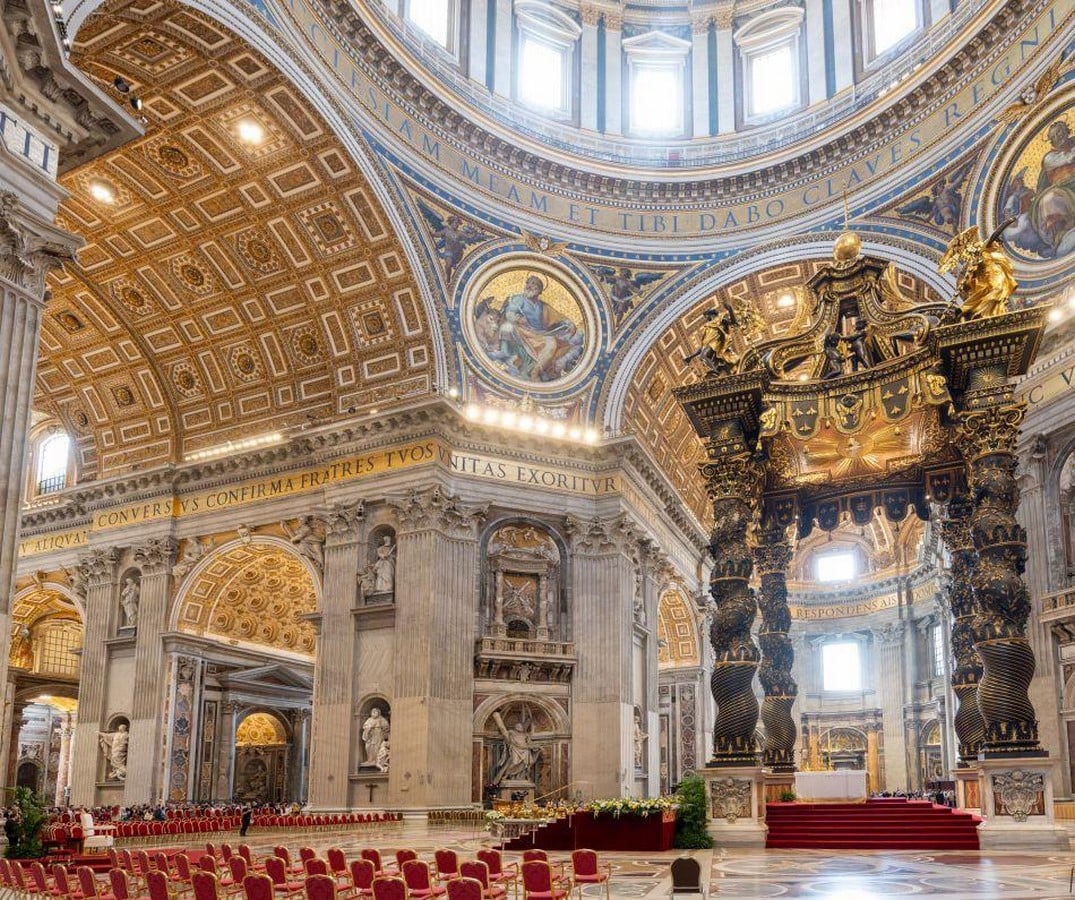
The use of monumental buildings to express power is a common practice throughout history. In Vatican City, the power structure functions not just on a religious level but also on a political and cultural level. However, the emotion aroused by this basilica is very personal. Regardless of whether one is religious or not, many people leave this basilica having had an experience beyond themselves.
The Sistine Chapel and the Architecture of Looking
If St. Peter’s Basilica displays the emotional power of scale, the Sistine Chapel displays the emotional power of attention.
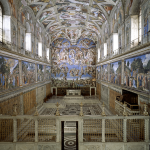
The size of the chapel is quite small compared to the grandeur of the basilica. But the overwhelming feeling of being under Michelangelo’s ceiling is just as strong. This is where architecture and art blend.
While much has been written about the artistic importance of the frescoes, their real strength lies in how they change space. The ceiling is not just a decoration in the chapel, it changes the whole experience of being in it. Figures dash across the vault with tremendous energy and movement. From all sides the viewer is surrounded by scenes of creation, judgement, sacrifice and redemption.
The response is almost universal. People enter the chapel and instinctively raise their heads upwards.Crowds move slowly. Voices become soft. All attention turns to one act: the act of looking.
Herein lies the way the Sistine Chapel shows that buildings can influence behavior without having to make any actual demands. Perception is steered naturally in here. Looking becomes ritualized.
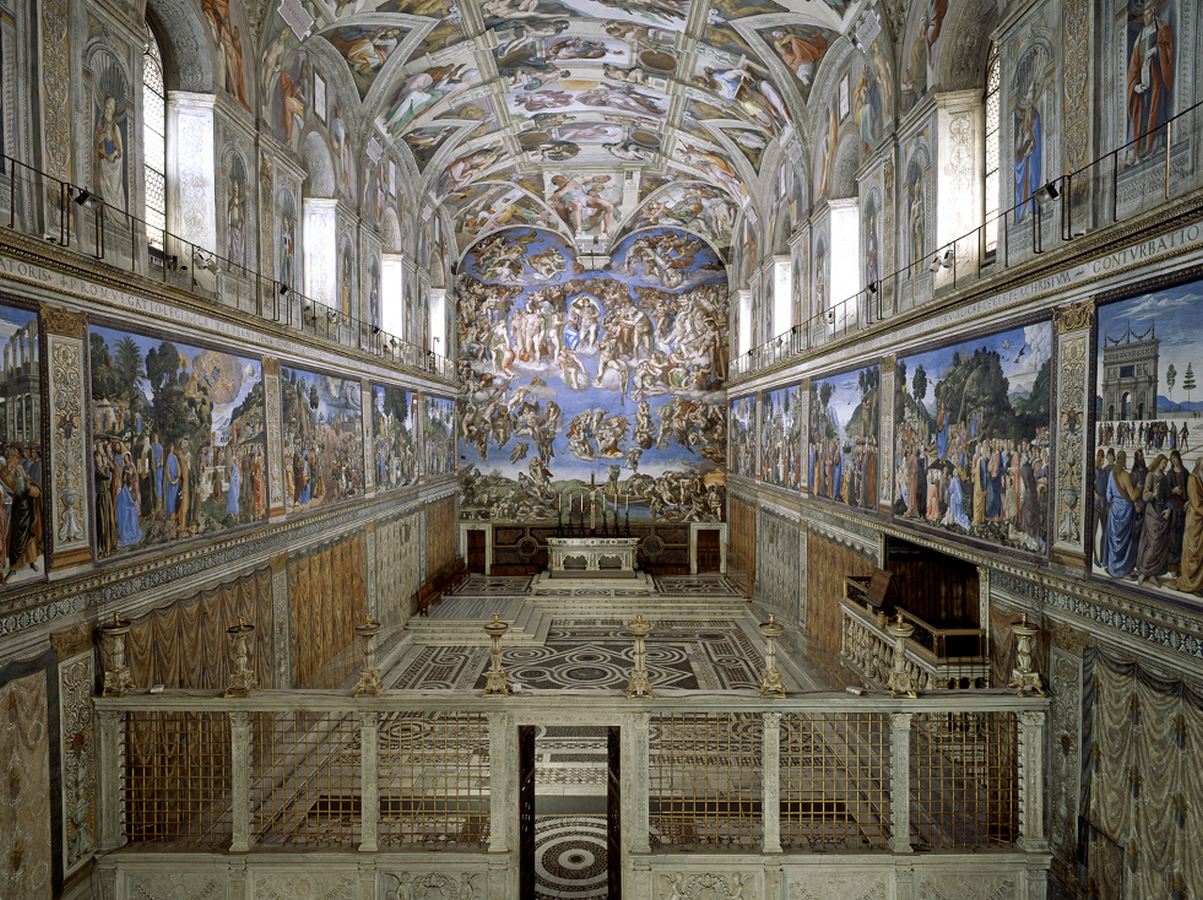
This place is not only a marvel of artistry but also holds great importance. It is here that the papal conclave takes place and new popes are elected. Religious symbolism, political power, and artistic skill all come together into one place.
Architecture as Collective Memory
Another element of Vatican City’s continuing power is its connection with time. It acts not only as the center of spirituality but also the keeper of common history.
Although pilgrims, tourists, scholars, priests, and artists might be experiencing the Vatican differently, they visit the same locations, which were formed over many years by people nevertheless. This can also be traced in the architecture of Vatican City: the rituals conducted many years ago affect the present usage of the space.
In the modern-day world where everything is rapidly changing, this continuity seems particularly valuable. Indeed, many cities undergo constant development, when old buildings get replaced and new ones built due to economic considerations. In contrast to other cities, preservation of Vatican City does not simply mean preserving the historic buildings.
It also means preserving their significance.
Between Sacred Space and Global Tourism
However, the modern Vatican also presents a unique situation that is a combination of both a holy site and a tourist destination. Tens of millions of individuals visit the city each year. They do not all travel for the same reasons. Some might be pilgrims, some may be tourists or scholars, while others may just be curious travellers.
Of course, the nature of Vatican City will inevitably shift with the influx of visitors. The presence of security systems, tours, technology, and crowd control mechanisms affects the experience of visiting. The Vatican must simultaneously function as a place of worship and one of the world’s most visited cultural destinations.
Nevertheless, the architecture still holds an unbelievable emotional power.
The crowds are drawn to the plaza with incredible efficiency. The basilica instills silence in those who enter. The Sistine Chapel still commands attention.
In many ways, this resilience stems from the fact that Vatican City was not designed only to be seen, but also to be experienced emotionally through movement, grandeur, light, and ritual. Those qualities remain powerful regardless of changing technologies or demographics.
Why Vatican City Still Matters
Undoubtedly, the most notable thing about Vatican City is that it still manages to inspire awe in an era when speed and distraction have become so commonplace.
Modern urban cities place emphasis on efficiency, traffic, and consumption. They are designed to facilitate swift transit from one location to the other. Vatican City functions based on a distinct tempo. It compels one to slow down.
It inspires looking around rather than rushing through. It cherishes assembly instead of transit and contemplation rather than efficiency. This serves as a reminder that architecture does much more than just keep people protected or provide them with structure.
Architecture creates emotions.
That may be the most important thing to be learned from Vatican City. The city shows how constructed space can affect the feelings, memories, gatherings, and faith of those who experience it.
Architecture is more than just functionality or aesthetics. Architecture, in the case of Vatican City, is defined in its ability to engage movement in space emotionally.
Buildings at Vatican City are no standalone structures but part of an overall design that guides human perception and reinforces shared faith. In Vatican City, architecture doesn’t merely accommodate religious practice but also contributes to it.
As much of the world becomes consumed with speed and technology in our modern world, Vatican City provides an increasingly scarce opportunity for us to be slowed down, to be moved, and collectively reflect.
The Vatican City makes us remember that architecture is not solely about constructing buildings. Rather, architecture is also concerned with conveying meaning, creating experiences, and generating memories that go beyond our physical stay in a certain place.
Indeed, Vatican City is where stone turns into ceremony, where architecture becomes faith manifest.
References:
Gombrich, E. H. (1995) The Story of Art. 16th edn. London: Phaidon Press.
Murray, Peter (1986) The Architecture of the Italian Renaissance. London: Thames & Hudson.
Pallasmaa, Juhani (2012) The Eyes of the Skin: Architecture and the Senses. 3rd edn. Chichester: John Wiley & Sons.
Rasmussen, Steen Eiler (1964) Experiencing Architecture. Cambridge, MA: MIT Press.
Vatican Museums (n.d.) Musei Vaticani. Available at: https://www.museivaticani.va/content/museivaticani/en.html (Accessed: 28 May 2026).
Vatican City State Official Website (n.d.) Vatican City State. Available at: https://www.vaticanstate.va/en/ (Accessed: 28 May 2026).
Kostof, Spiro (1995) A History of Architecture: Settings and Rituals. 2nd edn. New York: Oxford University Press.
Norberg-Schulz, Christian (1980) Genius Loci: Towards a Phenomenology of Architecture. New York: Rizzoli.