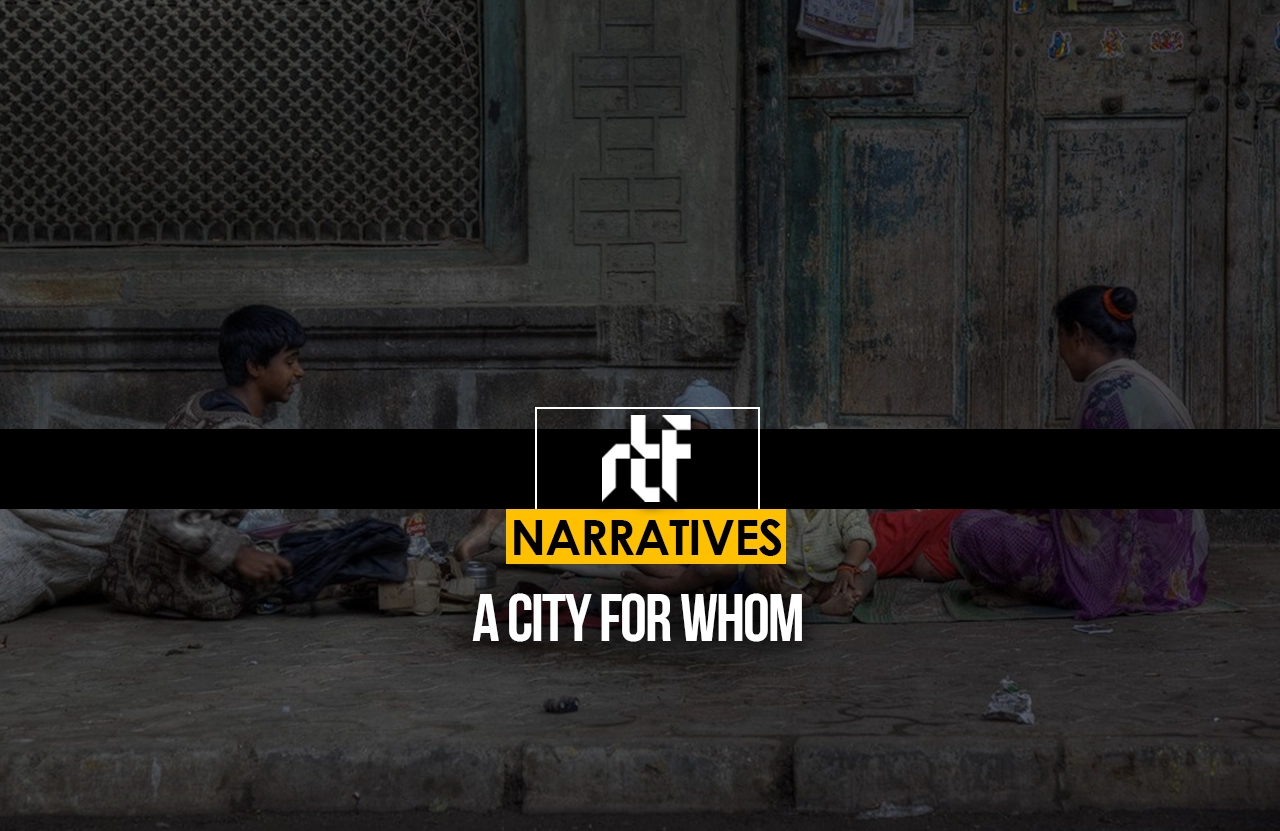
Architecture does not fail only due to poor design; sometimes, even with the best design possible, architecture fails its users because it assumes everyone in a city experiences it the same way.
Every neighbourhood park is designed for the public, taking into consideration the average user.
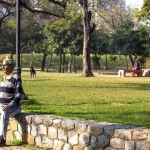
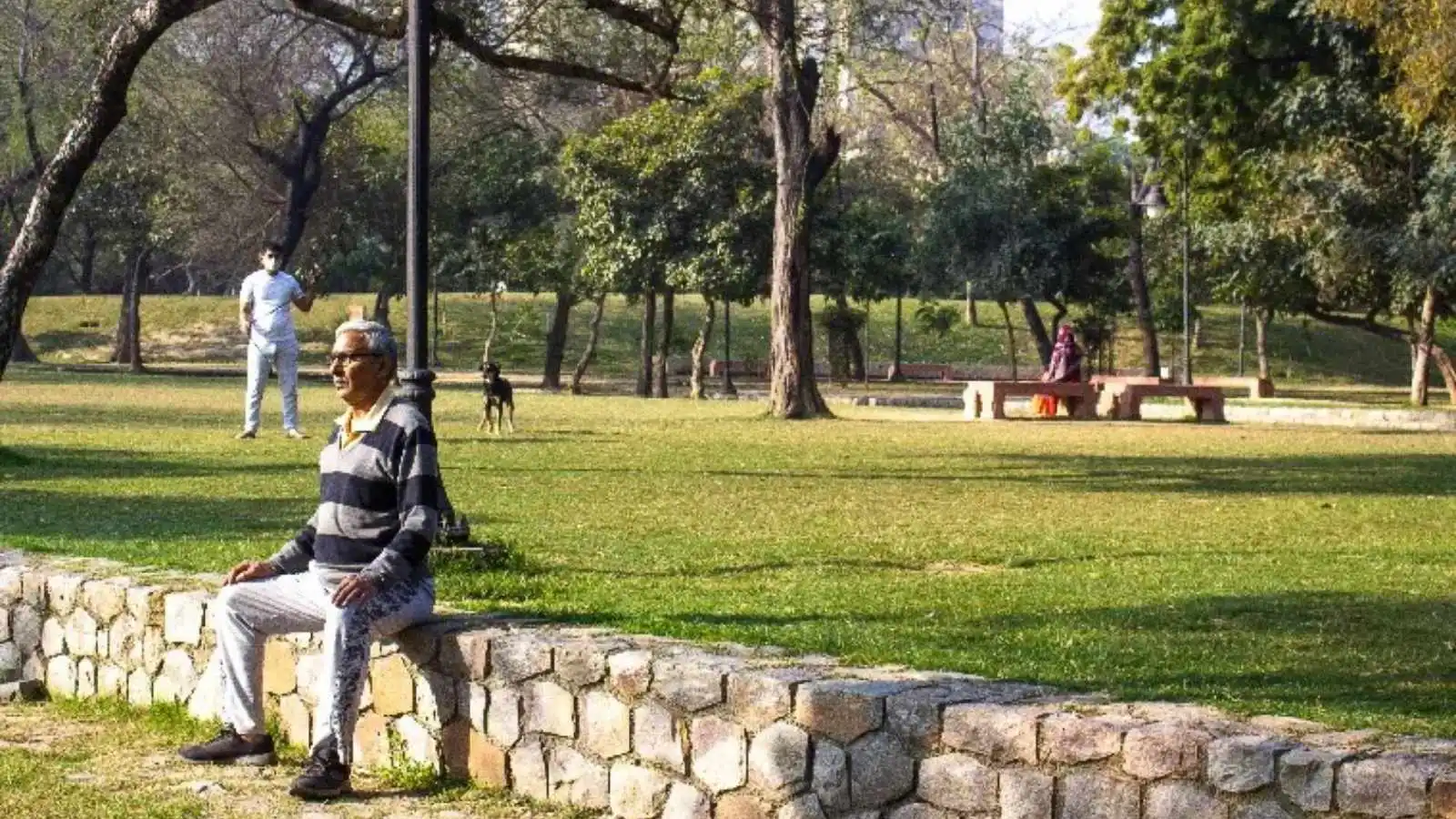
However, the public almost never uses it equally. In the morning, the park belongs to walkers and joggers; by evening, it becomes a hotspot for children and families. The elderly claim the benches while the kids claim the slides and swings. Yet, there are always those that remain absent – domestic workers after a long day of labour, delivery drivers that would cherish a moment of leisure or even women and the elderly after dark due to fear of safety. The park unintentionally opens its doors for only those who feel entitled and safe enough to linger. Parks, just like most other spaces, are designed for everyone, but utilised by a few.
One City, Many Experiences
Design, almost always, stems from the needs, necessities and capacity of what the industry calls an “average user”. The question not many seem to ask is – who is this average user? A city is experienced by individuals who carry different identities, experiences, perspectives, priorities, responsibilities, prejudices, etc. When these differences in such a diverse sect of beings are overlooked, one ends up designing for an “average user” – one that doesn’t exist. It is a means of oversimplifying the complexity of designing for humans by choosing to design for a hypothetical one. That is exactly why a building or any built space is celebrated for its monumentality and aesthetic instead of being recognised for how it made a varied set of people feel.
“Cities have the capability of providing something for everybody, only because, and only when, they are created for everybody”
Jacobs, in her book – “The Death and Life of Great American Cities” credits the countless daily interactions made by people as the reason for city functioning rather than perfect city planning. She repeatedly points out that planners fail to understand how ordinary people inhabit cities.
A footpath, for example, is experienced differently by a child from a blind person. A woman, after dark, reads a street differently from a man. A garbage collector or cleaner reads a park as a workspace, instead of a space of leisure. Nobody experiences a city the same way. The city in itself does not change, but the experience does.

Since cities do not have one universal user, they should be planned based on human behaviour, like Jan Gehl says in his book – Life Between Buildings. He argues that cities should be planned from the perspective of human behaviour instead of monumental and human efficiency planning.
When Design Meets Everyday Life
Bengaluru is a city that reveals itself differently depending on where you’re observing it from. It is a city of technology parks and IT hubs to some, while it is a city of calm neighbourhoods, shaded footpaths, and familiar streets to some. The same road can serve different purposes to different people. While it may be the street that connects home and work for one, it could be a place of work for a tea seller or maybe even a meeting point for a bunch of friends.
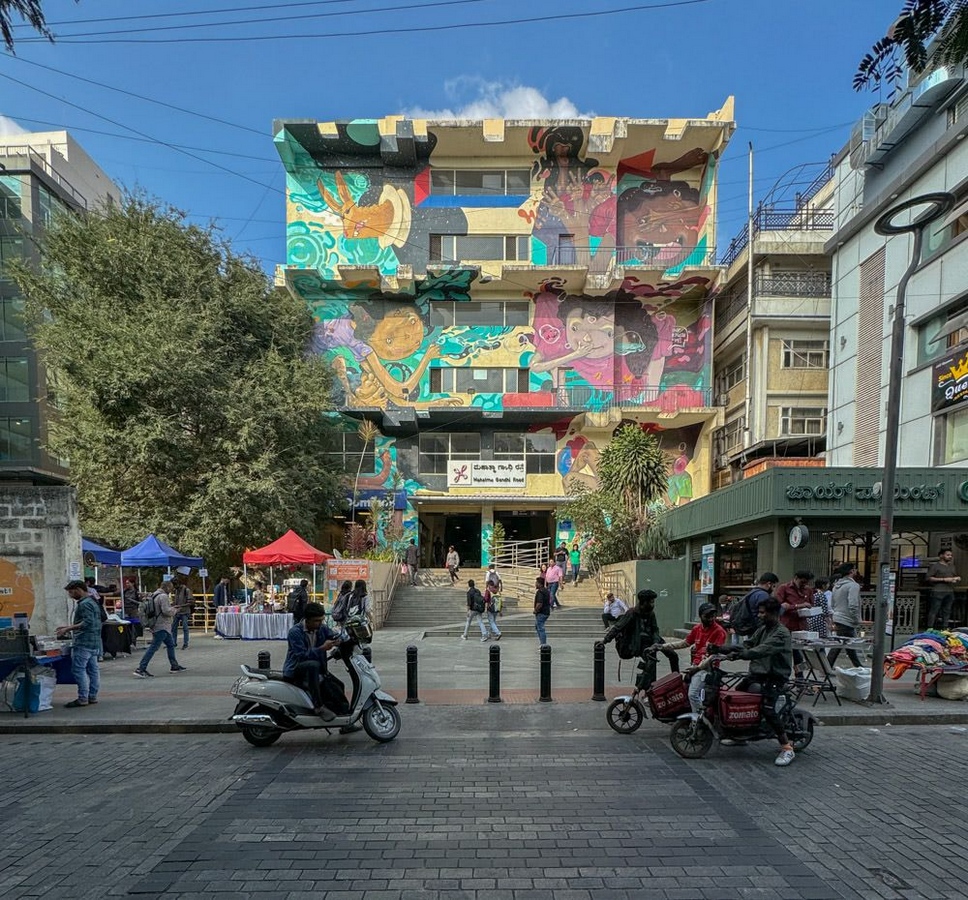
One such space where these multiple versions of Bengaluru come together is Church Street.
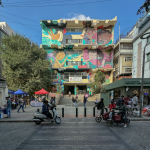
The first thing one notices upon arrival, is activity which on a weekend may feel like chaos.
Cafes spill onto pavements, hawkers and buskers draw small crowds and pedestrians move slowly and intentionally contrary to the general urgency one would observe on most streets of Bengaluru.
The street immediately feels different, it feels like it was designed to linger in, not to just walk by.
The second thing one would notice is the freedom to choose. People are not just using what was designed for them. The staircase that was meant for entry and exit to the metro serves as temporary seating for exhausted shoppers, or for travellers waiting for their cab to arrive, while compound walls serve as seats for friends sharing a cup of chai from Chai Point. Some others choose to perch on walls or planters while waiting for their friends to arrive. The street then feels less like a finished design and more like a framework left for its users to adapt.
The last thing one would notice would be absence. There are very specific types of users on Church Street. Once the eye-catching liveliness of the street fades, you begin asking who is choosing to not linger – how many elderly people seem to walk the stretch? How many women enjoy the street while feeling safe and comfortable? Where do the vendors, or the kids selling roses and pencils, fit in?
The Invisible Users of the City
This brings us to our question – Architecture and Design often celebrate successful public spaces like Church Street. But do they ask if the street is equally welcoming to everyone? Do they ask if people that are blind or on a wheelchair enjoy the street just as much as everybody else? The question isn’t trying to label Church Street as a failure. It, in fact, celebrates its success but points out that the constant appreciation for the street makes the design’s exclusions easier to overlook.
The challenge in architecture thus lies in moving beyond the idea of the average user. When architecture is designed around a singular understanding of people, it disregards the others not because they are absent but because they were never considered.
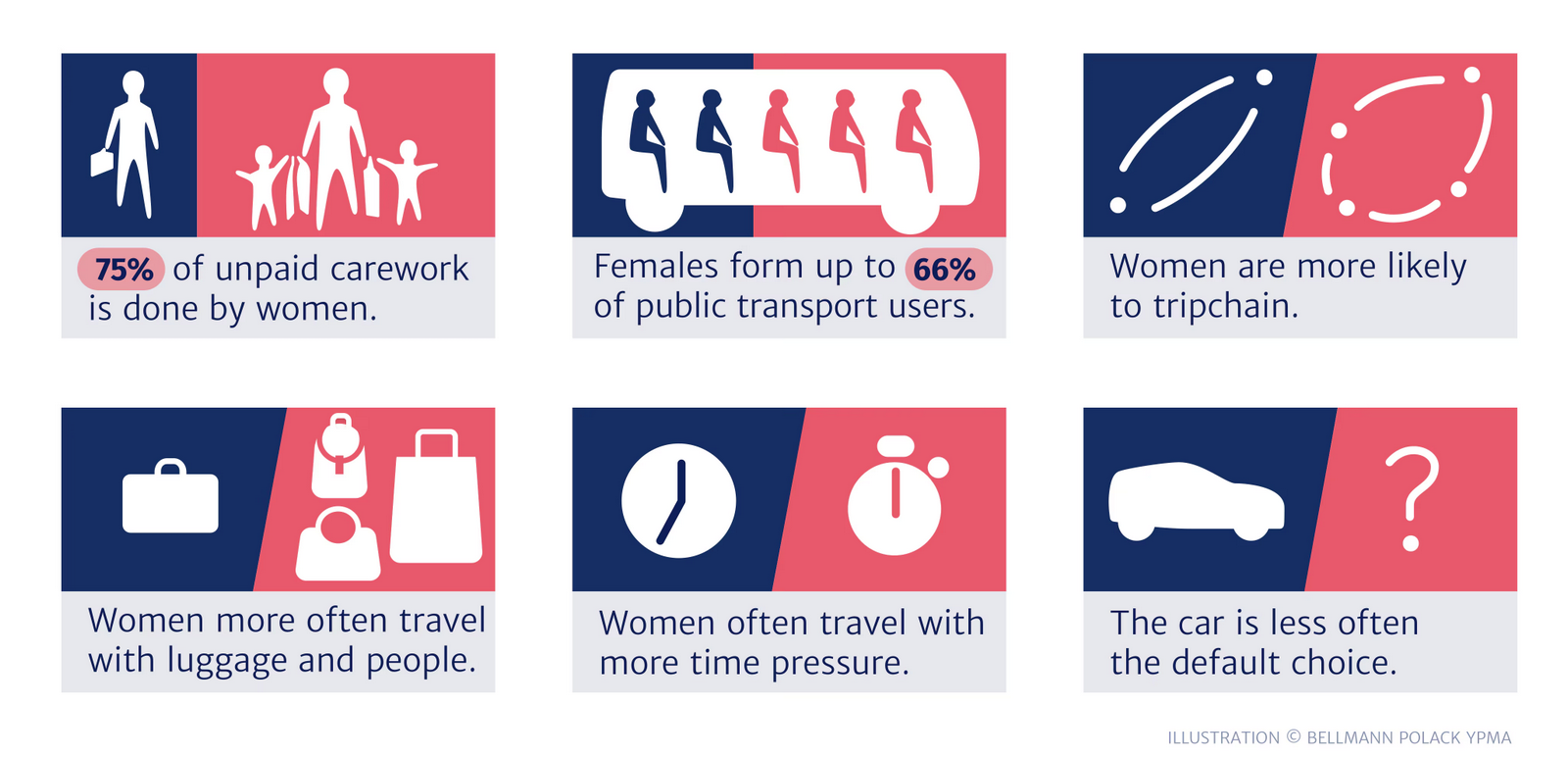
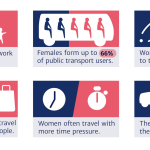
An easy example to draw would be of female occupants of a city. As Leslie Kern argues in Feminist City, cities have historically been designed for optimal human productivity and efficiency, mostly for men. Previously, men took charge of life outside a home and a city was planned keeping in mind their efficiency in commuting. What a city has almost never been designed for is the roles that a woman takes up – caregiving, running errands, nursing, childcare, elderly care, etc. Her work keeps the family and thus the society running, which is what keeps a city running, yet she isn’t thought of when a city is being designed. She is not an average user. She has many different roles to carry out, different responsibilities and different experiences too – all of which need to be taken into consideration at the time of design.
People always Rewrite Architecture
Architecture is often perceived as the final product, something that has been designed and is complete. However, the life of a building or a built space truly begins when people begin occupying it and start making it their own. Users tend to reinterpret spaces that were probably meant for a singular, more obvious purpose. A staircase goes beyond vertical circulation to, in fact, also become a space to gather, linger and maybe even rest. A street corner becomes a landmark and/or a gathering point, and an empty pavement makes room for street shopping. These user-facilitated adaptations are not necessarily defining the failure of design or architecture but are rather representative of the dynamic relationship that people share with their surroundings. The most successful spaces are always those that adapt and allow flexibility, change and negotiation. Human participation and interaction with architecture is what makes it alive. The absence of either would be a representation of a dead or meaningless space.
Architecture, thus, does not only fail when a building collapses or walls break. Sometimes failure is much quieter – it lies in the assumptions embedded in design, it lies in the lack of consideration of many, it lies in ignorance. When design is guided by the needs of the “average user”, countless ways of experiencing and navigating spaces are overlooked. It isn’t just monotonous; it also becomes a singular, fixed narrative that people find the need to forcefully adapt to, to be a part of it. And in exactly that, lies the true failure of architecture and design.
Citations:
Books:
- Jacobs, J. (1961). The Death and Life of Great American Cities. New York: Random House.
- Gehl, J. (1971). Life Between Buildings. Copenhagen: Teknisk Forla.
- Lynch, K. (1960). The Image of the City. Massachusettes: Technology Press.
- Kern, L. (2020). Feminist City. New York: Verso Books.
- Mehrotra, R. (2021). The Kinetic City & Other Essays. Berlin: ArchiTangle.