The Starchitect
The birth of the ‘starchitect’ both within and beyond the built environment is often attributed to the modern architectural movement. With the rise of both digital and print media, the popularity of international travel and an increase in globalisation, the twentieth century saw many architectural magazines and newspapers transform architects from relatively obscure professionals into global cultural icons. For city planners and developers, working with a ‘starchitect’ became a go-to strategy for urban regeneration projects. A key example of this was Frank Gehry’s Guggenheim Museum Bilbao, which would go on to win over seventy international awards, including the 2023 AIA Twenty-five Year Award, the European Silver Q for Quality Award, and Gold Medals of Merit in the Fine Arts (Tomorrow City, 2021). This was celebrated for what came to be known as the Bilbao effect, described by Patterson (2020) as ‘the potential of iconic architectural developments designed by world-famous architects to act as a catalyst for economic revitalisation and transformation within neighbourhoods or regions’. The birth of the starchitect saw buildings become cultural icons, and architects as the brands behind them.
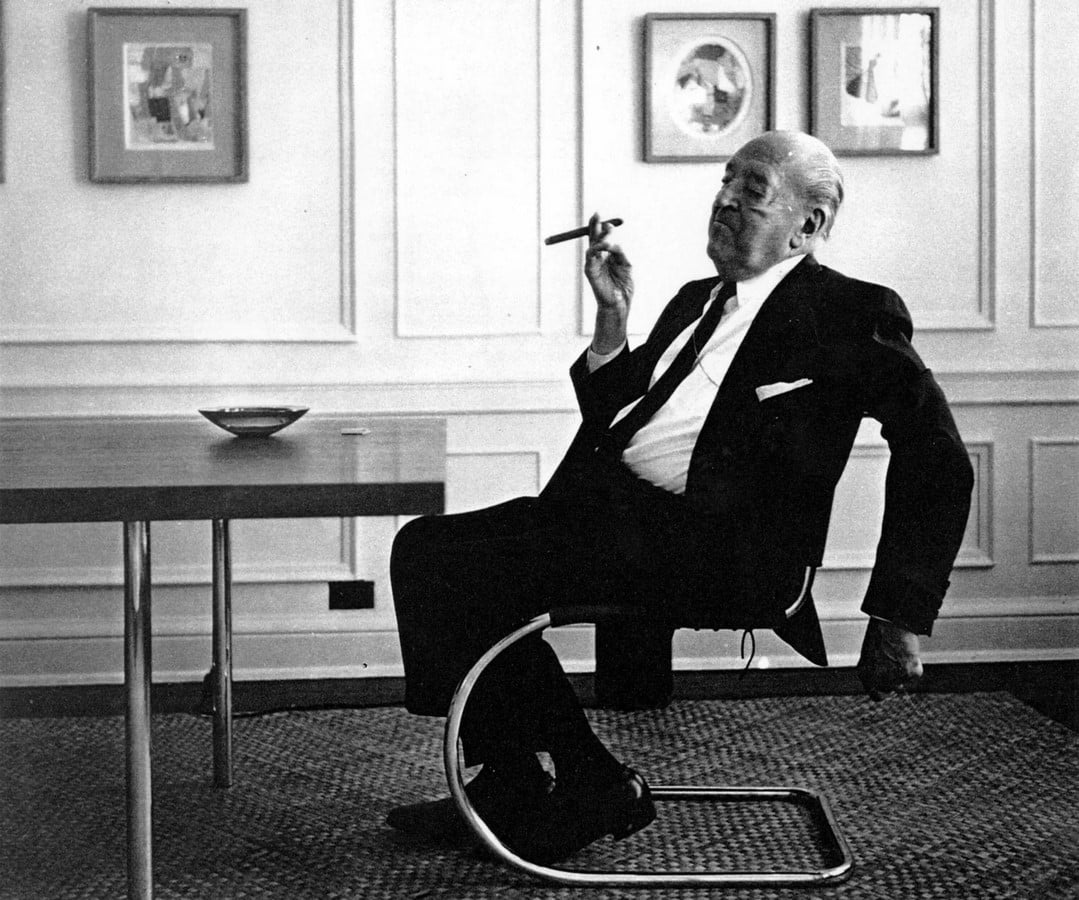
‘Just as a Hollywood star could ensure that a movie was bankable’, Rybczynski (2022, p. 316) notes that in a similar vein, ‘an international architectural star [did bring] real economic value to a building project’. This was indeed exemplified by Frank Gehry – to whom the term was first believed to have been ascribed (Rybczynski, 2022, p.317). Gehry’s publicity regarding his deconstructivist approach to architecture was often celebrated in the media, earning him global coverage that included his infamous appearance on The Simpsons (S16, E14) and his name being featured among Hollywood Stars Brad Pitt and Jamie Lee Curtis upon his passing (Parker and Associated, 2025). Thanks to globalisation and a media that valued novelty, Gehry—and soon other architects—would enjoy the level of international prestige and recognition previously reserved for star entertainers (Rybczynski, 2022, p.316). In true Hollywood fashion, pandering to and embracing the press became an all too familiar ploy by the starchitects of the twentieth century – key examples including Ludwig Mies Van Der Rohe. Known for his aphorisms such as ‘Less is more’ and ‘God is in the details’, Mies positioned himself as a sole practitioner and individual genius, picturing himself standing alone behind his models, and sat in the chairs he designed with a pipe in hand. Given that, as McNeil (2009) notes, ‘stararchitects’ did not operate simply as individual agents, but rather worked through the teams of actors within their architectural firms, Mies’ deliberate attempt to portray himself, and himself alone, as a starchitect to be celebrated in the press is indicative of the somewhat surface-level nature, or deception, that the starchitect title provided. Though the success of the starchitect depended on the organisation and the management of corporate businesses employing a myriad of other salaried architects and other professionals (McNeil, 2009), such collaboration and impact was ignored for the sake of the image that they presented. This discrepancy between the realities of the built environment and the image that many starchitects continued to project would go on to be a running theme.
Impression Versus Impact
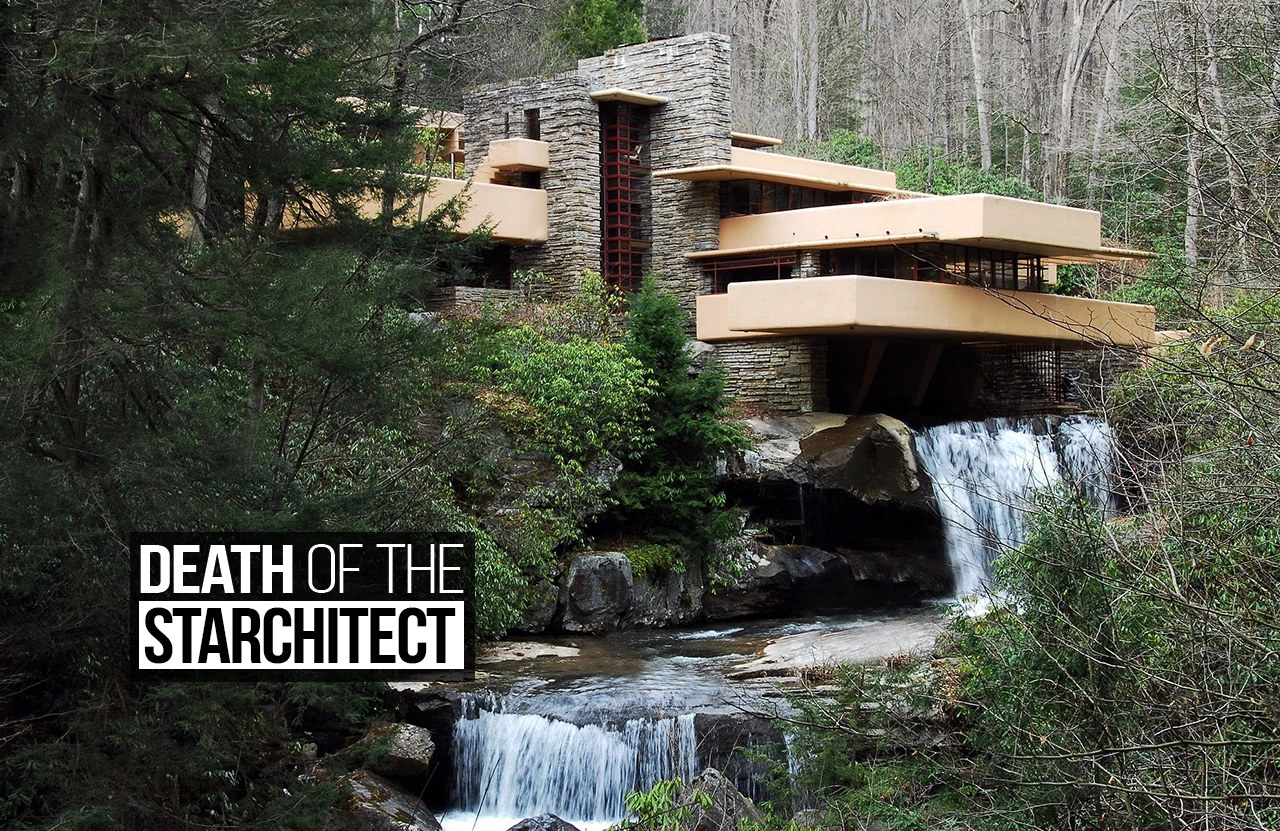
Failing to strike a balance between the image of the starchitect that was presented versus the real impact that they had – beyond architectural culture – may have been the twentieth-century starchitect’s hamartia, or fatal flaw. This was exemplified by American architect Frank Lloyd Wright’s ‘Fallingwater’, which, despite being completed in 1939 as a weekend retreat for Pittsburgh department store tycoon Edgar J. Jaufmaan and his family, contained many engineering flaws that are still being addressed to this day. Before construction was complete, the design for Fallingwater had already captured the world by storm. In 1937, two years before completion, not only would Wright go on to appear on the cover of Time Magazine, posing in front of his drawings, but he would also be featured by The Museum of Modern Art (MoMA) in New York City who would dedicate a two-year traveling exhibition – ‘A New House by Frank Lloyd Wright’ (1938) – to showcase its unique design (Fallingwater, 2024) and grace the pages of ‘Life’ as well as The Architectural Forum, making it one of the most recognisable houses in the world. Following the completion of Fallingwater’s guest house in 1939, the accolades did not end there. In 1976, Fallingwater became a National Historic Landmark. This coincided with the same year as Frank Lloyd Wright’s home and studio in Oak Park, Illinois, and Taliesin, his home and school in Spring Green, Wisconsin. In the year 2000, Fallingwater was named a Commonwealth Treasure by the Pennsylvania Historic and Museum Commission. On July 10, 2019, the United Nations Educational, Scientific and Cultural Organisation (UNESCO) World Heritage Committee inscribed Fallingwater and seven other Frank Lloyd Wright-designed sites to the UNESCO World Heritage List (Fallingwater, 2019). All in addition to the second MoMA exhibition, ‘Frank Lloyd Wright, Architect,’ opening upon completion (Fallingwater, 2024).
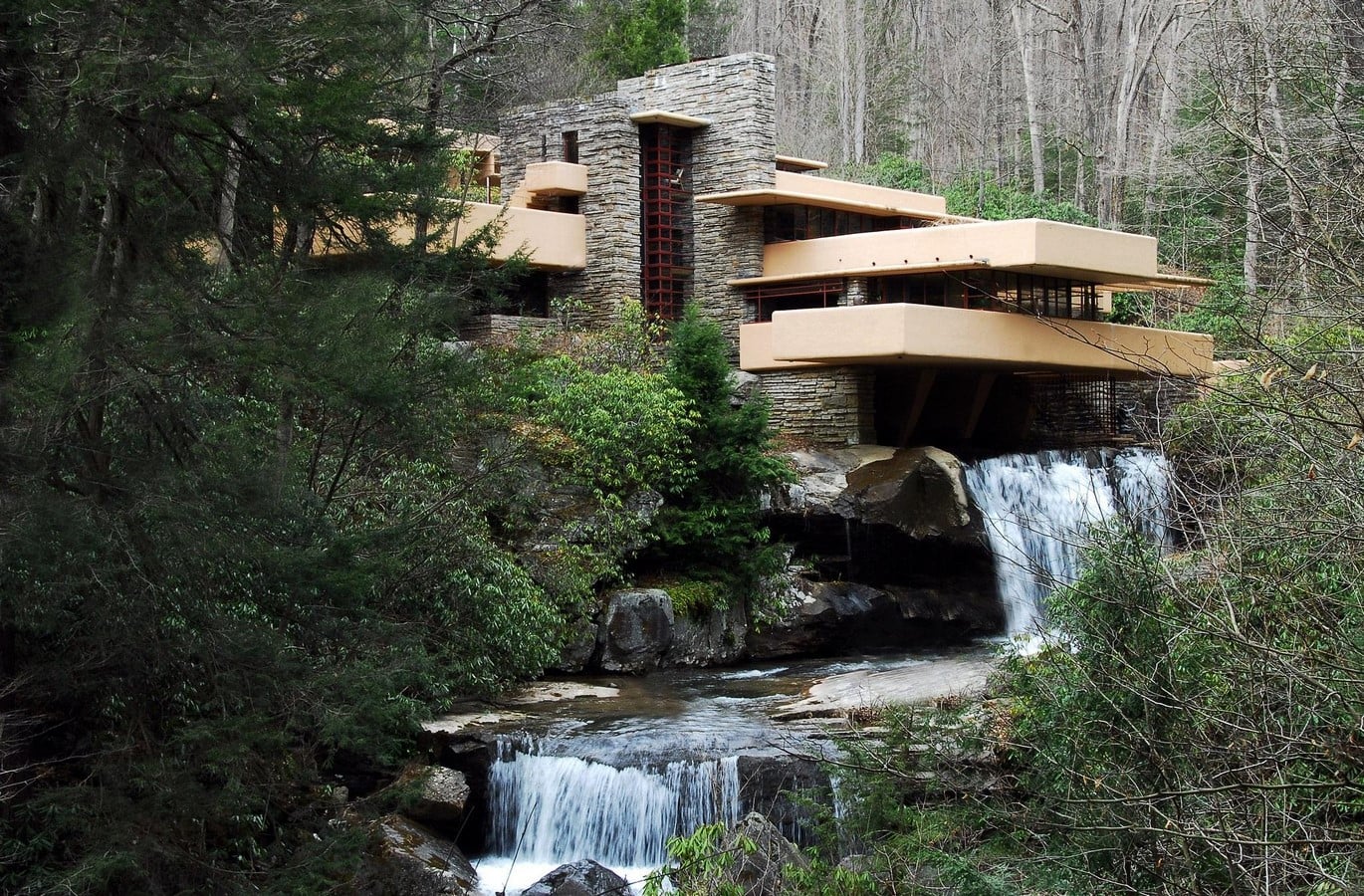
Almost 90 years after Fallingwater’s completion in 1939, conservators are still working on stabilising Wright’s experimental design. Despite the awards, Fallingwater, like many of Wright’s buildings – such as the Solomon R. Guggenheim Museum in New York – had many engineering flaws, including endemic leaking problems unrelated to the waterfall (Riva, 2026). Justin Gunther, the vice president of the Western Pennsylvania Conservancy (WPC) and director of Fallingwater, notes that whilst ‘Wright created a sculptural masterpiece…he was pushing the boundaries of residential construction’ (Riva, 2026). By not putting enough reinforcing steel in the cantilevers of the house over the waterfall, as soon as the formwork was removed, the house started to sag (Riva, 2026). Despite Wright continuing to assure his clients, the Kaufmanns, that this was natural, the truth is that Fallingwater could have collapsed at any moment. The most recent conservation efforts at the time of writing are a three-year, $7m project to repair and protect the house, which was scheduled for completion in April of 2026. The failure of Wright’s building to fulfil its true role, as firstly a piece of architecture, whilst simultaneously being celebrated by the press as a spectacle to behold, is demonstrative of the tension between the image of the starchitect and the work they produce, versus the realities of the work and their practice. Understanding the realities of the way architects such as Mies Van Der Rohe operated, and the aftermath of Frank Lloyd Wright’s precedents, does beg the question: to what extent does the pursuit of the starchitect neglect some of the most important aspects of the architecture, such as collaboration, innovation, and providing basic shelter?
The Neostarchitect
The rise of both digital and social media has democratised visibility that was once reserved only for the top architects, amplifying the voices of those whose practice of architecture emphasises collaboration, innovation and shelter – or what has been termed here, the ‘Neostarchitect’. The rise of both digital and social media has also demanded a level of transparency from practitioners within the built environment like never before, measuring their status not only by their visibility but also by the extent of that visibility. Whilst once upon a time, architects remained on the cover of the magazines, with limited interviews and awards, the neostarchitects of today are expected to give TED Talks, international guest lectures and post on social media. Key examples include 2022 Pritzker Prize Winner Francis Kéré and 2015 Turner Prize Winner Assemble Studio, to name a few.
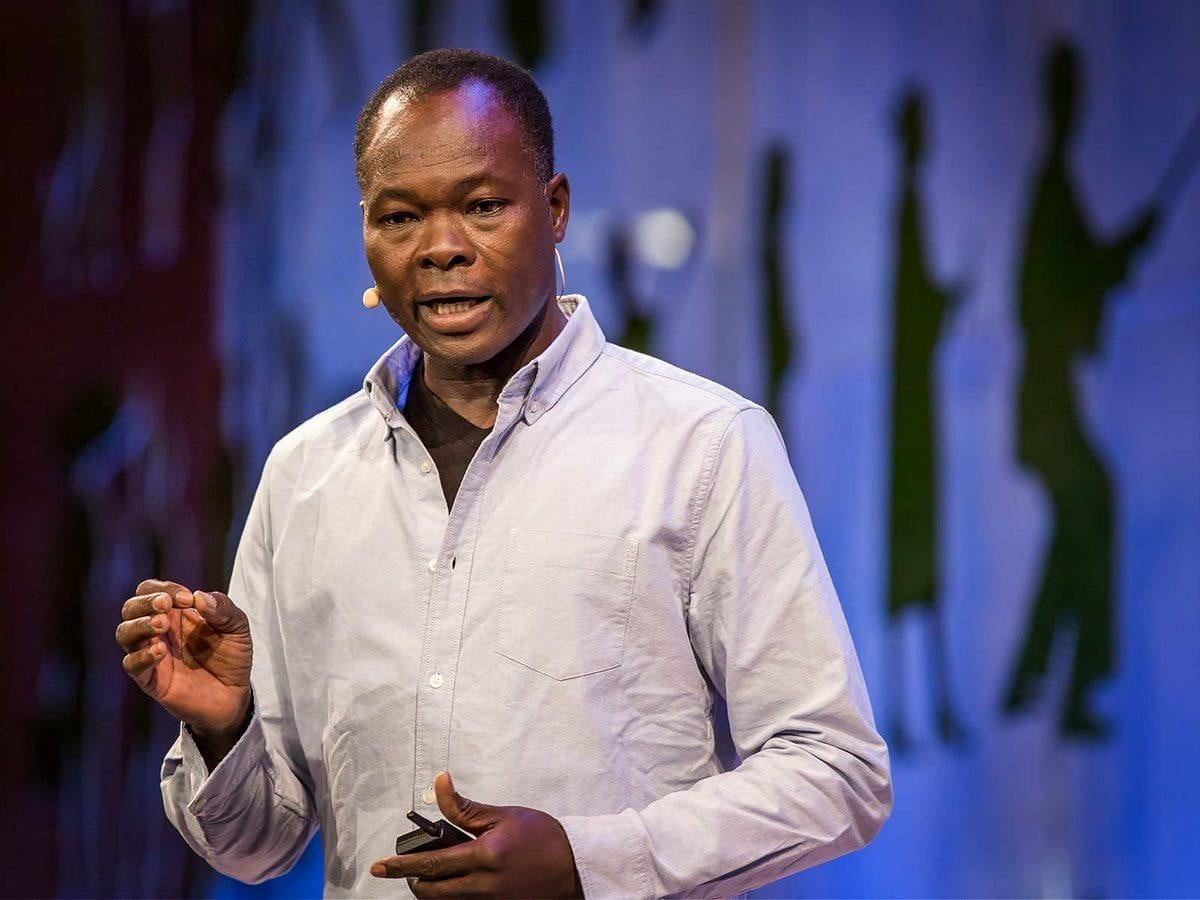
Rather refreshingly, both practitioners engage with the realities of their profession, creating a lasting positive impact on the communities that they are not only designing for, but with, as well. Winning the Pritzker Prize in 2022, Francis Kéré’s 2013 TED Talk, ‘How to build with clay … and community’, reflected upon his approach to building Gando Primary School in Burkina Faso. Working with local materials, Kéré used the project as an opportunity to upskill the local community, allowing them to take on construction roles in the future. In doing so, Kéré hoped to contribute to the alleviation of poverty in the area he grew up in – giving back to his community (Kéré, 2013). Similarly, winning the Turner Prize in 2015, Assemble Studio’s collaborative approach through the Granby Four Streets regeneration project in Liverpool saw the multidisciplinary collective working with the local community, allowing the project to become an opportunity for residents to actively participate in the regeneration of their neighbourhood, creating lasting social and cultural value. By rejecting the ego of the traditional starchitect, both practitioners focused on the realities of their practice, and instead – as in the case of Francis Kéré – used the following amassed to further give back by propagandising his philosophy.
Though the twentieth-century starchitect was largely defined by the image that they presented of both themselves and their architecture, oftentimes, this was detached from the realities of both their real-world impact and their practice. Whilst Frank Lloyd Wright’s ‘Fallingwater’ was celebrated, and Mies Van Der Rohe’s character acclaimed, in both instances the public messaging that was signalled by the press did not reflect the engineering flaws in the former, and collaborative practice in the latter. Fast-forwarding to the twenty-first century, and the rise of what could be termed the neostarchitect, it could be argued that the rise of both digital and social media ushered in a new kind of starchitect, one that was more concerned with their impact on the local communities they were also designing with, not simply for. The ‘Death of the Starchitect’, therefore, does not neglect the cultural impact of high-ranking architects, both in the past and today, but rather acknowledges a shift in how their value is recognised. Whilst once upon a time, value was ascribed to the final work and work alone, value today is often interpreted by the impact that both precedes and proceeds the final build.
Reference list:
Assemble (2019). Assemble – assemble is a multi-disciplinary collective working across architecture, design and art. [online] Assemble. Available at: https://assemblestudio.co.uk/ [Accessed 28 July 2026].
Fallingwater (2019). What is Fallingwater? [online] Fallingwater. Available at: https://fallingwater.org/what-is-fallingwater/ [Accessed 27 July 2026].
Fallingwater (2024). Designing Fallingwater. [online] Fallingwater. Available at: https://fallingwater.org/history/the-kaufmanns-fallingwater/designing-fallingwater/ [Accessed 27 July 2026].
Kéré, D.F. (2013). How to build with clay … and community. TED. Available at: https://www.ted.com/talks/diebedo_francis_kere_how_to_build_with_clay_and_community [Accessed 29 July 2026].
Parker, H. and Associated (2025). Brad pitt’s architect friend frank gehry who worked for Bono dies at 96 as Jamie Lee curtis pens tribute. [online] Mail online. Available at: https://www.dailymail.com/tvshowbiz/article-15358139/Brad-Pitt-architect-friend-Frank-Gehry-dies-96.html# [Accessed 28 July 2026].
Patterson, M. (2020). Revitalization, Transformation and the ‘Bilbao Effect’: Testing the Local Area Impact of Iconic Architectural Developments in North America, 2000–2009. European Planning Studies, 30(1), pp.1–18. doi:10.1080/09654313.2020.1863341.
Riva, E. (2026). Endemic Leaking Problems at Frank Lloyd Wright’s Fallingwater Finally Come to an End. [online] The Art Newspaper – International art news and events. Available at: https://www.theartnewspaper.com/2026/03/16/fallingwater-endemic-leaking-problems-finally-come-to-an-end-frank-lloyd-wright [Accessed 27 July 2026].
Rybczynski, W. (2022). Starchitects. In: The Story of Architecture. [online] Yale University Press, pp.314–321. Available at: https://www.jstor.org/stable/j.ctv32nxzrw.41 [Accessed 22 July 2026].
Tomorrow City (2021). Guggenheim museum bilbao: 9 Reasons why it deserves its global recognition. [online] Tomorrow.City – The biggest platform about urban innovation. Available at: https://www.tomorrow.city/guggenheim-museum-bilbao/ [Accessed 28 July 2026].