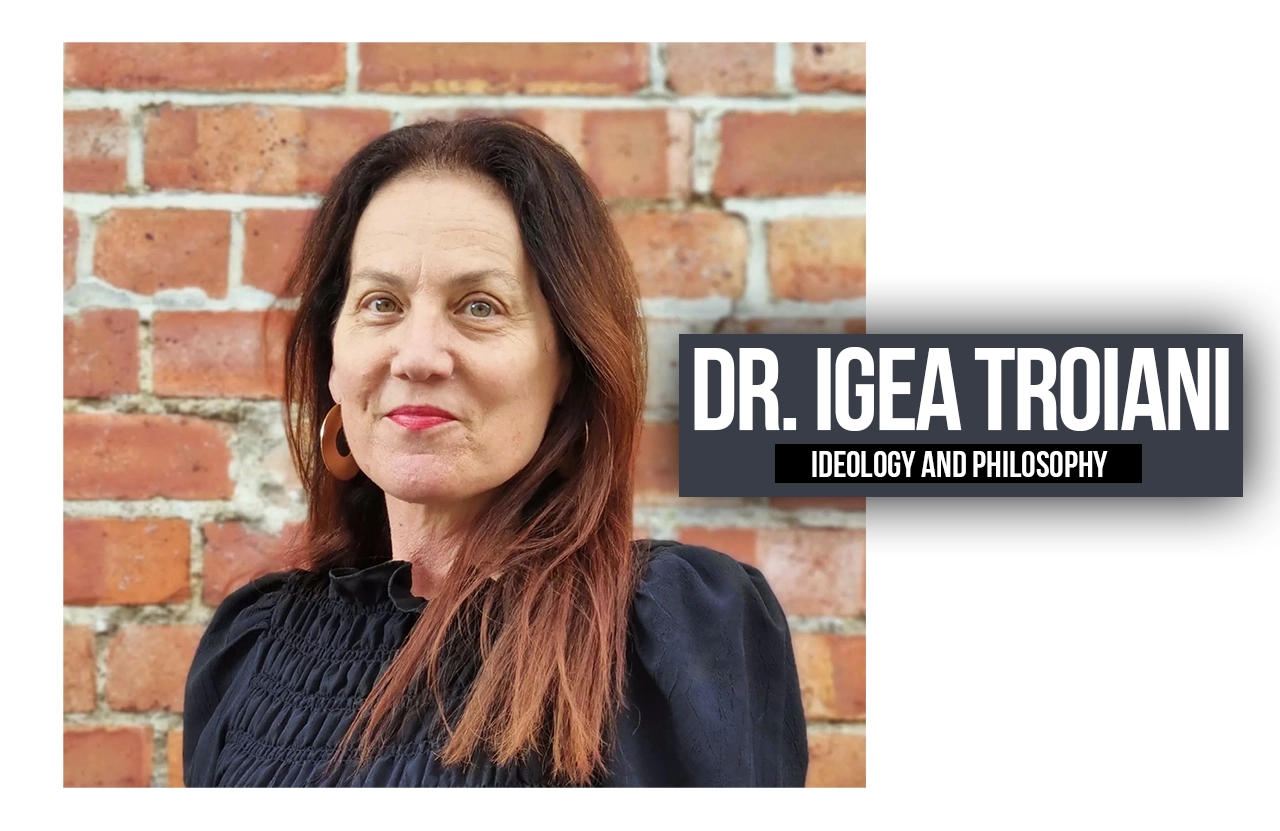
Architecture is often considered a field-based profession: tight schedules, construction sites, design decisions, client meetings, material selection and progress oversight. For so long we have glorified the image of an architect to manage the entire project whole and sole, to learn everything, to communicate and to work endless nights. But nobody talks about the work behind the scenes. The research work that goes beyond the endless site work, the coordination with stakeholders. The research that includes analysing the facts, surveys and samplings, identifying the problems and spending years proving the hypotheses. A few architects also choose to ditch the cliched practice and completely immerse themselves in the research, benefiting society. One such architect is Dr. Igea Troiani.
Academic Lineage
Having entered the field as a migrant from Australia, Dr. Igea is a Professor and Head of the School of Architecture and Planning at LSBU. With 30 years of experience working in a university (including architecture practice) gained in the UK (London, Oxford and Plymouth), China (Suzhou), Germany (Münster) and Australia (Brisbane and Melbourne), she has excelled in research and supervised more than 100 theses and dissertations. Serving in many positions, such as Subject Lead and Dean of International Affairs. Her contribution has been instrumental to several journals.
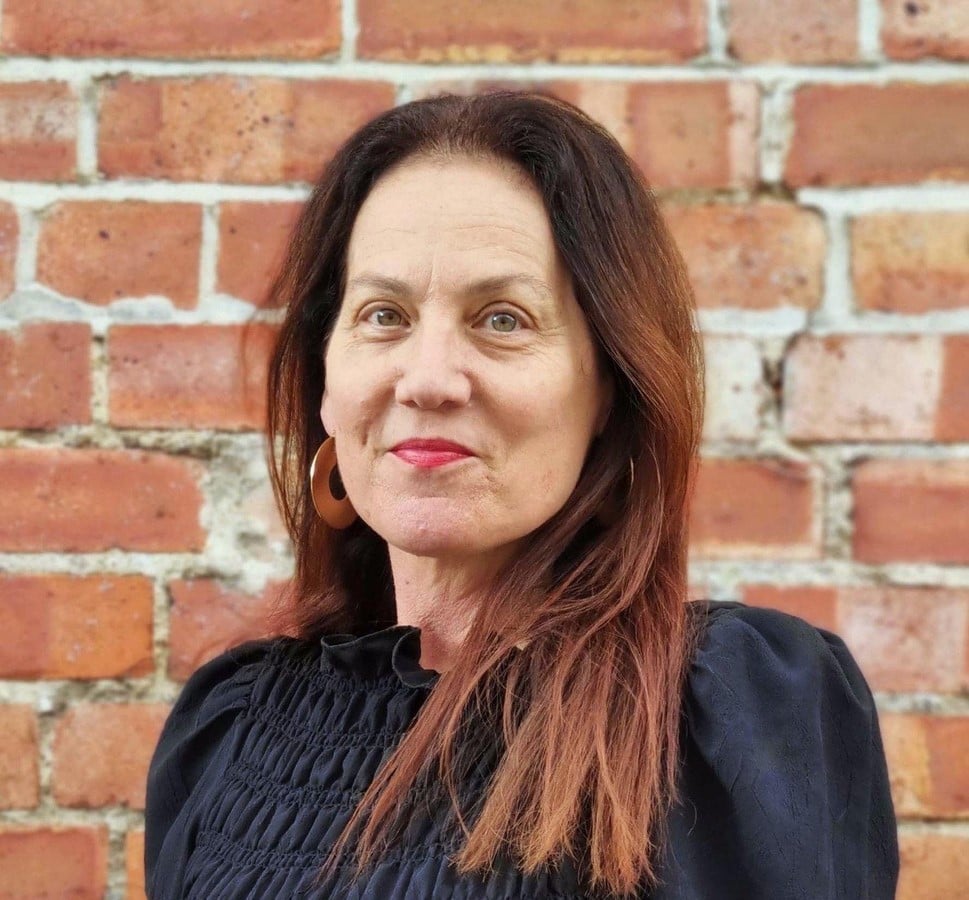
Drawing from her background and her research on Women in Architecture, she explores how cultural identity and diverse perspectives enrich the field. She emphasises that architecture should not seek to normalise everyone but instead allow for a variety of viewpoints.
She argues for a sociological perspective in architecture to determine the conditions in which architecture is, and architects are, socially, culturally and economically produced. Her keen interest lies in:
- the social production of the architect and their architecture
- architecture and media (focusing on publishing and filmmaking)
- architectural labour, neoliberalism and sustainable ecologies
Dr Troiani emphasises that architecture is fundamentally a social construction, and moving beyond just the physical structure is vital for creating a more inclusive and mindful profession. She highlights the fact that the background of an architecture student strongly shapes their performance in the profession. Whether an architect attended an ‘elite’ or ‘non-elite’ university, the influence of one’s socioeconomic status or the differences in power dynamics. She refers to these hierarchies in the profession as the concept of ‘pecking order’. She believes that our personal lives and experiences can affect how our careers turn out. Having a supportive network, like a partner who helps with childcare, can give us an advantage and help us keep working. This idea is important because it highlights how our individual circumstances can influence our success in the field
Democratizing Research
Dr. Igea states that the profession is built on a model that expects ridiculously long work hours. The traditional image of the ‘famous architect’ is someone totally committed to their work until they are in their 90s.
Her research, featured in her book Work-Life Balance in Architecture, is not a guide on how to get balance, but rather an exploration of how to navigate this complex terrain. She advocates for finding ways to stay engaged with the profession, in unproductive stages of life, so that one can continue to make contributions when the time arrives. Professor Igea Troiani suggests a human-centred philosophy for architecture that moves beyond aesthetics and structure to focus on the social, historical, and personal dimensions of the built environment.
Another area of concentration for Professor Troiani lies in the filmmaking industry. She believes that theory can be taught in the form of film that resonates with daily working patterns. Her book ‘Architecture Filmmaking’ advocates that films help viewers understand the personal relationships, motivations, and social networks behind famous architectural works.

Igea argues about neoliberal capitalism, where she critiques the commercialisation of architecture schools. She explores the shift from contemplative teaching methodologies to entrepreneurship and factory- made teaching techniques. She documents the work in an experimental film, Death and Life of UK Universities, and explores the design of campus spaces. Her research concludes with a cinematic gaze at the liberalisation of architecture education and sensitising towards an identity of sameness.
Troiani details how she uses filmmaking to make academic research more accessible and to explore complex topics like work-life balance and the “cumulative advantage” in architectural careers.
A much-talked-about documentary, Transnational Narratives: A Documentary Celebrating South Asian Women in Architecture by Igea Troiani and Mamuna Iqbal celebrates the women in architecture across South Asia. The film presents a multifaceted role of women in the architecture field, including practice, research, teaching, etc. It also showcases empathy, ethics and social responsibility. It captures the efforts of women managing motherhood, activism and a resilient approach to patriarchal beliefs. The film draws attention to the core philosophy of Igea of inclusivity and gender equity in the male-centric profession.
Her other books ‘The Politics of Making’ (2017/2007); ‘Transdisciplinary Urbanism and Culture’ (2017); ‘Architecture Filmmaking’ (2019); ‘Visual Research Methods in Architecture’ (2021); and ‘Spaces of Tolerance’ (2021), and ‘Work-life Balance in Architecture'(2024), communicate her ideology that architecture is not just a collection of buildings; it is a social construction.
Pillars of Ideology
Troiani advocates for radical inclusivity and gender equity. She supports integrating diverse cultural, religious, and class backgrounds to enrich the built environment.
She challenges the traditional, often male-centric ‘ego culture’ of architecture. She emphasises a collaborative approach rather than a dynamic patriarchal style.
Professor Igea deliberates on a transdisciplinary approach by intersecting architecture, sociology and filmmaking to communicate ideas and make an inclusive space. This interdisciplinary approach bridges the gap between abstract academic theory and real-world, lived experience. According to Professor Igea Troiani, achieving a true work-life balance in the architectural profession is extremely difficult, if not impossible, within the current industry model. Her ideology is rooted in a human-centred, socially conscious approach to architecture. By recognising and addressing these social factors, we can work towards creating a more inclusive and equitable profession. Dr Troiani’s perspective encourages us to think about how we can create a more supportive and collaborative environment in architecture, where everyone has an equal opportunity to succeed.
References:
Piñeiro, A. (2026). Fundació Mies van der Rohe Presents “Transnational Narratives,” a Documentary on Six South Asian Women Architects. Fundació Mies van der Rohe Presents “Transnational Narratives,” a Documentary on Six South Asian Women Architects. Available at: https://www.archdaily.com/1040163/fundacio-mies-van-der-rohe-presents-transnational-narratives-a-documentary-on-six-south-asian-women-architects [Accessed 2 Aug. 2026].
London South Bank University. (2017). Professor Igea Troiani. [online] Available at: https://researchportal.lsbu.ac.uk/en/persons/igea-troiani/ [Accessed 2 Aug. 2026].
Troiani, I. (2025). Igea Troiani: “Work-life Balance in Architecture” (2025) | INDESEM. INDESEM. Available at: https://www.youtube.com/watch?v=t_6D5n2Z38U [Accessed 31 July 2026].
Troiani, I. (2024). Making Home With The Students Symposium – Igea Troiani – Part 18. AA School of Architecture. Available at: https://www.youtube.com/watch?v=RWbZGblQH9w [Accessed 31 July 2026].
Studio, K. (2025). It’s Giving… Architect,” Khizr Studio Podcast Ep.9 w/ Head of Architecture, Prof. Igea Troiani. Available at: https://www.youtube.com/watch?v=c_1Z1ixJ74Q [Accessed 29 July 2026].