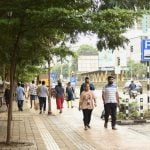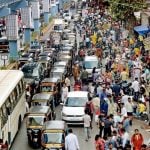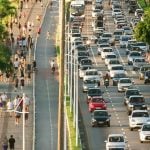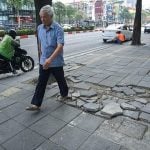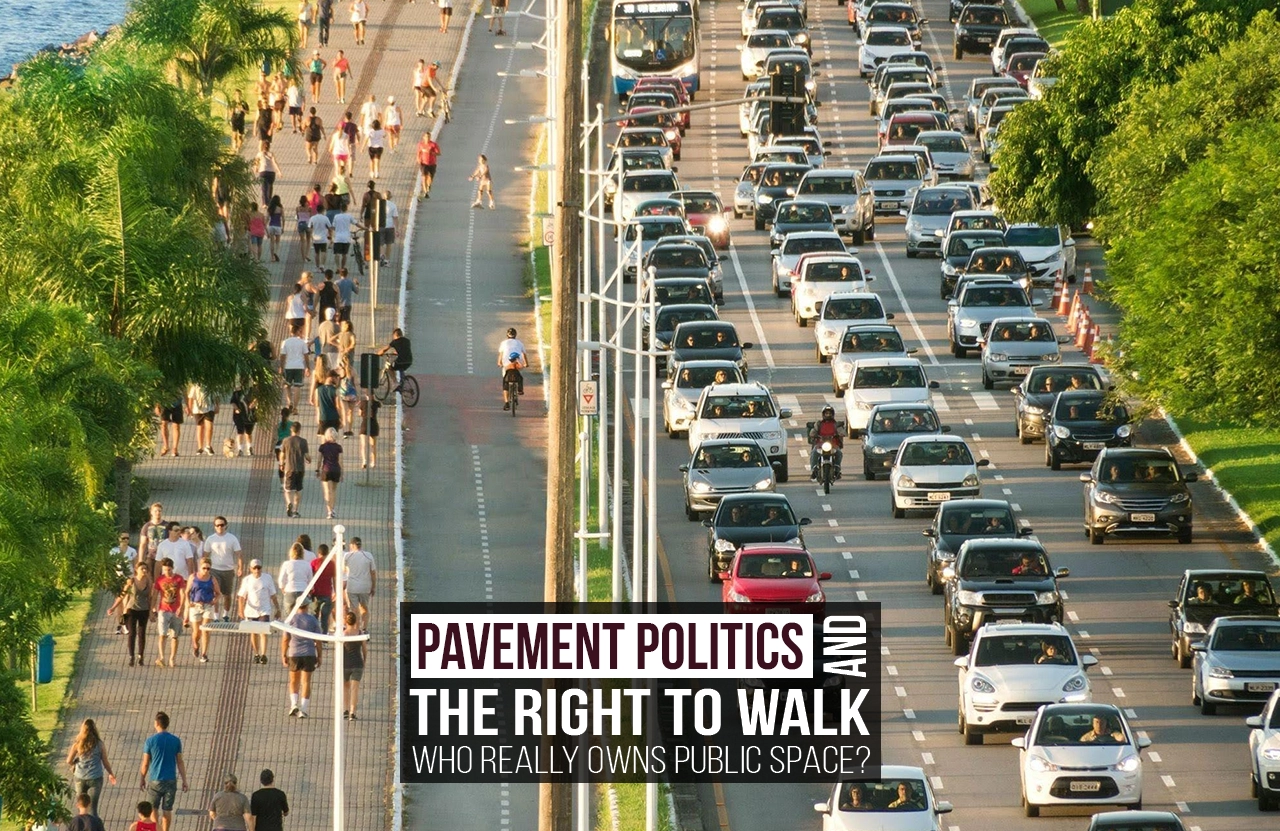
Walking is probably the oldest and simplest form of movement. Almost everyone, regardless of age, profession, or income, becomes a pedestrian at some point during the day. Yet in many cities, the simple act of walking has become surprisingly difficult. Broken pavements, parked motorcycles, construction barricades, and uneven footpaths have become so familiar that they are often treated as part of the city itself. These everyday experiences ask a deeper question: Who is the Urban infrastructure really designed for?
Urban planner Jeff Speck argues that a walk needs to be useful, safe, comfortable, and interesting before people will genuinely choose it over other forms of movement (Speck, 2012). This raises a more uncomfortable question: if cities are designed around the movement of cars first, where does the pedestrian fit in? The discussion around Pedestrian Rights is therefore not only about pavements. It is about who gets to experience Public Space, and on whose terms.
When Roads Grow but Footpaths Shrink
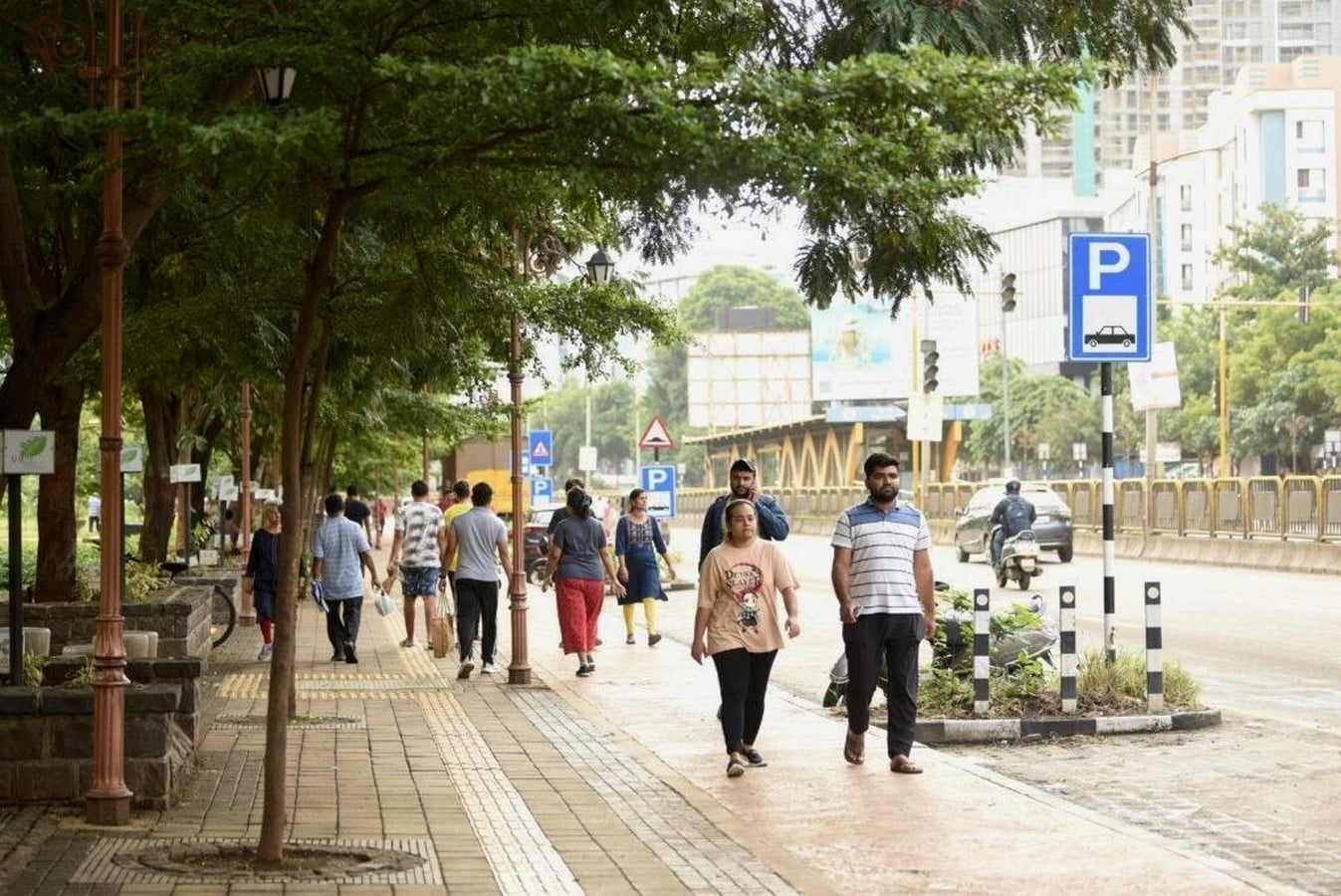
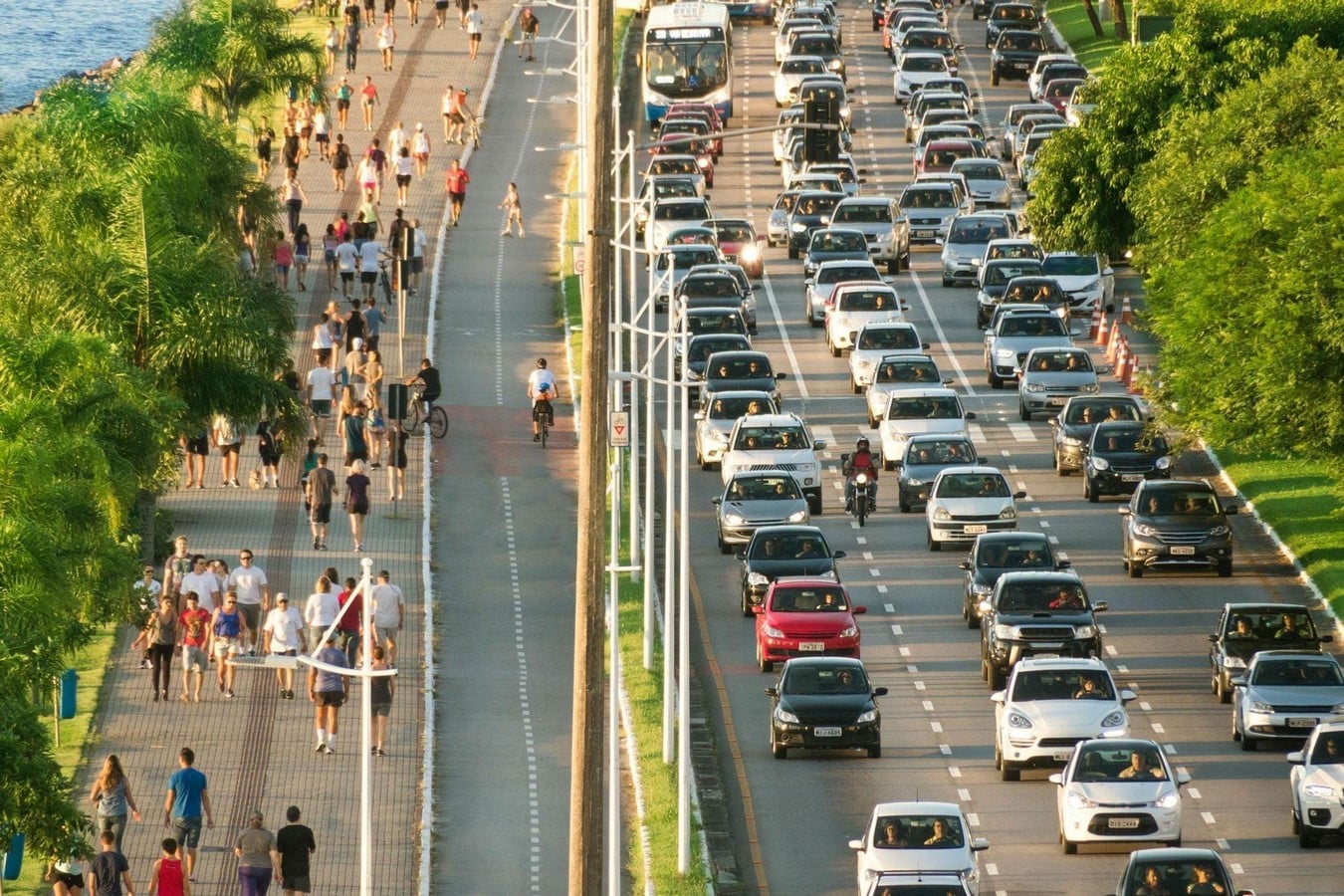
Modern cities often celebrate large infrastructure projects. Flyovers, elevated expressways, metro corridors and multi-lane highways are presented as visible signs of development. At the same time, the pavement beside them can become narrower, interrupted, or disappear altogether. This seems contradictory because almost every journey eventually becomes a walking journey. A person stepping off a bus, leaving a railway station, or parking a car still has to cover the final stretch on foot.
This is where Jan Gehl‘s approach becomes useful. Rather than understanding the city primarily through traffic movement, Gehl asks designers to consider it at the scale of the human body and everyday experience (Gehl, 2010). A pavement is therefore not leftover space beside a road. It is infrastructure in its own right. When walking is treated as something people will simply manage on their own, Pedestrian Rights become an afterthought.
When the Car Became the Priority
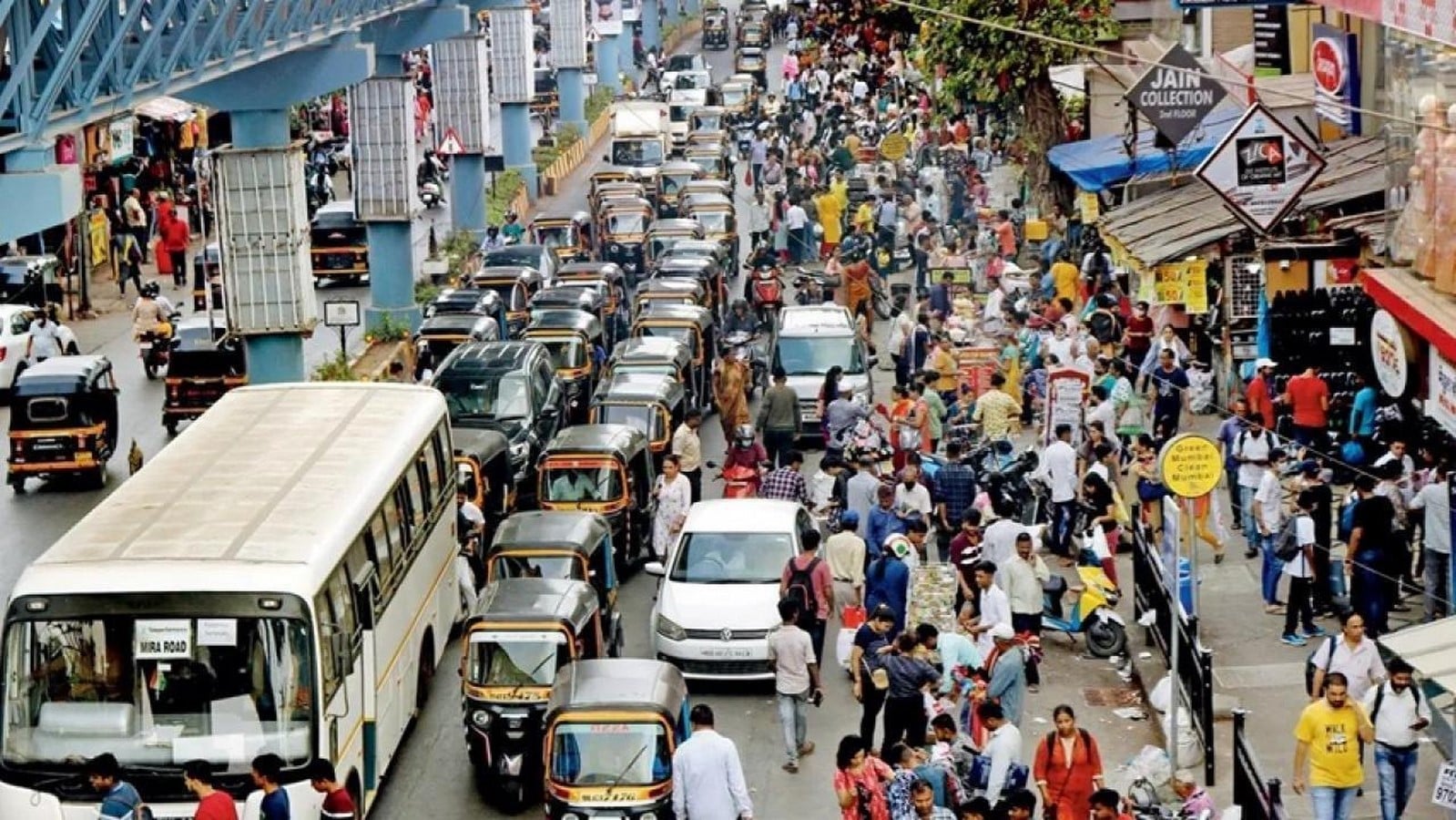
For much of the twentieth century, urban development was increasingly shaped around the private automobile. Wider roads promised faster movement, parking became an essential requirement, and buildings were often set further apart to accommodate traffic. The pedestrian was still present, but increasingly pushed towards the edge of the street.
The problem is also connected to the way cities developed around the private automobile during the twentieth century. Wider roads promised faster movement, parking became an essential requirement, and buildings were increasingly planned around vehicular access. The pedestrian remained present, but often at the edge of the decision-making process.
Speck’s four conditions make the problem easier to understand. A walk must have a purpose, feel safe, be comfortable, and offer something interesting along the way (Speck, 2012). A pavement blocked by parked vehicles may technically provide a route, but it is neither comfortable nor safe. A crossing placed several hundred metres away may connect two sides of a road on paper, but it may not feel useful to someone simply trying to reach the other side.
The problem, therefore, is not only badly maintained footpaths. It is the larger hierarchy behind them. When the movement of cars is planned first, pedestrians are often left to negotiate whatever space remains.
One Pavement, Different Experience
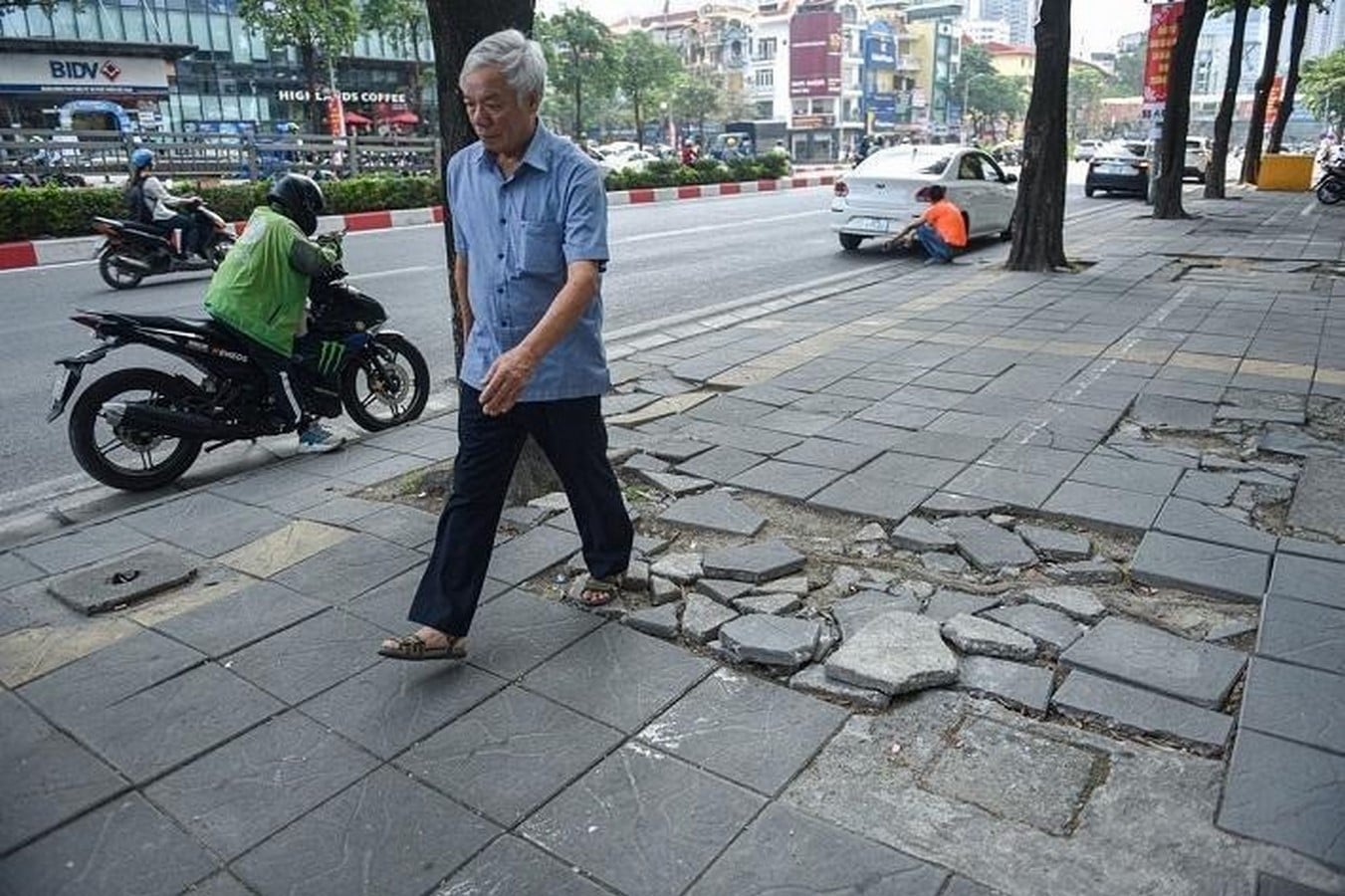
It is easy to assume that everyone experiences the same street in the same way. In reality, a pavement changes depending on who is using it. A broken pavement does not affect everyone equally.
For an office worker, a broken sidewalk may simply mean a small inconvenience during the morning commute. For an elderly person, the same uneven surface can become a serious risk of falling. For someone using a wheelchair or pushing a baby stroller, missing ramps and high curbs may make the route completely inaccessible. A visually impaired pedestrian depends on tactile paving and clear pathways that are often absent or obstructed.
These are not exceptional users. They are ordinary citizens using the same Public Space in different ways.
An accessibility walk conducted in Mumbai highlighted exactly this problem, showing how missing ramps and poorly designed footpaths can turn an ordinary journey into a physical obstacle course. The question then becomes larger than the question of whether a pavement exists, but who was it actually designed for.
Gender and the Invisible Geography of Fear
Accessibility is not the only thing that changes how a person experiences a street. Public space also has a social geography.
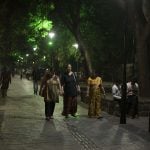
A pavement that feels perfectly ordinary during the afternoon may become uncomfortable after sunset. Women walking alone often consider lighting, visibility, active shops, surrounding buildings, and the possibility of finding help if something goes wrong. An isolated underpass or an empty stretch of pavement can therefore feel unsafe even when its physical dimensions meet planning standards.
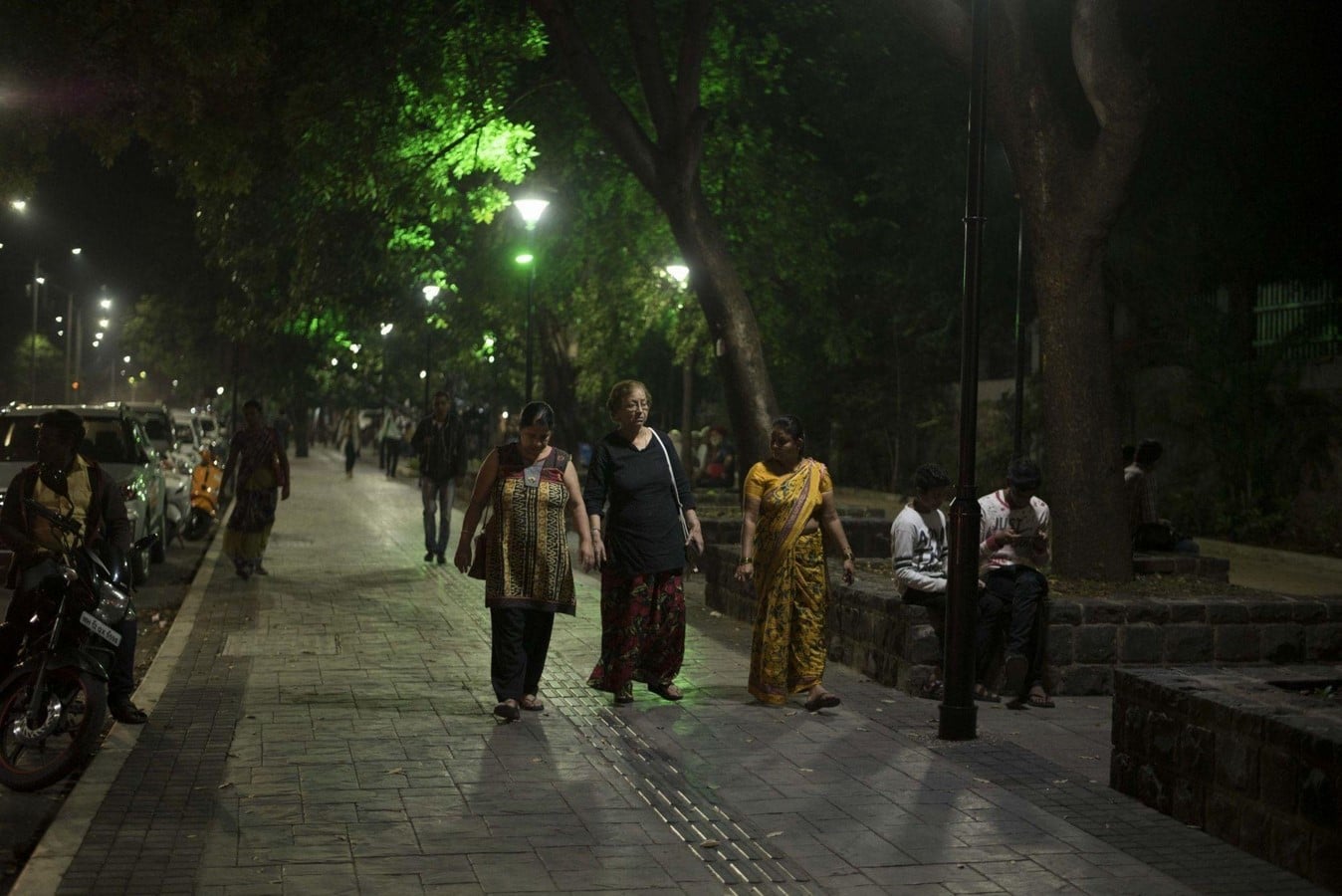
Jane Jacobs’ idea of “eyes on the street” remains relevant here. Streets with active shops, homes, cafés and people moving through them create a degree of natural observation that empty streets cannot provide (Jacobs, 1961). Safety is consequently not produced by lighting alone. It is also produced by people, activity and the relationship between buildings and the street.
A successful Public Space must therefore consider not only whether people can walk through it, but also whether different people feel able to do so.
Public Space or Contested Space?
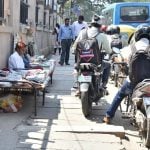
Anyone walking through a South Asian city quickly notices that pavements are rarely used only for walking. Vegetable sellers, flower vendors, tea stalls and small repair shops often occupy the edges of streets. Motorcycles are parked on kerbs, cafes extend seating onto pavements, and construction materials temporarily take over pedestrian routes.
From the perspective of Pedestrian Rights, these occupations can appear to be obstacles. But removing them completely creates another problem. For many people, the pavement is also a workplace.
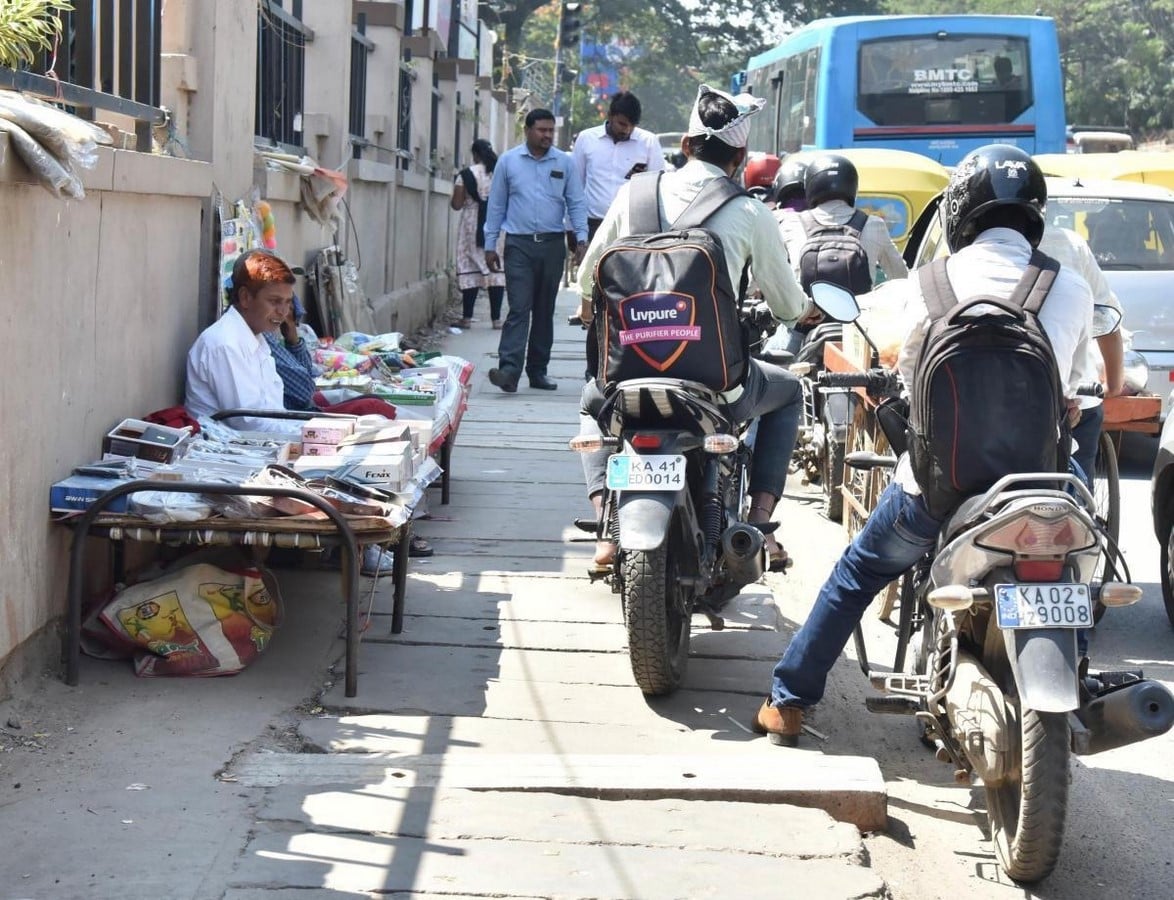
Street vending supports livelihoods and gives neighbourhoods much of their everyday character. A street filled with vendors and pedestrians can actually feel more active and socially connected than an empty, perfectly controlled pavement. The conflict is therefore not simply between pedestrians and informal activities. It is a question of how much space the city provides, and how that space is shared.
Instead of asking whether vendors belong on pavements, perhaps the better architectural question is: can Public Space accommodate movement and livelihood without forcing one to erase the other?
Who Owns Public Space?
The politics of the pavement often becomes clearest through the smallest decisions.
A utility box is placed in the walking path. A shop extends its display outside. Motorcycles occupy the sides of a road. A construction barricade takes over half the pavement. Each decision may appear insignificant on its own. Together, however, they determine how much space remains for the person walking.
Henri Lefebvre’s idea of the “Right to the City” says, The city is not simply a physical environment that people occupy; it is something people should be able to participate in, use, and experience (Lefebvre, 1996).
This makes the pavement surprisingly political.
A city may have an impressive metro network and beautifully designed public buildings, but if an elderly person cannot cross the road, a wheelchair user cannot reach the footpath, or a woman does not feel safe walking through it, something fundamental is still missing. Public Space is only truly public when access to it is not determined by physical ability, gender, or convenience for the automobile.
Perhaps the politics of a city is easier to understand at ground level than from its skyline.
Pedestrian Rights are therefore not only about movement. They are about access, safety, independence and the ability to participate in everyday urban life. The measure of a successful city may not be how quickly a car crosses it or how impressive its infrastructure looks from above. It may be something much simpler: whether an elderly person can walk without fear, whether a child can reach school safely, whether a wheelchair user can travel without searching for an alternative route, and whether someone can walk home without constantly negotiating with traffic and fear of darkness.
Public Space cannot be understood as space that belongs exclusively to pedestrians either. It is shared by vendors, shopkeepers, residents, vehicles, workers, and countless everyday activities. The challenge for architects and planners is not to decide who gets to occupy the pavement, but to design streets where these different needs can coexist without one constantly pushing another aside.
Because a city may be measured by the infrastructure it builds, but it is experienced by the people who have to move through it.
References:
- Gehl, J. (2010) Cities for People. Washington, DC: Island Press.
- Jacobs, J. (1961) The Death and Life of Great American Cities. New York: Random House.
- Lefebvre, H. (1996) Writings on Cities. Oxford: Blackwell.
- Speck, J. (2012) Walkable City: How Downtown Can Save America, One Step at a Time. New York: Farrar, Straus and Giroux.
- UN-Habitat (2015) Global Public Space Toolkit: From Global Principles to Local Policies and Practice. Nairobi: United Nations Human Settlements Programme.