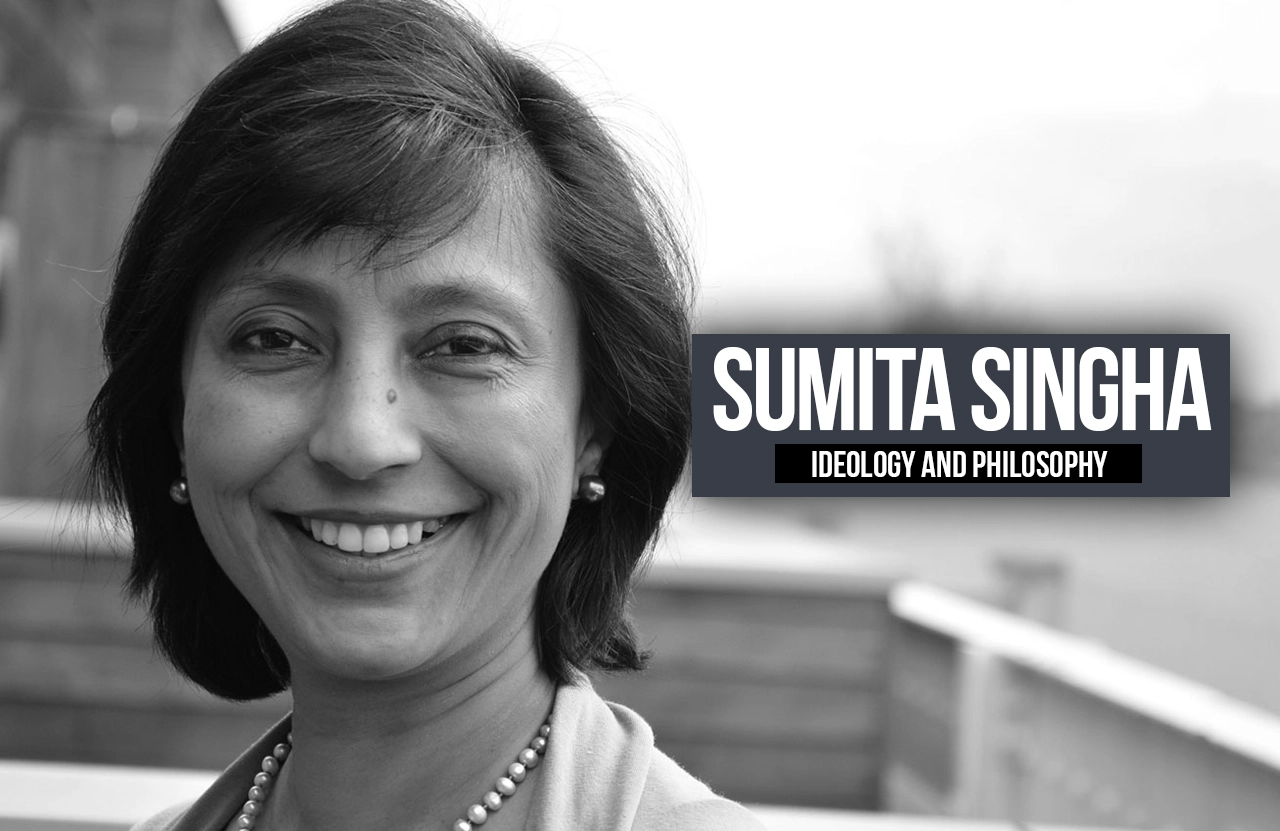
Architecture shapes societies but also mirrors the values of those who build it. Few contemporary architects are able to capture this relationship in such a holistic manner. Sumita Singha, for example, designs buildings, but also advocates for equality, environmental responsibility and participatory practice. Architect, academic, author and activist Sumita Singha has always held the view that architecture needs to respond to social and ecological challenges, rather than simply creating aesthetically pleasing buildings. Her philosophy presents architecture as a tool for ethical transformation, encouraging architects to rethink their responsibilities towards people, communities and the planet.

The Journey Behind Sumita Singha’s Philosophy
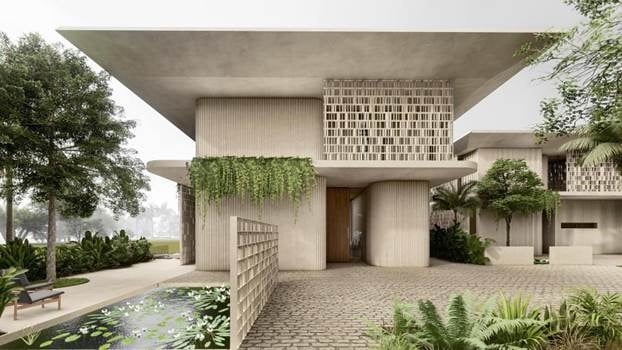
Sumita Singha was born and brought up in India and studied environmental design in the UK. Exposure to different cultures and professional practices gave her a multi-disciplinary outlook. Her career has spanned practice, research, education and public advocacy, giving her leverage in the profession beyond any single project. She founded Architects for Change and set up RIBA’s Equality Forum and has chaired Women in Architecture. In 2021 she was awarded an OBE for services to architecture.
Her career shows that design, education and policy are not separate from each other but part of wider social concerns. Professional practice is an opportunity to collaborate and ethically shepherd the improvement of the built environment in all ways.
Designing for an Ethical World

Sumita Singha argues that fundamentally, architecture is an ethical discipline. To her, the built environment is a tool for fairness, inclusion and ecological balance, not a tool for exclusion or environmental degradation. In her talk, Designing for an Ethical World, she challenged the traditional approach of prioritising profit, hierarchy and overconsumption over social and environmental well-being. Instead, she advocates collaborative approaches that value diversity, participation and responsible decision-making.
The philosophy rethinks the role of the architect. Today the architect is no longer simply a maker of physical form, but a facilitator who listens to communities, interprets local context and works collaboratively with interested parties to create meaningful spaces.
Sustainability Beyond Green Buildings
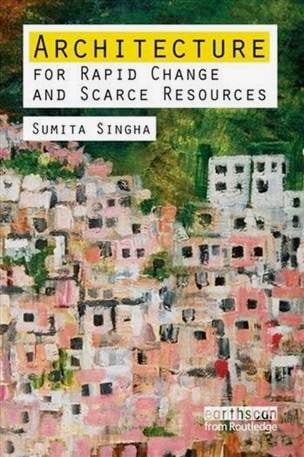
Sumita Singha extends the notion of sustainability, generally understood to mean energy-efficient buildings and tech innovation, to encompass environmental, social and cultural sustainability. Through her practice Ecologic Architects and publications including Architecture for Rapid Change and Scarce Resources, she argues that good architecture should respect local knowledge, consume minimal resources and empower communities.
Her projects often show that sustainable architecture can be inexpensive. Instead, it is built by wise management of resources, climate-sensitive design, suitable materials and long-lasting community engagement. She thinks architecture must respond to the constraints of the environment and the needs of the people and that the solutions must still be relevant after the building is complete.
This view is especially useful in an age of climate change, scarce resources and fast-paced urbanisation. For Sumita Singha, sustainability is not an additional feature of design but the foundation upon which responsible architecture should be built.
Equality and Representation in Architecture
One of Sumita Singha’s most influential contributions has been her commitment to equality within the architectural profession. Through decades of advocacy, research and institutional leadership, she has highlighted the barriers faced by women and underrepresented groups while proposing practical strategies for creating more inclusive workplaces. Her publication Thrive: A Field Guide for Women in Architecture explores mentoring, leadership, visibility and career development, demonstrating that diversity strengthens architectural practice rather than limiting it.
Her philosophy extends beyond gender representation. She consistently promotes intersectionality, recognising that architecture must accommodate diverse cultural, social and economic experiences. Inclusive practice, in her view, results in richer design outcomes because it incorporates a broader range of perspectives during the design process.
By encouraging greater representation within the profession, Sumita Singha also advocates for more equitable built environments. When architects reflect the diversity of society, the spaces they create become more responsive to the needs of everyone.
Participatory Design and Community Engagement
Another aspect of Sumita Singha’s ideology is participation. She urges architects to design with communities, not for them. Through her international charity, Charushila, and other community-led initiatives, she has demonstrated how collaborative design processes can yield pragmatic and socially meaningful solutions.
In participatory design, the local community is assumed to be aware of its own environment. Architects have the technical know-how and residents have the cultural knowledge, lived experience and practical insight. This partnership model provides architecture that better responds to local needs and builds community ownership.
It questions the usual hierarchies of the profession and makes architecture a process of conversation rather than a finished product.
The Legacy of Sumita Singha
Sumita Singha is a force in professional practice, education, publishing and institutional reform. Through her books, lectures, and advocacy, she continues to shape the discussion on sustainability, ethics, equality, and architecture’s responsibility. Her legacy is not a series of iconic buildings but a revolution in the way architects think about their craft and its larger social purpose.”
Her philosophy is a testimony that architecture cannot be separated from real-world issues. Architects need to go beyond technical skill in their design expertise to tackle the challenges of climate change, social inequality and cultural diversity. Through ethical leadership and collaborative practice, she inspires the profession to be more resilient, compassionate and forward-looking.
Sumita Singha is of a generation of architects who see design not as an end, but as a catalyst for positive change. Her ideology combines sustainability, participation, equality and professional ethics into a single vision, which is a challenge to conventional architectural practice. She has changed the way we think about what architects are responsible for in the twenty-first century by challenging the status quo and advocating for more inclusive design processes.
Sumita Singha’s philosophy is an important reminder that good architecture is not only judged by the buildings it creates but by the communities it empowers, the environments it protects and the values it represents, especially as cities continue to face environmental uncertainty and social transformation.