“Trying to fix something that’s broken is sometimes a lot harder than building something new.”

Sarah Sham is not talking about a building.
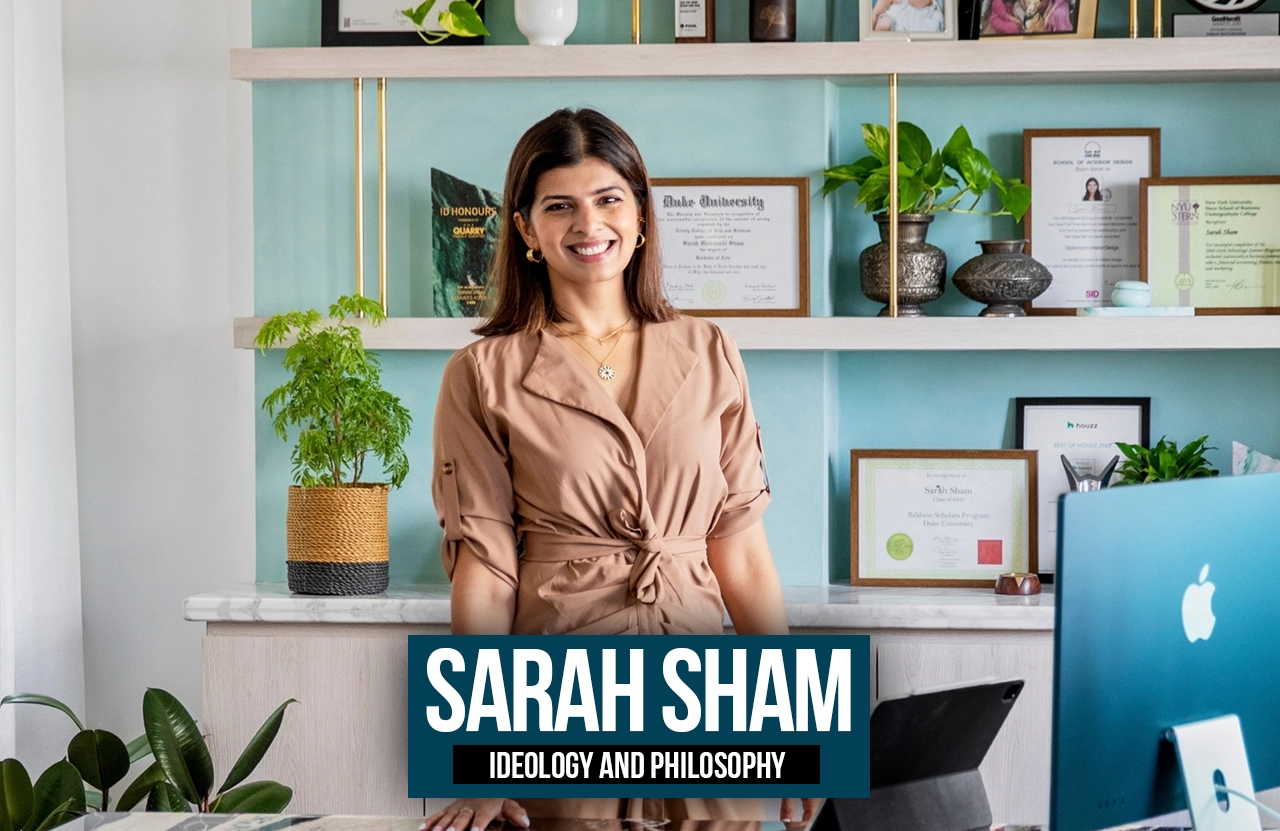
As the fourth generation of the Essajees family, she could have stepped directly into a business built over more than a century around antiques, fine art and bespoke furniture. Instead, her path took several unexpected turns. She studied Art History at Duke University and the University of Oxford before pursuing finance at NYU Stern, eventually beginning her career as a financial news anchor with Bloomberg News. For a time, her world revolved around markets and media rather than materials and interiors, placing her at a considerable distance from the workshops and galleries in Colaba where the Essajees’ legacy had been shaped. Yet Sarah Sham’s journey into design was far from inevitable.
Her return to India marked more than a homecoming; it marked the beginning of a transformation. Rather than inheriting a thriving enterprise, Sham found herself stepping into a 120-year-old business grappling with challenges accumulated over generations. The experience reshaped her understanding of legacy, not as something to be preserved unchanged, but as something that must continually evolve to remain relevant (Essajees Atelier, n.d.).
Rather than rushing into design leadership, Sham immersed herself in understanding the craft from the ground up. She spent five years in furniture manufacturing, gaining first-hand insight into the processes that underpin quality and craftsmanship. She later completed a diploma in Interior Design at Rachna Sansad, graduating with First Class First Distinction. Shams’ professional experiences with Erika Brunson Couture Living in Los Angeles, art consultancy at Lansdowne House, and collaboration with Saffron Art on documenting the works of S.H. Raza expanded her perspective beyond interiors alone. Collectively, these experiences reinforced an understanding of design as an intersection of art, craftsmanship, history and everyday life.
When she established Essajees Atelier in 2014, the studio emerged as a contemporary continuation of the family’s legacy rather than a departure from it. Instead of creating a recognisable house style, Sham envisioned a practice capable of responding to the individuality of every project. That philosophy continues to define the studio today. Sarah Sham has often described each commission as “a blank canvas, waiting for new ideas to populate it.” Rather than imposing a predetermined aesthetic, the studio begins by understanding the people, place and purpose behind every brief. Some interiors embrace understated elegance, while others celebrate colour, texture and layered materiality. Across projects spanning eighteen cities, the unifying thread is not a consistent visual language but a commitment to designing spaces that reflect the identities of those who inhabit them rather than the designer. It is an unusual philosophy for someone who inherited one of India’s oldest names in luxury interiors. For the Principal Designer of Mumbai-based Essajees Atelier, the measure of a successful project is not whether it resembles the last one, but whether it belongs entirely to the people who inhabit it.
Colour as Ideology:
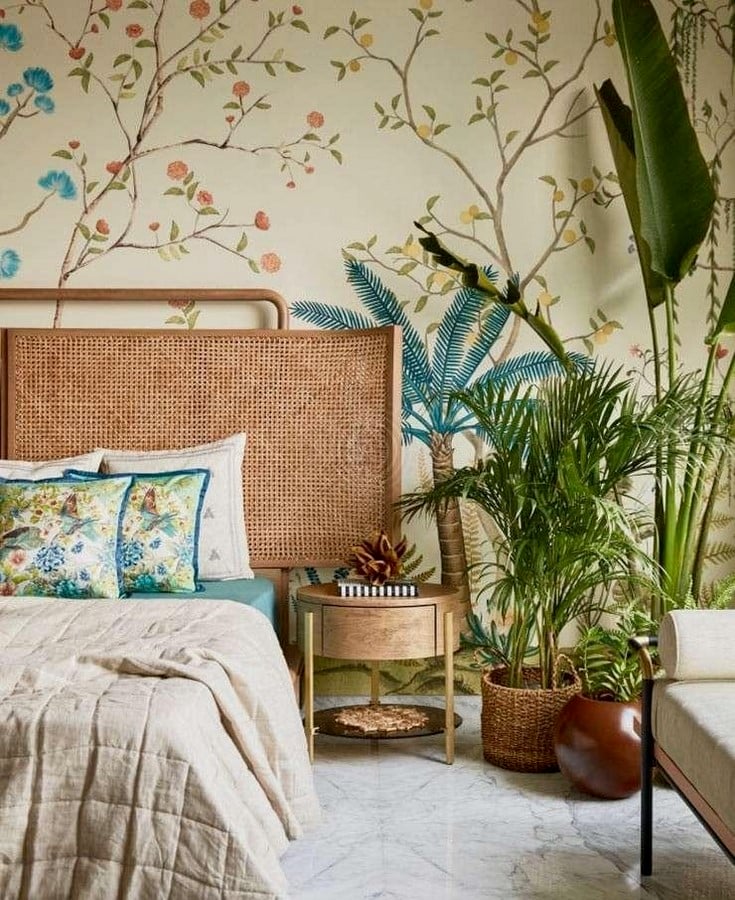
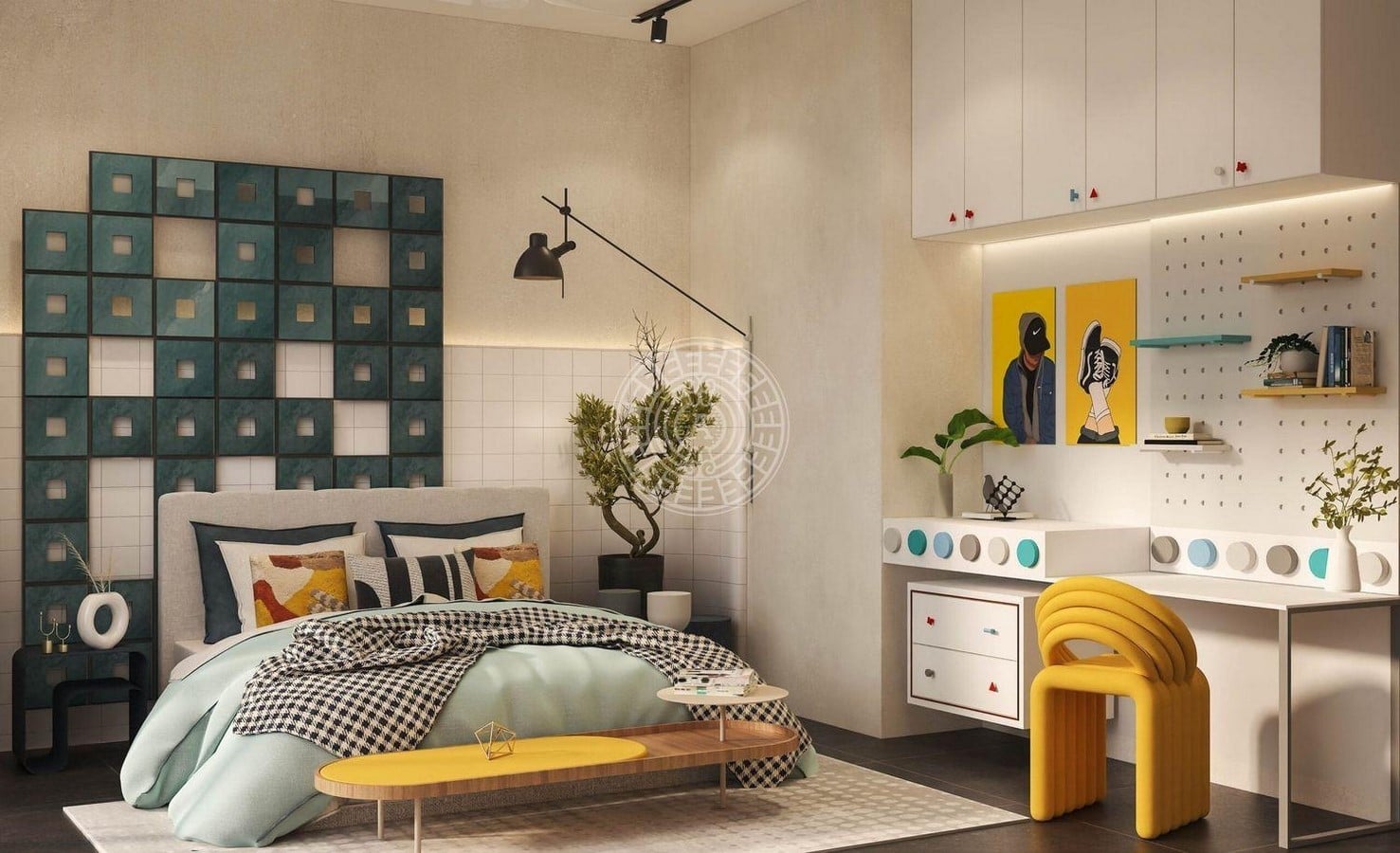
This commitment to individuality is perhaps most clearly reflected in Sham’s relationship with colour. While vibrant interiors are often described as a contemporary trend, she sees them as a rediscovery of something deeply rooted in India’s cultural identity. For centuries, Indian homes drew their character from rich colours, handcrafted objects and regional traditions before decades of Western influence popularised more restrained and standardised aesthetics. To Sham, the renewed embrace of colour is therefore not simply a shift in taste but a broader cultural awakening. It signals a growing confidence to draw inspiration from India’s own artistic heritage. Within her work, colour becomes more than a visual element; it serves as a medium for expressing identity, evoking memory and celebrating place. In doing so, her interiors suggest that contemporary design is at its most authentic when it remains connected to the traditions, craftsmanship and cultural narratives from which it emerged.
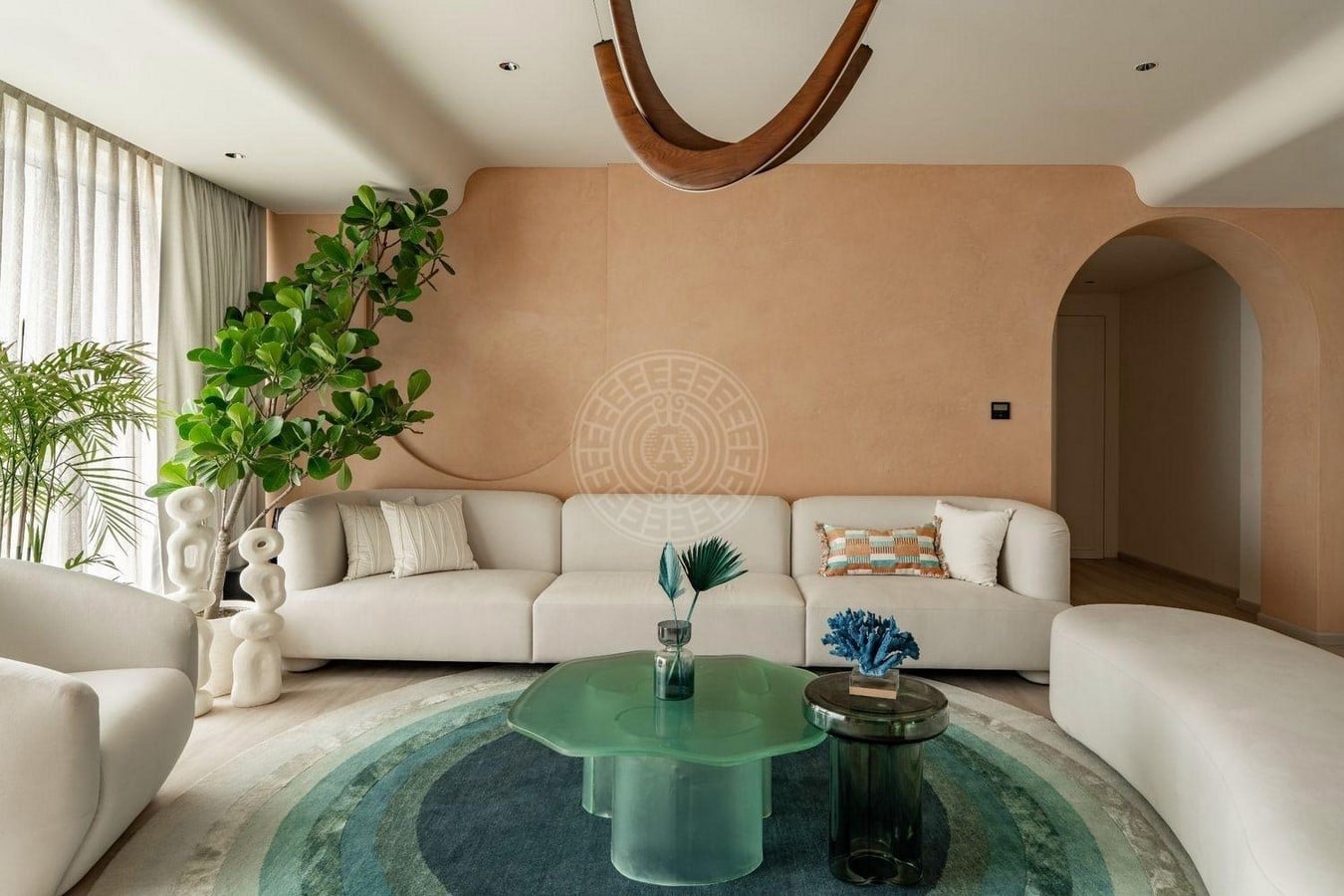
“Colour is synonymous with life’s most vital forces. It’s not just an aesthetic choice. It’s a direct source of happiness and a current of palpable energy… My philosophy is simple: more is always better. “-Sarah Sham
This philosophy is also reflected in practice. Sham argues that classic Indian interiors were built on a “more is more” philosophy, a curated maximalism of layered objects, patterns and textures, but that shrinking urban footprints demand a rethink. Ornate, space-hungry furniture is no longer viable; multi-functional pieces must justify their footprint. Her solution is to relocate the “maximalist spirit” from furniture to colour. Her palette preferences are themselves an argument for heritage: she gravitates toward yellow ochre, evoking “the sacredness of Haldi, the warmth of Jaisalmer stone and the timeless luxury of old gold,” and dusty, muted pink, which she connects to “ageing Mughal frescoes and weathered pink sandstone,” echoing the historic walls of Jaipur (Beautiful Homes, n.d.). These are not decorative choices so much as historical citations. Colour is used to weave India’s material heritage into contemporary spaces.
At the same time, Sham is careful to note that Indian design today is not moving in one direction. She describes two “polarising micro-trends” running concurrently: a social-media-driven appetite for serene, neutral palettes offering “calm refuge,” alongside a joyful rise of maximalism celebrating pattern and personality. For Sham, this is proof that clients are choosing “personal expression over any single, overarching trend” and her studio’s refusal to adopt a fixed signature style positions it well to serve both impulses at once (Beautiful Homes, n.d.).
Signature Projects
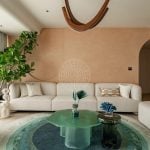
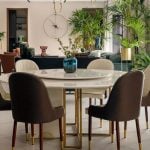
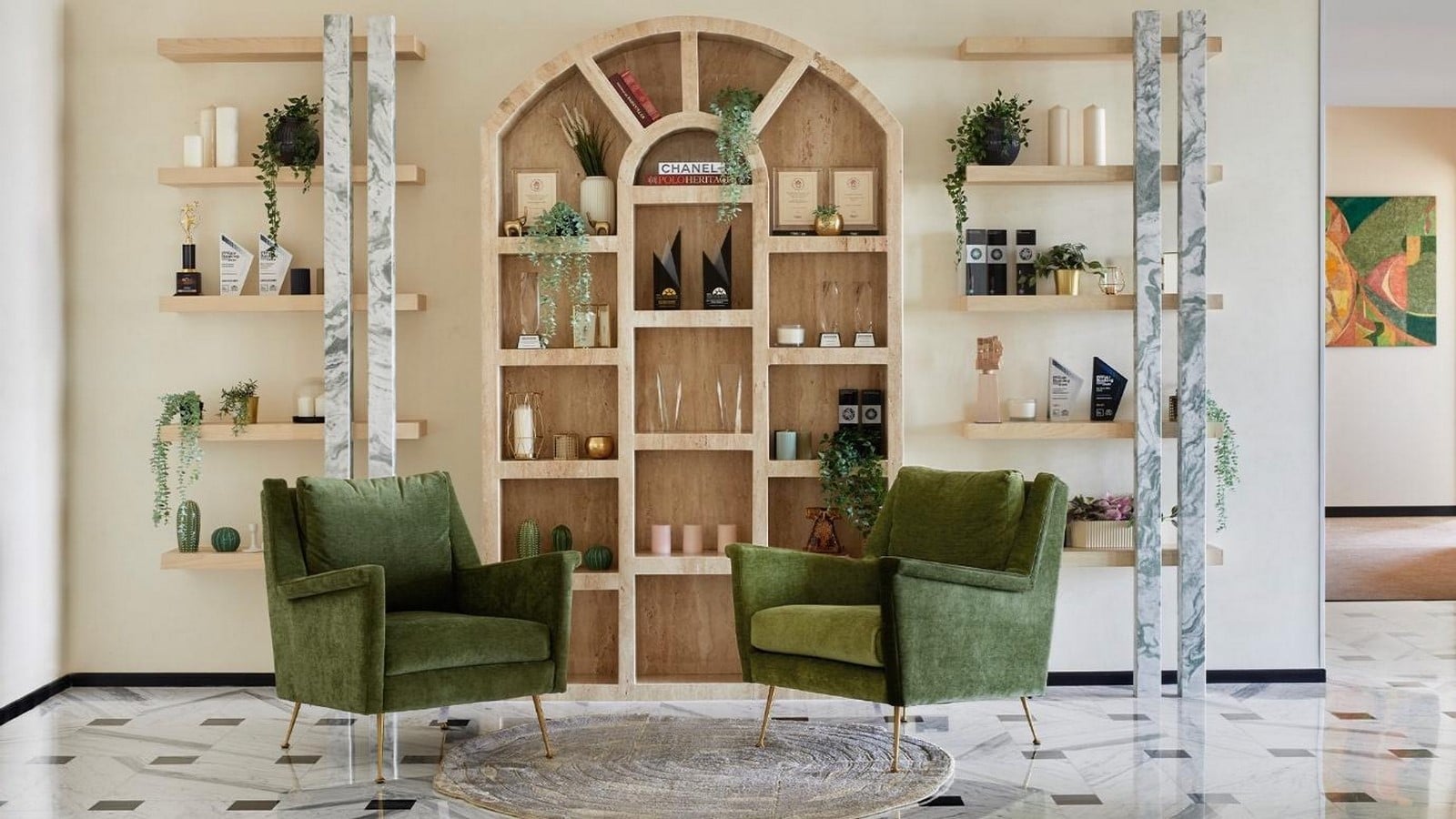
Sham’s philosophy is reflected consistently in her built work, where each project responds to its context rather than conforming to a predetermined aesthetic. At Waterfield Advisory’s Worli office, the brief was to move away from the conventional image of a polished corporate workplace. Instead, the studio created an environment that felt warm, understated and quietly luxurious, relying on carefully curated art, handcrafted objects and layered textures rather than overt displays of opulence. The result was a workplace that blurred the boundary between office and home, prioritising comfort and character over corporate formality.
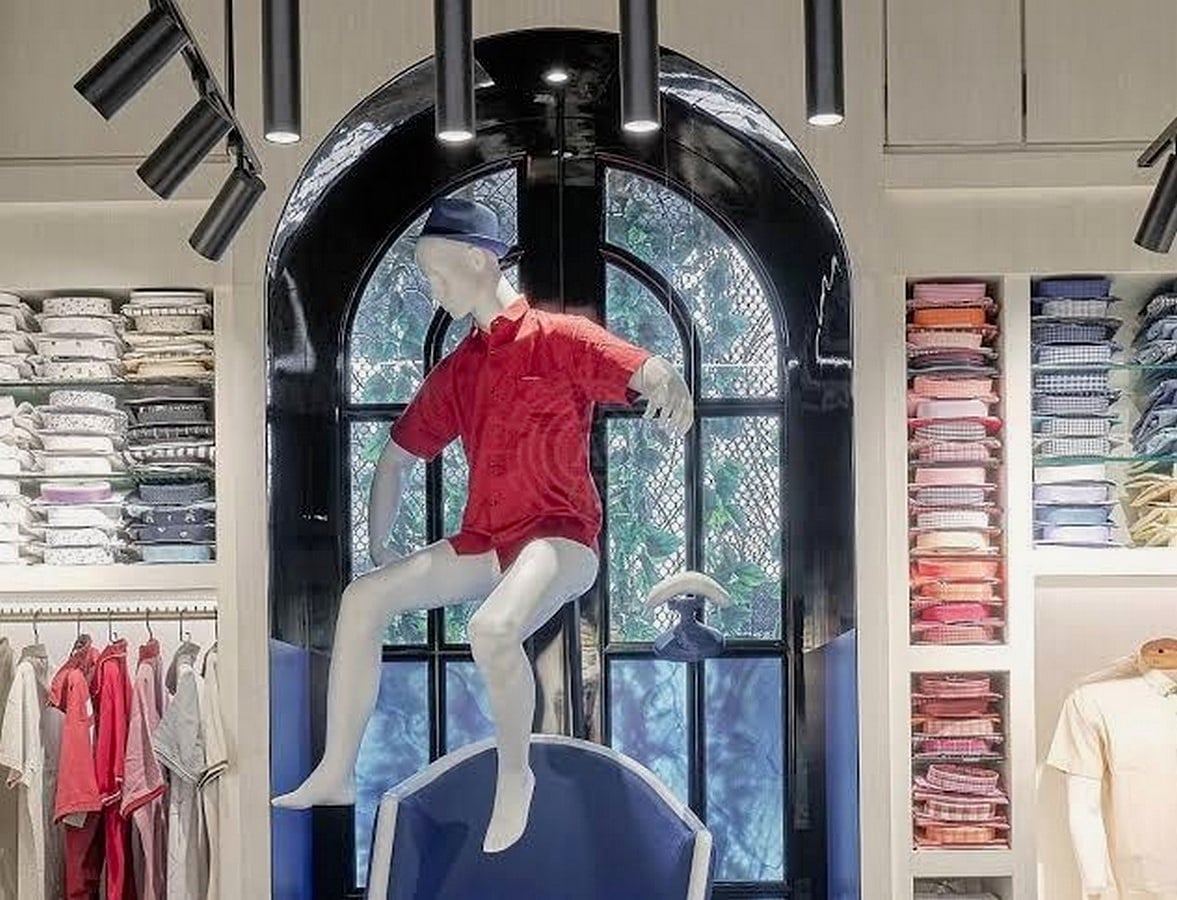
A markedly different approach emerged at Charagh Din’s 8,000 sq. ft. flagship store in Colaba, reportedly the world’s largest shirt store. Here, the design strategy centred on subtraction rather than addition. Years of ornate panelling, veneers and decorative lighting were stripped away to create a restrained interior where the merchandise became the focal point. The simplicity of the space allowed the brand’s craftsmanship and products to take precedence, demonstrating the studio’s willingness to step back when the design demanded restraint.
The same adaptability is evident in the residence of MasterChef Sneha Singhi in Kolkata. Designed for the client, her husband-to-be and their two dogs, the 6,200 sq. ft. home balanced aesthetic aspirations with the practical realities of everyday living. Anti-skid flooring, pet-friendly fabrics and durable materials were seamlessly integrated into an interior that remained deeply personal, reflecting the personalities and lifestyles of its occupants without compromising on elegance.
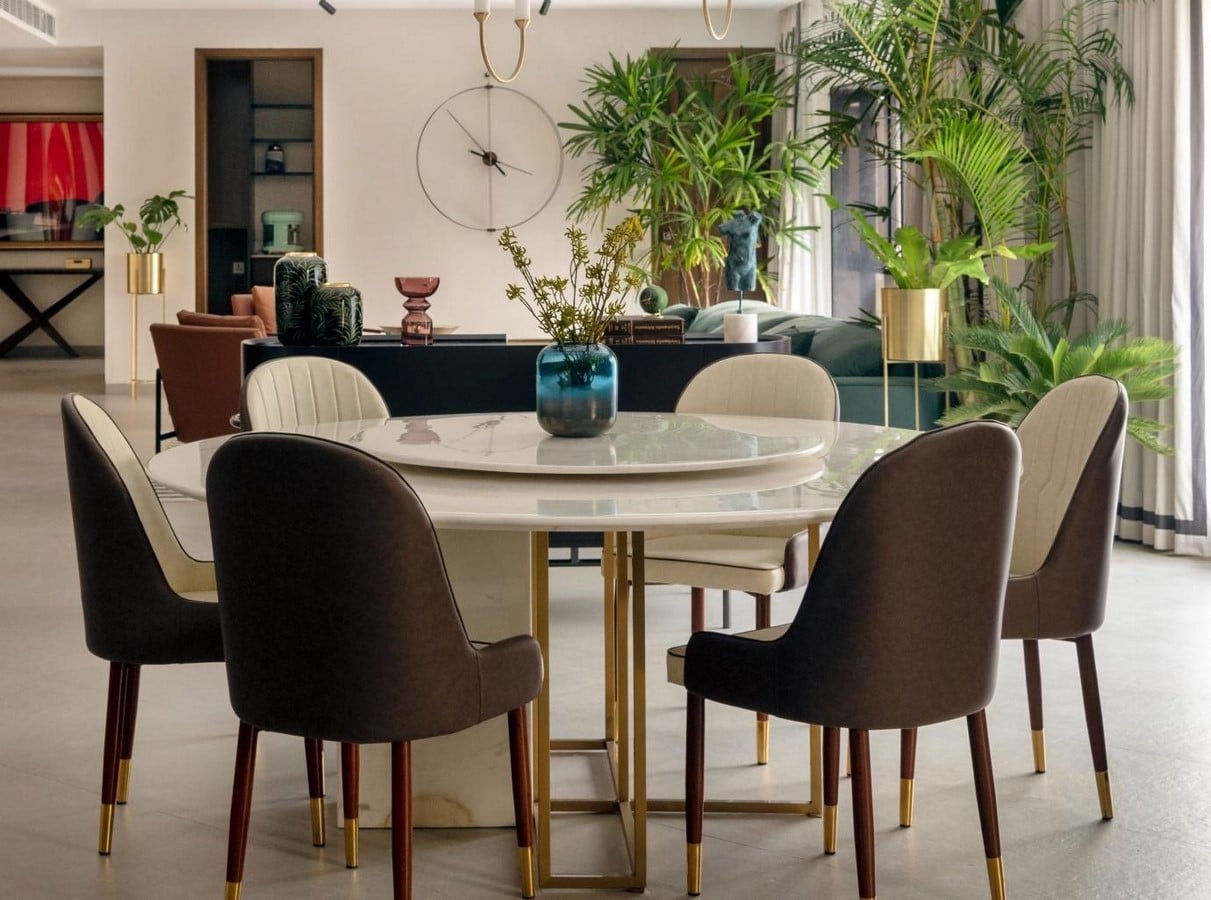
These three projects differ significantly in programme, scale and visual language, yet together they reveal a consistent design philosophy. Rather than imposing a recognisable house style, Sham approaches each commission as a response to its users, purpose and context. The continuity lies not in recurring forms or materials, but in a process rooted in observation, collaboration and an understanding that every space should feel uniquely its own.
Legacy, Recognition and the Road Ahead
Under Sham’s leadership, Essajees Atelier has grown into a team of over sixty design professionals, delivered more than 130 projects across 18 cities, and built a following of over 670,000 people on Instagram. In 2020, Sham mobilised that platform into an online community for Indian interior designers a network that has since drawn over 12,000 design professionals across 110 cities seeking advice, resources or simply solidarity within the profession. In 2024, building on a decade of luxury interior work in India, she extended the Essajees name abroad, launching Jea, a premium design consultancy in Dubai, in collaboration with Abra.
Ultimately, Sarah Sham‘s ideology defies a fixed aesthetic. It instead embraces heritage as a living resource, colour as cultural memory and design as an act of listening to clients, place and history to find the right expression of “more is more”.
References:
- Ateliers, E. (2023) Building brands: Sarah Sham, Essajees Atelier. Re-Thinking The Future. Available at: https://www.re-thinkingthefuture.com/architectural-community/a12899-building-brands-sarah-sham-essajees-atelie/ (Accessed: 30 July 2026).
- Beautiful Homes (n.d.) Have Indian homes finally broken up with brown? Asian Paints Beautiful Homes Magazine. Available at: https://www.beautifulhomes.asianpaints.com/magazine/lifestyle/features/have-indian-homes-finally-broken-up-with-brown.html (Accessed: 28 July 2026).
- Essajees Atelier (n.d.) About. Available at: https://www.essajeesatelier.com/ (Accessed: 31 July 2026).