To me furniture is not simply an object which takes up space; it is more like a participant in human life. It stands as a sign of presence, of memory and of belonging. For example, a chair or a sofa is not just a place in which to sit, but a place where someone once stayed with a book, where conversations took place and where all kinds of memories—good or bad and all the emotions and feelings—are kept. The value of such furniture is the way it ties us to a particular place.
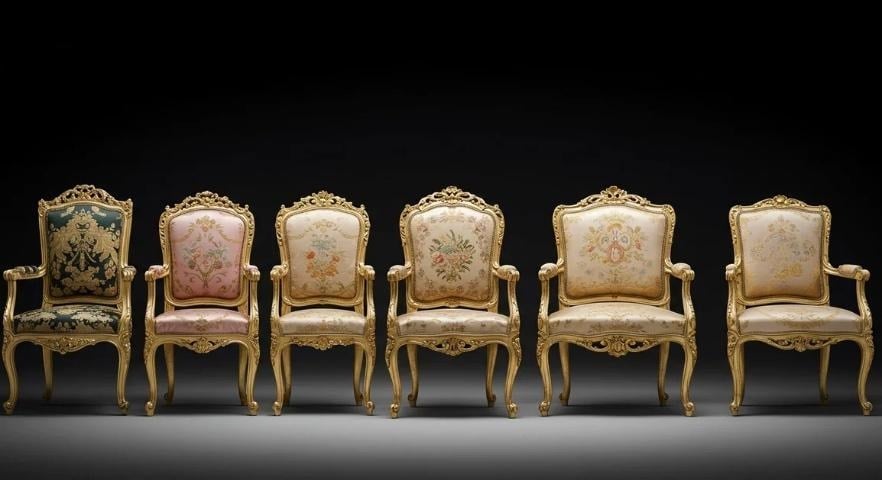
It acts as a mirror of society, showing its lifestyle, culture, values, and the future it envisages; the journey has been from ancient lavish ornamentation to minimalism, with changing ideals regarding beauty, function, and the way people perceive these things in a space.
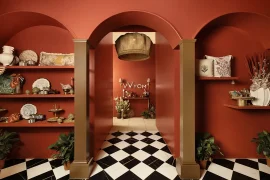
In the case of the earliest furniture, it was the satisfaction of basic needs and craftsmanship that influenced modern luxury trends; ornate chairs and beds for royalty, decorated with carvings and made from valuable materials, were introduced as a symbol of luxury and power.
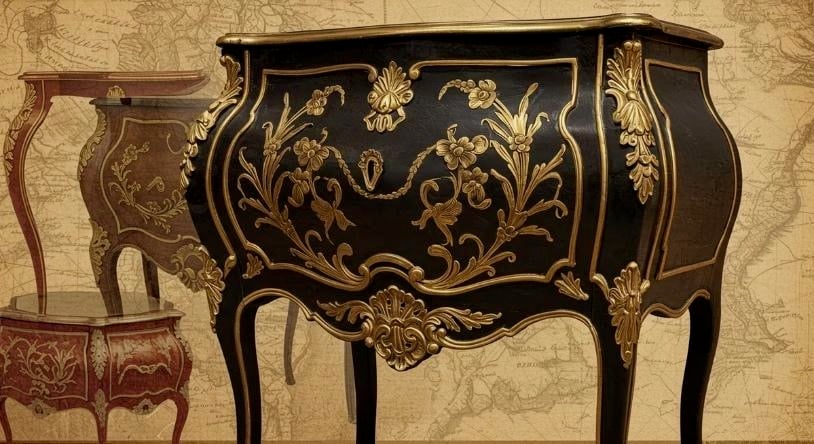
When it came to Greek furniture, an early instance of ergonomic design was provided, this later leading to the introduction of the Klismos chair; the Romans then developed on these ideas by focusing on comfort and luxury, while cushioning and the choice of materials also contributed to reflecting a more advanced domestic lifestyle.
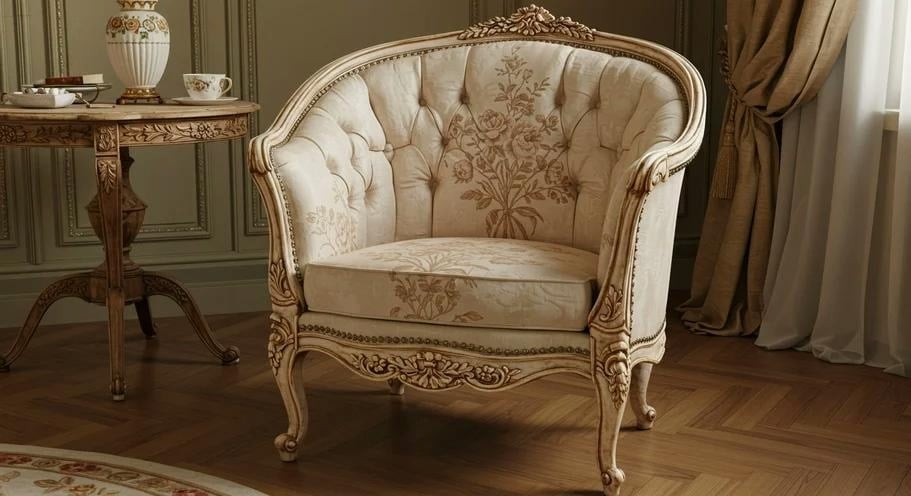
Gothic style followed, with furniture being greatly influenced by arches and carving. The furniture was heavy, durable, and practical. Oak chests, benches, and tables were commonly found in castles, and monasteries displayed this style as well. The Renaissance, which at the same time saw a revival of Greek and Roman traditions, led to furniture becoming more symmetrical, refined, and decorative, thus showing off wealth, artistry, and cultural sophistication.
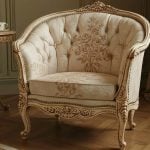
Along the way of the development of furniture, many artistic periods have been identified. The Baroque period brought about furniture that was bold and dramatic, characterized by elaborate carvings. Next came the Rococo style, which featured lighter and more decorative designs, with an emphasis on asymmetry, bright colours, and playful patterns. Neoclassicism then appeared as a reaction to excess and stressed simplicity, symmetry, and influence from classical antiquity; it also brought about a complete change in the way furniture was viewed due to industrialization.
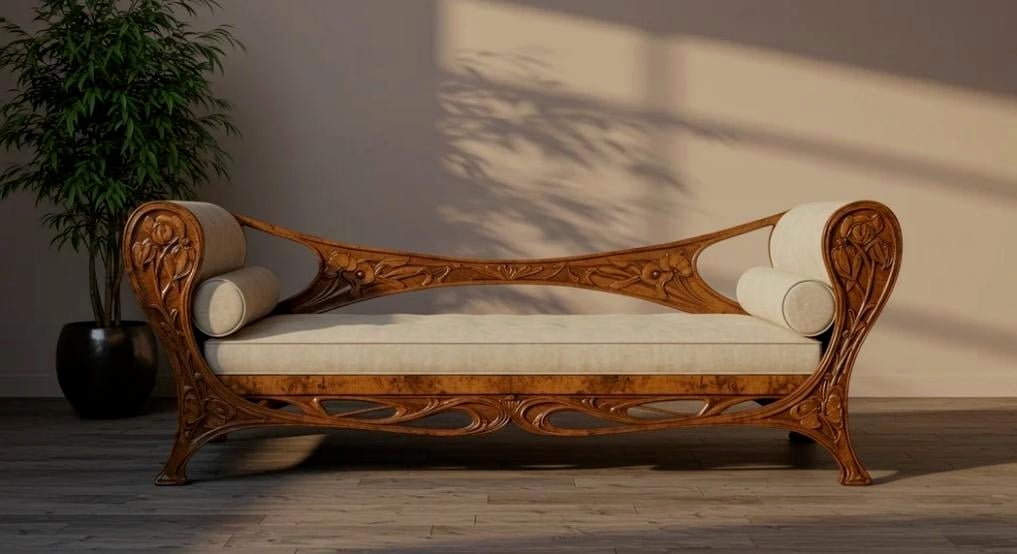
The Industrial Revolution was a turning point in the gradual development of furniture-making processes, since furniture generally passed from being handcrafted to being produced by machines. As a result, furniture became more affordable and was thus within reach of the expanding middle class. Although it was adopted by middle-class households, the essential character of furniture—that is, the full spirit of craftsmanship—began to fade away. The Art and Crafts Movement then arose as a reaction to industrialization, with a focus on handmade products and traditional craftsmanship. Art Nouveau featured flowing lines, organic shapes, and designs inspired by nature, combining art with function. This style laid the foundation for early modernism, which in turn moved towards simplicity and functionality by eliminating decoration and adopting geometric forms.
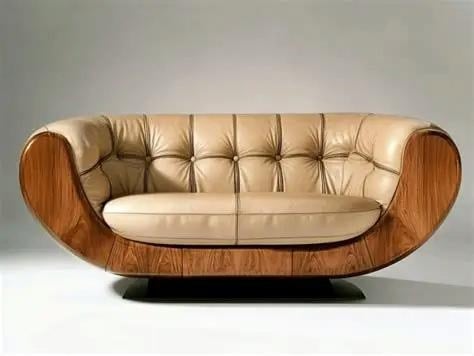
At present, the level of craftsmanship and the amount of time previously devoted to it have become impractical, causing a shift in modern living towards more simple and refined designs.
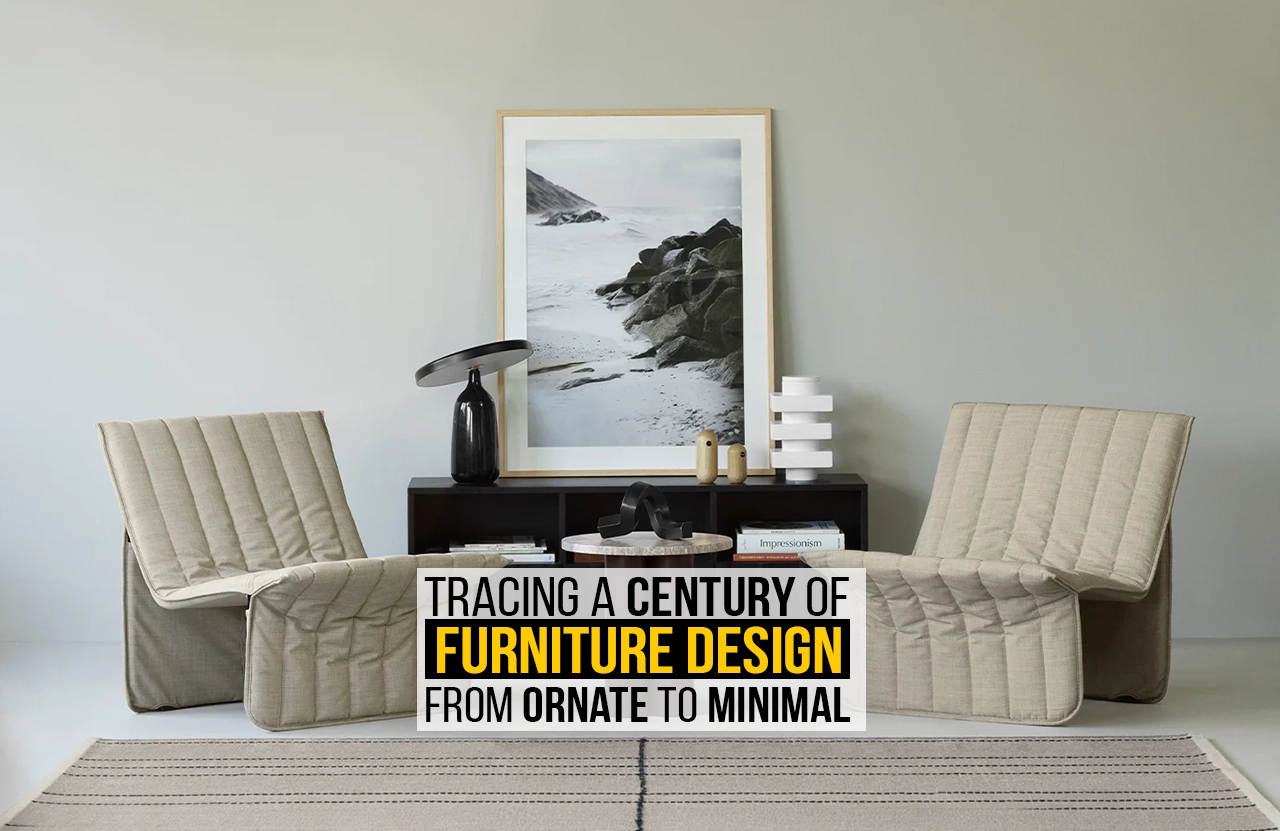
The Bauhaus movement brought about a revolution in the field of furniture by adhering to the principle that “Form follows Function”. It merged art, craftsmanship and industrial production in order to produce furniture that was simple, functional and accessible. The use of materials such as steel, glass and plywood, which were manufactured in industries or factories, resulted in designs with clean, geometric shapes.
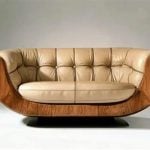
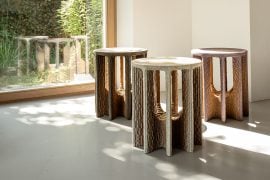
All of this was aimed at creating furniture that is human-centered, involving the application of psychology to understand how people react to creativity, colour, and diversity. The furniture became more expressive, featuring bold shapes and playful details. While art was given attention, modern furniture design placed a strong emphasis on sustainability and innovation, incorporating eco-friendly materials such as bamboo and recycled wood, adding smart features like wireless charging and adjustable parts, and adopting modular and multifunctional designs to suit small spaces. Since environmental problems are increasing, an ever-growing number of people are looking for furniture made from sustainable materials or choosing to rent furniture in order to reduce waste.
The narrative of furniture design doesn’t conclude at that point. In recent years the Norwegian furniture makers have kept on extending the boundaries by combining traditional craftsmanship with modern techniques and materials. They have largely adopted the approach of exploring new directions, experimenting with different forms and injecting a strong commitment to sustainability into their work.
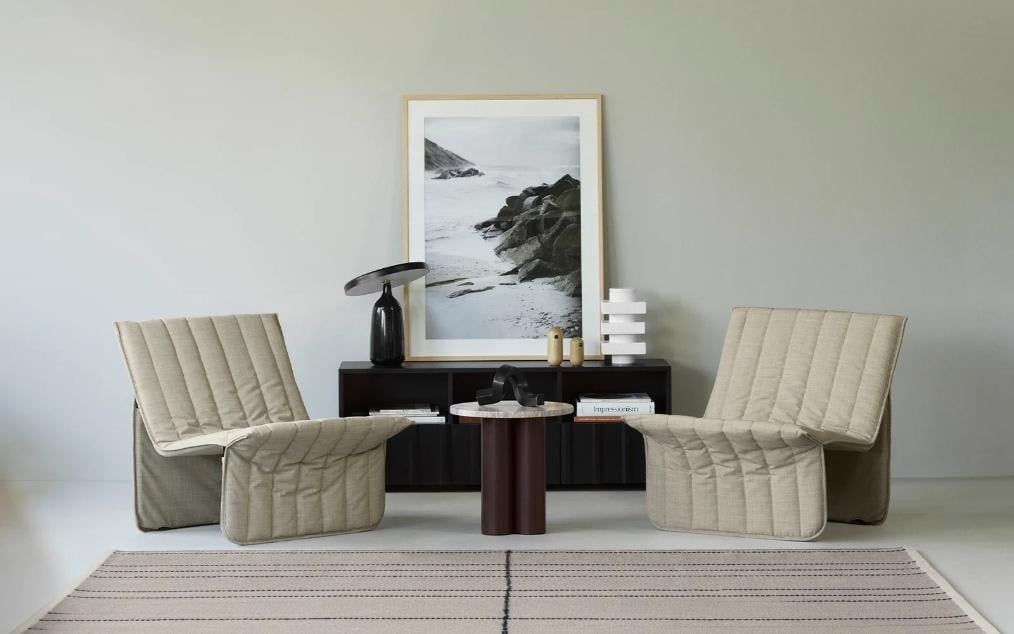
The combination of traditional methods with modern ones has led to the creation of genuinely unique, practical, and attractive items which show the nation’s continued love of nature. Wood, leather and textiles obtained from local sources are now the product of responsible production, and eco-friendly techniques are used to keep the ecological impact as low as possible.
When pursuing this goal, trying out unusual forms, questioning established boundaries, and encouraging new ways of experiencing space leads to a type of architecture that seems to come to life—reacting to its surroundings, being sensitive to human needs, and being firmly based on the principles of sustainability.
This combination of innovation and responsibility marks a turning point in design practice, indicating that the future of architecture does not lie merely in grand gestures, but in the development of careful and adaptable designs for both the environment and people.