The beauty of architecture sometimes isn’t just what we see on a macro scale but is found in the small details. Usually, facade, materials, and form catch our attention first…
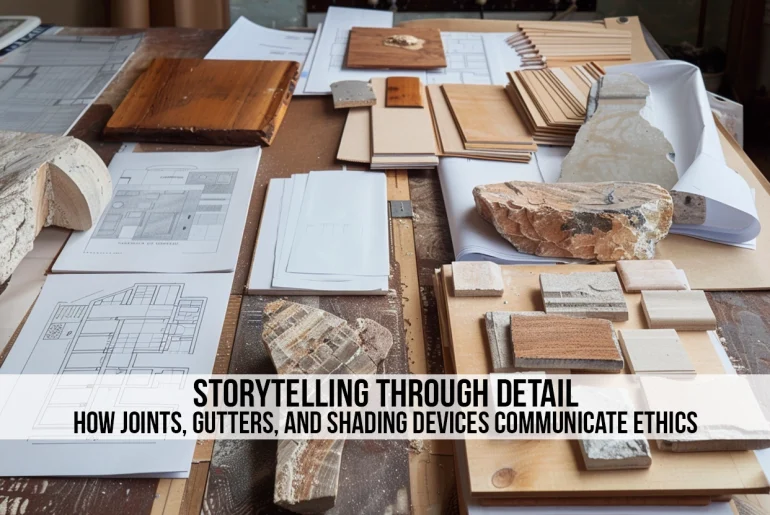


The beauty of architecture sometimes isn’t just what we see on a macro scale but is found in the small details. Usually, facade, materials, and form catch our attention first…

Architecture shapes societies but also mirrors the values of those who build it. Few contemporary architects are able to capture this relationship in such a holistic manner. Sumita Singha, for…
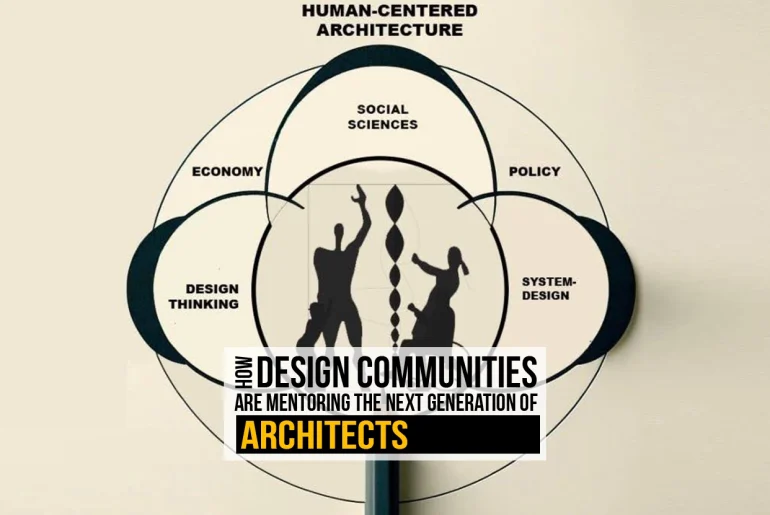
Reclaiming Human-Centred Learning in Architectural Education Human-Centered Architecture: Putting people at the heart of design_©Joana Sá Lima,2024The profession of architecture is facing major changes due to rapid technological progress, globalisation,…
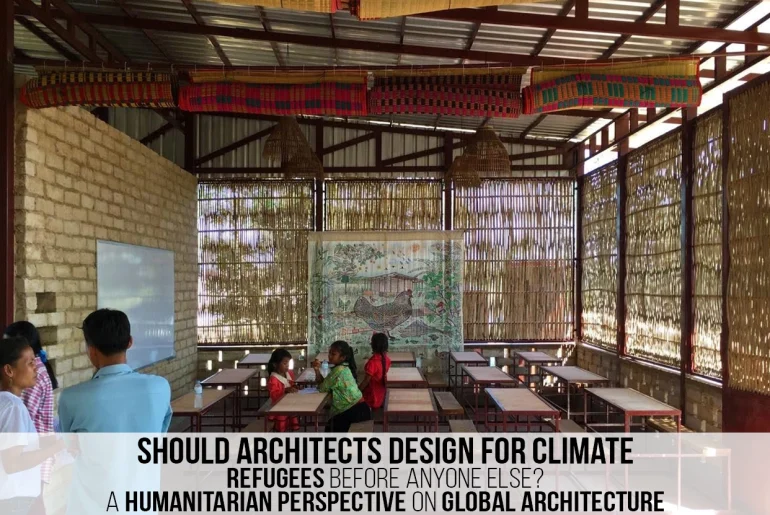
Climate change is not only an environmental threat but also a humanitarian crisis that has had profound effects on the lives of people around the world. High sea levels, droughts,…
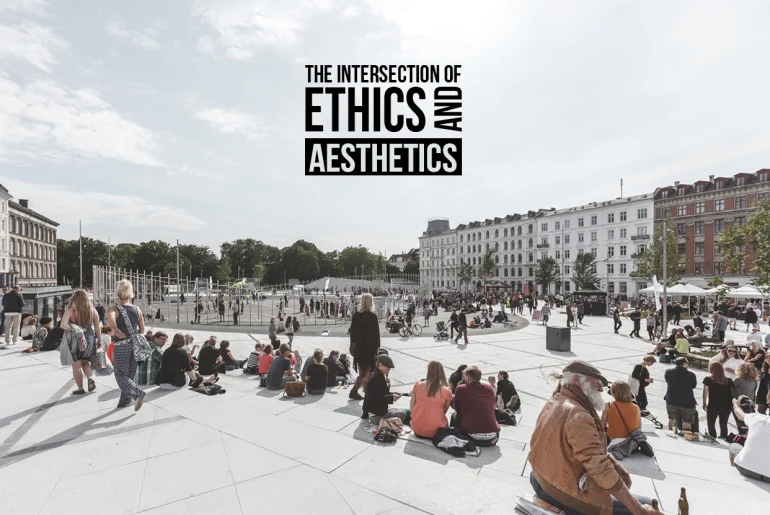
The False Dilemma of the “Decorated Shed” The history of architecture has constantly been in a dilemma of aesthetics, which prioritizes the visual appeal of a structure, and ethics, which…
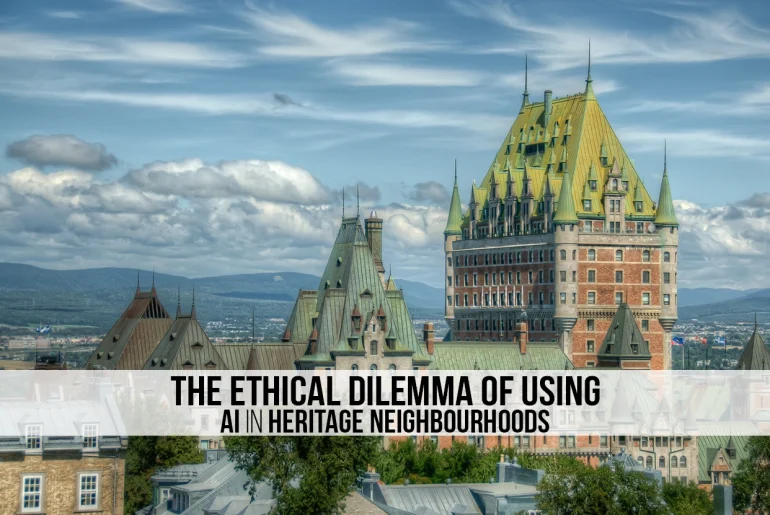
AI technology is invading every field, including historic preservation. However, one important factor cannot be ignored, and that’s the ethics of using AI to redesign heritage neighbourhoods. These heritage areas…

The history – AI’s birth The phrase Artificial Intelligence (AI) was first used as a name for a summer workshop by John McCarthy in 1956, held at Dartmouth, with the…

Artificial intelligence has become one of the most widely used tools both in creative and professional fields. It has become a habit for people to ask AI for answers instead…
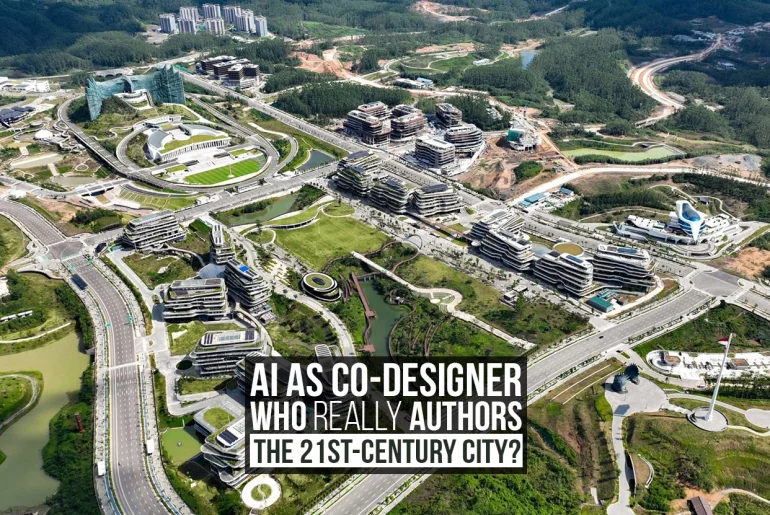
Walk through any major city today, such as Mumbai, Singapore, Rotterdam, and everything you see is the result of decades of human decision-making: where roads go, how dense a neighbourhood…
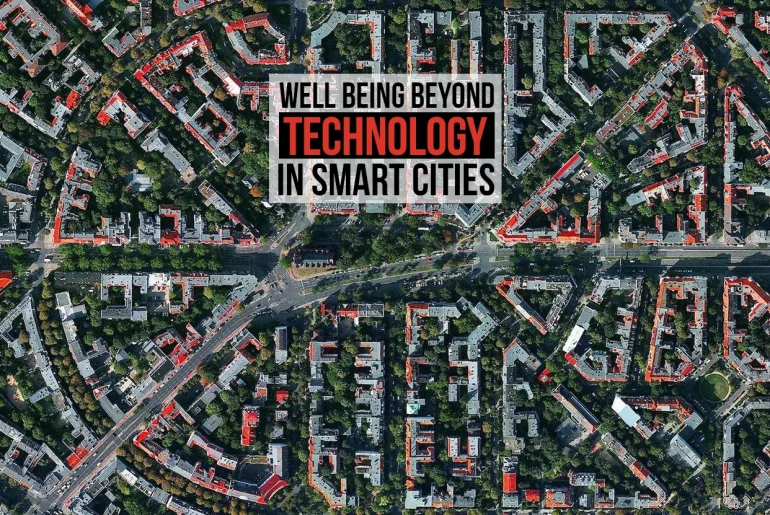
Urbanisation, with 54% of people now living in cities, is largely motivated by economic incentives. Maintaining a balance between rapid urban growth and city resources is crucial. Human-centered smart cities…
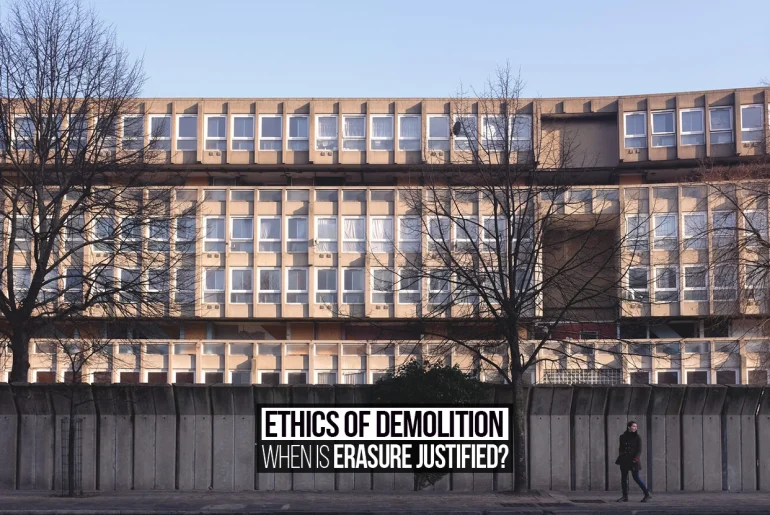
Cities between Memory and Change Cities are living organisms. They grow, transform, and continually adapt to accommodate new needs, technologies, and populations. In this ever-changing urban landscape, buildings inevitably age,…
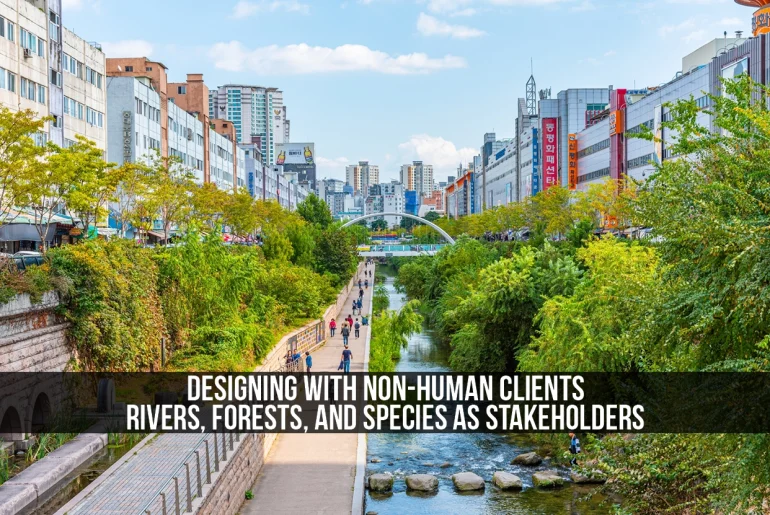
For many decades, architecture has mainly focused on addressing human needs and requirements. The built environment has been taken as a space for shelter, work, and safety for human beings.…