Urbanisation, with 54% of people now living in cities, is largely motivated by economic incentives. Maintaining a balance between rapid urban growth and city resources is crucial. Human-centered smart cities are defined more by the people who inhabit them than by technology. Community engagement is central to their design. Unlike early smart cities, which focused on metrics like travel time or energy savings, human-centered smart cities view technology as a tool to serve people, not as the end goal.
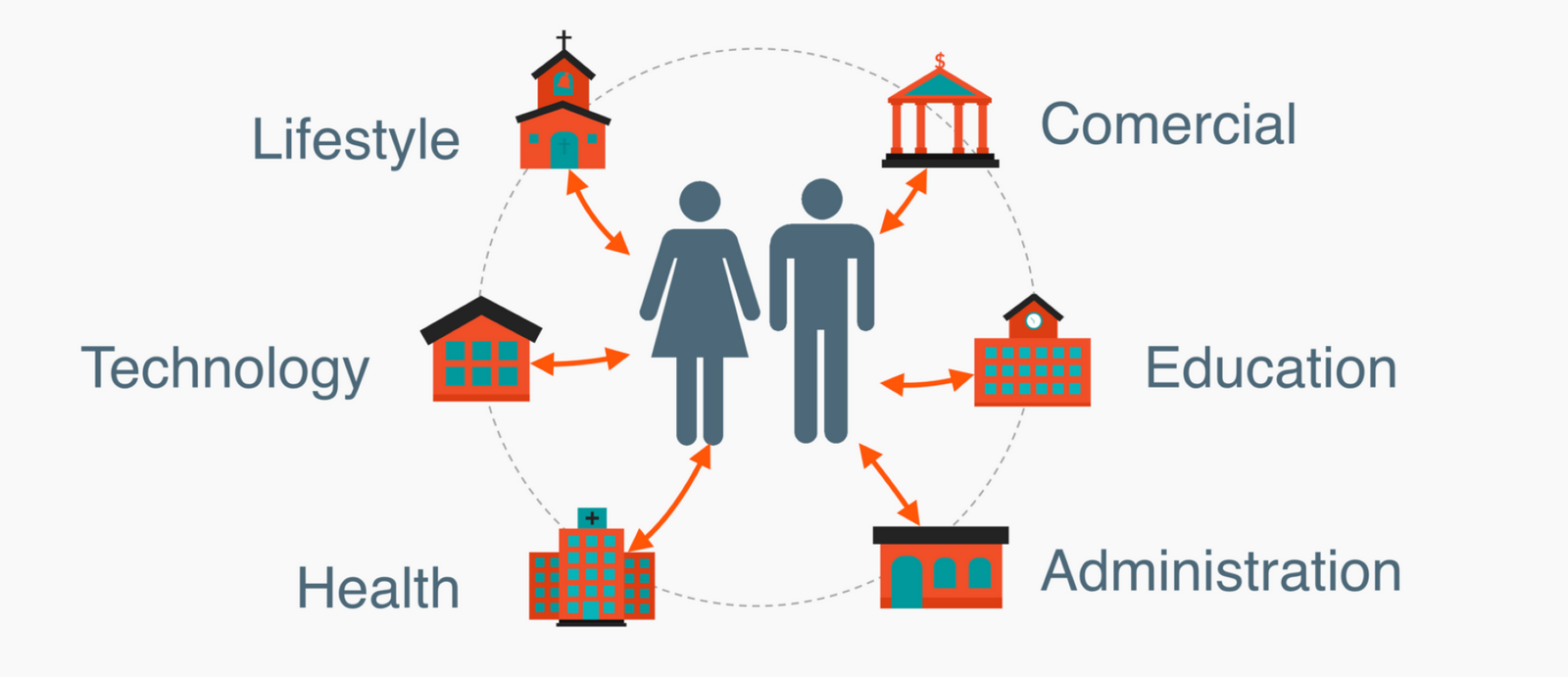
Human-centered smart cities involve citizens in the planning and decision-making process. This can be done with digital tools, but the emphasis remains on where it doesn’t become just another data collection. Through workshops and other community platforms, planners and designers can gain insight into how people interact within the city. This approach leads to a more responsive design. Similarly, inclusivity is another important concept. Technology can strengthen inequalities if not designed properly. Physical accessibility, gender sensitive planning, and cultural diversity should be considered to make every individual feel seen, valued, and empowered. Urban environments deeply influence mental and physical health, and human-centric smart cities prioritise this relationship. The value of imperfection is an important concept in this; the transition from measuring success by just the technological aspect to the efficiency of the quality of life. Emphasizing community participation, human rights,equity, sustainability, and resilience while addressing conditions such as governance, public infrastructure, and literacy is especially relevant in decentralised systems.
Mobility is another design focus that can be reinterpreted through a human-centered lens.While most smart mobility systems focus on speed and efficiency, a broader perspective considers comfort, accessibility and also environmental impact. Pedestrian friendly streets, integrated public transports and cycling infrastructure can be prioritised to be safe alongside technological solutions. This will enhance the overall experience of movement within the city. A study developed for this collection of data should ensure that these data collections are transparent and should respect individual rights.
Ethics by Design
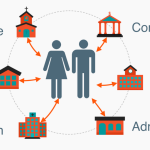
The principle of ethics by design is the heart of a human-centric smart city paradigm. This approach requires multi-level collaboration between city officials, the private sector, and civil society organisations. Cooperation with academic institutions and civil society groups can strengthen this with specialised knowledge. A human-centered smart city shifts the focus from technological capability to a more lively experience, showcasing the ultimate purpose of innovation. Rather than being engineered as systems , smart cities must be understood as dynamic ecosystems shaped by the people who inhabit them.
While the expansion of high-speed internet and digital services brings new opportunities to many, communities lacking reliable connectivity risk deeper social and economic exclusion. Closely related to inclusivity is the concept of community engagement, which spotlights the active participation of local stakeholders in shaping human-centric smart city agendas. Another essential dimension of this is adaptability. Cities are dynamic ecosystems, subjected to rapid economic changes and other unexpected challenges. Hence, smart city policies must be flexible enough to adjust to all these shifts. By advancing a human-centric framework, the possibility of bridging the gap between aspirational visions and tangible outcomes is possible. The incorporation of cultural identity distinguishes cities as not just mere functional spaces, but as repositories of history, tradition, and collective memory. Digital tools can be employed to celebrate heritage, support local artisans, and create interactive experiences that deepen people’s connection to a place. A human-focused smart city embraces context,using technology to enhance rather than replace cultural expression.
Berlin, Germany
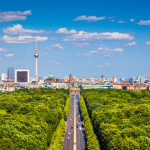
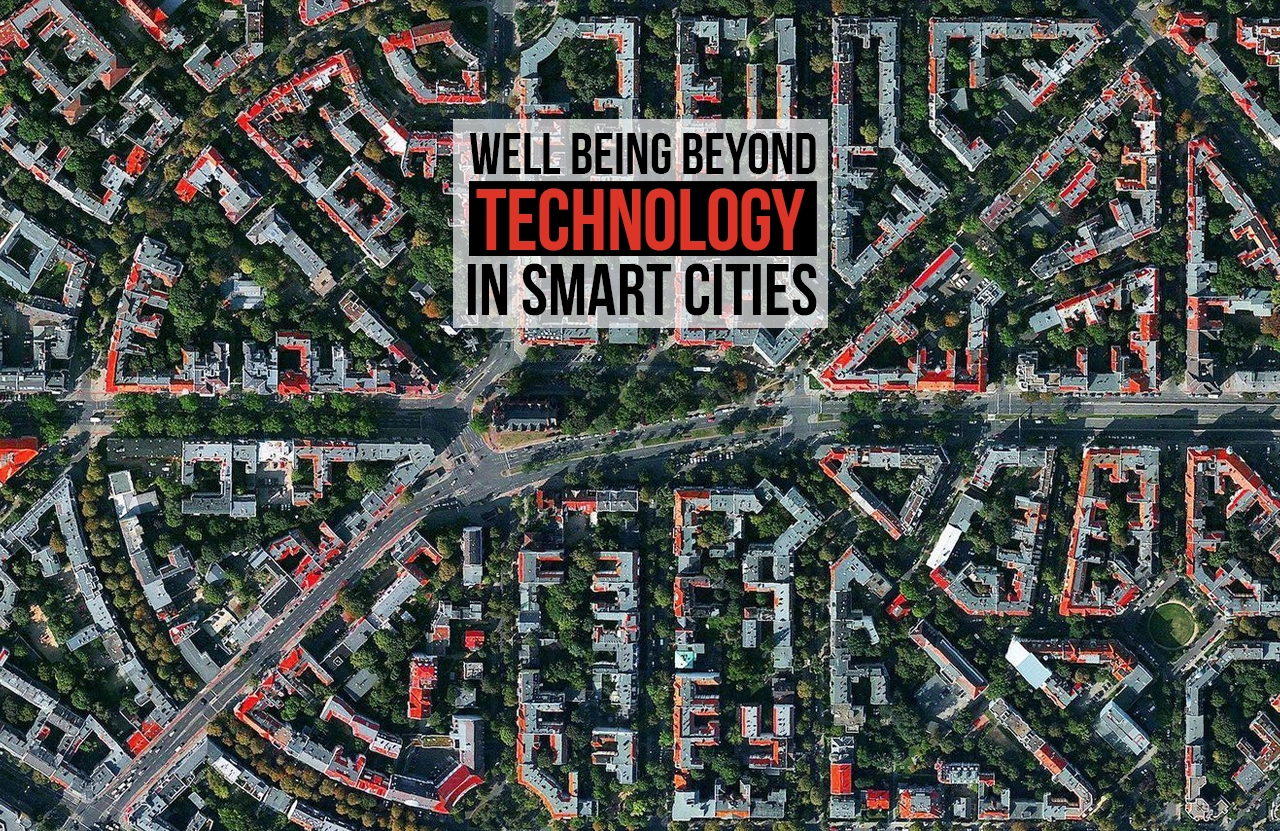
One of the cities actively developing these human-centric approaches is the capital of the Federal Republic of Germany, Berlin. It has a high rating in terms of quality of life, and at the same time, they prioritise technological development for the future. The smart city approach aims to find solutions to the challenges faced by Berlin,including the use and implementation of intelligent technologies introduced in conjunction with sustainable development ideas. The concept of Digital Together in Berlin is aligned with the needs of Berliners.
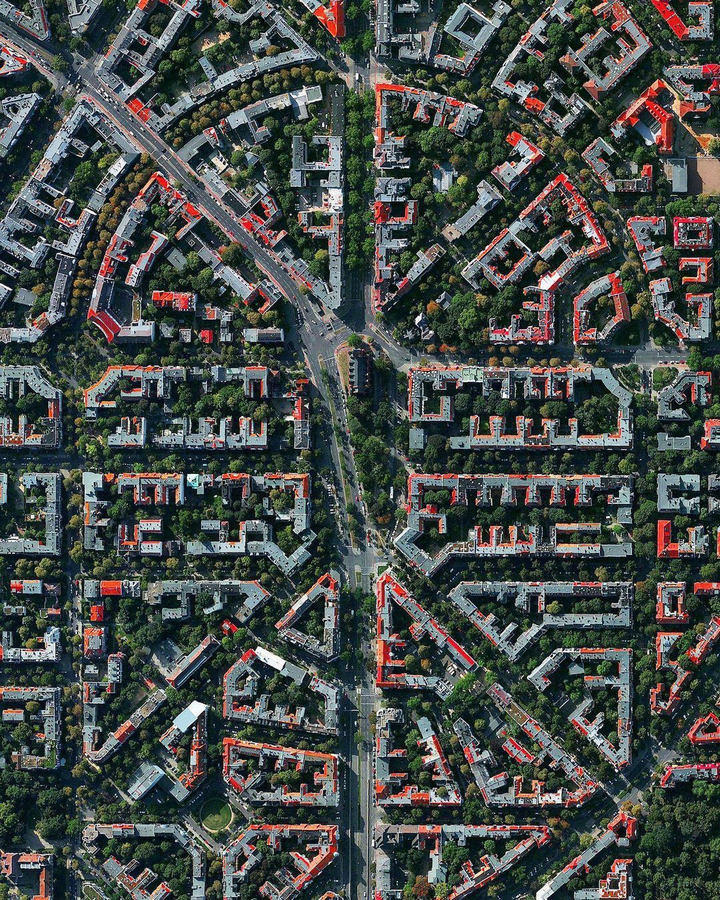
Berlin positions itself as an urban laboratory where solutions are developed with people rather than for them.The focussed hiding principles of the city includes sustainability, public spirited city, resilience and cooperation.This ecosystem ensures that innovation is not isolated in tech sectors but embedded in social and cultural contexts.They applies human-centered thinking to everyday infrastructure.For instance, the waste disposal system is designed to be accessible for wheelchair users and people with mobility challenges, ensuring systems work for all citizens.These small interventions highlights how smartness can mean dignity and accessibility and not just automation.
Closing Reflections
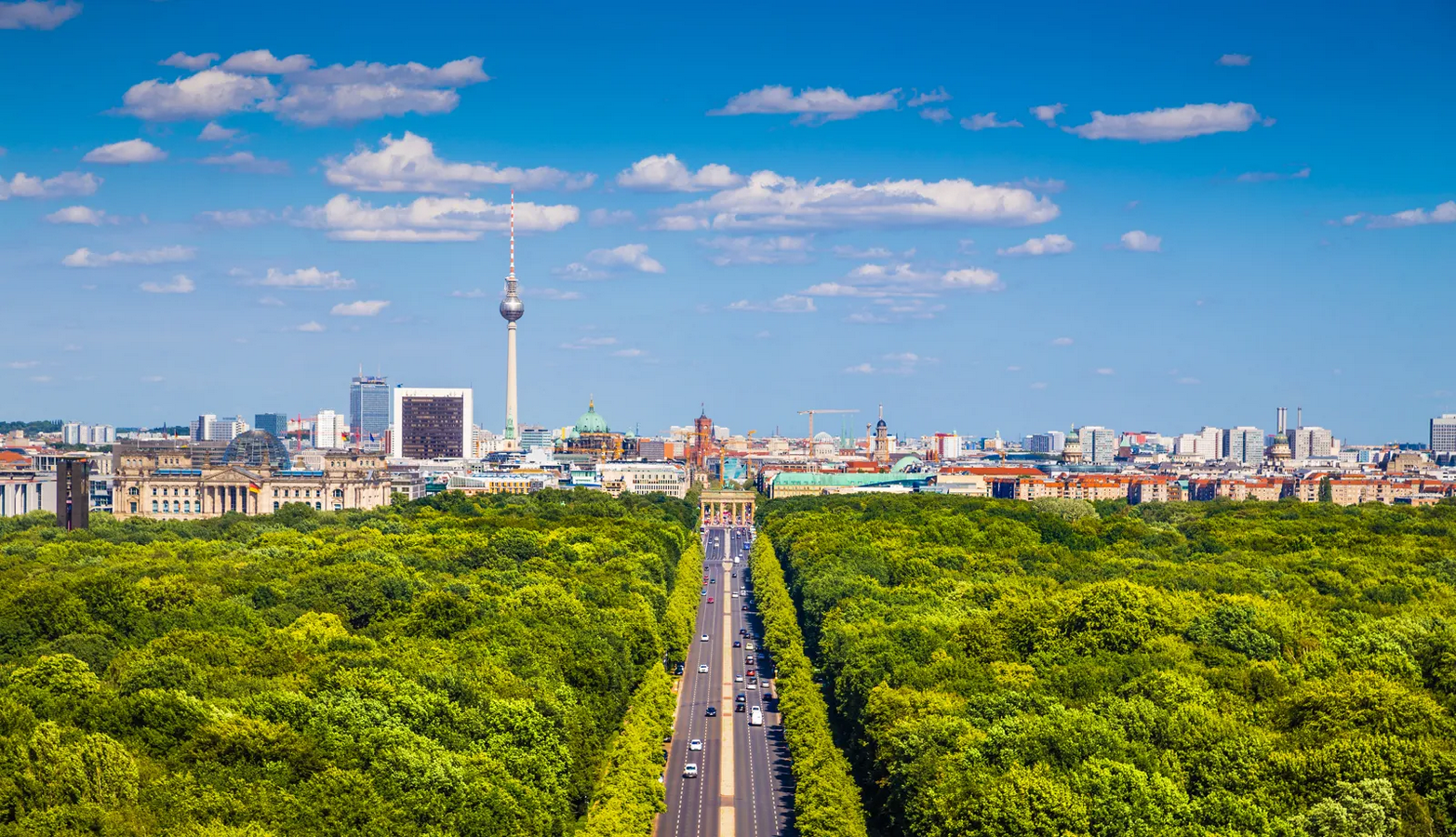
Ultimately, the main argument is that human-centered smart cities redefine urban intelligence by placing people, not technology, at the core of development. True city value lies in improving daily life through inclusivity and well-being. The example of Berlin shows collaborative approaches to create meaningful environments and highlights that smart cities are defined by the relationship between people and technology, not just sensors or data. Success is measured by a city’s ability to support livable, resilient communities and celebrate its heritage.