owadays, due to rapid population growth, land has become increasingly scarce. At the same time, climate change has had a significant impact on the environment. The building industry is one of the major sectors that plays a crucial role in addressing these global challenges. Building infrastructures that fulfill the needs of a large number of people and at the same time decrease environmental risks has been a major assignment for designers these days. Thus, adaptive infrastructures have started to flourish nowadays, which means designing buildings, systems, and urban spaces that continue functioning differently under changing conditions. The function of such spaces and structures is not fixed and rigid, but can adapt over time.
Flexible and Multifunctional Spaces
The demand for people in terms of their basic needs and desires has been increasing rapidly, posing a challenge for many professionals, including designers, to fulfill. The solution for such a challenge is to design flexible spaces. For instance, a small pocket of park turning into a farmer’s market on the weekends, an office that becomes an event venue, or a classroom becoming a social café on holidays. These solutions have become an essential component in urban environments where space is becoming increasingly scarce. Some of the few renowned examples of such multifunctional spaces around the globe are given below:
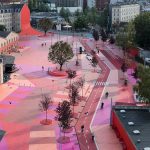
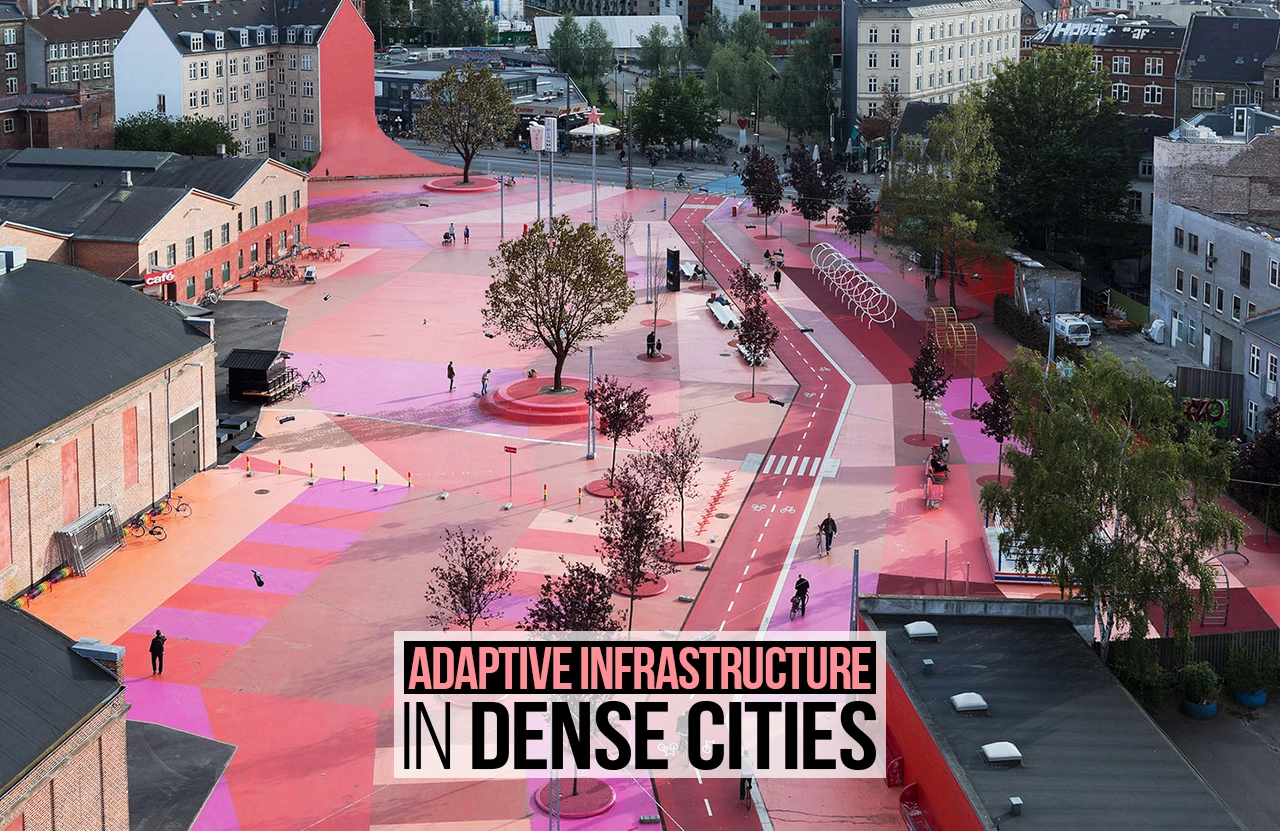
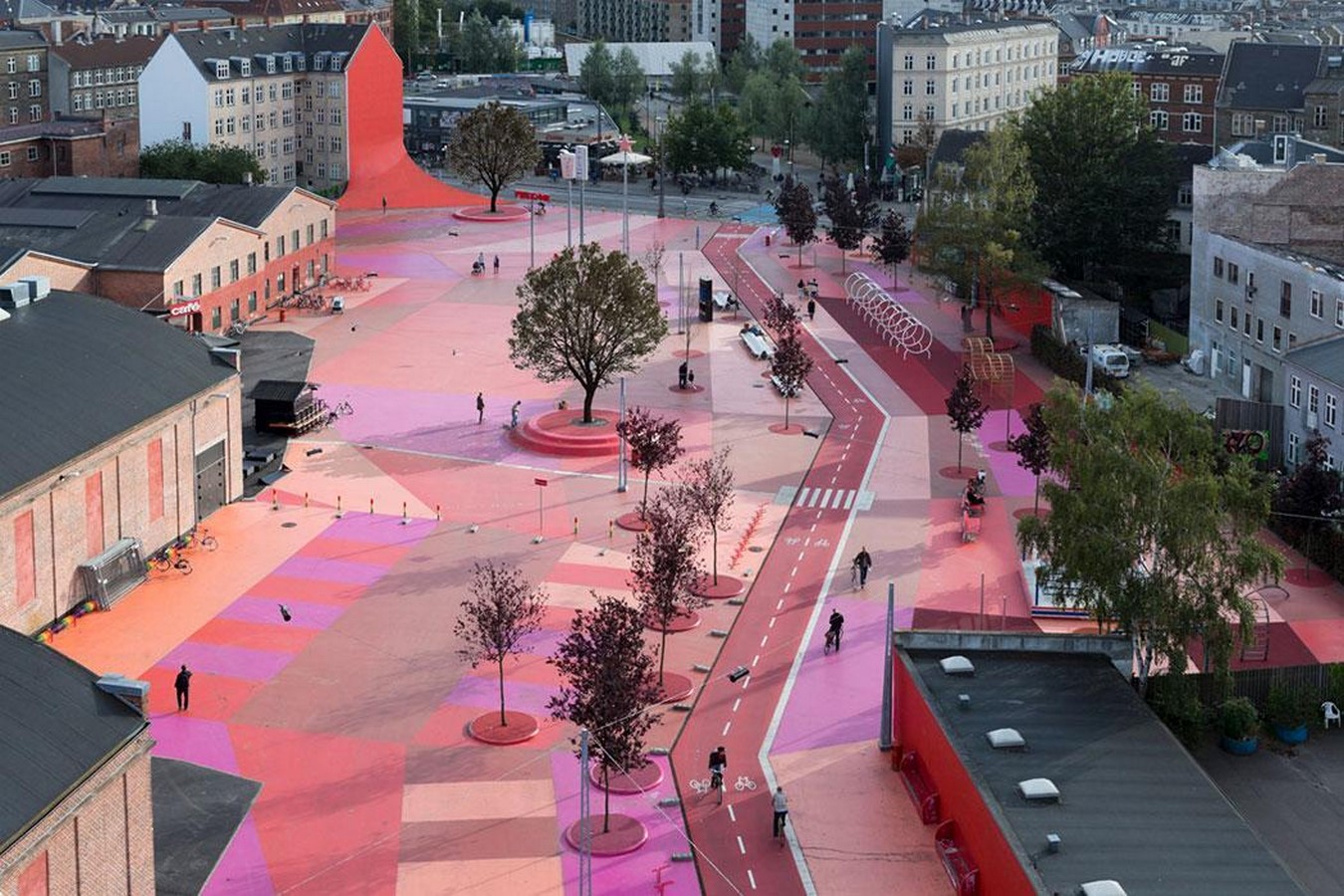
- Superkilen, Denmark: The park is designed in a long stretch, divided into three main areas: The Red Square, which offers urban activities like café, music, and sports. The Black Market is the classic square with a fountain and benches, and The Green Park, which is for picnics, sports, and walking the dog. It is a single park that has many functions that aim for social gatherings and community engagement, physical activities, and long-term sustainability.
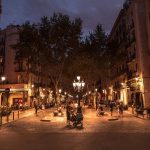
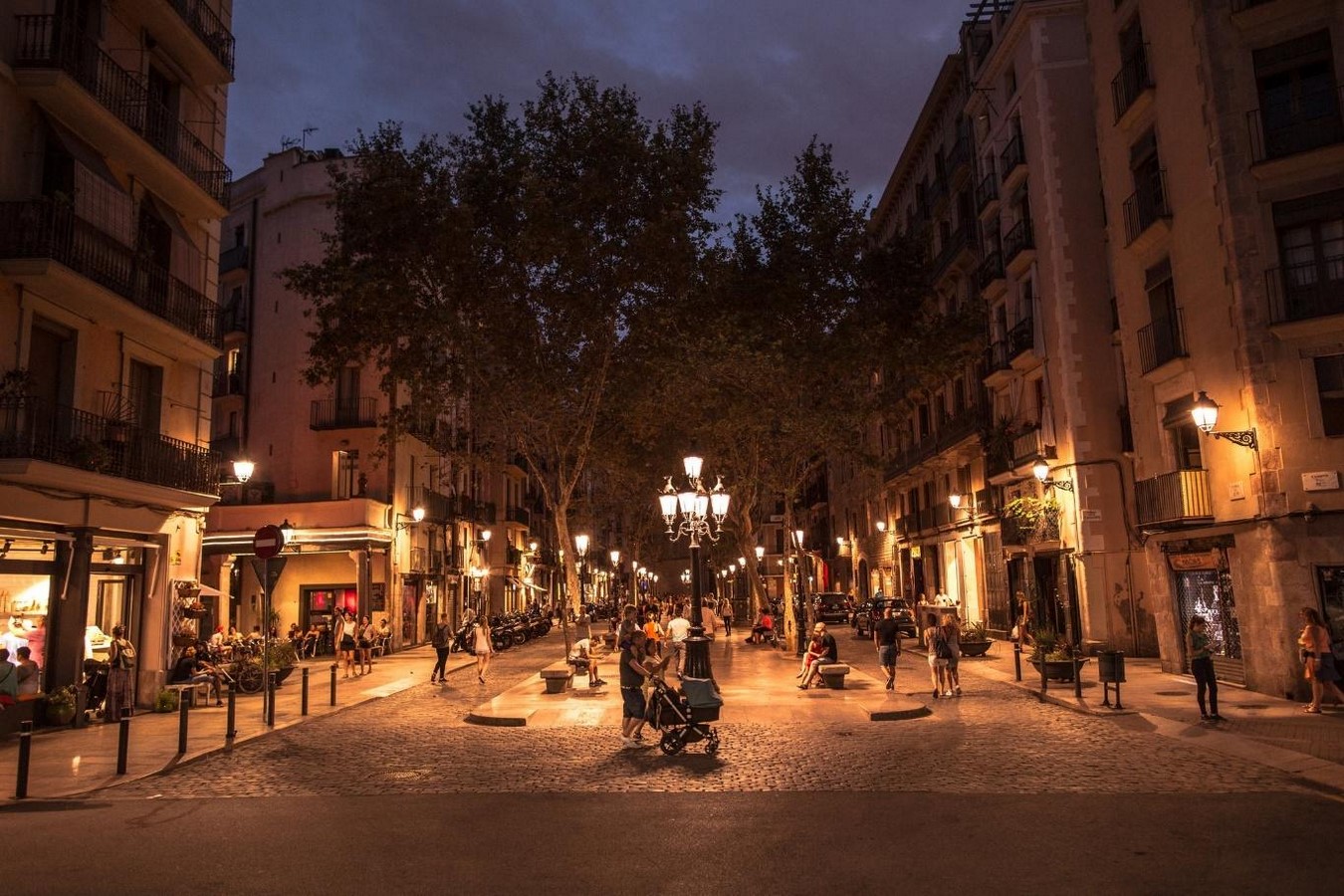
- Barcelona Superblocks: The Superblocks model in Barcelona redefines streets as a combination of space used for mobility, including recreational amenities such as small parks, plantations, benches, etc., and activities, like cycling, driving, and pedestrianization. This results in creating streets as a vibrant and pleasant space that encourages urban public life.
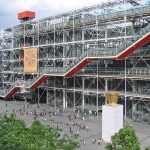
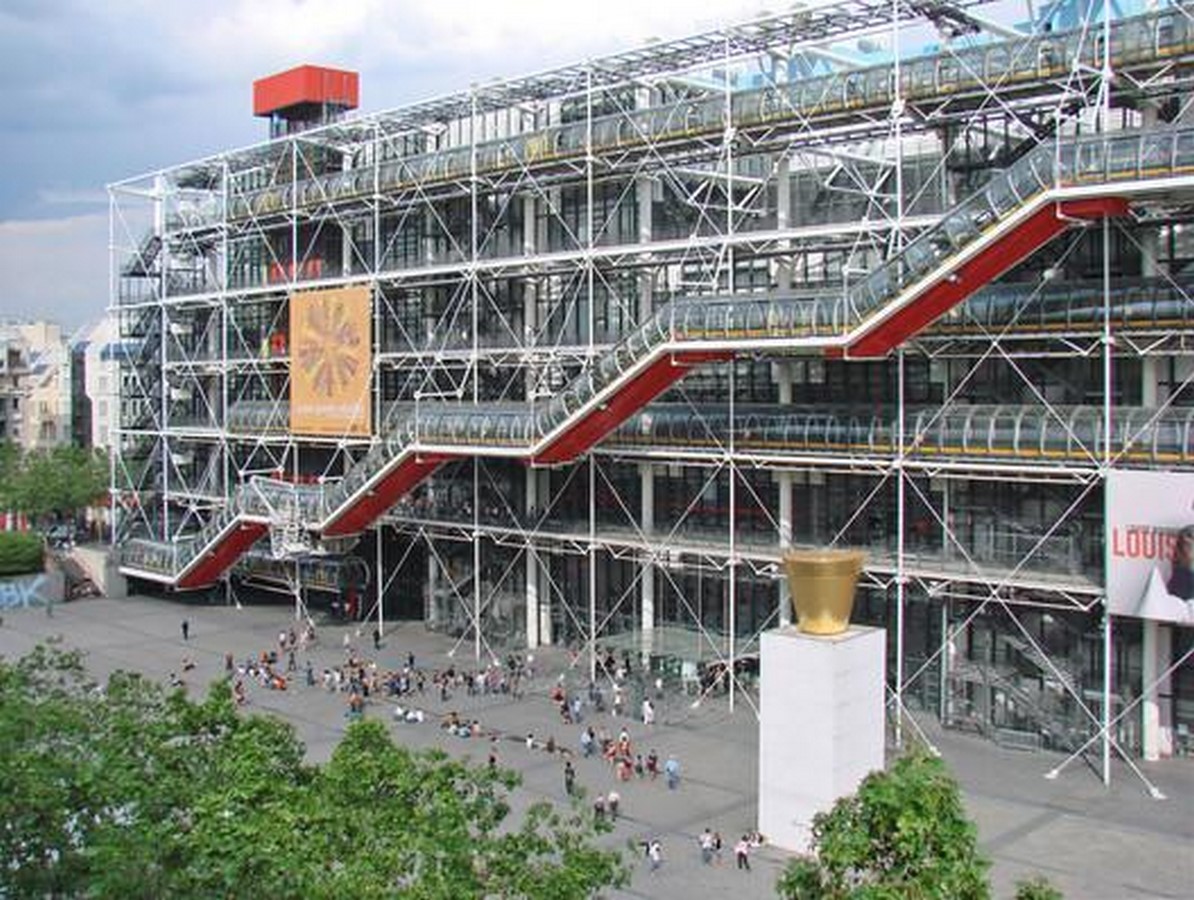
- The Centre Pompidou, France: An example of a flexible building, the spaces of the Centre Pompidou can be organized based on needs and activities over time. The services like lifts and stairs are placed externally, allowing the interiors to remain open, adaptable, and capable of supporting diverse urban activities like museums, libraries, leisure hubs, and other event spaces.
Climate- Responsive Infrastructure in Dense Cities
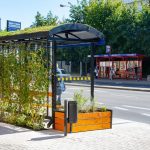
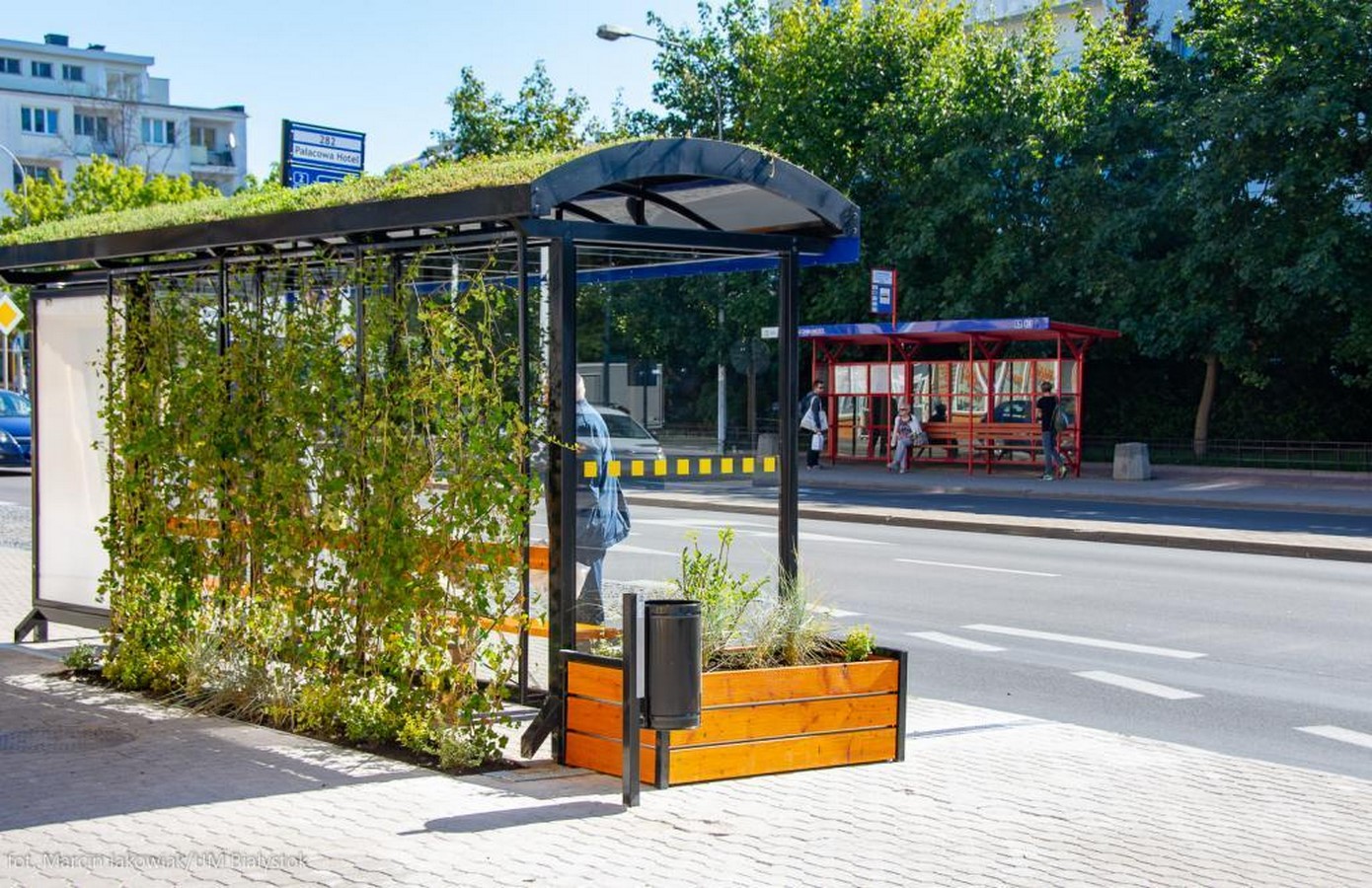
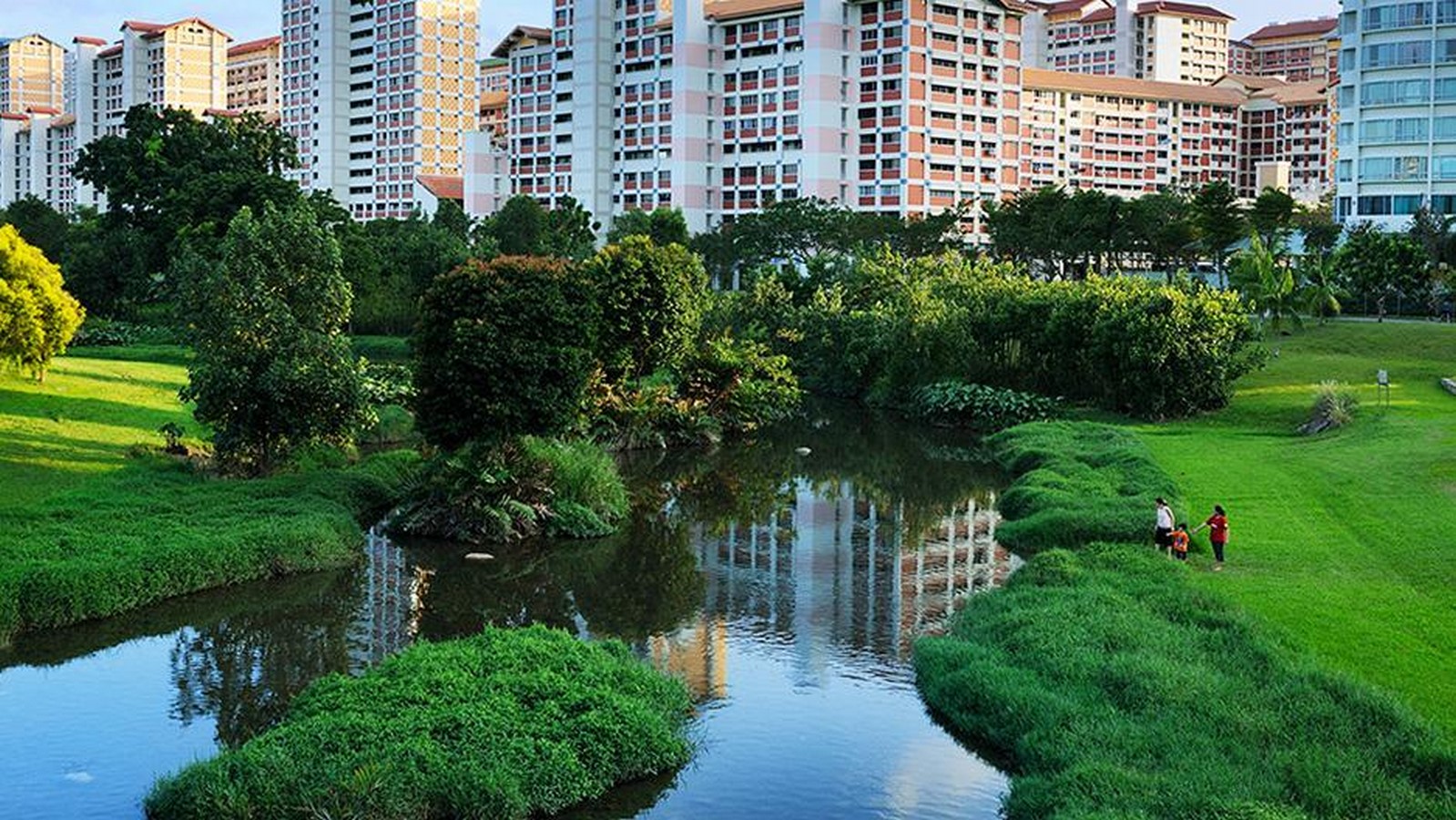
These days, there are several climate-responsive designs incorporated in streets, buildings, bus stops, and other urban spaces. As cities are getting dense and dealing with various climatic threats, these designs have been an important aspect to protect both people and the environment. For instance, Green Bus Stops in Poland reuses rainwater as a resource and contributes to the reduction of the Urban Heat Island with a plant-based green roof. Similarly, the Bishan-Ang Mo Kio Park of Central Singapore features a naturalized meandering river that manages the floods safely by allowing water to flow and spread naturally, and is also an ideal space for picnics and gatherings. Such approaches help in cooling the temperature of urban cities without hindering the purpose or the function of the design.
Transit- Oriented Development (TOD)
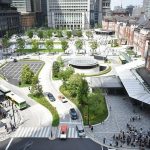
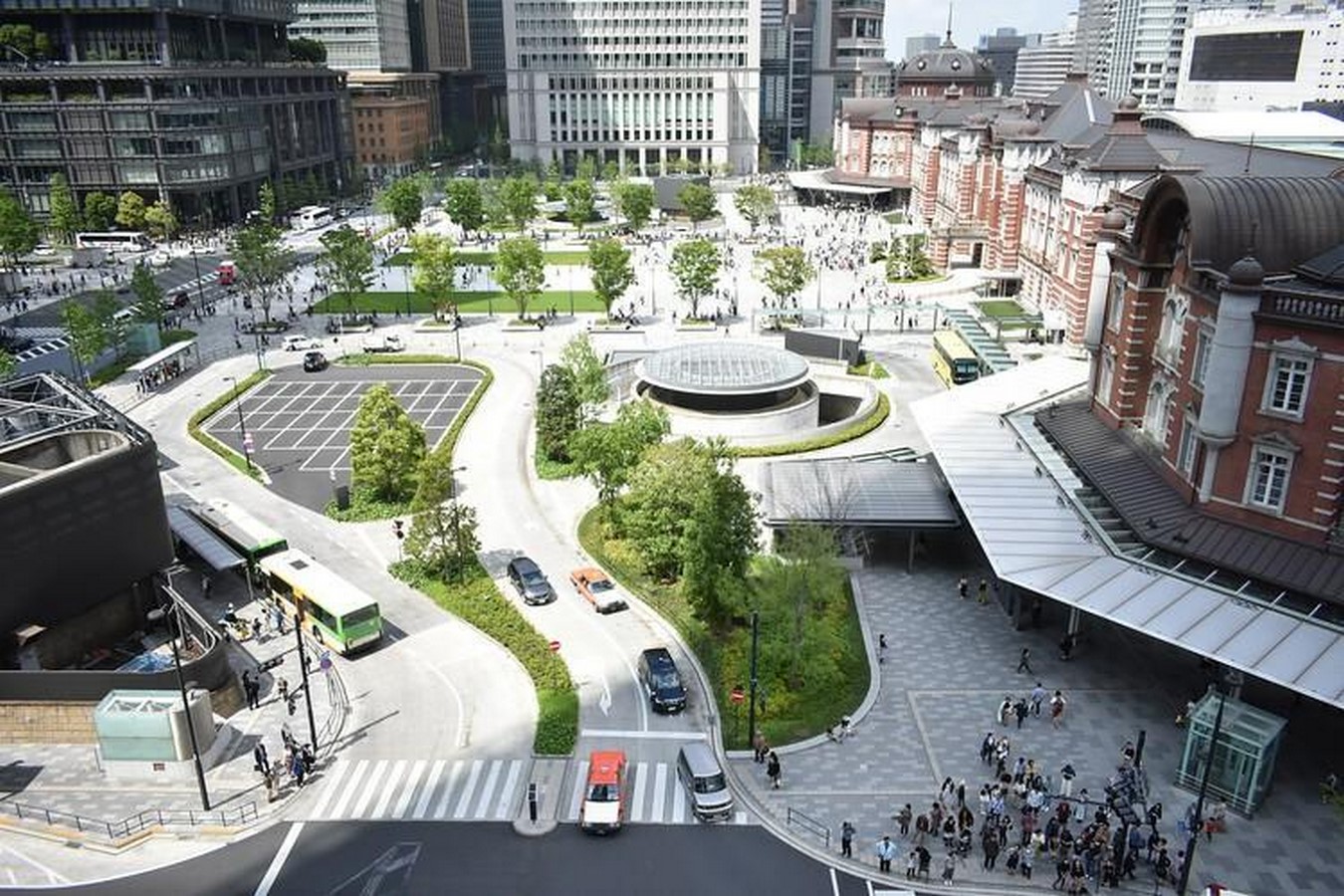
Transit-Oriented Development is an approach for urban planning and development that tends to bring people, services, and activities together with quality public transport, encouraging walkable or cycling conditions to facilitate shorter trips, a better lifestyle, and more efficient use of city resources. This approach plans the development on the periphery of metro or bus transit stations, which reduces car dependency, and focuses on economic upliftment through high-density land use. It acts as a positive strategy that addresses urban sprawl, traffic congestion, and climate change. In such development, buildings can function over time, for example, from an office to a co-working space to a housing unit. The neighbourhoods stay active all day, supporting mixed-use adaptability. The best example of TOD is Tokyo, Japan, where over 60% of the population relies on public transportation with mixed-use buildings, less pollution, and more space for pedestrians.
Modular Architecture
Modular spaces are one of the key principles for adaptive architecture. These are reusable spaces that involve breaking down structures into smaller units, which can be assembled and dismantled easily. These structures are cost-effective and enhance flexibility. In dense cities, such a modular design can incorporate various functions and events that support social interaction and urban life. For instance, a movable partition wall converts a series of office cabins into a large seminar hall.
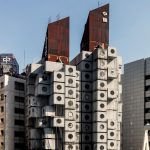
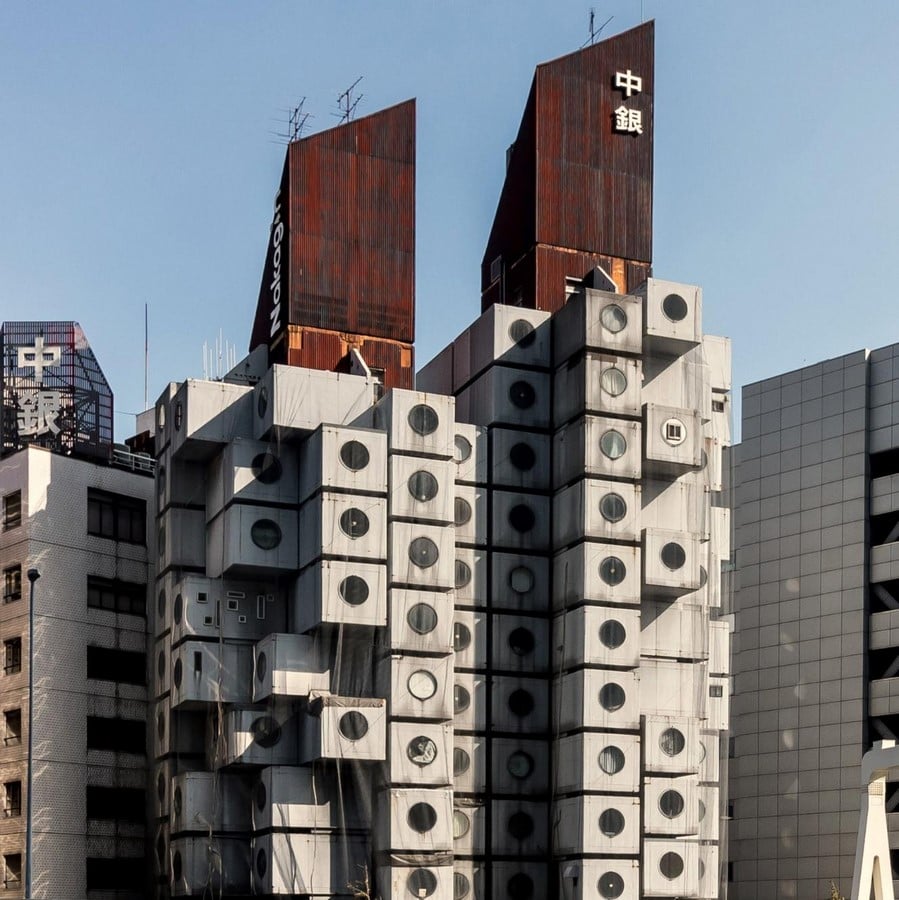
Despite the tower being built in 1972, the Nakagin Capsule of Japan remains a historic example due to its highly advanced modular design approach. Built of 140 prefabricated steel modules bolted into the main shaft, the modules were tiny homes for people. However, it is now demolished due to deterioration and other concerns. A few of the modules are taken to some renowned museums and preserved. It may be conceptually successful, but not in terms of physical strength. With thoughtful design and construction approaches, such designs could be built in today’s time to avoid building new structures. As the population rises, the modules could be added accordingly, without occupying urban lands.
Adaptive infrastructure in dense cities offers a practical solution to balance population growth, limited land use, and climate challenges. Flexible, modular, climate-responsive designs shift cities from rigid systems to dynamic environments, aiming to create healthy, sustainable, and future-ready cities.
References:
One Space, Many Stories: The Rise of Multifunctional. Design.Modulyss. Available at: https://www.modulyss.com/en-INT/blog/one-space-many-stories-the-rise-of-multifunctional-design/ (Accessed: 3 April 2026).
Superkilen Urban Park, Copenhagen. Arquitectura Viva. Available at: https://arquitecturaviva.com/works/parque-urbano-superkilen-3 (Accessed: 3 April 2026).
Moataz M. (2024) Barcelona Superblocks: Reclaiming Streets for People. Available at: https://urbandesignlab.in/barcelona-superblocks-reclaiming-streets-for-people/ (Accessed: 4 April 2026).
(2025) Healthy Cities by Design: Green Infrastructure and Climate Resilience. Singapore Global Centre. Available at: https://www.undp.org/policy-centre/singapore/blog/healthy-cities-design-green-infrastructure-and-climate-resilience/ (Accessed: 4 April 2026).
An Iconic Architecture. Centre Pompidou. Available at: https://www.centrepompidou.fr/en/the-centre-pompidou-is-transforming-itself/an-iconic-architecture (Accessed: 4 April 2026).
Transit-Oriented Development (TOD) – Sharing our experience with the world. Available at: https://www.ur-net.go.jp/overseas/urtod.html (Accessed: 4 April 2026).
Mukhtyar D. (2024). Adaptive Reuse and Modular Spaces: Transforming Urban Landscapes. Available at: https://urbandesignlab.in/adaptive-reuse-and-modular-spaces-transforming-urban-landscapes/ (Accessed: 5 April 2026).
(2021). Deezen. Available at: https://www.dezeen.com/2021/07/16/nakagin-capsule-tower-dismantled-news/ (Accessed: 5 April 2026).