“Buildings, like books, are filled with stories. When their original story comes to an end, architects are faced with a choice: to preserve its narrative, retell it or rewrite it entirely.”
Buildings represent stories and memories of people who built and inhabited them, long after they are gone. Buildings that stand the test of time become architectural marvels that deserve to be preserved. In doing so, we preserve not only the buildings themselves, but also the culture and craftsmanship they represent. To demolish them and replace them with only a fraction of the craftsmanship we are capable of producing today would be a great disservice to our communities and cultural heritage.
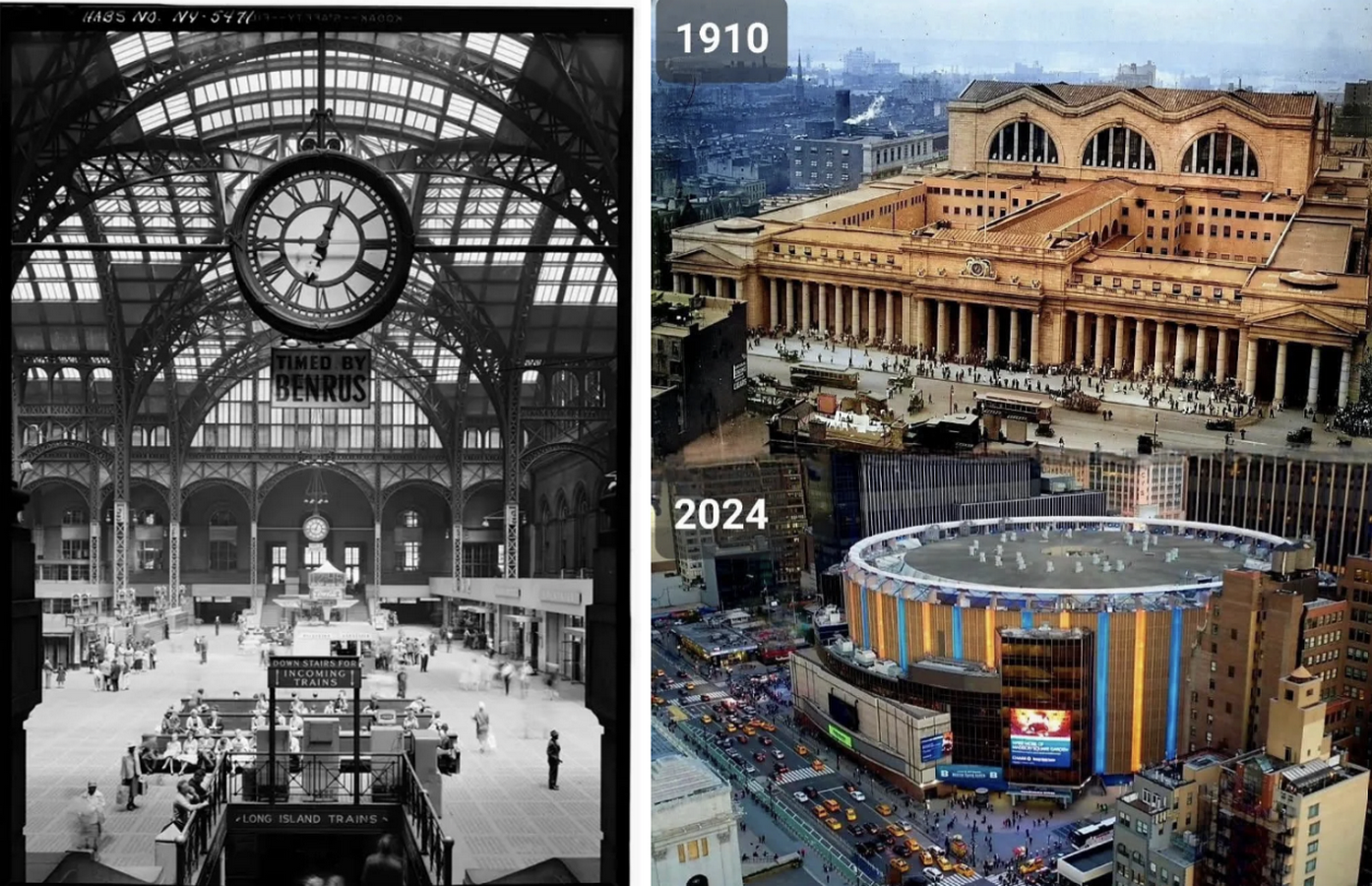
Adaptive reuse gives these buildings another chance at life, allowing them to serve new purposes without disappearing from the urban landscape. Yet every new function demands a certain level of change, and every change risks diluting what made the built environment significant in the first place.
The Second Life Of Buildings
Adaptive reuse has become one of the most significant ways in which cities elongate their relationships with the past. Abandoned factories become museums, warehouses become cultural centres, and palaces become boutique hotels. Rather than treating historic architecture as a relic to be preserved unchanged, adaptive reuse allows it to evolve with the needs of contemporary society.
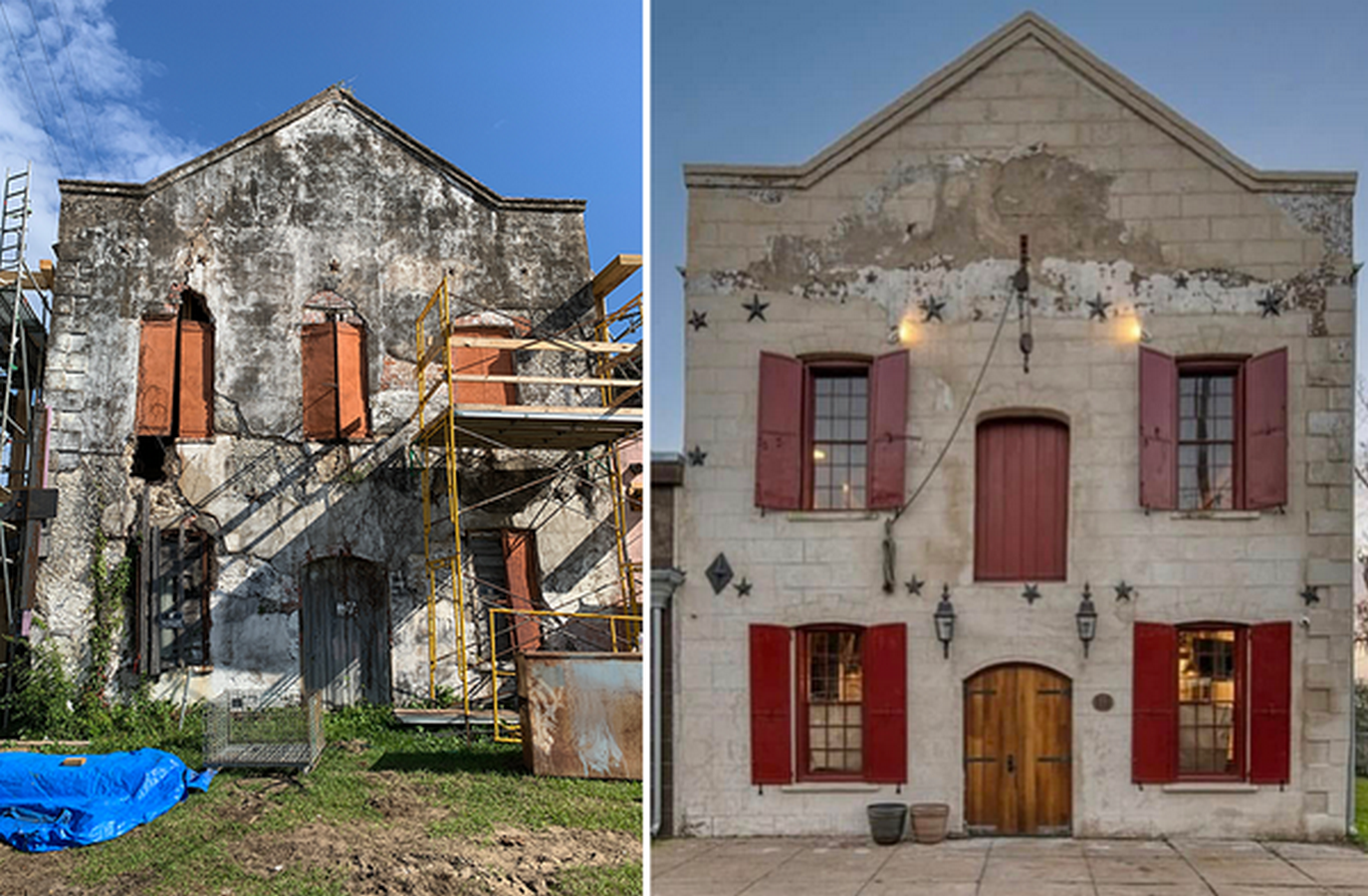
This approach undoubtedly saves countless buildings from demolition. By retaining existing structures, it reduces construction waste, preserves embodied carbon and gives neglected landmarks a new purpose. But a structure’s physical survival doesn’t necessarily guarantee the survival of its history, too. In some cases, the past is carefully packaged and presented as an experience curated to meet expectations of tourism and commerce. Sometimes buildings can survive hundreds of years and still lose something in the process of readaptation.
More Than A Renovation
Adaptive reuse is frequently confused with retrofitting, yet these two represent fundamentally different approaches.
Retrofitting focuses on improving an existing building without altering its original purpose. A historic office block fitted with energy-efficient glazing, modern insulation, or upgraded mechanical systems remains an office building. Its function remains the same whilst its performance and comfort increases.
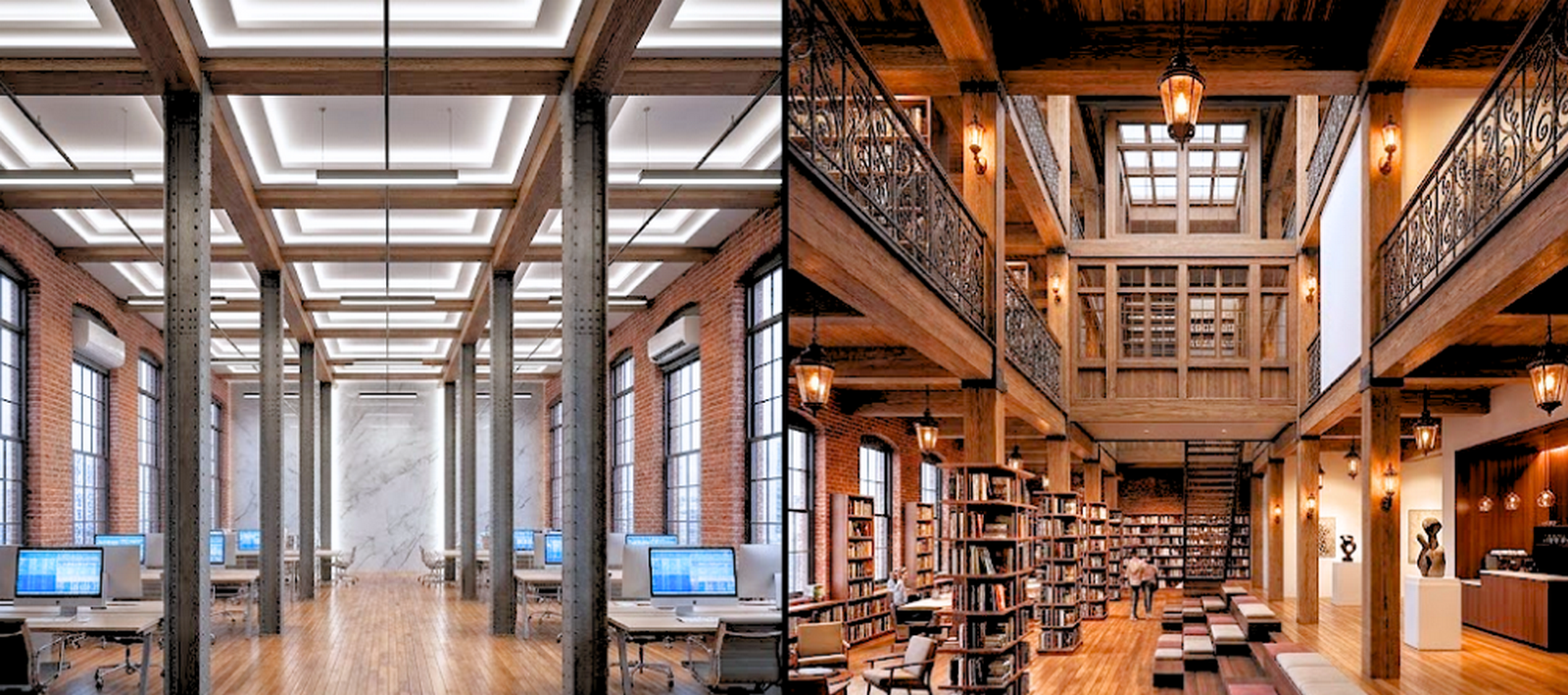
Adaptive reuse provokes us to think creatively about what an existing building could become.
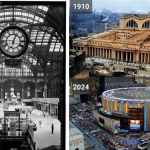
Factories can be turned into art galleries, churches become libraries, Railway stations become runways and mansions get turned into hotels. Adaptive reuse does not just increase a building’s lifespan but reimagines its purpose, whilst retaining as much architectural character as possible.
Conservation vs Performance
Successful adaptive reuse simply does not mean preserving bricks and mortar; it also involves preserving atmosphere, memory and history. Most importantly, it preserves the relationship between a building and the people who understand its meaning. Problems emerge only when the adaptation begins to prioritise aesthetics over authenticity.
Like a film set, everything appears convincing at first glance. The façade remains intact, traditional methods are highlighted and historical references are carefully curated. Yet behind the scenes, is a mass produced element that is customised to suit the commercial expectations.
Modern conveniences inevitably play an important role in making heritage buildings usable, but the challenge here lies not in introducing these modern elements but in how they are integrated. An exposed split air-conditioning unit mounted across a hand-painted mural, aluminium windows replacing handcrafted timber joinery or modern-day switches in a centuries old mansion can more often act like an eyesore in an otherwise perfect space. Convenience here begins to dominate the character.
Learning from practice
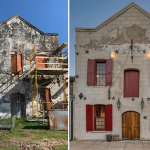
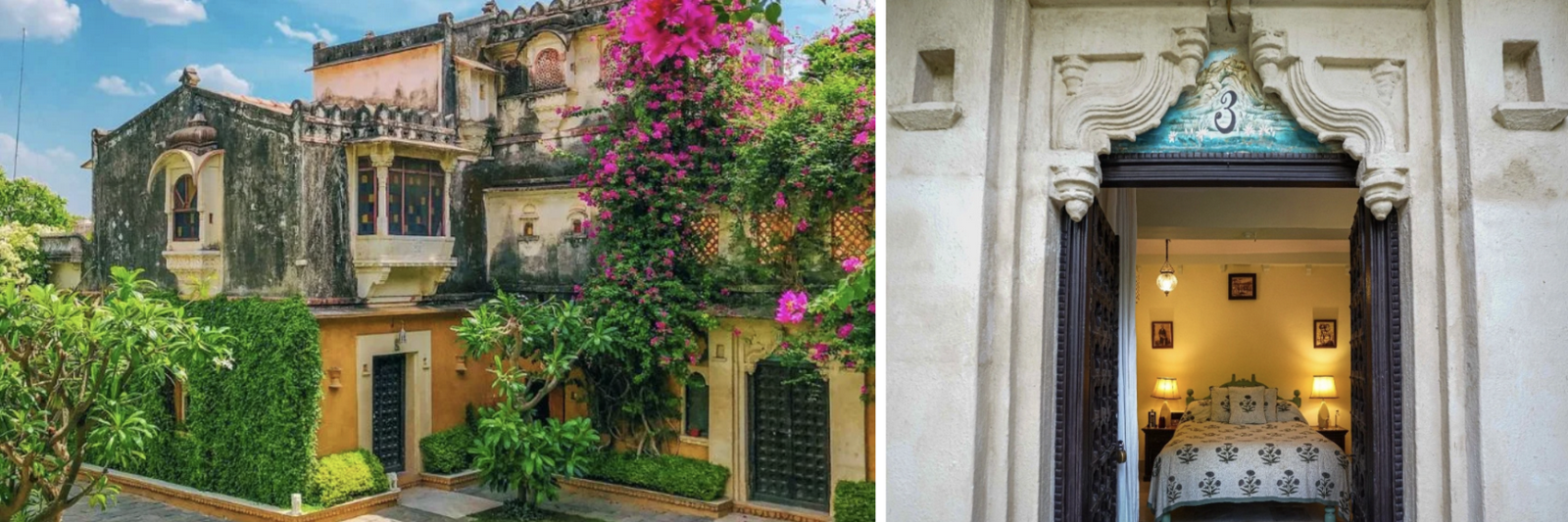
Across the world, adaptive reuse has produced both inspiring and cautionary examples. In Rajasthan, numerous historic havelis have found new life as heritage hotels. One such project is Rawla Narlai; this adaptation has rescued a building that might have otherwise deteriorated to a point beyond repair. This project demonstrates how historic spaces can be exposed to meet the romantic expectations of royal living with historical complexity. The project displays successful adaptive reuse by retaining its weathered walls, heavy wooden doors, ornate doorways and candlelit niches, and still incorporate modern amenities in a sensitive manner.
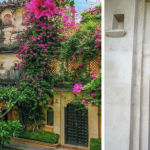
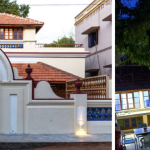
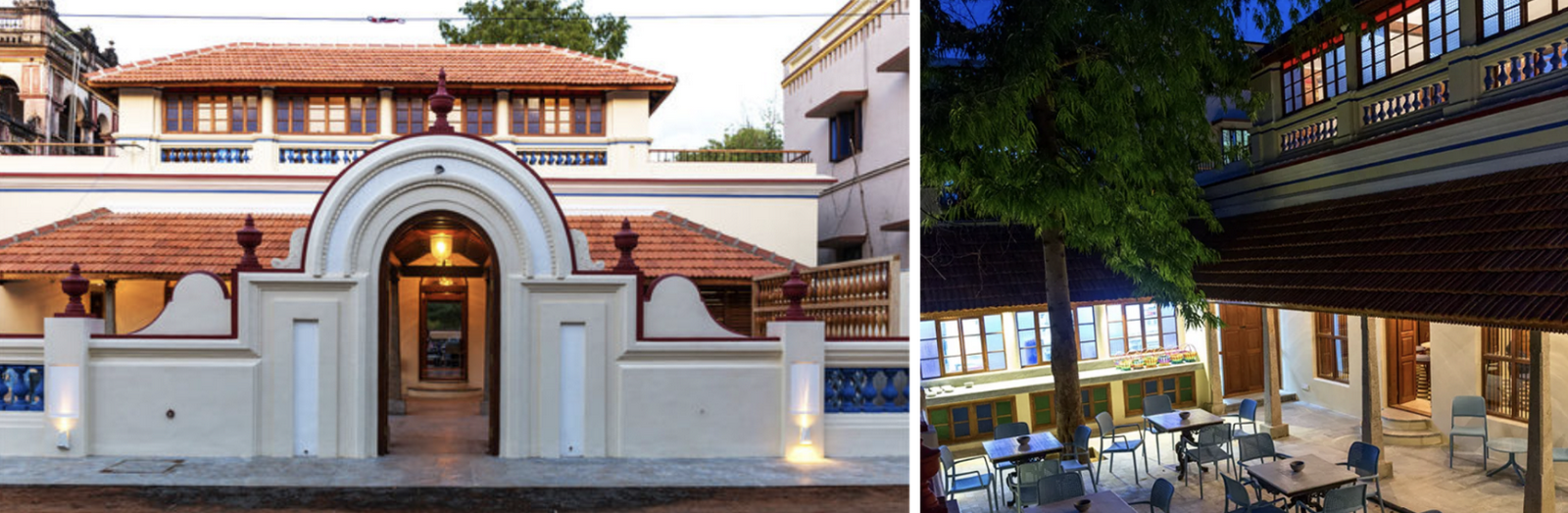
A similar balance can be observed in the Chettinad region of Tamil Nadu. The grand mansions built by the Nattukottai Chettiar community stand as remarkable examples of global craftsmanship, combining Burmese teak, coloured glass and locally produced Athangudi tiles. The Vaadhyar’s house is one such example. Originally a 150 year old mansion rented by Teachers, the building was restored and transformed into a restaurant.
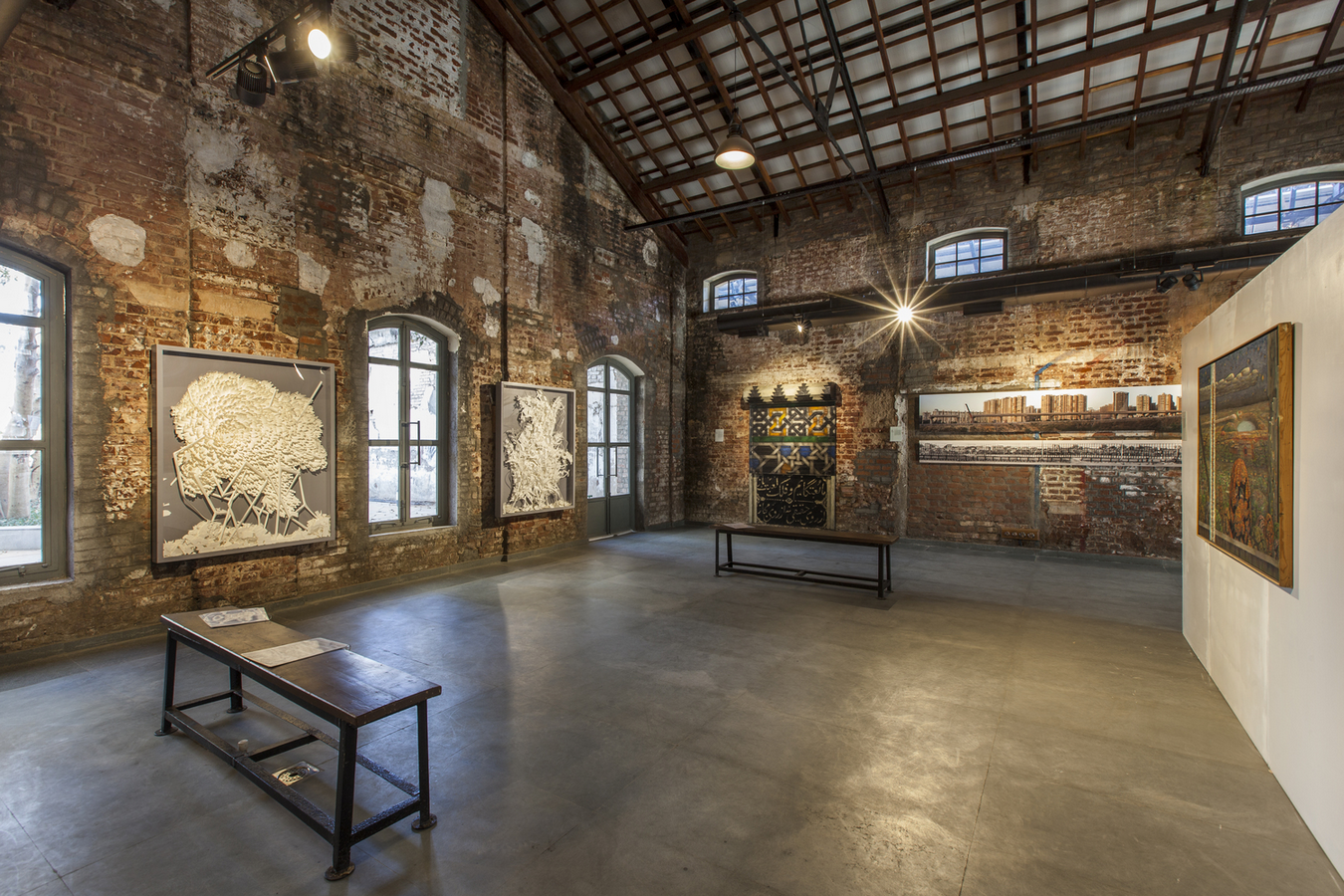
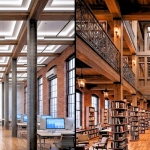
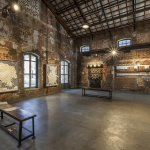
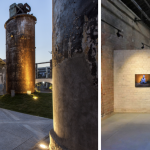
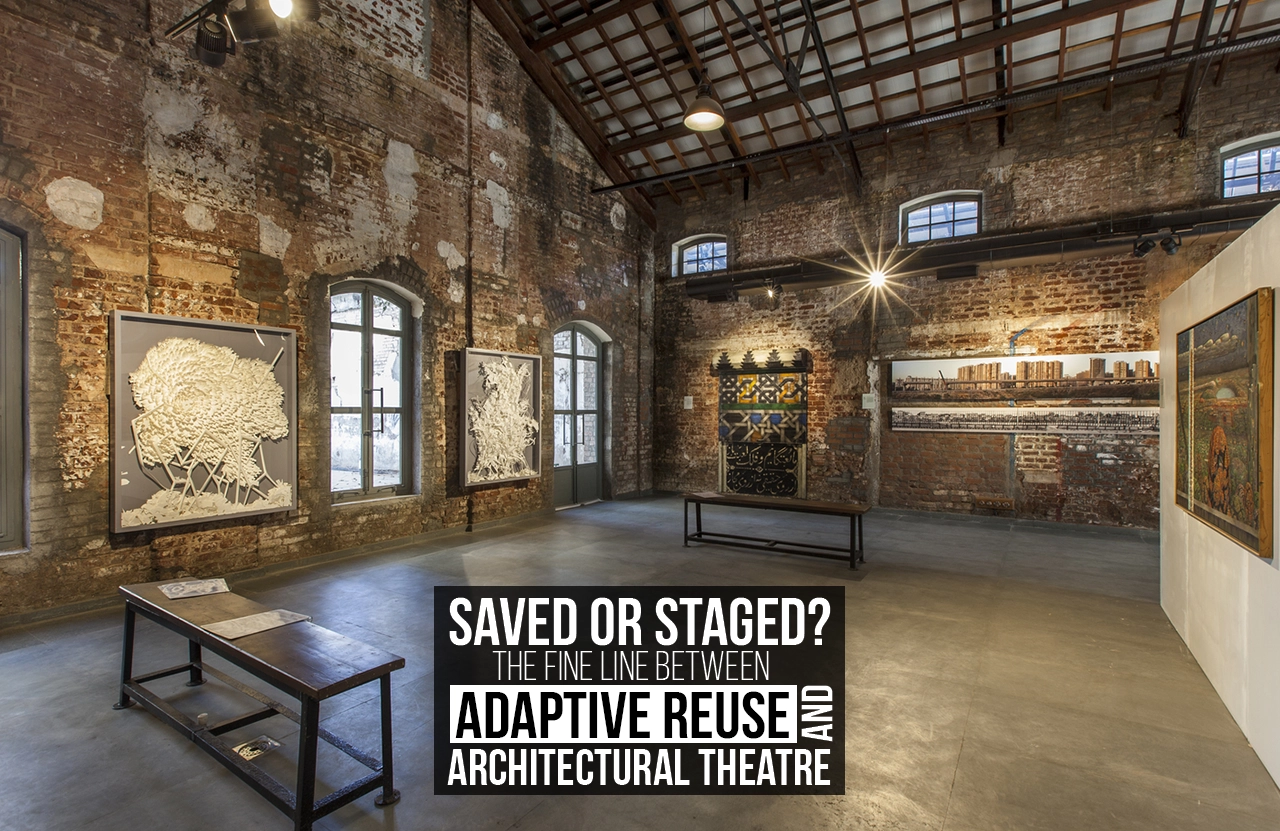
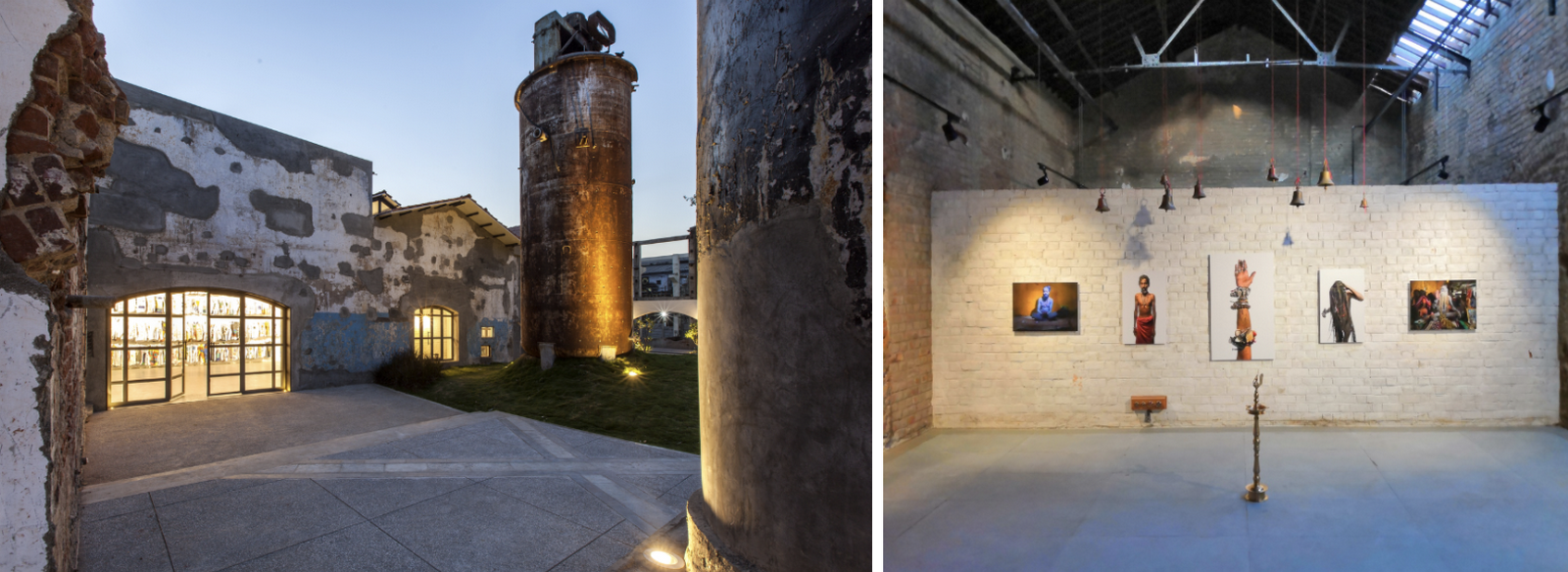
Vadodara’s Alembic Museum is another example of how architecture can be transformed without abandoning its identity. The former pharmaceutical building now accommodates art and exhibition spaces while retaining its structural framework, original materials and characteristic roof trusses. Its record-worthiness shows how, instead of disguising the industrial past, the designers have allowed visitors to appreciate both its previous and present lives simultaneously.
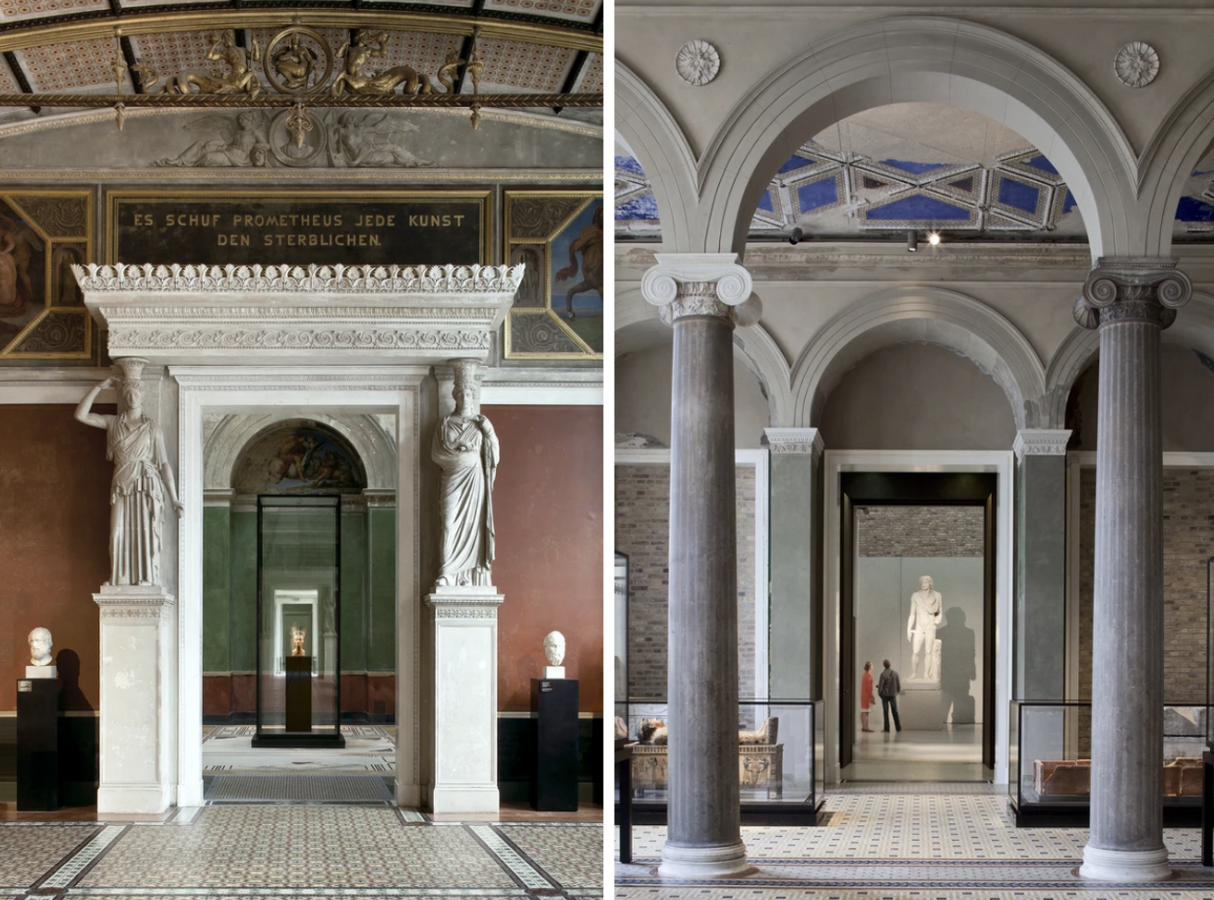
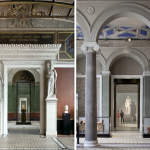
Internationally, perhaps no project illustrates this philosophy better than David Chipperfield’s restoration of Berlin’s Neues Museum. Instead of reconstructing every damaged surface, traces of war and deterioration were deliberately retained along the contemporary interventions. Missing fragments were acknowledged rather than concealed, allowing visitors to read the building as the historical lesson that it is.
These projects succeed because they treat change as a part of history rather than something that needs to be kept secret. They retain the connection people have with said space.
What Makes Adaptive Reuse Meaningful
Now the most important question is not whether adaptive reuse is good or bad, but how we recognise when an installation turns out to be meaningful. A good project rarely freezes a building in time, nor does it rebuild it completely in the pursuit of commercial appeal. Instead, it establishes a relationship between old and new. Perhaps adaptive reuse is much like taking a vintage garment and tailoring it for contemporary fashion. The fabric, craftsmanship and character of the original remain, but its form is thoughtfully adapted to suit the present.
The original structure should remain legible; new interventions should be distinguishable without overwhelming the historic elements. Contemporary additions should solve current needs while respecting existing materials and craftsmanship. Most importantly, the building’s cultural narrative should survive alongside its physical structure for the progeny.
Architecture is more than just walls. A palace is not just a collection of rooms, it is a portrayal of political history, royalty, craftsmanship and patterns of everyday life. A factory is not simply an industrial shell; it’s a reflection of technological process, labour, climatic and local identity. When adaptive reuse preserves such intangible qualities, it turns into conservation. When it reduces to decorative backdrops, it becomes theatre.
Beyond Preservation
The debate surrounding adaptive reuse exceeds the bounds of architecture. It reflects how society chooses to remember its past.
Historic buildings are among the few places where people can experience the past. They communicate legends that books, photographs and drawings cannot fully convey. Every intervention that we do therefore influences not only the future of the building, but also the way tomorrow’s generation will perceive history.
As cities continue to expand and the need to reduce carbon footprint reshapes architectural practice, adaptive reuse becomes increasingly essential. Demolition no longer remains the go to solution, nor should it imply freezing buildings as untouchable displays.
Architecture has always walked hand in hand with change. The concern here lies in ensuring that evolution remains honest to its subject. The most successful adaptive reuse projects do not attempt to recreate the perceived past. Instead, it should acknowledge that buildings, like the societies surrounding them, accumulate layers over time. Each generation leaves its own mark, adding new chapters to the original story.
A building is not saved simply because it still stands. It has been saved to continue its story where the next chapter is added to enhance its original plot rather than erase its original narrative.
https://www.ube.ac.uk/whats-happening/articles/what-is-adaptive-reuse/
https://cove.inc/blog/what-is-adaptive-reuse-architecture/
https://openlab.citytech.cuny.edu/arch3512f2023/files/2020/01/adaptive-reuse-architecture-documentation-and-analysis-2168-9717-1000172-1.pdf
https://www.tandfonline.com/doi/full/10.1080/13602365.2022.2105381#d1e174
https://www.tandfonline.com/doi/full/10.1080/13602365.2022.2105381#inline_frontnotes
For influential early writings on adaptive reuse see, for example, Sherban Cantacuzino, New Uses for Old Buildings (London: Architectural Press, 1975); Rodolfo Machado, ‘Old Buildings as Palimpsest: Towards a Theory of Remodelling’, Progressive Architecture, 11 (1976), 46–9; Rodrigo Pérez de Arce, ‘Urban Transformations and the Architecture of Additions’, Architectural Design, 4 (1978), 237–66; Peter Eley and John Worthington, Industrial Rehabilitation: The Use of Redundant Buildings for Small Enterprises (London: Architectural Press, 1984).
Reduce Reuse Recycle: Architecture as Resource, ed. by Muck Petzet and Florian Heilmeyer (Ostfildern and Berlin: Hatje Cantz Verlag, 2012). The book is the catalogue accompanying the exhibition ‘Reduce Reuse Recycle — Architecture as Resource’, German contribution to the 13th ‘International Architecture Exhibition La Biennale di Venezia’. See also <http://www.reduce-reuse-recycle.info>