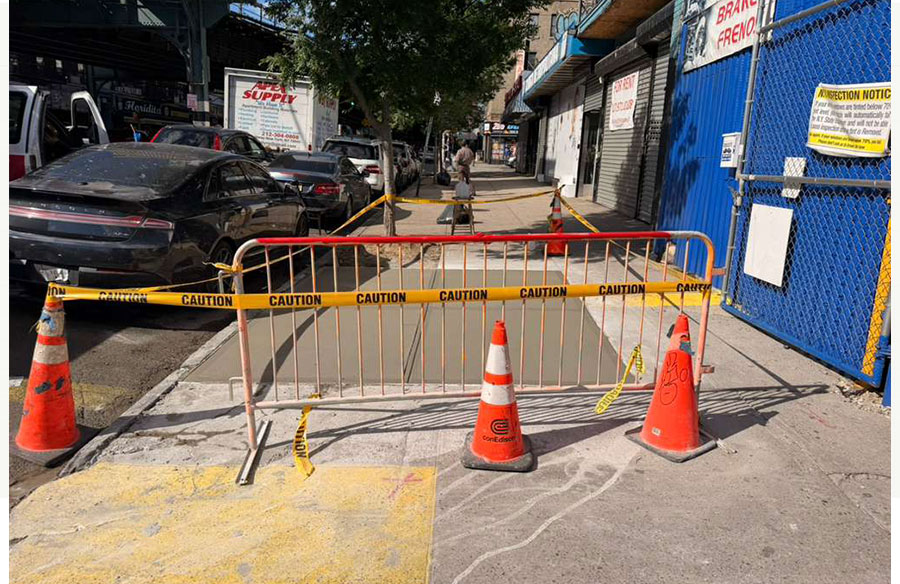
Cracked concrete, uneven slabs, and trip hazards are common across New York City. While some damage appears cosmetic, deteriorated sidewalks can quickly become a legal and financial responsibility for property owners. Understanding NYC DOT regulations, repair costs, and permit requirements helps you avoid unnecessary expenses and keep your property compliant.
If you’re looking for reliable information or need an experienced contractor, QuickFix Sidewalk NYC has been helping property owners across the Bronx, Brooklyn, Manhattan, and Queens with code-compliant sidewalk repairs and DOT violation removal. The company also provides free estimates of sidewalk repair costs, helping property owners understand the scope and budget before work begins.
This guide explains everything you should know about concrete sidewalk repair, NYC DOT regulations, permits, and pricing before starting your project.
Why Concrete Sidewalk Repair Matters
Sidewalks experience constant wear from pedestrian traffic, freeze-thaw cycles, tree roots, utility work, and heavy rainfall. Over time, these factors cause concrete to crack, settle, or become uneven.
Ignoring damaged concrete can result in:
- Dangerous trip hazards
- Water pooling and accelerated deterioration
- Failed property inspections
- NYC DOT sidewalk violations
- Increased repair costs later
Small cracks are relatively inexpensive to repair, but once slabs begin shifting or sinking, replacement often becomes the safer and more economical option.
Who Is Responsible for Sidewalk Repair in NYC?
Many property owners assume the City repairs sidewalks. In most cases, that isn’t true.
Under NYC Administrative Code Section 19-152, the owner of property adjacent to a public sidewalk is generally responsible for maintaining it in a reasonably safe condition.
This includes repairing defects such as:
- Cracked concrete
- Broken sidewalk flags
- Uneven slabs
- Raised sections caused by tree roots
- Holes and surface deterioration
- Improper patchwork
If hazardous conditions exist, the NYC Department of Transportation (DOT) may issue a sidewalk violation requiring repairs within a specified timeframe.
Common Causes of Sidewalk Damage
Concrete sidewalks rarely fail overnight. Most damage develops gradually due to several contributing factors.
Freeze-Thaw Cycles
Water enters small cracks during winter. As temperatures drop, the water freezes and expands, widening the cracks with each cycle.
Tree Roots
Roots growing beneath sidewalk slabs lift the concrete, creating uneven walking surfaces and trip hazards.
Soil Erosion
Poor drainage or underground water leaks can wash away supporting soil beneath concrete, causing slabs to sink or crack.
Heavy Vehicle Loads
Although sidewalks aren’t designed for regular vehicle traffic, delivery trucks or construction equipment often drive over them, leading to structural damage.
Age
Most concrete sidewalks gradually deteriorate over decades due to weather exposure and repeated use.
Average Cost of Concrete Sidewalk Repair in NYC
Repair costs depend on the extent of damage, accessibility, permit requirements, and whether full replacement is necessary.
Typical price ranges include:
- Minor crack repairs: $300 to $800
- Partial concrete repairs: $800 to $2,000
- Sidewalk flag replacement: $1,200 to $2,500 per flag
- Multiple flag replacement: $3,000 to $8,000+
- Complete sidewalk replacement: $8 to $25 per square foot
Additional costs may include:
- DOT permits
- Concrete disposal
- Tree root coordination
- Utility mark-outs
- Temporary pedestrian protection
- Restoration of adjacent curbs or driveways
Every project is different, which is why contractors typically perform an on-site inspection before providing an estimate.
What Is a Sidewalk Flag?
NYC sidewalks are divided into individual concrete sections known as flags.
When only one or two flags are damaged, contractors usually replace those sections rather than demolishing the entire sidewalk.
DOT inspectors often specify exactly which flags require replacement when issuing a violation.
When Is Replacement Better Than Repair?
Not every damaged sidewalk can be repaired effectively.
Replacement is generally recommended when:
- Large sections are cracked
- Concrete has settled significantly
- Multiple repairs have already failed
- Reinforcement is exposed
- Tree root damage has lifted slabs
- The sidewalk no longer meets DOT standards
Attempting to patch severely damaged concrete often results in recurring problems and additional costs.
NYC DOT Sidewalk Rules
The NYC Department of Transportation establishes standards for public sidewalks to maintain pedestrian safety.
Common violations include:
- Vertical height differences between slabs
- Major cracking
- Missing concrete
- Spalling surfaces
- Improper slopes
- Unsafe patch repairs
Repairs must comply with DOT construction specifications, including concrete thickness, expansion joints, finishing methods, and accessibility requirements.
Failure to meet these standards may require the work to be redone.
Do You Need a Permit?
In many situations, yes.
Sidewalk work performed within the public right-of-way generally requires permits issued through the NYC DOT.
Permit requirements vary depending on:
- Scope of work
- Sidewalk location
- Street occupancy
- Pedestrian protection
- Construction duration
Experienced contractors usually obtain permits and coordinate inspections on behalf of the property owner.
What Happens After Receiving a DOT Sidewalk Violation?
Receiving a violation doesn’t necessarily mean immediate penalties, but delaying repairs can become expensive.
The typical process includes:
- DOT identifies hazardous sidewalk conditions.
- A violation notice is issued.
- The property owner arranges repairs.
- Work is completed according to DOT specifications.
- Required inspections are performed.
- The violation is cleared.
Ignoring the notice may result in the City completing the repairs and billing the property owner, which can cost significantly more than hiring a contractor directly.
How Long Does Concrete Sidewalk Repair Take?
Project timelines vary based on size and weather.
Typical schedules include:
- Minor repairs: 1 day
- Single sidewalk flag replacement: 1–2 days
- Multiple flag replacement: 2–4 days
- Larger sidewalk replacement projects: 3–7 days
Fresh concrete also requires curing time before normal use.
Choosing the Right Sidewalk Contractor
Concrete sidewalk repair involves more than simply pouring new concrete.
A qualified contractor should understand:
- NYC DOT specifications
- Concrete mix requirements
- Proper grading
- Expansion joint placement
- ADA accessibility standards
- Permit procedures
- Sidewalk inspections
Hiring an experienced contractor reduces the likelihood of failed inspections or repeat repairs.
Tips to Prevent Future Sidewalk Damage
Although concrete eventually wears over time, proper maintenance can extend its lifespan.
Helpful practices include:
- Repair small cracks early.
- Keep drainage systems functioning properly.
- Avoid driving heavy equipment over sidewalks.
- Monitor nearby tree root growth.
- Address water leaks promptly.
- Schedule inspections if settlement appears.
Preventive maintenance is almost always less expensive than major reconstruction.
Frequently Asked Questions
Can cracked concrete simply be patched?
Small surface cracks can often be repaired. Large structural cracks or uneven slabs usually require replacement.
How long does concrete last?
Properly installed concrete sidewalks often last 30 to 50 years, depending on maintenance, climate, and traffic.
Are permits always required?
Most work within NYC public sidewalks requires DOT permits. Requirements vary depending on the project.
Can tree roots be removed?
Sometimes. However, trees managed by the City often require coordination and approval before root removal or nearby excavation.
Will the DOT inspect completed repairs?
Projects associated with violations may require inspection before the violation is officially resolved.
Final Thoughts
Concrete sidewalk repair in NYC is about more than improving appearance. Safe, code-compliant sidewalks protect pedestrians, reduce liability, and help property owners avoid expensive DOT enforcement.
Whether you’re dealing with cracked concrete, uneven sidewalk flags, or a recently issued violation, understanding repair costs, permit requirements, and DOT standards allows you to make informed decisions and avoid costly mistakes. Addressing problems early is usually the most affordable approach and helps ensure your sidewalk remains safe for years to come