“When was the last time you admired a building because someone cared enough to fix it instead of replacing it?”
Architecture has always celebrated creation. Magazines showcase a gleaming facade, awards applaud innovative forms and social media rewards dramatic before-and-after transformations. Yet the quiet act of repair rarely earns attention despite being one of the most profound architectural gestures. Somewhere between demolition and preservation lies a forgotten culture where buildings are not discarded when they age but patiently maintained, adapted and allowed to evolve. As cities race toward newer skylines and larger developments, perhaps the most radical architectural project today is not building something extraordinary, but it is refusing to abandon what already exists. In an era defined by climate anxiety and resource depletion, repair may quietly become architecture’s most revolutionary design philosophy.
Beyond Sustainability: Repair as Design
Sustainability has become architecture’s favourite vocabulary, yet much of the conversation still revolves around efficient new construction. Green certified buildings often replace functioning ones, consuming fresh concrete, steel, glass and energy before their environmental savings can even begin to compensate for their embodied carbon. Repair, however, asks an uncomfortable question: what if the greenest building is simply the one that already exists? Instead of treating maintenance as an operational expense, repair transforms it into a design strategy that extends the life of materials, structures and cultural memory simultaneously. Every repaired roof, reinforced beam or restored facade delays extraction, manufacturing, transportation and waste, proving that sustainability sometimes begins not with innovation but with restraint.
Buildings That Learn to Age
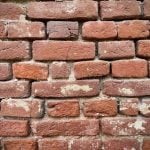
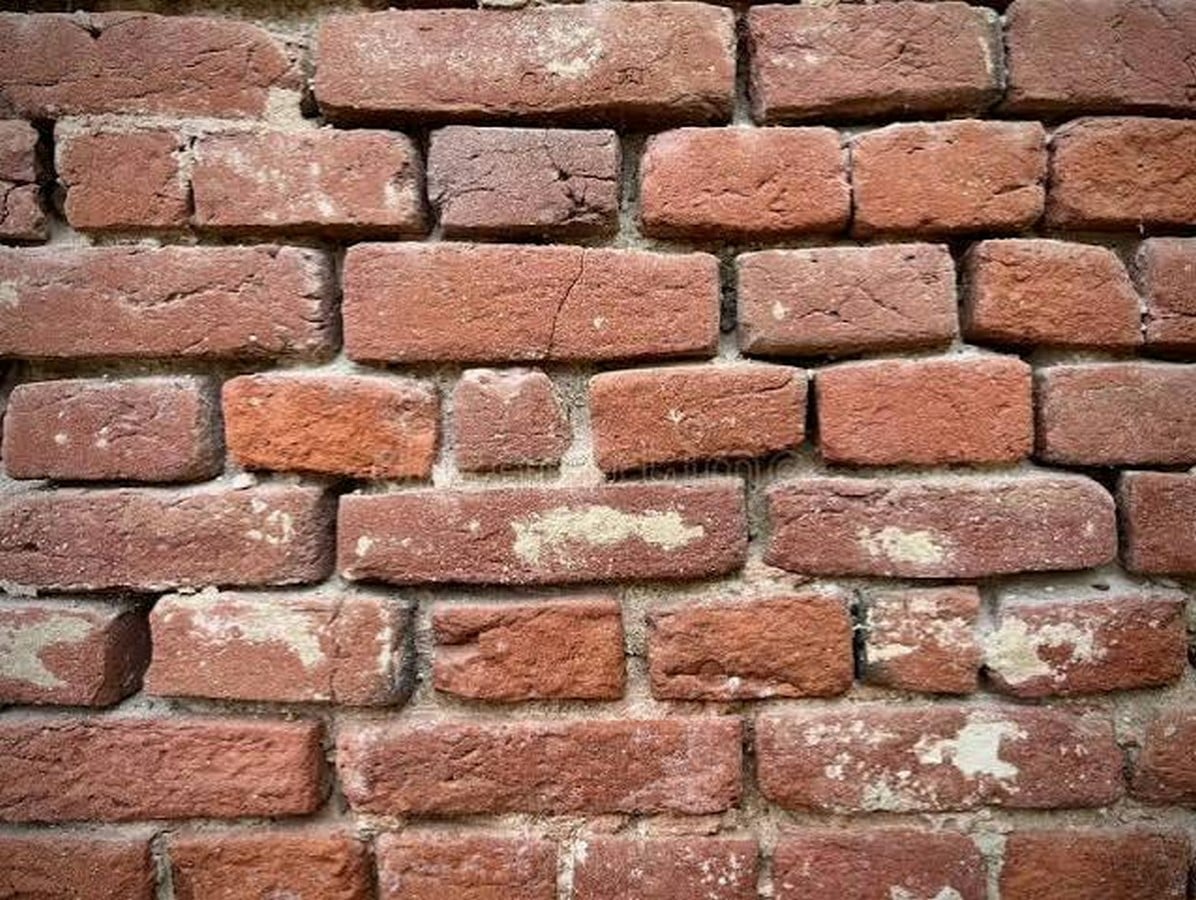
Unlike machines, buildings possess the remarkable ability to become richer through time. Stone darkens gracefully, timber develops character, lime plaster acquires texture and brick records decades of weather. These changes are often mistaken for deterioration when they are, in reality, evidence of life. The philosophy of repair embraces these imperfections instead of concealing them beneath replacement materials. Japanese craftsmanship celebrates kintsugi, where cracks become visible expressions of history rather than flaws to erase. Architecture can adopt a similar mindset. A carefully repaired wall tells future generations that someone chose stewardship over convenience. The building becomes not a frozen object but an evolving narrative, reminding occupants that permanence is achieved through continuous care rather than flawless construction.
Invisible Labour, Visible Cities
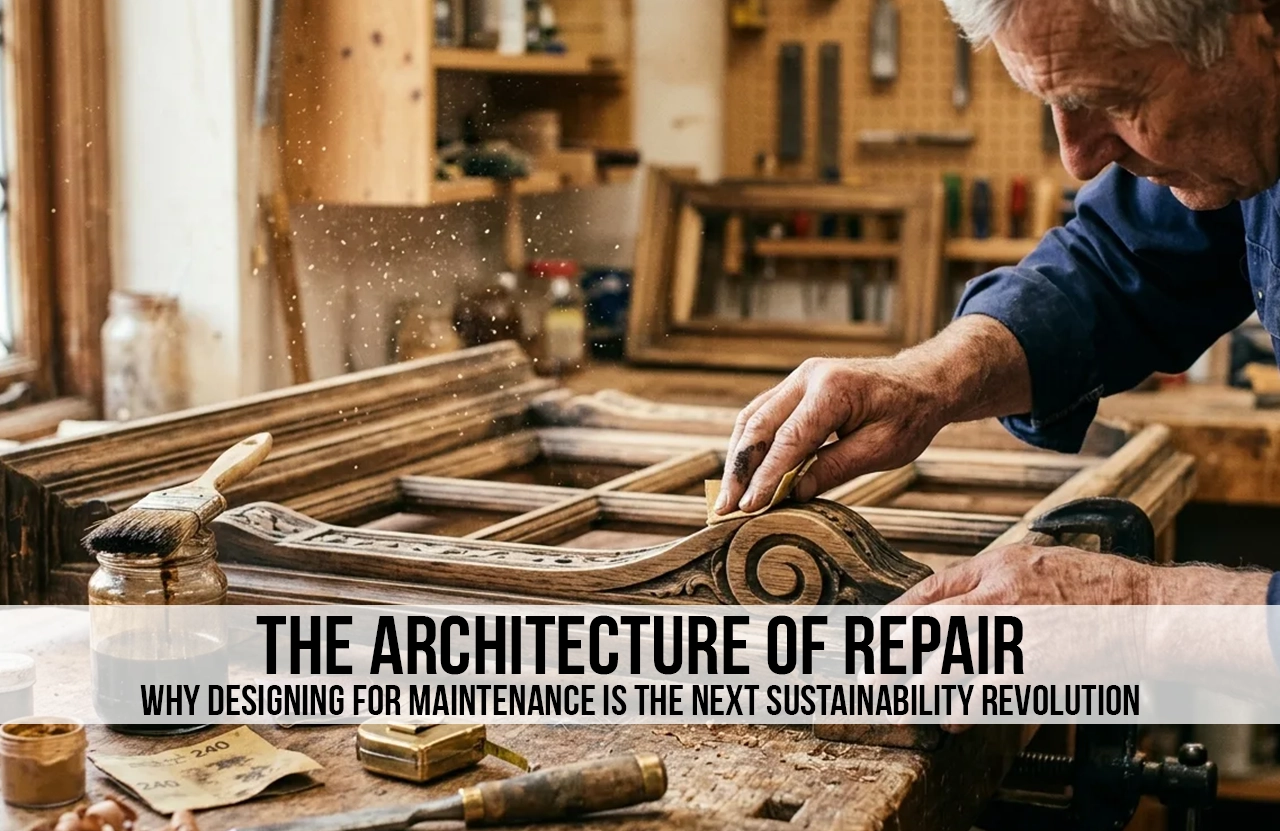
Every thriving city survives because countless acts of repair occur beyond public attention. Carpenters replace damaged doors, masons repoint brick joints, plumbers prevent structural decay caused by leaking pipes, and conservators stabilise fragile heritage structures. Yet architectural discourse continues to celebrate designers far more than those who sustain buildings after completion. This imbalance shapes how cities are valued. We admire skylines but overlook maintenance budgets. We celebrate ribbon-cutting ceremonies while ignoring decades of careful upkeep that keep structures functional. By recognising repair as an essential architectural practice rather than secondary labour, society begins to understand that resilient cities are created not only by visionary architects but equally by the skilled hands that preserve their work.
Designing for Future Hands
What if architects began every project by imagining the people who would maintain it fifty years from now? This single shift could transform contemporary practice. Accessible service routes, modular construction, reversible joints, replaceable components and material compatibility all emerge naturally when repair becomes a design objective instead of an afterthought. Rather than hiding every connection behind seamless finishes, architects could celebrate assemblies that are understandable, accessible and adaptable. Such thinking does not diminish creativity; it expands responsibility across generations. A building designed for effortless repair acknowledges that architecture is never truly finished. It remains an ongoing collaboration between its original designer and countless caretakers who will shape its future long after the architect has left.
Repair as Cultural Memory
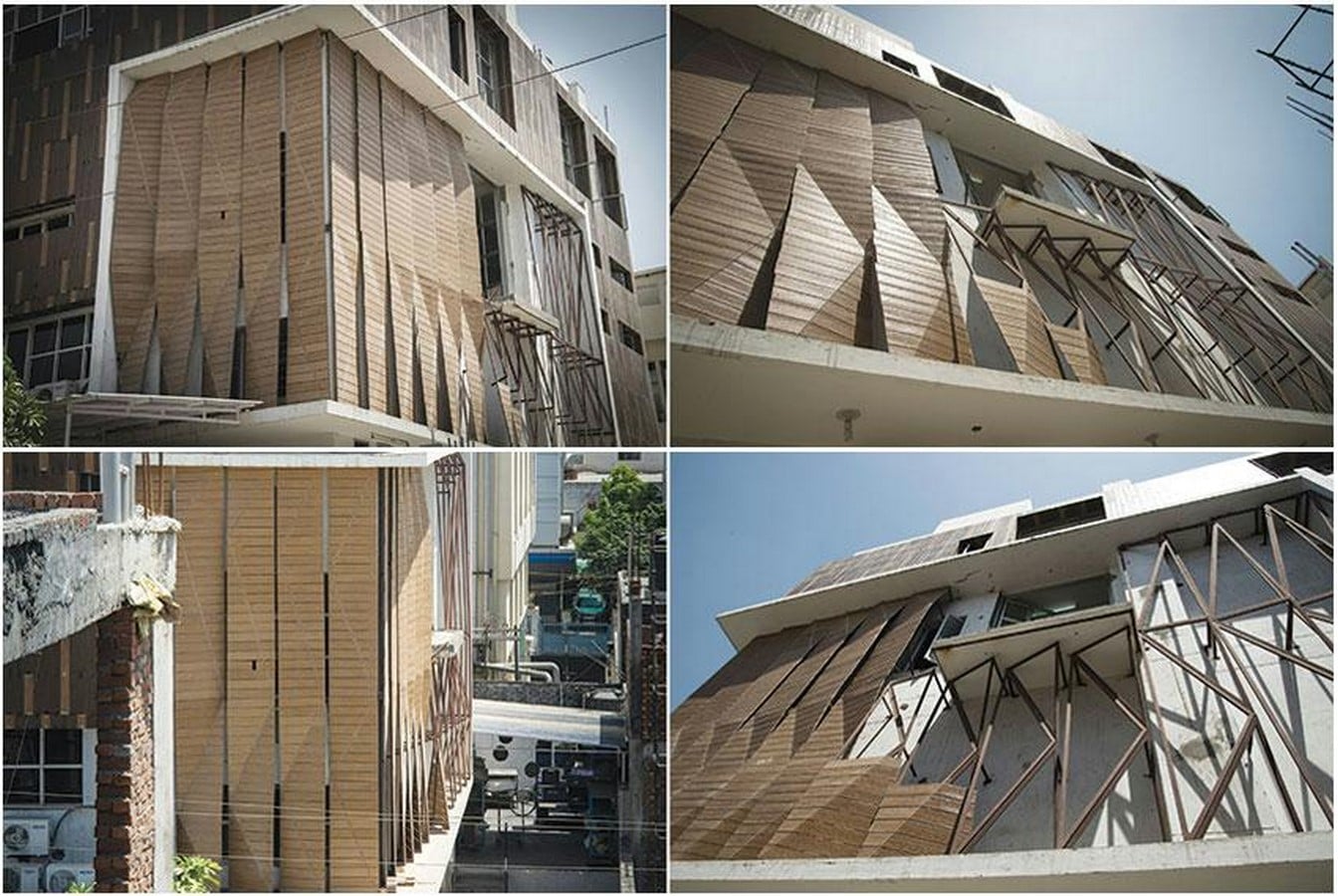
Buildings rarely matter because they are perfect. They matter because they witness lives unfolding within them. Families celebrate milestones beneath ageing roofs, neighbourhoods gather in familiar courtyards and cities recognise themselves through landmarks that have quietly endured political, economic and environmental change. When repair preserves these structures, it safeguards memories that cannot be reconstructed through replicas. Demolition often erases stories alongside bricks and mortar, while sensitive intervention allows communities to remain connected to their shared past. This is why many historic cities feel emotionally richer than entirely new developments. Their architecture bears visible traces of care, adaptation and continuity, reminding us that identity is built through accumulation rather than replacement.
The Circular Economy Begins with a Hammer
Discussions around the circular economy frequently focus on recycling construction waste, innovative materials or digital fabrication. Yet the simplest circular action is often the most overlooked: keeping existing recycling even becomes necessary, reducing carbon emissions while preserving embodied energy already invested in construction. Reclaimed timber, repaired stone, repointed masonry and refurbished windows collectively represent an architecture that values longevity over consumption. Instead of designing buildings with predetermined expiration dates, architects can cultivate systems where maintenance becomes an expected chapter in a structure’s lifecycle. In this perspective, waste is not merely managed, but it is prevented through deliberate acts of repair.
A Different Legacy
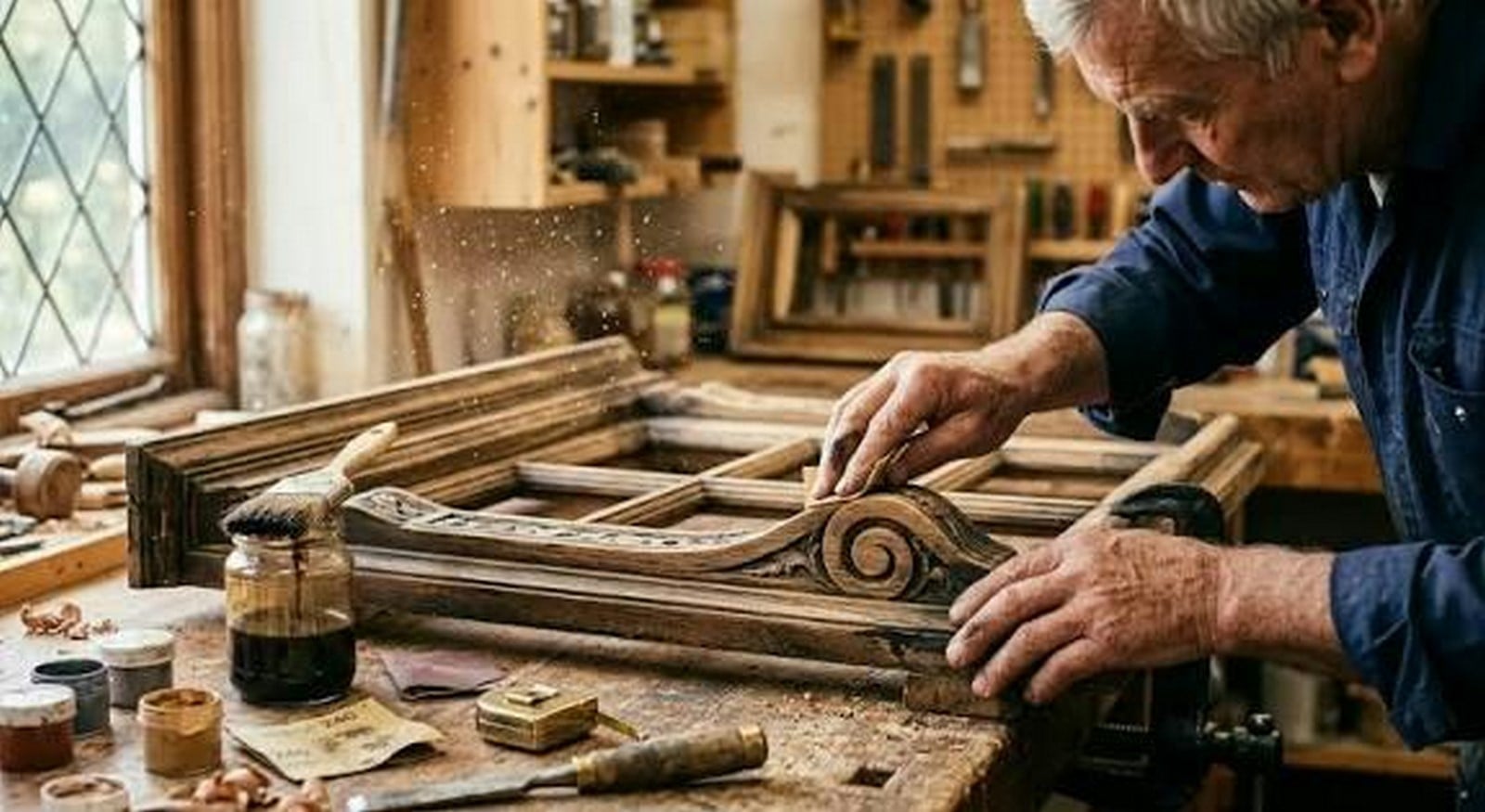
Perhaps architecture has spent too long asking what deserves to be built next instead of what deserves another chance. The future may not belong solely to spectacular towers or futuristic materials but to buildings capable of adapting, healing and remaining useful across generations. Repair is not nostalgic resistance to progress; it is a mature recognition that environmental responsibility and cultural continuity often share the same solution. Every repaired building quietly rejects unnecessary extraction while honouring human effort already embedded within its walls. For architects, designers and society alike, the greatest legacy may no longer be creating monuments that appear timeless, but designing places that invite care long after completion. In the end, perhaps the most sustainable architecture is not the building that never changes but it is the one people continue choosing to repair.
References:
Brand, S. (1994). How Buildings Learn: What Happens After They’re Built. Viking Press.
Douglas, J. (2006). Building Adaptation. Butterworth-Heinemann.
ICOMOS. (2013). The Burra Charter: The Australia ICOMOS Charter for Places of Cultural Significance.
Ellen MacArthur Foundation. (2019). Completing the Picture: How the Circular Economy Tackles Climate Change.
United Nations Environment Programme (UNEP). (2023). Global Status Report for Buildings and Construction.
ISO 20887:2020. Sustainability in Buildings and Civil Engineering Works — Design for Disassembly and Adaptability.