Every city is heading towards making itself pedestrian-friendly because of the detrimental consequences of vehicular traffic on the cityscape. Most cities in the development phase have focused on the automobile network and parking spaces, which end up eating the maximum part of streets, leaving no or minimal space for people to walk. This has resulted in an increase in the influx of vehicles in every part of the city which further increases the demand for parking spaces and also the pollution.
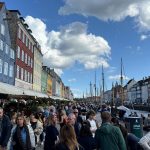
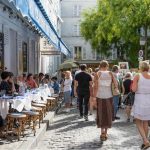
Authorities and urban designers have realised that over time, the streetscape of their cities is becoming devoid of any character and life. Copenhagen is one of the first models who has successfully made itself a walkable city, over 70 years. They managed to recover their culture which comes from its streets, by prioritising pedestrian paths over roads (Th and Norman, 2018).
How has Copenhagen become Pedestrian-friendly?
When Copenhagen was in an economic decline in the 1900s, authorities reflected on the changes that the city went through with the addition of road networks, highways and parking spots. These changes have resulted in dehumanising the city, with no pedestrian-friendly routes and fewer public spaces (ROST ARCHITECTS, 2024).
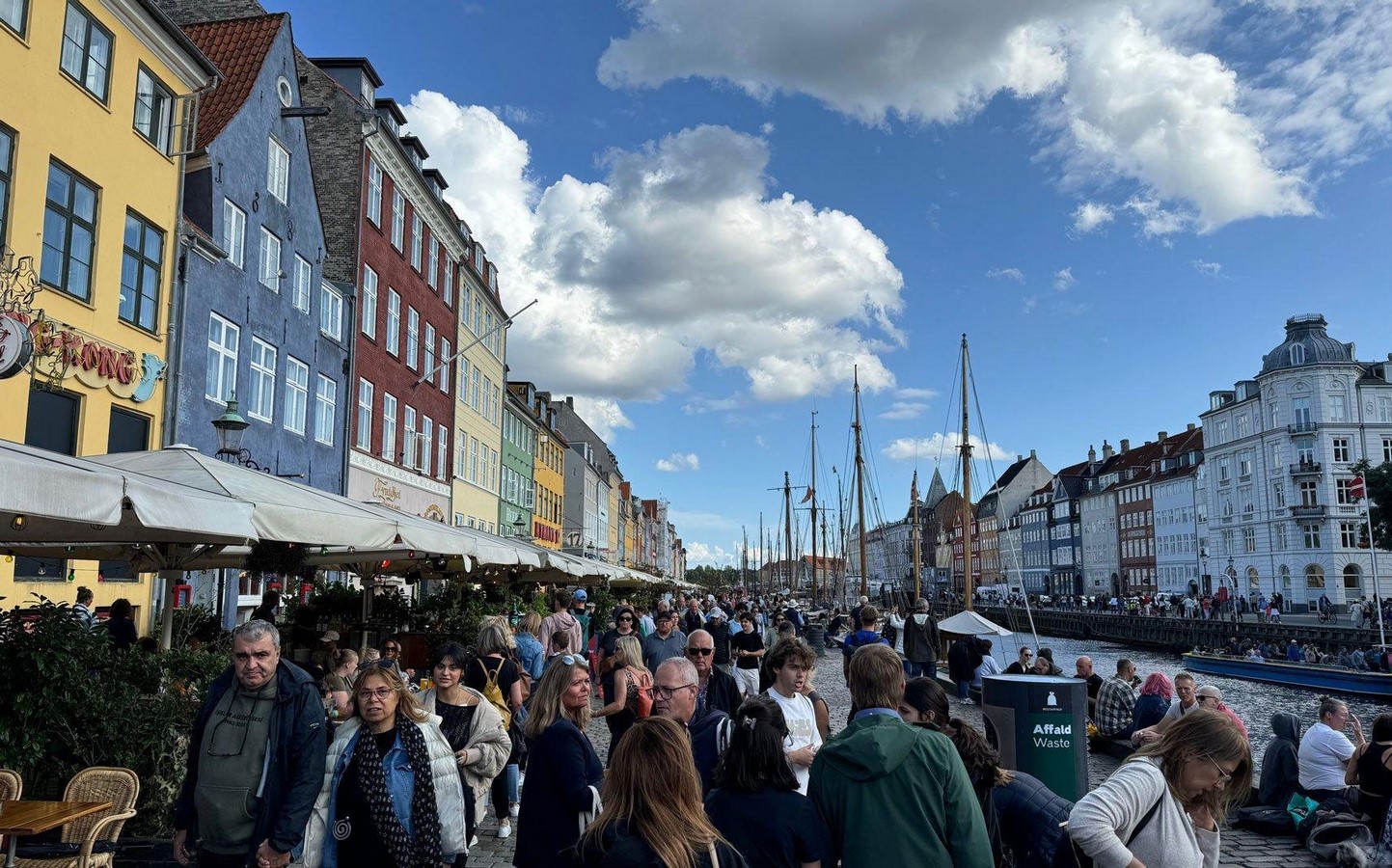
Conscious decisions were made to close some streets and parking spaces, making it inconvenient to commute through private vehicles in certain areas (ROST ARCHITECTS, 2024). Though, there was speculation regarding how the citizens would react to these changes but it paid off. Gradually, the number of cars reduced on the roads and people started using the streets.
To reinforce this practice, they constructed pedestrian-friendly routes and separate paths for bicycles. Bike lanes were elevated and painted in blue with reduced traffic light durations, making it a faster and cheaper option. Effort was made to make these routes comfortable and now 40% of people in Copenhagen cycle every day (Th and Norman, 2018). Further, they also converted one of the most prominent streets of the city – Stroget into an entirely pedestrian-friendly area. Over the years, the city has invested in smaller public gardens and urban parks rather than a few huge ones. The public spaces are equipped with interesting installations, and non-conventional elements to attract people to use those spaces.
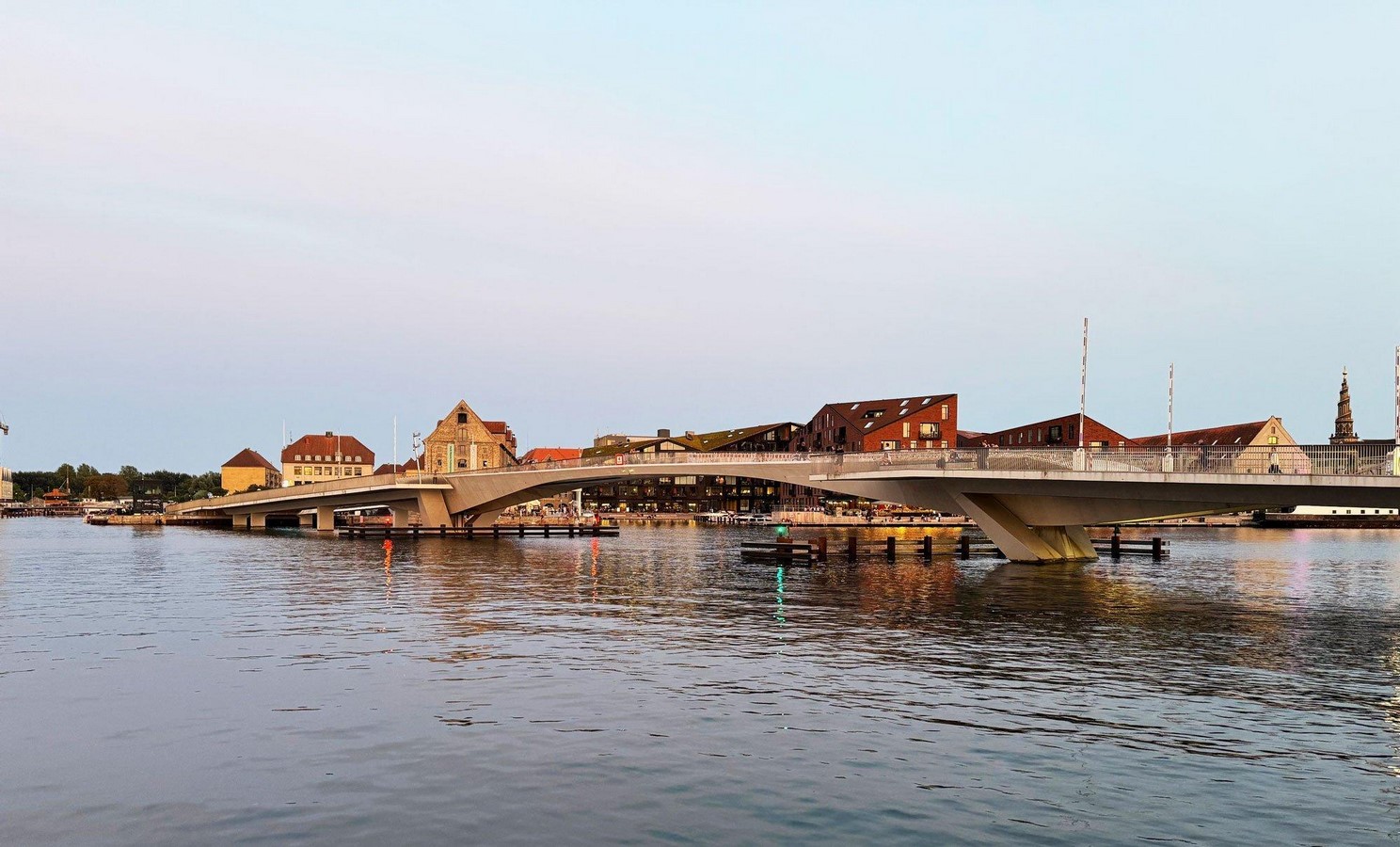
All these steps have resulted in a better lifestyle of its citizens, encouraging social life and public interactions. Creating incentives around pedestrian routes like public parks, scenic views and making it a pleasant experience has helped Copenhagen become a template for pedestrian-friendly cities.
Challenges in Execution
It is evident from the case of Copenhagen, that there are innumerable advantages to this urban model, in terms of preserving the street culture and health benefits. However a major challenge that persists is the safety of the pedestrian routes. It is not enough to make the footpath only, it has to be designed in a way to eliminate any risks of accidents. It should also cater to senior citizens, differently abled people and children as well. It should be made sure that these paths are well-lit for a safe and comfortable experience for people. The pedestrian paths should be equipped with seating, ramps and basic facilities like public toilets (Centre for Liveable Cities, 2025).
Another major challenge in switching to this model is the density and need for road infrastructure in developing cities. It would be a difficult task to shift the traffic from the main areas or even shorten the roads. Singapore and Paris are continuing to implement policies to reduce traffic on the streets and make more areas pedestrian-friendly.
Measures Taken By Singapore
Singapore has an efficient multi-level pedestrian-friendly infrastructure that includes covered walkways, linking the main areas of the city (C40 Cities, 2022). It encourages pedestrian activity by restricting automobile entry in popular streets like Ann Siang Road, Club Street and Haji Lane on weekends. This allows the food establishments to extend on the streets making them full of life (Urban Solutions, 2015). Such small measures could be a start for cities to slowly move towards more pedestrian-friendly cities. Walking should be made an enjoyable experience by improving the streetscape, creating space for pop-up activities, and making the environment more inviting (Chintan Raveshia, 2025).
Measures Taken By Paris
Paris is going through a major transformation to pedestrianise 500 streets, which was voted for by 66% of its population. Paris has several other rules that have encouraged the citizens to go car-free. It has tripled its parking charges for large SUVs (Reuters Staff, 2025), and has been practising car-free days on the first Sunday of every month. It has also created a ‘Paris Respire’ area where automobiles are not allowed on Sundays and Public Holidays (Paris je t’aime – Tourist office, 2024). Paris being a tourist hub has actively made areas around the popular spots pedestrian-friendly, which has resulted in an economic boost for local vendors.
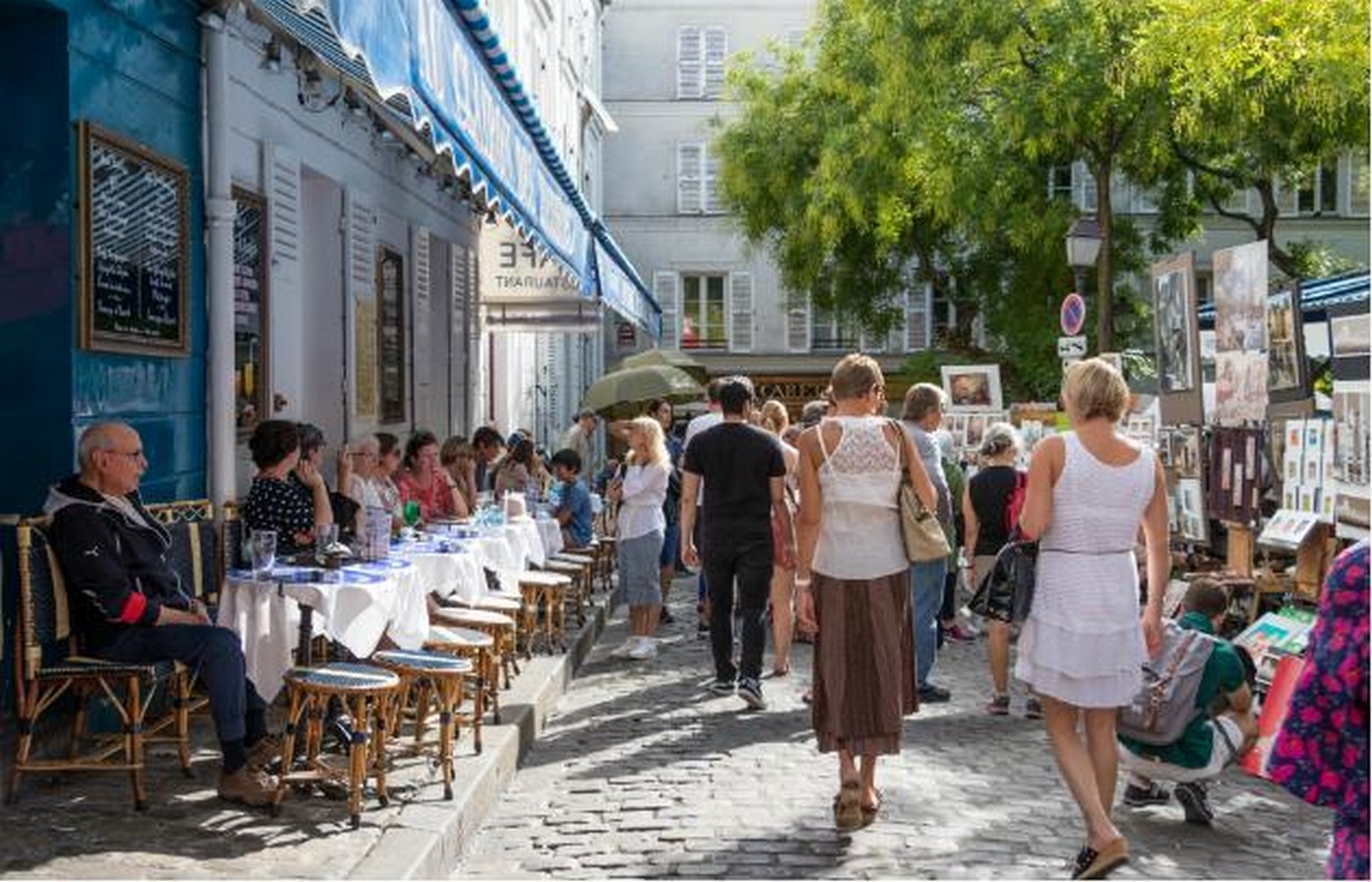
Understanding the case of Copenhagen, Singapore and Paris, it is indisputable that making them pedestrian-friendly is the need of the hour and could stop major contributions to the environmental crisis. Cities could start implementing schemes that would motivate the citizens to shift to public transport, while it is developing its infrastructure.
The cities should be designed to make it permeable, compact and well-connected. How they can connect the different parts of the cities efficiently and how public transport is accessible in all the areas of the city, to ensure that pedestrian paths would be a convenient option for the people. The aim should be to distribute the roads equally between vehicles and pedestrians.
References:
- C40 Cities. (2022). C40 Good Practice Guides: Singapore – Pedestrian Links – C40 Cities. [online] Available at: https://www.c40.org/case-studies/c40-good-practice-guides-singapore-pedestrian-links/ [Accessed 6 Apr. 2025].
- Centre for Liveable Cities. (2025). Making Singapore More Pedestrian Friendly. [online] Available at: https://www.clc.gov.sg/events/lecture/making-singapore-more-pedestrian-friendly
- Chintan Raveshia (2025). Steps towards a more walkable Singapore. [online] Arup.com. Available at: https://www.arup.com/insights/steps-towards-a-more-walkable-singapore/ [Accessed 6 Apr. 2025].
- Paris je t’aime – Tourist office. (2024). Pedestrianized areas of Paris – Pedestrian streets. [online] Available at: https://parisjetaime.com/eng/article/pedestrianized-areas-of-paris-a002.
- Reuters Staff (2025). Paris residents vote in favour of making 500 more streets pedestrian. Reuters. [online] 23 Mar. Available at: https://www.reuters.com/world/europe/paris-residents-vote-favour-making-500-more-streets-pedestrian-2025-03-23/.
- ROST ARCHITECTS. (2024). ROST ARCHITECTS. [online] Available at: https://www.rostarchitects.com/articles/2024/8/29/the-urban-transformation-of-copenhagen.
- Th, R. and Norman, i (2018). The Finger Plan: A Brief History of Urban Planning in Copenhagen. [online] Scandinavia Standard. Available at: https://www.scandinaviastandard.com/a-brief-look-at-urban-planning-in-copenhagen/.
- Urban Solutions. (2015). A More Walkable Singapore. [online] Available at: https://isomer-user-content.by.gov.sg/50/97f41380-65c3-44e7-bc94-bc0f13b9da68/illustration-a-more-walkable-singapore.pdf.
Image Reference:
Image 1 – Rocheleau, M. (2024). Available at: https://www.rostarchitects.com/articles/2024/8/29/the-urban-transformation-of-copenhagen [Accessed 6 Apr. 2025].
Image 2 – Rocheleau, M. (2024). Available at: https://www.rostarchitects.com/articles/2024/8/29/the-urban-transformation-of-copenhagen [Accessed 6 Apr. 2025].
Image 3 – Studio TTG (n.d.). The Paris Respire areas: reserved for pedestrians every weekend. Available at: https://parisjetaime.com/eng/article/pedestrianized-areas-of-paris-a002 [Accessed 6 Apr. 2025].