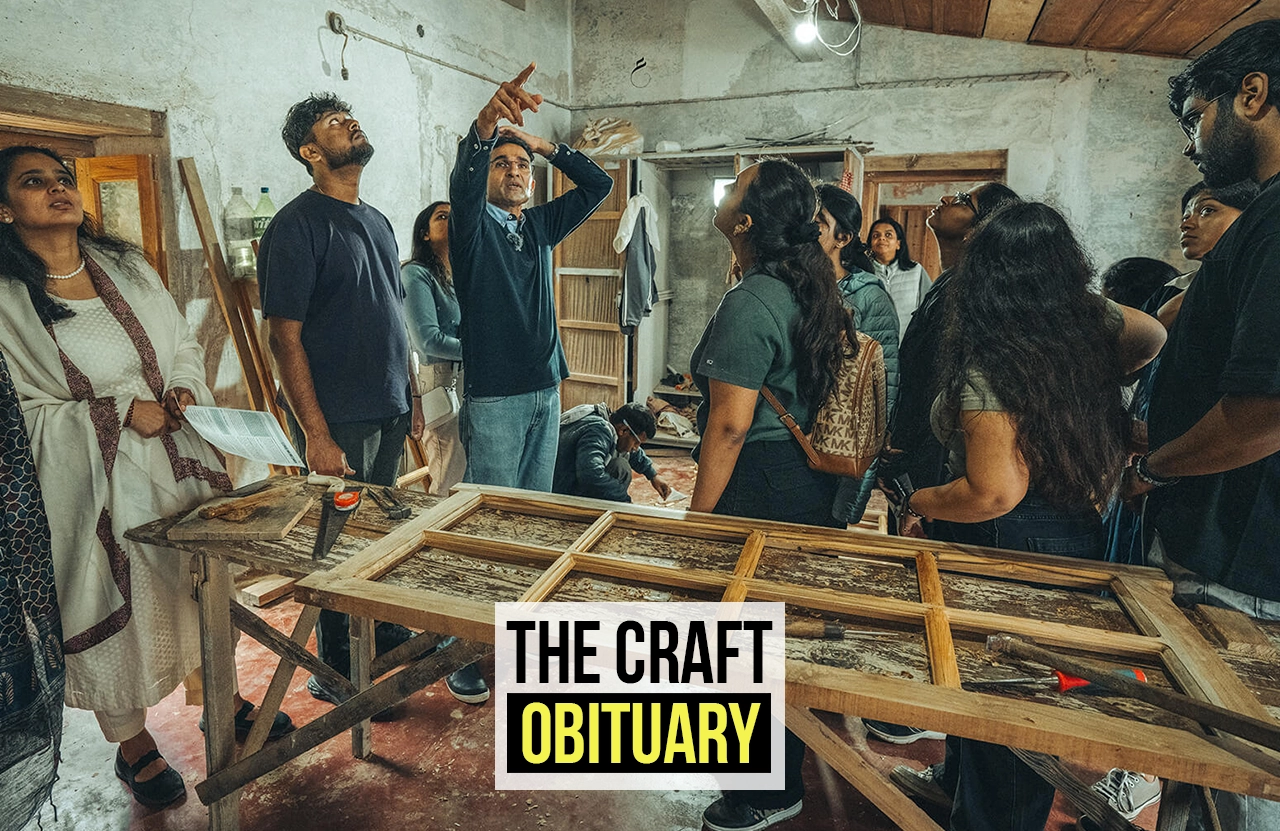
The Silent Funeral of Architecture
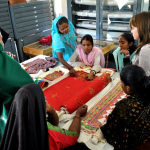
Architecture often appears immortal. Stone survives centuries, timber can be restored and monuments continue to stand long after their makers have disappeared. Yet beneath every building lies something far more fragile than brick or mortar: the craft that makes repair, recreation and evolution possible. The knowledge of how to prepare lime plaster, carve a Chanderi jaali, or hand-produce Athangudi tiles exists not only in manuals but also in the hands of artisans who inherit these techniques through generations. When these artisans vanish, architecture loses more than a workforce; it loses the language that sustains it. Buildings may remain standing, but the knowledge required to repair, recreate or evolve them slowly disappears. Across India, traditional building systems are entering an era of uncertainty where many skilled makers are aging without successors. The obituary of a building type often begins long before the structure itself collapses; it begins when the last practitioner of a particular craft puts down their tools for the final time.
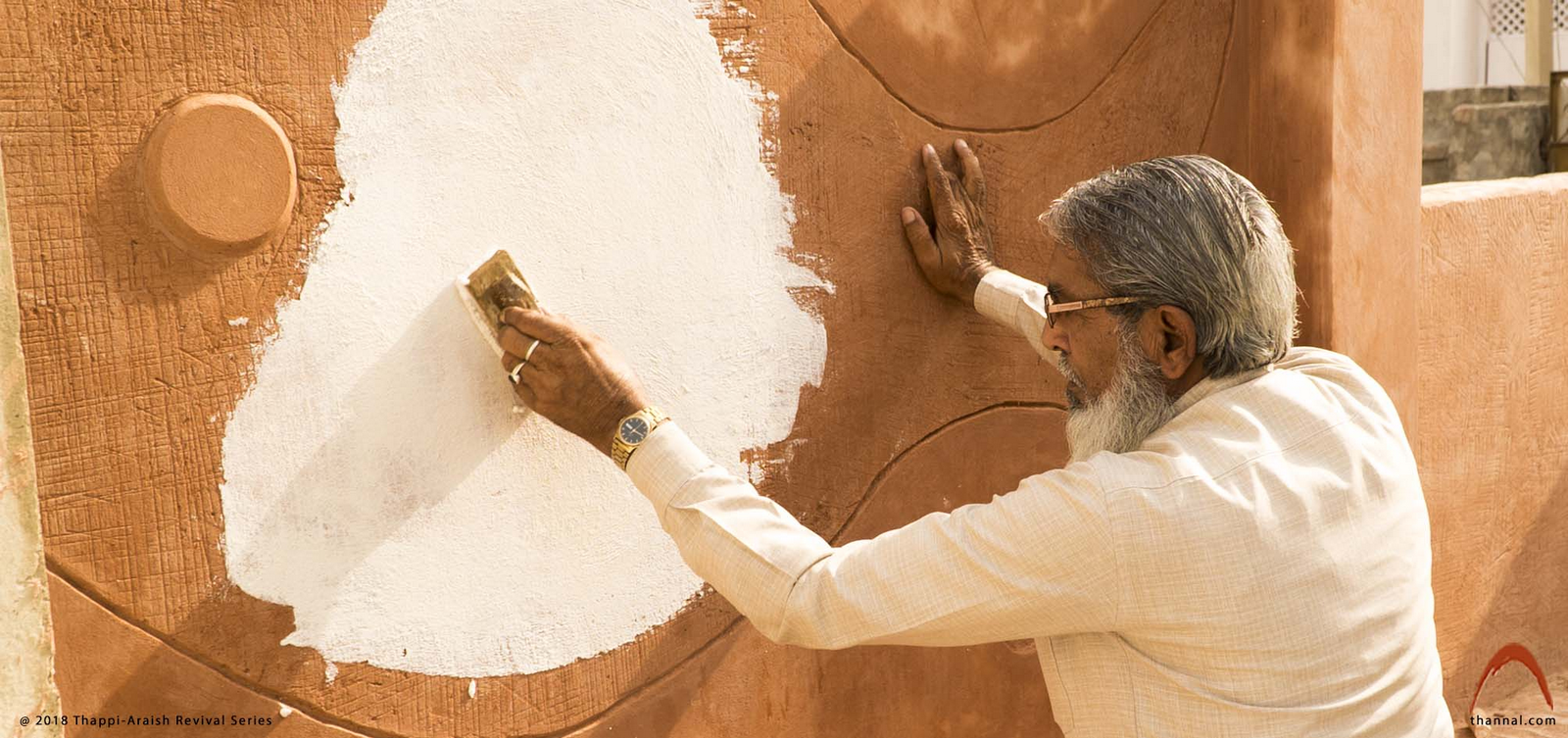
Lime Plaster: The Disappearing Skin of Historic Buildings
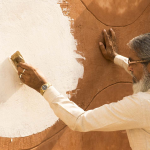
For centuries, lime plaster served as the protective skin of countless Indian buildings. Unlike modern cement, it breathes, regulates moisture and ages gracefully. Historic forts, havelis, mosques and courtyard houses relied on this material not merely for protection but also for aesthetic expression. The preparation of lime plaster is itself a sophisticated craft, involving knowledge of slaking, curing, mixing organic additives, and applying multiple layers under specific climatic conditions. These skills are rarely taught in formal institutions and instead are passed down through apprenticeship.
As younger generations move toward more profitable occupations, fewer artisans are learning the techniques required to produce authentic lime finishes. Consequently, restoration projects increasingly substitute cement-based materials that often damage historic structures over time. What disappears is not merely a construction technique but an entire understanding of how buildings interact with climate. The death of this craft therefore, threatens both cultural heritage and environmental wisdom. Without practitioners, future generations may see lime plastered buildings as relics that can only be preserved, never truly recreated.
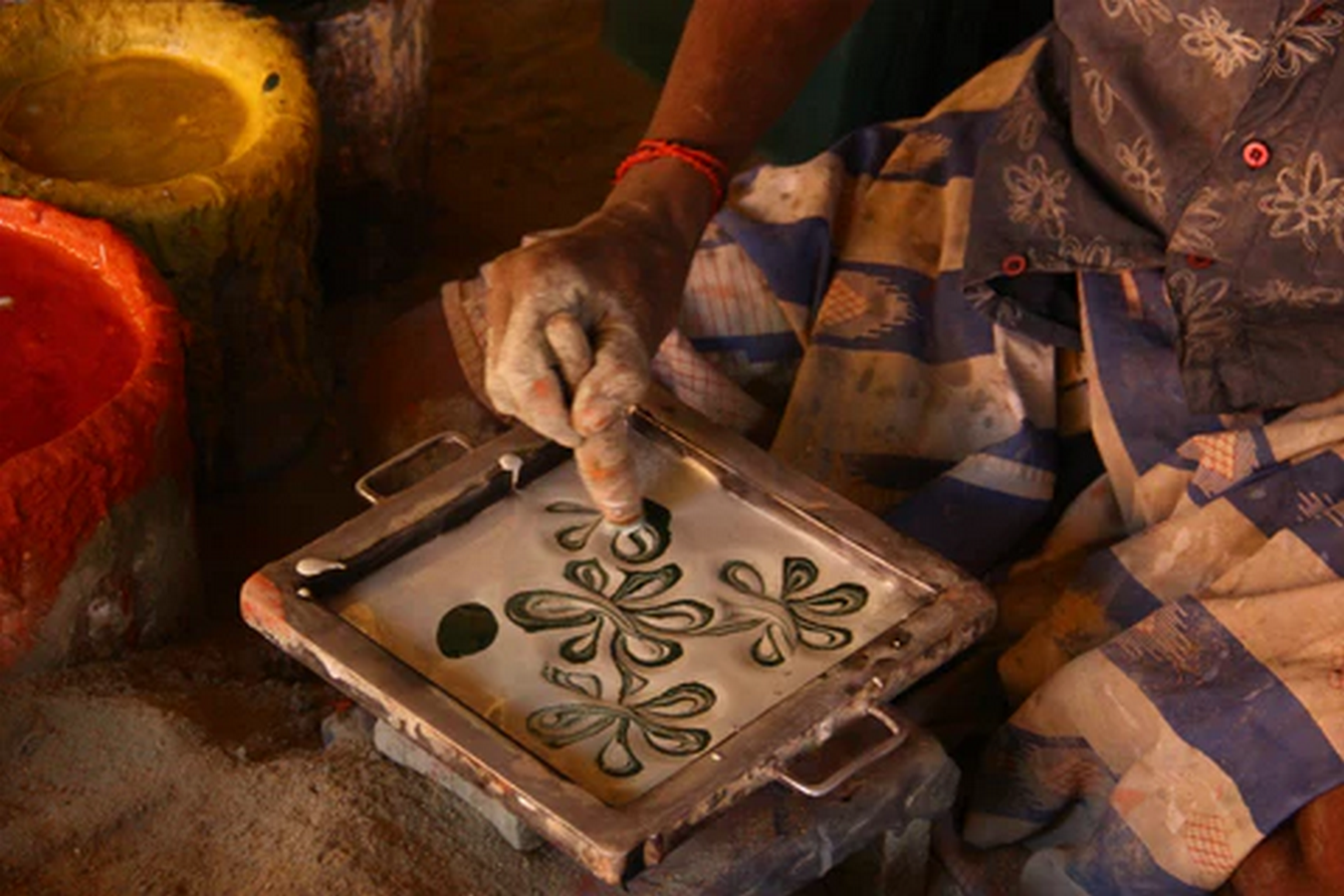
Athangudi Tiles: Patterns That May Never Be Made Again
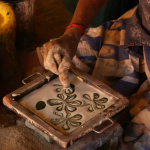
In the Chettinad region of Tamil Nadu, Athangudi tiles are celebrated for their vibrant colours and handcrafted patterns. Unlike industrial tiles, each piece is produced manually using local materials, glass molds, pigments and precise layering techniques. The resulting floors possess subtle variations that reveal the presence of human hands. This craft transformed ordinary surfaces into expressions of regional identity and social prestige.
Today, however, the future of Athangudi tile making remains uncertain. Mass-produced alternatives offer lower costs, uniformity and easier distribution. As demand decreases, workshops struggle to remain economically viable. Many artisans find it difficult to convince younger family members to continue the profession. The consequence extends beyond the loss of decorative flooring. Entire Chettinad mansions were designed around the visual rhythm and cooling properties of these handcrafted tiles. When the craft disappears, architects lose access to a material that shaped spatial experiences and cultural narratives. The buildings may survive, but their authentic restoration becomes increasingly difficult.
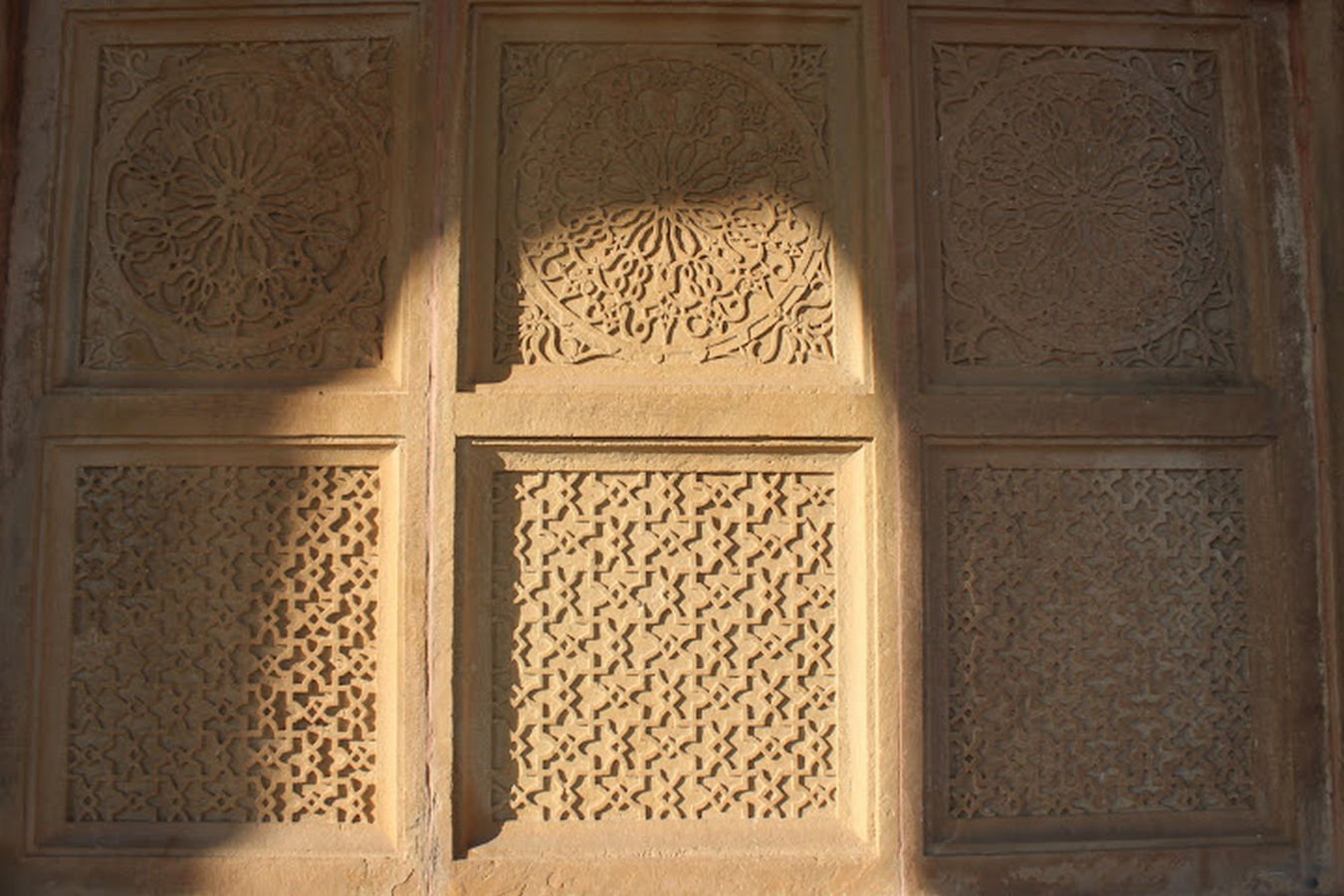
Chanderi Jaali: Architecture Woven Through Stone
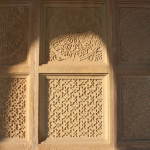
The Chanderi region is known not only for textiles but also for intricate jaali work that demonstrates remarkable craftsmanship. These perforated screens manipulate light, ventilation and privacy through carefully calculated geometric patterns. The making of a jaali demands patience, mathematical understanding and exceptional hand skills. Every opening and every carved edge contributes to the performance of the architectural element. This craft transforms stone from a heavy mass into something that appears almost textile like.
Modern construction methods often replicate the appearance of jaalis using machine cut panels or prefabricated substitutes. While visually similar, these replacements frequently lack the depth, texture and climatic intelligence of traditional work. As skilled artisans become fewer, the ability to produce authentic Chanderi jaalis declines, the disappearance of this craft affects more than ornamentation; it alters how buildings filter sunlight, manage airflow and create sensory experiences. A future without these artisans may result in architectural replicas that resemble tradition while lacking its underlying knowledge.
When a Craft Dies, a Building Type Follows
Many traditional building forms are inseparable from the craft traditions that produced them. A courtyard house constructed with lime plaster behaves differently from one finished with cement. A Chettinad mansion without Athangudi tiles loses a significant aspect of identity. A heritage facade without handcrafted jaalis becomes a simplified imitation. The survival of architecture, therefore, depends not only on preserving structures but also on sustaining the skills that created them.
This relationship is particularly evident during restoration projects. Architects often discover that original materials or construction methods can no longer be replicated because the artisans needed to produce them have vanished. As a result, interventions become approximations rather than authentic continuations of historical practice. The disappearance of craft transforms living traditions into museum exhibits. Buildings become artifacts frozen in time instead of evolving cultural entities. In this sense, the death of an artisan represents the loss of countless future possibilities for architecture.
The Economic Struggle Behind the Loss
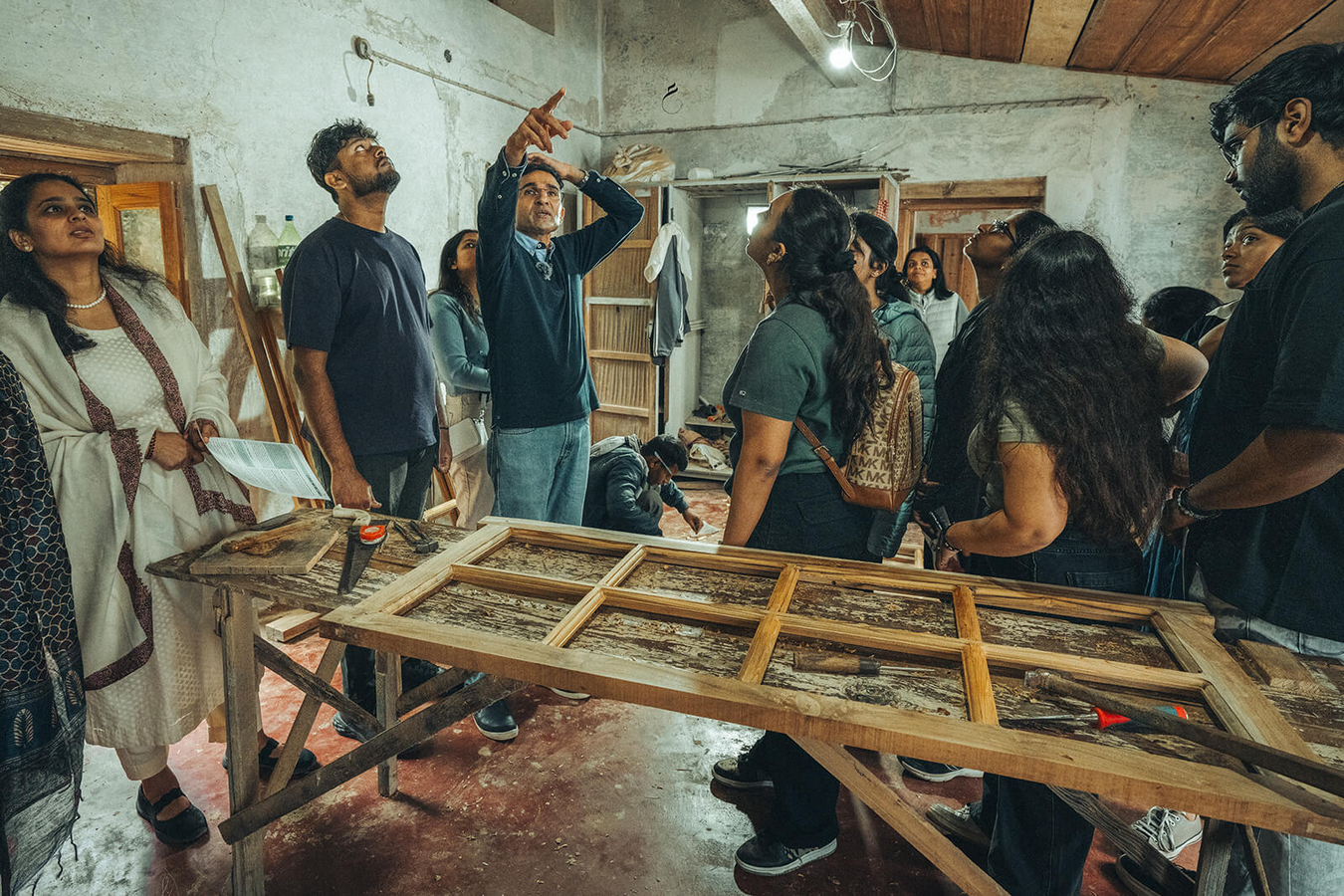
The decline of traditional craft is rarely caused by a lack of value. Instead, it emerges from changing economic realities. Skilled artisans often face irregular income, limited market access and competition from mechanized production. Younger generations witness these challenges and pursue alternative careers that offer greater stability. As a result, centuries of knowledge may disappear within a single generation.
Urbanization further accelerates this trend. Traditional workshops are replaced by commercial development, while construction industries prioritize speed and cost efficiency. The market increasingly rewards standardization over handmade excellence. Yet the irony is that contemporary architecture frequently celebrates sustainability, locality and cultural identity, qualities that are deeply embedded within traditional craft practices. Without meaningful economic support, these values risk becoming theoretical aspirations rather than lived realities. Preserving architecture, therefore, requires preserving the livelihoods of the people who make it possible.
Can the Obituary Be Rewritten?
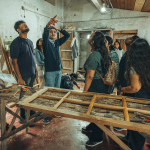
Despite the challenges, there are reasons for optimism. Conservation initiatives, craft resource centers, architectural education programs and heritage tourism projects are creating new opportunities for artisans. Increasing awareness of sustainable building practices has also renewed interest in traditional materials such as lime plaster. When architects collaborate directly with craftspeople, they create demand that extends beyond heritage restoration and into contemporary design.
The future of craft depends on treating artisans not as remnants of the past but as active contributors to modern architecture. Documentation alone is insufficient. Skills survive only when they are practiced, adapted and economically supported. Every apprenticeship, restoration project and craft centered design intervention becomes an act of preservation. The goal should not merely be to archive knowledge but to ensure its continued relevance. By investing in artisans today, society can prevent tomorrow’s architectural obituaries.
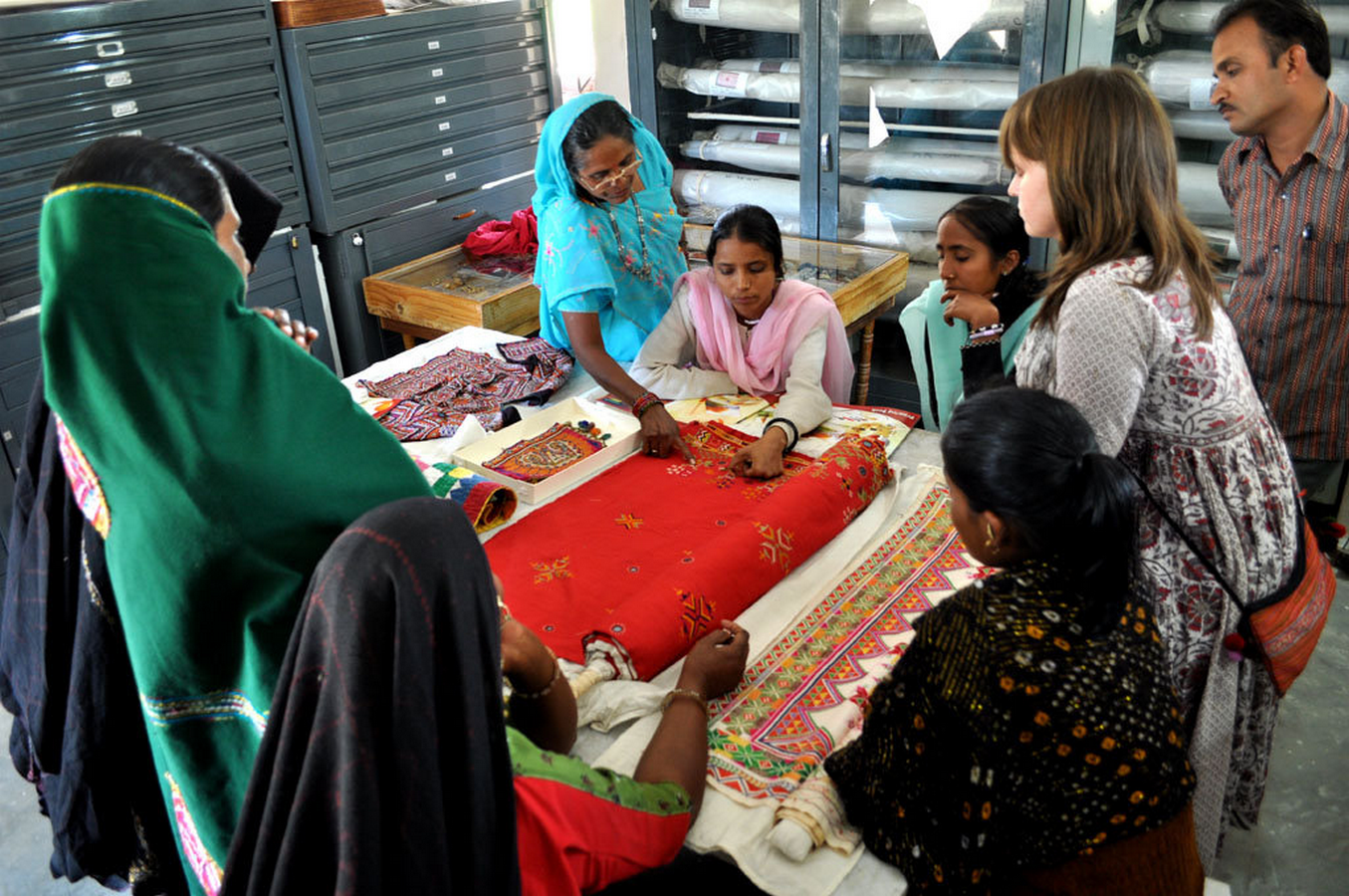
The story of architecture is ultimately the story of people. Buildings endure because generations of artisans pass knowledge from one set of hands to the next. Lime plaster, Athangudi tiles and Chanderi jaalis are not simply materials or decorative features, nor are they the only ones that are at the cusp of extinction; they are manifestations of living craft traditions, with India being home to countless such manifestations and diverse, beautiful crafts. When the last artisan dies without passing on their skills, architecture loses a chapter that cannot easily be rewritten. The building type may remain physically present for a time, but its soul begins to fade.
If society wishes to preserve its architectural heritage, it must look beyond monuments and focus on the communities that sustain them. Saving a traditional craft means preserving climate – responsive knowledge, cultural memory and architectural diversity. The true obituary of a building is not written when its walls crumble; it is written when no one remembers how those walls were made.
References:
Agarwal, O.P. and Varma, A. (2008) A Richer Heritage: Historic Preservation in the Twenty-First Century. New Delhi: INTACH.
Ahluwalia, R. (2016) Conservation and Restoration of Built Heritage: A Practical Guide to Architectural Conservation. New Delhi: INTACH.
Building Materials and Technology Promotion Council (BMTPC) (2018) Lime-Based Building Materials and Construction Techniques. New Delhi: Ministry of Housing and Urban Affairs.
Chakrabarti, V. (2013) The Architecture of India. London: Thames & Hudson.
Dhamija, J. (2004) Handwoven Fabrics of India. New Delhi: Aryan Books International.
Gupta, S. and Singh, M. (2019) ‘Traditional Building Crafts and Heritage Conservation in India’, Journal of Cultural Heritage Management and Sustainable Development, 9(3), pp. 278–294.
INTACH (2017) Principles and Guidelines for Conservation of Heritage Sites in India. New Delhi: Indian National Trust for Art and Cultural Heritage.
Jain, K. (2015) India’s Living Traditions: Heritage Crafts and Communities. New Delhi: Niyogi Books.
Jokilehto, J. (1999) A History of Architectural Conservation. Oxford: Butterworth-Heinemann.
King, A.D. (2015) The Bungalow: The Production of a Global Culture. New York: Routledge.
Menon, A.G.K. (2011) Conservation of Living Religious Heritage. New Delhi: INTACH.
Michell, G. (2008) The Penguin Guide to the Monuments of India. London: Penguin Books.
Mishra, P. (2018) ‘Craft Traditions and Sustainable Architecture in India’, Built Heritage, 2(4), pp. 35–47.
Nanda, R. and Chatterjee, P. (2020) ‘Traditional Knowledge Systems in Indian Building Crafts’, International Journal of Heritage Studies, 26(11), pp. 1071–1087.
Panjabi, K. (2017) Documenting Indian Crafts: The Future of Traditional Knowledge. New Delhi: Niyogi Books.
Sibley, M. (2006) Traditional Buildings: A Global Survey of Structural Forms and Cultural Functions. London: I.B. Tauris.
UNESCO (2003) Convention for the Safeguarding of the Intangible Cultural Heritage. Paris: UNESCO.
UNESCO (2023) Living Heritage and Traditional Craftsmanship. Paris: UNESCO.
Vellinga, M. (2013) Atlas of Vernacular Architecture of the World. London: Routledge.
Wells, J.C. (2010) Human-Centered Building Conservation: Developing a Sustainable Approach to the Preservation of Cultural Heritage. Washington, DC: National Park Service.
References:
Anand, S. (2018) ‘Athangudi Tiles: Reviving a Handmade Flooring Tradition’, Marg Magazine, 70(2), pp. 84–91.
INTACH Tamil Nadu Chapter (2019) Chettinad Heritage and Traditional Building Practices. Chennai: INTACH.
Kumar, R. (2016) ‘Lime Plaster Technology in Historic Indian Buildings’, Journal of Architectural Conservation, 22(1), pp. 45–59.
Sharma, R. (2017) ‘Jaali Architecture and Climate Responsive Design in India’, Architecture + Design, 34(5), pp. 62–69.
UNESCO (2021) Traditional Craftsmanship as Intangible Cultural Heritage. Paris: UNESCO.