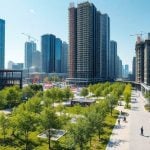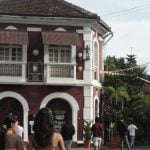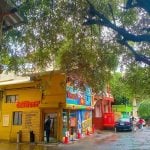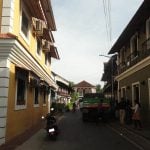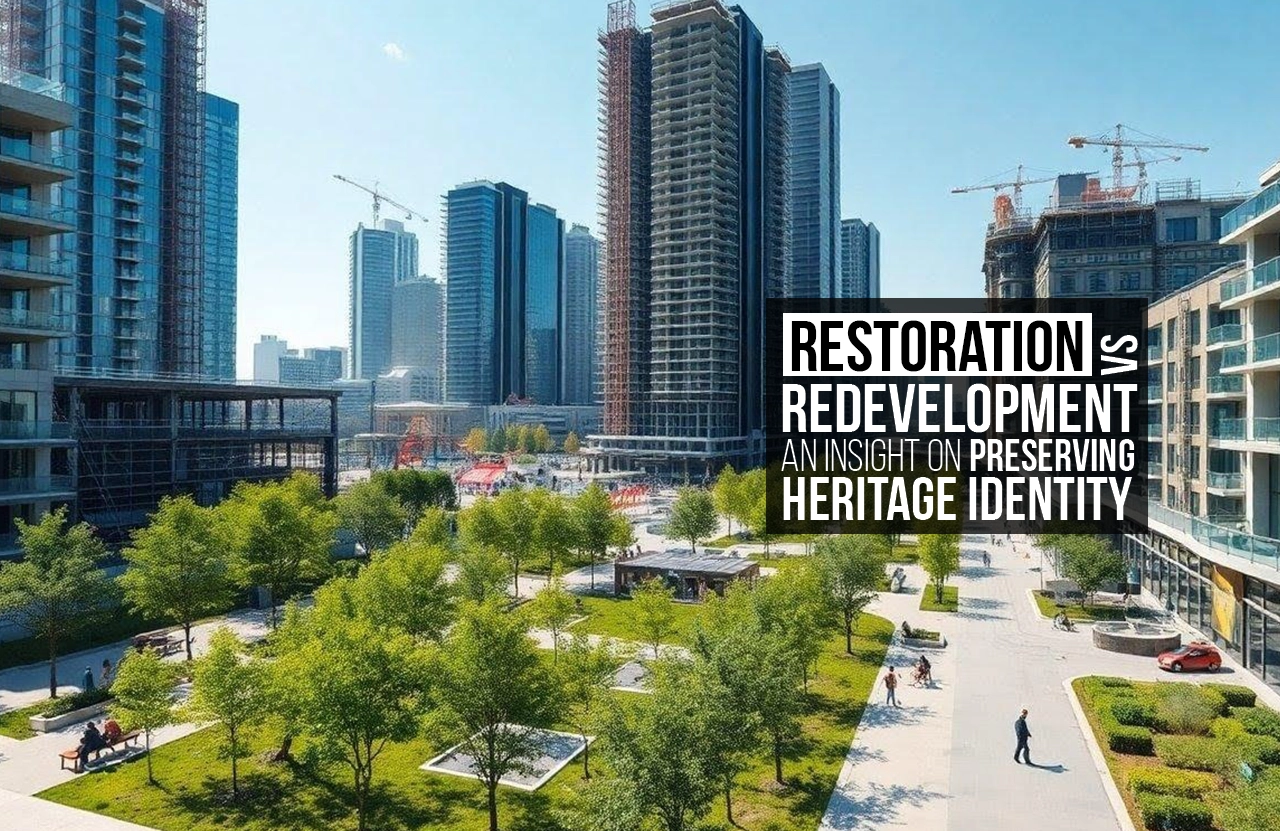
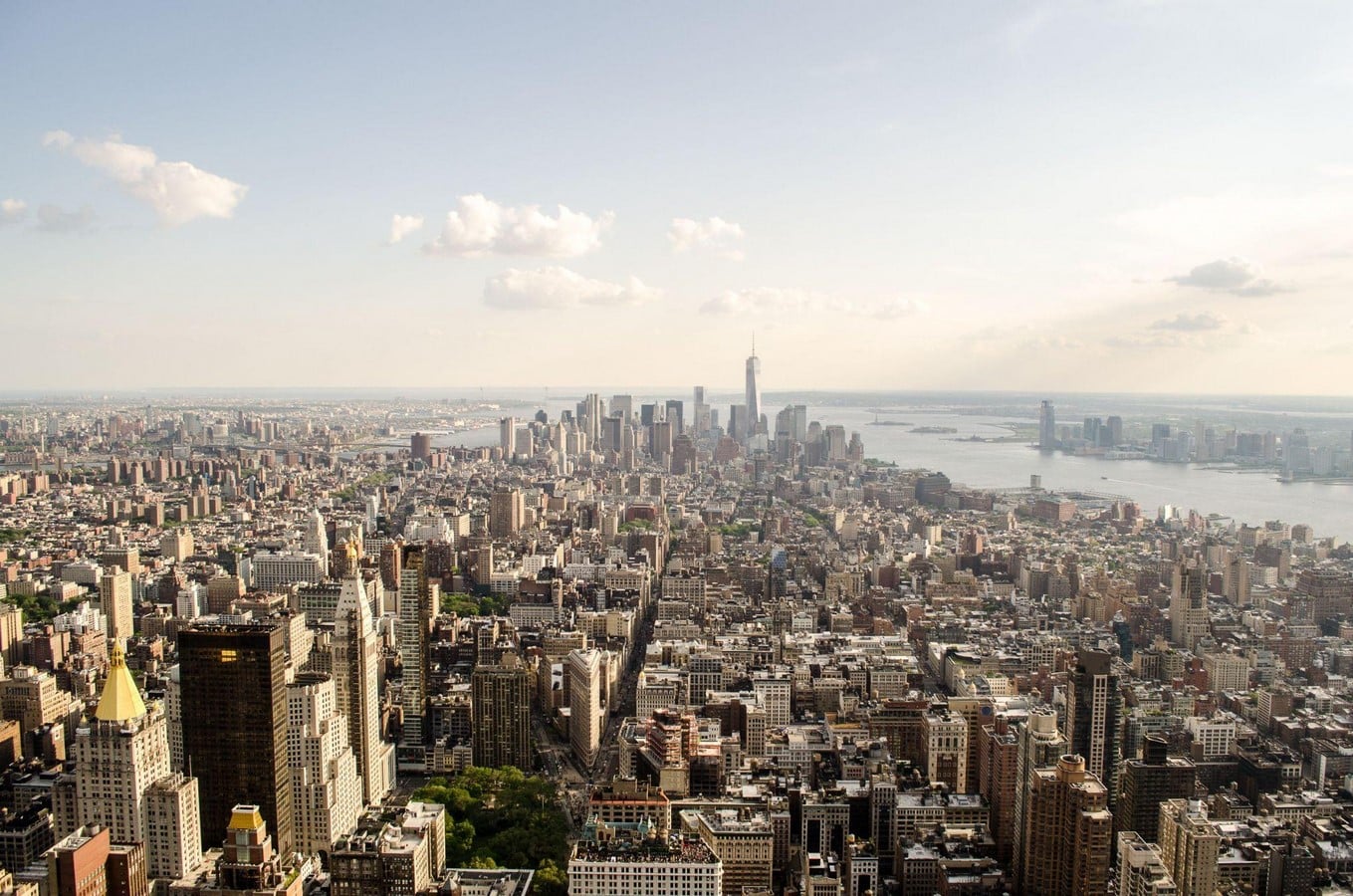
Cities change. They grow, evolve, and adapt, but more often than not, that change comes at a cost. The wave of urban redevelopment tends to bulldoze over the cultural heritage of cities to pave the way to a better, “smarter” future. And in this pursuit of change and growth, comes a time when planners and designers are forced to make a choice that tests their values and beliefs. To pursue urbanisation, prioritising growth and profit? Or to pursue restoration, prioritising the conservation of the culture and identity of a place? This point is pivotal, determining the course of the future and laying the foundation for the city that future generations will inherit.
Development and Erasure of History
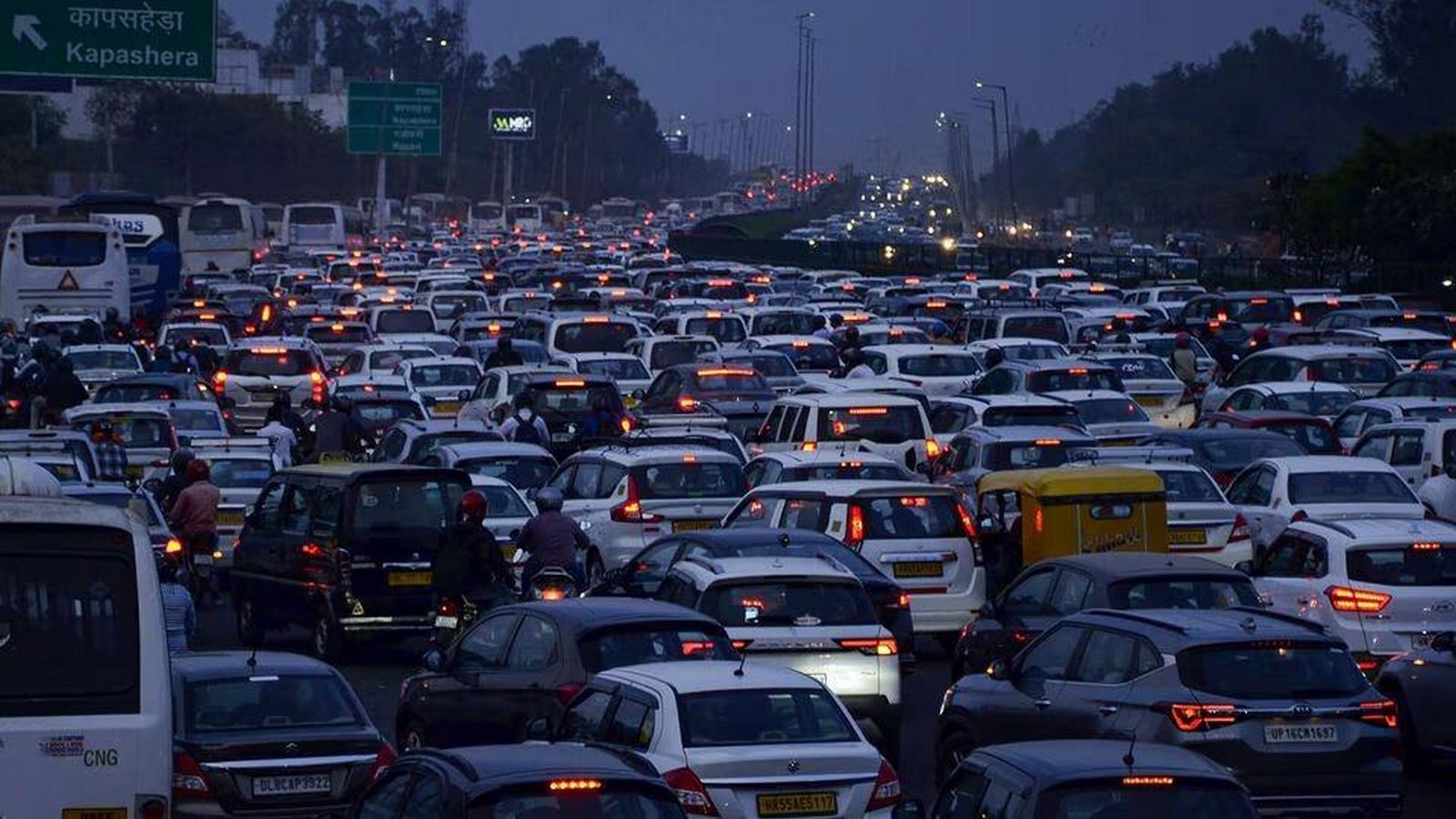
Bleak though it may be, urban redevelopment usually considers existing structures obsolete and almost as obstacles in the way to real progress–often under the assumption that the historic fabric of a place cannot be interwoven with modern infrastructure. This is not to paint development as a modern-day villain. Development promises a better future through improved amenities, new construction, and higher density in cities, and is a necessity in today’s world.
However, by neglecting the area’s history and abandoning the notion of restoration, there is a clear loss of the area’s identity, developed over the ages through struggle and the celebration of the people’s culture. The dilemma in this case is that when one wins, the other loses, and the people lose with it. With only restoration, there is no progress, and with only redevelopment, there is no identity. This is where the need for a balance enters the discussion.
Finding the Balance through Adaptive Reuse
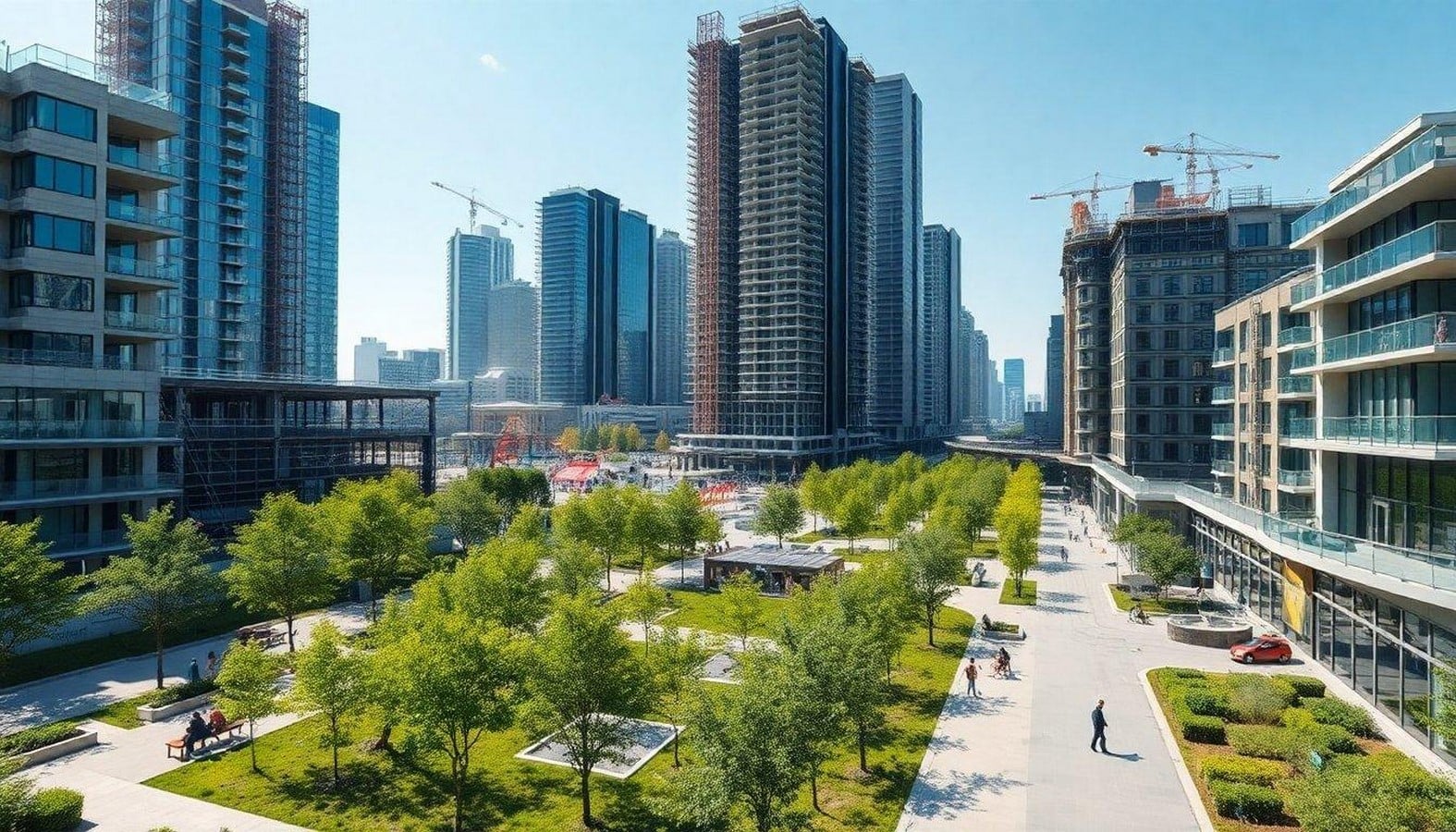
Adaptive reuse is the practice of adapting existing buildings and structures and repurposing them to be used in a different function than they were initially made to be. Reuse is not to be confused with retrofitting, though, which focuses on optimizing building performance (with respect to energy, efficiency, and more) as opposed to the actual use of the building. While aspects of retrofitting may be relevant to adaptive reuse in some cases, the two are definitely not mutually exclusive.
So where does the aspect of adaptive reuse fit into the discussion of restoration and redevelopment? Simply put, historic buildings can be repurposed instead of completely demolished to suit the new requirements of the community. Examples of this can be seen in Ranwar Village, Mumbai and the Latin Quarter of Panjim, Goa.
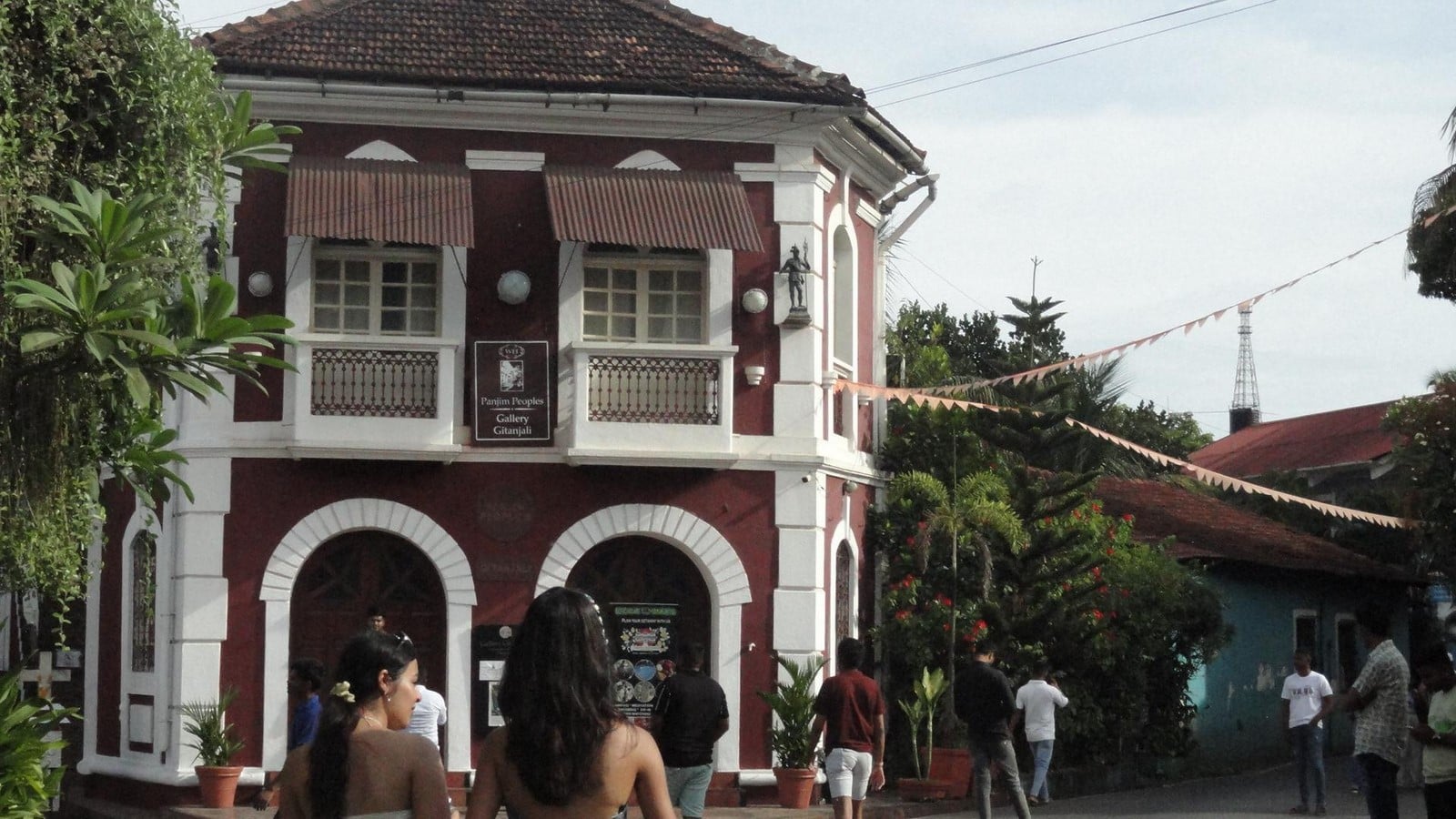
Incremental Restoration of Ranwar Village
A rather popular case study in the urban design community, the restoration and redevelopment of Ranwar Village in Mumbai is quite a controversial one on different fronts. On one hand, some say the introduction of aesthetic cafes and eateries is ruining the culture and heritage of the neighborhoods; on the other hand, you have SDM Architects working with the residents of Ranwar Village and the local government and conservation authorities to consider the current issues and resolve them gradually over time.
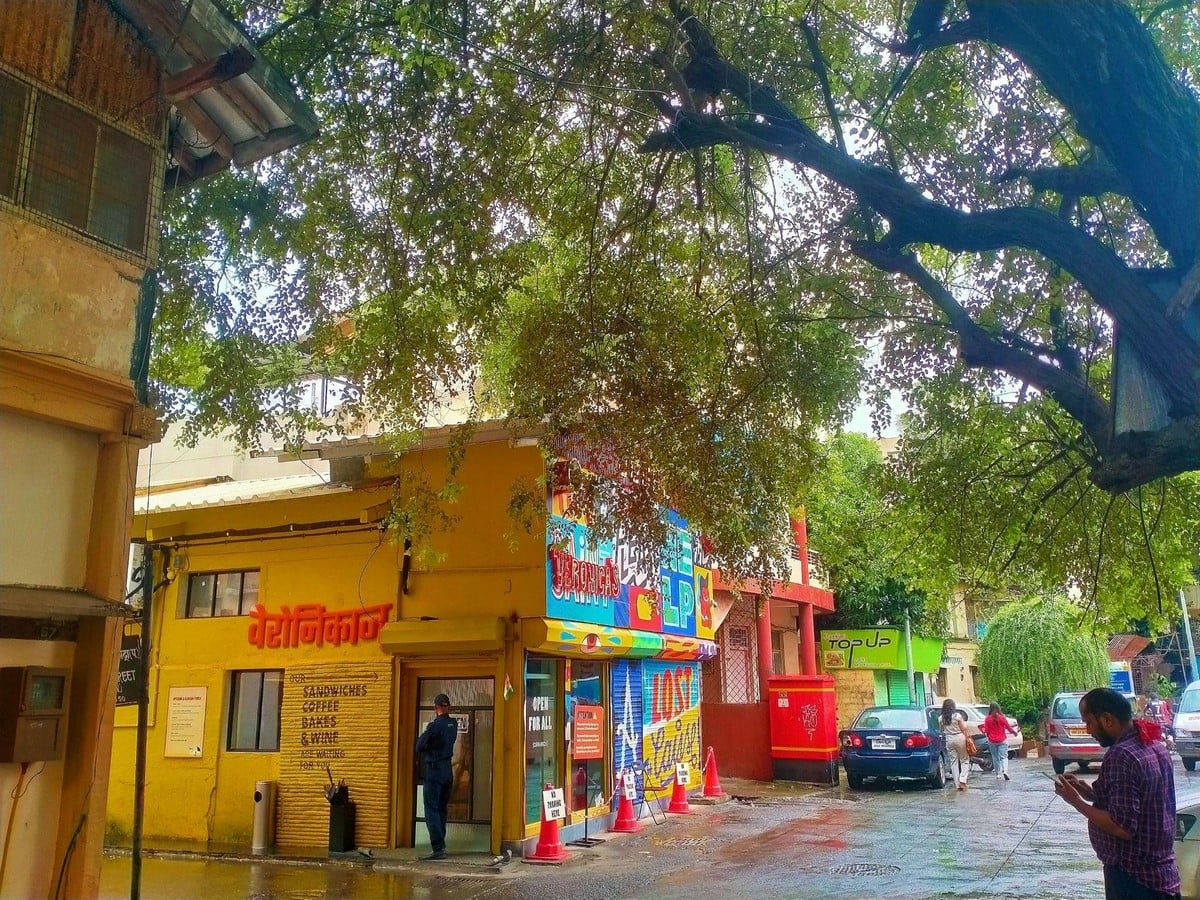
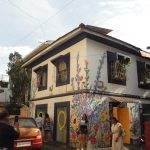
Ranwar Village is a hamlet located in the heart of Bandra West, with history dating back three centuries. In the 1960s and 1970s, however, as the surrounding neighborhoods began developing, the quaint, narrow Portuguese lanes began to get congested with vehicles they were never made to accommodate. The noise and traffic were only the start of the community’s problems because not long after came the developers, buying properties and slowly replacing the cobblestone roads with poured concrete, trapping heat and gradually writing over the history of the neighborhood.
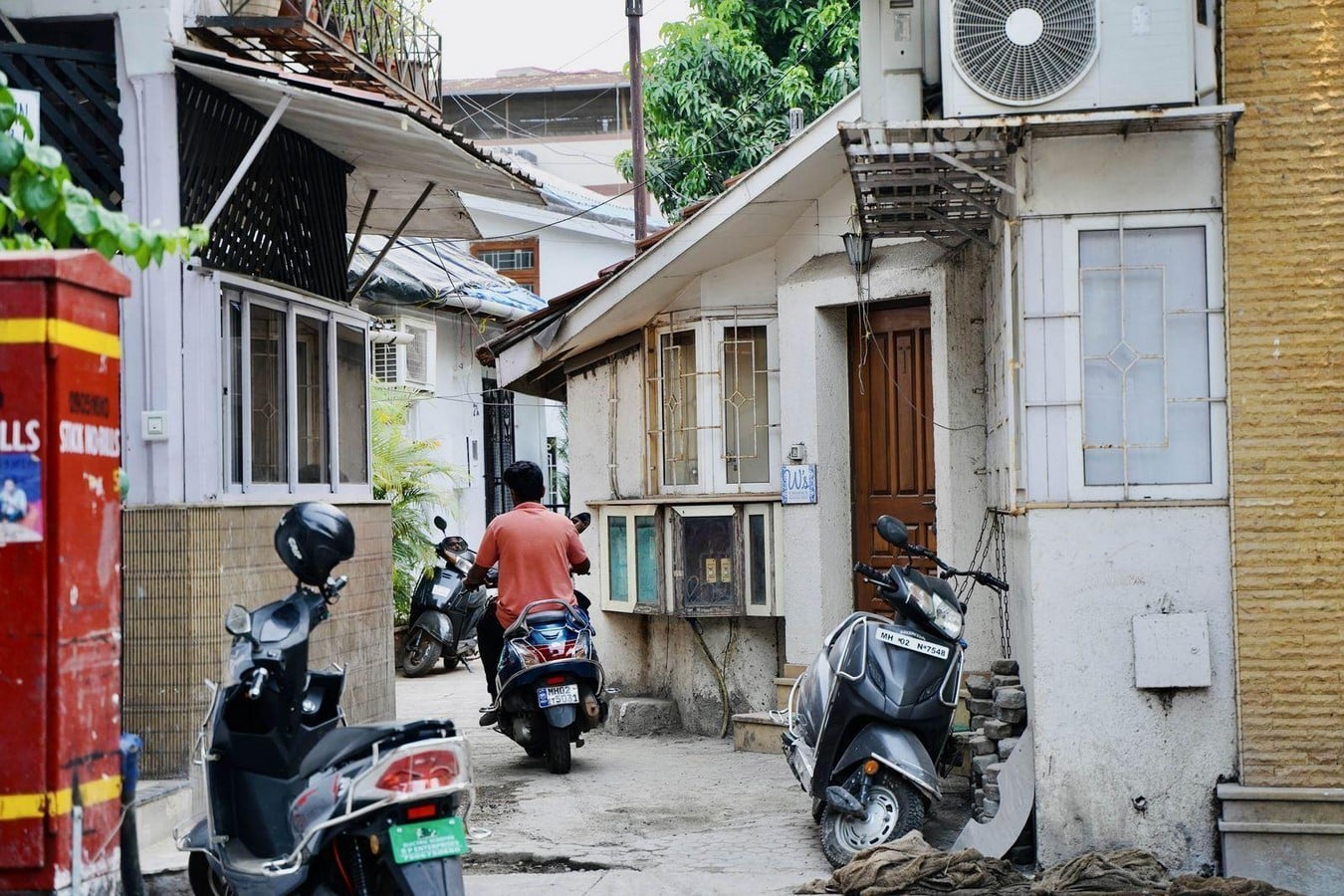
The key difference between SDM’s methodology and the urban redevelopment in the areas around Ranwar is that instead of a mass demolition of the neighborhood, the firm and concerned parties are working in phases, incrementally developing and fixing up the area. The attention to detail and sincere intent are not lost on the residents, either, and similar practices of heritage conservation are being considered for other areas in Mumbai as well.
Conservation without Sacrificing Modernity in Panjim’s Latin Quarter
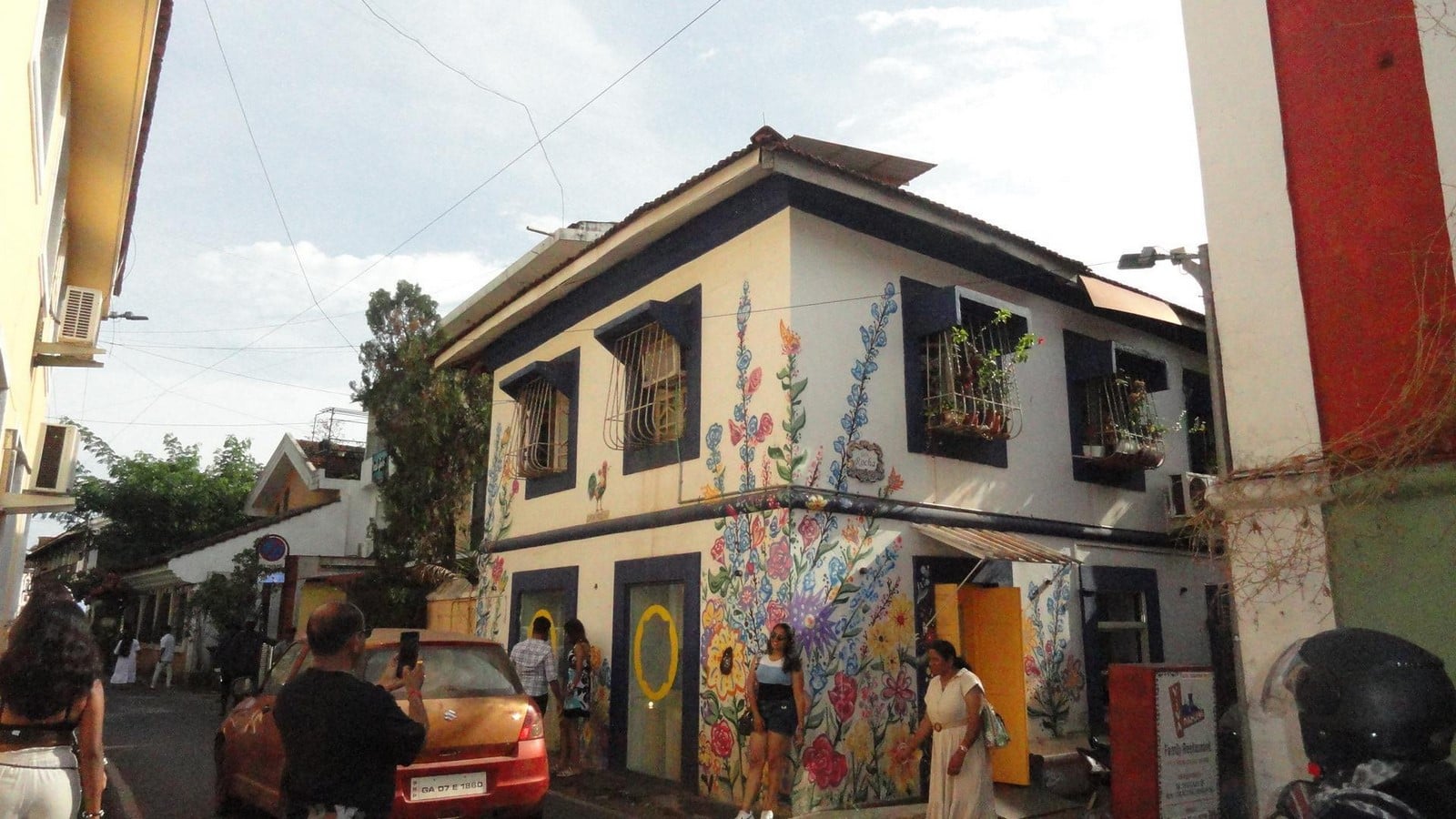
The evolution of Fontainhas, Panjim, is equally relevant to the discussion of restoration and redevelopment. The charming lanes of the Latin Quarter are lined with colourful buildings–and just like Ranwar Village, they have been adjusted to accommodate cafes and bars, as well as commercial spaces. The era of Portuguese colonisation has heavily influenced both areas, but unlike in Mumbai, Fontainhas has not faced the same pressure to be torn down and turned into skyscrapers. Instead, it has become the heart of tourism in Panjim.
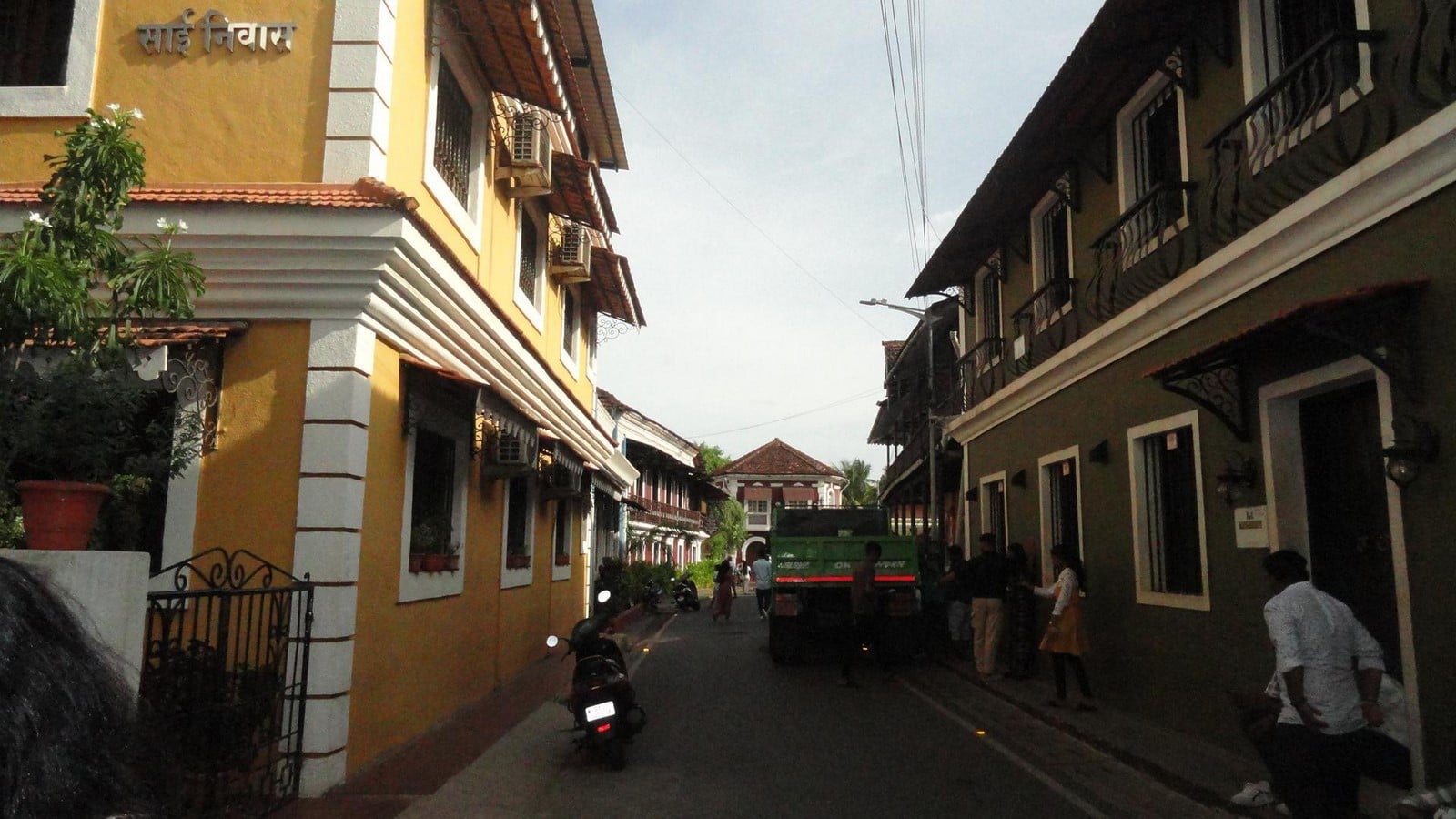
The streets and heritage have been preserved at absolutely no cost to the area’s growth. The traditional architecture of Fontainhas is clear to anyone walking its streets, yet it has an undeniable modern charm. And this is the key factor that sets it apart from Ranwar. In a place where it is not forced to change its identity, the Goan community has created a thriving neighbourhood designated as a UNESCO Heritage Zone (as designated in 1984).
But Why Does Redevelopment Dominate Anyway?
Despite the advantages seen in the restoration carried out in Mumbai and Goa, urban redevelopment often prevails because it aligns with the capitalist and developer mindset. There is a clear priority of profit over performance, and often neglect of the environmental effects of sudden, rapid urbanisation. Another key factor is the actual affordability of these areas and the areas surrounding them post-redevelopment; abrupt land-value appreciation can inflate the cost of living to the point where some residents can no longer afford to live there. Many people have even left behind ancestral homes after being driven away, solidifying the loss of heritage and identity in these cases.
Urban redevelopment generates quick financial returns through high-density construction. Developers sell or lease new spaces at premium rates. The logic is straightforward: demolish the old structures, build new structures, maximise the floor area, and extract maximum profit. Here, heritage becomes an obstacle to the main goal of profit.
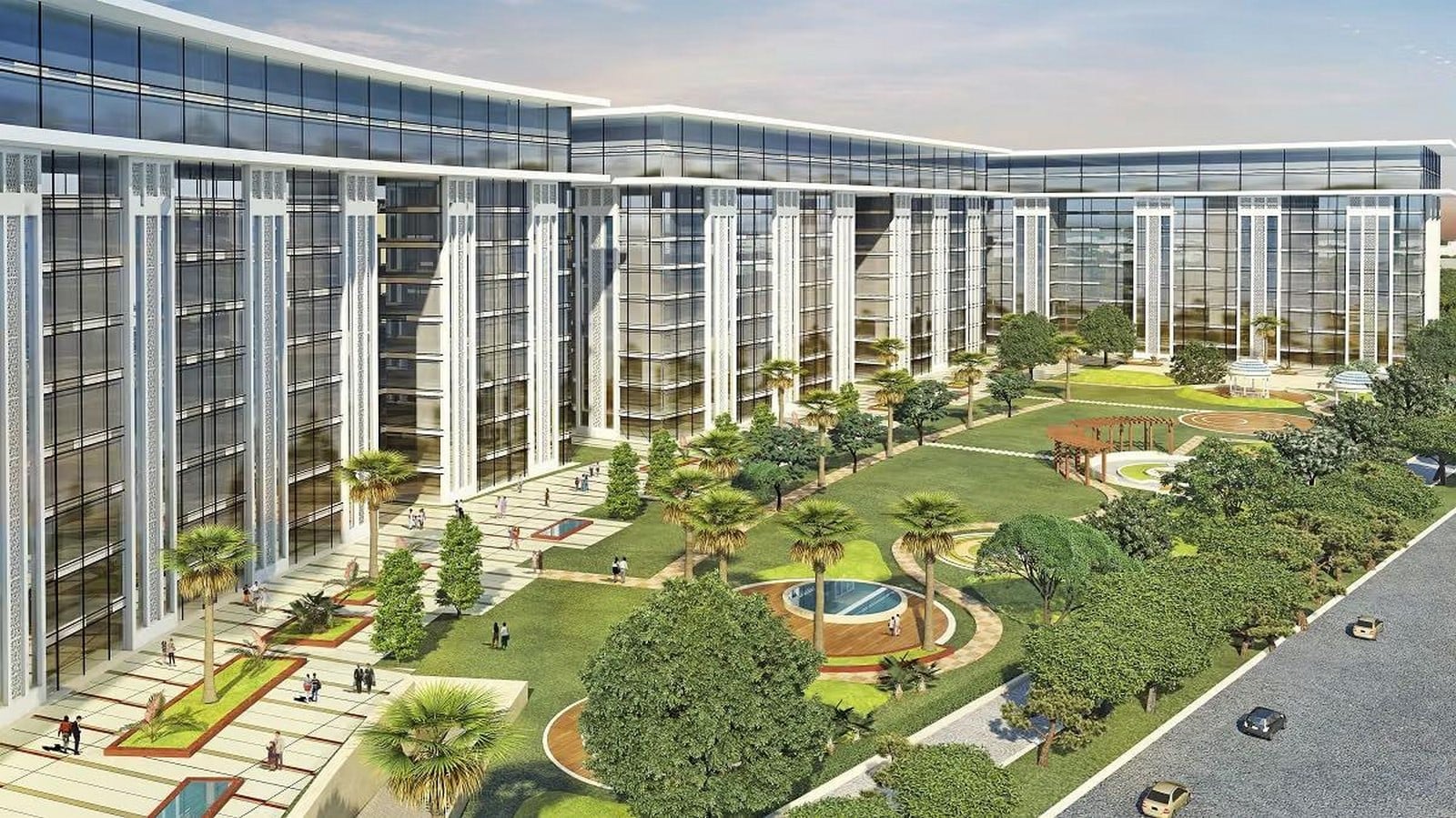
However, one can argue that the capitalist and developer mindset is flawed in its own right. First, as mentioned, lower-income residents are driven out of the redeveloped areas and surrounding areas after land values appreciate. Second, the actual demolition, construction, and all the wastes and emissions from the entire process degrade the environment, sometimes beyond repair. Third, bulldozing the old structures completely erodes the cultural value that made those areas unique and disregards the possibility of an alternative economic model rooted in the identity of these neighbourhoods.
Heritage conservation through restoration offers a different economic model, with a clear focus on cultural and environmental performance rather than quick profits. Restoration can be made more affordable by incrementally using existing fabric, helping preserve unique characteristics, attracting visitors, and creating economic value through tourism and cultural significance, as the community of Fontainhas has done.
Adaptive building design with regional context can work with futuristic design. Restoration enables this: contemporary functionality integrated into heritage fabric without destruction. Urban redevelopment, driven by profit, typically rejects this because it requires more time, care, and cost than demolition and new construction.
Choosing Restoration and Adaptive Reuse
The main point remains. In a discussion on restoration versus redevelopment, there is no singular winner. However, we, as a society, can benefit greatly from integrating restoration and adaptive reuse into our redevelopment. After all, urban upscaling need not mean burying its history, thereby challenging the capitalist and developer mindset and encouraging designers and planners to shift their approach to redevelopment. Traditionally, paving the way to modernity is littered with demolished structures and “smarter” replacements, thereby destroying heritage zones worldwide.
The choice is deeper than just a contract or a design on a CAD interface. It calls into question the values of the people working to improve urban spaces. If there is scope for adaptive reuse and a lower risk of community displacement, loss of identity, and environmental damage, is it not a better choice for the overall landscape? Design is meant to be sensitive to the culture and people of the area, and the loss of that sensitivity is proving detrimental to society, little by little. Perhaps it’s time for short-term profits to take a back seat, and for the same funds (and some extra time) to be invested in the future of our urban spaces.
References:
- Bose, N. (2024) 300-year-old hamlet in Bandra set to get makeover, 300-year-old Bandra Village to get facelift to conserve glorious past. Available at: https://indianexpress.com/article/cities/mumbai/bandra-village-facelift-conserve-glorious-past-9583899/ (Accessed: 19 June 2026).
- Historic Towns Organisation (2018) Investing in Heritage – A Guide to Successful Urban Regeneration. Available at: http://www.historic-towns.org/wp-content/uploads/2018/09/Inherit-complete-doc-final-version-pdf-Layout-1-1.pdf (Accessed: 19 June 2026).
- Khan, A. (2022) World Architecture Day: How Bandra’s Ranwar Village holds on to the vestiges of a glorious past, World Architecture Day: How Bandra’s Ranwar Village holds on to the vestiges of a glorious past | Architectural Digest India. Available at: https://www.architecturaldigest.in/story/world-architecture-day-how-bandras-ranwar-village-holds-on-to-the-vestiges-of-a-glorious-past/ (Accessed: 19 June 2026).
- Manitoba Culture, Heritage and Tourism (n.d.) Benefits of Heritage Building Conservation. Available at: https://www.gov.mb.ca/chc/hrb/benefits.html (Accessed: 19 June 2026).
- National Heritage Areas (2026) The Best-Practices in Heritage Conservation. Scribd. Available at: https://www.scribd.com/document/951925346/The-best-practices-in-heritage-conservation (Accessed: 20 June 2026).
- Prasad, K. (2020) Fontainhas – Asia’s largest Latin Quarter, Fontainhas – Asia’s largest Latin Quarter – Beyonder Travel. Available at: https://beyonder.travel/india/asias-largest-latin-quarter/ (Accessed: 19 June 2026).
- SDM Architects (no date) Mumbai architects – SDM Architects. Available at: https://www.sdmarchitects.com/contact.html (Accessed: 19 June 2026).
- Tiazzoldi, M. (2025) ‘The Challenges of Preserving Cultural Heritage in Urban Development’, tiazzoldi.org, 13 April. Available at: https://tiazzoldi.org/the-challenges-of-preserving-cultural-heritage-in-urban-development/ (Accessed: 20 June 2026).
- UNESCO (no date) ‘Sharing best practices in World Heritage management’, UNESCO World Heritage Centre. Available at: https://whc.unesco.org/en/recognition-of-best-practices/ (Accessed: 19 June 2026).
- What is adaptive reuse (and why is it important)? (2024) What is adaptive reuse (and why is it important)? – University of the Built Environment. Available at: https://www.ube.ac.uk/whats-happening/articles/what-is-adaptive-reuse/ (Accessed: 19 June 2026).