When architecture is discussed, attention usually turns towards the extraordinary. Conversations revolve around iconic skylines, award-winning museums, dramatic skyscrapers and buildings that dominate postcards. These projects deserve admiration because they often represent technical innovation, cultural ambition and architectural creativity. Yet they form only a small part of how people experience the built environment. Most daily interactions with architecture happen far away from famous landmarks. They occur while sitting on a bench outside a library, walking through a shaded street on a summer afternoon, waiting beneath a bus shelter during unexpected rain or choosing a particular corner of a public square because it feels comfortable. These moments rarely attract attention, yet they shape everyday life in profound ways. This quieter side of architecture can be understood through the idea of Invisible Design—design that works so naturally and effectively that people benefit from it without even noticing its presence.
The Bench Nobody Remembers, Yet Everybody Uses
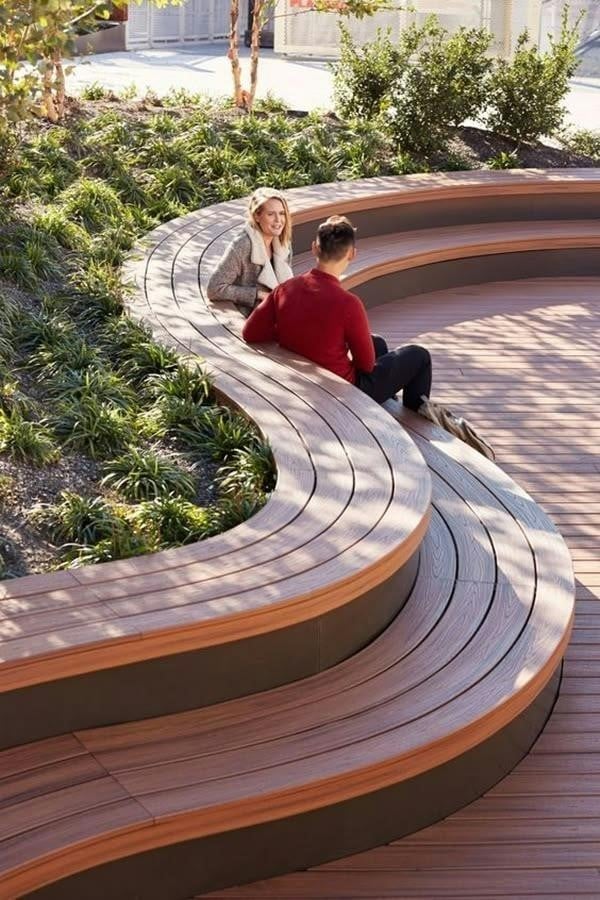
Every neighbourhood contains places that quietly become part of people’s routines. They are not tourist attractions and they are rarely photographed, yet they remain essential to daily life. A simple bench offers one of the clearest examples. Most people never stop to analyse why they choose one bench over another. They simply sit where they feel comfortable. However, that comfort is rarely accidental. A bench positioned beneath a tree provides shade throughout the day. A seat overlooking a lively pedestrian route allows people to observe activity around them. A resting place located near a market entrance naturally attracts visitors carrying bags or taking a break from walking. The design appears ordinary, but countless small decisions influence how people use it.
What makes this interesting is that nobody praises the bench itself. People talk about enjoying the park, meeting friends or spending time outdoors. The object supporting those experiences remains almost invisible. Remove it, however, and its absence becomes immediately obvious. Suddenly people have nowhere to rest, wait or observe. This is the quiet power of Invisible Design. Its success lies not in demanding attention but in creating conditions that allow everyday life to unfold comfortably.
When Good Design Disappears Into Everyday Life
People tend to notice architecture when something goes wrong. A poorly designed staircase feels awkward to climb. A public space without shade becomes uncomfortable during hot weather. A confusing building layout leaves visitors frustrated and disoriented. Design failures quickly attract attention because they interrupt routine and create inconvenience.
Successful design operates differently. It removes obstacles before people become aware of them. A well-designed pathway naturally guides movement without requiring excessive signs. A thoughtfully positioned window brings daylight into a room without causing glare. A covered walkway provides shelter exactly where it is needed. These decisions rarely attract praise because they feel natural. People simply assume the experience should be this way.
This creates an interesting paradox. Architects often spend enormous amounts of time solving practical problems, yet the best solutions frequently receive the least recognition. The more seamlessly a design functions, the less likely people are to notice it. In many ways, Invisible Design is about creating environments that feel intuitive rather than impressive. It prioritises ease, comfort and human experience over visual spectacle.
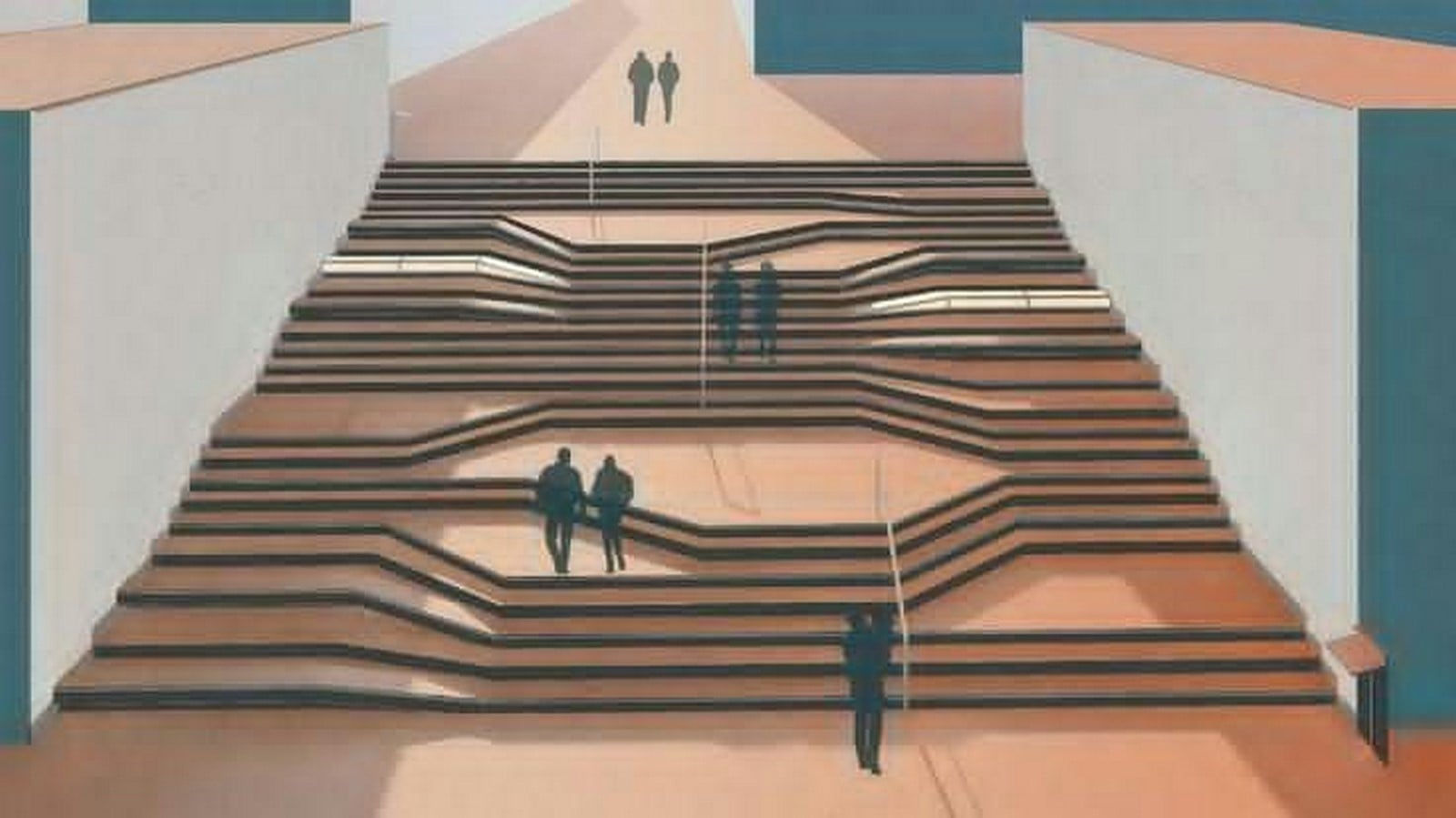
Cities Are Remembered Through Small Experiences
Ask someone about a city they love and they may initially mention a famous landmark. Yet when they continue talking, different memories often emerge. They remember a quiet street lined with trees. They remember sitting in a small square while watching everyday life unfold around them. They remember discovering a comfortable café tucked between older buildings or walking through a market that felt vibrant and welcoming.
These memories are rarely connected to architectural icons. Instead, they are linked to the atmosphere. They emerge from a collection of small design decisions working together. The width of a footpath, the presence of shade, the placement of seating and the relationship between buildings and public space all influence how a city feels. Individually, these details may seem insignificant. Together, they create experiences that people remember long after they have forgotten the appearance of specific buildings.
Many historic cities demonstrate this beautifully. Visitors are often drawn to them not because every structure is extraordinary but because the streets feel comfortable, human and engaging. The success of these places lies in countless invisible decisions accumulated over time. Through Invisible Design, cities become memorable not through spectacle alone but through the quality of everyday experience.
The Role of Trees, Shade and Comfort
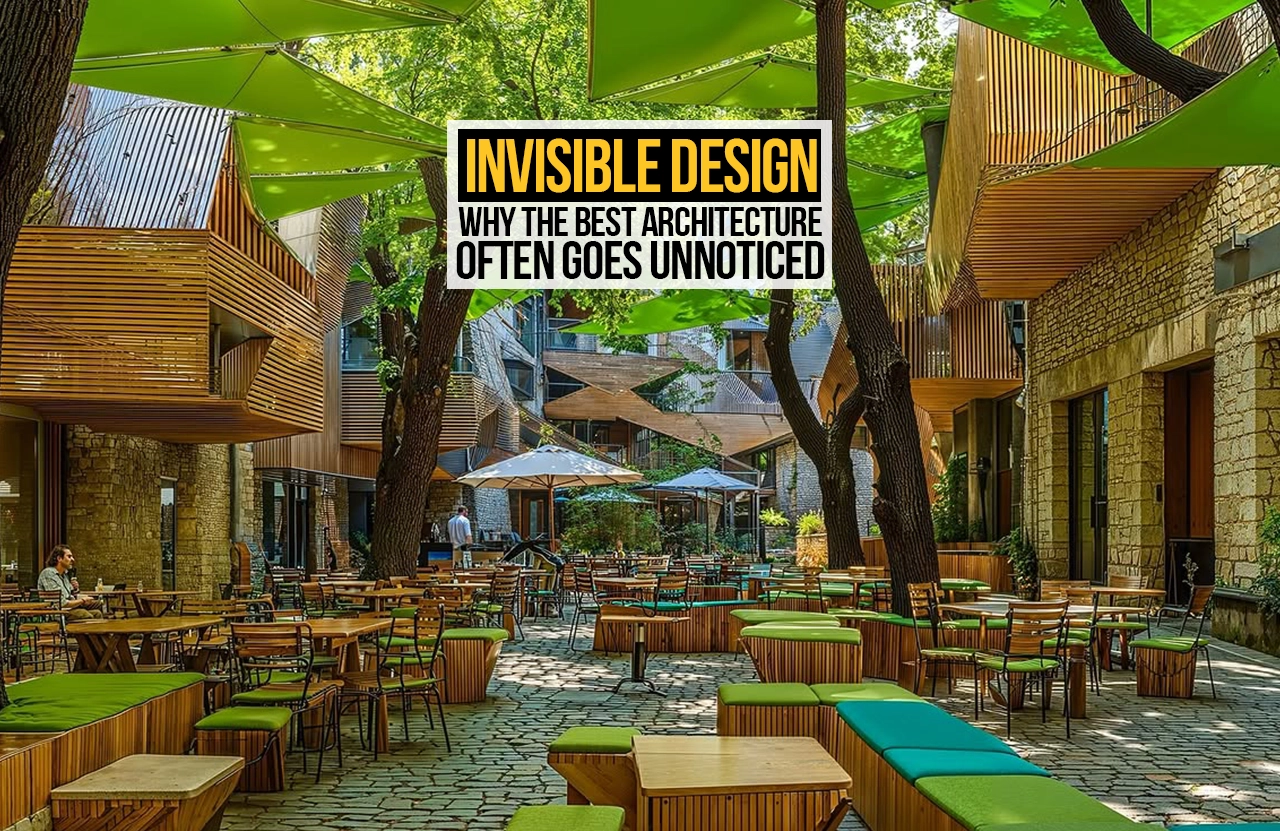
Not all architecture is made of concrete, steel or glass. Sometimes the most important design element within a public space is a tree. Across many cities, mature trees transform ordinary areas into places where people naturally choose to spend time. Beneath their shade, vendors gather, conversations begin and public life emerges. A street lined with trees often feels more inviting than one lined with expensive materials but lacking environmental comfort.
Traditional settlements understood this relationship remarkably well. Courtyards captured breezes during hot afternoons. Verandahs created transitional spaces between indoors and outdoors. Streets were designed to provide shade and encourage social interaction. These features were not decorative additions. They responded directly to climate and human behaviour.
Modern urban development occasionally overlooks these simple lessons. Projects may focus heavily on appearance while underestimating the importance of comfort. Yet people consistently gravitate towards spaces that make them feel at ease. This demonstrates an important aspect of Invisible Design. Good design is not always about adding more. Often, it is about understanding what people genuinely need and providing it quietly.
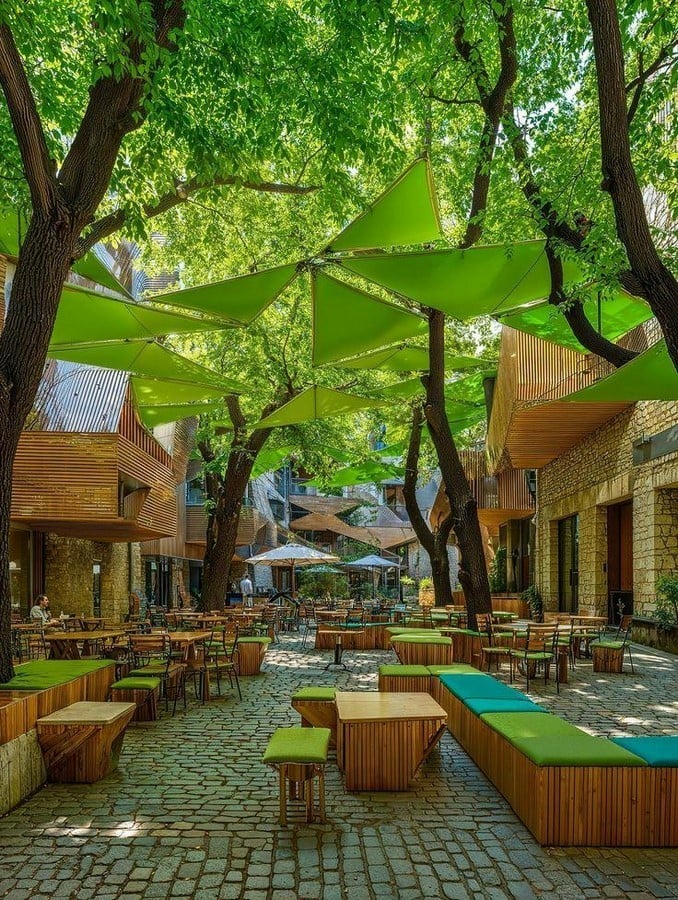
Why Traditional Neighbourhoods Often Feel More Human
Many people describe older neighbourhoods as having character, even when they struggle to explain why. The answer often lies in details that are easy to overlook. Traditional streets tend to contain a variety of small experiences. Shops open directly onto footpaths. Residents interact from balconies and doorsteps. Public and private spaces overlap in subtle ways that encourage social connection.
These environments evolved gradually around human behaviour rather than around visual branding or large-scale planning alone. As a result, they often feel comfortable and intuitive. Walking through such areas involves constant interaction with small details: a shaded corner, a narrow lane, a street vendor or a familiar gathering space.
Contemporary developments sometimes prioritise efficiency and standardisation at the expense of these qualities. While they may function well technically, they can lack the richness created by countless small interactions. Invisible Design reminds designers that successful places are not defined solely by appearance. They are defined by how people experience them over time.
Designing for Life Rather Than Photographs
The rise of social media has changed how architecture is consumed. Buildings are increasingly judged through photographs, renderings and carefully curated images. While visual appeal remains important, photographs capture only a fraction of architectural experience.
A public square may appear beautiful in a photograph but become uncomfortable under direct sunlight. A dramatic building may attract attention while offering little comfort to its users. Conversely, an ordinary-looking space may become beloved because it responds effectively to climate, movement and social behaviour.
The most successful architecture often performs well long after photographs are taken. It supports everyday routines, accommodates unexpected uses and adapts to changing needs. These qualities are difficult to capture in a single image because they emerge through time and occupation. Invisible Design encourages a shift in focus from appearance alone towards lived experience. It asks not only how a place looks, but how it feels, functions and supports human life.
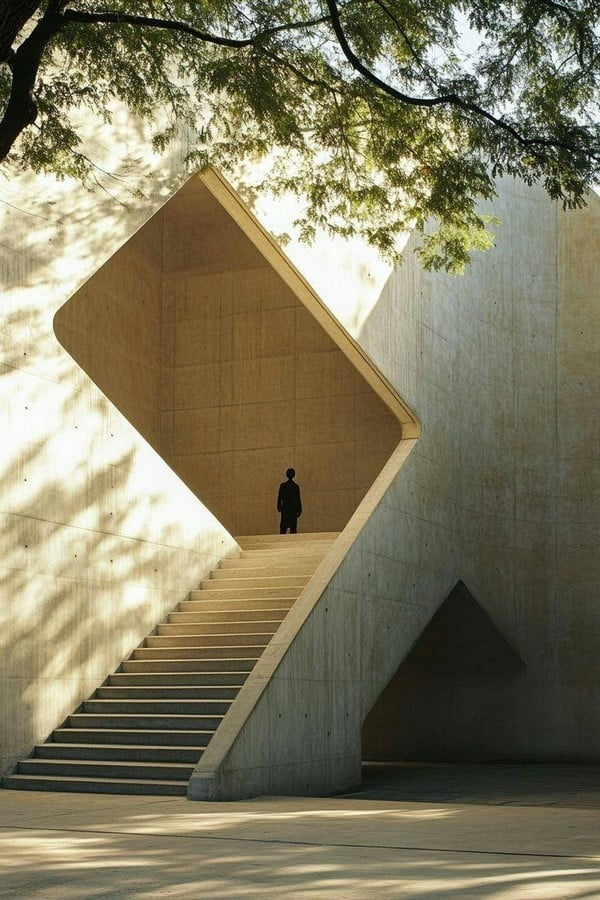
Architecture is often associated with monuments, landmarks and visually striking buildings. These projects play an important role in shaping cultural identity and architectural discourse. Yet much of life takes place elsewhere. It unfolds on benches, beneath trees, along shaded pathways and within spaces that quietly support everyday routines.
The concept of Invisible Design highlights the importance of these overlooked elements. It reminds us that architecture is not experienced solely through images but through comfort, movement, memory and human interaction. The best design is often the design people never consciously notice because it works exactly as it should.
Perhaps that is architecture’s most remarkable achievement. Not creating something that constantly demands attention, but creating something so thoughtful and so deeply connected to human needs that it becomes a natural part of life itself. Long after people forget the appearance of a building, they often remember how a place made them feel. More often than not, that feeling is the result of invisible design working quietly in the background.