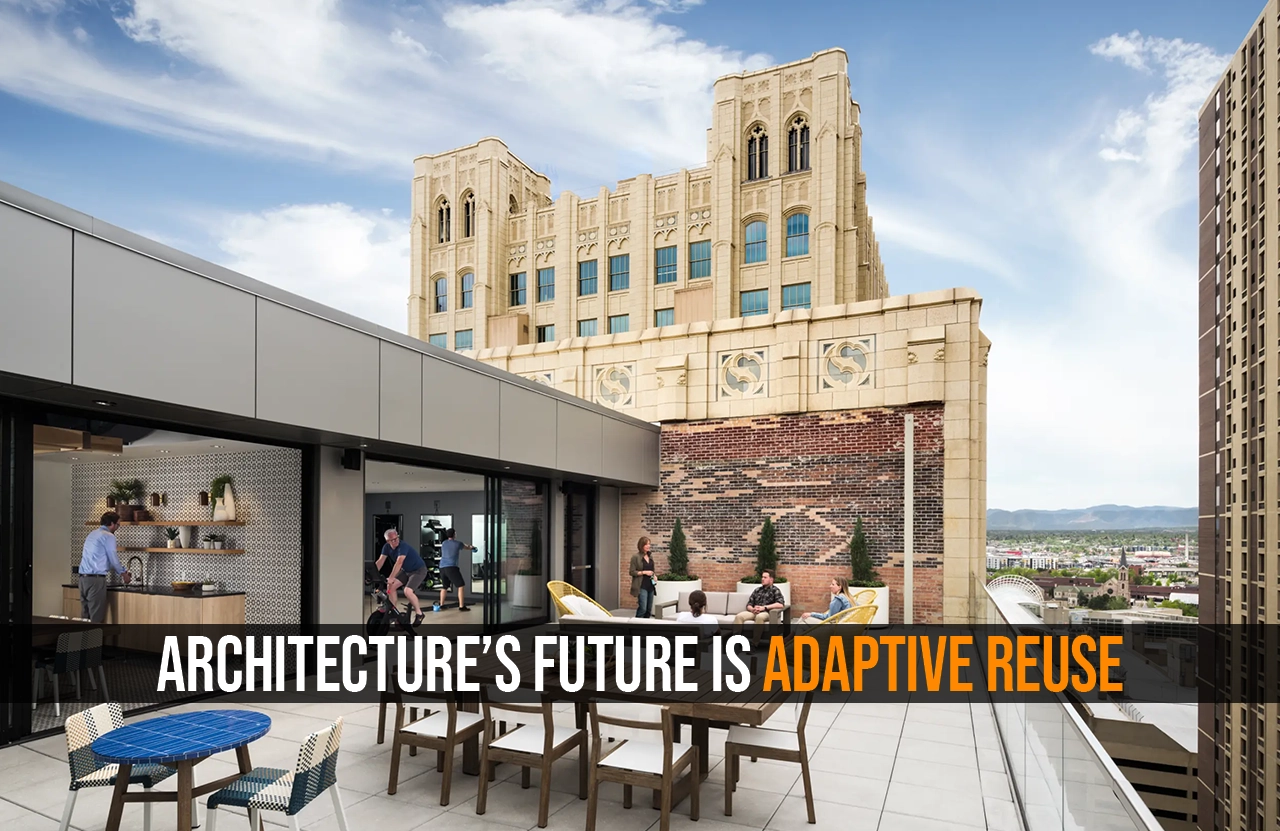
Adaptive reuse is in, and new builds are out. If only it were that simple. To some people, having existing constraints of an old building may seem difficult or boring. In actuality, not only are the possibilities endless, but there are countless advantages to this form of preservation as well. From the building construction process all the way to the building’s final form years later, adaptive reuse is a sustainable and exciting way to transform existing buildings and bring new life to their users. Maybe it’s even the future of architecture as a whole.
Building Process Savings
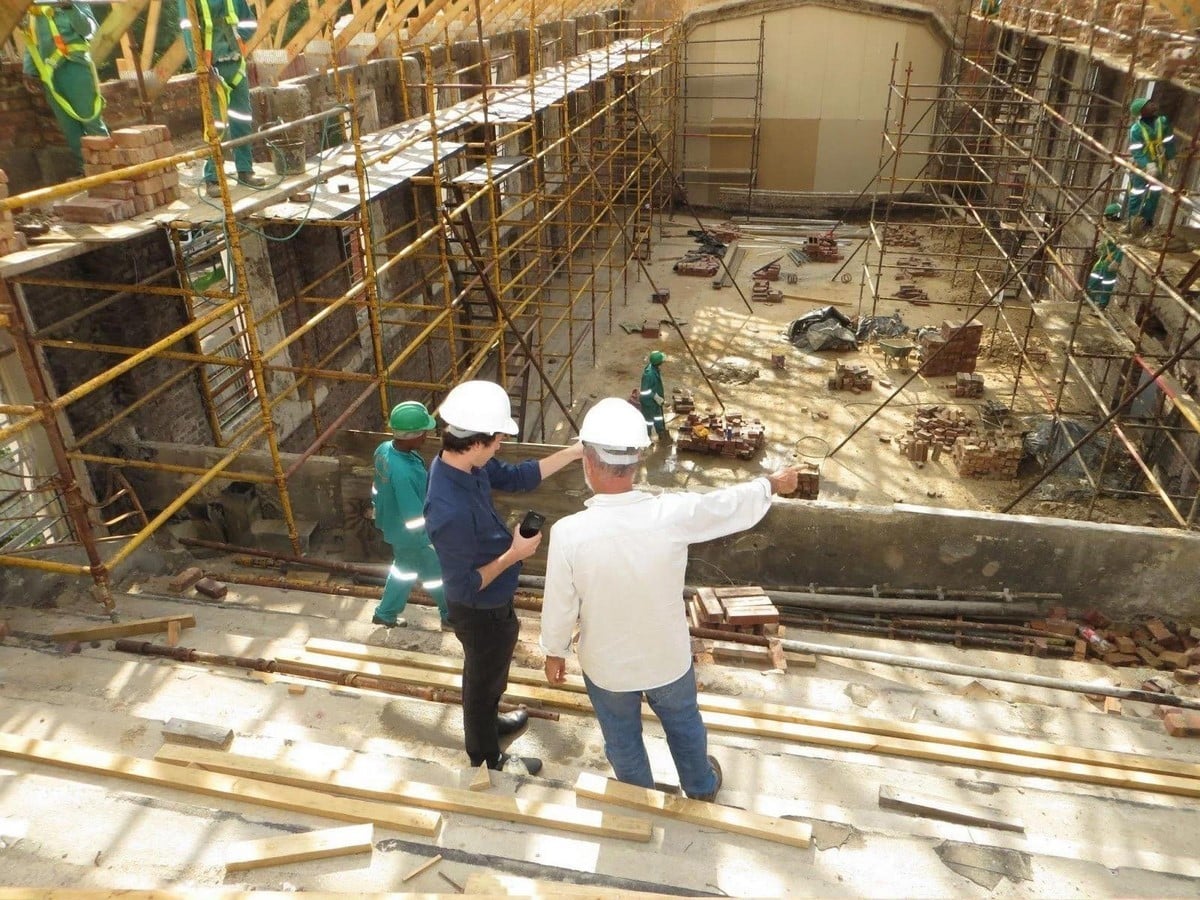
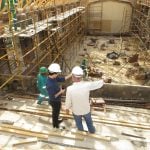
It’s no secret that a wonderful advantage of adaptive reuse is the improved building process. Not only is time saved physically, but also monetarily. The existing building fabric allows for a shorter construction process, which once again reduces overall costs. While it can sometimes take extra material to retrofit the old building for its new programmatic type, it is nothing compared to the money wasted on a similar project in new construction. In the real world of the AEC industry, money controls design.
Environmental Factors
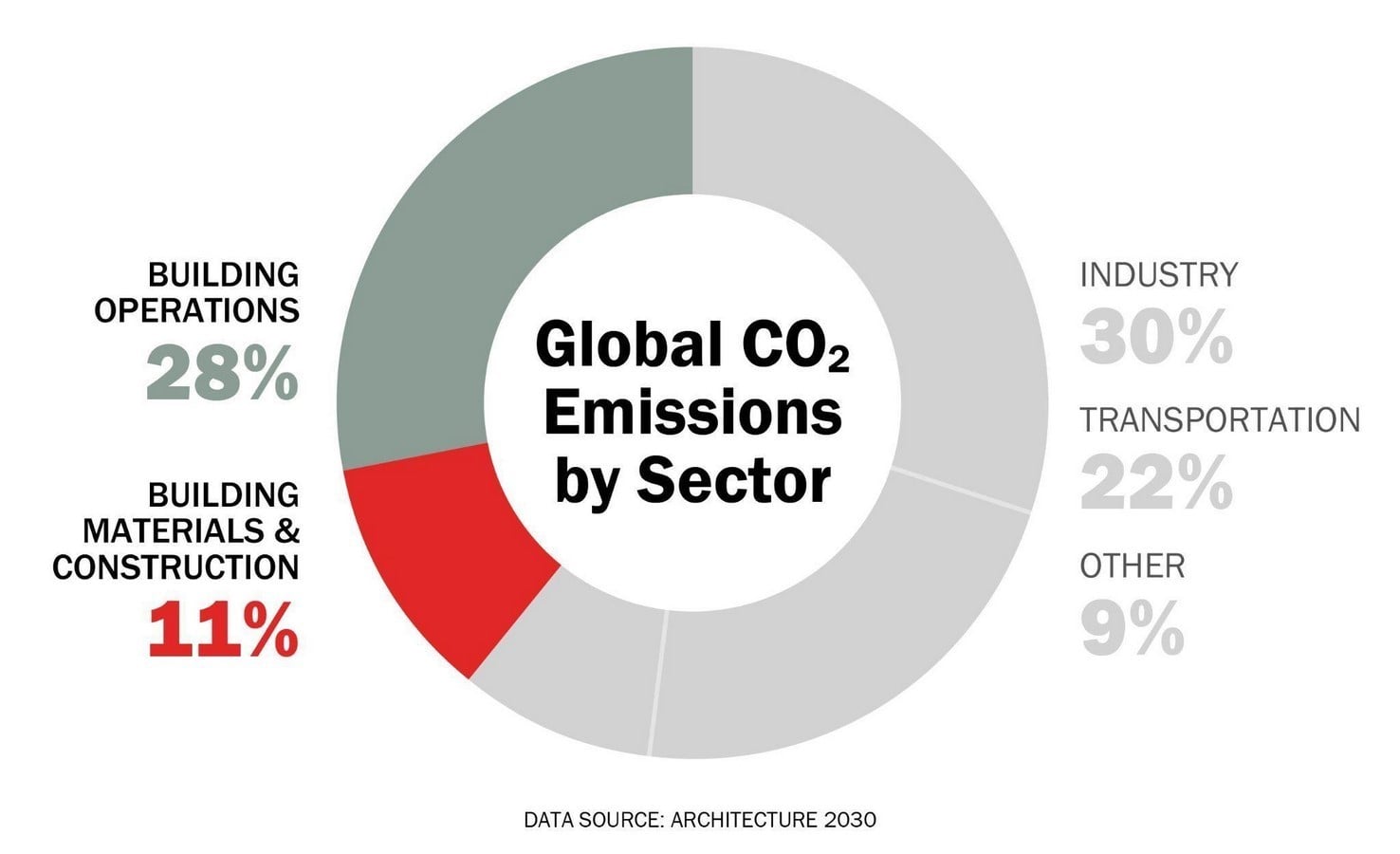
A second advantage of adaptive reuse is in relation to the environmental factors. To quote the architect Carl Elefante, “The greenest building is one that is already built.” The AEC industry already accounts for a large percentage of global carbon emissions. Recycling buildings already in existence can help lower that statistic one day. The existing building materials won’t generate additional emissions during production or transportation, since they’re already on site. It’s true that older buildings, in general, aren’t always built with sustainability in mind. However, the energy and additional materials required to update will still be less than the environmental cost of demolition and new construction on the same site.
Style Variation
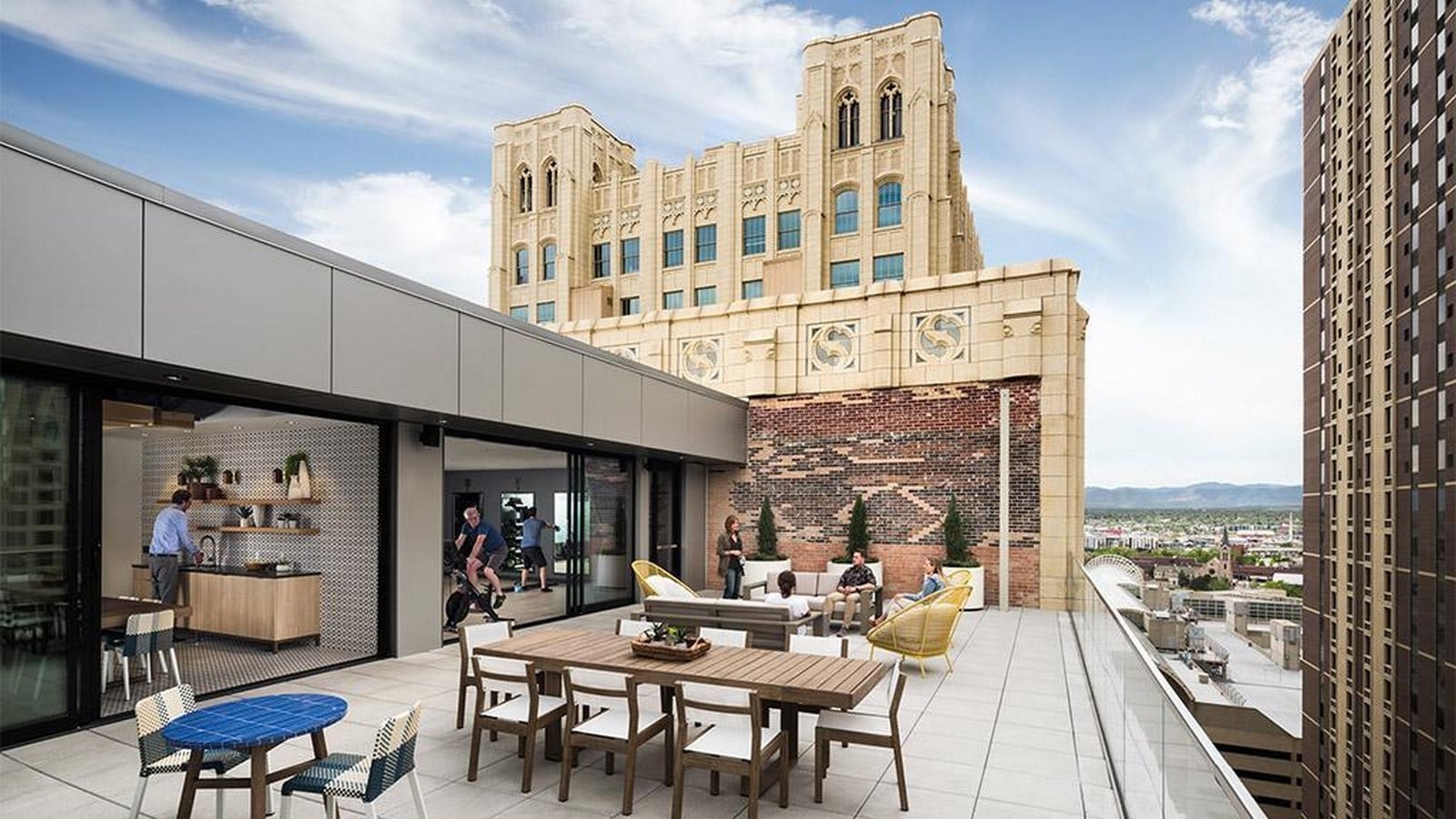
The beautiful thing about cities is that they are often an amalgamation of styles. Thanks to adaptive reuse, they can stay that way. Citizens have their own personal preferences when it comes to architectural aesthetics; however, this existing variety can help provide something for everyone. The problem with modern buildings today is that they often try to appeal to everyone, therefore, appealing to no one, ironically, in the process. Monotonous, styleless, mixed-use apartment complexes flood our cities and suburbs and why? Because they’re quick, easy, and cheap. On the contrary, an old post office building in the Italianate style at one end of the street, versus a brutalist concrete office headquarters, can equally become something new, appealing to new and diverse audiences. The variety of adaptive reuse allows it to remain timeless.
Cultural Preservation
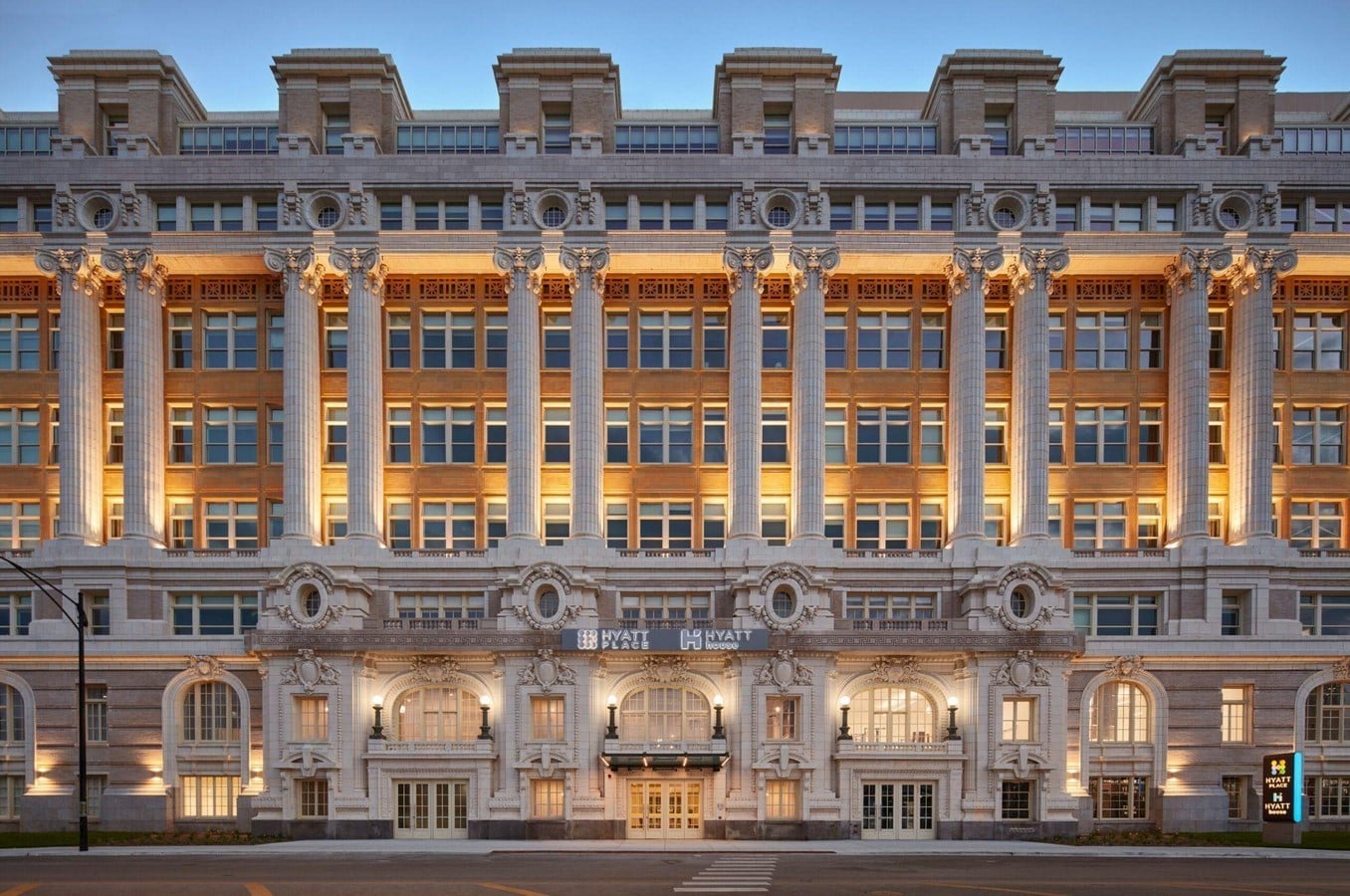
Time can be told through stories of facades near and far. Another adaptive reuse advantage is the preservation of culture. History is normally thought of as being told in mainly two different mediums: the written word and oral stories. Buildings are unique in that they are the tangible remains of civilisations’ past. They are a physical art form that represents the culture of a people’s lives. Saving buildings can mean saving a form of history. Whether the building describes a certain programmatic type or even an architectural style that’s no longer in existence, the preservation of these spaces can be a reflection of a people’s history.
Nothing is New
Lastly, a pro argument for adaptive reuse is the idea that no architecture is truly “new” anymore. An example of a “new” architecture could be the invention of the skyscraper post-industrial revolution. This was a never-before-seen building typology. New technologies for creating new materials paved the way for a new building form: the high-rise. In the past, there have been many styles drawn from history and replicated at the time, often marked with the prefix “neo.” Neoclassical or neogothic, to name a couple, were often chosen based on aesthetic preferences or symbolic meanings fitting to the architectural program.
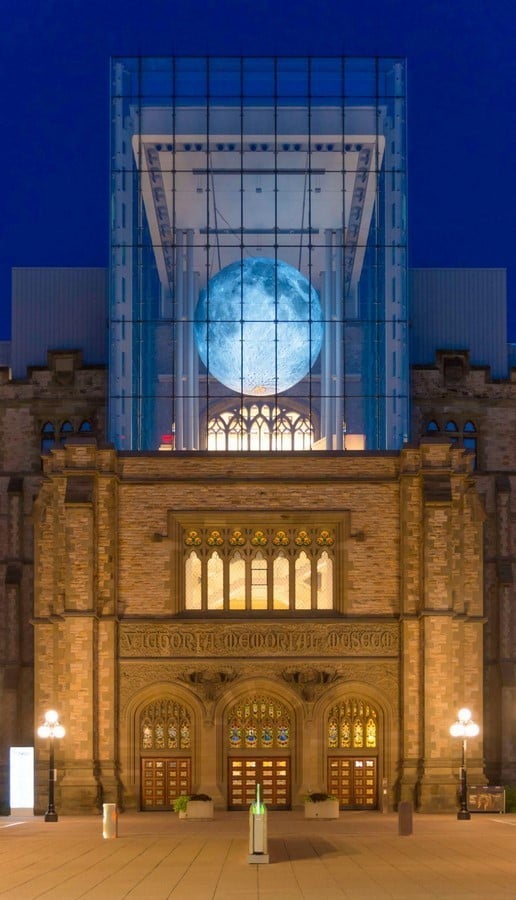
So, how can adaptive reuse contribute to this conversation? Architects from the beginning of time have been using other architectural references and precedents for their own work. Unless there is new technology or materials, in this day and age, there is rarely a “new” architecture. But if a building already exists, that leads to a new challenge for architects and their work. Retrofitting an old space for modern usage requires a degree of problem-solving that new builds simply cannot replicate.
Adaptive reuse has many advantages as a form of historic preservation. Architecture as a profession could take on a whole new meaning if new buildings were never built again. Architects may chide at the additional constraints that still exist when working with old buildings, and to some, a given structure may “limit” their freedom. But in reality, that’s far from the truth. From sustainability to creative problem-solving, adaptive reuse provides many benefits. The potential to sustain the profession in a new and exciting way is only the beginning.