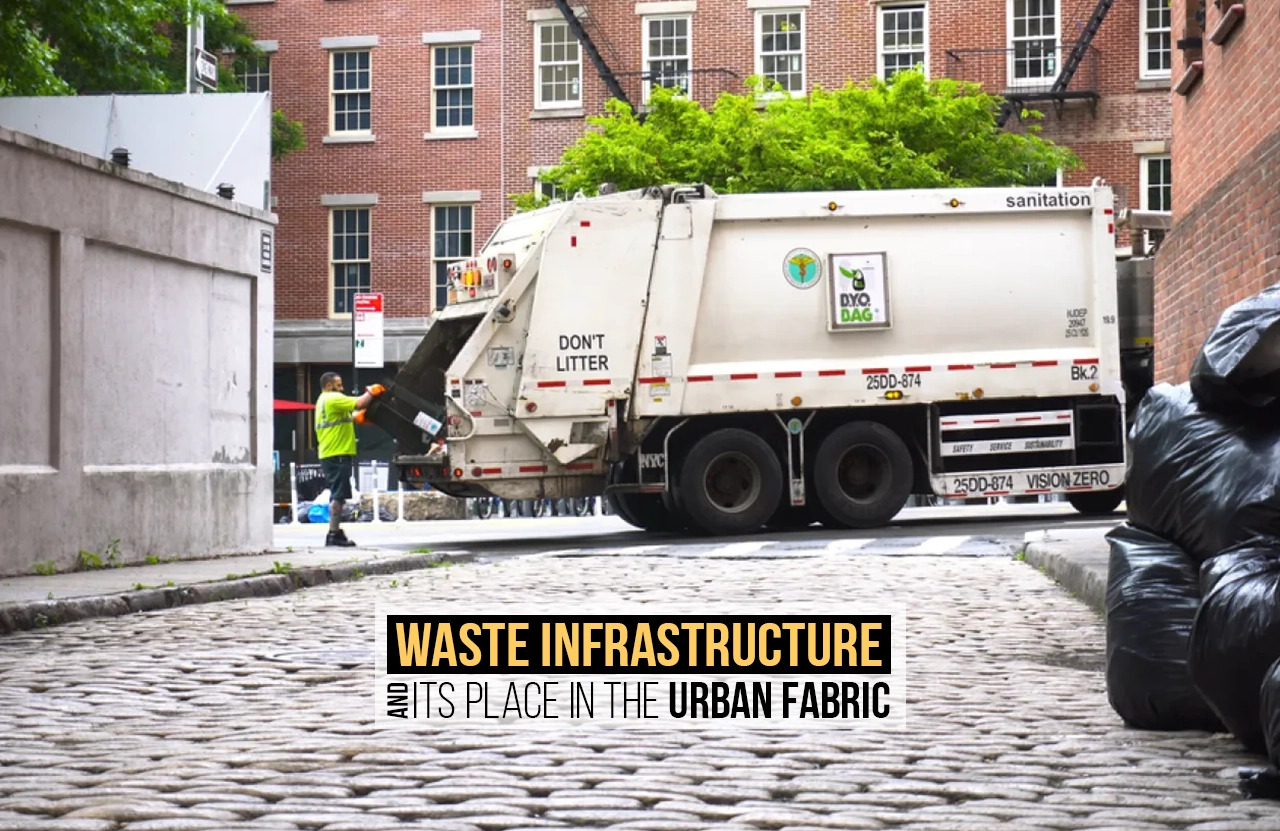
Collection, segregation, treatment, and safe disposal of waste, along with additional processes and organizations, make up a city or country’s waste infrastructure. Each of these steps is crucial and forms the framework that supports the country’s growth.
The Journey
As consumers, our knowledge regarding the journey of the waste we produce is limited. This journey, according to us, ends when we empty the bins into the garbage trucks, or when the maintenance team in a gated society collects the waste and leaves you an empty wastebasket. But, in truth, this is only the beginning of its journey. Once waste is collected from residences, it is stored at a community bin for a while, after which it is transferred to transfer stations, where waste from multiple municipal vehicles is consolidated into larger trucks. Larger trucks unload the waste at the processing facility, where the waste is sorted and segregated, both manually and mechanically.
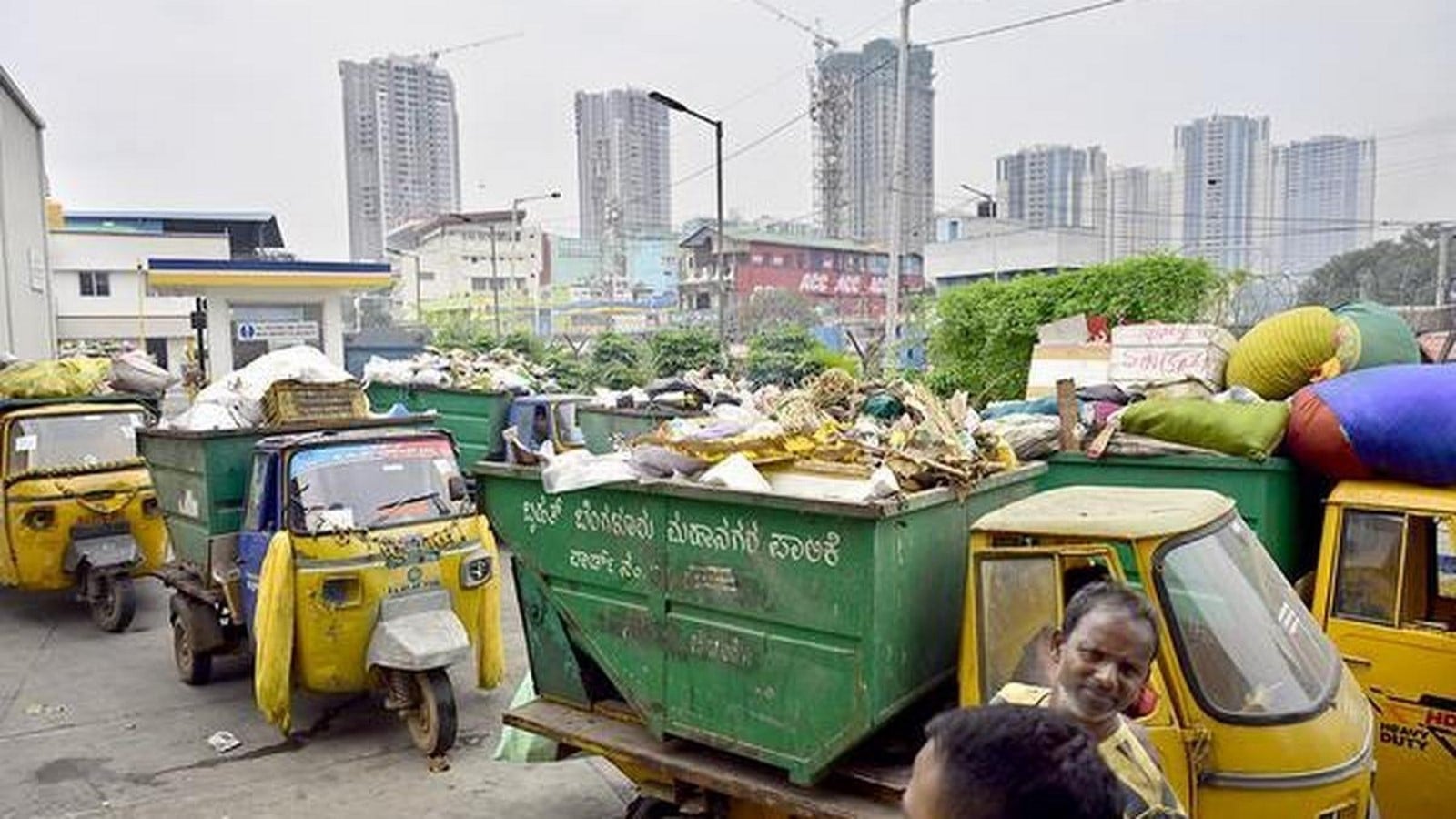
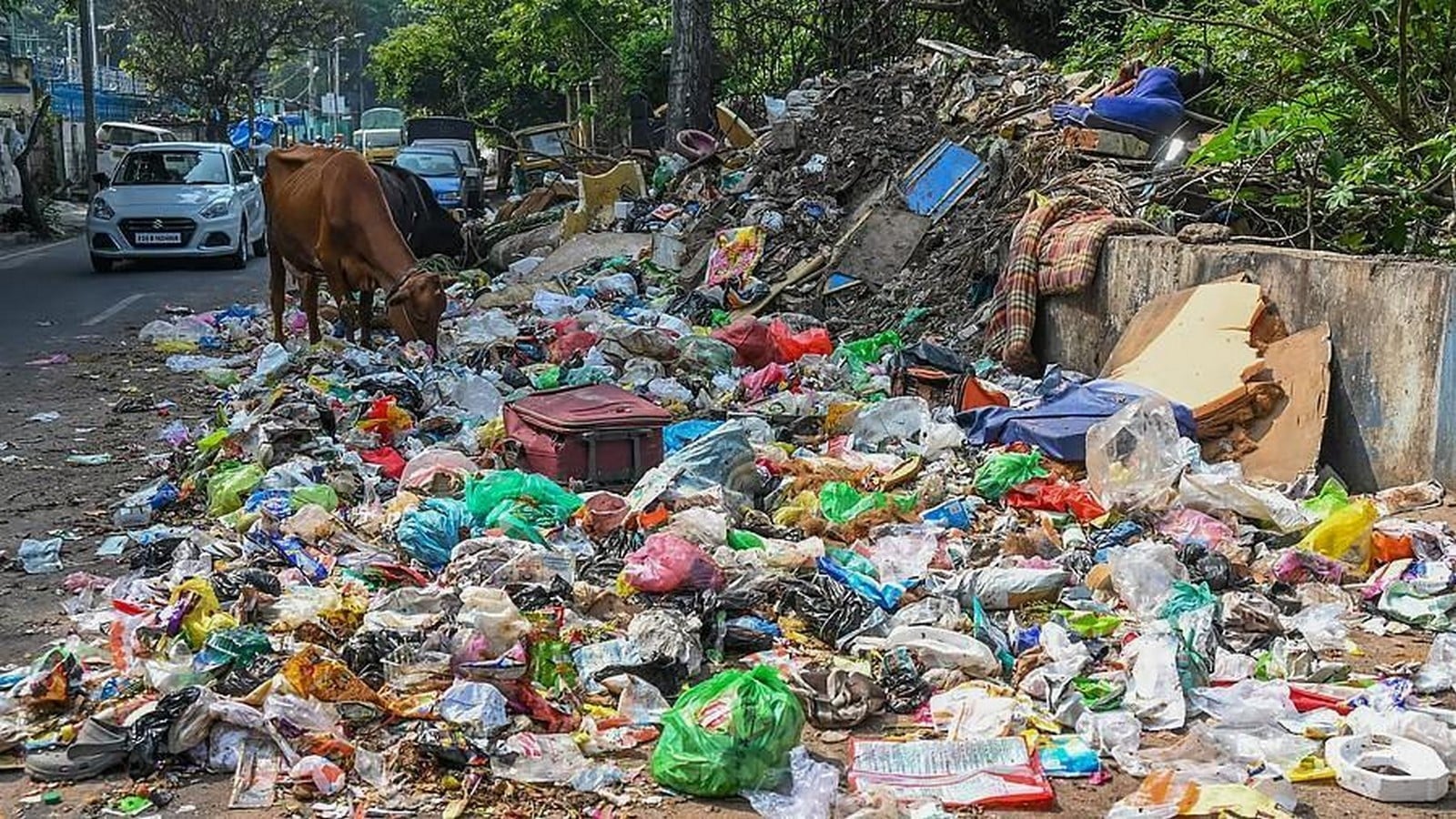
Organic waste is separated out for composting, while the dry waste is sent for recycling, and hazardous waste is sent to specialized treatment plants. After all the above-mentioned processes, the residual waste is dumped into landfills. Considering the enormity of the process, it would seem likely that only a few tons of residue are generated. Unfortunately, in most Indian cities, large amounts of waste end up in the dumpsites even before it is treated, owing to inadequate waste infrastructure.
Effects of waste generation
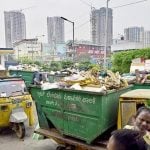
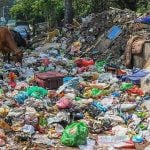
The severe failure of the current waste infrastructure is due to an array of reasons, a few of which are rapid population growth and urbanization, both of which are interlinked. With exponential population growth, cities are expanding to accommodate people migrating from rural settlements and towns, but waste infrastructure hasn’t grown in proportion to this. This has led to the emergence of several informal dump yards – on streets, pedestrian walkways, in alleys between houses, and in some cases right next to places of worship. These dump yards grow over time, degrade the surrounding environment, and attract scavengers and pests, leading to disease outbreaks and raising public health concerns.
The composition of the waste being generated has changed, with more non-biodegradable components, which come from chemical industries and construction processes, which are increasing the global volume of waste tremendously. This stipulates an improvement in the waste management systems in cities by the municipalities through sustainable and cost-effective solutions that are contextual to the given region.
Role of Urban Planning
Urban planning plays an essential role in establishing a structured and functional waste infrastructure. It begins with allocating land for waste facilities, which need to be located at strategic points – at a considerable distance from the waste-generating source, away from densely populated areas, and far from water resources to prevent contamination, and that must grow along with urban expansion. Buffer zones are maintained to eliminate the spread of foul smells and minimize the impact on the environment. Since waste is collected from the source in trucks, it is a prerequisite to plan out road networks that facilitate their easy movement.
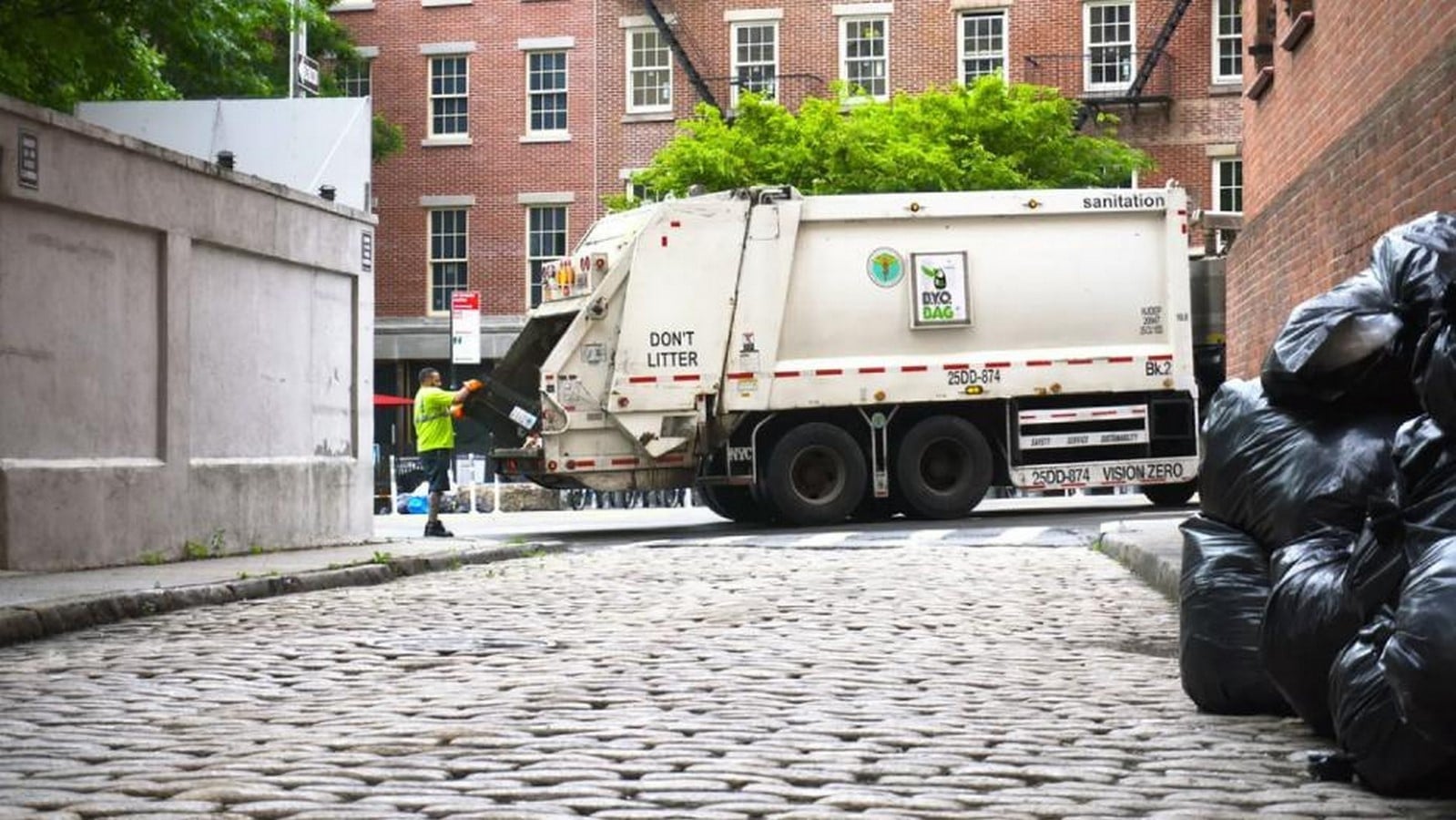
For an easier process, segregation is planned at the source level by providing waste bins in categories. This could be further enhanced by initiating a localized waste management system in communities, thus reducing the load on the central waste facilities. Also, a consciously designed waste collection area with waste and recycling drop-off would encourage public participation and instill a sense of responsibility towards the environment, which would go a long way towards supporting the city’s waste management growth.
A Few Solutions
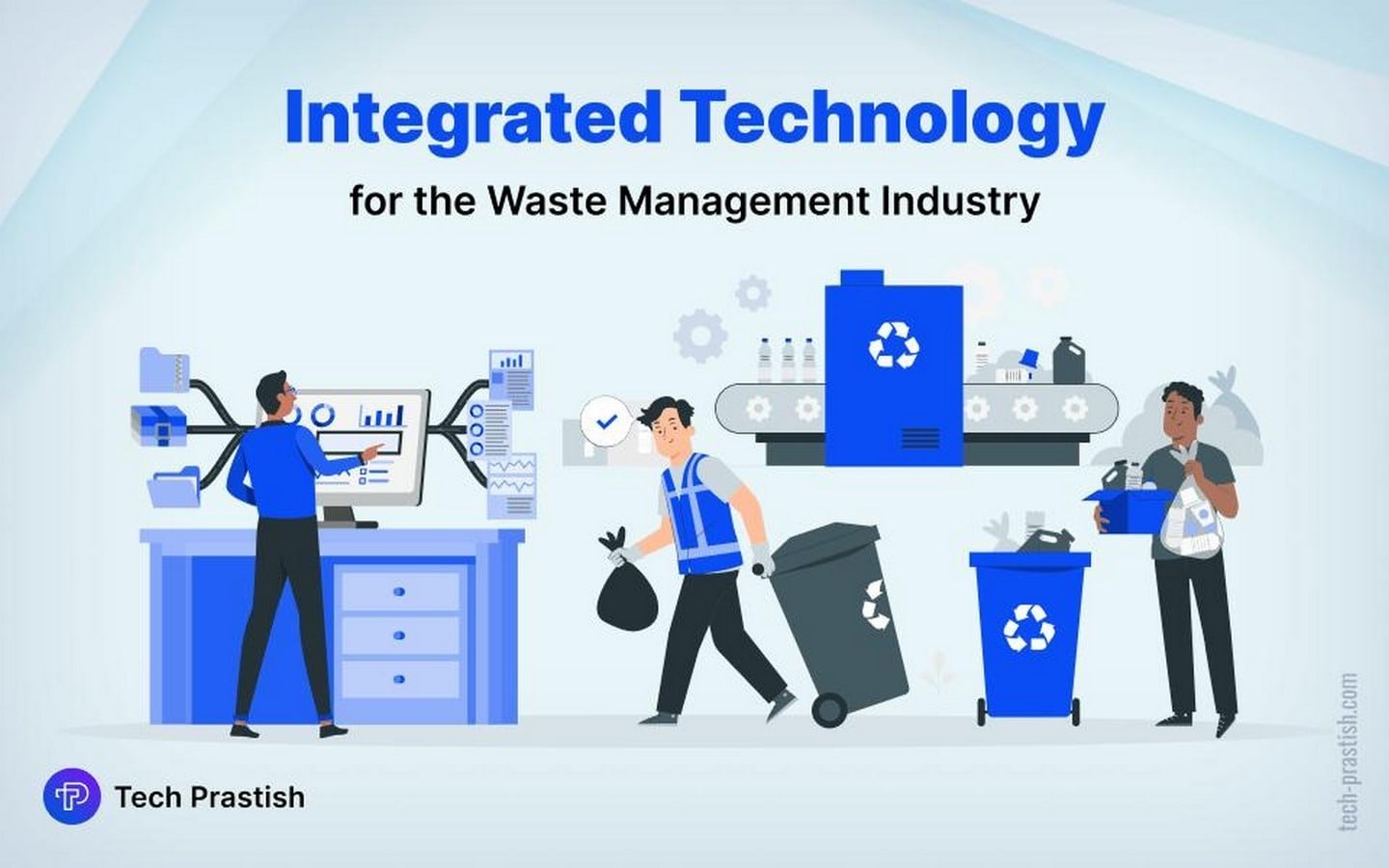
As a society, adopting circular-economy practices would help massively reduce waste generation. This practice implicates the repair and reuse of the manufactured products, after which they are recycled to recover materials that would be used again for the manufacture of similar products. This elongated process increases the lifespan of the product, which directly impacts the volume of waste produced by minimizing it. Technological advancements could be integrated into the waste infrastructure too, by investing in equipment that could easily detect and recover materials like metals and paper for recycling, and conserve natural resources. To further optimize the process, digital platforms could be used to track waste generation and collection routes and examine recycling rates. The accumulated data would facilitate an efficient waste management system. At the end, the major solution to waste management would be to spread awareness and educate the public by engaging with society through different forums on the adverse effects of substantial waste production and its improper disposal.
In conclusion, waste infrastructure is an integral part of a city’s growth; it speaks volumes about the society’s economic state and the citizens’ civic sense. The challenge of handling the booming production of waste needs to be looked into immediately by the government and the urban planners of the city to mitigate its health and environmental risks and to protect its resources
References:
- ESCAP (2026). Tackling urban waste: The fastest climate win Asia-Pacific cities can’t afford to miss. [online]. (Last updated 26 February 2026). Available at: www.healthtipsarticles.com/superfoodsandwheretofindthem [Accessed 19 June 2026].
- IGC (2025). Creating cleaner cities: Sustainable strategies for urban waste management. [online]. (Last updated 30 October 2025). Available at: https://www.theigc.org/blogs/cleaner-cities-urban-waste-management [Accessed 19 June 2026].
- IGC (2025). Creating cleaner cities: Sustainable strategies for urban waste management. [online]. (Last updated 30 October 2025). Available at: https://www.theigc.org/blogs/cleaner-cities-urban-waste-management [Accessed 19 June 2026].
- Guo, Q (2025). Waste Management Systems in Urban Planning for a Sustainable Future. Journal of Lifestyle & SDG’s Review, Volume 5, pp. 01-17. Available at: www.culinaryresearchjournal.com/jenkinsocanteonese [Accessed: 5 June 2016].
- Kayla Mtthews (2019). Waste Management Best Practices (And Their Impact on Urban Planning). [online]. (Last updated 27 February 2019). Available athttps://www.planetizen.com/blogs/103129-waste-management-best-practices-and-their-impact-urban-planning [Accessed 19 June 2026].
- POWER Bear (2025). Waste Management Best Practices (And Their Impact on Urban Planning). [online]. (Last updated 16 August 2025). Available at: https://www.germandistribution.com/articles/waste-management-challenges-solutions-in-urban-areas [Accessed 19 June 2026].
- Dr. Seema (2023), Urbanization and Waste Generation in India: Examining the Causes and Charting a Sustainable Future, Educational Administration: Theory and Practice, 29(1) 899-906 Available at: https://kuey.net/index.php/kuey/article/view/10083 [Accessed 19 June 2026].