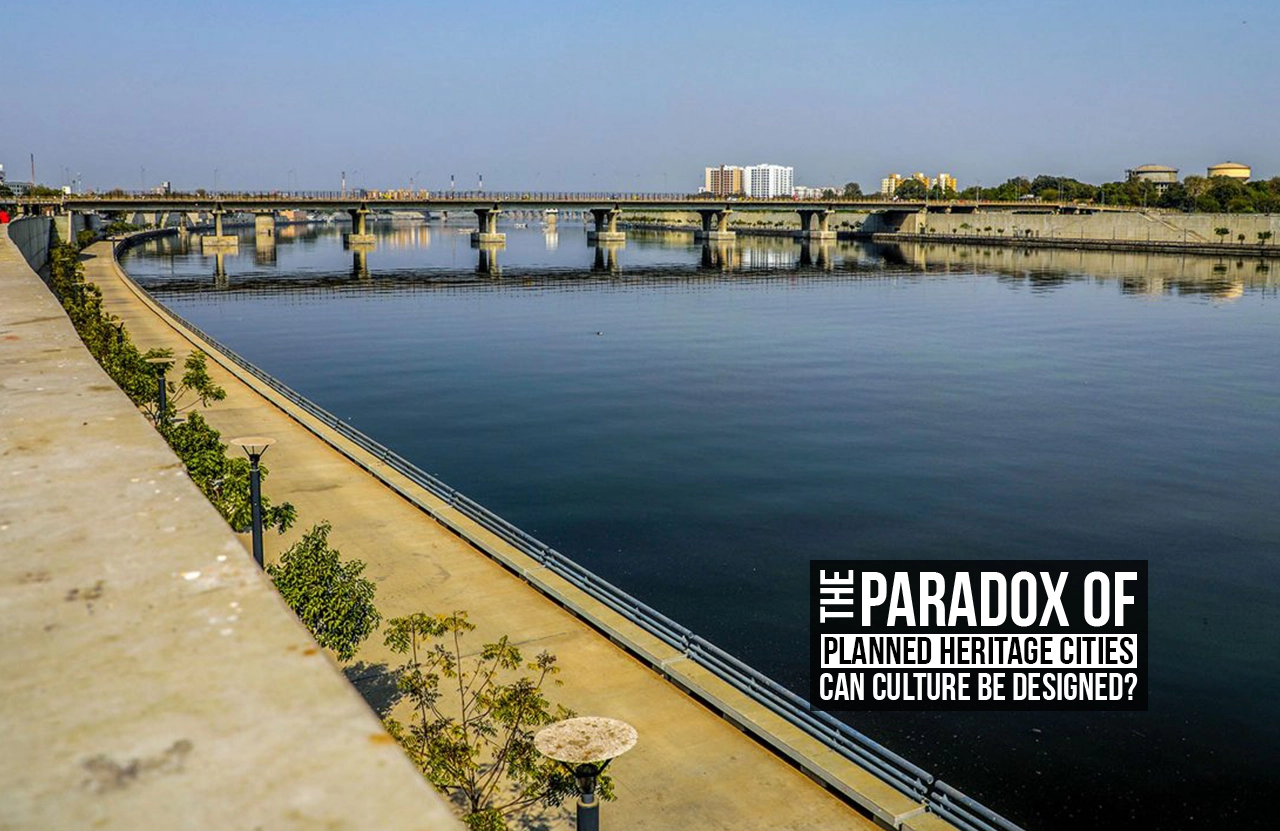
The Question of Authenticity
“Heritage is not designed, it is lived, layered, and remembered. So what happens when we try to build it from scratch?”
There is something inherently contradictory about the idea of a “planned heritage city.” Heritage, by its very nature, resists planning. It is slow, unintentional, and deeply embedded in the rhythms of everyday life. It grows through time, through rituals repeated, spaces reused, and memories accumulated. And yet, in contemporary India, where urban expansion is both rapid and inevitable, there is a visible shift towards not just preserving heritage, but recreating it.
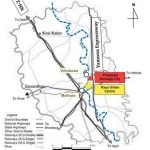
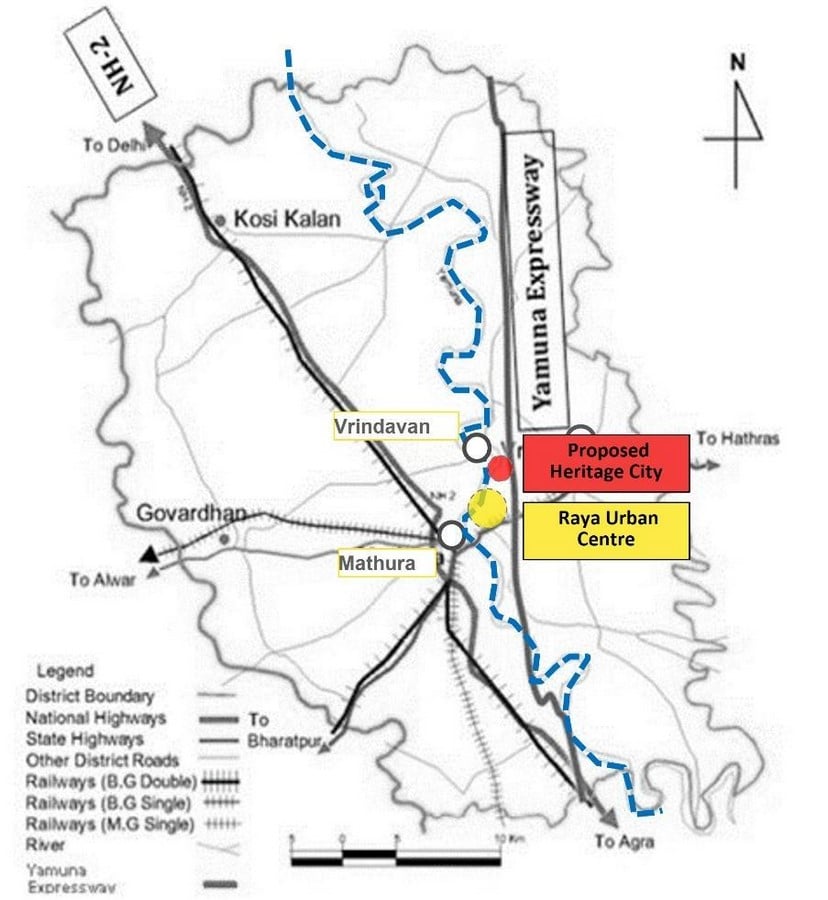
The proposed Heritage City (Raya Urban Centre) by the Yamuna Expressway Industrial Development Authority, located along the Yamuna Expressway near the culturally rich landscapes of Mathura and Vrindavan, becomes a compelling lens through which this contradiction can be understood. It attempts to embed cultural identity into a newly planned urban framework, an ambition that is both necessary and deeply complex.
Heritage as Memory, Not Material
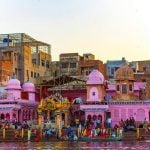
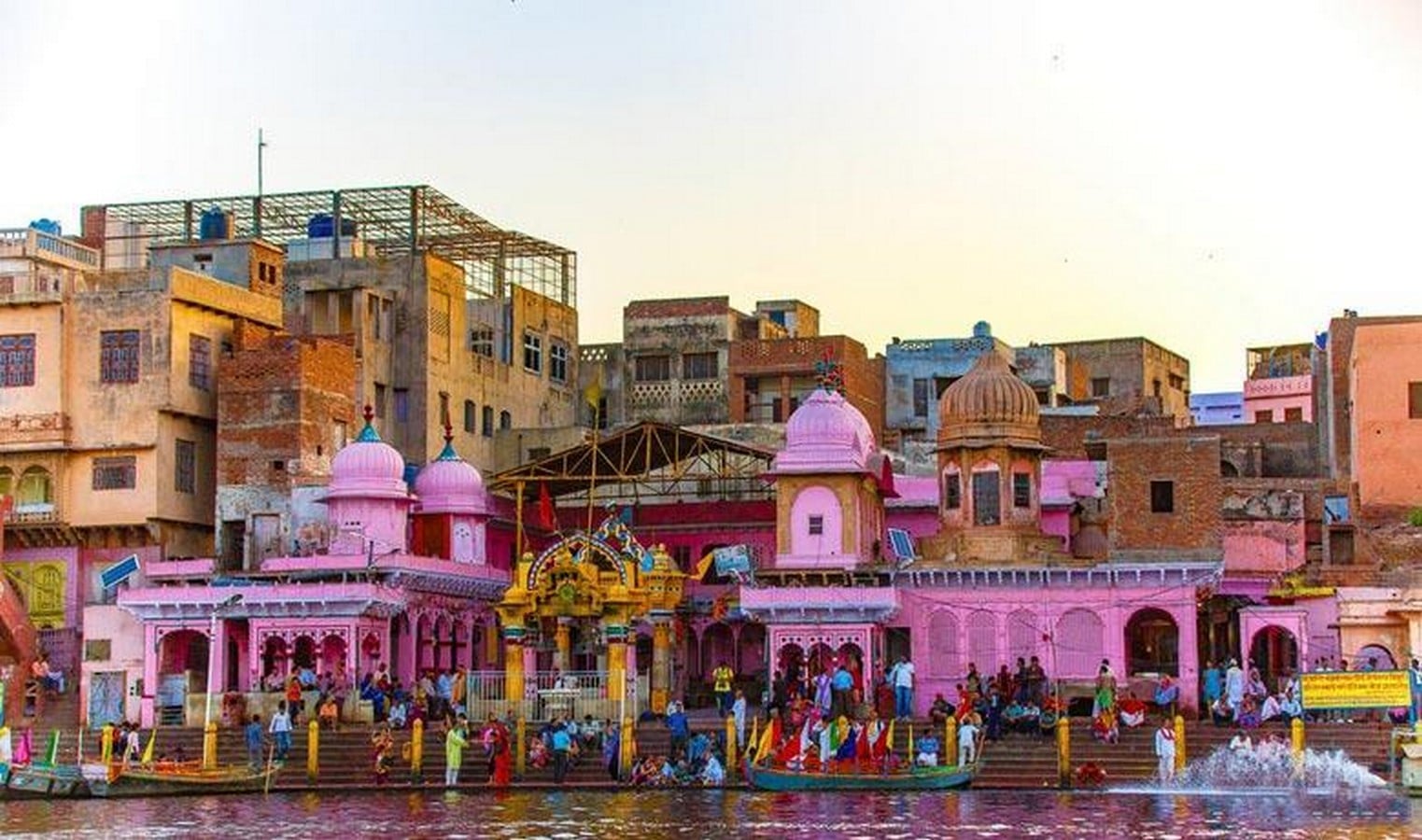
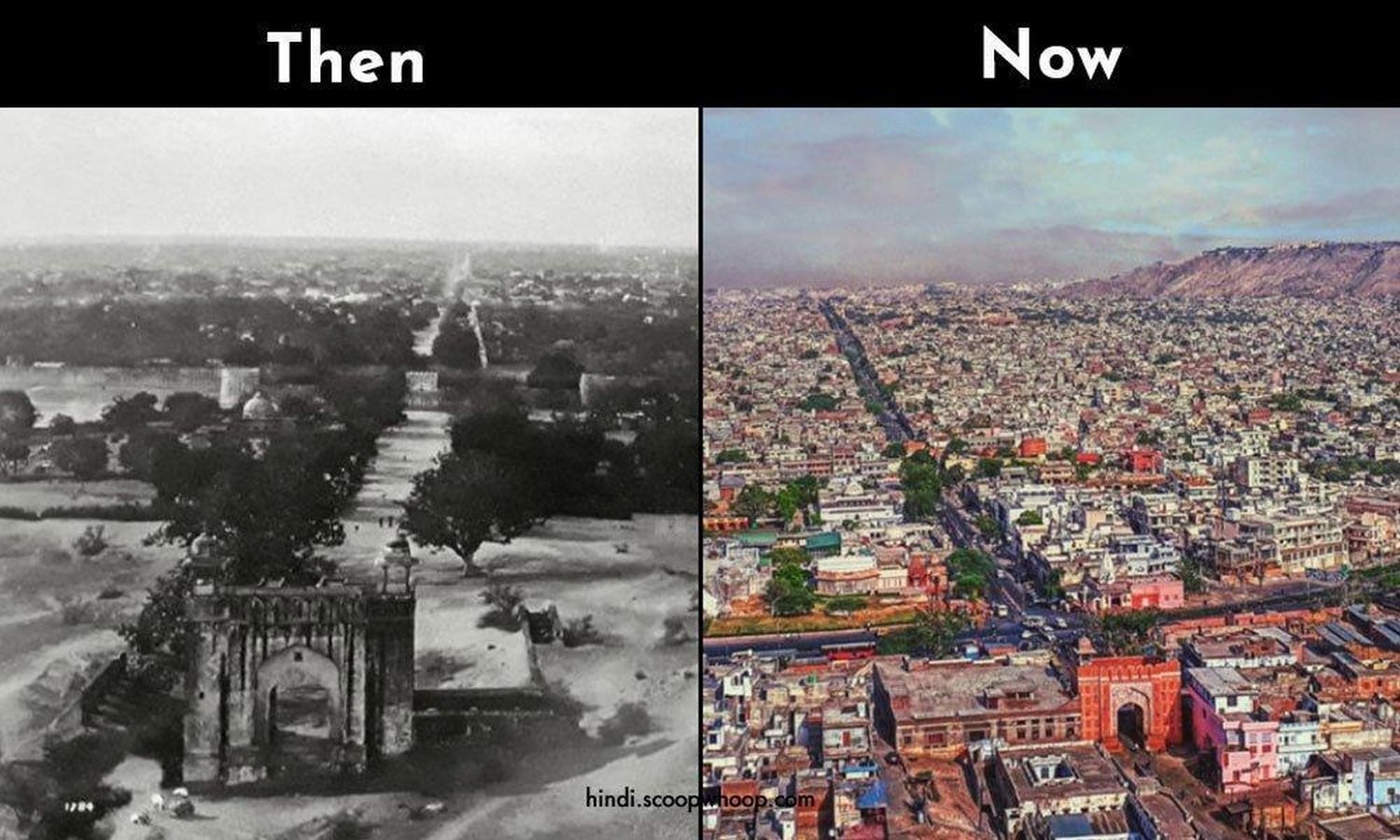
To understand the challenge, it is important to recognise what heritage truly represents. Cities like Varanasi, Jaipur or Rome are often described as heritage cities, yet none of them was ever designed with that intention. Their identities are not the result of a singular vision, but rather the culmination of centuries of layered development, political shifts, cultural exchanges, economic transitions, and, most importantly, human occupation.
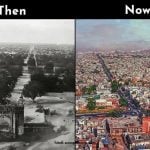
Their streets are not perfect; they are constantly evolving. Their architecture is not uniform; it adapts. Their value lies not in how they appear, but in how they are experienced over time. Heritage, therefore, is not a physical object that can be replicated. It is a continuum of lived experience.
The Rise of the Planned Heritage City
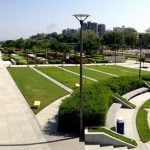
In contrast, a planned heritage city begins with clarity. It identifies a narrative, translates it into architectural language, and organises it within a structured master plan. Streets are aligned, façades are controlled, and public spaces are carefully curated.
Within the rapidly developing corridor of the Yamuna Expressway supported by large-scale infrastructure and emerging urban nodes, this approach reflects a conscious effort to integrate identity into growth. Without such interventions, new cities risk becoming efficient yet characterless environments.
However, this raises an unavoidable tension: when heritage is pre-defined, does it lose the very spontaneity that makes it meaningful?
Architecture as Narrative, Not Just Form
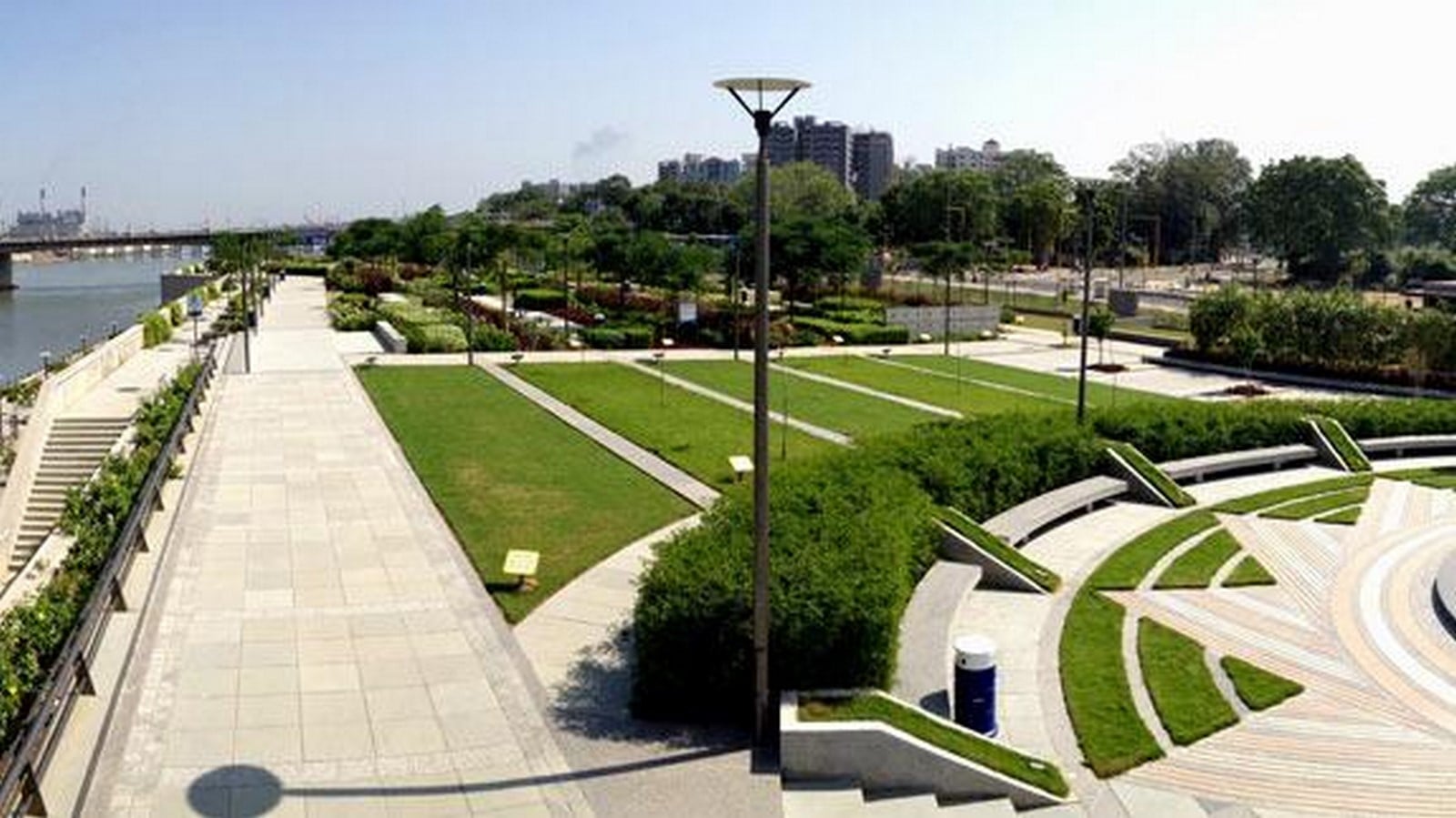
In developments like these, architecture becomes more than a response to function; it becomes a medium of storytelling. Design elements may draw from regional traditions, religious symbolism, and cultural motifs, attempting to recreate a sense of place that resonates with collective memory.
Spaces are designed not just to be used, but to be experienced, to evoke familiarity, belonging, and continuity. Streets may mimic pilgrimage routes, public spaces may host curated cultural events, and built forms may reflect historical references.
While this creates a strong visual and experiential identity, it also introduces the risk of over-definition. When every element is designed to communicate a specific story, the city may lose its ability to evolve beyond that narrative.
Cities That Imitate vs Cities That Remember
A critical concern in such projects is the emergence of what can be understood as simulated authenticity. Traditional architectural styles may be replicated, but without the social and cultural systems that originally shaped them.
This results in spaces that appear historic but lack depth: cities that imitate rather than remember. They are visually convincing, yet emotionally distant. They are designed to be seen, but not necessarily to be lived in the same way.
Authenticity cannot be constructed through form alone. It emerges from time, from use, from the unpredictable ways in which people occupy and transform space. Without these layers, heritage risks becoming a surface condition, present in appearance, but absent in experience.
Infrastructure and the Making of Identity
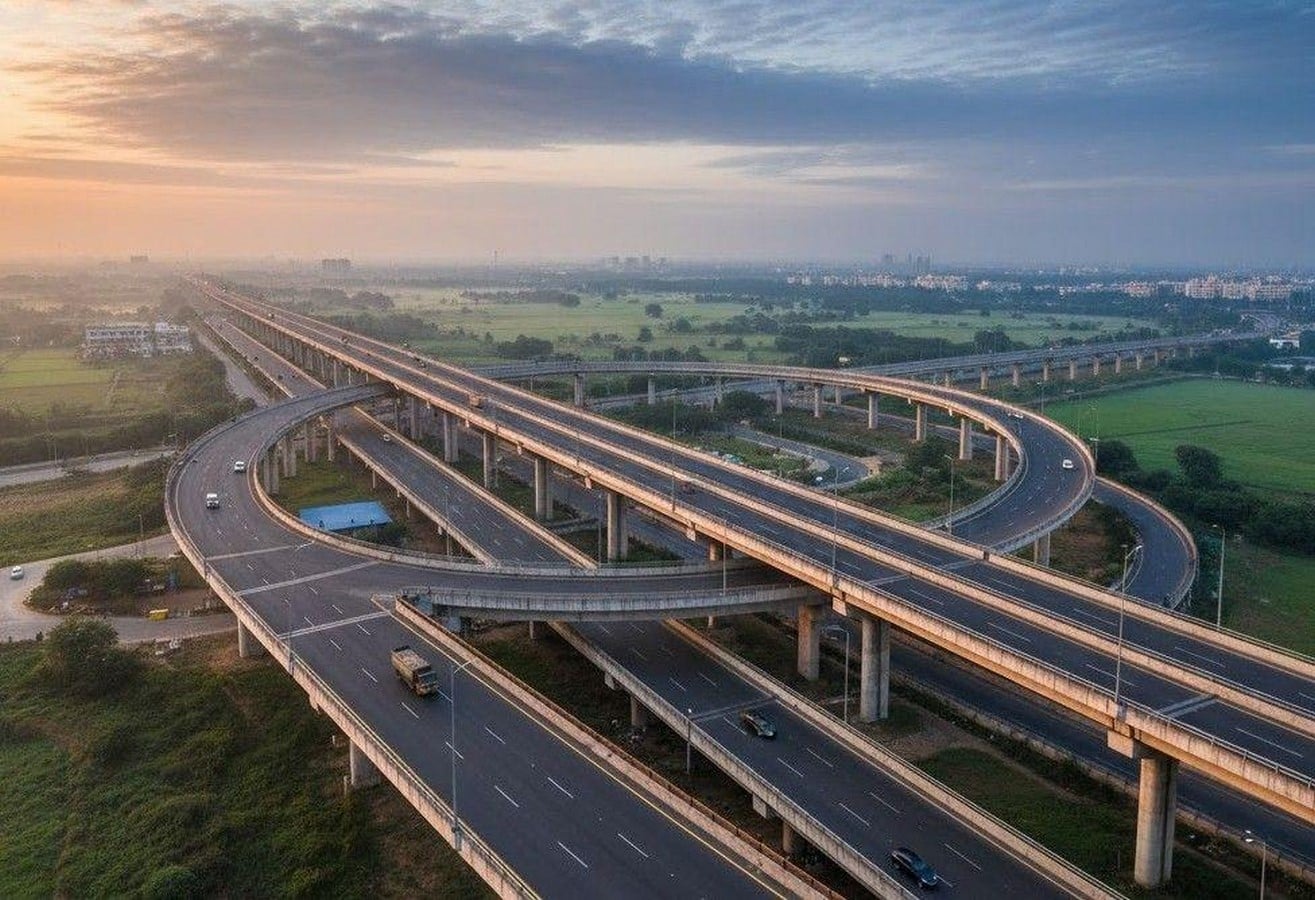
The location of the Heritage City along the Yamuna Expressway highlights a broader transformation in how cities are formed today. Infrastructure is no longer just a support system; it is a generator of urbanisation. Highways, airports, and transit networks are actively shaping where cities emerge and how they grow.
In such a context, identity does not evolve organically; it is often inserted deliberately. The creation of a heritage city within this framework can be seen as an attempt to anchor cultural meaning within a rapidly modernising landscape.
This reflects a shift from cities growing around culture to culture being embedded within planned urban systems.
Designing for People: Experience vs Reality
For a heritage city to succeed, it must respond to the needs of multiple users, each with different expectations. Pilgrims seek continuity and spiritual depth. Tourists look for accessibility and curated experiences. Residents require functionality, comfort, and a sense of belonging. Balancing these demands is complex. A city that prioritises tourism may become economically vibrant but socially shallow. One that focuses solely on residents may lose its cultural and experiential appeal.
The challenge lies in creating spaces that can accommodate all these layers without reducing any one of them to a performance.
Ecology as an Invisible Layer of Heritage
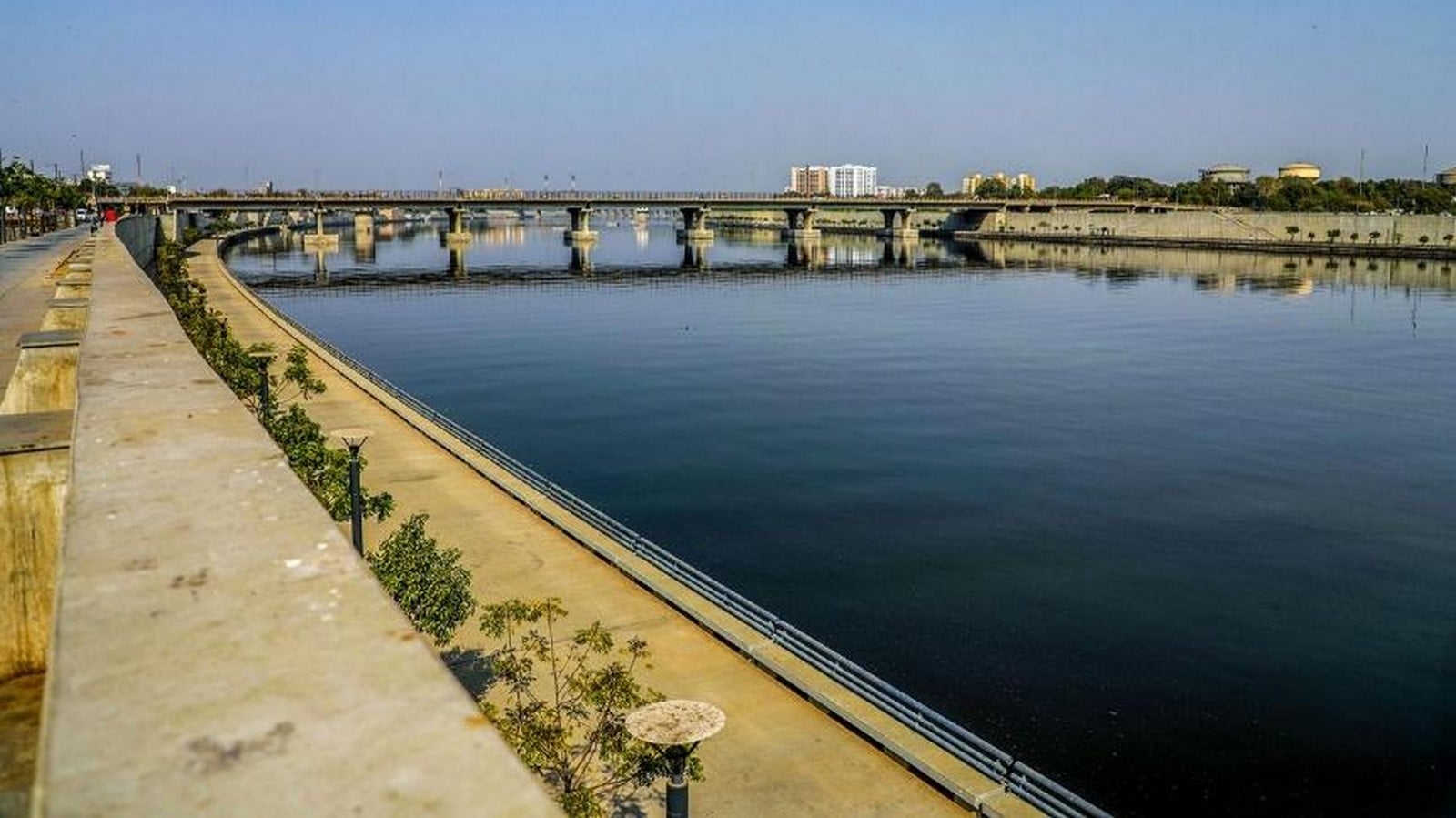
Beyond culture and architecture lies another critical dimension: ecology. The proximity of the development to the Yamuna River introduces questions of environmental sensitivity, floodplain management, and long-term sustainability.
Traditional settlements often evolved in response to such natural systems, integrating climate, water, and landscape into their spatial logic. Ignoring these factors in contemporary planning risks creating environments that are not only unsustainable but also disconnected from their context.
In this sense, ecological systems are not separate from heritage; they are fundamental to it.
Rethinking the Role of the Architect
The idea of designing heritage challenges the traditional role of the architect. Instead of creating fixed outcomes, the task becomes one of enabling processes. It requires designing frameworks that allow for growth, adaptation, and transformation over time. This involves accepting a degree of uncertainty, allowing spaces to change, users to reinterpret them, and meanings to evolve. It is less about control and more about possibility.
In this approach, heritage is not delivered as a finished product. It is allowed to emerge gradually, shaped by the people who inhabit the space.
Between Memory and Imagination
The planned Heritage City along the Yamuna Expressway represents both aspiration and contradiction. It reflects a desire to preserve identity in an era of rapid urbanisation, while also revealing the limitations of attempting to design something that is inherently organic.
It may succeed in creating a vibrant cultural destination. It may also struggle with questions of authenticity and long-term relevance. But perhaps its true significance lies in the questions it raises.
Are we preserving heritage, or are we constructing an image of it?
Are we designing for memory, or merely for appearance?
In attempting to build heritage, we are forced to confront the boundaries of design itself. Because some aspects of a city cannot be planned, predicted, or constructed.
They can only be lived.
And perhaps that is the quiet truth we return to-
Heritage is not something we create,
But something we allow to unfold over time.