Indian architecture weaves space into the very essence of a structure, where the built and unbuilt interact as dynamic polarities, each enhancing the presence of the other. This intersection gives rise to a living, breathing environment. Central to this architectural philosophy is the courtyard: an unbuilt centre, around which the built environment revolves.
The courtyard house is one of the most enduring forms of residential architecture in India, deeply embedded in the subcontinent’s cultural, climatic, and social fabric. Across centuries, from the havelis of Rajasthan to the nalukettu of Kerala, the wadas of Maharashtra to the pol houses of Gujarat, the courtyard has remained a central organizing element in domestic architecture. More than an architectural feature, the courtyard is a living space. It acts a stage for social interaction, seasonal rituals, and climate adaptation. As urban density and lifestyle patterns change in contemporary India, the courtyard house is undergoing new interpretations, balancing tradition with modern design needs.
Historical and Cultural Context
The origins of the courtyard house in India can be traced back to ancient settlements such as Mohenjo-daro and Harappa (approx. 2500 BCE), where open-to-sky spaces were integrated into residential layouts. Over the millennia, this concept evolved through diverse regional expressions shaped by geography, local building materials, and cultural traditions.
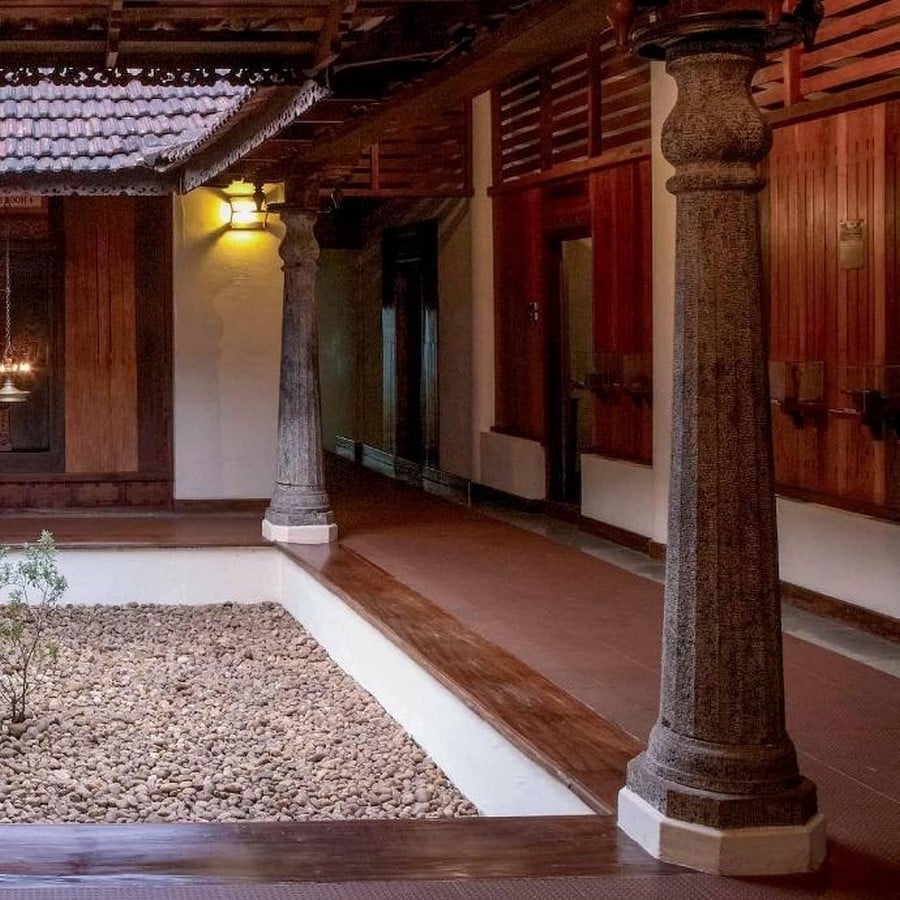
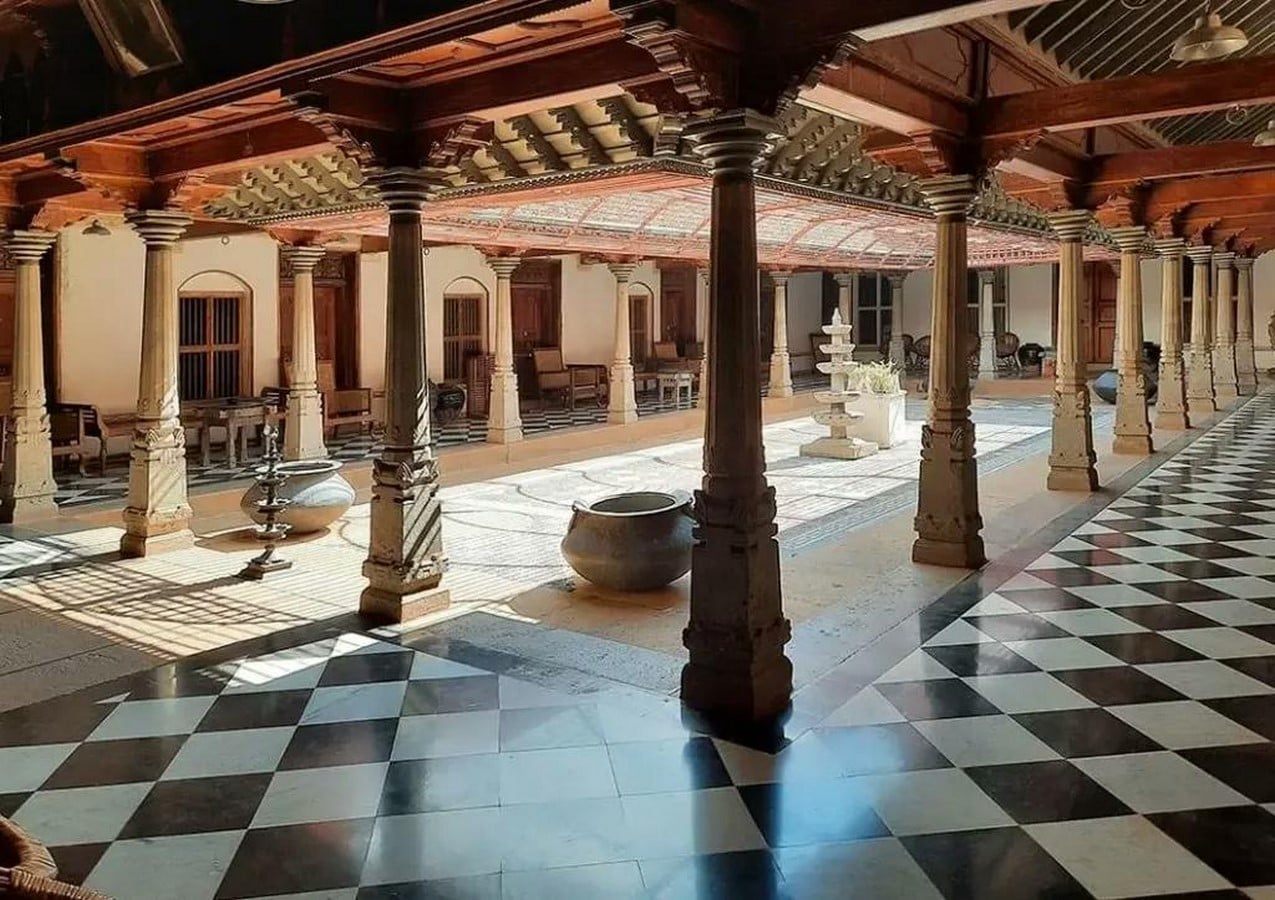
In the north and west parts of the country, the haveli tradition developed under Mughal and Rajput influence, featuring richly carved facades, intricate Jali screens, and multi-storied layouts organized around one or more courtyards. In western India, particularly Gujarat, the pol houses of Ahmedabad featured deep-set courtyards to ensure privacy within densely packed neighbourhoods. In southern India, the nalukettu of Kerala and the agraharams of Tamil Nadu used courtyards as sacred and functional spaces, often associated with ritual life. In Maharashtra, wadas were planned with a front and rear courtyard, acting as buffers between public and private realms. The courtyard’s enduring presence across these architectural forms speaks to its ability to mediate between built and open space, and between social customs and environmental demands.
Social Life and the Courtyard
The courtyard has historically served as the social and cultural heart of the household, embodying a unique transitional space that blurs the lines between indoor and outdoor living. This versatile area accommodates a wide range of activities throughout the day and across different seasons, making it an essential element of domestic life.
One of the primary functions of courtyards is to foster community and family interactions. They serve as gathering spaces for extended families, where members come together to engage in daily chores, share stories, and engage in informal discussions. In joint family systems, the courtyard becomes a vital area where multiple generations can coexist, facilitating camaraderie while also allowing for moments of privacy within adjoining rooms.
In many patriarchal societies, particularly in North India, courtyards hold significant value in terms of gendered interactions and rituals. They enable women to participate in various outdoor activities without compromising the social norms of seclusion, often referred to as purdah. Additionally, these spaces take on a deeper cultural significance as they host many domestic rituals, from festive celebrations like Diwali and Onam to essential life-cycle events such as weddings. These rituals transform the courtyard into a sacred space, rich with symbolism and tradition.
The courtyard’s adaptability is another aspect that makes it central to the rhythms of daily life. Beyond serving as a social hub, it functions as a practical area for various household tasks, such as drying grain, pounding spices, and weaving. When the heat of summer nights becomes unbearable, the courtyard can easily transform into a sleeping area, providing relief for family members seeking comfort. Additionally, it can serve as a performance venue during festivals, showcasing the dynamic roles that this space plays in celebrating life’s milestones and communal joys. In conclusion, the courtyard’s multifaceted nature encapsulates the essence of domestic life, making it a vital space for family interactions, cultural practices, and daily rhythms. It is not merely an architectural feature but rather a living entity that reflects the traditional values and complexities of familial relationships across generations. Its significance continues to resonate, illustrating the enduring role of courtyards in shaping social and cultural identities.
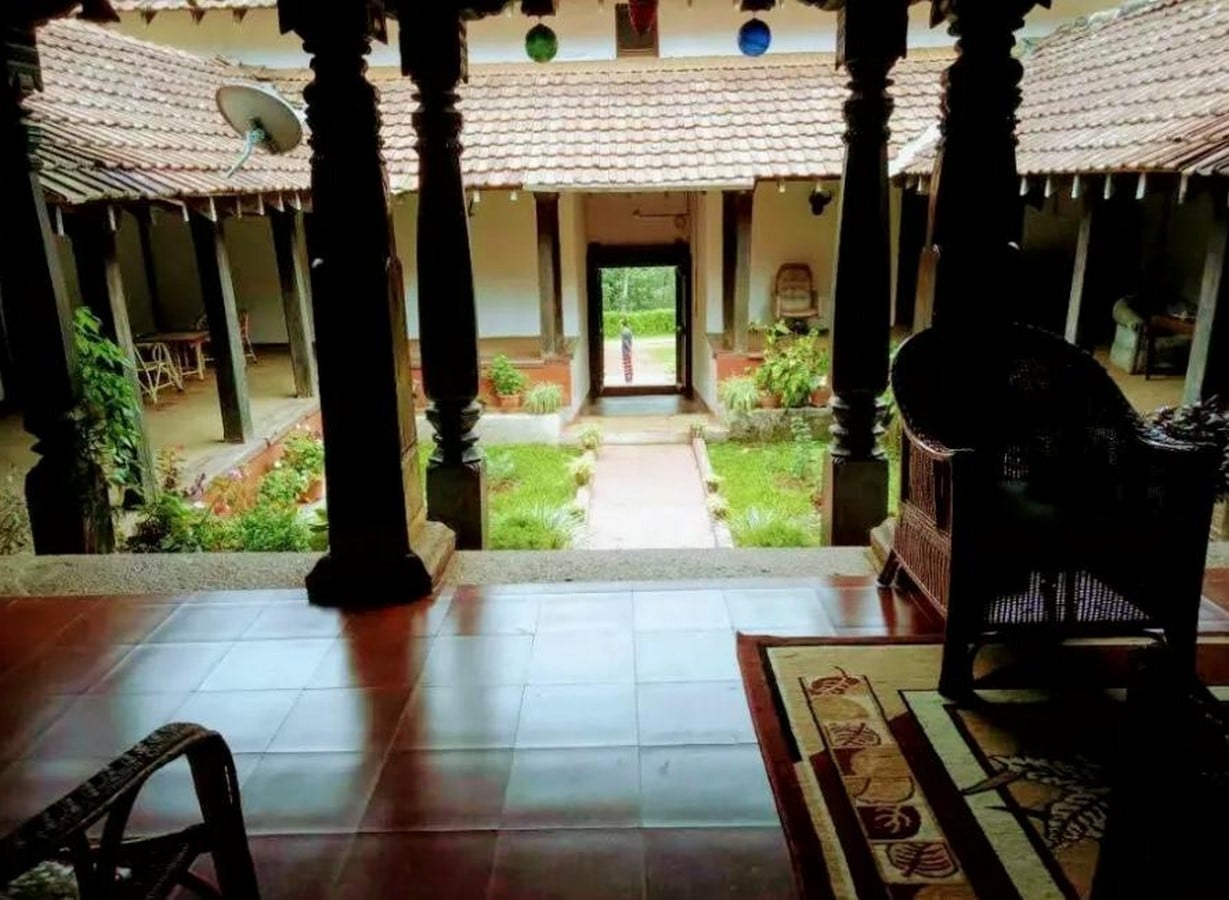
Climate-Responsive Design
The courtyard, a traditional architectural element found throughout India, stands out for its impressive environmental performance, particularly in response to the country’s diverse climatic conditions. Different courtyard typologies have evolved across various regions, yet they all share a common goal: to enhance thermal comfort and facilitate natural ventilation.
In hot, arid regions such as Rajasthan and Gujarat, courtyards serve as vital spaces for passive cooling. These open-air retreats create shaded microclimates, effectively moderating temperatures. The surrounding walls play a crucial role by trapping cooler air that settles during the night, while the open sky above allows heat to dissipate once the sun sets. Furthermore, the high walls and narrow openings characteristic of these courtyards minimize solar gain during the scorching daytime, providing a respite from the heat.
Another significant advantage of courtyards is their ability to enhance ventilation and airflow. Acting as natural ventilation shafts, they exploit the stack effect—where hot air rises and escapes, creating a vacuum that draws in cooler air from lower openings. This passive airflow mechanism is especially beneficial in humid coastal regions like Kerala, where the traditional nalukettu courtyards are designed to improve indoor air quality. By promoting effective ventilation, courtyards contribute to a more comfortable living environment while reducing reliance on mechanical cooling systems.
Light optimization is yet another strength of courtyard design. The open-to-sky layout allows natural daylight to penetrate deeply into interior spaces, significantly decreasing the need for artificial lighting during the day. Moreover, the quality of light changes throughout the day, offering a dynamic sensory experience that enhances the overall ambiance of the home. This interplay of light not only enriches the aesthetic appeal but also fosters a deeper connection with the natural world.
Rainwater management is also an integral aspect of courtyard architecture. In many regions, courtyards are equipped with central drains or water tanks designed to collect rainwater. This practice serves both functional and symbolic purposes, underscoring the courtyard’s role as a life-sustaining space. By harvesting rainwater, these architectural features contribute to sustainable living, promoting efficient resource management and environmental stewardship.
In summary, courtyards are more than mere aesthetic elements; they embody a deep understanding of environmental performance. Through their design, they ensure thermal comfort, enhance ventilation, optimize natural light, and facilitate effective rainwater management. As we continue to seek sustainable solutions in architecture, the enduring principles of courtyard design offer valuable insights into creating resilient and climate-responsive spaces.
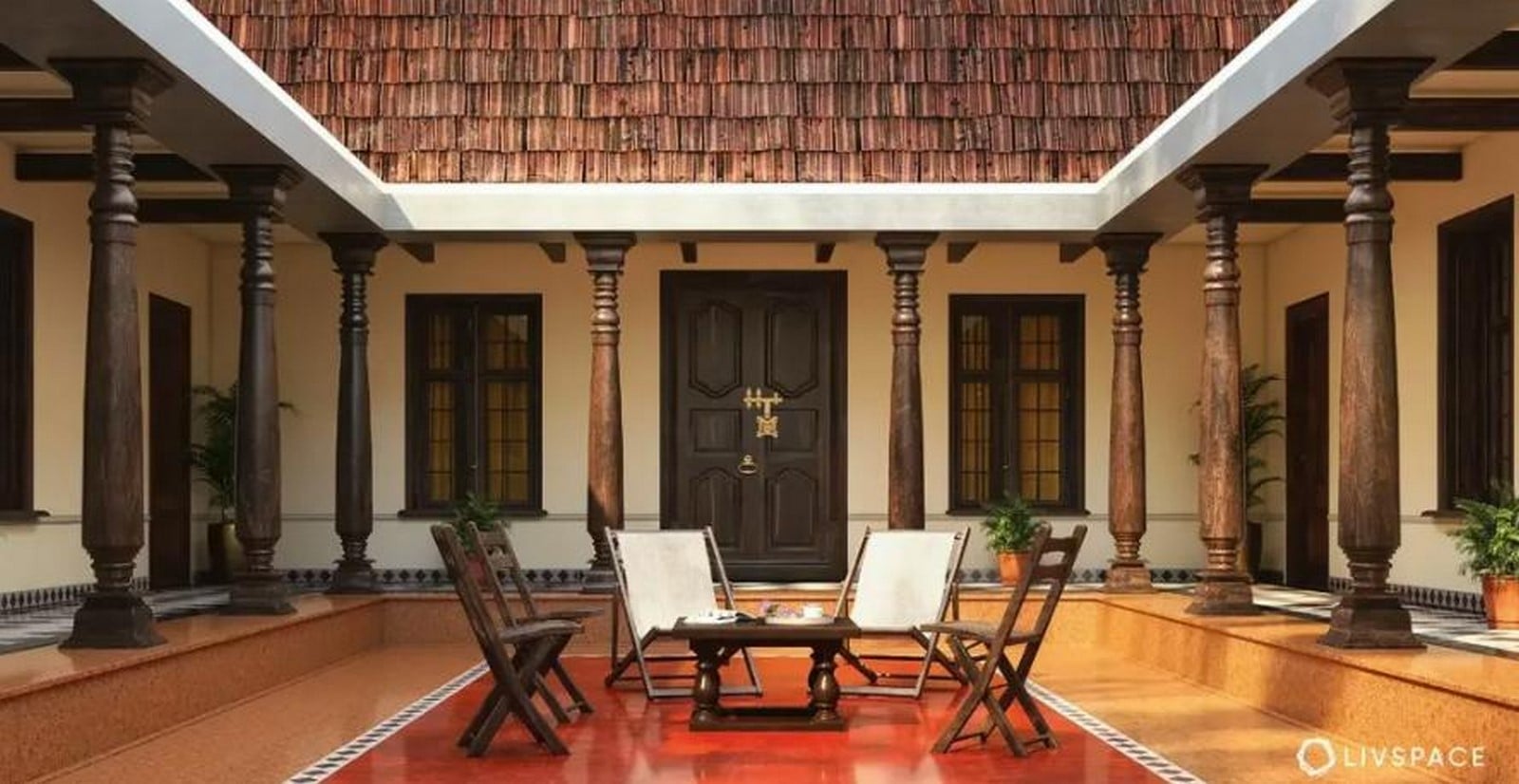
Decline in the Modern Era
The post-independence shift towards nuclear families, urban migration, and apartment living has led to the decline of traditional courtyard houses in cities. Rising land values, smaller plot sizes, and changing lifestyle aspirations have pushed residential design towards compact, vertical, and enclosed layouts. Many heritage courtyard houses have been subdivided, demolished, or repurposed, erasing not just an architectural form but a way of life tied to shared spaces and climatic wisdom.
Contemporary Reinterpretations
The resurgence of courtyards in modern architecture reflects a profound understanding of their potential to enhance sustainability and foster social connectivity within residential projects. In a world where urban density continues to rise, architects and designers are reimagining the courtyard as a pivotal feature that addresses both environmental and community needs.
One notable trend is the incorporation of communal courtyards in contemporary apartment complexes. These semi-public green spaces serve as vital hubs for community interaction, facilitating connections among residents in high-density environments. By breaking the barriers of isolation that often accompany city living, these courtyards create inviting atmospheres where neighbours can come together, promoting a sense of belonging and collaboration.
In the realm of luxury residences, modern villas are revolutionizing the courtyard concept through minimalist aesthetics and innovative designs. With the use of water features and extensive glass walls, these homes seamlessly blend indoor and outdoor spaces, allowing for an enriching living experience while ensuring privacy. This fusion of nature and modernity not only elevates the architectural language but also promotes a tranquil environment for residents.
Affordability and innovation are also key considerations in the contemporary housing landscape. Architects working on low-cost housing projects are exploring the benefits of small courtyards as a means to enhance natural light and ventilation within compact living units. The Aranya Housing Project, designed by Balkrishna Doshi, serves as an exemplary model, demonstrating how well-designed courtyards can enrich the quality of life for residents in economically viable formats.
Beyond urban settings, hybrid typologies are emerging in peri-urban and rural areas, where new homes creatively blend concrete construction with traditional courtyard designs. This approach not only respects cultural familiarity but also embraces modern lifestyles, allowing communities to thrive as they adapt to contemporary needs while maintaining their heritage.
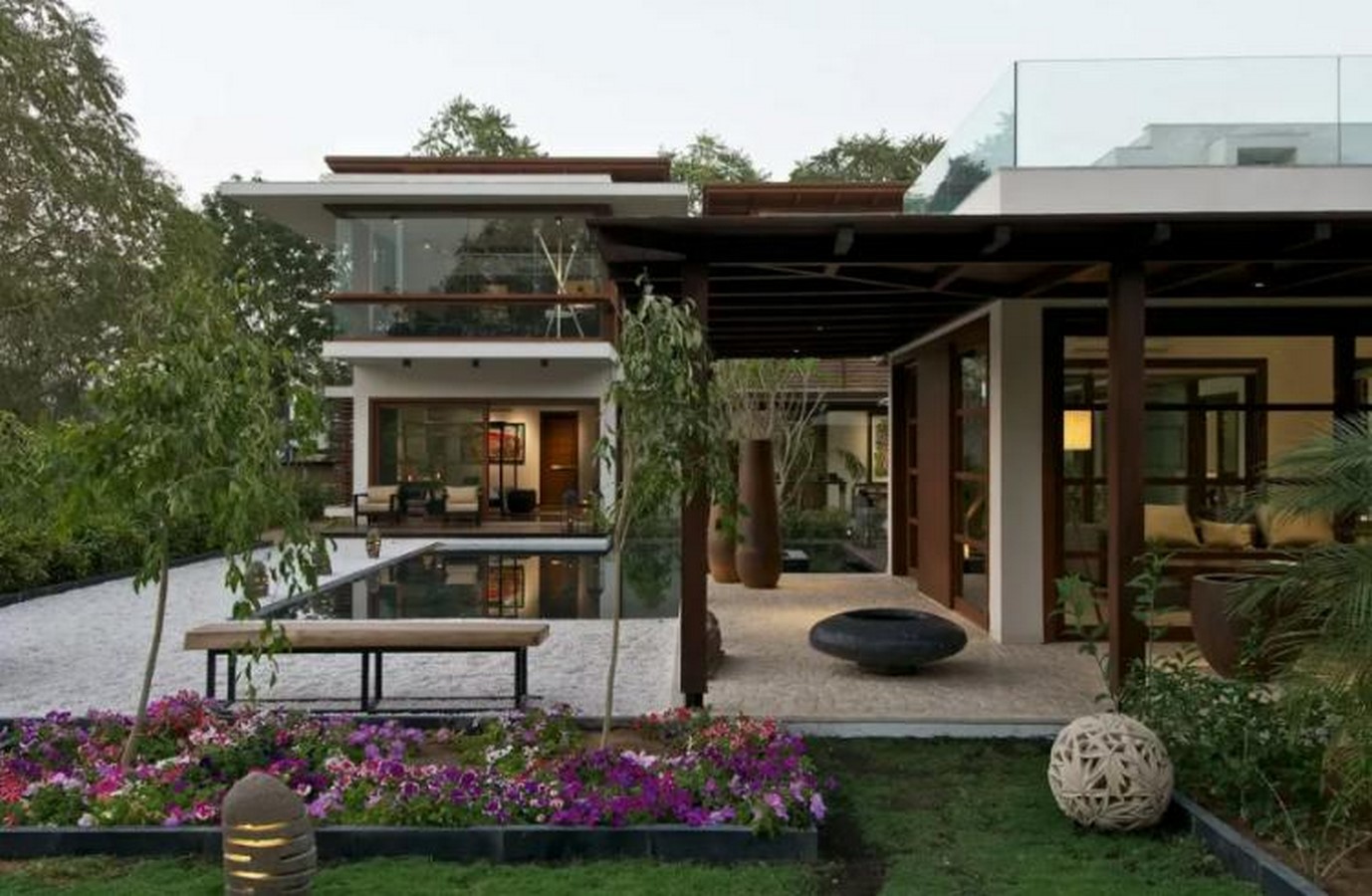
Furthermore, the integration of climate-responsive innovations in courtyard design is becoming increasingly prevalent. Architects are now pairing courtyards with sustainable technologies such as green roofs, solar panels, and rainwater harvesting systems, thus contributing to the broader goals of sustainability in modern housing. These strategies not only minimize the ecological footprint of residential developments but also enhance the liveability of urban spaces.
Case Studies
Several case studies exemplify the successful application of these concepts. The Pol Houses of Ahmedabad, a UNESCO World Heritage City, illustrate how dense urban living can coexist with privacy, community interaction, and climate responsiveness. Similarly, Laurie Baker’s residential projects in Kerala integrate small internal courtyards to optimize ventilation and light in low-cost homes, showcasing the potential of courtyards in even the most resource-constrained environments.
Studio Mumbai’s Palmyra House in Nandgaon reinterprets the courtyard typology using local materials and a minimalist aesthetic, demonstrating a modern adaptation that honours traditional values. Finally, the projects undertaken by Balkrishna Doshi’s Vastu Shilpa Foundation reveal the adaptability of courtyard designs for affordable and culturally sensitive housing, making a significant contribution to soul-nurturing living spaces.
In summary, the courtyard is reclaiming its role as a vital element in contemporary architecture. It offers solutions that not only address environmental challenges but also enhance social dynamics within residential communities. As architects and designers continue to innovate around this timeless feature, the courtyard stands out as a bridge between past traditions and future aspirations in sustainable and inclusive living.
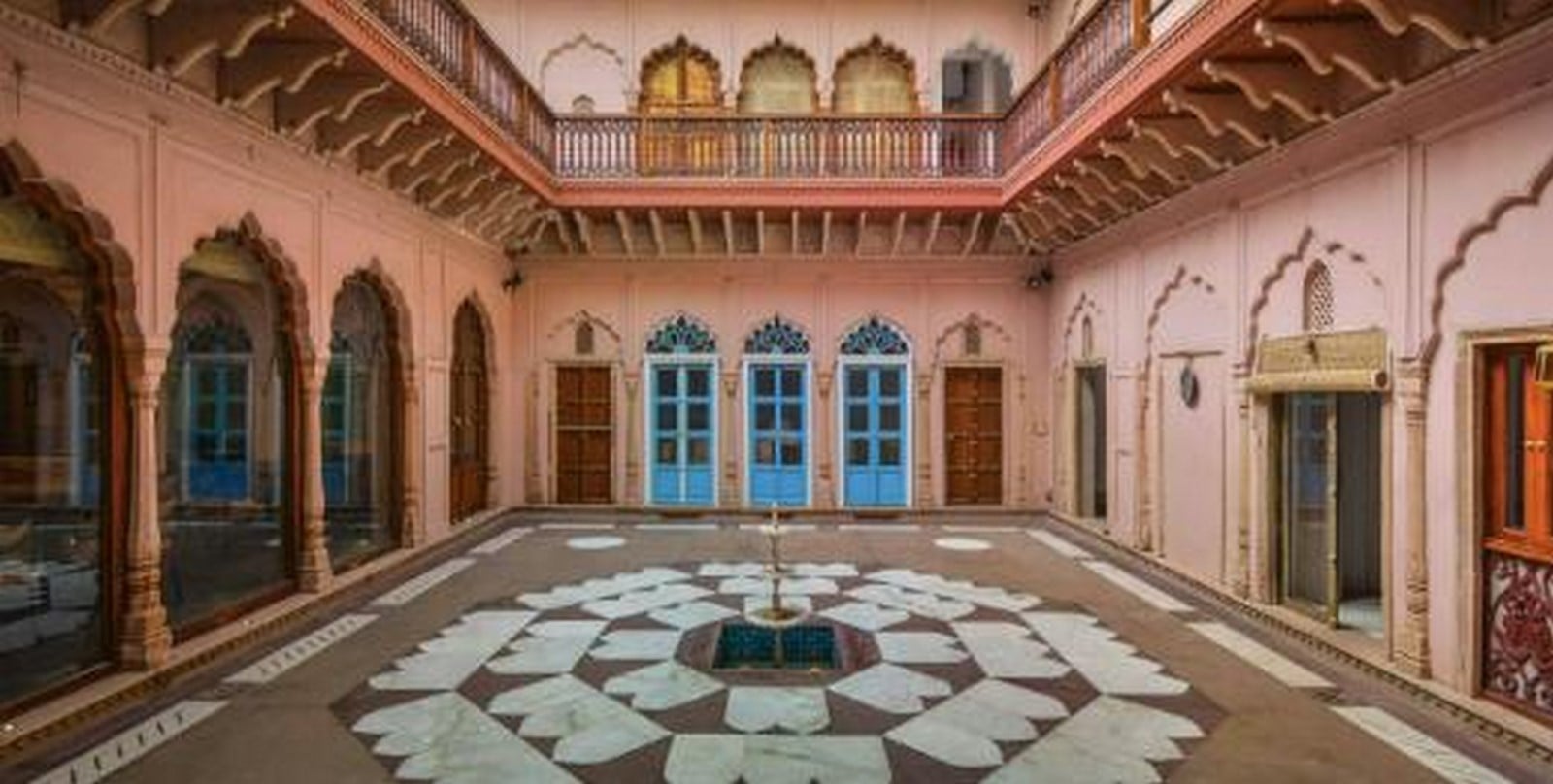
The courtyard house in India serves as more than just an architectural relic; it embodies a resilient model of climate-adapted and socially enriching design. This architectural form, deeply rooted in cultural traditions, has shown remarkable adaptability to contemporary needs, providing a blueprint for sustainable living in an increasingly warming and densely populated world.
As urbanization continues to pose significant challenges, architects, planners, and heritage advocates recognize the importance of the courtyard in its many regional and modern variations. The courtyard house stands as a powerful reminder that some of the most innovative solutions to our current problems can often be found within the wisdom of the past. It symbolizes a harmonious balance between environmental sustainability and community-focused living, reflecting the values and needs of its inhabitants.
Integrating the spatial intelligence inherent in traditional designs with modern technologies and materials is crucial. This synergy allows the courtyard house to remain relevant and influential in shaping Indian residential architecture today. Rather than serving as a nostalgic revival, it should be viewed as a living, evolving tradition that can adapt to the changing realities of urban life.
Thus, the courtyard house exemplifies a meaningful approach to residential design that honours the past while embracing the future. It encourages a sustainable lifestyle, promotes community interaction, and leverages traditional architectural insights to address contemporary challenges. In this way, the courtyard house not only preserves cultural heritage but also contributes significantly to the ongoing dialogue about how we can create better living environments in the face of global change.
References:
Pandya, Yatin (2022). Courtyard Houses of India. Mapin Publications. https://issuu.com/mapin/docs/courtyard_houses_of_india
Saikrishnaa, D. (2022). Complete Guide To Courtyard In Indian Homes. Indian Institute of Art and Design. https://www.iiad.edu.in/the-circle/the-journey-of-courtyard-in-indian-homes/
Image Sources:
- A Courtyard House _© Courtyard Houses of India by Yatin Pandya https://issuu.com/mapin/docs/courtyard_houses_of_india
- Courtyard at Saratha Vilas Chettinad Palace _© Complete Guide To Courtyard In Indian Homes by D. Saikrishnaa https://www.iiad.edu.in/the-circle/the-journey-of-courtyard-in-indian-homes/
- A Courtyard House at Thotti Mane _© Complete Guide To Courtyard In Indian Homes by D. Saikrishnaa https://www.iiad.edu.in/the-circle/the-journey-of-courtyard-in-indian-homes/
- A Reimagined Courtyard House in Chettinad _© Livspace https://www.livspace.com/in/magazine/lifestyle-design-chettinad-house
- A Contemporary Courtyard with a Zen Garden _© Complete Guide To Courtyard In Indian Homes by D. Saikrishnaa https://www.iiad.edu.in/the-circle/the-journey-of-courtyard-in-indian-homes/
- A Courtyard House at Chandni Chowk _© Yatra Blog https://www.yatrablog.com/why-haveli-dharampura-in-chandni-chowk-is-a-perfect-spot-for-a-staycation