Before Terming Sustainability
The words sustainable and animal aren’t 2 different entities; they are embedded. For animals, sustainability is not a moral framework, concept, or ideology that is an aftermath of exhausting Earth’s natural resources. It is inherently embedded with their natural survival system. They consume what is within their ecological limits to survive day to day. Evolution has led species to coexist in habitats, not to maximise profit or overexploit them. Humans, on the other hand, had to “invent” sustainability as a result of overexploiting nature’s resources faster than they can regenerate. Various species have been sustainable by nature. From ants to birds to larger mammals, the list is large.
Sustainable Tiny Masses
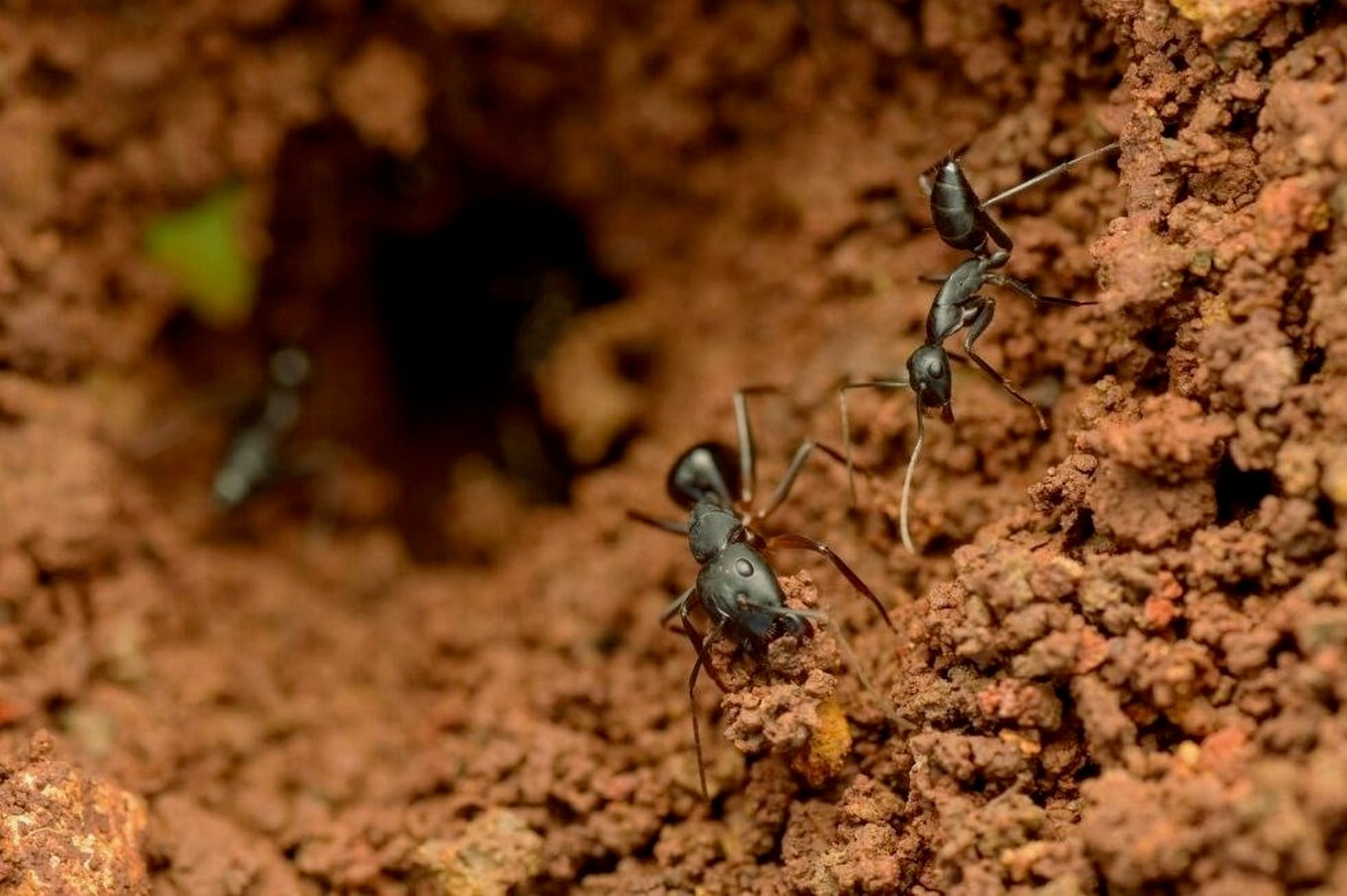
Ants, being one of the tiniest architects, are the species that maneuver or engineer environments to
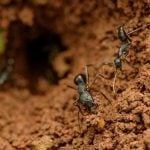
maintain balance. In terms of their functioning, they help keep soil fertile and aerated, and are also responsible for seed dispersion. They build colonies systematically, using soil, leaf, and larval silk to create near-zero-waste systems. They build highly functional structures from subterranean labyrinths to mounds to leaf balls, each having its own method of construction by the specific species of ants. They are nature’s social insects, highly organised, with each member of a colony having a specific role to play while building nests that last decades and control microclimates. Scientists at Caltech stated that ants engage in their colonies, and these colonies work together like a superorganism to apply the laws of physics by building everything from deep tunnel networks underground to beautifully stitched nests in trees. A species that builds through changes in its environment rather than following a copy-paste blueprint.
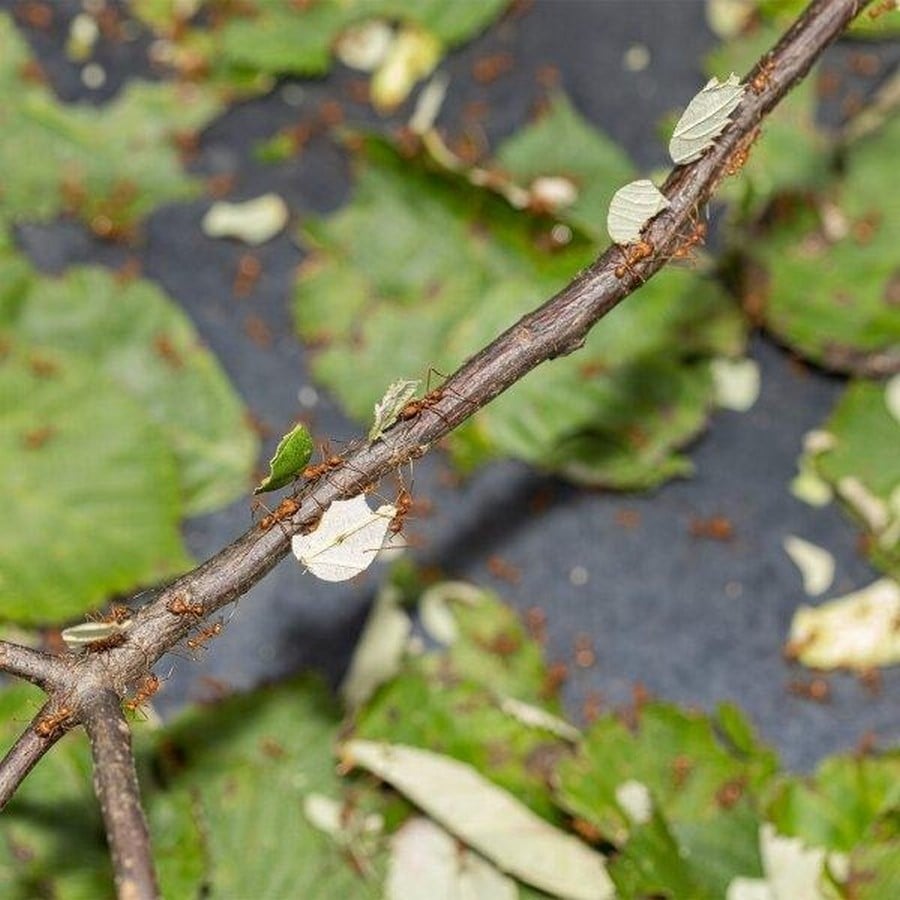
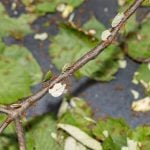
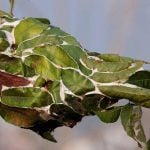
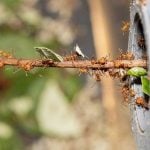
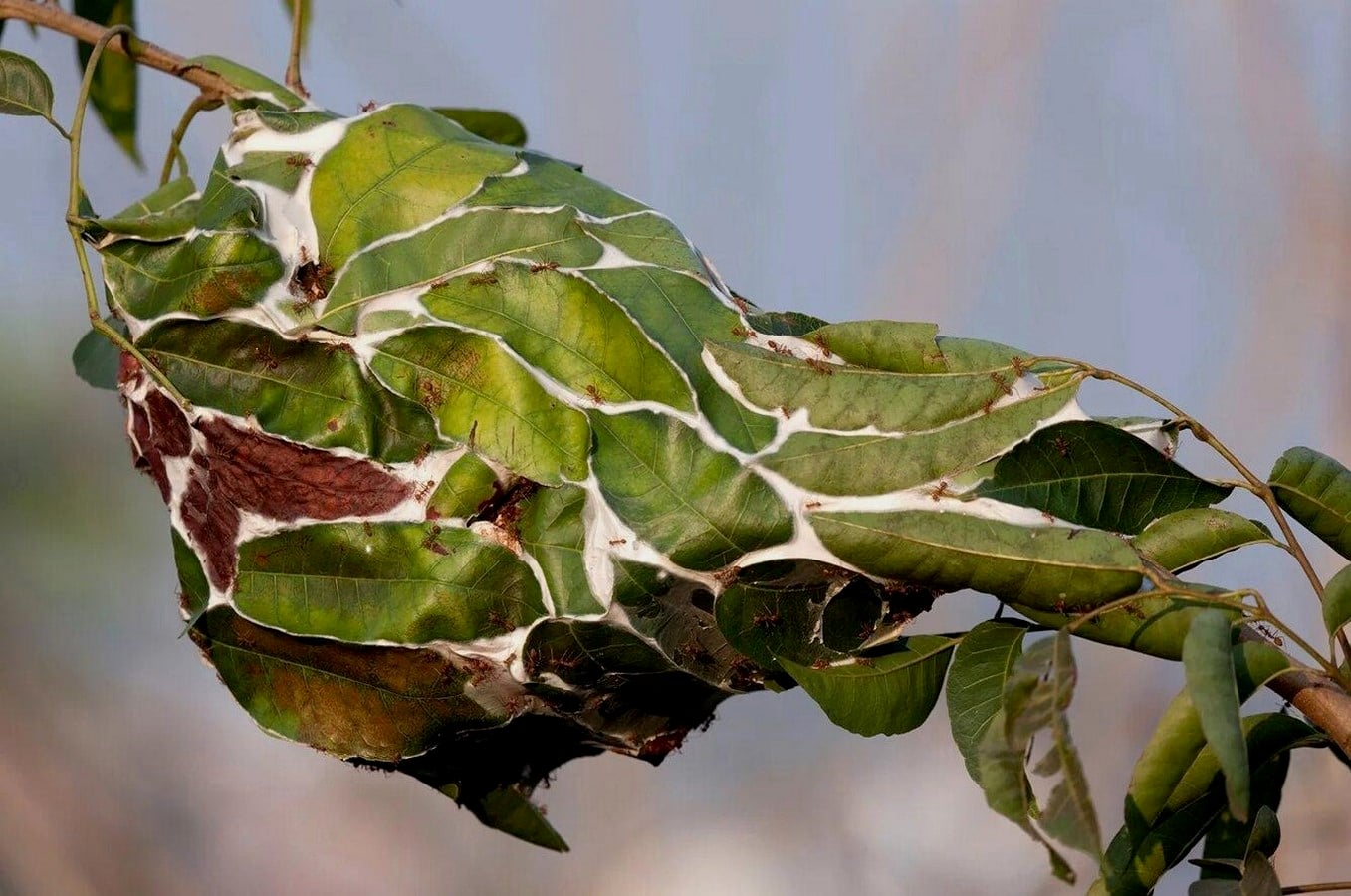
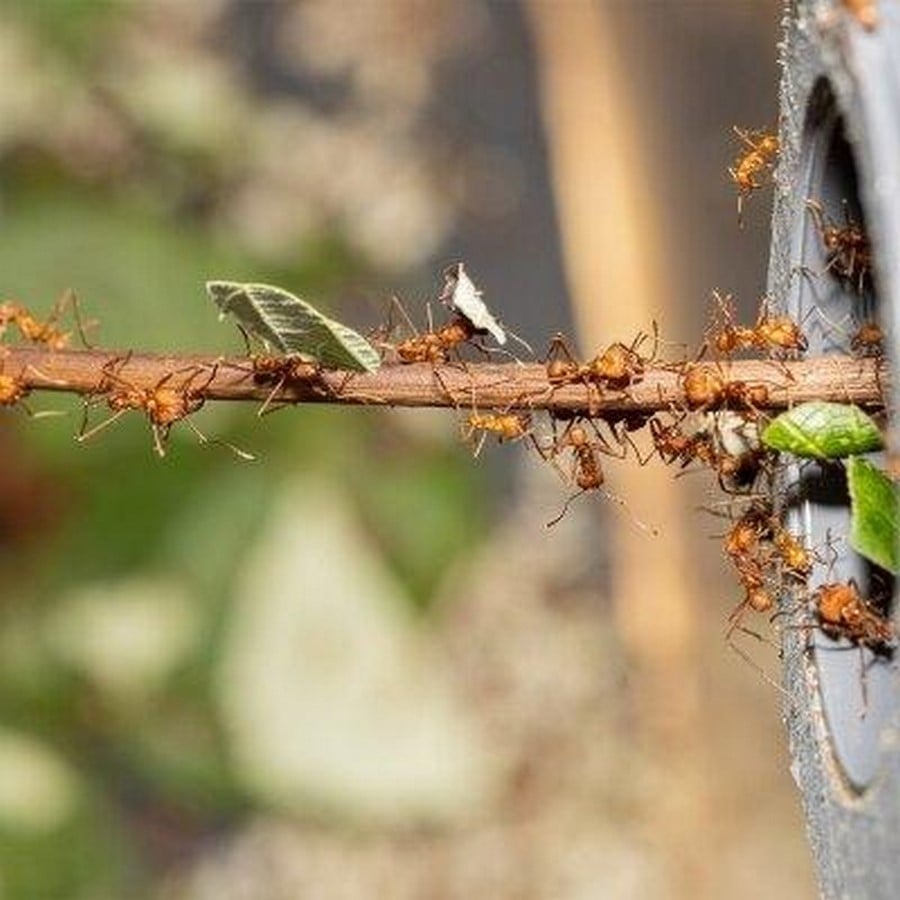
The leaf cutter ants shape landscapes by being the dominant herbivore in tropical forests. They take leaves from trees to build their nests with them to cultivate a specific fungus that behaves as their food source. This cutting of leaves from trees may seem destructive but is actually helping new species to grow on the forest floor beneath the canopies, while their waste helps enrich the soil. Their complex system of communication and construction is what makes them thrive in various habitats. Unlike ground-dwelling ants, the weaver ants dwell in tree canopies, constructing nests by weaving living leaves that photosynthesise, grow, and provide oxygen while behaving as walls. The relationship between the ants and the trees that they inhabit becomes symbiotic, where ants kill harmful pests that affect the trees while the leaves of the trees act as their nests.
A lot of species tend to build in teams, whether it be from ants to termites to honeybees creating intricate nests with natural waste or self-produced larvae, showcasing that beauty can be created through tiny masses and doesn’t wholly depend on a “star ant” of the colony.
Sustainable Beaks and Paws
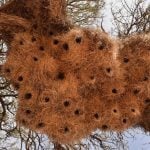
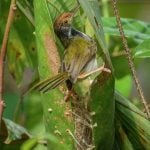
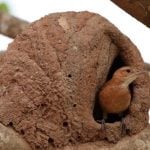
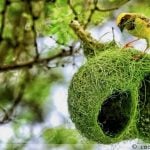
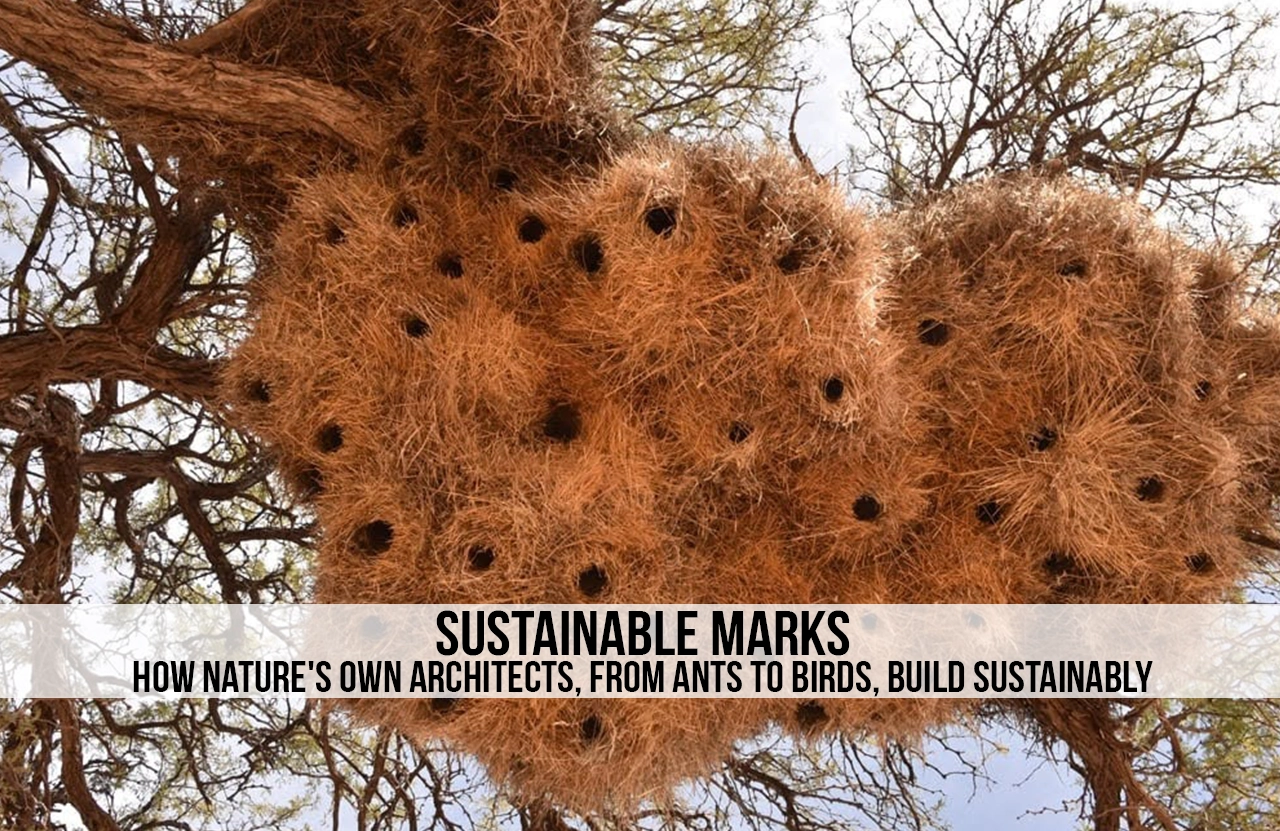
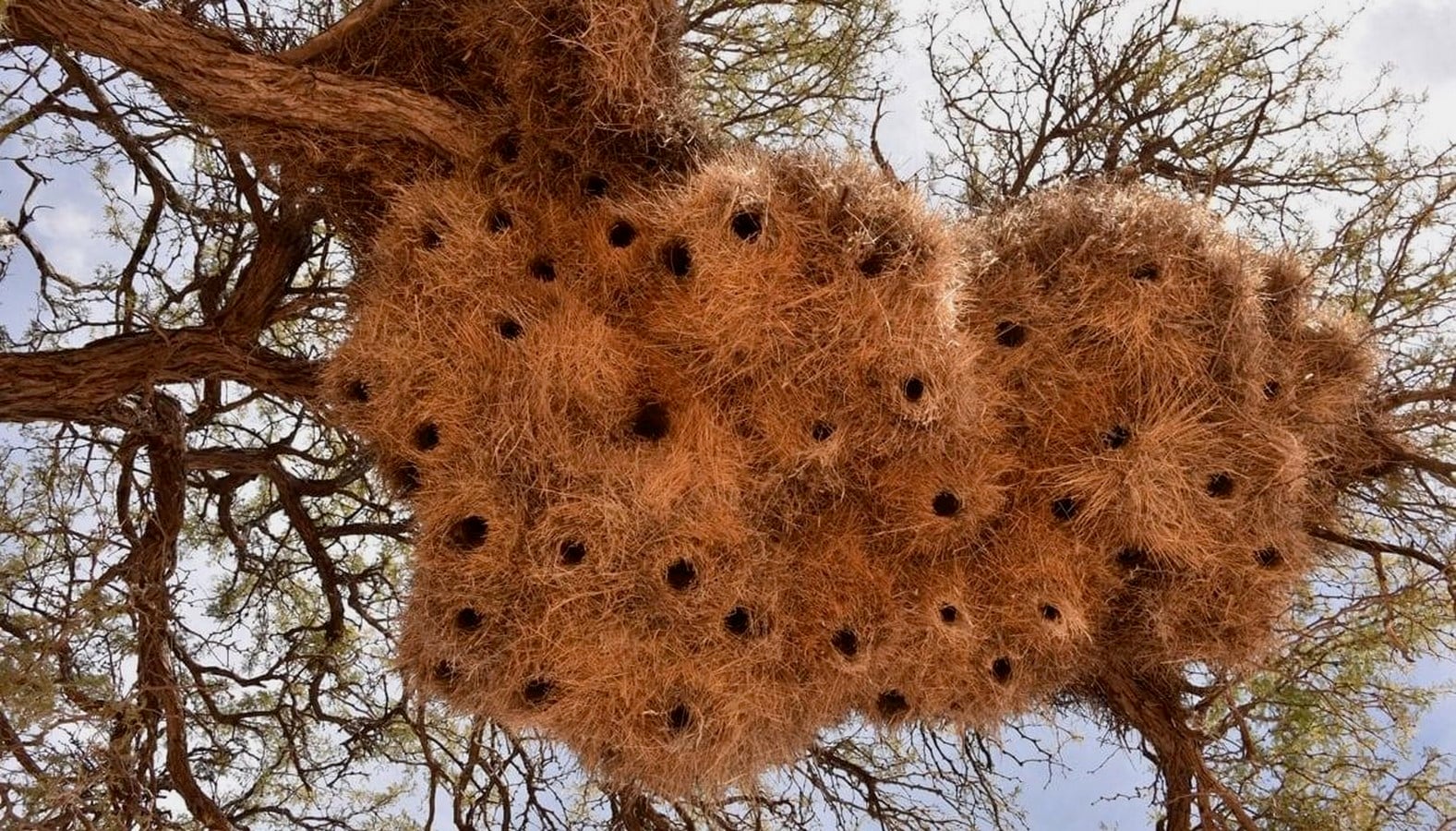
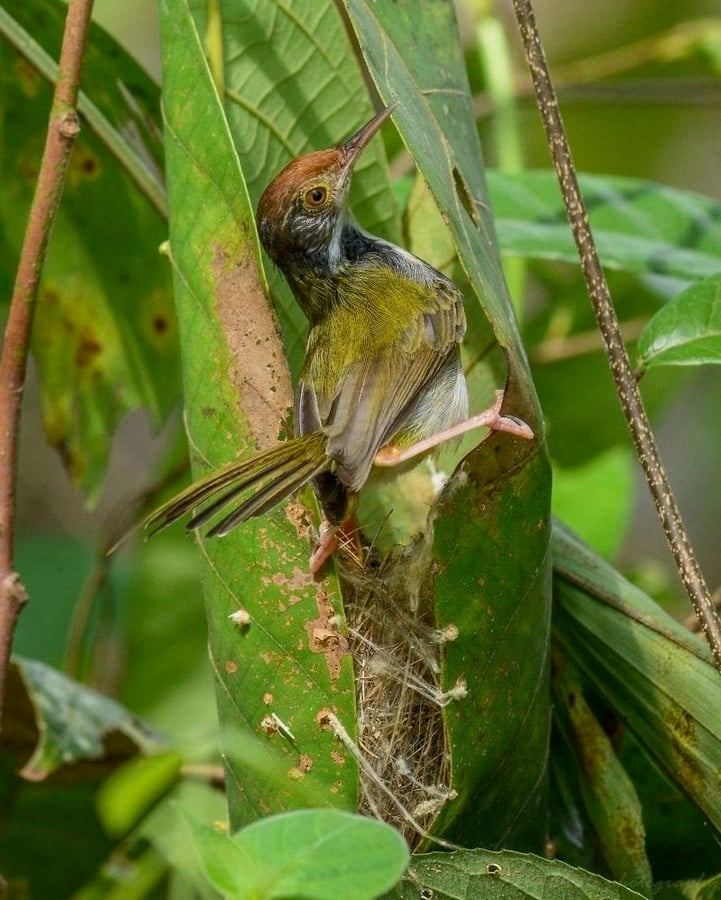
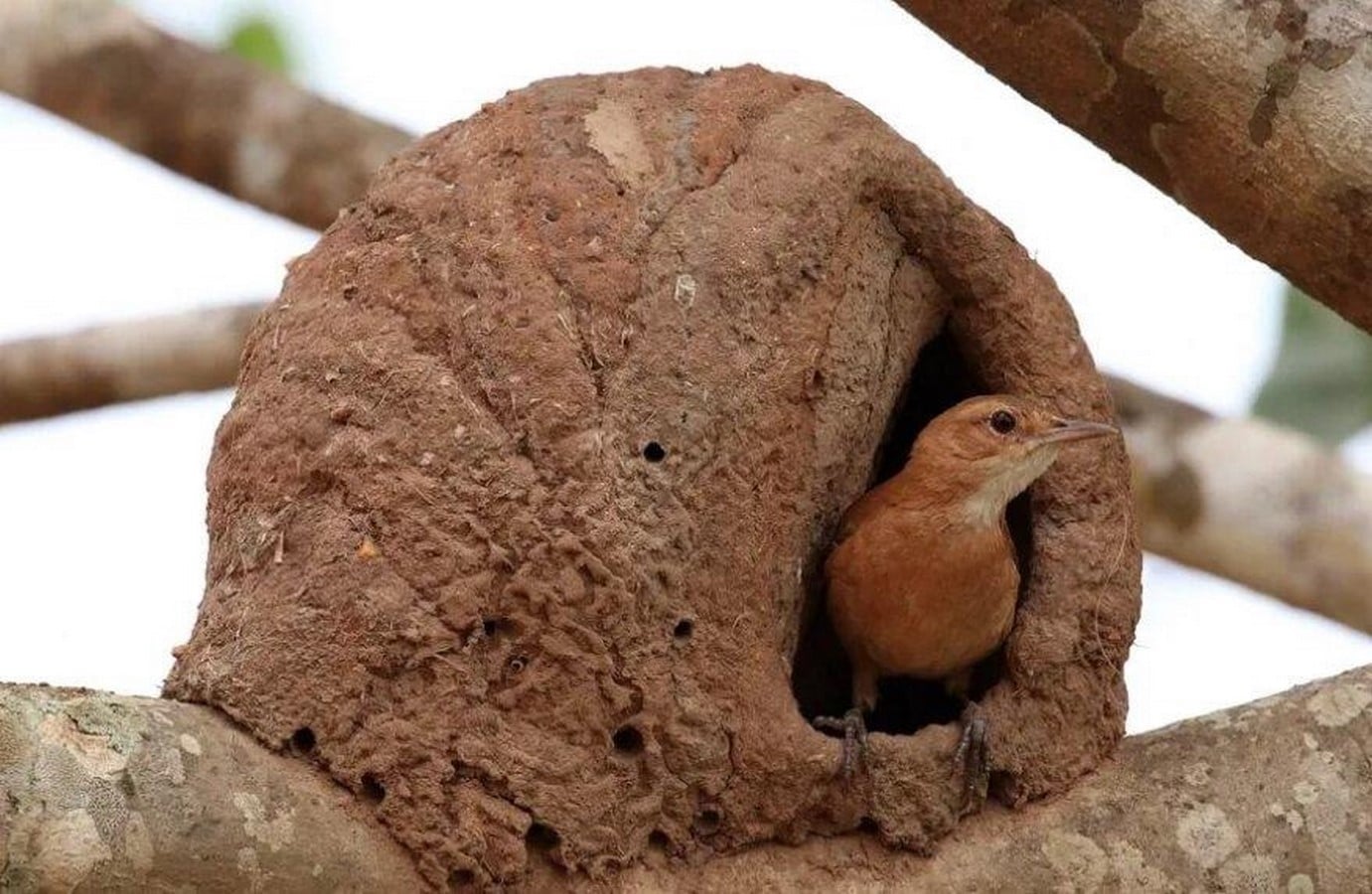
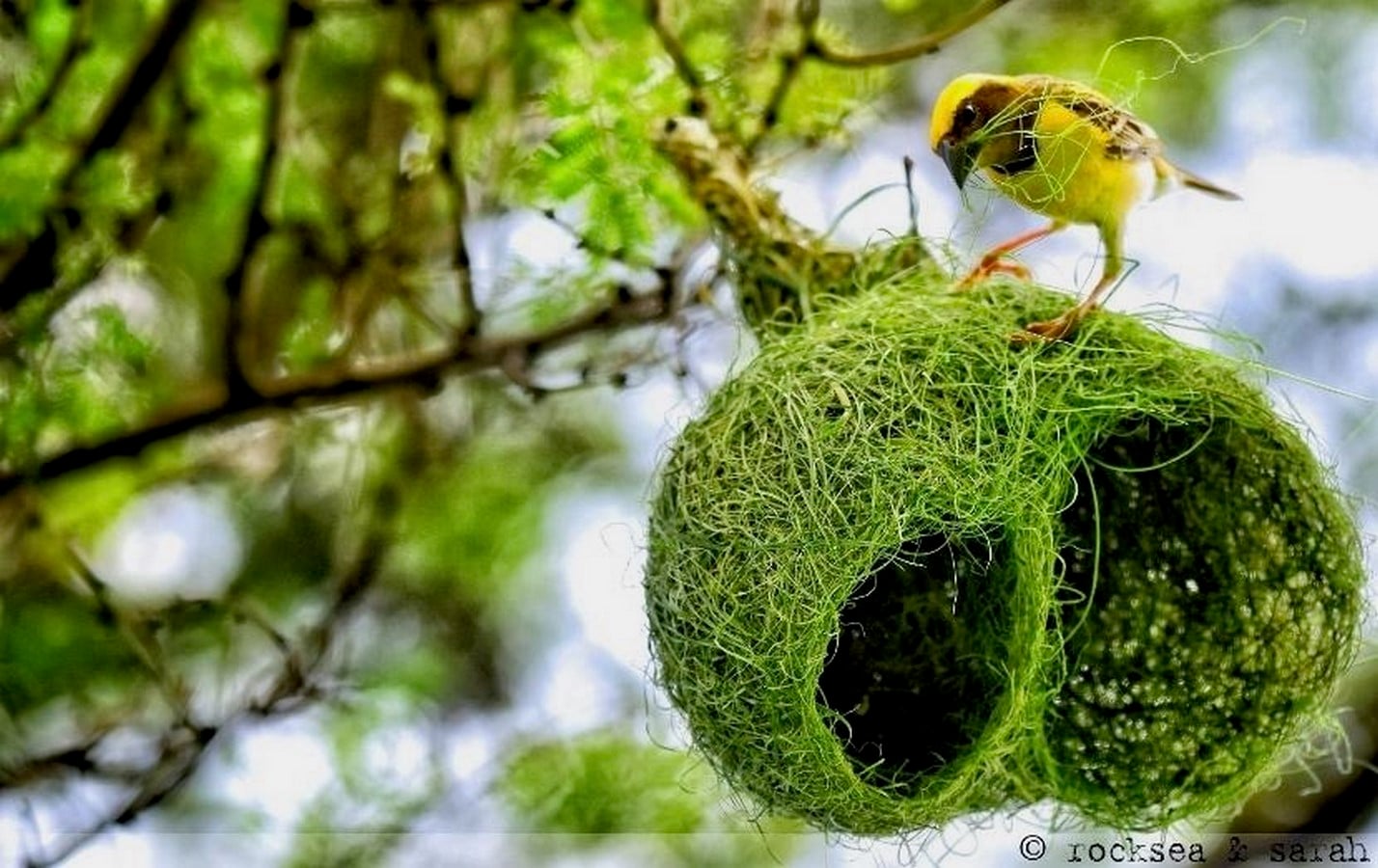
While nature’s tiniest architects work in numbers from the ground up to create their nesting colonies, birds tend to build both solo and in teams by gathering materials from various sources. Some social weavers build communal nests with twigs, grass, and straw. Their outer nests stay cool, while internal nests stay warm, following a passive solar design that even humans incorporate in their housing projects. Tailor birds, in a way, are similar to weaver ants; they use large leaf-growing plants and weave them together while staying camouflaged, and the leaves grow along with the plants, creating zero waste. Oven birds and Baya birds use the climate to help build their nest. While one uses mud, clay, and straw to shape nests that get baked through solar energy to create durable nests, the other uses fresh grass to weave helmet-shaped nests that sway with the winds during monsoons to ensure the nest stays intact.
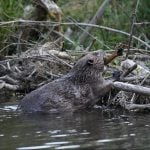
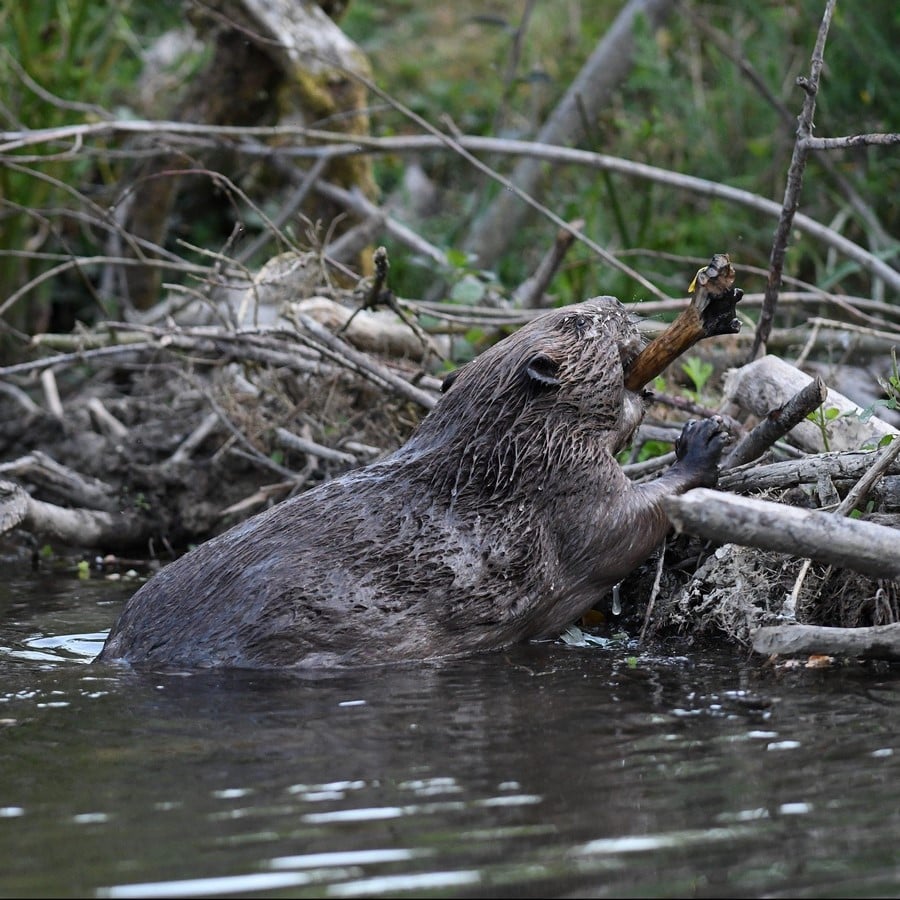
Beavers, on the other hand, are engineers who restore wetlands, boost biodiversity, and filter water through their dams. Dams, ponds, and landscapes are built from wood and mud within their contexts, which also become shelter for other species. Their hydraulic structures actually increase the biodiversity of insects, fish, and small mammals. A species whose presence actually invites diverse species into the area. Nature’s architects that build and naturally create a sustainable habitat for a larger community of species.
Most Sustainable Animal
Animals build within their context and environment limits. Humans, on the other hand, can displace, alter, or politically negotiate these limits. Hence the need to certify certain buildings as sustainable, something that should be inherent but becomes an extra credit to earn in design.
This is not to disregard some of the amazing technologies and architectural interventions humans have come up with that support biodiversity and help in ecological restoration. But ironically, the species that exploited natural resources on the planet and invented the word sustainability seem to be the ones that need it the most. To rephrase Orwell-
“All built things are sustainable. But some more sustainable than others”
If the smallest architects can build in negotiation with their environment and climate, why does the species that calls itself the most intelligent species require laws, green ratings, incentives, and crises to be reminded that it is a part of the environment as well?
REFERENCES:
- (2024) How ants build their homes: Nature’s tiny architects. Available at: https://www.cascadepest.com/how-ants-build-their-homes-natures-tiny-architects/ (Accessed: 26 July 2026).
- (2022) Nature of Australia: Ants and the ecosystem – ABC education. Available at: https://www.abc.net.au/education/nature-of-australia-ants-and-the-ecosystem/13909784 (Accessed: 26 July 2026).
- (2025) Ants Nature’s Tiny Architects. Available at: https://www.youtube.com/watch?v=FQfjmTLHCOs (Accessed: 26 July 2026)
- Mouhamed, A. (2026) Beavers: Masters of biodiversity and nature-based solutions., If Humans Learned from Beavers, Masters of Biodiversity. Available at: https://ecobnb.com/blog/2026/03/beavers-biodiversity-ecosystem/ (Accessed: 26 July 2026).
- (2025a). Bugs, Buzz and Beyond. July. Available at: https://www.youtube.com/watch?v=Ix7LCwhDybA (Accessed: 26 July 2026).
- (2024) Nature’s architects – how bird nests inspire architecture – part three. Available at: https://lyferbrand.com/blogs/avian-journals-birding-lifestyle-blog/natures-architects-part-three-bird-nest-architecture (Accessed: 26 July 2026).