I picked up this book, My Friends by Fredrick Backman and it immediately drew my attention – not the story but the cover. Something about quiet belonging made me pause and think how an illustration on a cover page can change the whole perspective of a moment. That moment reminded me how we relate with designs or illustrations with spaces. This cover page reminded the design we often overlook: City pool
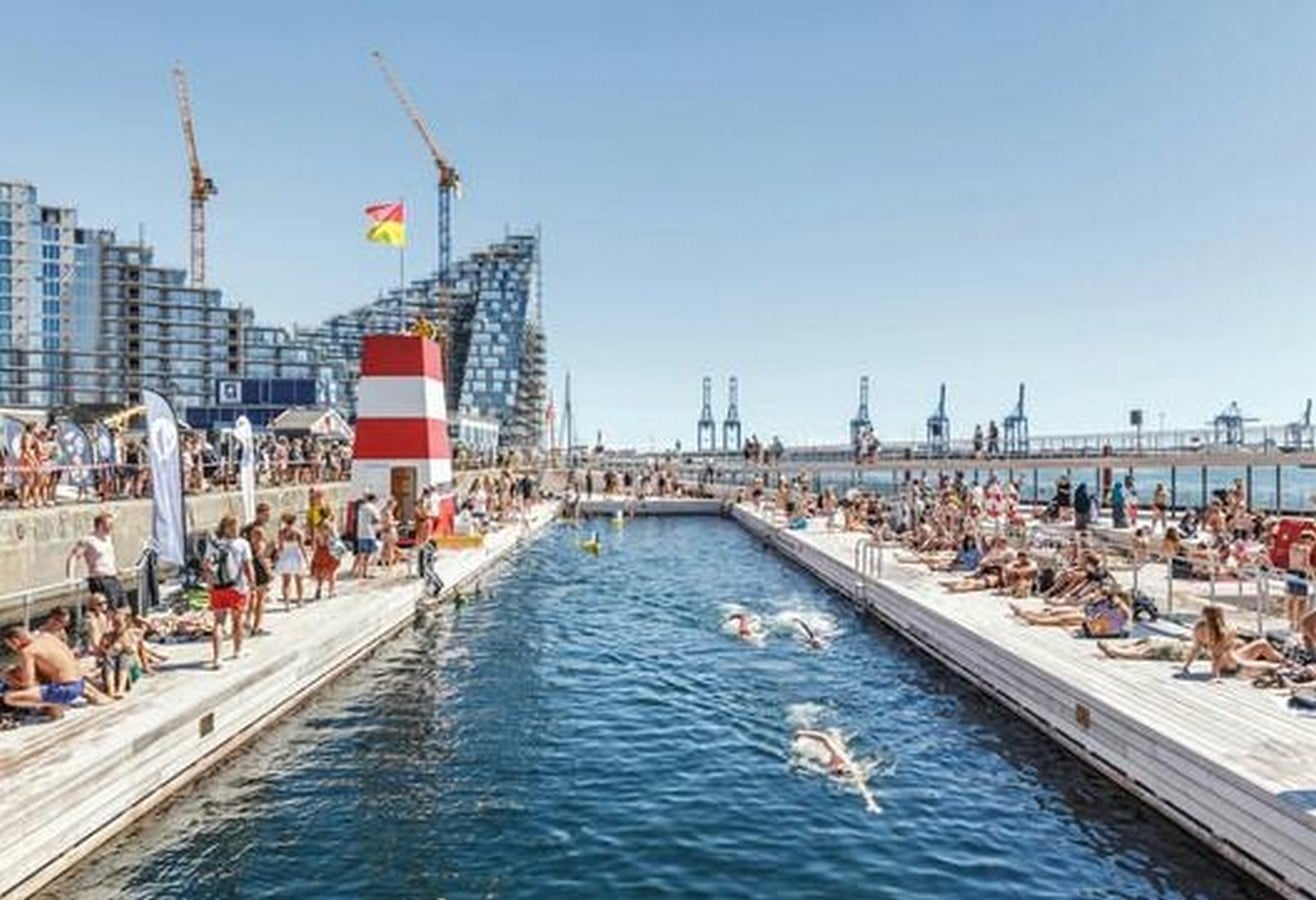
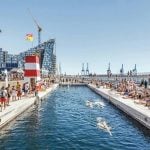
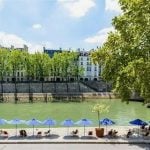
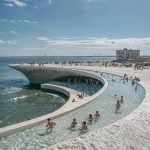
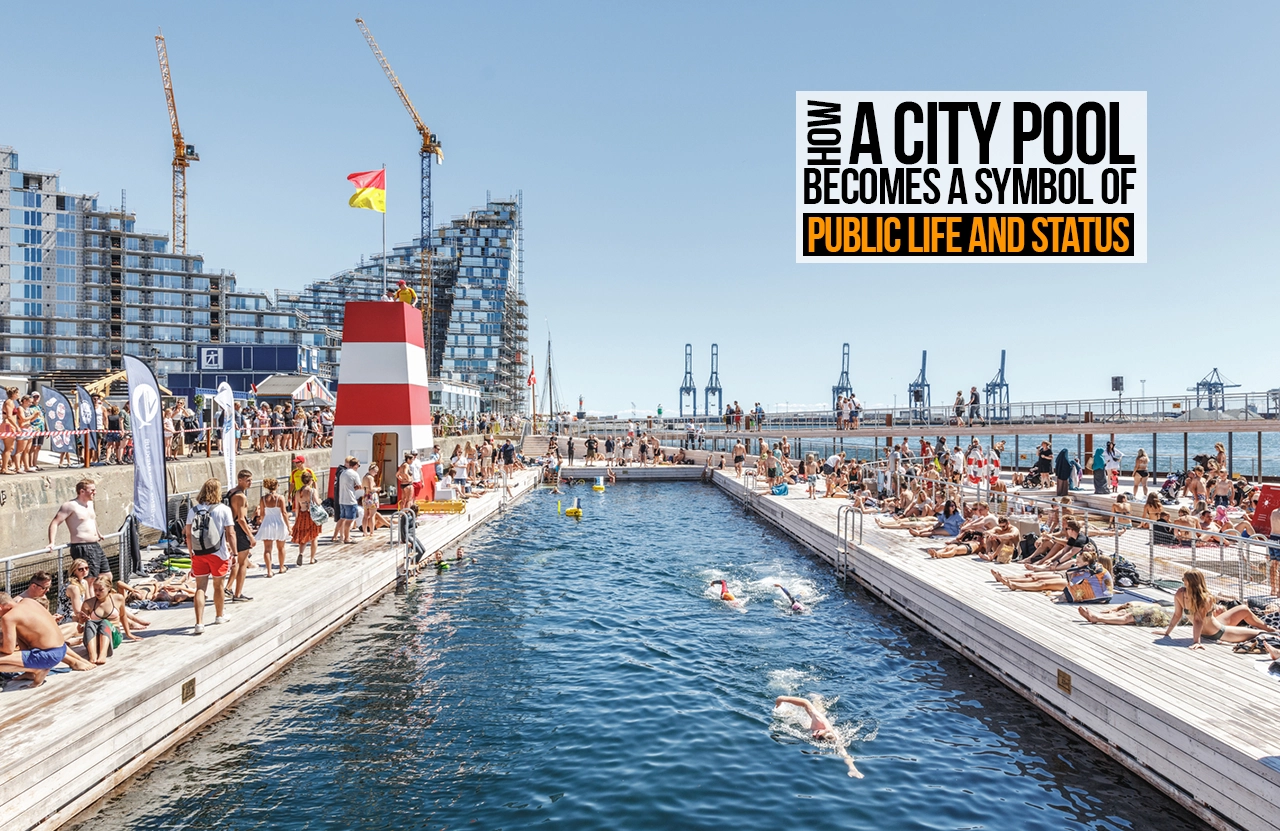
Public Pools are more than just the summer hangouts. They are lifesaving community hubs that turns an idle concrete to public health spaces to chat and socialize. As social spaces, public baths and pools become an epicentre of heightened social experience, fostering connections and bringing a new element to dense urban environments. Swimming and bathing represent a primordial, sensorial experience. In addition to the health benefits, the act of floating in space creates a break from everyday life and its constraints. Model conduct of society transforms into social nudity losing their status markers. But this has been a disputed conversation of table for its gentrification, racial segregation and surveillance.
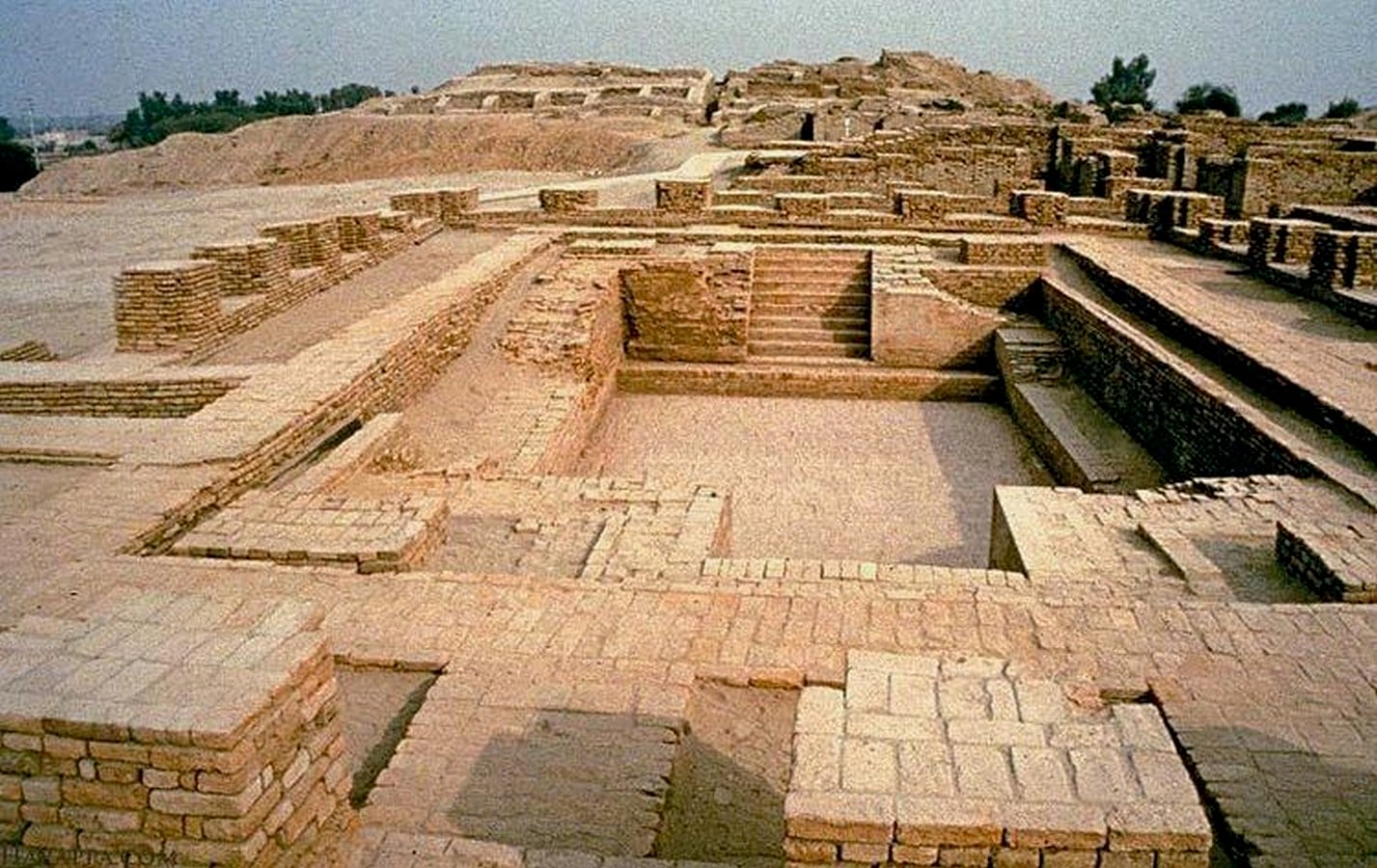
As a typology present since the ancient times, history of pools had been linked with evolution of cities. The earliest known pool dates back 5000 years was Mohenjo Daro – present day Pakistan, constructed in the form of brick tank. Across antiquity, various artificial water basins were often constructed for religious purposes. The Romans, however transformed them into secular institutions- promoting public health, hygiene, and social unity.
Centuries later, when New York built Pennsylvania Station as a grand gateway to the city and a tribute to modern transportation, its designers looked back to the Baths of Caracalla for inspiration. But what really made those ancient baths special wasn’t just the architecture but the social life inside. Anyone could go, men and women alike, and beyond the saunas, massages, gyms, and even food and drinks, the real draw was the chance to mingle. It was the place to meet people, catch up and simply part of the scene.
Officially, public pools were not segregated. However recurring conflicts and anxieties led to a separation based on ethnicity. Over time, even with the challenges many immigrants faced trying to make use of them, public pools grew into vital spots for working – class communities. They weren’t just places to swim – they became gathering grounds that carried all the same energy and purpose as other public spaces in the city, enhancing leisure, offering connections, and a sense of belonging.
Pools since then have been transformed hugely with increasing norms and standards of society. Since swimming is a low impact form of sport, it encourages people from every community, caste with different status and backgrounds to engage in meaningful sport and conversations.
Moreover, talking about health benefits: it improves cardiovascular health, muscle strength and endurance. Having a community nearby encourages people to be physically active, which reduces the risk of chronic diseases such as obesity, diabetes, and heart diseases. Regular swimming also promotes mental health by reducing stress and anxiety. Thus, improving mood and cognitive function.
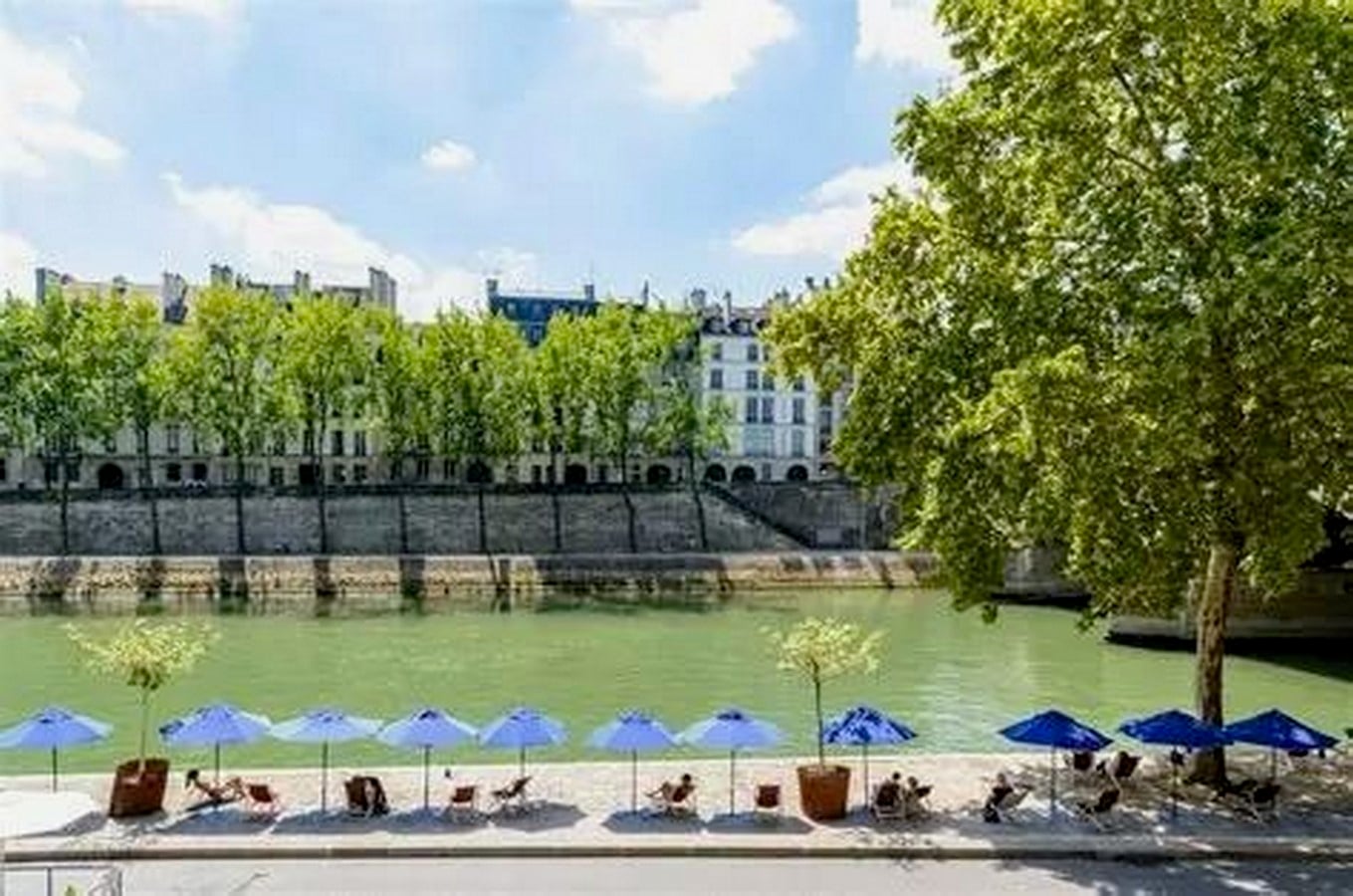
It further promotes exclusivity with communal harmony. As symbols of luxury, they are often designed to dazzle with opulent materials, dramatic settings, or sheer scale. From Roman baths to infinity pools perched atop skyscrapers, water has been staged as spectacle, a shimmering surface that reflects wealth and leisure. At the same time, pools are cultural icons: civic swimming complexes that foster community, Olympic arenas that host collective pride, or artistic depictions that capture desire, nostalgia and social critique. They are the spaces where luxury and exclusion and shared memory and identity goes along simultaneously. In this way pools are not merely recreational structures but layered cultural artifacts, reflecting how societies imagine leisure, belonging and status.
In contrast to leisure, pools also reveals the politics of city planning and public space. The way a city is designed narrates a story of how resources are directed. Public pools, when equitably planned, become democratic spaces, where diverse groups share the same water, dissolving social boundaries and fostering inclusivity. Yet in many cities, pools are unevenly distributed, largely concentrated in affluent neighbourhoods or privatized through clubs and gated communities leaving the rest with limited resources. This disparity exposes the politics of public space enforcing segregation among communities and embodies privilege for some. Hence pools become a political statement about how cities imagine community, belonging and the right to leisure.
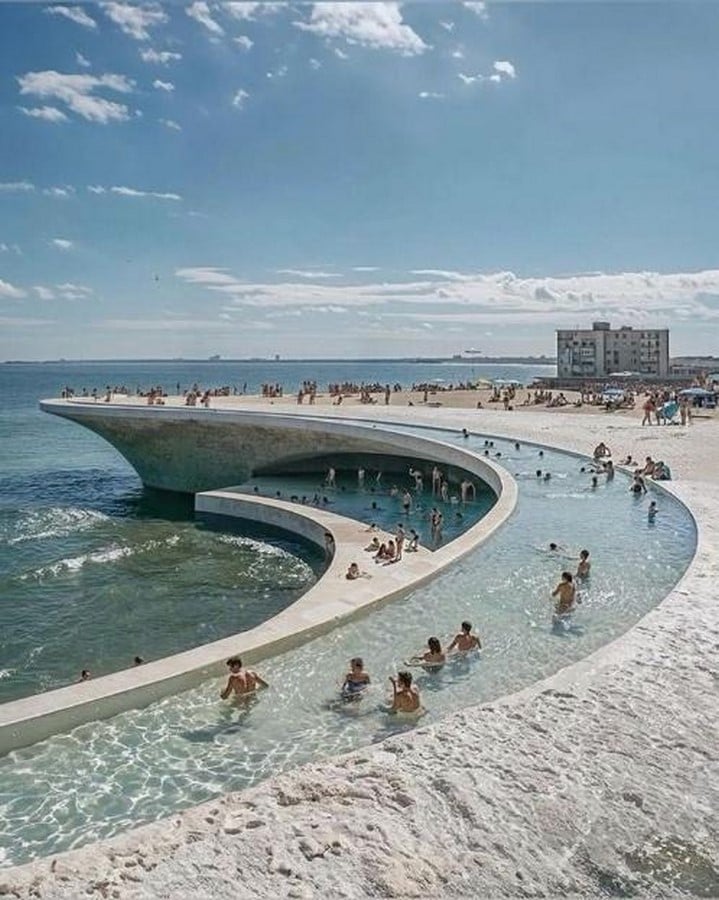
Hence, pools embody a striking paradox among society. As civic commons, they hold the promise of inclusivity where humans meet without hierarchy, where water becomes a shared right rather than a privilege. They remind us that public spaces is never neutral; it is always contested, always revealing the values of society chooses to uphold.