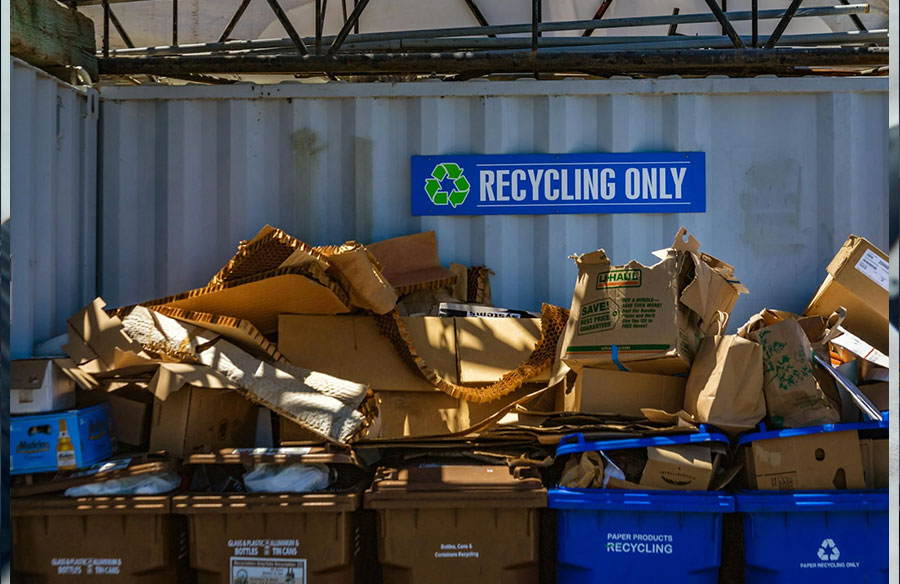
Going zero-waste sounds like a perfect goal—no trash, no clutter, full sustainability. As consumer awareness rises and regulatory pressures grow, it’s not uncommon to see businesses battling to reach zero-waste operations. The catch? It’s not as easy or clean-cut as it seems, especially when juggling daily operational demands and compliance.
Any construction site and production facility manager, or just someone overhauling office waste protocols, knows zero-waste goals come with a “but.” To achieve zero-waste, apart from sorting recyclables and switching to paper straws, you need strategic partnerships, accurate forecasting, and often, professional outsourcing.
What Zero-Waste Actually Means (And Doesn’t Mean)
Zero-waste doesn’t equal no trash—it means minimizing landfill contributions by diverting as much waste as possible to recycling, reuse, or composting.
For companies, this is auditing supply chains, redesigning product packaging, and introducing closed-loop systems. The goal? Less reliance on virgin materials.
Defining “Zero-Waste” in Practical Terms
The Zero Waste International Alliance defines zero-waste as the conservation of resources by means of responsible production, consumption, reuse, and recovery of all products, packaging, and materials.
In practice, hitting a 90% diversion rate is already considered a strong zero-waste benchmark. Achieving even this benchmark requires consistent monitoring and clear processes.
Myths That Skew Your Expectations
Many assume going zero-waste means you’ll never need a dumpster again. That’s not true. There will always be non-recyclable materials or contaminated waste that needs safe disposal. The goal isn’t perfection—it’s reduction. Believing the myth of total elimination sets you up for frustration and unrealistic expectations.
Why Most Businesses Fail at It
Lack of planning, poor training, and ignoring data are the usual culprits. Without tracking what’s being wasted and why, it’s nearly impossible to improve. Many companies also underestimate the role of professional help in designing workable waste management systems. Real success involves combining internal efforts with external expertise and systems built for scale.
Identifying What You Can Actually Control
Some waste streams are within your influence; others are dictated by suppliers, regulations, or product design. Recognizing what’s in your power helps you set realistic goals. You don’t need to overhaul everything overnight—start with what you can change today.
Assessing Your Internal Waste Sources
Start with a waste audit. Look at what types of waste your business produces most. Whether it’s packaging, food scraps, or construction debris, mapping this out helps you prioritize changes that make the biggest impact. Include seasonal fluctuations and production peaks in your audit to get an accurate picture.
Choosing Materials That Are Easier to Manage
Making the switch to recyclable or compostable materials is beneficial. Steer clear of mixed items that complicate sorting procedures, dark plastics, and multilayered containers—better diversion rates are achieved with simpler materials. Additionally, collaborate with vendors who are willing to modify packaging and provide environmentally appropriate substitutes.
Where Outsourcing Waste Services Fits In
When dealing with recurring trash collection, outsourcing reliable waste services offers consistency and accountability. Working with a provider who specializes in zero-waste solutions can give you access to recycling hubs, compost facilities, and logistics tools you wouldn’t manage efficiently on your own. Plus, you reduce internal burden and avoid compliance risks tied to improper disposal.
The Role of Professional Waste Management Partners
Outsourcing entails partnering with professionals who already have the infrastructure in place to handle your garbage more effectively, not relinquishing control. They provide knowledge, tools, and expertise that you might not have on staff.
Choose a provider who can report trash diversion data, has experience in your industry, and has a history of using sustainable disposal methods. Adaptability and transparency are essential. Enquire if they provide advice on adhering to regional green building or zero-waste certifications.
Benefits Beyond Just Trash Removal
You get strategic input, compliance assistance, and insights into how your waste goals align with ESG initiatives. A strong partner helps you go beyond waste removal and into true waste optimization. They may even identify secondary revenue opportunities, like reselling reusable materials or participating in recycling credits.
Here are some benefits of outsourcing waste management:
- Reduced internal workload and overhead
- Access to specialized recycling or reuse streams
- Data reporting for certifications and regulatory needs
- Scalable service models to match your growth
- Fewer administrative burdens in managing disposal schedules
- Better alignment with sustainability reporting initiatives
How to Hold Them Accountable
Ask for quarterly waste reports. Set diversion targets in your contract. Don’t be afraid to switch providers if you’re not getting transparency or results. Accountability drives progress. Consider an annual review of service scope and new waste streams to improve continuously.
Building a Waste-Reduction Culture Internally
Your zero-waste plan only works if your team is on board. Culture change is the backbone of long-term success. Engaged teams lead to lower contamination rates, higher diversion success, and better idea generation from the ground up.
Make zero-waste part of your onboarding and ongoing staff education. Simple signage, clear bins, and visual reminders go a long way in reinforcing habits. Use lunch-and-learns, email reminders, and departmental briefings to reinforce the mission.
Aligning Roles and Incentives
Tie waste reduction goals to department KPIs. Offer rewards for teams that hit diversion targets or innovate with reuse solutions. People work toward what they’re measured and recognized for. Consider employee challenges or team competitions to gamify the effort.
Tracking and Iteration
Even the best systems evolve. Use monthly waste data to spot trends, adjust bin placements, or phase out underperforming practices. Celebrate wins and publicly address setbacks to keep your team engaged.
Useful internal initiatives include:
- Appointing a waste reduction ambassador per department
- Setting up feedback channels for process improvement
- Hosting quarterly waste review meetings
- Highlighting employee success stories in internal newsletters
- Monthly “waste snapshot” infographics displayed in common areas
Measuring Progress and Managing Setbacks
Zero-waste is a journey, not a one-time achievement. Measurement helps you stay on track and course-correct as needed. Without data, there’s no way to demonstrate ROI or justify continued investment.
- Look at landfill diversion rate, contamination rates in recycling, and the cost per ton of waste processed.
- Benchmark monthly to identify anomalies.
- Track employee participation if internal engagement is a success factor.
Dealing with Waste Contamination
Recyclables contaminated with food or mixed materials often get discarded. Train your team and optimize bin placement to reduce errors. Conduct random audits and give feedback when contamination rates rise.
When Perfection Is the Enemy
Don’t let minor setbacks stall the whole initiative. Even reducing waste by 50% has a major impact. Focus on progress over perfection, and remember that perfect zero-waste isn’t a reality for most businesses. Small wins across teams add up faster than delayed plans chasing the impossible.
Conclusion: Set Ambitious Goals, Then Ground Them
Although they demand realism, zero-waste targets are worthwhile to pursue. It’s not about keeping trash cans empty but about creating a more intelligent system that gradually decreases waste and boosts productivity. Reaching significant milestones can be facilitated by being aware of your limitations and utilising professional assistance. When mentality and process are in sync, change occurs.
Instead of chasing an idealized vision, focus on consistent improvements. Auditing your waste streams and outsourcing recurring collection services compound over time. The right mindset and partnerships will make zero-waste less of a lofty ideal and more of a practical, measurable goal you can actually reach.