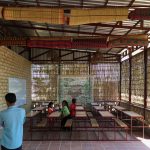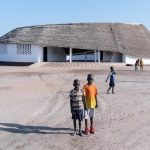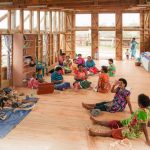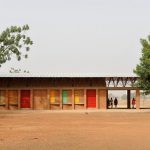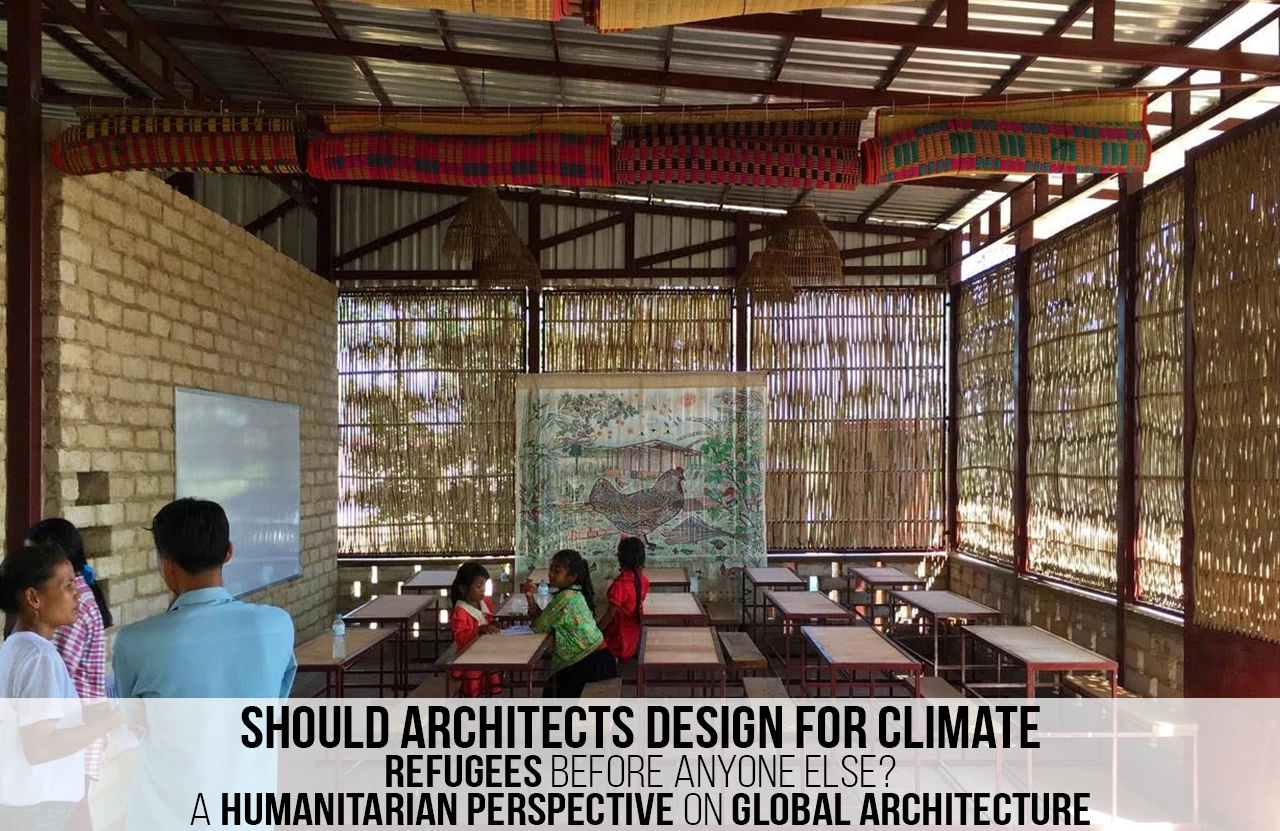
Climate change is not only an environmental threat but also a humanitarian crisis that has had profound effects on the lives of people around the world. High sea levels, droughts, natural disasters, desertification, and destruction of ecosystems have left people with no choice but to abandon their homes and become climate refugees. While relief operations are being carried out by the government and humanitarian bodies, it is time for architects to make the most crucial decision: whether to prioritise the needs of climate refugees over others. This essay suggests that Global Architecture must move away from aesthetics, functionality, and development towards dignity, culture, justice, and resilience. The architects must view climate refugees not as passive beneficiaries of any form of charity, but as active agents with rich traditions and cultures.
By drawing on contemporary literature, international case studies, and architectural theories, the current study highlights the potential of humanitarian architecture, vernacular wisdom, participation, and culturally responsive architecture to revolutionise professional practice in the age of the Anthropocene. From the analysis above, it is evident that giving priority to climate refugees is not about overlooking other categories of people but creating an ethical standard for Global Architecture.
Architecture has always been a product of society’s aspirations, identity, technology, and culture. From vernacular architecture that responds to its surrounding environment to high-tech smart cities, architecture has adapted to human needs. Yet, the twenty-first century presents a peculiar challenge that threatens the fundamental principles of architecture itself. The changing climate has reshaped the landscape in ways unknown to human history before. Therefore, many people must leave their homes because their environment can no longer support them (IPCC, 2023).
As opposed to the political refugees who had to leave their places of residence because of conflicts and oppression, climate refugees must migrate from their homes because of the degradation of the environment, rising sea levels, floods, droughts, desertification, and climatic disasters (UNHCR, 2024). While there is no such concept as “climate refugee” in international law, it has become a reality. Each year, tens of millions of people experience weather-related displacement, and more will do so in the coming decades (IDMC, 2024).
Humanitarian crisis itself is fundamentally opposed to the values of architecture and urban planning. First, architectural projects are often commissioned based on market demand, state financing, institutional needs, or personal initiative. But today, the growth in the number of people displaced because of climate change creates an ethical dilemma for the architect: whose welfare is more important- that of the climate refugees or that of anyone else?
This dilemma is intentionally raised. This is not to say that hospitals, schools, homes and other infrastructure necessary for the existing population should be ignored in favour of refugees. It is about whether Global Architecture should adopt a new ethical orientation toward the most vulnerable people. There are historical examples of professional ethics being shaped by care for the most vulnerable: medicine, disaster response, and humanitarian law (Rawls, 1971).
The humanitarian problem of displacement cannot remain indifferent to architecture. Every architectural decision implies a definition of belonging, safety, and cultural preservation. Thus, the architectural profession is turning into an ethical one.
1. Global Architecture in an Era of Climate Migration
For a long time, the term Global Architecture has been thought to be synonymous with international architectural practice, iconic architecture, inventions, technology, and the exchange of architectural knowledge around the globe. But the present-day discussion recognises that globalisation makes us vulnerable and therefore requires cooperation (Frampton, 2020).
Certainly, climate change will prove to be the most important problem we face as humanity. It affects us all regardless of national boundaries – both developed and developing nations are affected, but it is the poor who are suffering (United Nations, 2023). Therefore, Global Architecture should not just focus on designing globally recognisable architecture but on creating globally responsible environments.
Architecture should be judged not just by its aesthetic qualities or economic performance, but by the role it plays in building resilience, inclusiveness, sustainability, and social justice. The built environment has become one of the most important spheres of adaptation to climate change. Architects play a crucial role in solving humanitarian disasters.
And this leads us to the conclusion that there should be a paradigm shift in our professional values. Architecture no longer deals with buildings – it deals with the reconstruction of people’s lives and culture after disasters.
Climate Refugees: Beyond Numbers
Climate displacement is often discussed in terms of numbers. Global reports have estimated that several hundred million climate refugees are expected by 2050 (World Bank, 2021). While numbers are a great way to emphasise urgency, they can miss the very essence of climate displacement.
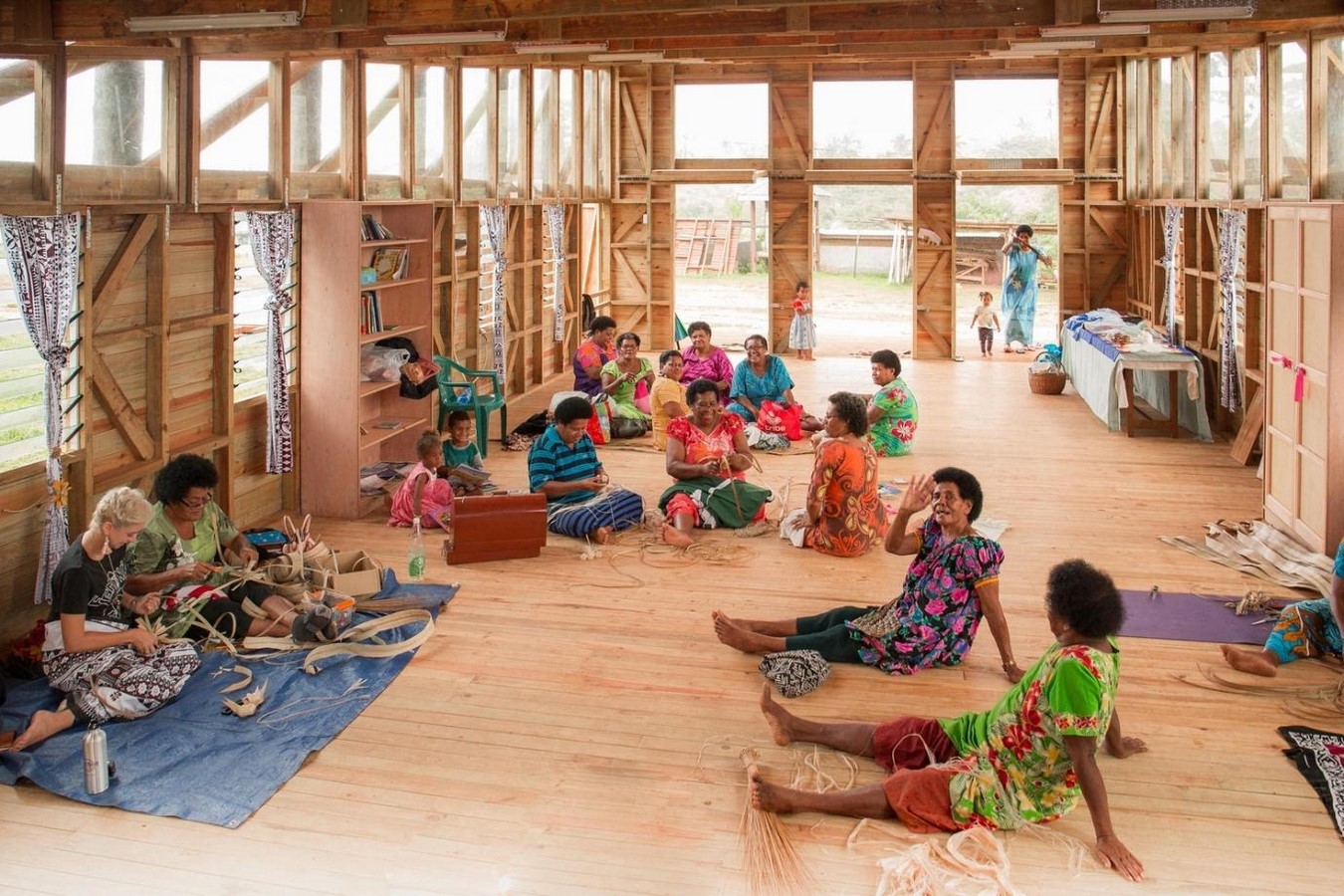
Every case of climate displacement is a story of losing one’s home, culture, sacred space, livelihood, social network, and memories. A home is not just an inhabitable structure but identity, culture, and belonging (Norberg-Schulz, 1980). It has long been established that architecture makes sense through experiences. As phenomenologists such as Norberg-Schulz (1980) argue, dwelling is the primary mode of being in the human world. In the same spirit, Heidegger (1971) argued that building and dwelling are essentially the same.
Settlements in the traditional sense embody the cosmology, ecological wisdom, and social structures developed over many years by Indigenous peoples. Such loss not only indicates survival but also represents the loss of culture (UNESCO, 2022). Therefore, any form of architectural intervention should not simply focus on providing accommodation but should seek to reproduce circumstances that will facilitate identity, memory, and sociality.
2. Why Climate refugees Should Matter First
However, concentrating on climate refugees appears problematic in view of the limited resources architecture can offer. Governments need to allocate budget funds among housing issues, infrastructure breakdown, health services, educational institutions and economic development. Nevertheless, humanitarian ethics insists that the most significant obligations lie on the shoulders of those who are most vulnerable (Sen, 2009).
Climate refugees are typically deprived of various things. They lack, among other things:
- housing;
- sustainable means of earning money;
- employment;
- social networks;
- cultural landscape;
- educational institutions;
- public infrastructure;
- political representation;
- environmental safety.
While voluntary immigrants do their best to find themselves in locations where they have more chances for improvement, climate refugees do not even have such options. Ethically speaking, architects have the knowledge to reduce people’s suffering.
Thus, architects have corresponding obligations. According to Pallasmaa (2012), architecture should improve human lives rather than merely fulfilling commercial needs. If architecture is meant to improve human conditions, the task of dealing with climate displacement should be one of the most ethical obligations of architects.
While designing climate refugees, innovations can be developed which may help society in general. Inventive ideas can be generated during the design process for climate refugees and may benefit society in general. Modular construction systems, climate-resistant homes, passive cooling, resilient infrastructure, water-sensitive cities, and participatory planning have been invented in response to vulnerabilities, yet they have become increasingly relevant to urban society at large. Thus, designing for climate refugees will improve the general resilience of architectural design.
Humanitarian Architecture as Professional Ethics
The emergence of humanitarian architecture can be seen as one of the most amazing phenomena in contemporary architecture. While mainstream corporate architecture shapes standard architecture, humanitarian architecture addresses issues of social justice, disaster management, and people’s vulnerability (Charlesworth, 2014).
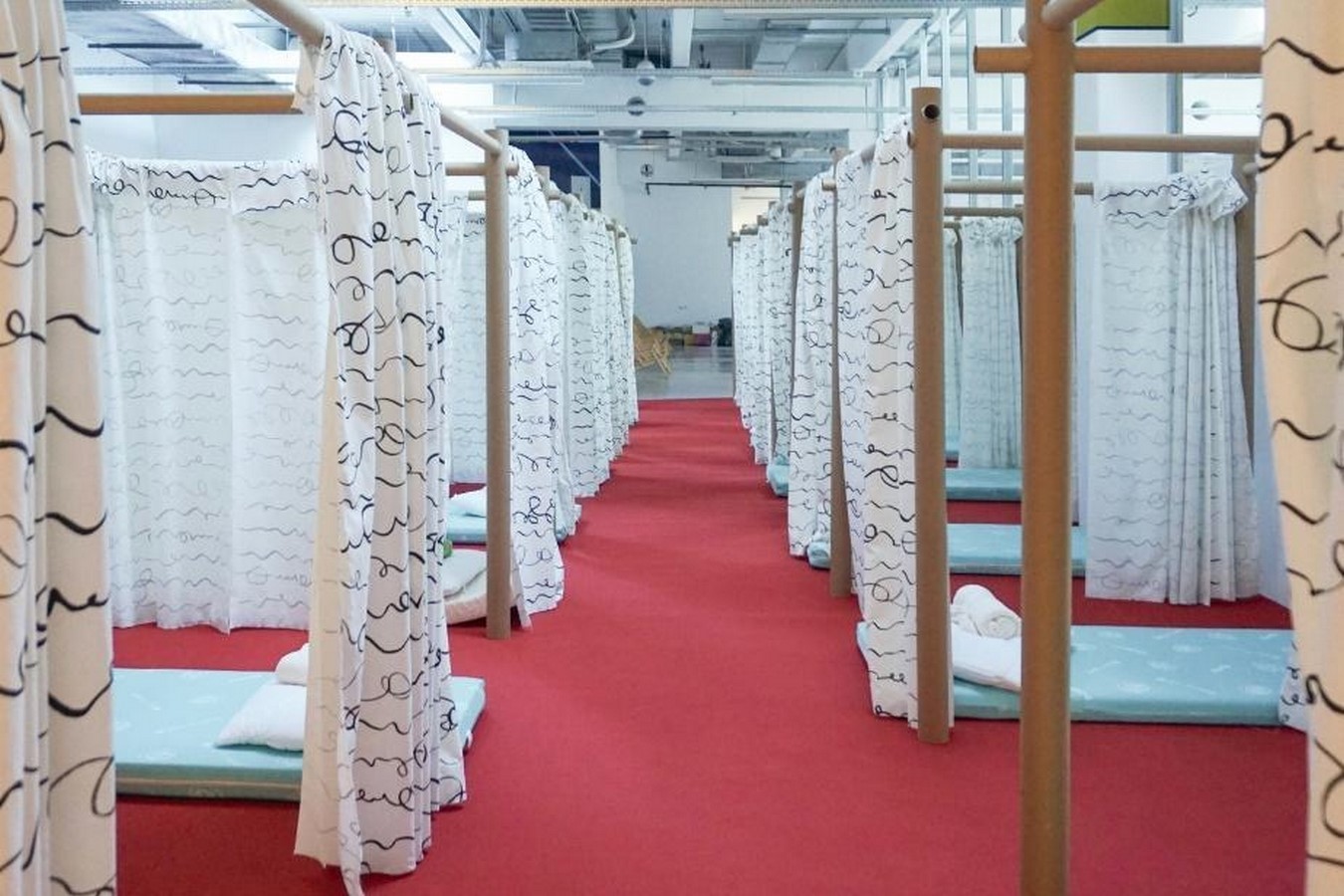
Many architects, such as Shigeru Ban, have demonstrated that creating temporary structures using inexpensive, recycled materials is the best way to rebuild dignity after a disaster. Examples of paper tube shelters created after earthquakes and refugee crises prove that architecture need not use expensive materials; it requires empathy, imagination, and contextual knowledge (Ban, 2014). Architecture for Humanity, for example, showed that involving the community always yields better results than top-down master planning.
It matters. Climate refugees require not only shelters but also spaces where people can learn, work, receive medical care, express themselves culturally, be psychologically restored, and create sustainable communities. Hence, architecture becomes an instrument of social reconstruction rather than mere construction.
The whole architecture discipline realises now that the key to successful post-disaster settlements is participatory design, allowing victims of disasters to build their future (Hamdi, 2010). This shift in the paradigm goes against the previous practice, in which architects alone decided everything. Architects are becoming facilitators, collaborators, and listeners in Global Architecture.
Traditional Knowledge as a Foundation for Resilient Design
Yet another fallacy concerning climate refugees is that of the minimal impact of displaced individuals on the development of architecture. Indeed, almost all people possess years, or even centuries, of accumulated ecological knowledge that helps them survive in extreme conditions without modern technology.
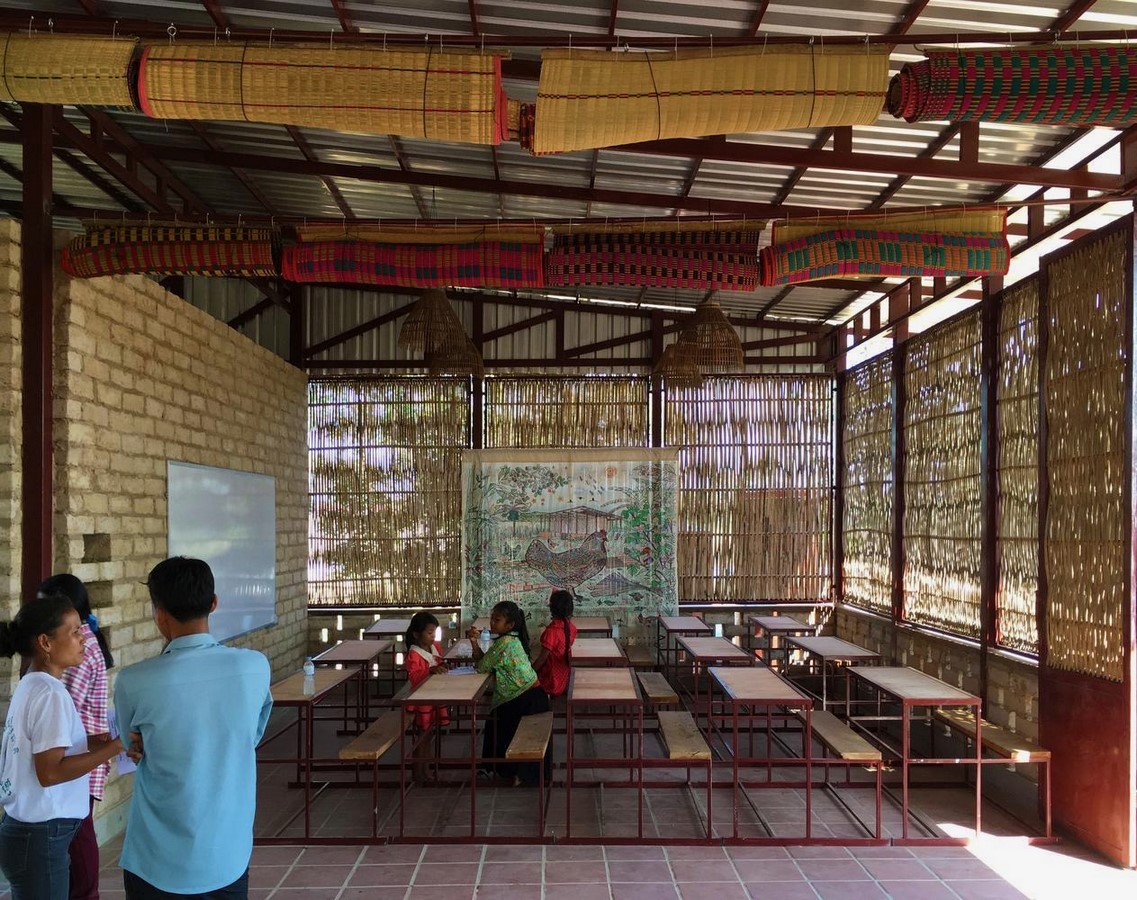
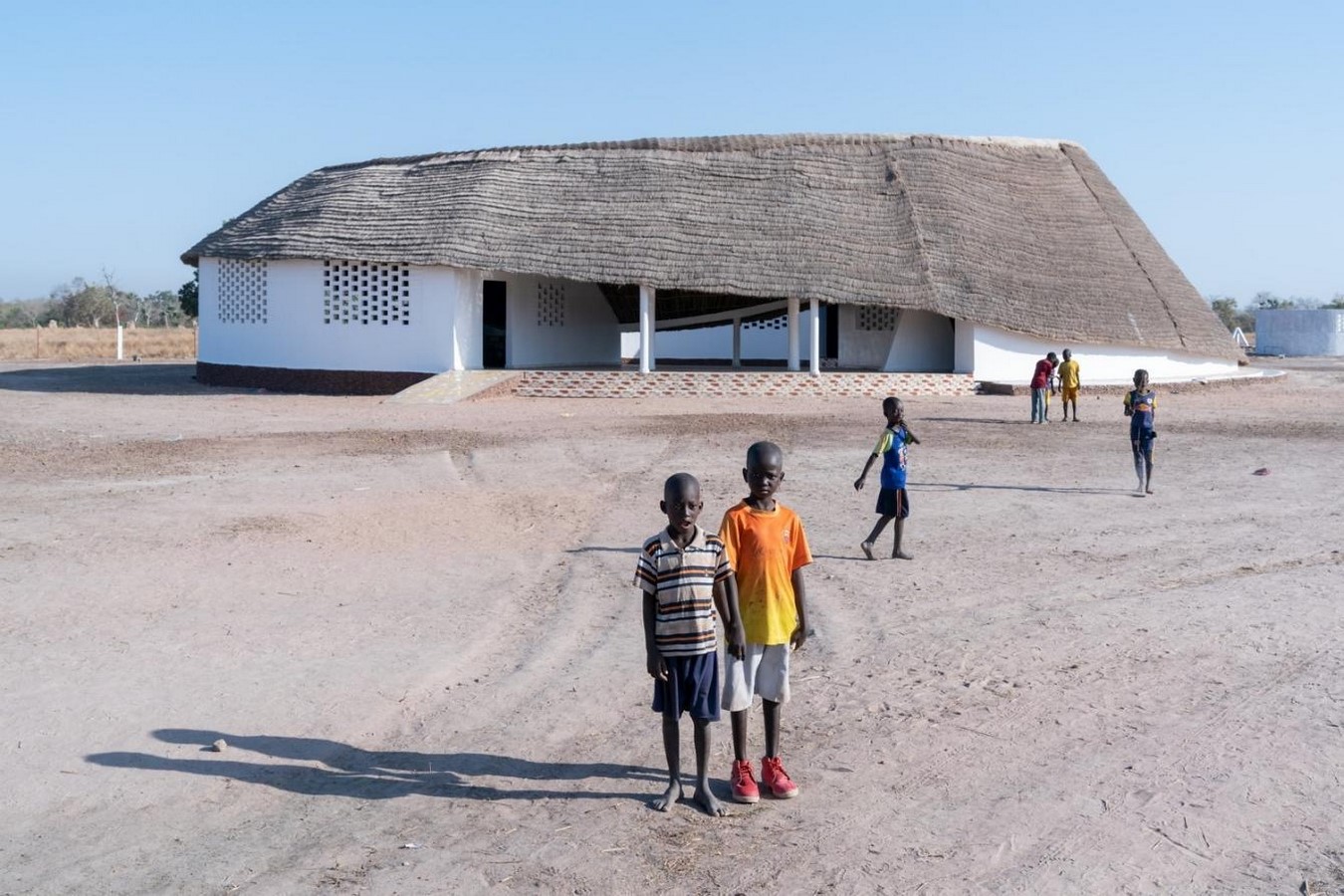
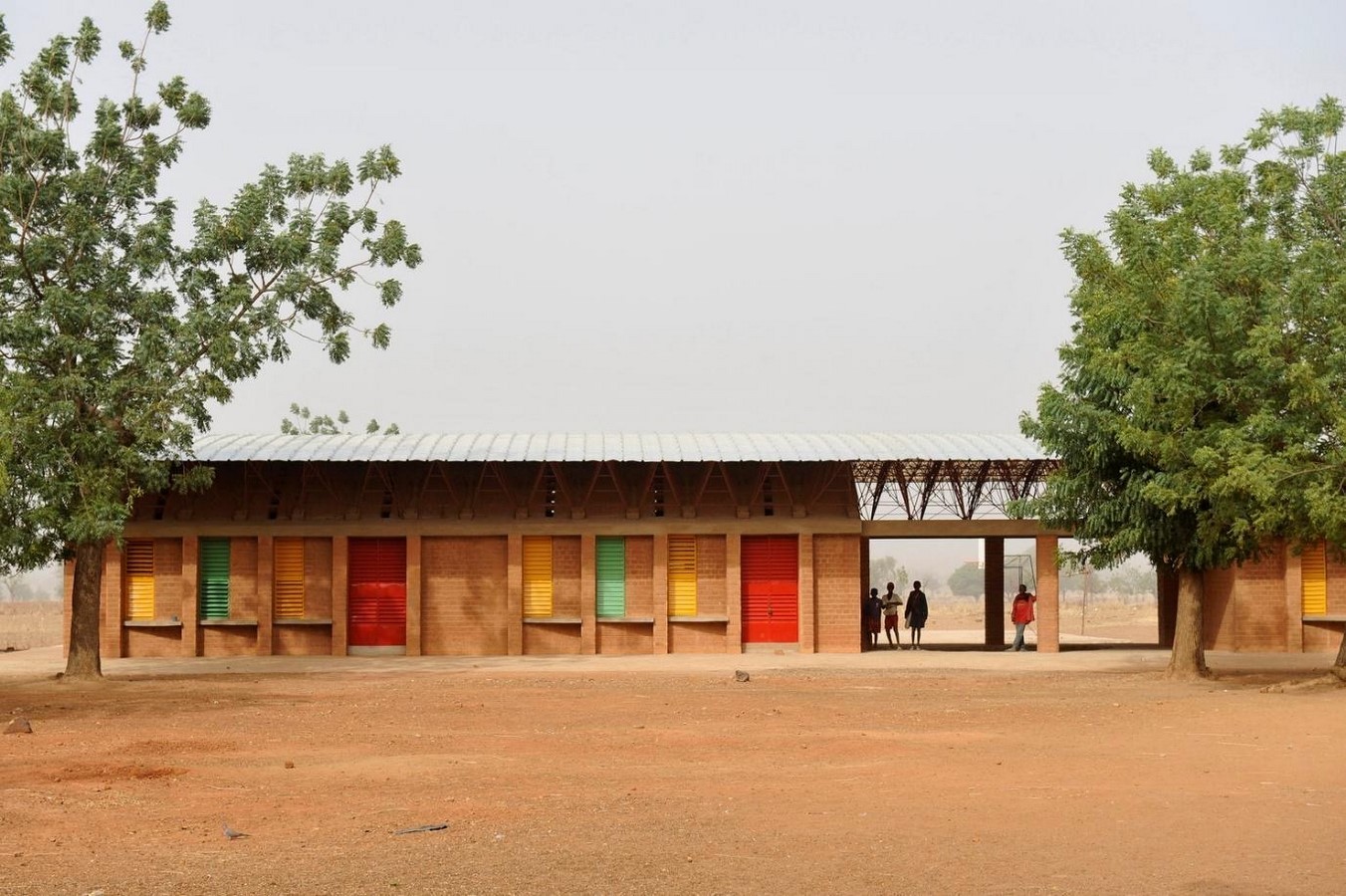
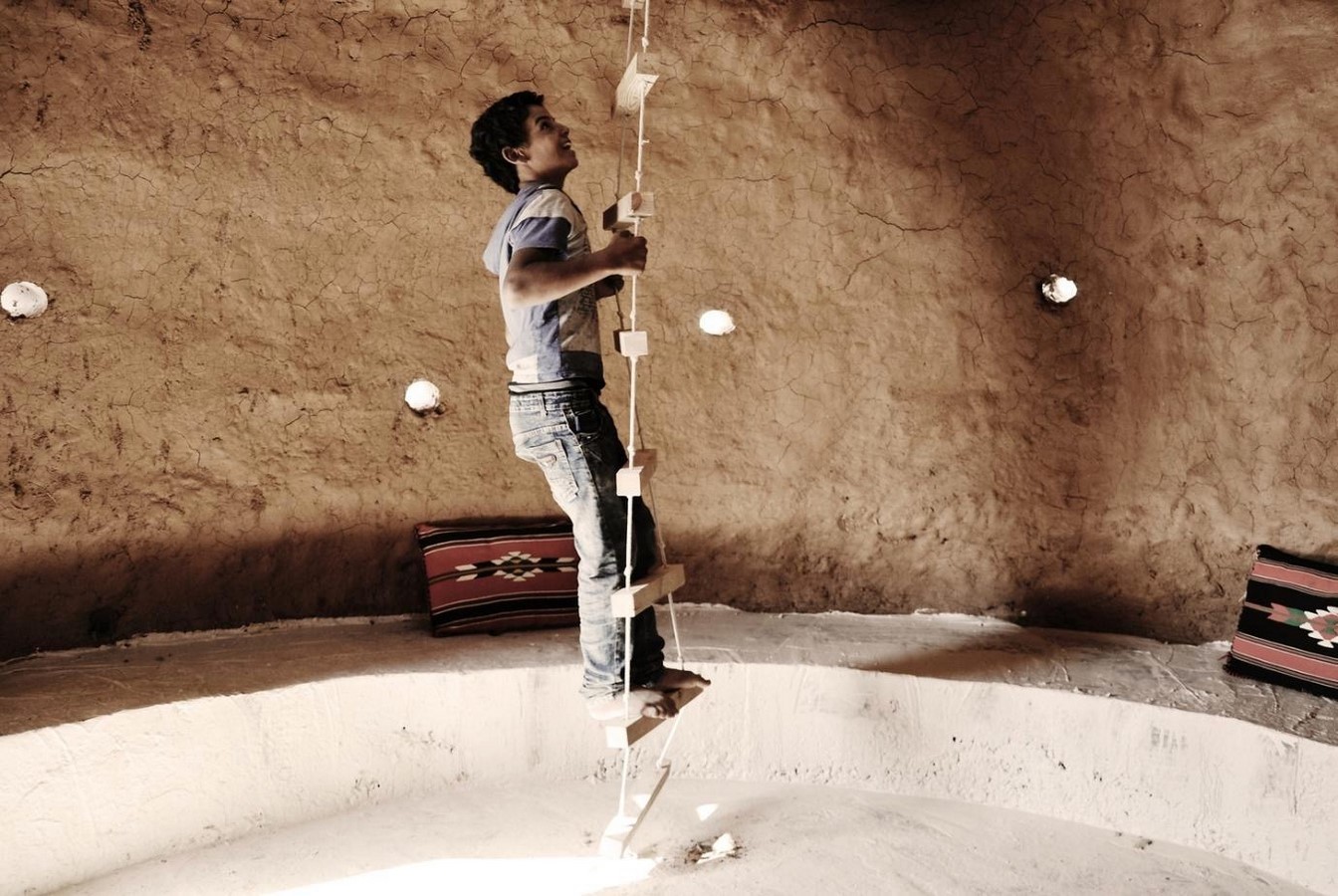
Vernacular architecture offers many solutions suited to local climate, materials, and community requirements. Examples of vernacular architecture include earthen architecture in desert regions, stilt houses in flood-prone landscapes, bamboo architecture in tropical regions, and courtyard houses that regulate temperature through ventilation systems (Oliver, 2006). Nevertheless, when people are forced to leave their native habitat, vernacular architecture becomes neglected and replaced with temporary standard shelters. Such an attitude not only strips displaced people of their identity but also provides them with an inadequate environment. Therefore, humanitarian architecture should change its methods and involve displaced people in the design process.
Respect for traditional knowledge is not an emotional issue, but a very pragmatic one. When searching for sustainable solutions for the future of Global Architecture, we can learn from the well-earned experience of climate refugees and indigenous people.
3. Vernacular Architecture and the Humanitarian Future of Global Architecture
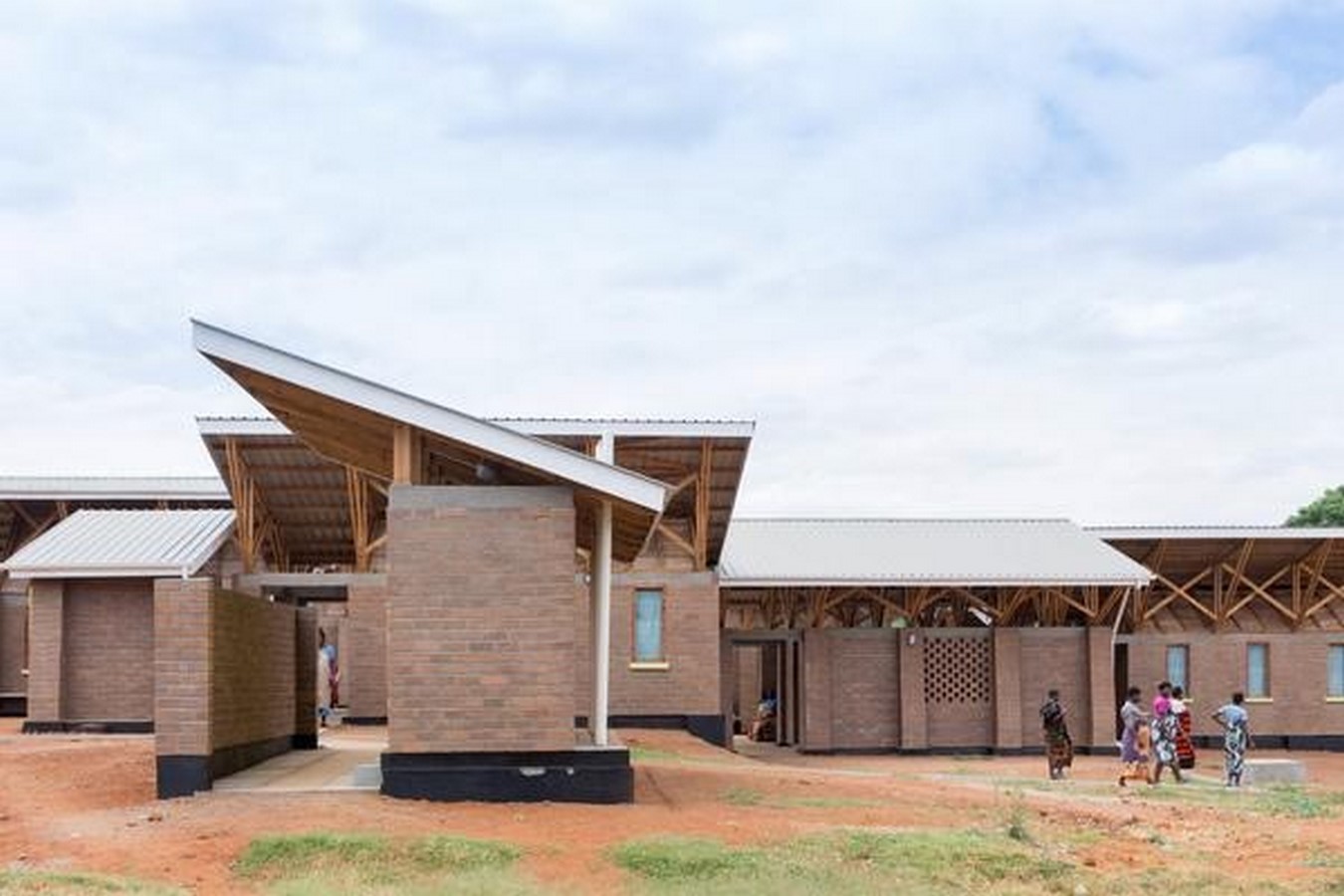
The growing problem of climate change highlights a critical flaw in current architectural practices: while tremendous technological development has occurred, the built environment often proves ineffective at coping with environmental changes and social challenges. On the other hand, vernacular architecture – developed over generations through observation, experimentation, and cultural transmission – offers numerous valuable ideas for designing resilient communities. The idea of Global Architecture requires that vernacular architecture be seen less as historical monuments and more as a living source of environmental knowledge to inspire future humanitarian design.
Vernacular architecture develops through the interaction among people, place, climate, and local materials. It is not developed based on universal design principles but evolves by constant adaptation to ecological and cultural conditions (Oliver, 2006). In desert areas, thick walls help regulate excessive temperature differences; raised structures protect against floods, and the courtyard house creates a comfortable microclimate without mechanical devices. All the listed examples prove that the idea of sustainability is not new at all but always present in traditional building cultures.
The vernacular knowledge of climate refugees is more than just skills; it also includes cultural memories, organisation, spirituality, and attachment to the land. Displacement can disrupt the transfer of this knowledge, threatening cultural heritage and adaptive capacities. Thus, humanitarian architecture should not only be a source of shelter but also a means of preserving the culture of communities that can rebuild themselves through their practices.
The ideas of Critical Regionalism developed by Frampton (1983) are highly relevant in such cases. According to the author, architecture should avoid the homogenising influence of globalisation and engage critically with the local geography, climate, materials, and traditions. Now, as architects design buildings for a more mobile and less stable population, whose identity is closely linked with specific places, Critical Regionalism is especially relevant. Humanitarian Critical Regionalism is a way of thinking about architecture that enables the continuity of the displaced and their cultural heritage in a new environment.
Such an attitude does not mean idealising architectural traditions or ignoring innovations. The idea is to combine the wisdom of Indigenous peoples with the latest scientific achievements. Modern engineering, renewable energy sources, prefabricated buildings, and computer modelling may go hand in hand with vernacular concepts, generating sustainable communities that will be at ease both technologically and culturally. In this way, Global Architecture goes beyond the dichotomy of tradition vs modernity.
4. Climate Refugees and the Meaning of Home
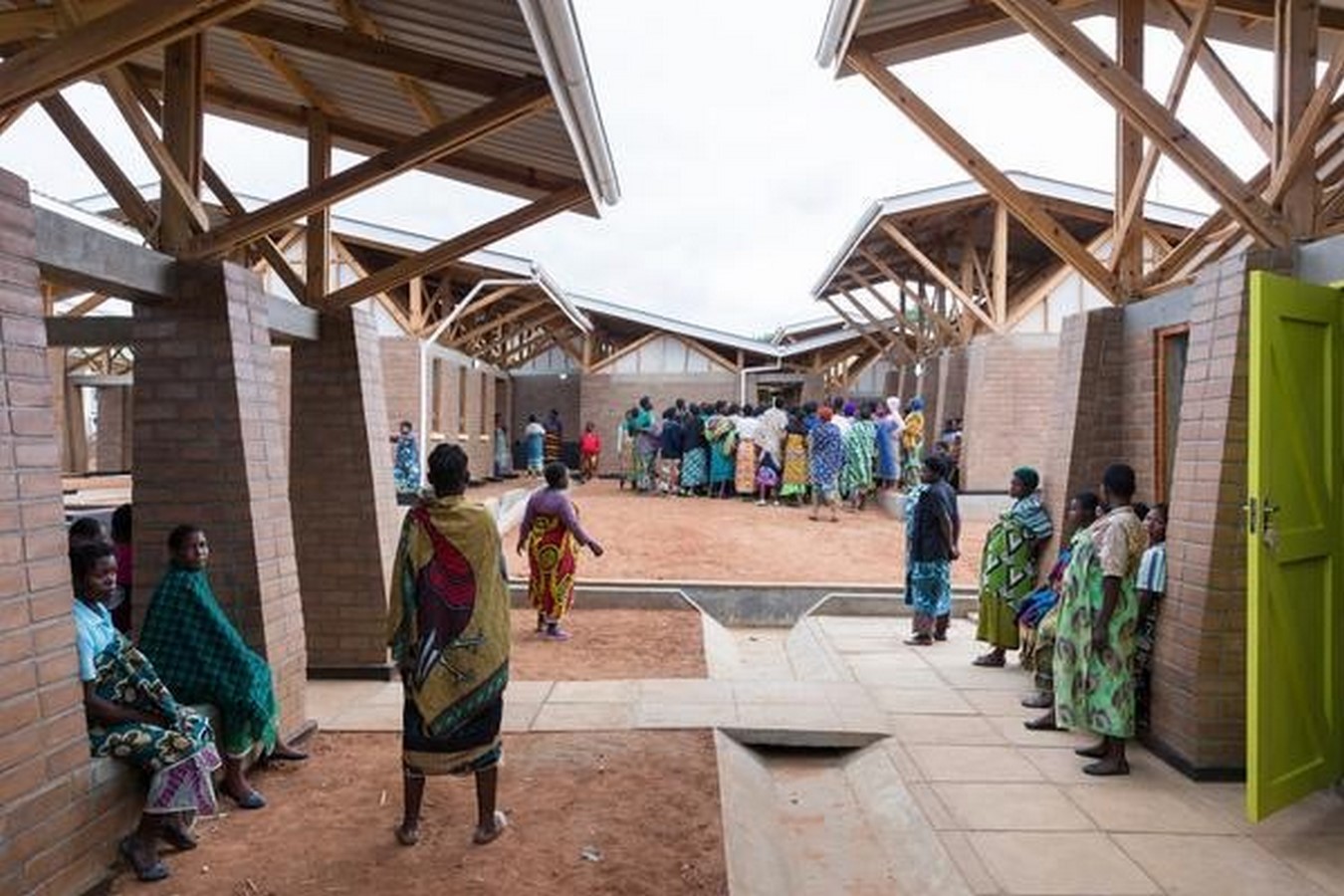
Discussion of climate refugees often centres around issues of emergency housing, logistics or infrastructure needs. Though these are relevant considerations, such approaches often neglect the very real psychological and sociocultural aspects of displacement. The loss of a home is not just a loss of a structure but the loss of one’s memories, associations, rites and identity.
A well-established principle of humanistic geography is that places derive meaning from personal experience. According to Tuan (1977), there is a difference between “space” as an abstraction and “place” as the space invested with personal and communal meanings. Likewise, according to Relph (1976), place identity results from a person’s continuous interactions with their environment. Homes, neighbourhoods, markets, shrines and squares become vessels of shared history and thus contribute to the formation of one’s personal and collective identity.
Climate-induced migration has the effect of breaking these bonds. Whole communities might be displaced from the lands that had nurtured their culture for generations. It becomes increasingly difficult to practice traditional agriculture, celebrate festivals, share stories, and craft products in the new surroundings.
It is therefore true that architecture has responsibilities that go beyond mere physical reconstruction. Architecture must aid in the re-establishment of social and cultural life. According to Pallasmaa (2012), architecture can be viewed as an extension of human beings, one which involves not only visual satisfaction but also other senses. This involves smelling local wood, touching earthen walls, listening to noise from courtyards and seeing light changes during the day. The relationship that exists between people and their habitat is lost once they are displaced, and people have been known to feel grief like that when family members or friends are lost.
This means that humanitarian settlements must not consist of identical houses but must provide people with the opportunity to personalise space, carry on their traditions, create community institutions, and recreate their patterns of life.
This view resonates well with current perceptions of global architecture, which include psychological, social, and cultural aspects of resilience alongside physical infrastructure.
5. Cultural Continuity as Architectural Responsibility
Architecture has always been one of humanity’s major means of transferring cultural knowledge from generation to generation. The buildings store information about rituals, social traditions, crafts, and symbols well beyond the life of their initial creators. The threat of climate change jeopardises this process in a completely new way. Entire settlements can vanish beneath the waves, into growing deserts, or due to stronger floods. Coastal, mountain, or riverine settlements are not just geographical places but cultural landscapes with their own heritage that vanishes forever.
The UN body UNESCO (2022) is increasingly aware of the threats posed by climate change to cultural heritage, both tangible and intangible. Monuments attract much attention, but settlements are as important because they host cultural activities. This situation creates an ethical dilemma for architects.
Does humanitarian architecture have to focus on efficiency by relying on standardisation?
Or does it have to accommodate cultural diversity, even though it requires additional effort?
The second option wins. Studies show that culturally responsive settings contribute to psychological wellness, community involvement, and resilience (ICOMOS, 2019). In situations where displaced people see elements of their culture reflected in new settlements, adaptation is less stressful, and community cohesion increases. Participatory design has a key role in reaching this goal. Instead of applying an external solution, the architect must help create participatory processes in which displaced communities shape decision-making.
According to Hamdi (2010), the key principle of successful development lies in “small change,” which occurs through local participation rather than large, top-down approaches. This principle is especially important for climate-related displacement because in many cases, local knowledge is more advanced than that of outsiders when it comes to everyday life, family, environment, and culture. In this way, architecture becomes a collaborative activity rather than a profession.
6. International Perspectives: Lessons for Global Architecture
Climate change migration is influenced not only by specific environments but also by different geographic zones where ecological, cultural, and political conditions prevail. While every case may differ, it is possible to gain experience and useful insights from practices around the globe that can be applied to humanitarian aid within Global Architecture.
Bangladesh: Coexistence with Water
Bangladesh continues to be one of the most climate-vulnerable states on earth. Regular floods, cyclones, riverbank erosion, and the threat of sea-level rise constantly influence settlement patterns in the country, and every year hundreds of families must move (World Bank, 2021).
Unlike in other parts of the world, where water was seen as something to be fought against, Bengali architecture developed in response to the peculiarities of the riverine environment. Plinth construction, raised houses, agriculture on water, and adaptive construction technologies allowed communities to live alongside flooding. Modern architects rely more on this tradition, incorporating contemporary engineering.
Kiribati: Architecture Before Disappearance
The island state of Kiribati, in the Pacific Ocean, is an embodiment of the critical humanitarian challenge of climate change. The issue of sustainability regarding sea level rise is a problem faced by many islands, with very serious concerns about issues of identity, sovereignty, and cultural survival (IPCC, 2023).
With respect to Kiribati, the issue of rising sea levels cannot be addressed through architecture. However, architecture can help in recording culture, preserving architectural traditions, moving to other places, and maintaining their cultural identity. It becomes an instrument that helps maintain the identity of people, not just buildings. This is one of the best examples of Humanitarian Global Architecture.
Pakistan: Floods and Community Reconstruction
The devastating floods in Pakistan in 2022 forced many people to flee and resulted in widespread destruction of housing infrastructure. Early interventions concentrated on providing temporary housing.
Over time, however, efforts at rebuilding have realised that permanent houses resistant to future climate uncertainties are necessary.
Some approaches used local building materials, passive cooling techniques, community involvement, and culturally sensitive spatial layouts. It is evident that resilience involves integrating both engineering and local knowledge.
The Horn of Africa: Drought and Mobility
Throughout Somalia, Ethiopia, and Kenya, drought has affected the pastoral way of life, which dates back centuries. Contrary to a sedentary way of life, pastoralist groups have a mobile culture that can respond to environmental changes. Architecture needs to question its preconceptions of settlement.
Mobile infrastructure, mobile services, mobile schools, and flexible community spaces can be more relevant than standard residential buildings. This is but one instance that extends architectural conception of dwelling from permanent architecture.
Syria: Conflict and Climate
While the cause of Syrian displacement was mostly due to armed conflict, it is noteworthy that the period before the conflict saw a severe drought that played a critical role in displacing people (Kelley et al., 2015).
The rebuilding after conflict demonstrates the relationship between environmental issues, political instability, and humanitarian crises. Architectural recovery is not only about rebuilding buildings but also about rebuilding livelihoods, institutions, heritage, and social trust.
7. Indigenous Knowledge and the Future of Humanitarian Design
One of the most valuable lessons that comes from international experience is that climate refugees are not passive. They are people who have knowledge. Indigenous populations have complex systems of knowledge about local ecosystems, seasons, biodiversity, resource management, and climate adaptation that they acquired through hundreds of years of experience (Berkes, 2018).
This kind of knowledge is better than any technocratic approach introduced from the outside because it represents a continuous relationship with a particular landscape. Thus, humanitarian architecture should go from design for communities to design with communities. Workshops, mapping, oral histories, demonstrations of traditional construction, and joint planning help architects incorporate local knowledge into modern design. Such an approach not only empowers communities but also diminishes dependence on external institutions and builds resilience.
Escobar (2018) believes that the sustainable future requires accepting different modes of knowledge, not only technocracy. This means that, for Global Architecture, epistemological diversity goes hand in hand with cultural diversity. Climate adaptation is not only a technical problem but also a cultural, social, ethical, and political problem.
8. Climate Justice and the Ethical Responsibility of Architects
It is impossible to consider the question of whether architects should give preference to climate refugees solely in terms of technical innovation or the feasibility of implementing ideas. In essence, it is an ethical issue concerning justice and responsibility. Climate change has shown how unequal the world is – it turns out that people who contribute the least to greenhouse gas emissions suffer most from the environmental changes.
Climate justice goes beyond the sphere of ecology. It acknowledges the interconnection between the issues of poverty, inequality, human rights and access to resources (Schlosberg & Collins, 2014). People living in poor countries, in Indigenous territories, small island countries and informal settlements have the smallest carbon footprint, but at the same time face the greatest climate risks.
Architects cannot remain indifferent to these facts. Every choice related to land use, construction, infrastructure, and public spaces affects how environmental hazards and social benefits are shared within the community. Thus, architecture is always political, although it tries to appear technocratic.
A humanitarian reading of Global Architecture would imply that architects must acknowledge that their decisions are not only technical but also ethical.
Such a point of view is consistent with the idea of distributive justice suggested by John Rawls in his book “A Theory of Justice” (1971), according to which societies organise their institutions so that the worst-off individuals can receive the most from them. Helping climate refugees should not be considered a mere charitable action. It should be seen as a demonstration of distributive justice.
9. Designing with Communities Rather than for Communities
Throughout much of the last century, there was a prevailing trend towards expert-based architecture, in which experts would develop solutions and communities would have no choice but to accept them. Despite being technologically advanced, most of those projects failed to consider the existing knowledge, culture and experience of local people.
Contemporary humanitarian architecture increasingly rejects the paradigm.
Participatory design has become one of the most prominent trends in socially responsible architecture since it considers communities as agents rather than recipients (Sanoff, 2000).
Climate refugees have a thorough understanding of:
- environmental fluctuations on a seasonal basis
- construction techniques
- family structure
- ways of earning a living
- community organisation
- resource management
- culture
- religious beliefs
- social networks
Failing to consider this knowledge usually leads to inappropriate housing, underused public places and inadequate settlements for resilience.
According to Hamdi (2010), the first step in successful humanitarian development is listening rather than designing. Participation increases dignity as well. People who participate in shaping their environment gain greater ownership, experience better psychological health, and show higher dedication to sustaining communal infrastructure. Architecture evolves into a participatory process, enabling communities to recover. For Global Architecture, it has become one of the major identity changes. Architects are becoming facilitators, mediators, educators, and collaborators, not just creators.
10. Designing for Dignity Rather Than Mere Survival
Emergency efforts generally focus on survival. Temporary shelter, food delivery, sanitation and medicine facilities are all understandable immediate necessities in response to a disaster. But refugee camps often exist for much longer periods than initially envisaged. Camps designed for several months can transform into long-term communities which last decades.
Thus, architecture must not only focus on emergency shelter. Architecture must facilitate human flourishing. The difference between survival and dignity is important. Survival deals with basic needs.
Dignity involves psychology, privacy, education, culture, livelihood, and self-determination.
The United Nations Sustainable Development Goals (United Nations, 2015) highlight that sustainable development encompasses housing, education, health care, equality, infrastructure, and environmental sustainability.
And architectural design is part of those efforts. Settlements should be well planned to include:
- sources of employment opportunities
- safe public areas
- educational institutions
- health centres
- cultural centres
- religious centres
- markets
- recreation areas
- green infrastructure
All these elements will help restore normalcy amid displacement. Moreover, they will help reduce reliance on humanitarian aid by providing means to reconstruct social and economic relations. The projects by Shigeru Ban are clear examples of how even temporary buildings can reflect dignity, despite limited budgets. It becomes possible through intelligent spatial design, good lighting, privacy considerations, and community involvement in the construction process (Ban, 2014). In this way, it becomes evident that good architecture depends on humanistic considerations rather than expense.
11. Resilient Urbanism and Climate Adaptation
Climate refugees hardly find themselves living in designated refugee camps.
Instead, they tend to move to cities that are undergoing fast-paced urbanisation.
UN-Habitat (2022) points out that urban environments are where most future population growth is projected to happen, including significant amounts of climate refugees.
As a result, the responsibility of Global Architecture lies not in designing emergency settlements but in working with resilient urbanism.
Resilient cities expect uncertainty, instead of reacting to crises, and include adaptation to the environment in their urban planning through:
- flood-resistant infrastructure
- water-sensitive urbanism
- permeable landscapes
- green corridors
- renewable energy
- passive architecture
- flexibility of public spaces
- decentralized infrastructure
Nature-based solutions have gained importance in adaptation to climate change. Wetlands, urban forests, mangrove rehabilitation, bioswales, and green roofs not only minimise environmental risks but also enhance biodiversity and public health (World Resources Institute, 2021).
Displaced communities can gain additional social benefits from such infrastructure, including job creation, recreational facilities, environmental education, and cultural revitalisation. Resilience goes beyond engineering resilience. It includes ecological, governance, participatory, and cultural components.
12. The Role of Public Space in Social Integration
An architectural contribution to humanitarian settlements that goes beyond buildings is the creation of public space, which enables interaction between displaced people and the local population. Effective interaction will be guaranteed only by constant contact in markets, streets, squares, community centres, educational institutions, libraries, and religious institutions.
Jane Jacobs (1961), as it is known, stated that the life of the city comes from the constant informal contacts on the streets and in public spaces. This concept can be applied successfully to humanitarian settlements. The greater the physical distance of the refugee camps from the local community, the fewer opportunities there will be for integration.
The architectural design of public spaces, in turn, contributes directly to reducing social conflicts. Public spaces play an important role in preserving cultural traditions because festivals, ceremonies, traditional markets, shows, storytelling, and other celebrations need such venues. Creating a public environment which would allow maintaining traditions while interacting with the local community becomes one of the global tasks of contemporary architecture.
13. Education, Children and Intergenerational Resilience
Children are more exposed to the effects of climate displacement.
Disrupted education, psychological distress, malnutrition, displacement, and societal stress affect development negatively. It is through architecture that these can be effectively addressed. Educational institutions are often the first buildings constructed in humanitarian camps. But schools serve functions beyond providing education. Schools offer:
- Psychological stability
- Sociability
- Disaster preparations
- Cultural preservation
- Vocational preparation
- Health education
Thus, architectural design must include the educational institution within the context of community planning. The incorporation of flexible classrooms, outdoor classrooms, shaded communal areas, libraries, and playgrounds serves the twin purposes of education and community strengthening.
Children perceive their environments differently than adults. Walking paths, visibility, play space, and sensory stimulation are important design features. Settlement design from a child’s perspective often yields healthy environments for all. This is very much the same principle of universal design.
14. Digital Technologies and Humanitarian Innovation
Technological developments continue to shape humanitarian architecture.
Artificial intelligence, GIS, satellite monitoring, digital twins, drones, and Building Information Modelling (BIM) enhance disaster prediction, resource allocation, and settlement planning. Nevertheless, technology alone will not solve the humanitarian crisis. Technology must support rather than substitute traditional knowledge within the community.
Digital mapping allows refugees to document their cultural landscape before moving out. Three-dimensional scanning helps preserve heritage structures at risk from climate change. Apps help communities become involved in the planning process. Remote sensing helps identify environmentally sustainable locations to move to. Nonetheless, the reliance on technological solutions might overlook social intricacies. A technologically advanced settlement will fail if it does not consider cultural practices, family structures, or local governance. Thus, Global Architecture needs both technological and social innovations. The future of humanitarian architecture depends equally on empathy and engineering.
15. Governance, Policy and International Collaboration
Architecture is not enough to tackle climate displacement. An effective response requires cooperation between governments, planners, engineers, environmental scientists, sociologists, economists, humanitarian agencies, and displaced communities themselves.
There is increasing acknowledgement of this interdisciplinary need in policy discourse. For instance, the Sendai Framework for Disaster Risk Reduction (United Nations Office for Disaster Risk Reduction [UNDRR], 2015) focuses on resilience through integrated planning, risk assessment, community engagement, and sustainable reconstruction.
On the other hand, the New Urban Agenda (UN-Habitat, 2016) calls for inclusive urbanism with provisions for migration and environmental sustainability. It is architects who translate policies into reality. All master plans, housing policies, transportation networks, public realms, and building codes determine whether the policies’ aspirations materialise. This makes the education of architects necessary.
Architectural schools should thus include courses in:
- Climate adaptation
- Humanitarian design
- Disaster risk reduction
- Participatory planning
- Environmental justice
- Indigenous knowledge
- Intercultural communication
- Ethics
In the future, architects will be working in the multidisciplinary humanitarian sector rather than their regular commercial sector.
16. Towards a New Definition of Global Architecture
Based on the above discussion, a redefinition of Global Architecture is necessary.
Conventionally, the notion could be defined as relating to internationally acclaimed architects, iconic structures, or architecture practised across the globe.
However, today these definitions seem inadequate. An appropriate definition of Global Architecture is the practice of architecture that is ethically sound, collaborative, and eco-friendly, responsive to the planet’s needs and cultural diversity. In this sense, climate refugees become a central focus.
They represent various issues associated with twenty-first-century architecture:
- climatic uncertainty
- cultural resilience
- social justice
- governance
- eco-friendly building construction
- adaptation to environmental changes
- human rights
Hence, designing for climate refugees prepares architects for larger social change. Most of the solutions used in humanitarian contexts eventually find applications in urban society as well, given the uncertainties of climate. Thus, climate adaptation should not be considered as a subfield of architecture but rather as a principle of its future development.
17. Reimagining Architectural Practice for a Climate-Changed World
The climate crisis has become less an environmental prediction of the future and more a humanitarian reality that is transforming human settlements, economies, and cultures around the world. As the frequency of extreme weather events increases and environmental degradation advances, more people will have to flee their homes due to environmental disasters. This is probably one of the most pressing issues modern architects face today. This means that the question raised in this article—”Should architects design for climate refugees before anyone else? “Is meant to be an incentive to reconsider architectural priorities rather than a call to neglect other problems.
Thus, throughout this paper, the notion of Global Architecture has been redefined from a narrow-minded field of producing landmark buildings and practising internationally to a wider definition which is based on humanitarian values, environmental protection, and cultural preservation. In a broad perspective, architecture is not only about buildings; it is about creating conditions under which people can lead their lives with dignity and hope. Climate refugees represent one of the most significant examples of these new conditions.
Architecture has long been seen as a practice of designing physical environments. However, today, the profession requires architects to perform many more tasks than that. Contemporary architects should be involved in adapting to climate change, recovering from disasters, conserving heritage, promoting inclusivity, and policymaking. Apart from designing cityscapes, architects impact the quality of life, resilience, and opportunities of the people living there. Therefore, professional obligations go beyond aesthetic perfection into ethical involvement in the lives of the most disadvantaged people in society.
18. Global Architecture as an Instrument of Hope
Amongst the lessons learnt about the role of architecture in humanitarian contexts is that good design can offer hope despite prevailing uncertainty. Post-disaster or post-forced displacement, rebuilding houses, schools, community centres, religious centres, and marketplaces entail more than just building. Through such places, people rebuild their social ties, culture, education and economy.
In other words, architecture plays an integral part in the psychological healing process.
A good architectural design provides privacy, safety, dignity and avenues for social interactions. Public spaces promote social cohesion while culturally sensitive homes help enhance a sense of identity and belonging. Schools provide stability for children, better health through health care facilities, and resilience in community institutions.
Equally important is that climate refugees are not seen merely as recipients of humanitarian aid. The people have their own knowledge systems and cultural values which can play an instrumental role in enhancing architectural innovations.
This collaborative process also challenges traditional hierarchies in professional contexts. Rather than placing architects in the role of exclusive specialists, Global Architecture increasingly recognises the value of interdisciplinary collaboration with planners, engineers, ecologists, anthropologists, sociologists, politicians, and local communities. In doing so, it becomes possible to develop design solutions that consider all aspects of displacement.
19. Recommendations for Architectural Practice
As climate displacement becomes a pressing issue, certain recommendations can be put forward regarding the role of architects. First, ethical aspects related to humanitarianism must become an essential part of architectural training. Universities must provide students with climate adaptation, disaster resilience, environmental justice, participatory planning, and humanitarian design as a major part of their curriculum rather than separate specialised courses.
Second, participatory design must become a rule for all projects dealing with climate displacement. Displaced people have extensive knowledge of traditional architecture, environmental adaptation, family structures, and culture in general. The use of this knowledge will improve both social acceptability and the sustainability of the project.
Third, architects must use vernacular and indigenous knowledge as a part of modern design. Traditional techniques often focus on environmental adaptation, such as passive cooling, local materials, flexible space organisation, and resource management.
Fourth, governments and international organisations need to see architecture as a means of strategic adaptation, not merely as an activity that occurs only after a disaster. Investments in long-lasting homes, public facilities, restored landscapes, and community centres can help prevent humanitarian disasters from occurring in the future.
Fifth, architects need to evaluate their work according to a multidimensional set of criteria that includes social, cultural, psychological, environmental, and other factors, not only efficiency and technical quality. This approach is more consistent with the complex nature of climate displacement than traditional approaches, which evaluate work in purely quantitative terms.
Lastly, architects should support and promote policy decisions and initiatives that provide equal access to adequate housing, secure land tenure, sustainable infrastructure, and urban planning tailored to local culture. Architects play a big role in shaping public discourse, and this influence should be used for good.
The problem of climate change has changed the framework within which architecture operates. Beyond discussions of form, style, and innovation, the field is now engaged in solving one of mankind’s biggest humanitarian problems. Growing displacement caused by the rise in sea levels, natural disasters, droughts, and environmental degradation requires architects to rethink their goals and audiences.
In this regard, the article suggests that Global Architecture should focus on climate refugees not because they are more valuable than others, but because this group reflects the intersection of environmental, social, and cultural aspects of vulnerability. By focusing on the needs of these people, architects can set a moral standard within the professional community that ensures commitment to justice, resilience, and humanity.
It is important to understand that design for climate refugees is not a way to establish a hierarchy of human value. On the contrary, it provides a stimulus for developing architectural solutions that will benefit society. Solutions aimed at vulnerable communities, such as passive environmental measures, resilient infrastructure, community participation, modular architecture, and cultural responsiveness, have a wide range of applications.
The Future of Global Architecture will thus lie not solely in the search for iconic buildings but in the design of adaptive, rich cultural environments in which people and communities can thrive amid environmental shifts. The key to designing such environments lies in collaboration, listening, embracing cultural diversity and designing with empathy and technical skills alike.
In other words, the real value of architecture will not lie solely in the materials and forms of buildings. The true value of architecture will lie in its capacity to maintain human dignity, culture, community and hope in uncertain times. While climate change alters the face of the Earth, architects have the unique opportunity to ensure that the built environment becomes a means of resilience and inclusion rather than exclusion. To achieve this, architects must place the climate refugees at the centre of humanitarian design.
References:
An argument based on humanitarian and cultural sensitivity, in which the emphasis on climate refugees might help to redefine Global Architecture by means of climate justice, participatory design, vernacular knowledge, and resilient urbanism.
Structure according to APA 7 (title, abstract, keywords, headings, in-text citations, references).
Ban, S. (2014). Shigeru Ban: Complete works 1985-2010. Thames & Hudson.
Beatley, T. (2011). Biophilic cities. Island Press.
Berkes, F. (2018). Sacred ecology (4th ed.). Routledge.
English (UK).
Calthorpe, P. (2011). Urbanism in the age of climate change. Island Press.
Charlesworth, E. (Ed.). (2014). Humanitarian architecture: 15 stories of architects working after disaster. Routledge.
Dovey, K. (2016). Urban design thinking. Bloomsbury.
Escobar, A. (2018). Designs for the pluriverse: Radical interdependence, autonomy, and the making of worlds. Duke University Press.
Frampton, K. (1983). Towards a critical regionalism: Six points for an architecture of resistance. In H. Foster (Ed.), The anti-aesthetic: Essays on postmodern culture (pp. 16–30). Bay Press.
Frampton, K. (2020). Modern architecture: A critical history (5th ed.). Thames & Hudson.
Gehl, J. (2010). Cities for people. Island Press.
Habraken, N. J. (1998). The structure of the ordinary. MIT Press.
Hamdi, N. (2010). The placemaker’s guide to building community. Earthscan.
Heidegger, M. (1971). Poetry, language, thought (A. Hofstadter, Trans.). Harper & Row.
Intergovernmental Panel on Climate Change. (2022). Climate change 2022: Impacts, adaptation and vulnerability. Contribution of Working Group II to the Sixth Assessment Report of the Intergovernmental Panel on Climate Change. Cambridge University Press.
Intergovernmental Panel on Climate Change. (2023). Climate change 2023: Synthesis report. Contribution of Working Groups I, II and III to the Sixth Assessment Report of the Intergovernmental Panel on Climate Change. Cambridge University Press.
Internal Displacement Monitoring Centre. (2024). Global report on internal displacement 2024. IDMC.
International Council on Monuments and Sites. (2019). The future of our past: Engaging cultural heritage in climate action. ICOMOS.
Jacobs, J. (1961). The Death and Life of Great American Cities. Random House.
Kelley, C. P., Mohtadi, S., Cane, M. A., Seager, R., & Kushnir, Y. (2015). Climate change in the Fertile Crescent and implications of the recent Syrian drought. Proceedings of the National Academy of Sciences, 112(11), 3241–3246.
Lefebvre, H. (1991). The production of space. Blackwell.
Lynch, K. (1960). The image of the city. MIT Press.
Norberg-Schulz, C. (1980). Genius loci: Towards a phenomenology of architecture. Academy Editions
Oliver, P. (2006). Built to meet needs: Cultural issues in vernacular architecture. Architectural Press.
Pallasmaa, J. (2012). The eyes of the skin: Architecture and the senses (3rd ed.). Wiley.
Rapoport, A. (1969). House form and culture. Prentice Hall.
Rawls, J. (1971). A theory of justice. Harvard University Press.
Relph, E. (1976). Place and placelessness. Pion.
Sanoff, H. (2000). Community participation methods in design and planning. Wiley.
Schlosberg, D., & Collins, L. B. (2014). From environmental to climate justice: Climate change and the discourse of environmental justice. WIREs Climate Change, 5(3), 359–374.
Scholarly support by classic architectural theorists (Heidegger, Norberg-Schulz, Pallasmaa, Frampton, Jacobs, Lynch, Lefebvre) and current international reports (IPCC, UN, UN-Habitat, World Bank, UNESCO).
Sen, A. (2009). The idea of justice. Harvard University Press.
Thwaites, K., Mathers, A., & Simkins, I. (2013). Socially restorative urbanism. Routledge.
Tuan, Y.-F. (1977). Space and place: The perspective of experience. University of Minnesota Press.
United Nations Educational, Scientific and Cultural Organisation. (2022). World Heritage and Climate Change. UNESCO.
United Nations High Commissioner for Refugees. (2024). Global Trends: Forced Displacement in 2024. UNHCR.
United Nations Human Settlements Programme. (2016). New Urban Agenda. UN-Habitat.
United Nations Human Settlements Programme. (2022). World Cities Report 2022: Envisaging the Future of Cities. UN-Habitat.
United Nations Office for Disaster Risk Reduction. (2015). Sendai Framework for Disaster Risk Reduction 2015-2030. UNDRR.
United Nations. (2015). Transforming Our World: The 2030 Agenda for Sustainable Development. United Nations.
United Nations. (2023). The Sustainable Development Goals report 2023. United Nations.
Whyte, W. H. (1980). The Social Life of Small Urban Spaces. Project for Public Spaces.
World Bank. (2021). Groundswell Part 2: Acting on Internal Climate Migration. World Bank.
World Resources Institute. (2021). World Resources Report: Towards a More Equal City. World Resources
Roșescu, B. V. (2024, July 23). In times of Need: Architects stepping up in humanitarian crisis. ArchDaily. https://www.archdaily.com/987475/in-times-of-need-architects-stepping-up-in-humanitarian-crisis