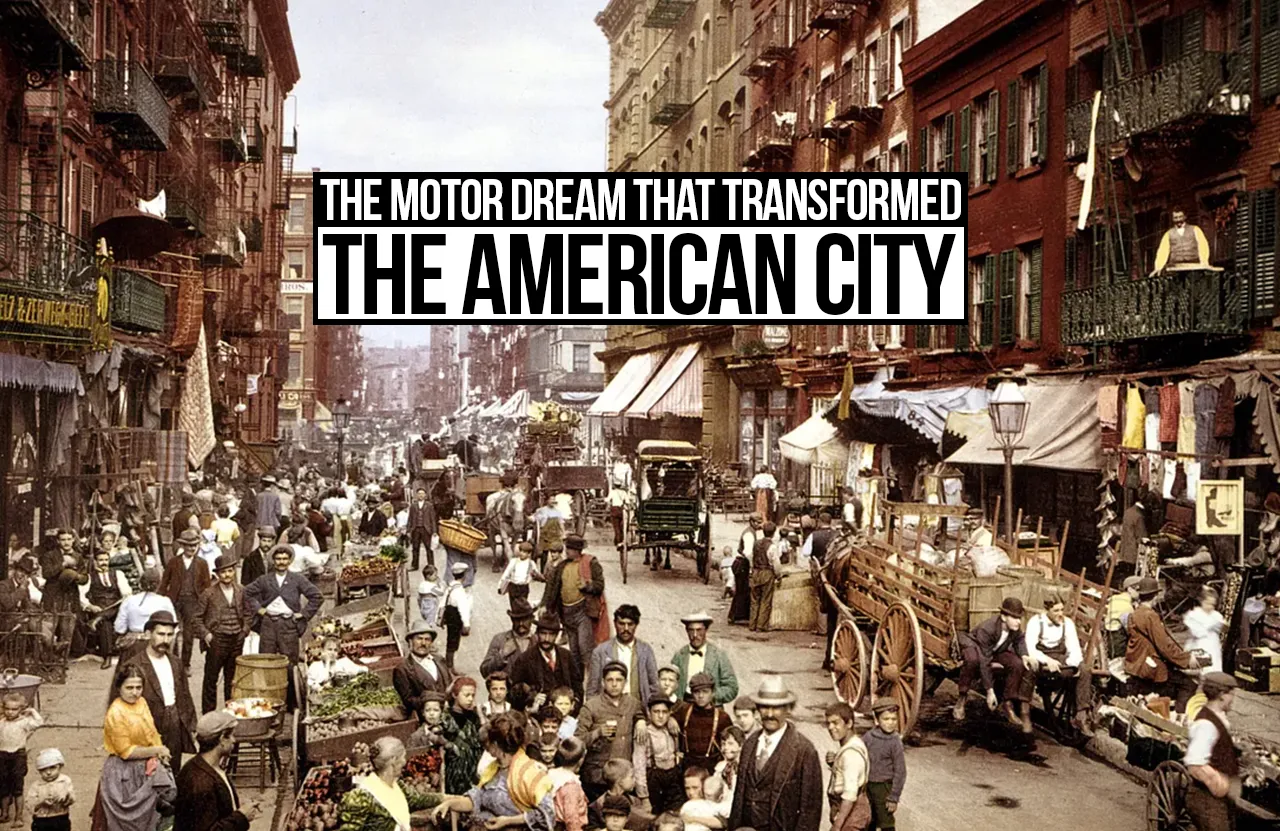
The 1890s brought America a dream so profound it became the emblem of American freedom. What caused this revolution, you ask? It was the Automobile – the innovation that led to the birth of the futuristic cities of the nation.
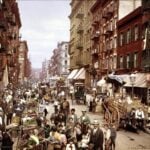
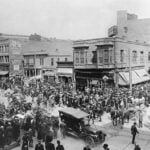
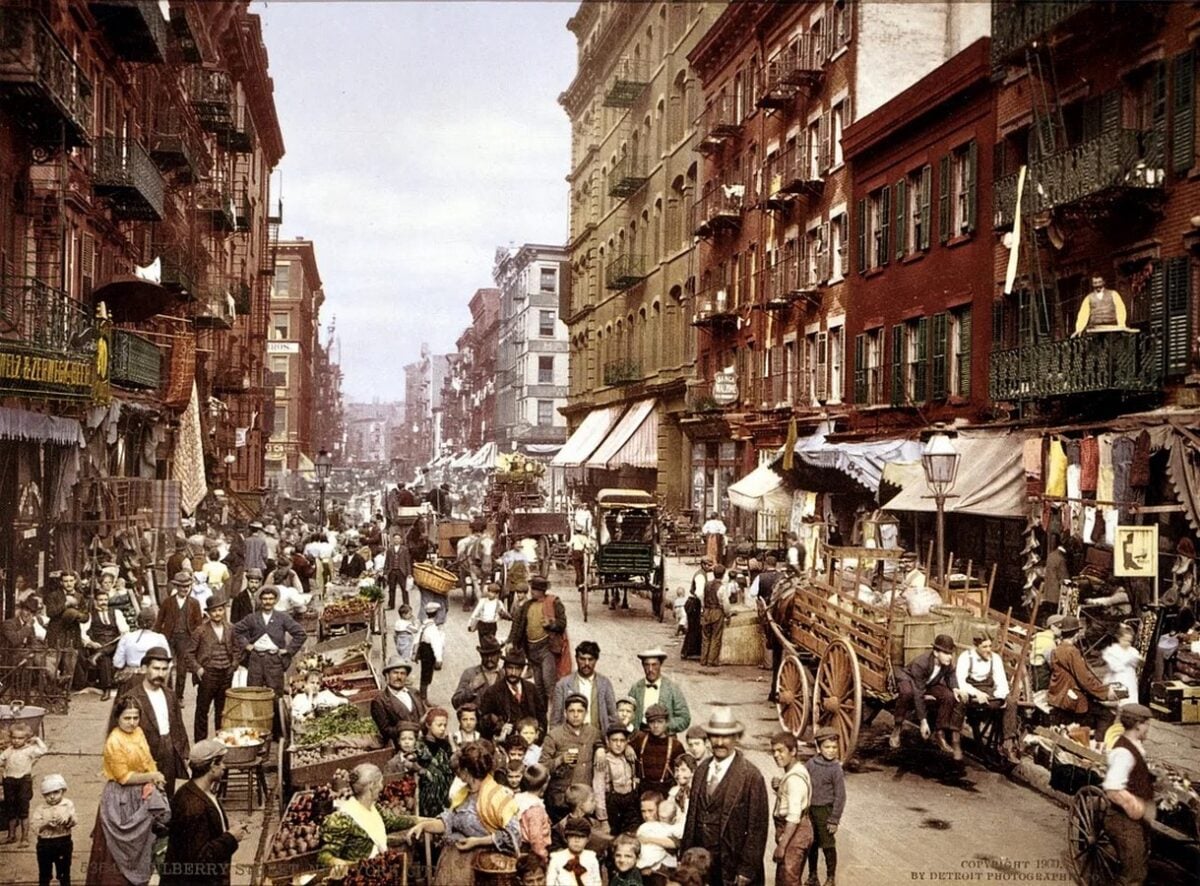
Before automobiles made their way to America, streets were crossed on foot, and cities were travelled across in streetcars. Shops, homes and workplaces were packed in proximity that made travel without private vehicles possible. With horses and carriages crowding the streets of the country, it would be incorrect to claim that congestion was an invention of the motor age. While they did contribute to the chaotic nature of the streets, these cities retained a certain sense of belonging and intimacy: the streets weren’t mere corridors connecting destinations; they were rather an extension of the city’s public life where recreation, commerce and social interaction occurred alongside movement.
The early American city, however, isn’t to be confused with a pedestrian utopia. Congestion, industrial pollution, poor sanitation and living conditions were still pressing challenges. Proximity, though, was never a complaint. As historian Martin Melosi explains in The Automobile in American Life and Society, the streetcar city was developed along transit lines that extended beyond the central business districts, which allowed urban growth. Movement back then was designed on the assumption that every urban user could afford their own private transport.
After this came the automobile, and it brought a proposition too – that distance no longer had to define who lived where and that everything, irrespective of the distance, was now accessible.
The Promise of the Freedom to Move
While the arrival of the automobile itself was gradual, its spatial and urban consequences were fundamental. The automobile offered genuine advantages – access to remote workplaces, long-term travel for leisure, a comfortable commute between home and work and also expanded the scope of freight movement. But automobiles came with pivotal spatial demands. They required durable roads, highways, petrol stations, repair shops and ample parking spaces. Once automobile ownership was commonplace, accommodating these spatial requirements along with the existing urban life became a challenge.
The question that no one predicted had now posed itself – should cities be reconstructed to accommodate automobiles?
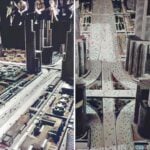
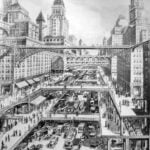
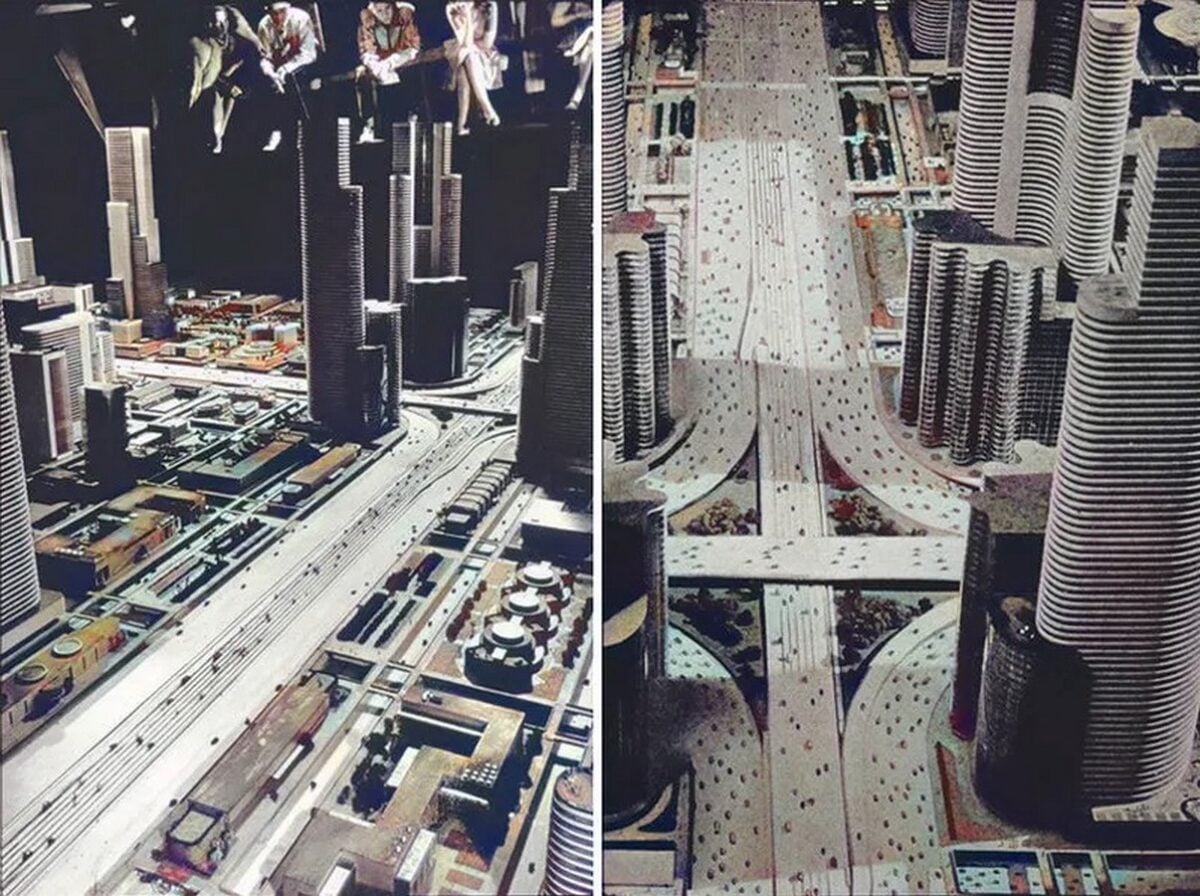
This paved the way for unending futuristic imaginations from the architectural fraternity. In 1910, Roadtown was proposed by Edgar Chambless, a linear segment that integrated housing, services and transportation altogether. In 1913, Harvey Wiley Corbett imagined yet another futuristic metropolis – it was layered, accommodating trains and tunnels at the lowest level, with automobiles above it and finally pedestrians on the level above them all. Much later, in 1939, Norman Bel Geddes’ Futurama was proposed by General Motors and offered a glorious vision of the American city with highways and complex traffic networks.
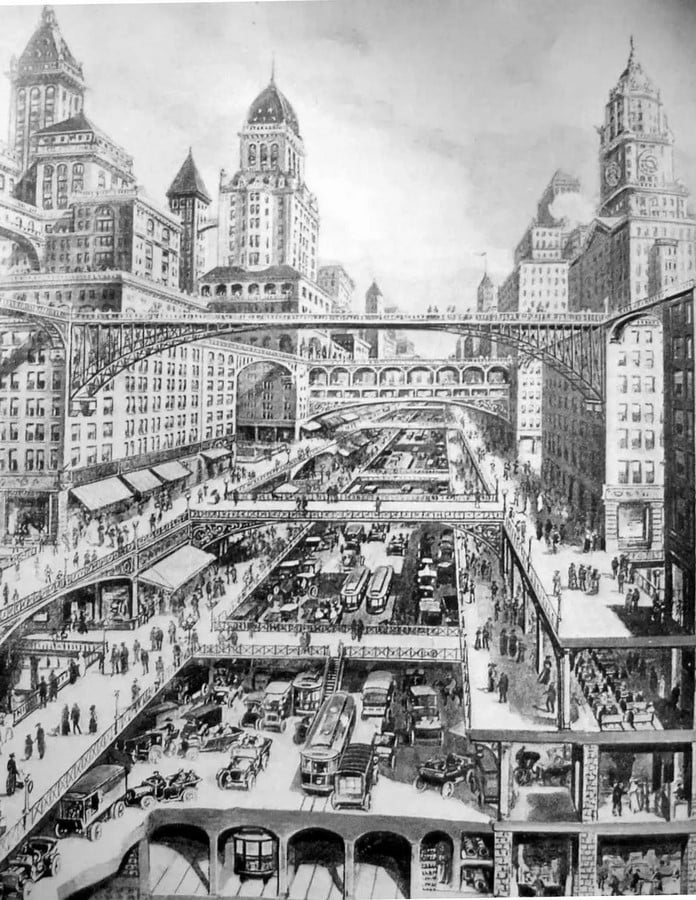
None of these proposals had commonality, and neither did they materialize completely. However, what was common to all these visionaries was their belief in technology to resolve the existing complexities and shortcomings of urban life through well-organized networks for movement.
The City Adapts to its Newest Occupant
By the time the Second World War unfolded, the transformation had already begun. Los Angeles became one of the earliest illustrations of the Great American Metropolis with its expanding road network, upcoming highways and scattered development. New York, however, had a different urban model to offer. Its rather dense urban fabric remained, with the new network of expressways and parkways cutting right through the city. Robert Moses, a well-known planner and public works administrator, became a significant figure in this transformation. As he expanded these networks, he reshaped neighbourhoods and opened up suburban regions for development.
By the 1950s, this transformation had accelerated in all senses. Connectivity had improved, automobile ownership was more common than ever, and rapid suburban housing construction was underway.
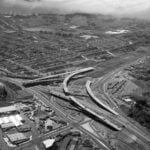
After the Federal Aid Highway Act of 1956, the Interstate Highway System penetrated metropolitan areas, connecting suburban communities to urban areas, which enabled development beyond the traditional city boundaries.
The consequences were obvious. While New York saw an expansion in mobility networks and freeways, its already established neighbourhoods bore the tremendous pressure of accommodating them. Detroit, meanwhile, saw an evolving automobile industry and excessive urban development, which became the city’s recognised identity.
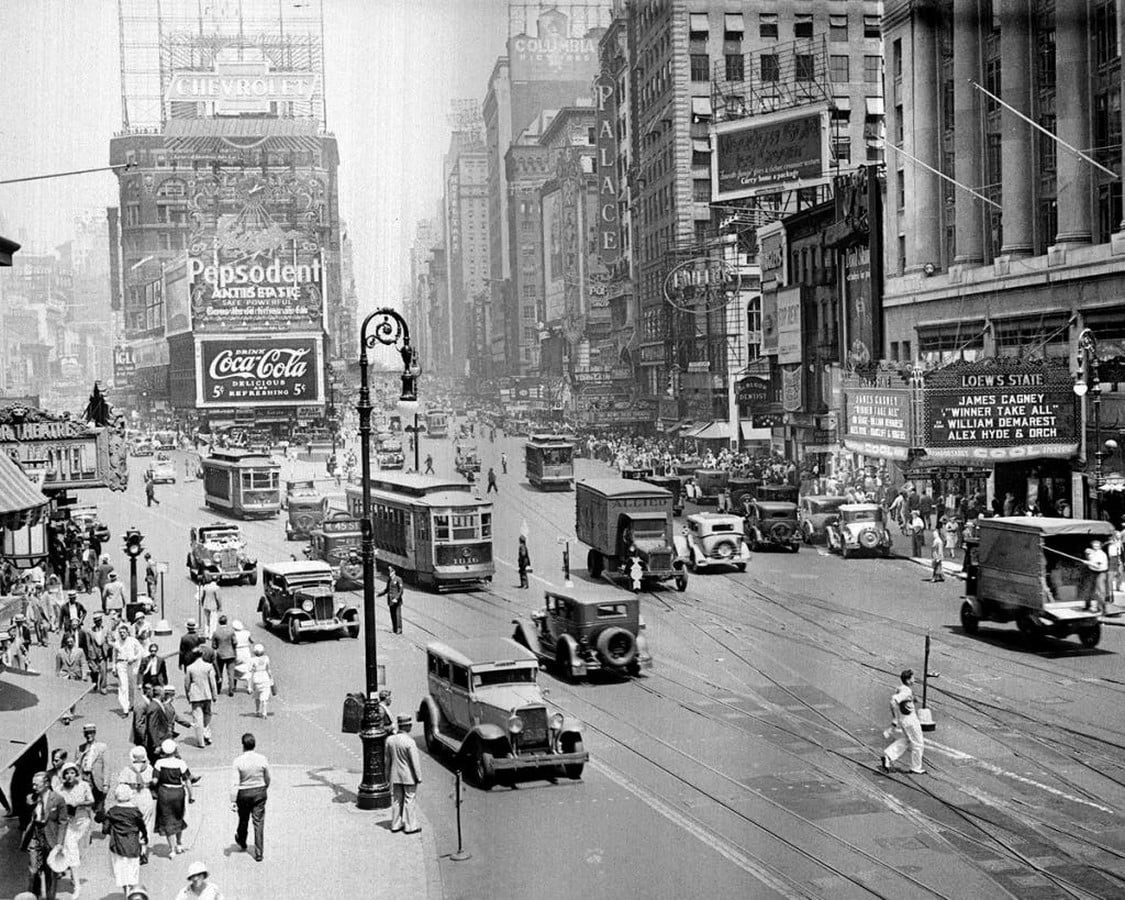
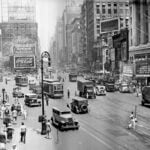
The story was the same across the country; cities everywhere were being reconstructed to fit perfectly in line with automobiles; they were no longer accommodating motor vehicles; cities were instead transforming for them. The change was all-arounder – aside from city planning systems, federal funding, private development, real estate and municipal planning, all adopted laws and finances in support of this change that America was undergoing. By mid-twentieth century, the American urbanscape had been altered for good. It now involved residential sectors, shopping centres, offices, restaurants and spaces of recreation all built on land that was once separated from urban centres by a distance that couldn’t conveniently be traversed. This was now the inspirational image of an American dream.
The promise of the freedom to move, however, was conditional – for those who could afford it, they could have it all. The suburban houses that were away from the chaos of CBDs, the shopping centres, the leisure spaces and the convenience of travelling to the urban centre purely for work. One’s affordability determined the additional freedom of being able to travel across the country depending on their ability to own and maintain the car.
The Cost American Cities Paid for All the Urban Prowess
American cities had always faced issues of overcrowding, lack of sanitation and deteriorating housing. While these development projects claimed to be the solutions to those exact problems, they proved to do more harm than good, particularly to those communities that were promised better livelihoods.
Expressways often cut right through low-income neighbourhoods, displacing them and further triggering the housing crisis purely because land acquisition was easier and cheaper. Black communities who already had discriminatory housing laws to deal with were impacted disproportionately.
Lewis Mumford advised against letting technology dictate the planning systems and development decisions while Jane Jacobs revolted against the dull nature of modern streets. They exposed a prevalent issue: decisions made in planning at the regional scale often resulted in compromised living at the neighbourhood scale. `
Limitations of an Automobile City
For a long time, the automobile city upheld its promise. It increased personal mobility, paved the way for employment and pushed metropolitan growth. It redefined the American landscape, and the vision for a futuristic city was here.
Yet, it came with its own shortcomings soon after. Increasing the distance between workplace, home and leisure centres meant that users could no longer rely on walking or public transport for efficient commutes, making it less practical. As time passed and cities developed, it became evident that the new American city could be best enjoyed only by those who could afford their own automobiles, and life got harder for the rest.
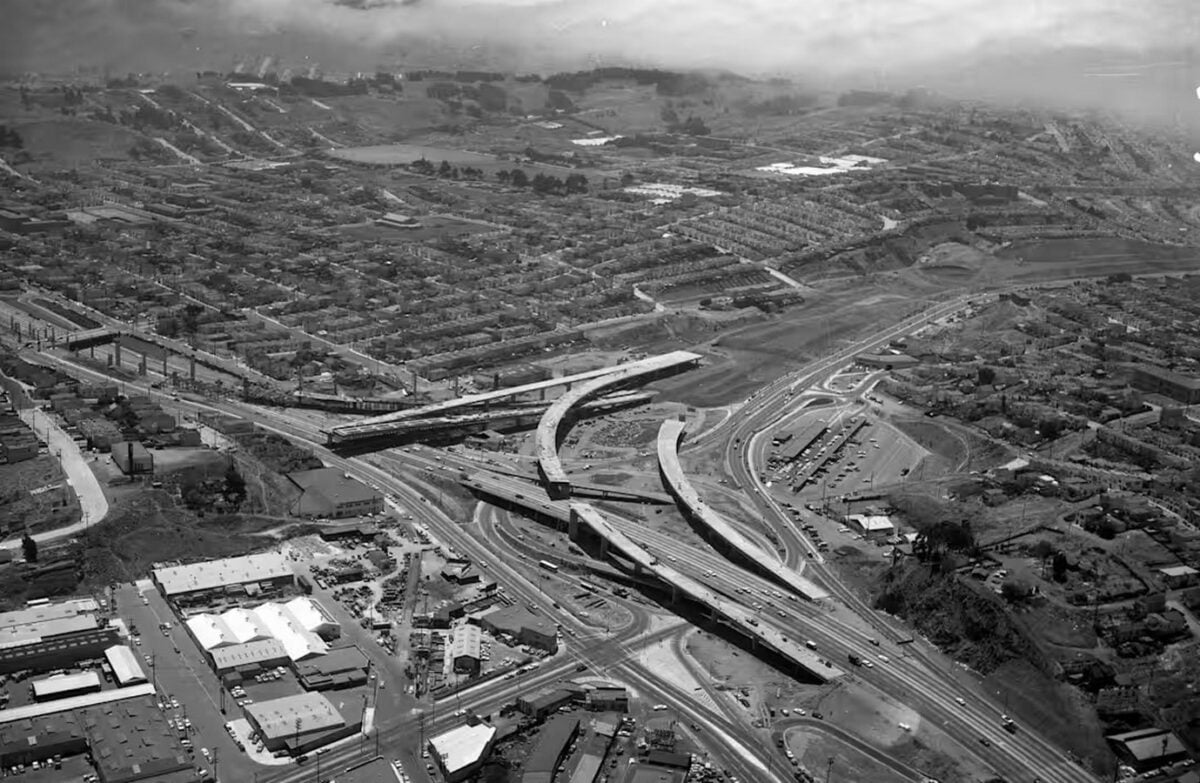
As years passed by, the dependence on cars and other automobiles only grew, which amplified the problems of congestion and pollution and resulted in an increased demand for new roads. Newer roads kept being built, and it eventually led to the very same problem for which they were designed as a solution.
The automobile had been promising people the freedom to move but eventually created cities with everyday functions set so far apart that the dependence on cars was unavoidable.
By the 1960s, multiple sects of people were going against the same development they brought in. Urban renewal as a concept emerged with residents wanting back the everyday conveniences of the old city, recognising that highways and freeways couldn’t be treated as independent engineering projects and that they had to take into consideration the other facets of planning.
In the decades that followed, multiple cities attempted to revoke their decisions. San Francisco removed its Embarcadero Freeway, Boston’s Big Dig moved the Central Artery underground, making space for public areas, and Seattle removed the Alaskan Way Viaduct. While they did not eliminate car dependency, they did prove that infrastructure that was once considered permanent was capable of reversal.
What did America learn from its Pursuit for the Future?
It of course goes without saying that the entry of automobiles into America was revolutionary, as it transformed access, commerce and mobility in unimaginable ways. Why did it fail then? The failure lay purely in the decision to surround all urban development around a single factor – automobiles. This decision lacked consideration for all that had existed before the automobiles came in, which resulted in a hasty, rather mindless pursuit of a futuristic city.
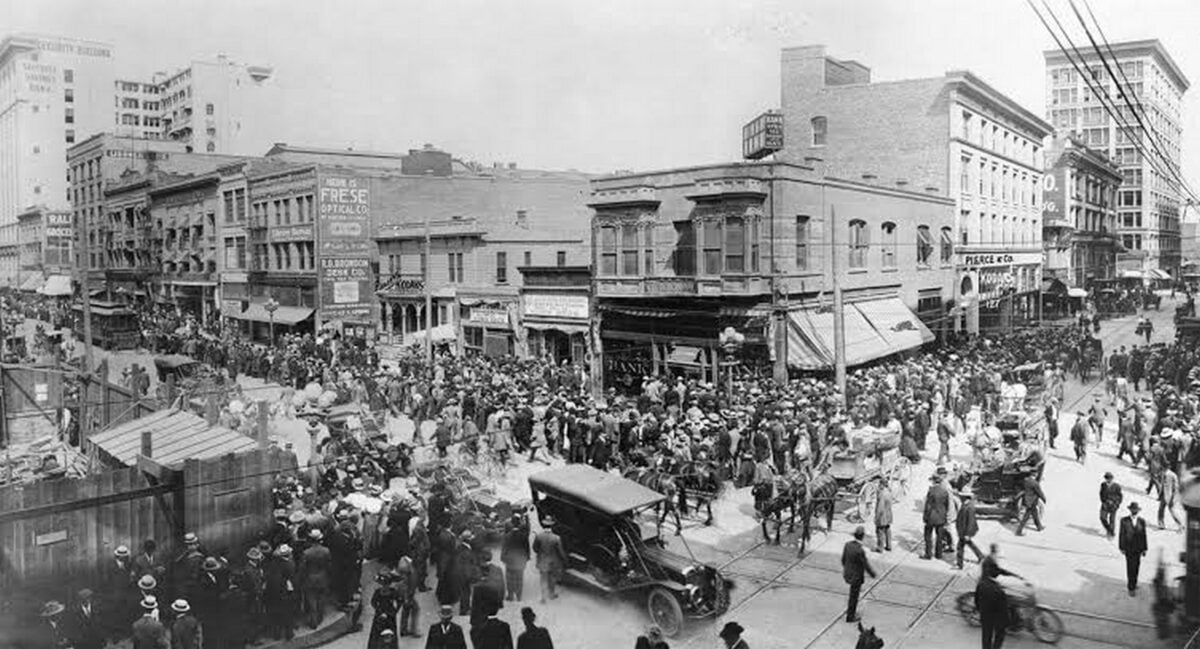
This eventually led to an irrecoverable loss – a loss of not just land and buildings, but of communities, of neighbourhoods, of the public life on streets and of the collective life that Americans once led. America unfortunately saw city planning as merely a planned network of destinations.
The challenge is thus to have organized city development that does not demand car ownership from its users, does not displace communities in the process of urban growth and ensures that infrastructure doesn’t inhibit public life. This story of American cities and their automobiles reminds us that city development and spatial design doesn’t revolve around just circulation; it matters just as much to promise memory, livelihood and belonging to those who call the city home.
Citations:
- Medium. (2022). The Shifting of Ideals: Cities of the Future Propelled by Car Culture. [online]. Available at: https://chriskirsch.medium.com/the-shifting-of-ideals-cities-of-the-future-propelled-by-car-culture-6802211e264a
- Autolife. Automobile in American Life and Society. [online]. Available at: http://www.autolife.umd.umich.edu/Environment/E_Casestudy/E_casestudy.htm#close