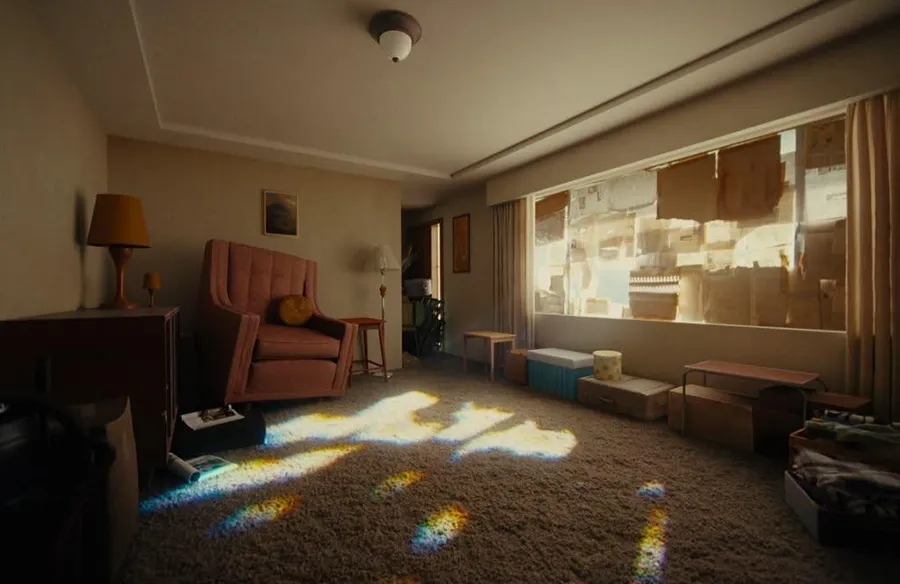
“All these rooms. This place builds them. Actually, more like it remembers them.”
Clark, Backrooms (2026).
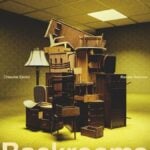
Dialogue from the Backrooms captures the movie’s critical idea- an area can sense as though it has a reminiscence of its own. In Kane Parsons’s 2026 sci-fi horror movie, a regular basement related to a furnishings showroom opens into a seemingly infinite world of corridors, rooms, and strange environments. The movie stars Chiwetel Ejiofor, Renate Reinsveig, and Mark Duplass, and expands Parsons’s famous internet-primarily based Backrooms idea right into a feature-length cinematic experience
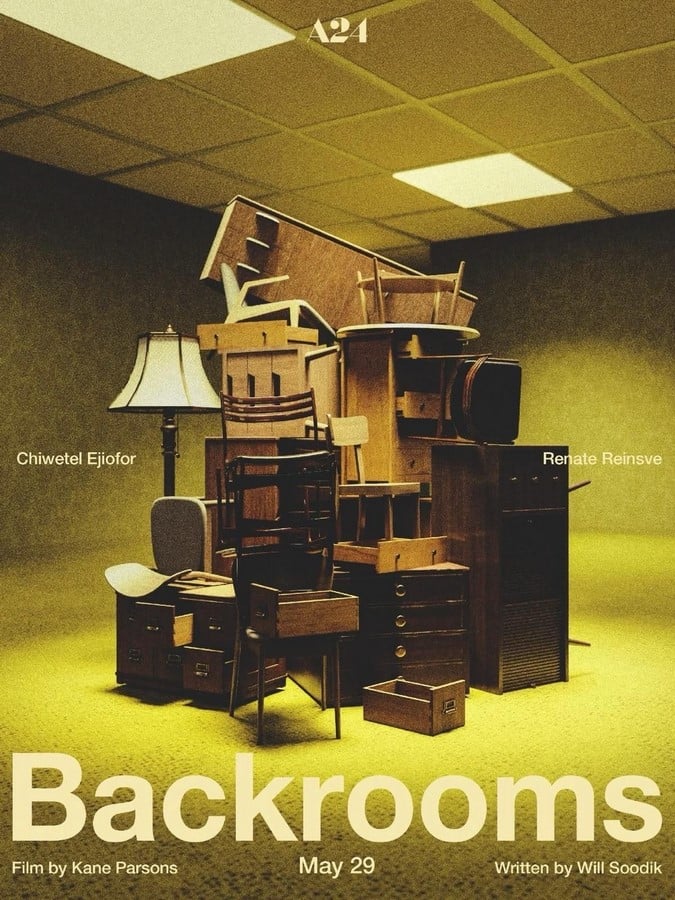
What to expect:
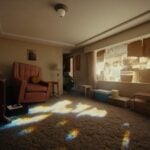
Backrooms is less a conventional monster film and more an unsettling exploration of space, isolation, and uncertainty; its horror comes from familiar architectural elements, fluorescent lighting, repetitive rooms, unfinished surfaces, corridors, and interiors, placed in impossible contexts.
The opening minutes are shot to resemble a camcorder; what follows may be raw and unedited.
The movie avoids explaining the entirety immediately. Instead, it encourages visitors to observe the surroundings in conjunction with the characters. A doorway, an extrade in texture or a repeated room can experience significance. This makes the movie exciting for architects, interior designers or all of us with spatial experience.
The run-time is about 1 hour and 50 minutes. It fits visitors who revel in atmospheric horror, liminal spaces, and tales that depart room for interpretation. Critics have mainly praised its manufacturing layout and its capacity to turn everyday environments into some thing eerie and disturbing, despite the fact that a few opinions discover the narrative much less powerful than the visible international it creates.
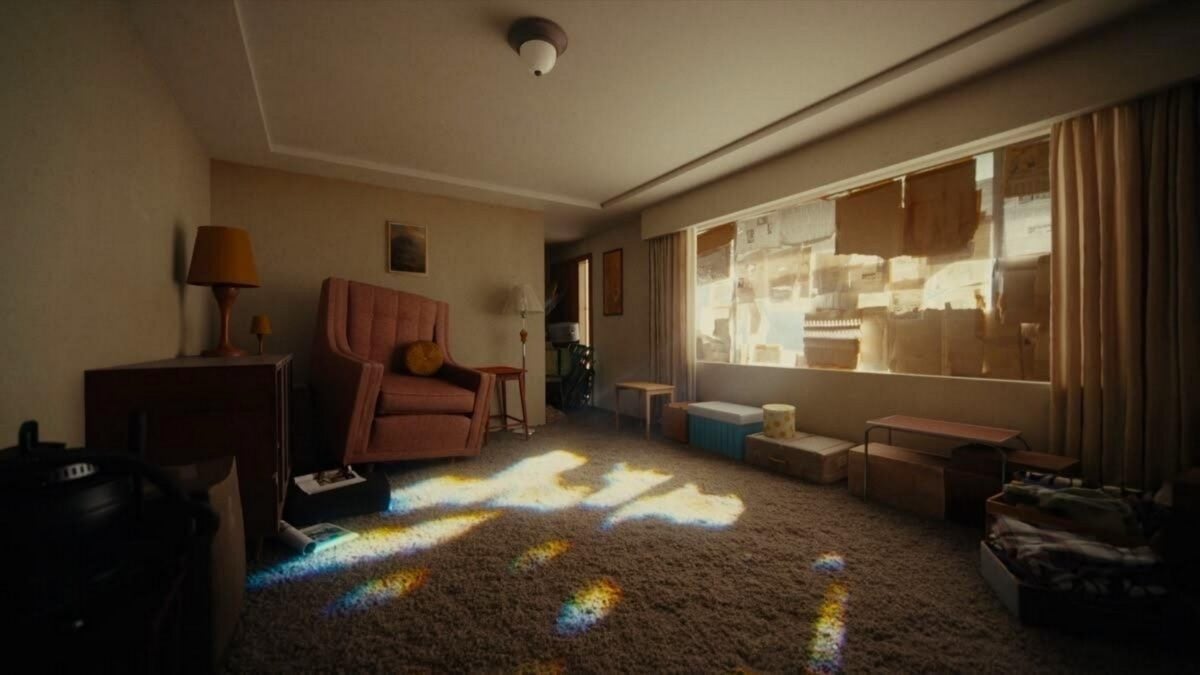
Repetition can create unease:
One of the film’s most effective layout factors is “repetition”. Similar walls, same ceiling grids, habitual lighting and limitless corridors dispose of the visible landmarks that commonly assist humans apprehend wherein they are.
In design, repetition frequently creates order. A series of column grids, a repeated window module, a sample chain on a fabric, or a material palette, could make a space/item methodical and coherent.
Now this film demonstrates the alternative possibility: whilst repetition turns into excess, it lacks variety and may produce anxiety and confusion.
“If I take an example, I might say a medical institution or a workplace building. Repeating corridors can be economical; however, without colour changes, daylight, landmarks or awesome intersections, users can effortlessly experience being lost”
When you can see a threat, your mind can measure it. When all you have is a long corridor, humming creepy music or light, and the sense of fear that someone is around the corner, your imagination works for the filmmaker.
“Absence of meaning can unsettle more than any monster” (Perez,2026)
Why do liminal spaces unsettle us?
The word liminal comes from the Latin for threshold. In anthropology, it describes the in-between stage of a ritual, when someone has left one state but has not yet arrived in the next.
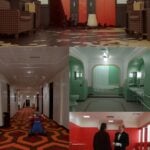
Online, the term has come to mean something related to places built for passing through, like corridors, hallways, lobbies, stairwells, and car parks, shown without people who normally give them purpose.
They are made for people but shown without them. A hallway is designed around movement but feels empty, like a stage after a performance.
They are familiar and negative at the same time; you recognise the carpet, the lighting, the tiles, but nothing is quite where your memory expects it. That mix of known and off is often described as uncanny.
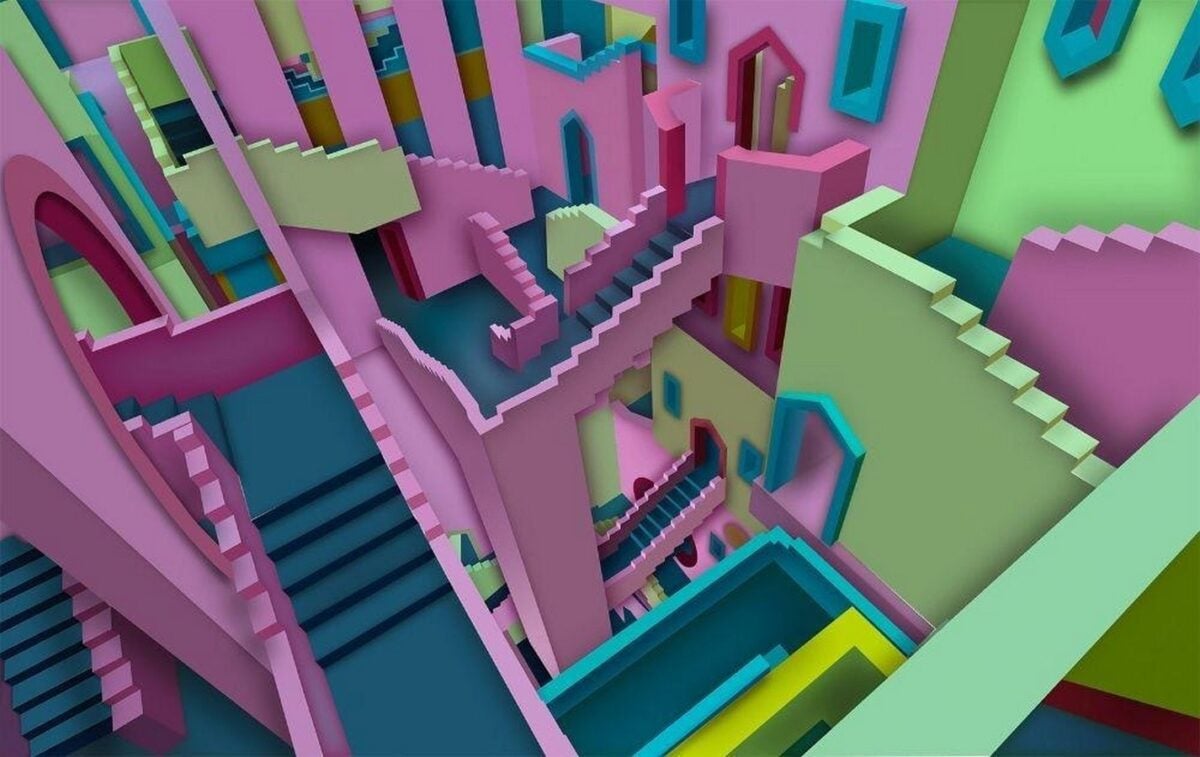
They provide no cues, without landmarks, signage, or windows, the mind struggles to construct a map, and now no longer understanding in which you’re that creates anxiety.
Borrowed nostalgia, due to the fact the movie is anchored in an era earlier of smartphones, the design feels remote from today’s indoors trends, dating finishes can sense haunting and comforting on the identical time.
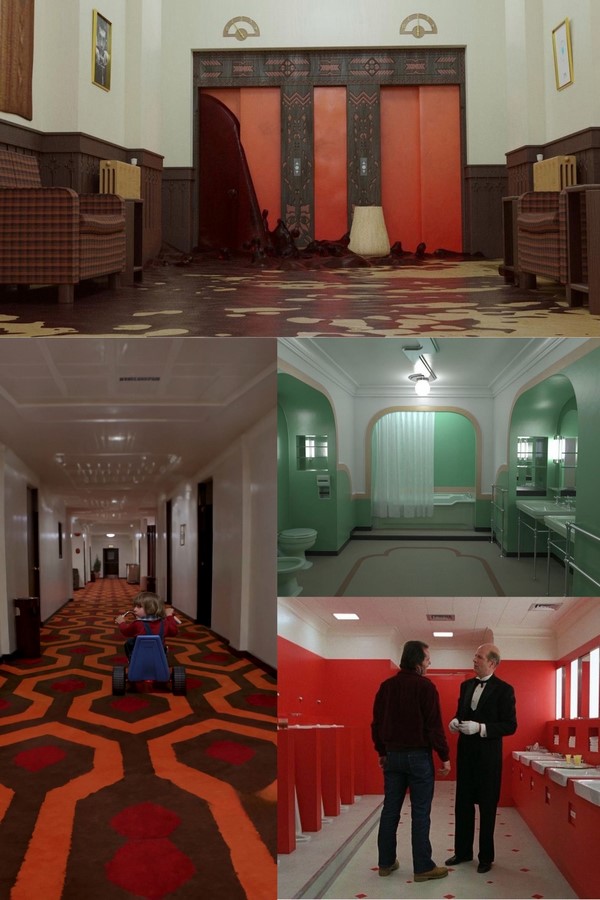
What designers can perceive:
The entire franchise grew from a single image and a simple rule: endless, empty, almost-ordinary rooms. Parsons turned that short video into a feature film. Good design often starts the same way, with one clear idea that later serves everything else.
Parsons made his early shorts on Blender. For the film, digital layouts were used to plan the sets before construction, leading to roughly 30,000 sq ft. of physical environments on soundstages.
The production designer, Danny Vermette, described building parts of the sets on platforms with slopes and odd angles, so the actors had to physically respond to them (Motion Picture Association, 2026).
You learn most when you use a prototype.
Surface finish, acoustic senses, light colour- basically, the use of the five senses accordingly all of these shape how a product feels. How much of a mood is built from things people barely notice. Whatever you design, consider what it sounds like, how it is lit and how it feels to be inside or alongside it.
Anyone adapting or redesigning something with a devoted community faces the same challenge: preserve what people loved while still giving them something new.
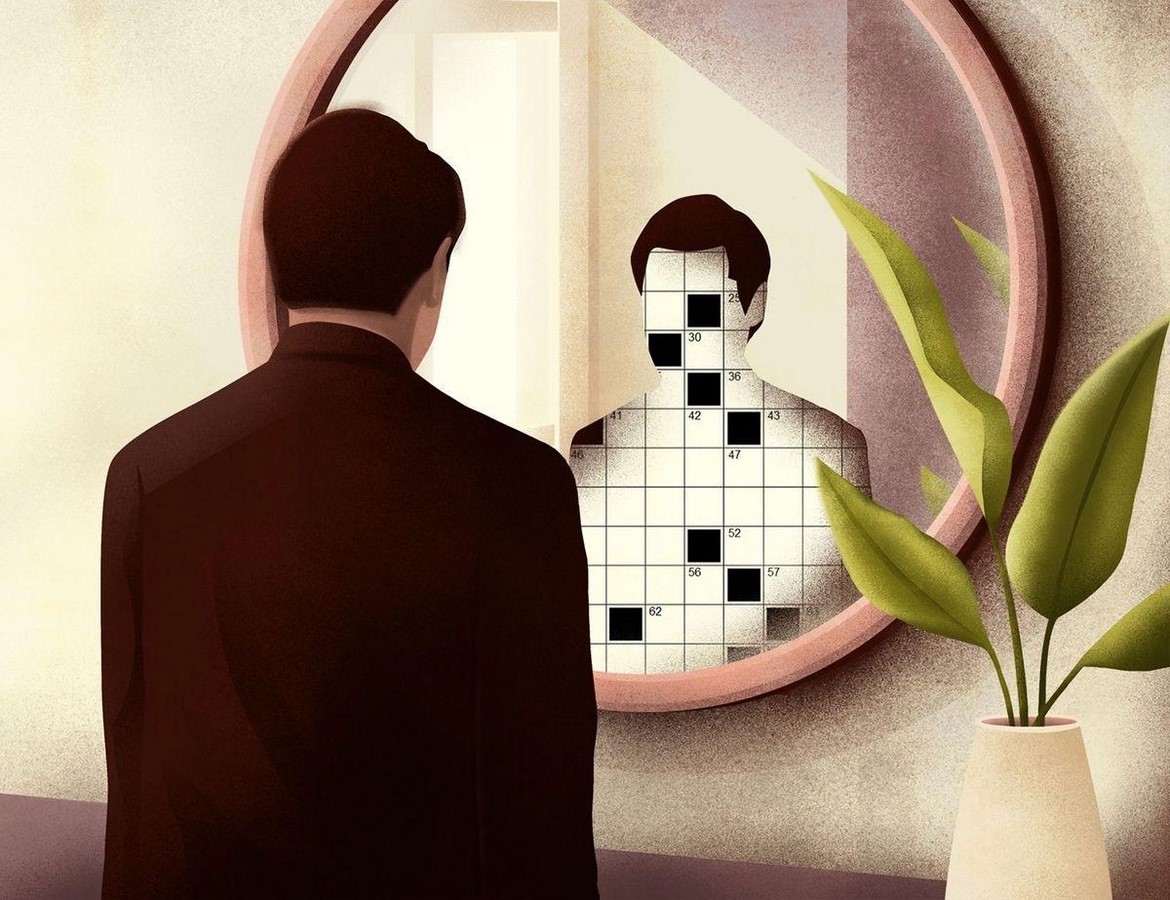
Some critics felt the film loses momentum once the story and creatures take over from the environment (Discussing Film, 2026). The lesson is general: striking form is not enough without a clear purpose. A beautiful space, product or interface still has to answer the question of who it is for and why.
Get lost:
Think of the last time you walked into your workspace/office on a holiday, or stayed after school hours ended. Nothing is wrong, yet you will feel off.
Backrooms, takes that tiny feeling and stretches it 105 minutes.
You do not need to know anything about design, horror films or folklore to enjoy it. All you need is a dark seat, maybe a Diet Coke can or popcorn, and willingness to let your imagination settle and work because the film trusts it to.
It is a rare kind of success: a 20-year-old with just a strange photo and a free 3D program ended up making the highest-grossing movie.
Go and see it, and when you walk out of the cinema, get lost and glance down in the next exit corridor.
References:
Backrooms (2026) Directed by Kane Parsons. [Film]. United States: A24. Available at: https://tv.apple.com/us/movie/backrooms/umc.cmc.gceh2i2w95yi0dm29fusg3jw (Accessed: 11 October 2026).apple
Backrooms (2026) Directed by Kane Parsons. [Film]. Available at: https://www.hulu.com/movie/backrooms-1e0cf567-c5e9-449d-bf66-a38d347bdfdc (Accessed: 11 October 2026).