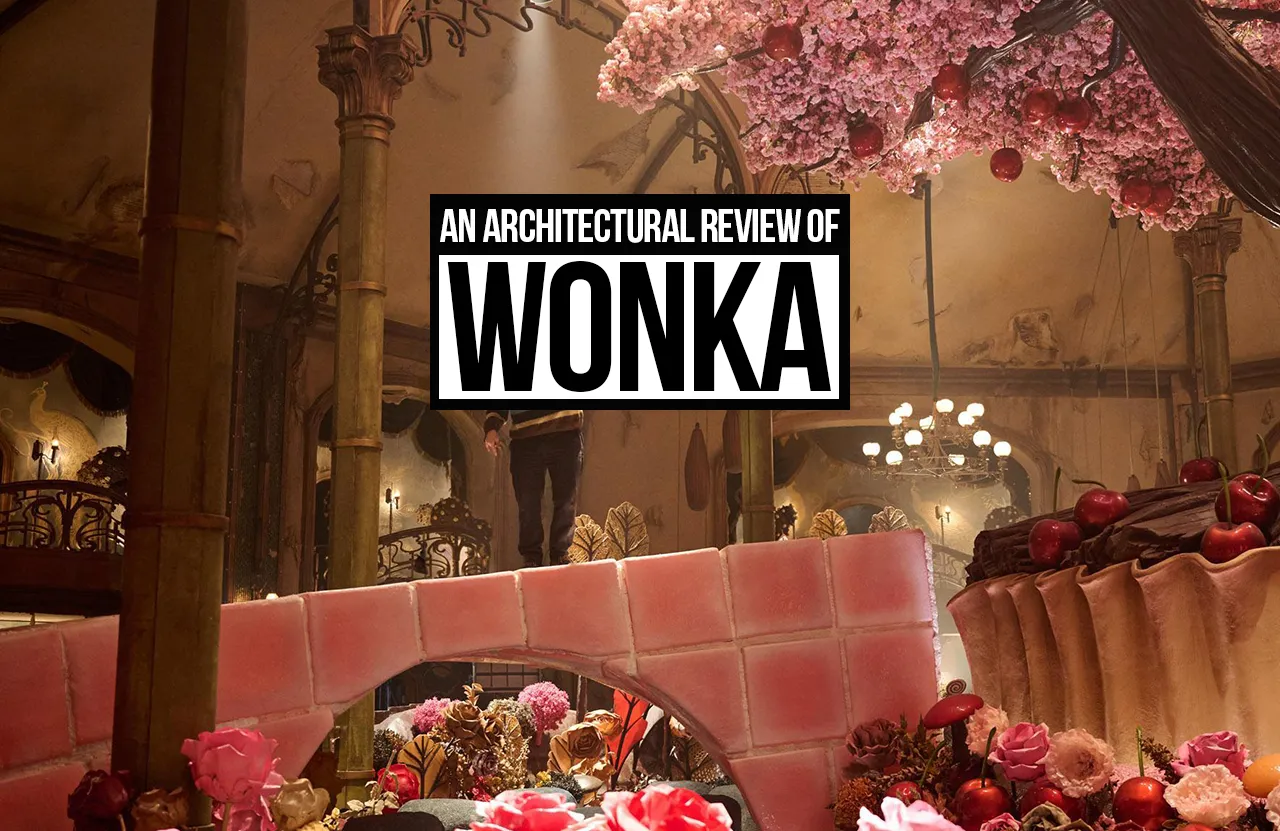
What makes a place truly magical? Is it the way it looks, the way it makes us feel, or the memories it leaves behind? The movie “Wonka” (2023) is a musical fantasy film directed by Paul King and based on Roald Dahl’s “Charlie and the Chocolate Factory,” featuring Timothée Chalamet in the leading role acting as a young and ambitious Willy Wonka. The plot revolves around the central character trying to get to the city famous for its chocolates to open his candy shop despite all the odds, competition from within, and financial issues. One of the most prominent and remarkable features of the film is the environment in which the story takes place, namely the city of colourful shops, unique interiors, and unforgettable scenery, which creates a lasting impression.
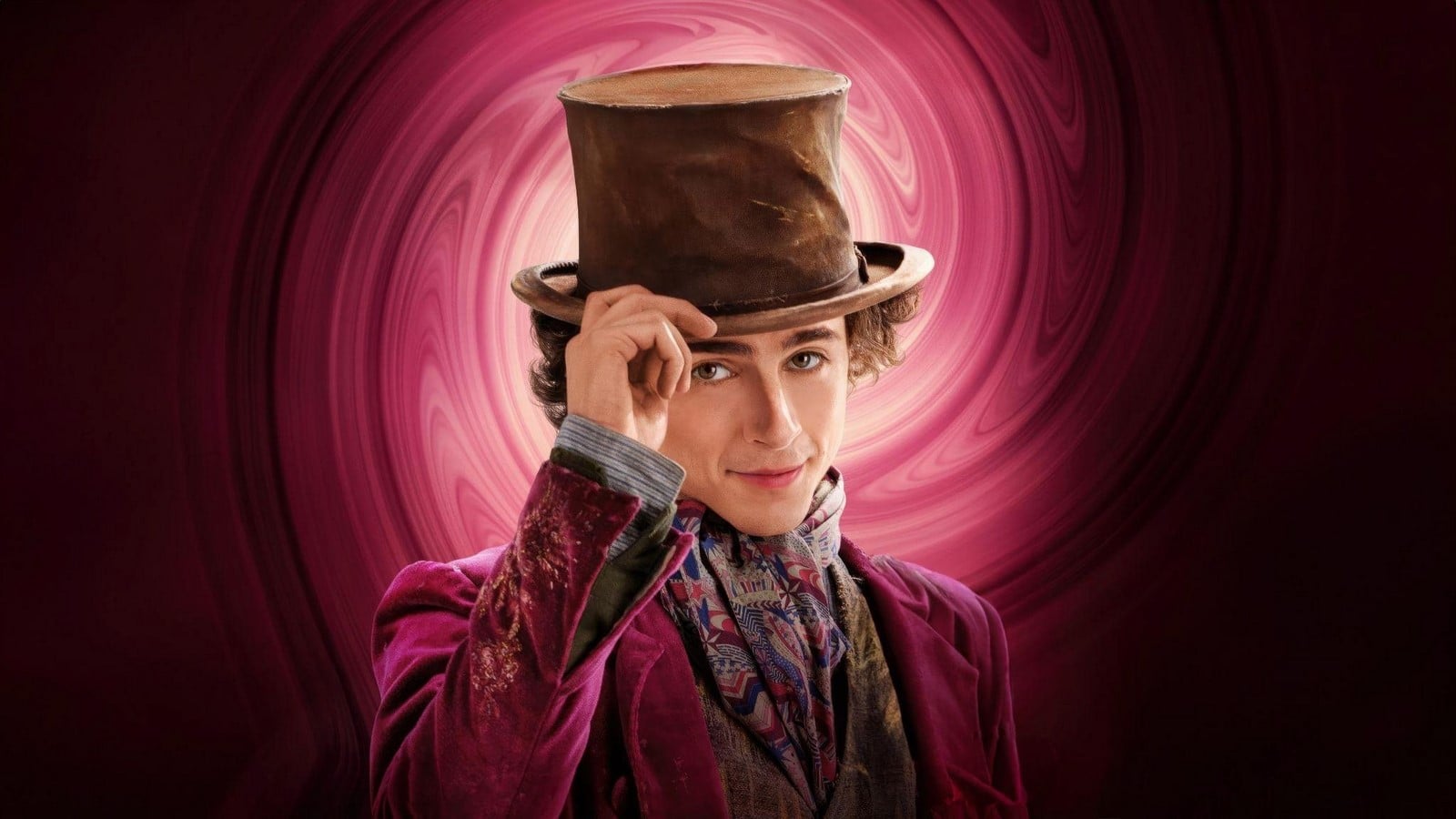
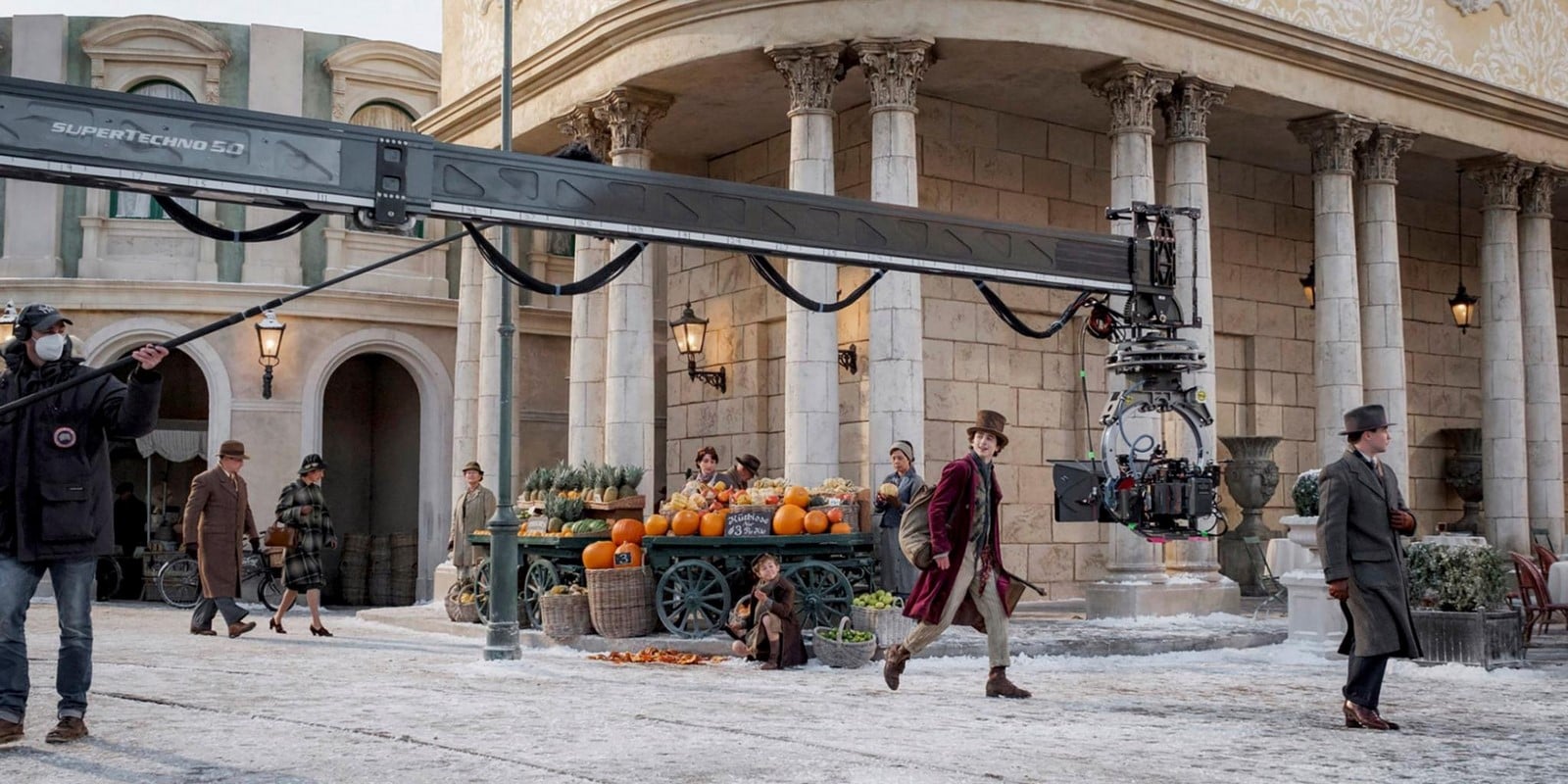
Chalamet’s energetic and optimistic performance is further enhanced by the presence of other actors who play their part in the film, most notably adding a degree of humor to the presentation. The music is reminiscent of a number of other films in the same vein but manages to capture the eccentric nature of the protagonist, which may be an acquired taste for some and not as enjoyable for others. The director has beautifully captured the mystery and magic in this fantasy musical about young Willy Wonka, which is a real delight for the spectators who are attracted to the magical world created by chocolate, music, and an extraordinary storyline. But how could the movie manage to make such a strong impression on the viewers?
A World Built Through Colour
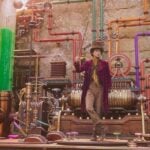
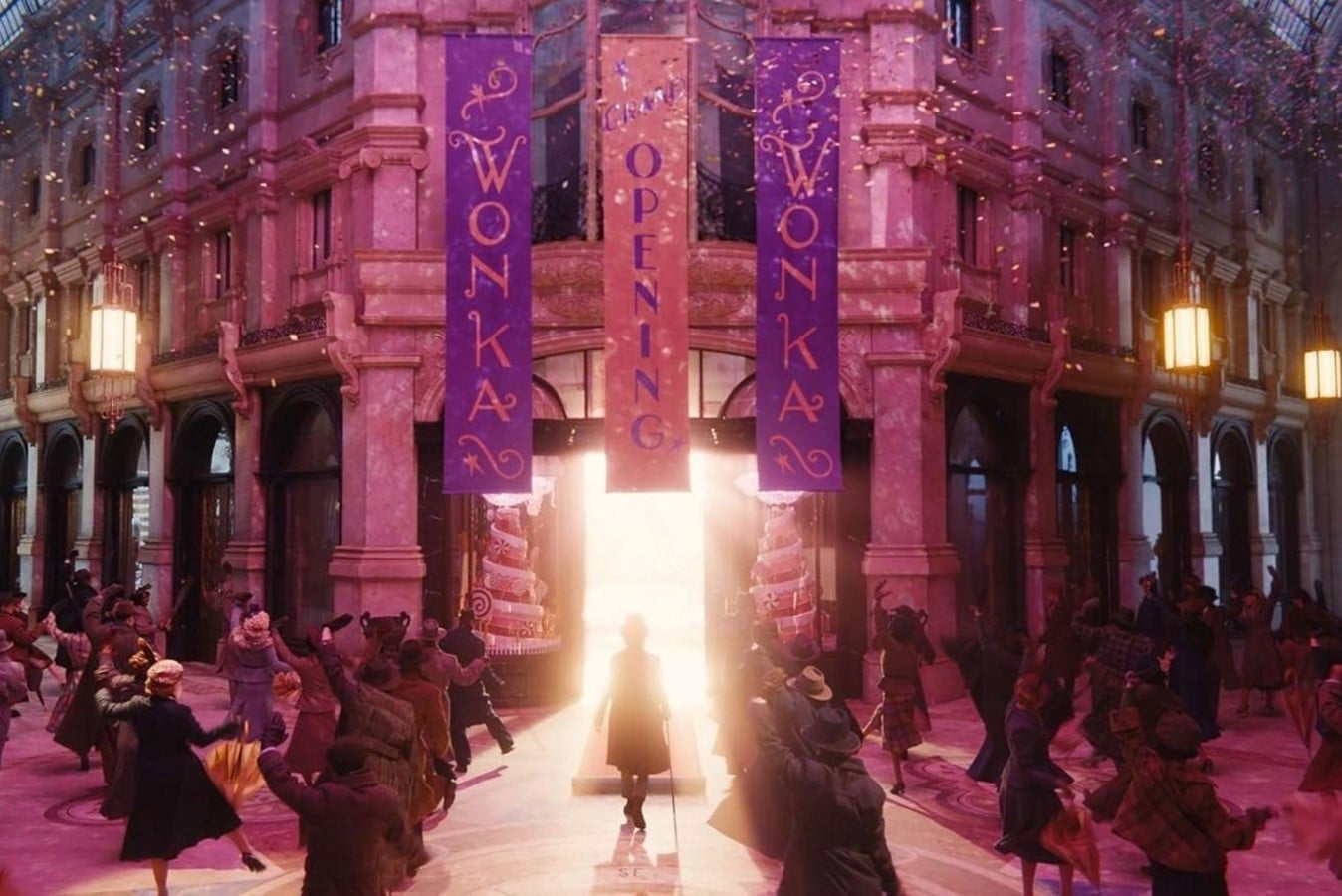
Colour definitely has the power to control the emotional tone of a person. The entire town in the movie has colourful facades on the shopfronts, painted signboards, and very detailed interiors. The colors are not just for show, but define the character of the world. For example, Wonka is almost always surrounded by purples, yellows, and oranges, which are reminiscent of chocolate. Those who control the antagonist power in the movie have more subdued and imposing surroundings. This can also be related to architecture, where we learn that color psychology can shape the mood, attention, and perception of a person.
Architecture as Storytelling
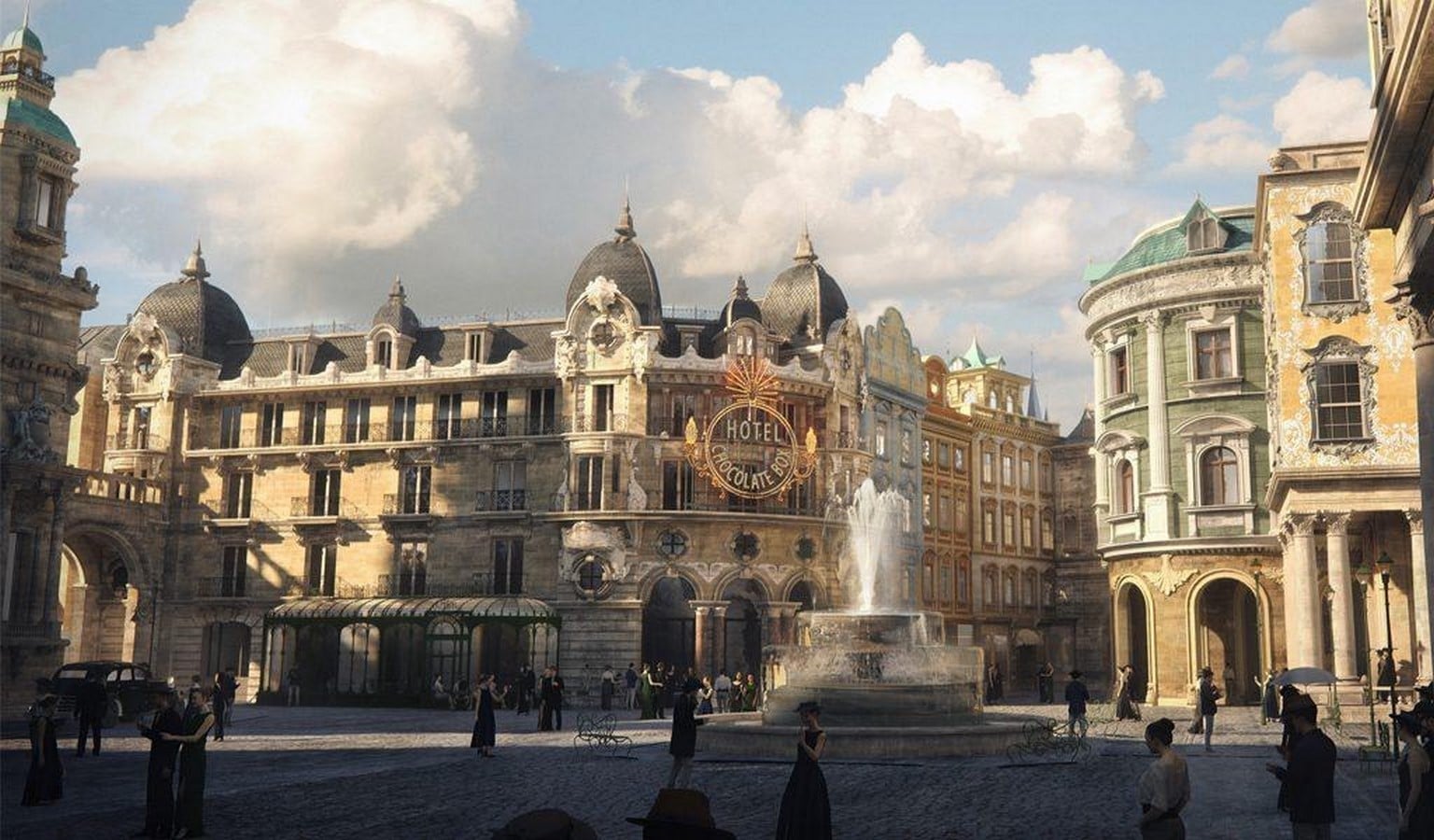
The film’s town in Wonka creates the illusion of a living character. The placement of the shops, streets, markets, and public places contributes to the opportunity for different meetings and encounters. Specific architectural elements shape the background for the story’s plot without the need for additional explanations. Architects and designers have much to take away from the film. Sometimes local identity, which lives in arrangements, details, and the experience of everyday life, is better than creating unusual or exotic environments.
The Chocolate Shop as a Design Exercise
Wonka’s dream of opening a chocolate shop lies at the very heart of the film, making this place extremely fascinating from a designer’s perspective. The approach is not to simply display the product. Instead, he creates an immersive experience and engages people in a unique act of imagination and fantasy. A café, shop, museum, or even a restaurant is often perfectly functional but fails to become a true experience. In the movie, Wonka demonstrates how one can magically transform space, and even the way people interact with each other.
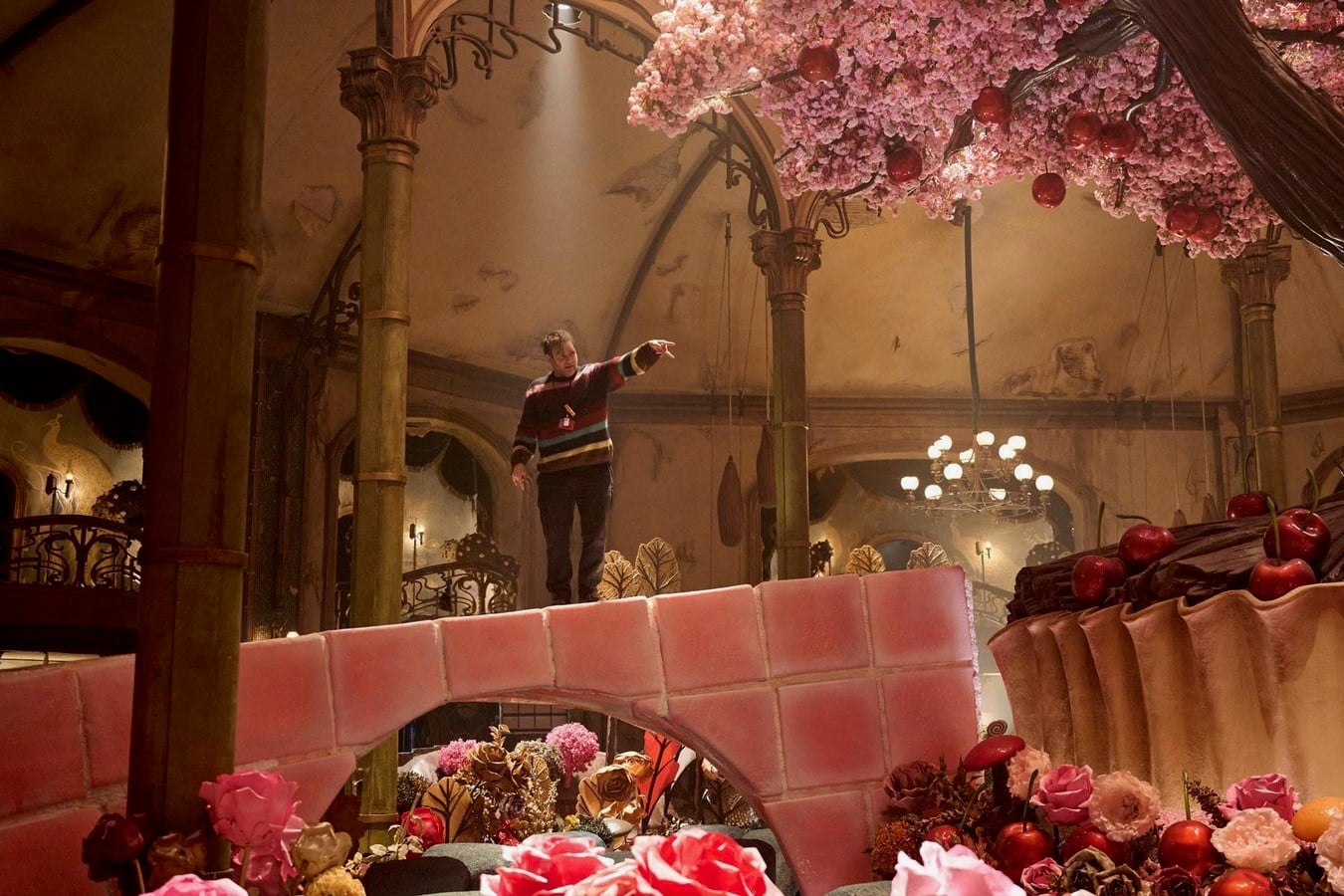
The Art of Movement and Discovery
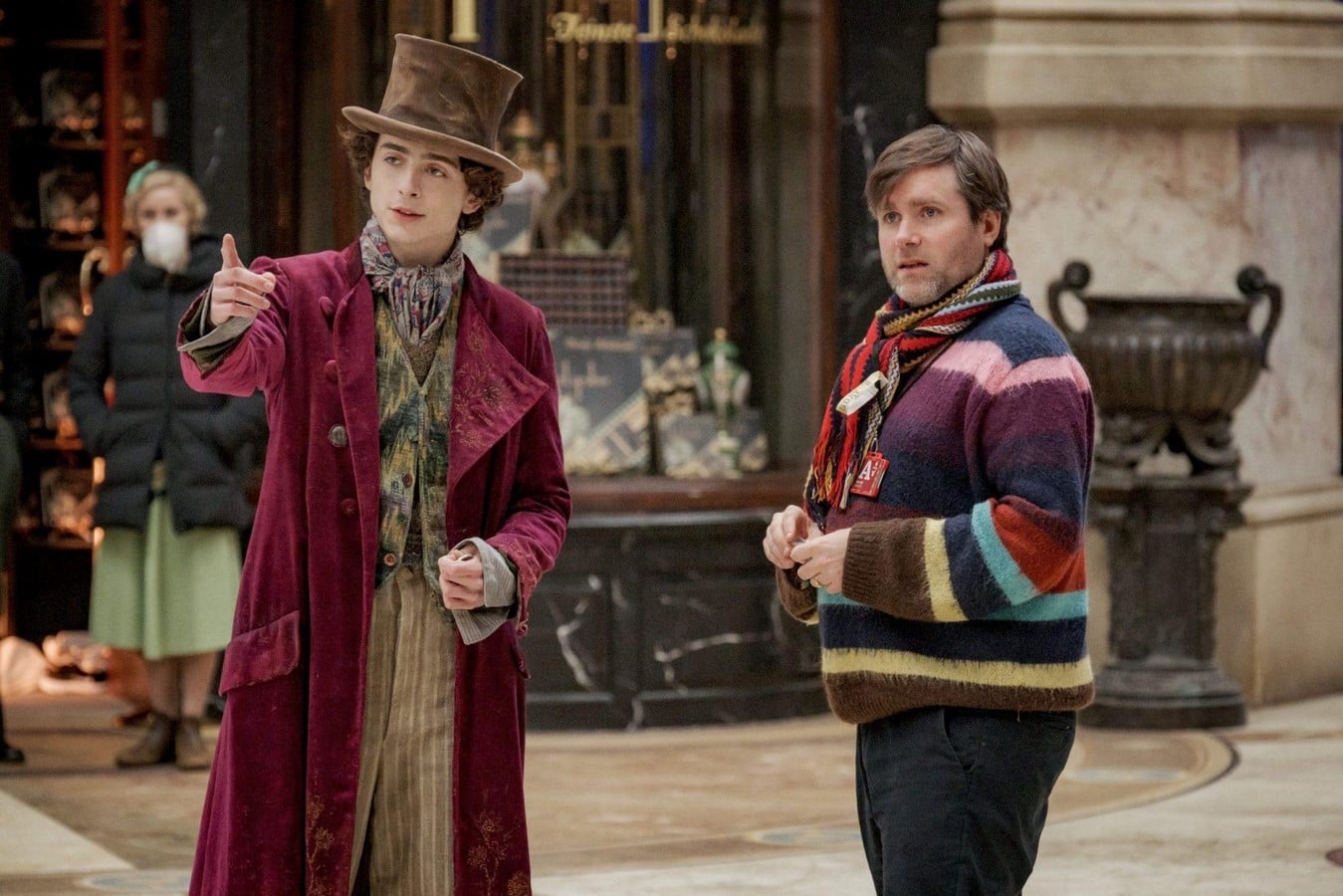
Architects can create the same effect with a series of spaces. A building can hide as much as it reveals, using different scales of space and varying light or ceiling height. Each scene creates a sense of anticipation about what would happen next. The spaces naturally flow from one to another, making the audience curious. This is very similar to the design of a building, in which a carefully designed sequence allows us to experience a journey fully. When movement between spaces is carefully structured, the journey can become very memorable.
A dark room may reveal an opening to a sunlit room, or a framed opening can offer a glimpse of something that is revealed later. In these ways, the designer can lead us through a building, allowing us to stumble upon surprises and discoveries. For the designer, this means that he or she must think about not only the individual rooms but also the relationships between them and the ways in which we experience their juxtaposition within the overall structure.
The Magic Is in the Details
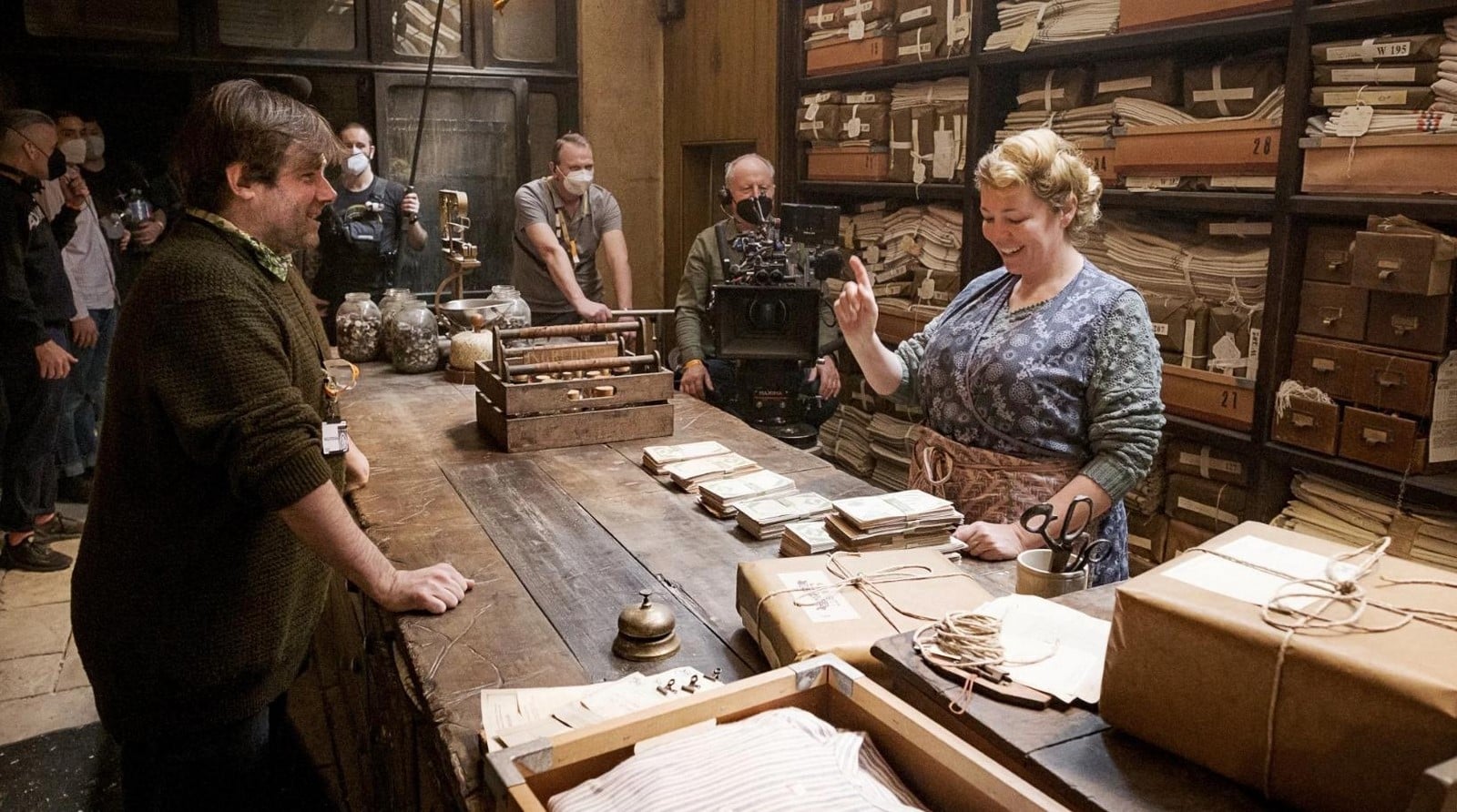
Possibly one of the greatest lessons of Wonka is its focus on the little details. Doors, windows, textures, furniture, signs, and even minor objects all play a part in creating the environment around. None of these details takes up too much space in the picture, but together they give credibility to the surroundings. Wonka’s shop is filled with all sorts of delicacies. The shop, which he created with the help of his friends, has an amazing choice of chocolates, bright, colourful wrapping, and furniture; all combine to create a sense of whimsy.
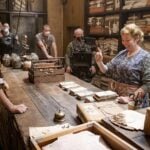
Mrs. Scrubbit’s place is completely the opposite. Drab and unwelcoming, using dull colors and simple furniture that surrounds the place like a thick fog. None of these details take up too much space in the whole picture, but together they give credibility to the surroundings. For architects and designers, this family-friendly film highlights how design is often found in the tiny decisions.
Beyond the Ordinary
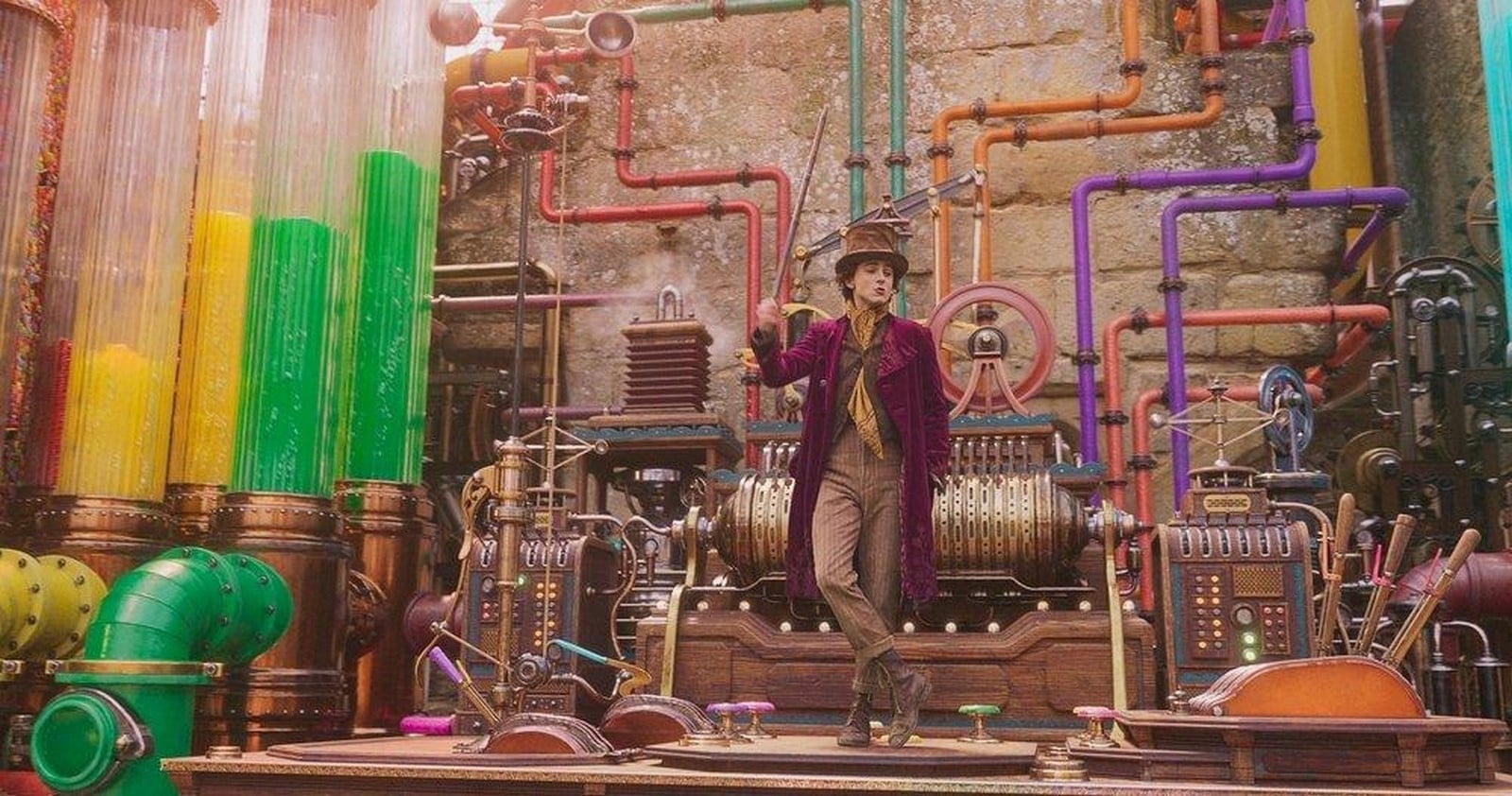
The lessons of Wonka extend beyond buildings. While the film is a visual delight, it offers architects and designers much more than meets the eye. Creativity and out-of-the-box thinking play a central role in the movie. For designers, the movie stresses the importance of being creative and looking at the same old world through the eyes of an explorer. Everything doesn’t have to be invented anew; there is always a way to think about things differently. After all, the most fascinating spaces begin with the willingness to imagine what does not yet exist.
References:
James, D. (2023). ‘Wonka’ Production Designer Nathan Crowley on Creating a Chocolatier’s Whimsical World. The Credits, 19 December. [online]. Available at: https://www.motionpictures.org/2023/12/wonka-production-designer-nathan-crowley-on-creating-a-chocolatiers-whimsical-world/ [Accessed: 6 October 2026].
Agarwal, B. (2023). Wonka Review: Timothee Chalamet’s film is delectably funny and brilliant. India Today, 8 December. [online]. Available at: https://www.indiatoday.in/movies/reviews/story/wonka-review-timothee-chalamet-hugh-grant-film-is-delectably-funny-and-brilliant-2473487-2023-12-08 [Accessed: 7 October 2026].
Stables, K. (2023). Wonka: sickly sweet. Sight and Sound, British Film Institute, 8 December. [online]. Available at: https://www.bfi.org.uk/sight-and-sound/reviews/wonka-sickly-sweet [Accessed:7 October 2026].
Wonka (2023). [Film]. Directed by Paul King. United States and United Kingdom: Warner Bros. Pictures