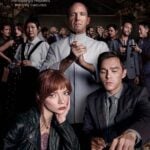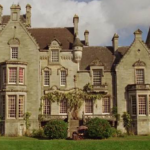
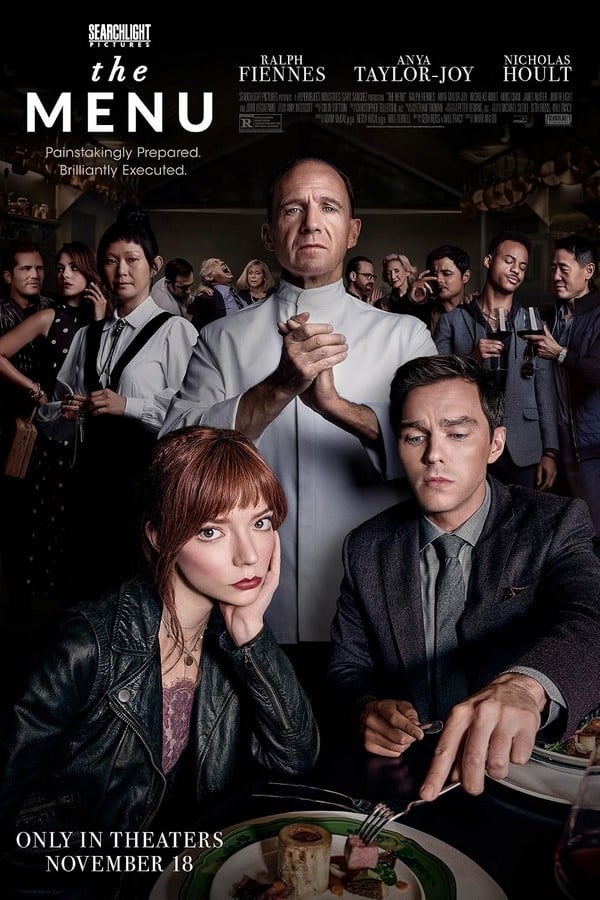
What happens when a movie stops using architecture as a backdrop but gives it an active role in the story? The Menu (2022), directed by Mark Mylod, is less a film about food and a restaurant and more an exploration of class, obsession, art, the artist, and the relationship between them. The movie is set almost entirely on an isolated island that houses an exclusive restaurant. It follows Margot, who accompanies Tyler, along with other guests, to enjoy a specially curated menu by the chef, Julian Slowik. The movie uses every visual element to reinforce its central themes. Though for architects and designers, there lies a special layer to be deciphered — how to design an experience.
The Experience Begins Before the Restaurant
The dining experience in the movie is not limited to the table and what is being brought out on it. Rather, it begins immediately as the guests board the boat. Upon reaching the island, they are taken on a tour. They are taken to the oceanside, where the staff are fishing, through fields where they grow their herbs, and into the smokehouse where their meat is tenderised. This expands ‘The Menu’ to be associated with an experience instead of being limited to bread or drinks; it doesn’t rely on taste alone but extends to every other sense as well. By the time the guests reach the table, they are filled with wonder and curiosity about the dishes, having seen the process behind them. Throughout the movie, as a designer, this raises the question of whether the process is as important, if not more, than the final outcome.
Architecture as a Performance
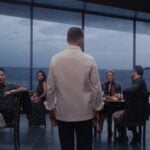
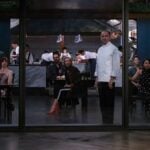
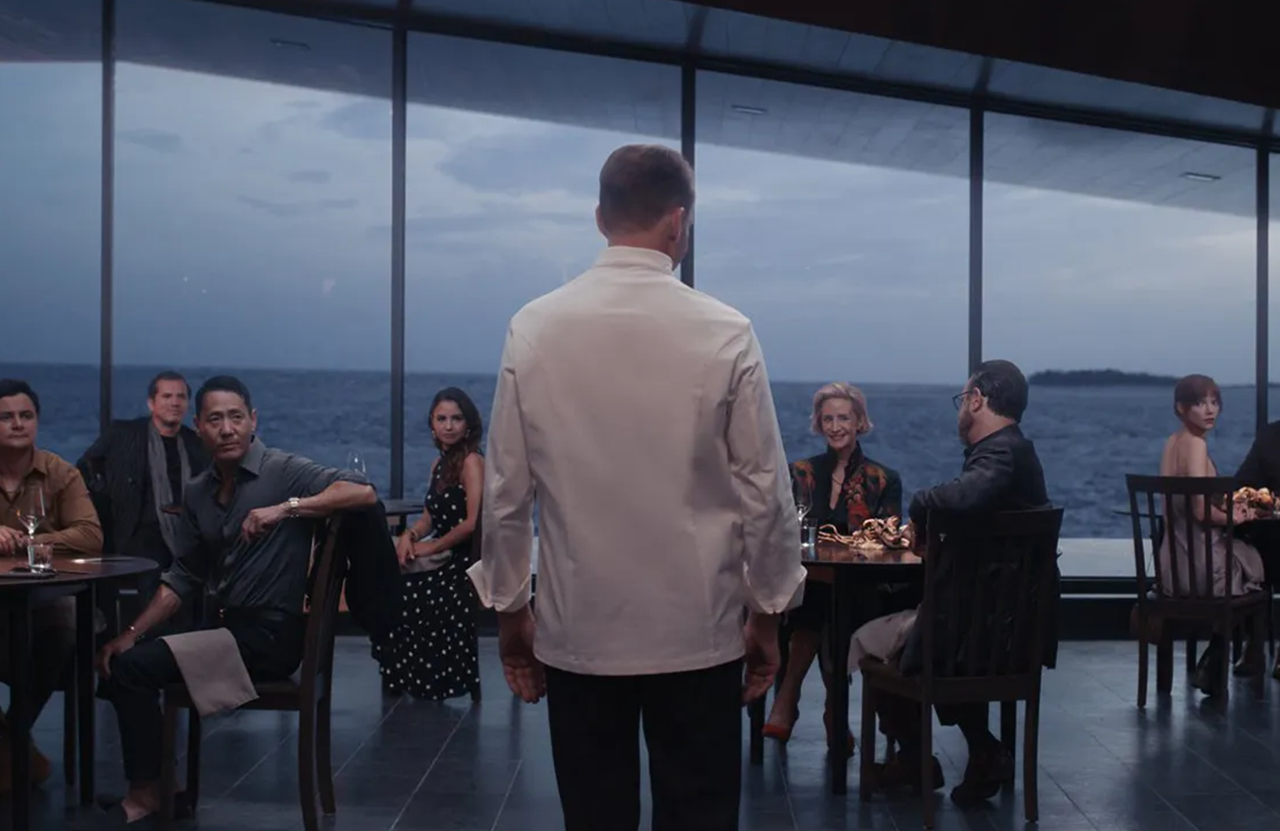
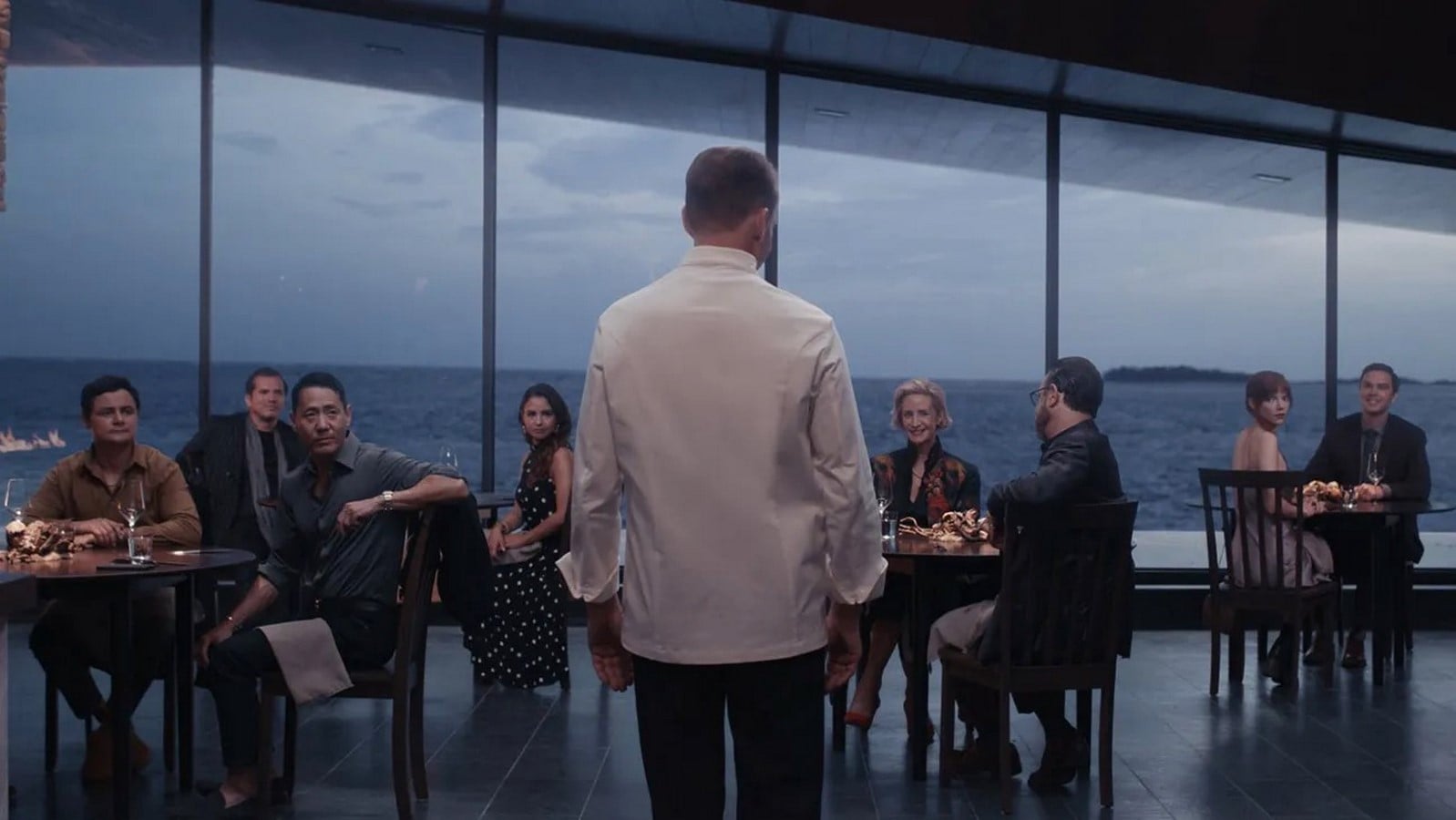
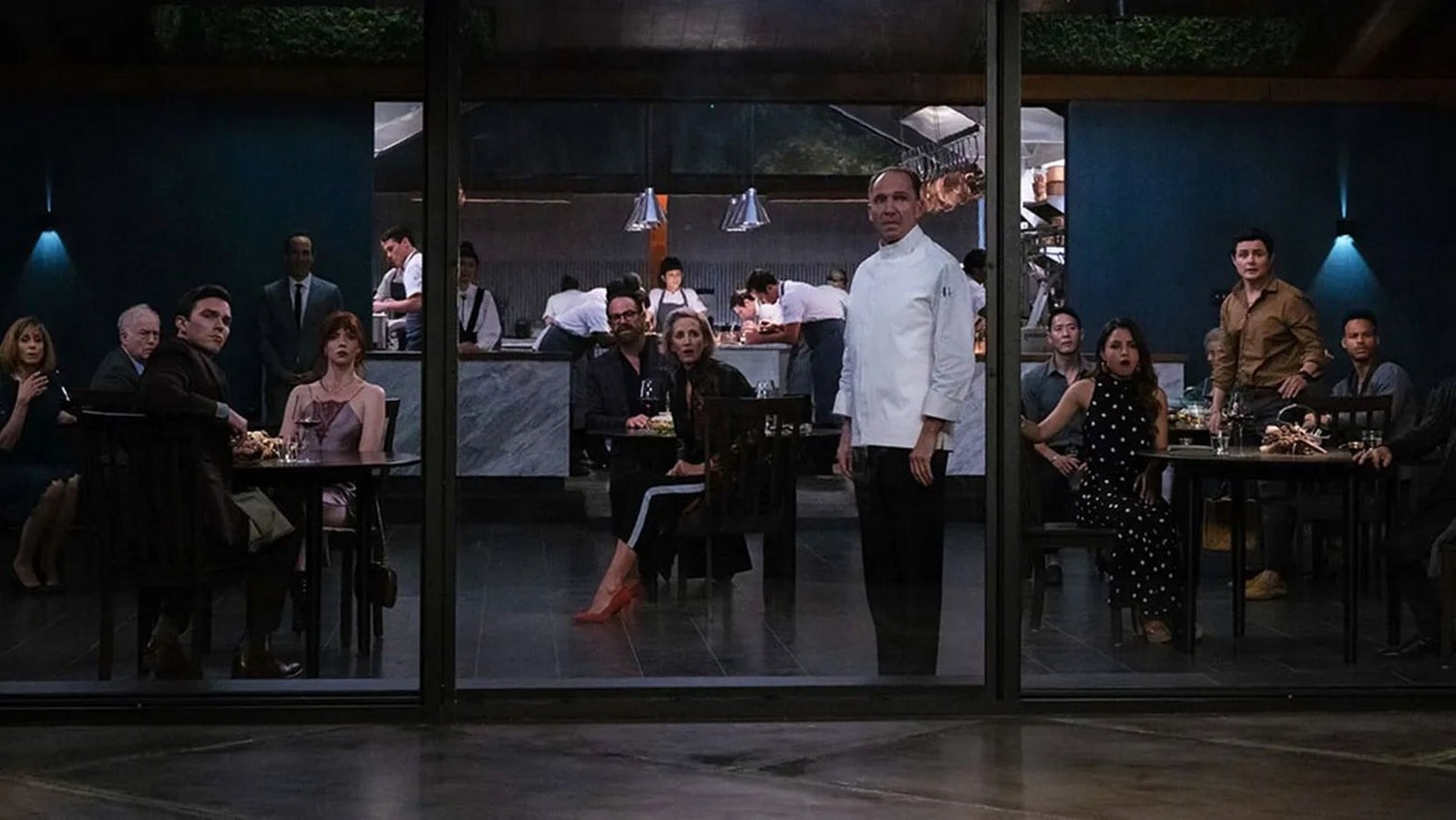
Hawthorn is designed almost entirely around the dining experience. Nothing in The Menu feels accidental. The island, the restaurant, the kitchen, and even the movement of the staff contribute to the performance. The kitchen is proudly displayed in the dining space as if it were the stage — because it is! The dining space is set between the show kitchen and floor-to-ceiling glass windows that overlook the sea. Even though the view is beautiful, the cooking going on in the kitchen steals the show. The guests are guided through the meal as they are introduced to the ingredients, the preparation process, and the plating in real time, creating intrigue. This is particularly relevant to contemporary design, where restaurants, retail spaces, and hospitality environments increasingly blur the boundary between function and spectacle. The process itself can become part of the product.
The Architecture of Class
Perhaps the strongest contrast one can notice in The Menu is that between the guests and the staff, the takers and the givers. During the tour, the guests as well as the viewers come across different spaces — fields, smokehouse, prepping area, and even the staff quarters. Every space looks grand and luxurious until the staff quarters are seen, where, in the movie, some of the guests comment about how small and congested the room looks. Throughout the movie, every space seems beautiful, well designed, and luxurious. But only the spaces intended for the use of guests. As the viewer looks at the staff quarters and kitchen, they notice that the intention of these spaces is to be minimal and efficient. Later, when we get to see the Chef’s cottage, it is also homely and modest — a stark contrast to everything the restaurant strives to be.
Architecture often demands a clear distinction between spaces, especially when they are designed for different users. This is evident in the movie when one sees Margot, dressed in an expensive gown and jewellery, sitting in the Chef’s cottage looking out of place. Even when we see the staff move robotically in the kitchen, which is designed for efficiency, we see guests patiently sitting or leisurely sight-seeing the luxury they are here to consume. Luxury spaces are often designed to hide the labour that sustains them. The Menu deliberately reverses this relationship by bringing the hidden processes into view, which becomes a central theme in the movie.
When the Artist Stops Enjoying the Art
At its core, The Menu is about an artist and their art, when the relationship moves from passion and love into a dangerous, obsessive territory. Revealed slowly through peeling back subtle layers, it grows increasingly obvious how the artist is stripped of emotions. Julian Slowik has lost his love for his art. This is revealed when the viewer sees through the eyes of Margot a picture where he is laughing while cooking a simple, traditional cheeseburger. A juxtaposition to now, where his kitchen and movements are mechanical and his food is just a product he is selling. Margot makes this a point when she tells him his food does not taste like it was made with love and asks him to make her a cheeseburger, which reminds him of how his art used to make him feel.
Julian Slowik creates this elaborate menu to expose the ruin of his art and those at fault for it: the critics who are never happy and look for the next best thing; the customers who treat it like something to consume and not to enjoy; and the rich and powerful people who turn art into something to possess and gloat over those who cannot afford it. But this movie leaves you with the question of how much of it is the artist’s fault themselves, and if the art has no soul behind it, does it stay art or become something else?
Ultimately, The Menu is a great depiction of what happens when the purpose and passion behind art is lost.The movie sets this up by making the entire dining experience at Hawthorn picture perfect — an isolated and exclusive restaurant on an island, delicious food, great wine, and a grand spectacle — yet it still feels robotic and flat due to the absence of a meaningful relationship between the art and its artist. For architects and designers, this becomes an important reminder that design is not only about what people see or consume, but also about what they feel, how they move, and what they take away from a space. An experience may be meticulously designed, but without meaning or emotion behind it, even the most beautiful space can begin to feel lifeless.