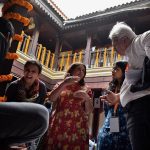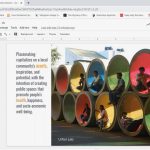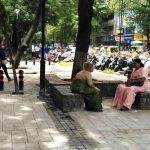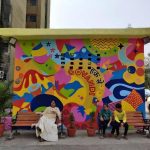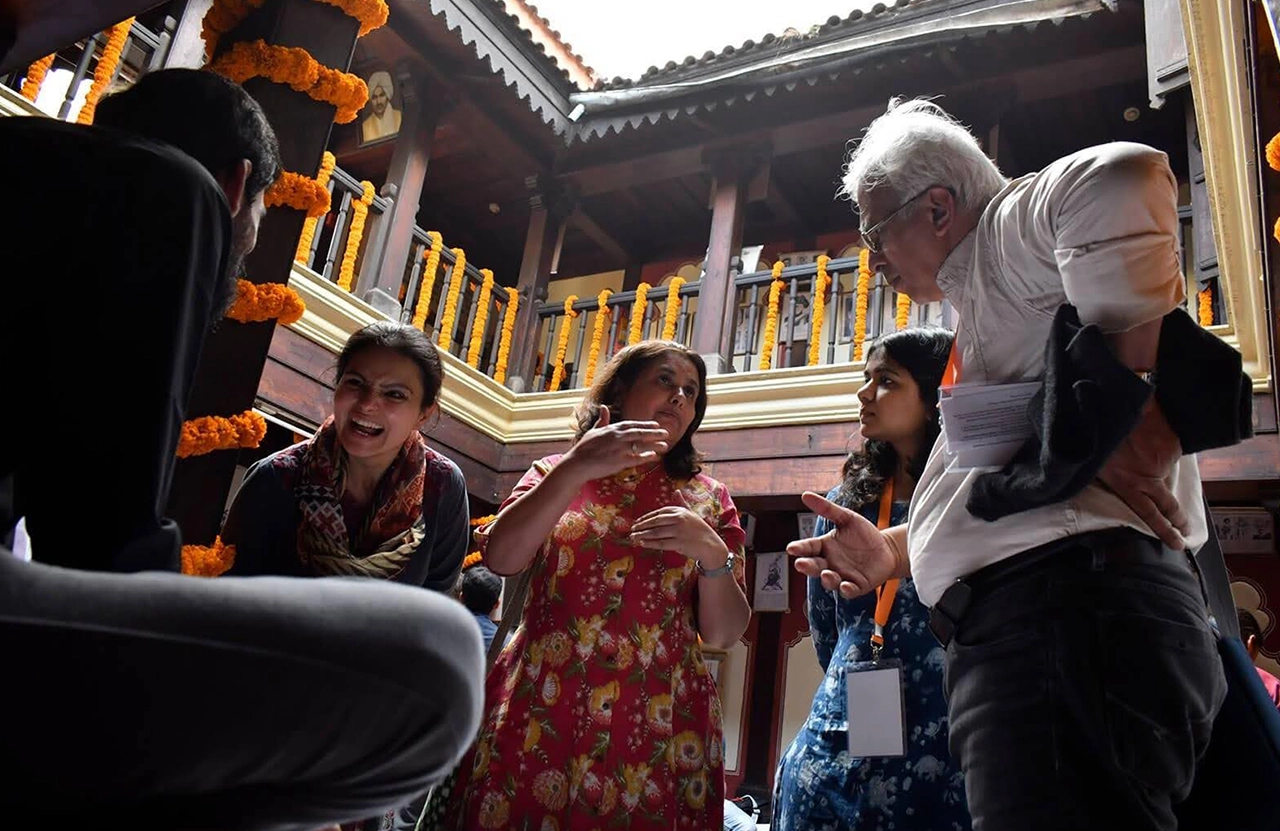
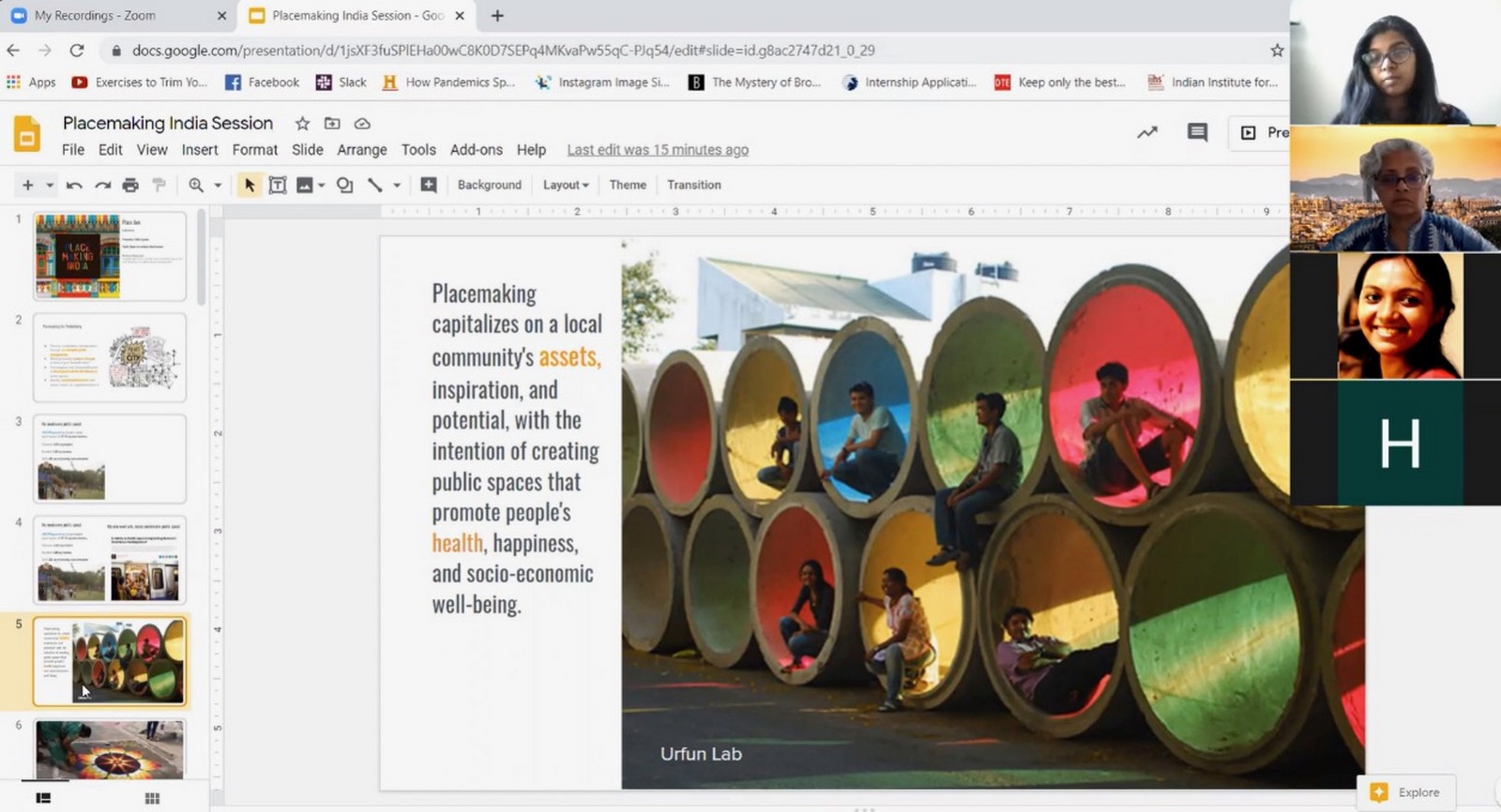
When we think about public spaces, we typically imagine parks, plazas, streets, playgrounds, or other spaces that are intentionally designed for people to gather. But through the presentation, Placemaking as a Means for Creating Productive Public Spaces makes us reconsider what a public space actually is and, more importantly, what it can do. Dhanya Rajgopal, Program Associate at Design Trust for Public Space, a non-profit based in New York City, chats with Placemaking India’s Pavithra Sriram, Co-founder of Design CoLab, Chennai, India. Dhanya provides insights on the management of public spaces and forming alliances with communities and local organizations in order to establish and sustain them.
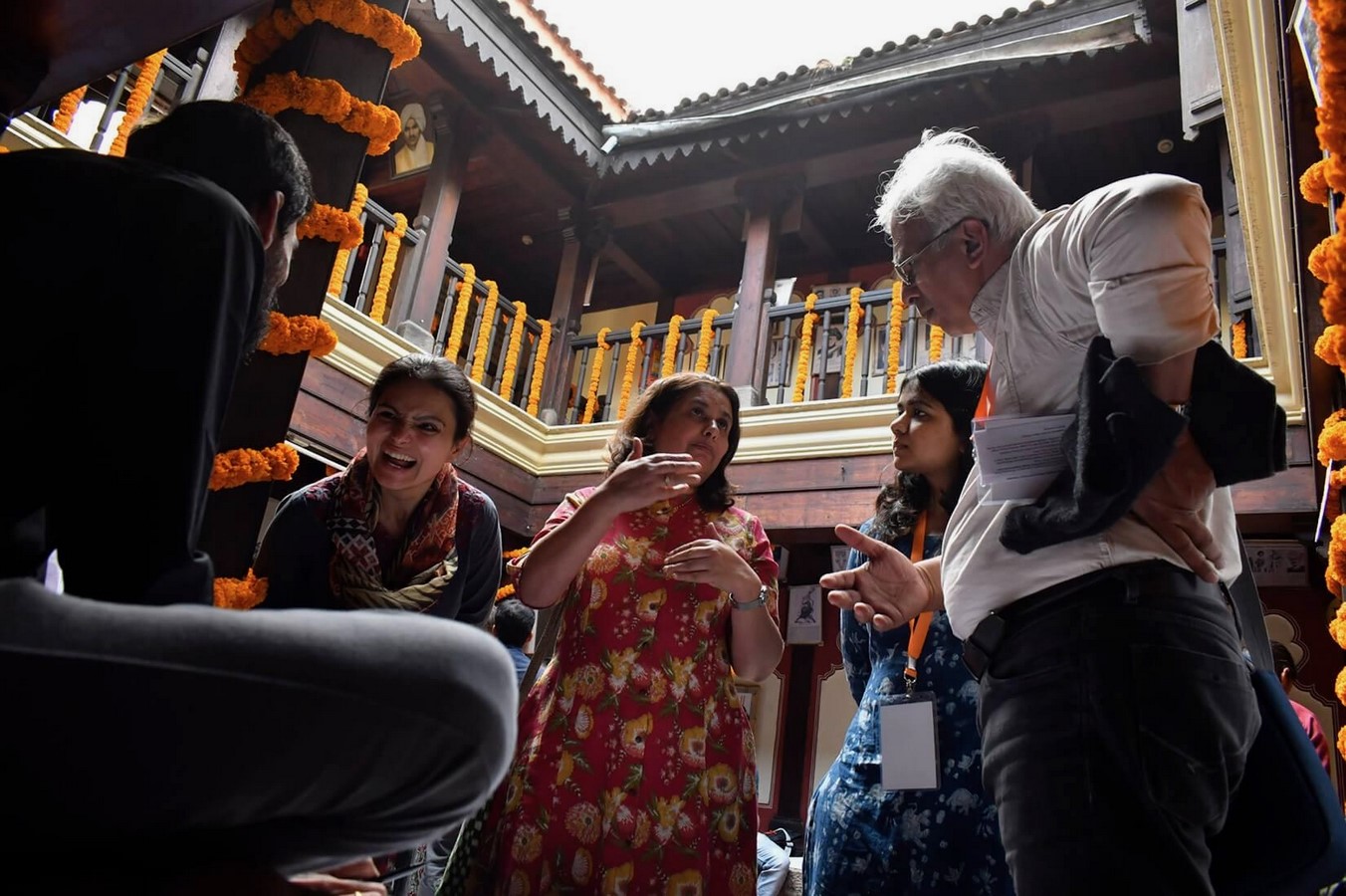
The talk introduces placemaking as an approach that goes beyond simply improving the physical appearance of a place. It speaks about understanding the people who use a space, recognising the resources that already exist within a neighbourhood, and creating conditions that allow those resources to interact. It makes us view placemaking less as a design solution and more as a process of discovering possibilities.
Urban development often begins by identifying what a neighbourhood lacks. We see an unused space and immediately think that it needs a park or see a neglected street and think that it needs beautification. We see an underused building and think that it needs redevelopment.
One of the most powerful concepts that came out of the presentation was the concept of asset identification rather than deficiency identification; the concept that a public space does not need to be a newly constructed or planned space in order for it to be considered as such. Sometimes, the potential for a successful public space already exists within the community and the activities that are already happening there. With this in mind, instead of arriving at a site with a predetermined solution, the designer should first understand the existing ecosystem. We must change our line of thinking from: what should be built here, to what is already happening here, and how can design strengthen it?(“Placemaking as a Means for Creating Productive Public Spaces – YouTube,” n.d.)
Public space as something productive
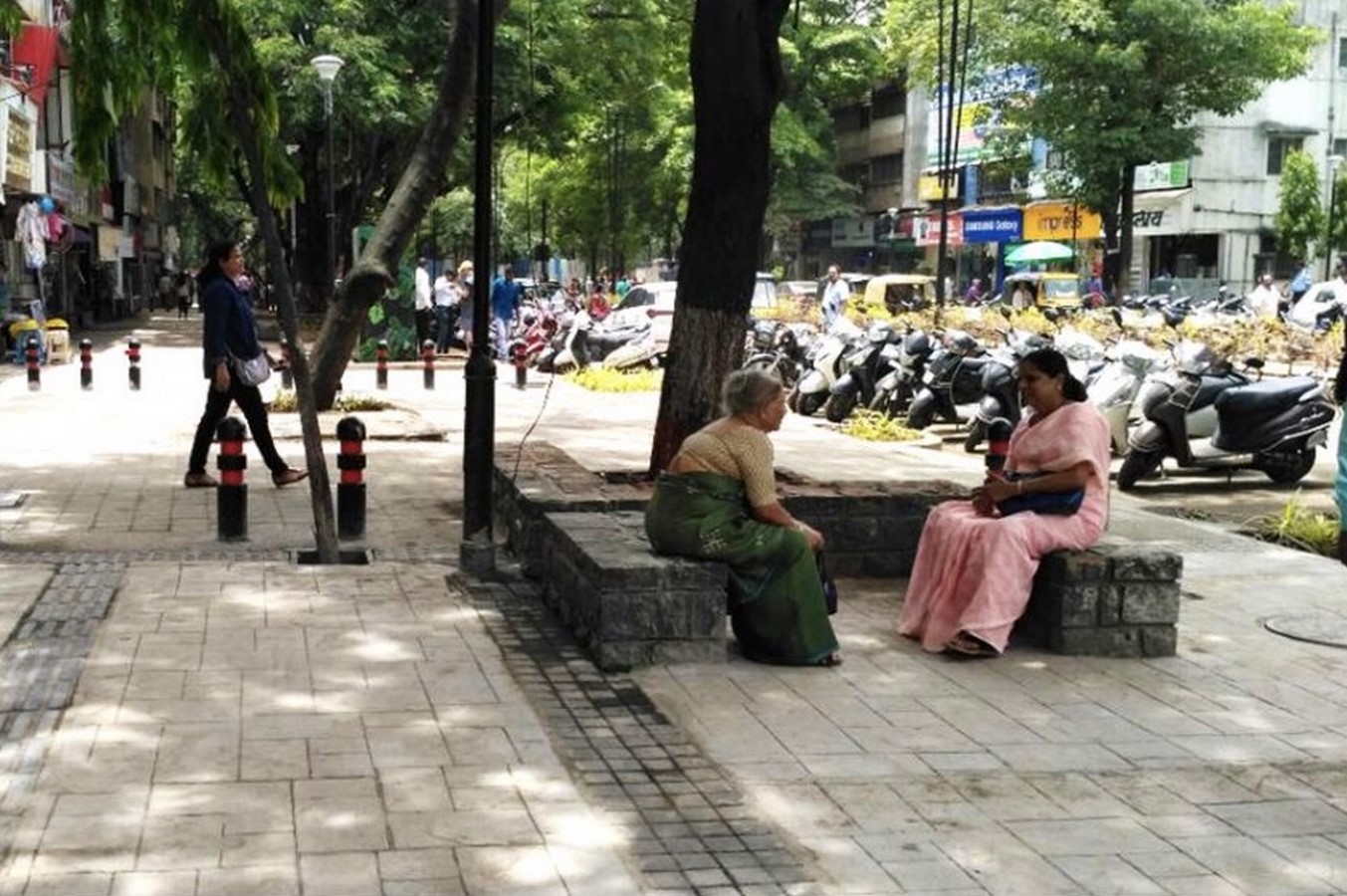
The word “productive” is used quite a bit in the talk, and it takes an interesting turn because it does not refer only to economic productivity. A productive public space can generate different kinds of value simultaneously.
Placemaking India talk discusses the opportunities for informal businesses and local markets. It can provide places for people to meet and form social connections. It may also help the environment by bringing in greenery, shade, or some kind of ecological infrastructure. During a crisis, this can also become part of the emergency infrastructure of a city.
Productivity, as defined by Placemaking India, goes beyond the traditional concept of productivity where a space’s productivity is measured by the commercial turnover it receives. A space can simply be ‘productive’ because it provides people with a place to interact, create a sense of belonging and foster a sense of community.
Testing out Interventions
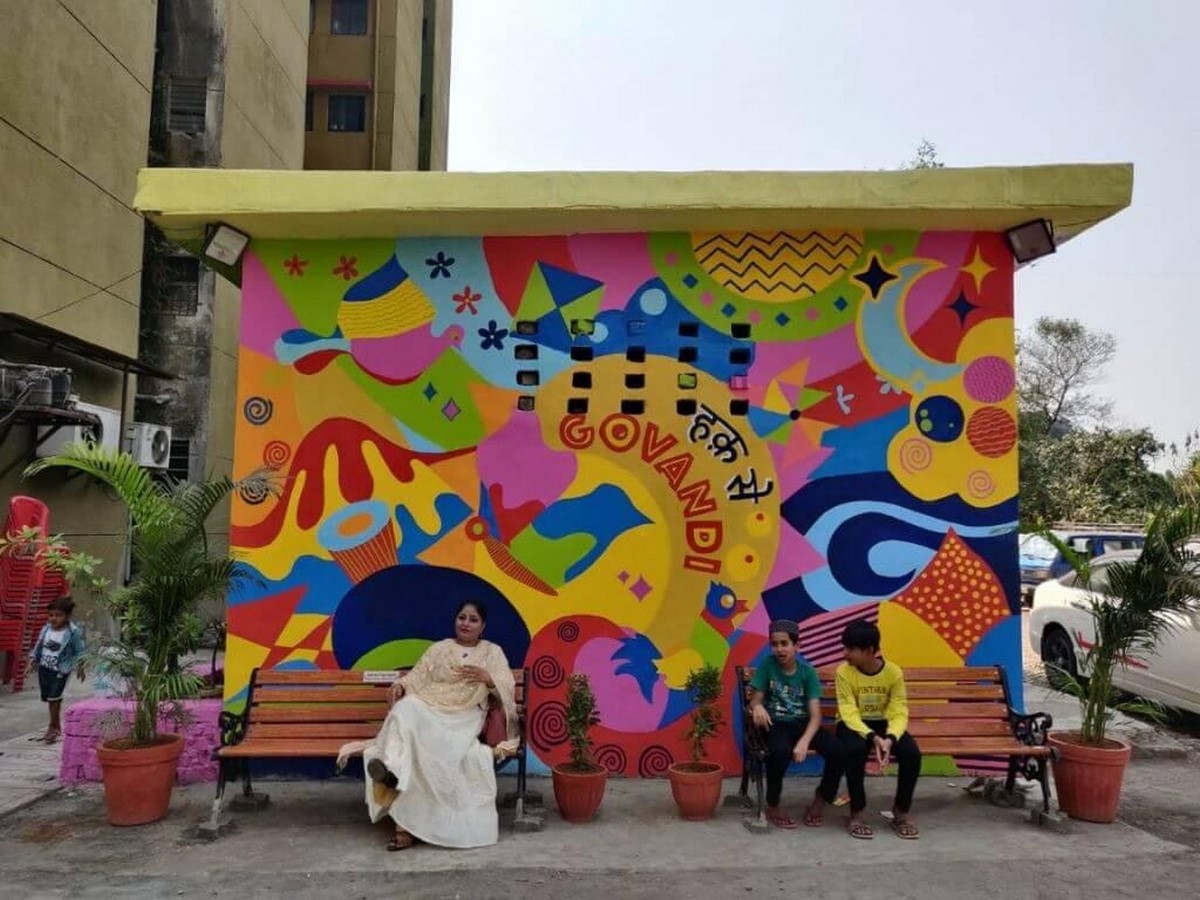
Urban design is often treated as something permanent. Once a road is redesigned, a building is constructed or a plaza is established, changing it can be difficult and expensive. Because of this, designers and authorities often try to predict how people will use a space before it is built.
Placemaking offers another possibility; A temporary market, an art installation or community event can reveal how people actually respond to a space. It can show what works and, equally importantly, what does not.
Architecture is often associated with creating physical objects: buildings, landscapes, structures and urban interventions. But placemaking suggests that the physical intervention is only one component of creating a successful place
This shifts the role of the architect beyond designing the physical environment. The architect has to also understand the intangible aspects of the space: who uses the space, what activities already happen there, who benefits from it, who might be excluded and how the space can adapt over time. This changes the role of an architect from less of an author and more of a mediator.
Instead of imposing an identity on a place, as a designer, we can help reveal and strengthen an identity that already exists.
While there are countless assets within every city, the potential remains unconnected and underutilized. Placemaking identifies potential and connects assets through the linkages created between people and place, institutions and community, and infrastructure and opportunity.
Placemaking India suggests a shift in the way we evaluate public spaces. Instead of asking only whether a space looks successful, we should ask whether people use it, if they feel ownership of it, if it supports local livelihoods and whether it can adapt when circumstances change.
For a designer or an architect, this means that creating a productive public space is not simply about designing a physical environment. It is about understanding the existing life of a place and creating the conditions for that life to grow.
References:
Placemaking as a Means for Creating Productive Public Spaces – YouTube [WWW Document], n.d. URL https://www.youtube.com/watch?v=jtwEHTKEEUc