The audience does not remember Movies and series only by their characters and events, but also through the spaces that contain them. Considering this, we should mention very famous examples: Monica’s apartment in Friends, the Great Hall in Harry Potter, and Ziyagil House in Aşk-ı Memnu – The Forbidden Love – as one of the most famous and favourable series for the Turkish series audience; most of the scenes were recorded inside this house; the repetition of these interiors and exteriors of the house allows viewers to build a mental map that can develop a bond called place attachment. This emotional bond has been created through familiarity and memory, even without a physical experience. (Scannell & Gifford, 2010), This can explain why the Aşk-ı Memnu house has become one of Istanbul’s destinations in its own right, as it connects screen memory with a real building on the Bosphorus. (Kim, 2012)
From an Armenian family house to a Turkish tourist attraction
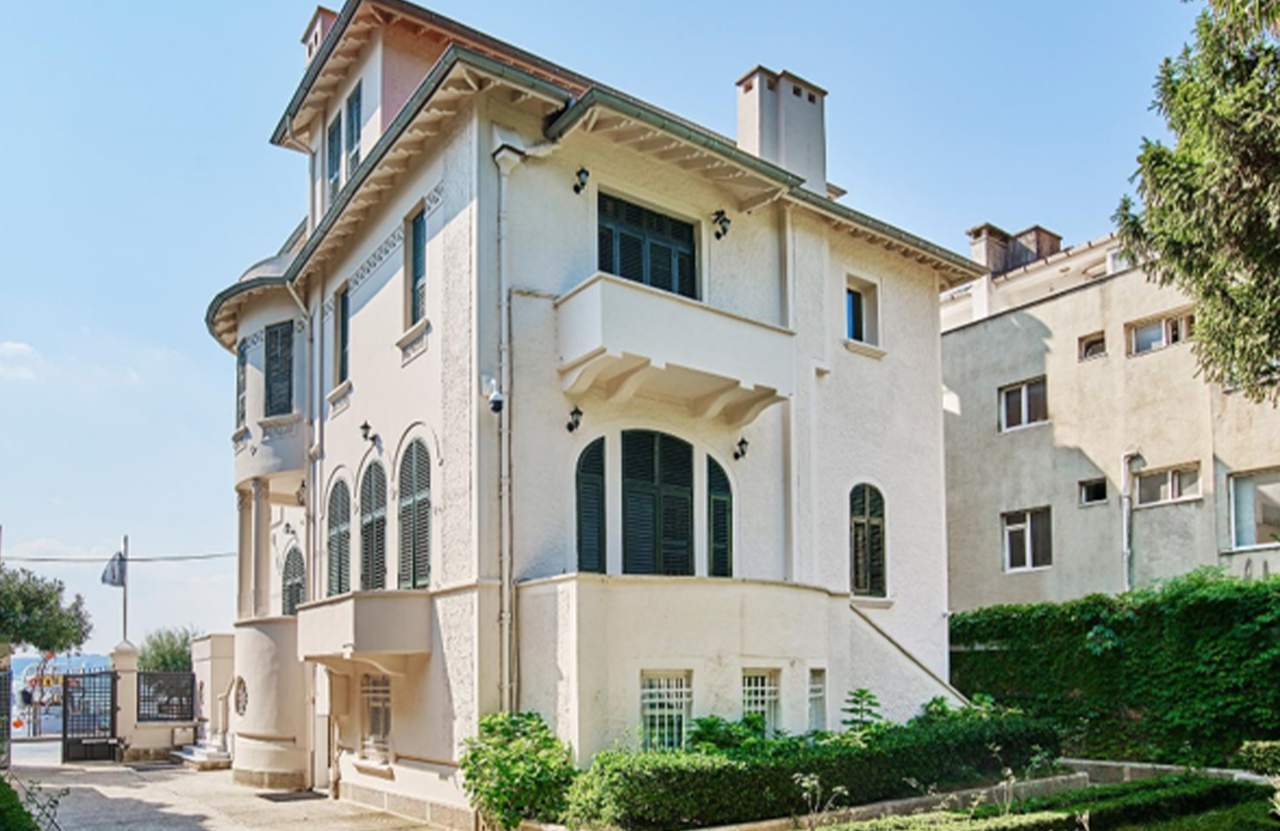
The building known as the Ziyagil House is not originally a film shooting location. Image 1: It is the Vehbi Koç Büyükdere House in Sarıyer, on Istanbul’s European side. According to the Vehbi Koç Foundation, Vehbi Koç bought the house from an Armenian family in 1938 and then used it as the family’s summer house until 1996. (Vehbi Koç Foundation, n.d.). Between 2008 and 2010, the house was rented by a television production company to appear on screen as Adnan Ziyagil’s house in the series Aşk-ı Memnu, including its garden, grove, and Adnan’s workshop. (Gazete Duvar, 2021). The restored house opened to visitors in 2018 as a permanent exhibition for the Josephine Powell Collection. (Vehbi Koç Foundation, n.d.).
The House’s Distinctive architecture made it unforgettable
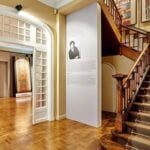
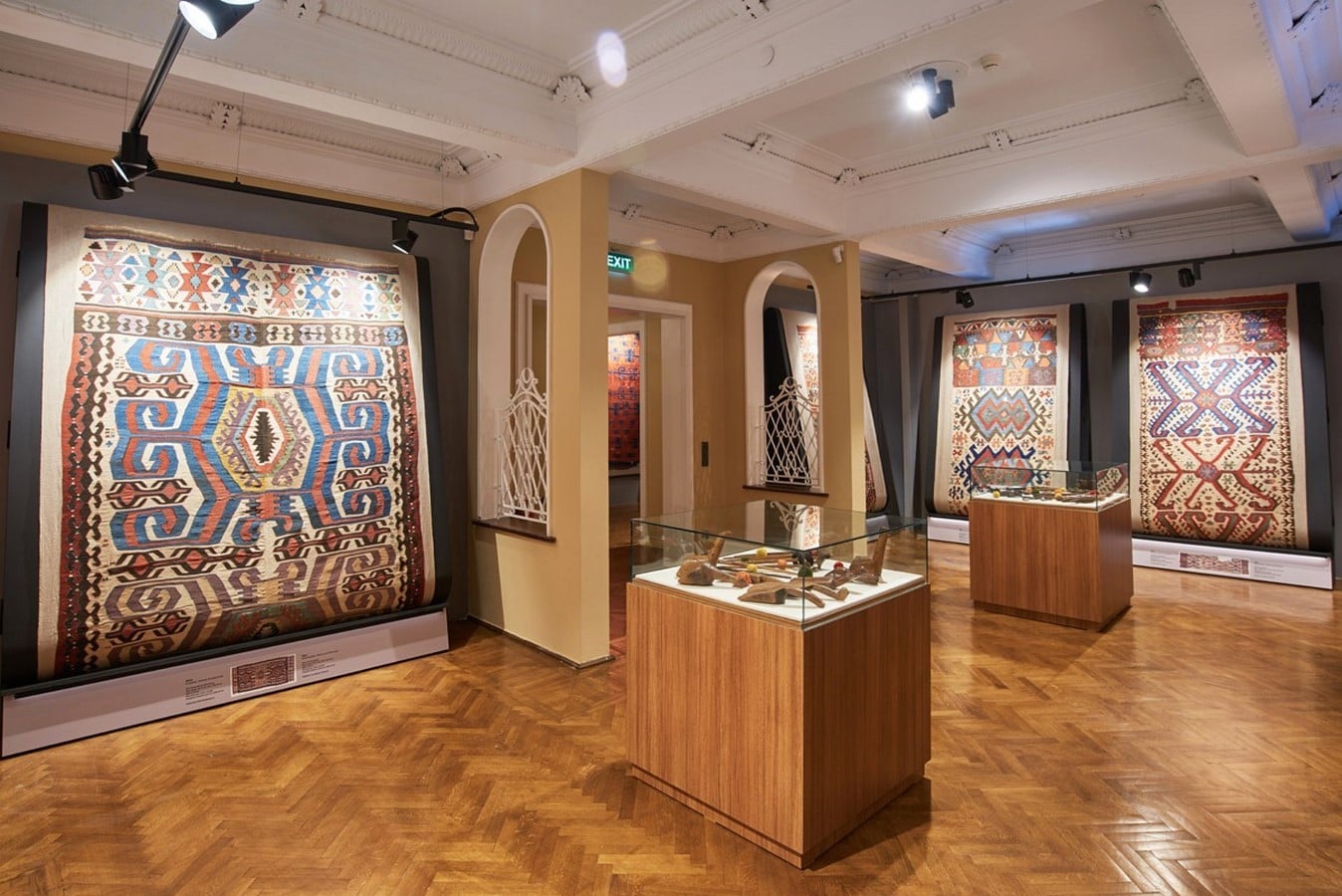
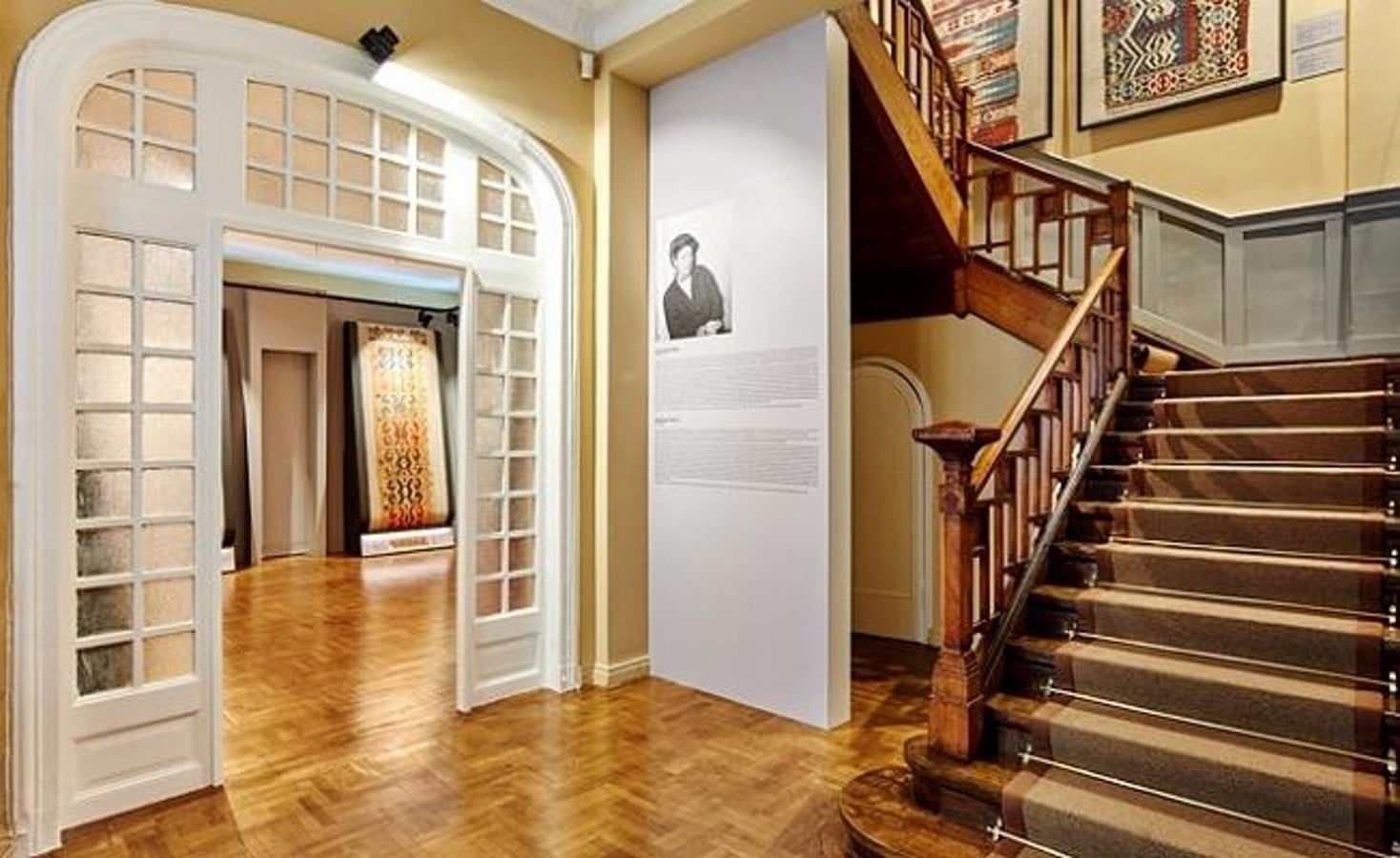
The house consists of three main floors above the ground floor. At the entry level, there are two large rooms opening onto a lobby that contains a principal staircase; this floor also contains a service stair, and a lift connects all floors. The second floor contains a medium-sized bedroom with a private bathroom, windows, and a balcony. This floor also contains a very wide room overlooking the Bosporus and separated into two parts for the living and dining area. Image 2. This floor contains only one bathroom that can be entered from both inside the bedroom and outside; also, the main staircase ends on this floor.
The third floor can only be accessed by the service stair or the elevator, and contains a large room with a private bathroom, one medium and one smaller bedroom plus a shared bathroom, and it is the smallest of the main three floors. A garden extends beside and behind the house, and the grove rises the rear slope. The legible arrangement and hierarchy of spaces and functions allowed the audience to understand movement through the Aşk-ı Memnu house without a plan ever being shown.
How did architecture shape the series as a silent character?
After Adnan Ziyagil marries Bihter, the organisation of the Aşk-ı Memnu house becomes a pivotal, influential element. Interior design helps events run smoothly. Bihter wants to be closer to the children, so she moves their governess, Mademoiselle Deniz’s room away, from the third floor into the small room adjoining the entrance of the house; this position beside the house exit makes the move read as spatial exclusion, not only a bedroom change. Also, when Firdevs loses her own home, Adnan gives her one of the wide rooms on the first floor, very close to the entrance and the main staircase [.Image 3]Also, this room has many wide windows overlooking the street in front of the house and the Bosporus; this specific location of the room helps the events as she manages to observe the entrance, the garden gate, and much of the household’s movement.
Behlül, the orphaned relative raised in Adnan’s House, lives on the third floor with Adnan’s children and the governess; Adnan’s office and bedroom occupy the second floor, separated from the children and Behlül. Adnan’s room contains a double-entrance bathroom; this strange design helps with concealment and escape. The large second-floor room is used as a hall for living and gathering the family around one dining table. The ground floor kitchen gathers the servants and shows the nature of relationships between them, while the service stairs permit discreet arrivals, overhead conversations, and movements between several levels.
Between Drama and Reality
The Aşk-ı Memnu house often appears on screen larger than it looks in reality. This happens because of high camera positions and wide angles used. Also, some other Design considerations helped to increase the feeling of greater expansion, for example: pale finishes, strong lighting, and the interior shots showing the expanse of the Bosporus outside from wide windows. Repeating some specific angles and hiding some others made the viewers have a deep experience with some spaces like the entrance, the main stairs, bedrooms, and the kitchen, so they could gradually build a mental map for the house without having a real architectural plan.
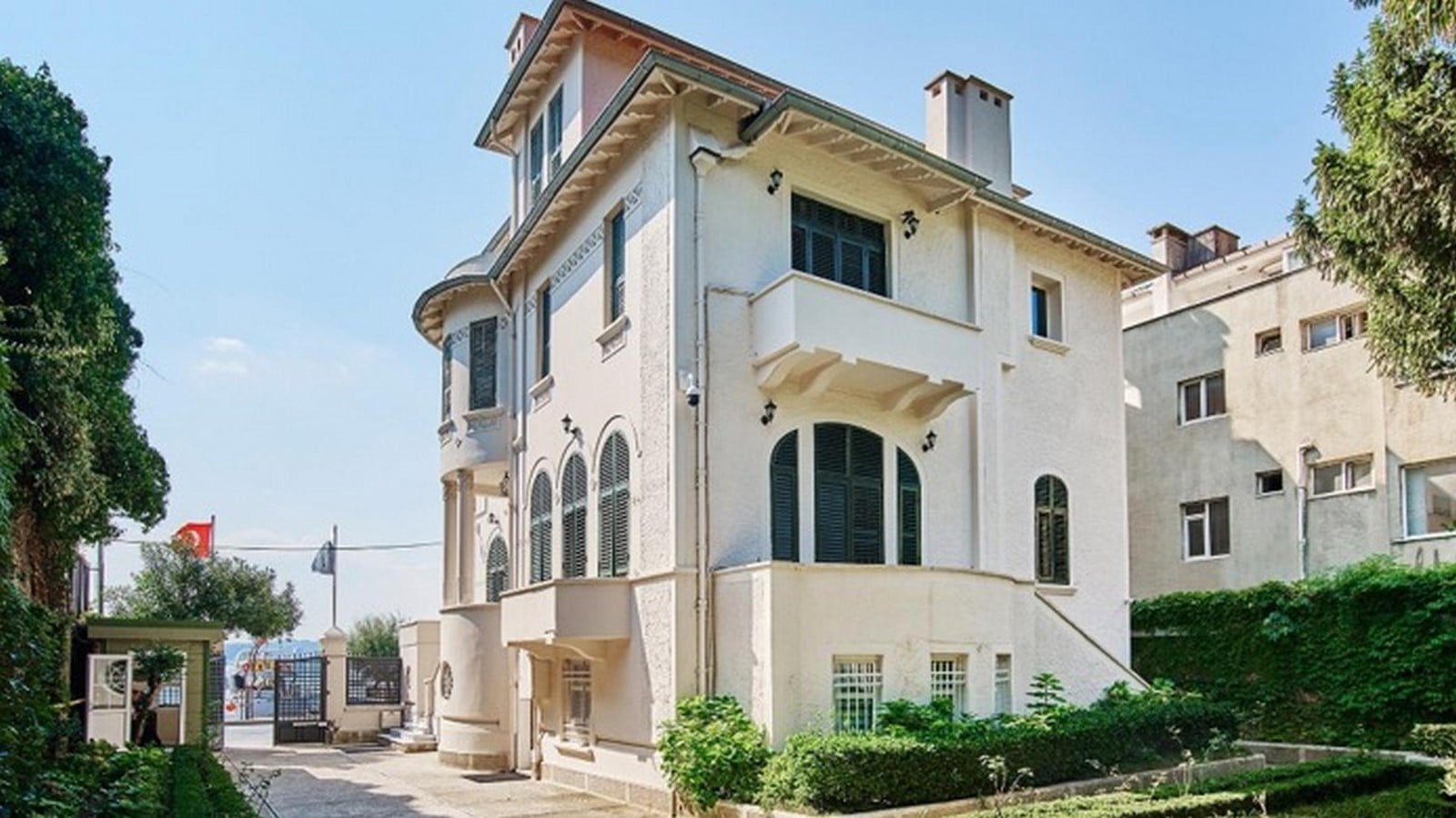
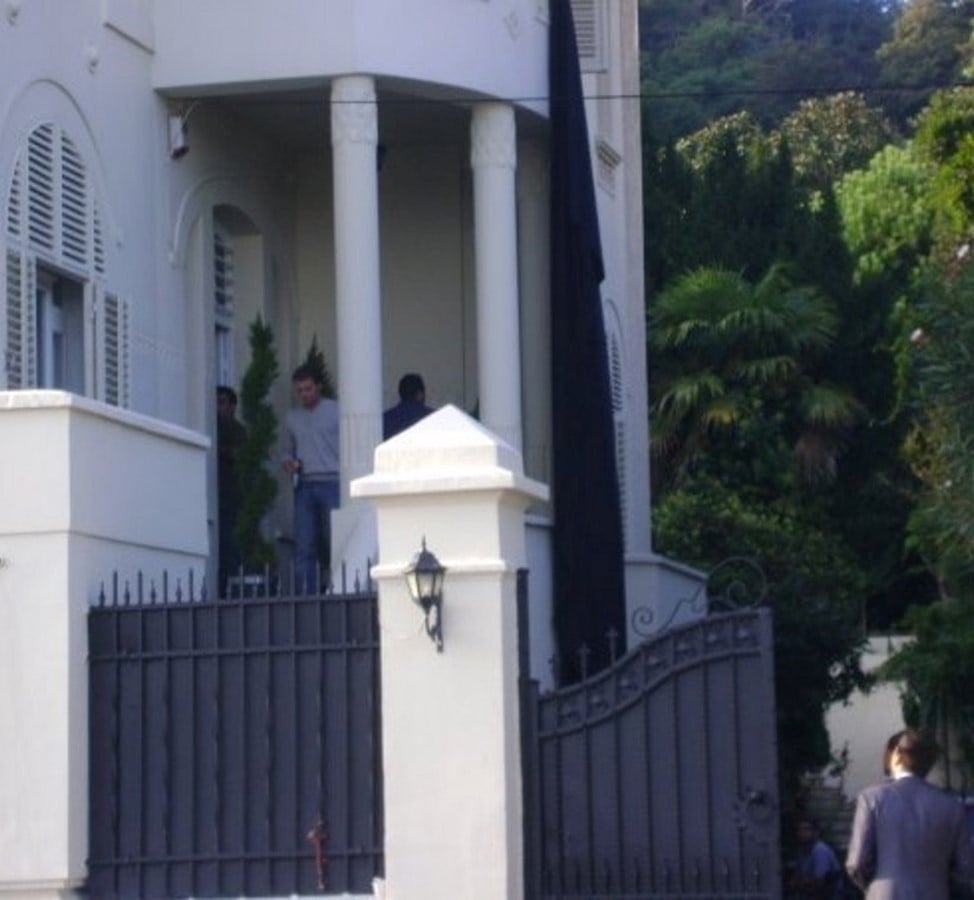
Filming inside a real house is not an easy process; it imposes some challenges and limitations. Baran Akbulut, who played Beşir, mentioned that they faced a lot of noise coming from the traffic outside; they had to use the character room for make-up, and they did not find enough space for production trailers, so they had to change some rooms’ function. (Durna, 2026). A purpose-built location offers better control over sound, and crew accessibility also helps to get exterior light to fake sunlight at night if needed. Despite all difficulties they faced, the production team managed to turn many constraints into coherent filmed events across 79 episodes. (Kanal D, n.d.). The house managed to gain a fictional identity that proves how much the carefully chosen location can create stronger spatial memory than a large made-up set. [Image 4]
References:
Durna, Y., 2026. Baran Akbulut: Her gören ‘Yeni proje yok mu’ diyor, müteahhit miyim ben?. [Online].
Gazete Duvar, 2021. Aşk-ı Memnu’nun çekildiği yalı müze oluyor. [Online]
Available at: https://www.gazeteduvar.com.tr/ask-i-memnu-yalisi-haber-1511528
Kanal D, n.d. Aşk-ı Memnu Tüm Bölümler. [Online].
Kim, S., 2012. Audience involvement and film tourism experiences: Emotional places, emotional experiences. Tourism Management, 33(2), p. 387–396.
Scannell, L. & Gifford, R., 2010. Defining place attachment: A tripartite organizing framework. Journal of Environmental Psychology, 30(1).
Vehbi Koç Foundation, n.d. Vehbi Koç House. [Online]
Available at: https://www.vkv.org.tr/en/culture/vehbi-koc-house-131
Image1: Vehbi Koç Foundation. (n.d.). Garden façade of Vehbi Koç Büyükdere House. [Photograph]. Available at: https://www.vkv.org.tr/en/culture/vehbi-koc-house-131 [Accessed: 17 September 2026].
Image2: Arkeolojik Haber. (2018). The large second-floor living and dining hall in its current use as an exhibition space. [Photograph]. Available at: https://www.arkeolojikhaber.com/haber-josephine-powellin-anadolu-hali-ve-kilimleri-sariyerde-sergileniyor-16641/ [Accessed: 17 September 2026].
Image3: Dizi Doktoru. (2021). The entrance hall and principal staircase of Vehbi Koç Büyükdere House. [Photograph]. Available at: https://www.dizidoktoru.com/kultur-sanat/ziyagil-yalisi-ziyaretcilerini-bekliyor-h8568.html [Accessed: 18 September 2026].
Image4: Webmaster. (2013). The entrance and garden gate of the Ziyagil house during the filming of Aşk-ı Memnu. [Photograph]. Available at: https://meryemuzerlihurremsultan.blogspot.com/2013/06/ask-i-memnu-house.html [Accessed: 19 September 2026].