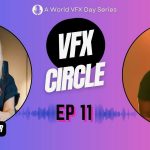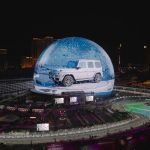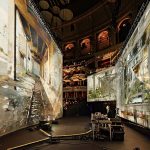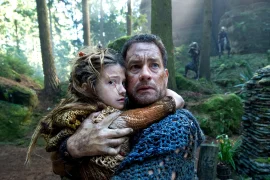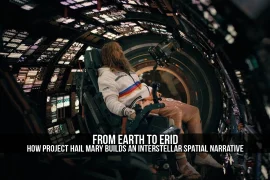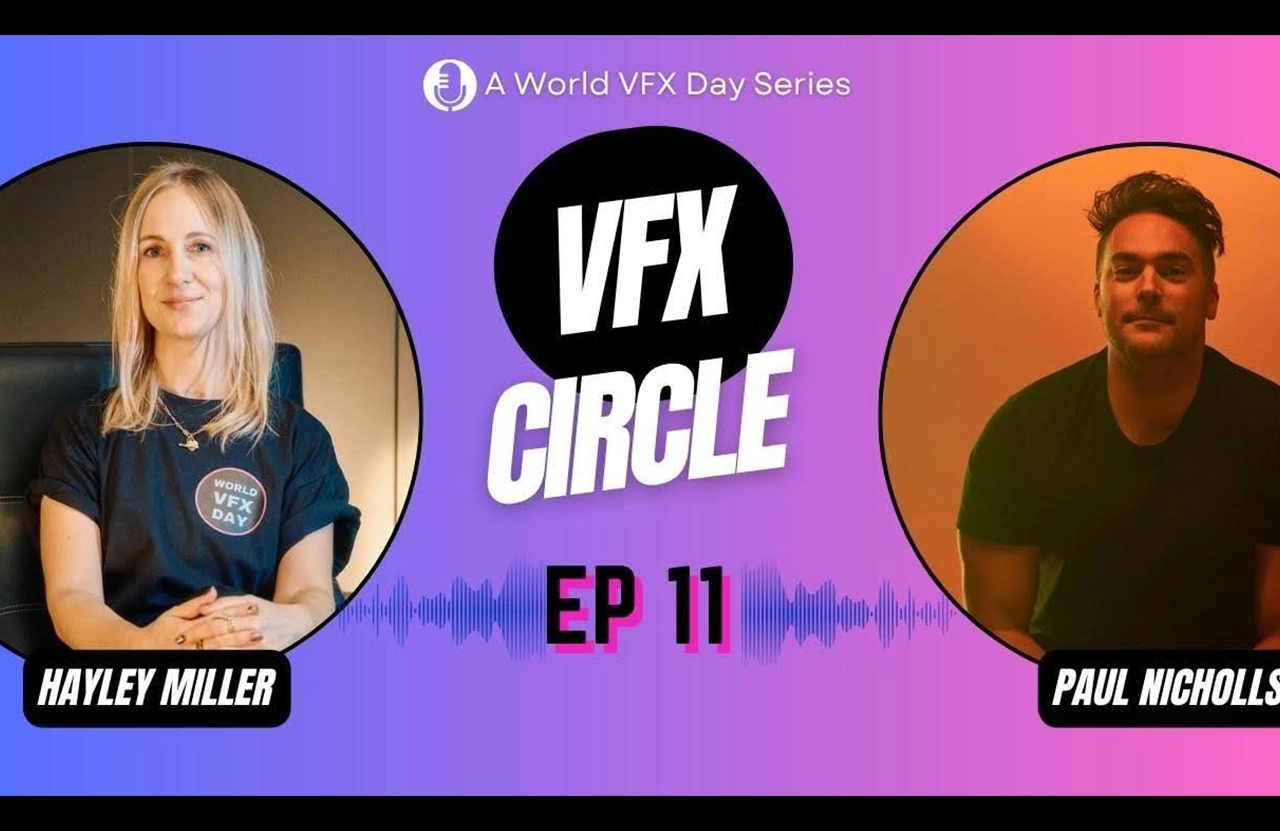
Architecture trains designers to think beyond objects – to consider space, scale, movement, atmosphere and most importantly, the people who experience them. But what happens when that way of thinking moves beyond built spaces, into film, VFX and immersive media? In World VFX Day’s VFX Circle podcast, Paul Nicholls, Co-Founder and Chief Creative Officer (CCO) of Factory Fifteen, explores this intersection with host Hayley Miller. The conversation moves across creative practice, world-building, technology and the changing media landscape, offering architects and designers a glimpse into how spatial thinking can find generative forms of expression.
Space, Reimagined
The podcast is particularly relevant to designers because it looks beyond the familiar boundaries of architectural practice and into a creative landscape where Paul Nicholls has spent years working between disciplines.
Architecture, filmmaking, VFX, animation and immersive experiences are not treated as isolated fields in the discussion between Paul and Hayley, but as parts of an increasingly interconnected process of imagining, constructing and communicating worlds.
The podcast therefore moves beyond how an architect can enter another industry, leaning towards a broader consideration of what architectural training can contribute once the building is no longer the final medium of creative expression.
Along the way, the conversation touches on creative experimentation, building a long-running studio, changing forms of visual storytelling, experiential environments, technological shifts, and the evolving relationship between designers and their tools.
For anyone accustomed to thinking of architecture through drawings, models and physical space, it opens an intriguing possibility: that the skills used to imagine a building may also be useful in imagining experiences that have no fixed physical form.
The Long Haul
What begins as experimentation eventually raises a harder question: what allows a creative practice to last?
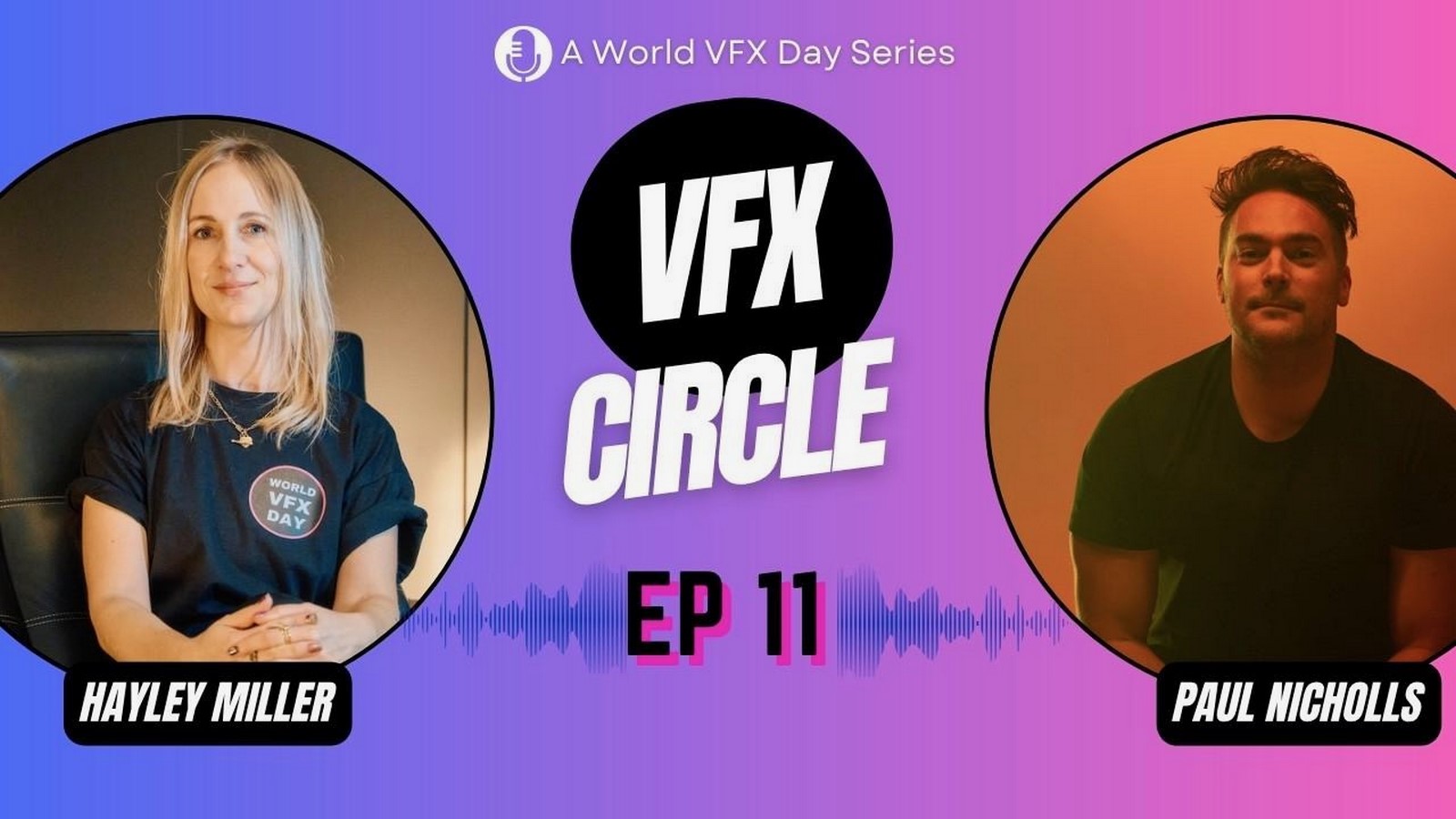
Fifteen years into Factory Fifteen’s journey, Paul Nicholls reflects on less visible side of creative professions and lifestyles – the process of transforming an experimental idea into a practice with the ability to sustain itself.
The conversation around this journey is therefore not simply about growth, but about what has to happen behind the work for a practice to endure: how ideas are pursued, opportunities are recognised, people with different strengths are brought together, and a creative identity is maintained while the circumstances around it change.
For emerging designers, this offers a useful shift in perspective. A creative career is not built only through the work one produces, but also through the ability to turn experimentation into something that can keep generating new work.
Traversing Mediums
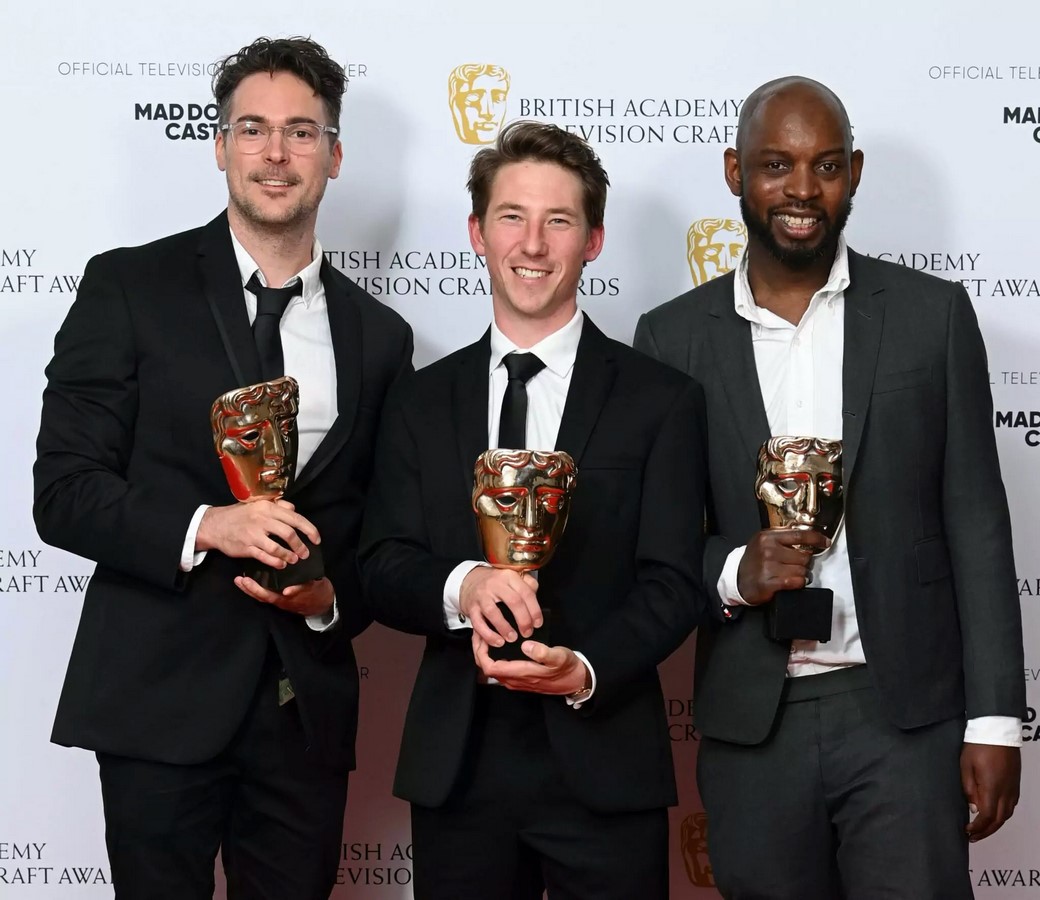
Perhaps the most impactful part of Factory Fifteen’s journey is not where they started, but how many creative industries architectural thinking eventually led them into.
What began with architecture gradually moved through advertising, animation and VFX before reaching the increasingly expansive territory of experiential design.
Each shift reflects more than a change in job title or medium; it points to a creative economy in which the skills of designing spaces, constructing narratives, producing moving images and shaping audience experiences are beginning to overlap.
This is particularly significant for architects and students, because much of this ecosystem remains surprisingly invisible within conventional architectural education. Paul Nicholls’s own trajectory makes this overlap particularly tangible, revealing how architectural training can travel across these increasingly connected fields.
Yet beyond the familiar worlds of practice, there are studios working across branded storytelling, digital environments, film, visual effects and experiences designed to be entered rather than simply viewed.
Factory Fifteen’s trajectory makes that landscape easier to see, and not merely as a collection of unrelated industries, but as an evolving continuum of worldbuilding.
This, interestingly, is the more important question the podcast leaves open: if architecture can inform the making of images, images can become environments, and environments can become experiences, where exactly does architectural practice end – and what might it become next?
Who Holds the Reins?
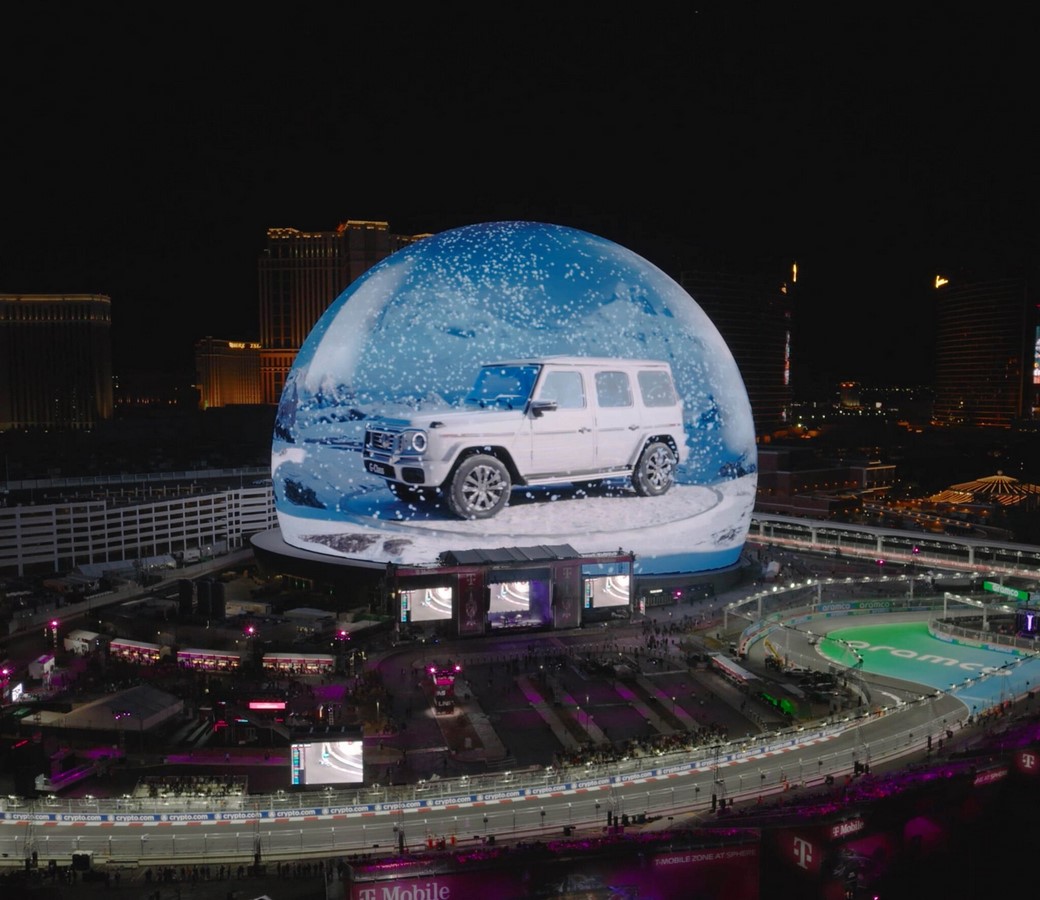
Yet the expansion of creative practice also brings a less visible question: what happens when the conditions of making begin to change as quickly as the mediums themselves?
The latter part of the conversation turns toward the realities shaping creative studios today – uncertain project pipelines, economic pressures, evolving production models and the growing influence of technology.
AI enters this landscape not as a standalone disruption, but as another force altering how creative work is produced, valued and organised.
This encapsulates one of Paul Nicholls’s most notable insights in the discussion: that working in a creative industry today is less about whether technology will replace designers and more about what happens when capabilities once associated with specialised roles become increasingly accessible.
For architects and emerging designers, that distinction is significant: knowing a tool is different from understanding a creative process, and efficiency is different from creative judgement.
As film, VFX, animation, gaming and immersive design increasingly intersect, the boundaries of individual disciplines become less certain too.
The podcast consequently shifts the question away from what technology can make possible and toward something more difficult – and perhaps more enduring: what should be made, and what does a designer bring to that decision?
No Rules, Just Range
Taken as a whole, the conversation with Paul Nicholls offers less a roadmap for leaving architecture than a candid look at how a creative career can unfold when curiosity is allowed to lead.
Its value lies in the range of ground it covers – from finding a creative direction and building a practice to navigating collaboration, leadership, uncertainty and the changing demands of the industry – without presenting any of these as a formula for success.
For architects and designers, it provides a useful perspective on possibilities that often remain outside conventional conversations around practice, while leaving enough of the personal and professional detail to make the full episode worth experiencing.
Towards the end, what emerges as the podcast’s strongest quality is that the discussion makes interdisciplinary practice feel less like a dramatic departure from one discipline into another and more like an ongoing expansion of what a designer can do with their personal agency as a creator.
Paul Nicholls’s journey with Factory Fifteen consequently becomes interesting not because it offers a career to emulate, but because it challenges the assumption that design expertise must remain tied to a single medium.
For those curious about where architecture, media and experience might intersect, the episode is worth watching for the questions it opens, and the possibilities it leaves the listener to imagine.
References:
World VFX Day (2026). From Architecture to Immersive Media with Paul Nicholls. Available at: https://www.youtube.com/watch?v=8jSfCpmI3_U [Accessed 7 Sept. 2026].
VIEW Conference 2026. (2026). Hayley Miller. [online] Available at: https://www.viewconference.it/speaker/ [Accessed 12 Sept. 2026].
Worldvfxday.com. (2023). Hayley Miller – World VFX Day. [online] Available at: https://worldvfxday.com/author/hayley/ [Accessed 12 Sept. 2026].
Mundosdigitales.org. (2023). [online] Available at: https://www.mundosdigitales.org/en/eventos/mdcanarias2026/ponentes/bio.html?id=000007 [Accessed 12 Sept. 2026].
Auerbach, R. (2025). Visual Effects Society Celebrates World VFX Day. [online] VFX Voice. Available at: https://vfxvoice.com/visual-effects-society-celebrates-world-vfx-day/ [Accessed 12 Sept. 2026].
Failes, I. (2023). World VFX Day is coming! [online] befores & afters. Available at: https://beforesandafters.com/2023/10/24/world-vfx-day-is-coming/ [Accessed 12 Sept. 2026].
Instagram.com. (2026). World VFX Day (@worldvfxday) • Instagram photos and videos. [online] Available at: https://www.instagram.com/worldvfxday/ [Accessed 12 Sept. 2026].
World VFX Day – Shining a spotlight on visual effects… (2018). Home – World VFX Day. [online] Available at: https://worldvfxday.com/ [Accessed 12 Sept. 2026].
Instagram. (2026). World VFX Day on Instagram: “🤩 In our next “VFX Circle” podcast episode, we chat with Paul Nicholls, co-founder and Creative Director at Factory Fifteen. Paul shares his journey from architecture to VFX, animation and immersive media, insights on industry challenges, and trends including AI and experiential design. Don’t miss the full episode which is released tomorrow, subscribe to our YouTube channel or Spotify now! YouTube: https://www.youtube.com/@WorldVFXDay Spotify: https://open.spotify.com/show/5LsEgbMyEJXxkoIe1if9po?si=5a463b909df64ffe #vfx #ai #animation #architecture.” [online] Available at: https://www.instagram.com/reel/Dbk7hZAPTwx/ [Accessed 12 Sept. 2026].
Instagram.com. (2026). Welcome To Zscaler Directory Authentication. [online] Available at: https://www.instagram.com/factoryfifteen/?hl=en [Accessed 12 Sept. 2026].
Biunivoca. (2025). World VFX Day 2025: Celebrating Creativity, Technology and Global Collaboration in Visual Effects | Biunivoca. [online] Available at: https://www.biunivoca.com/public/en/blog/world-vfx-day-2025-celebrating-creativity-technology-and-global-collaboration-in-visual-effects [Accessed 12 Sept. 2026].
Administrateur (2023). World VFX Day. [online] Noid Studio – VFX studio. Available at: https://www.noid-studio.com/world-vfx-day-2/ [Accessed 12 Sept. 2026].
Frei, V. (2023). World VFX Day. [online] The Art of VFX. Available at: https://www.artofvfx.com/world-vfx-day/ [Accessed 12 Sept. 2026].
Factory Fifteen. (2018). paul-nicholls. [online] Available at: https://factoryfifteen.com/person/paul-nicholls/ [Accessed 12 Sept. 2026].
The Set & Scene Show – The Show for Visual Storytellers. (2018). Paul Nicholls – The Set & Scene Show. [online] Available at: https://setandscene.show/speaker/paul-nicholls/ [Accessed 12 Sept. 2026].
Factory Fifteen. (2022). About Factory Fifteen. [online] Available at: https://factoryfifteen.com/about/ [Accessed 12 Sept. 2026].
The Experience Designers – A podcast about extraordinary experiences. (2026). Paul Nicholls: From Architecture to the Sphere, a BAFTA and the Future of Experiences. [online] Available at: https://theexperiencedesigners.com/episode/paul-nicholls-from-architecture-to-the-sphere-a-bafta-and-the-future-of-experiences [Accessed 12 Sept. 2026].
Factory Fifteen. (2026). Experiences. [online] Available at: https://factoryfifteen.com/collaboration/experiential/ [Accessed 12 Sept. 2026].
Nexus Studios (2023). How Factory Fifteen Transports Us to Extraordinary New Worlds | LBBOnline. [online] LBBOnline. Available at: https://lbbonline.com/news/how-factory-fifteen-transports-us-to-extraordinary-new-worlds [Accessed 12 Sept. 2026].
Vimeo.com. (2026). [online] Available at: https://vimeo.com/user7380331 [Accessed 12 Sept. 2026].
Nexus Studios. (2026). Factory Fifteen – Nexus Studios. [online] Available at: https://nexusstudios.com/talent/factory-fifteen/ [Accessed 12 Sept. 2026].
Factory Fifteen. (n.d.). Factory Fifteen. [online] Available at: https://factoryfifteen.com/ [Accessed 12 Sept. 2026].
Playgrounds. (2013). FACTORY FIFTEEN – Playgrounds. [online] Available at: https://weareplaygrounds.nl/artist/factory-fifteen/ [Accessed 12 Sept. 2026].