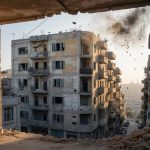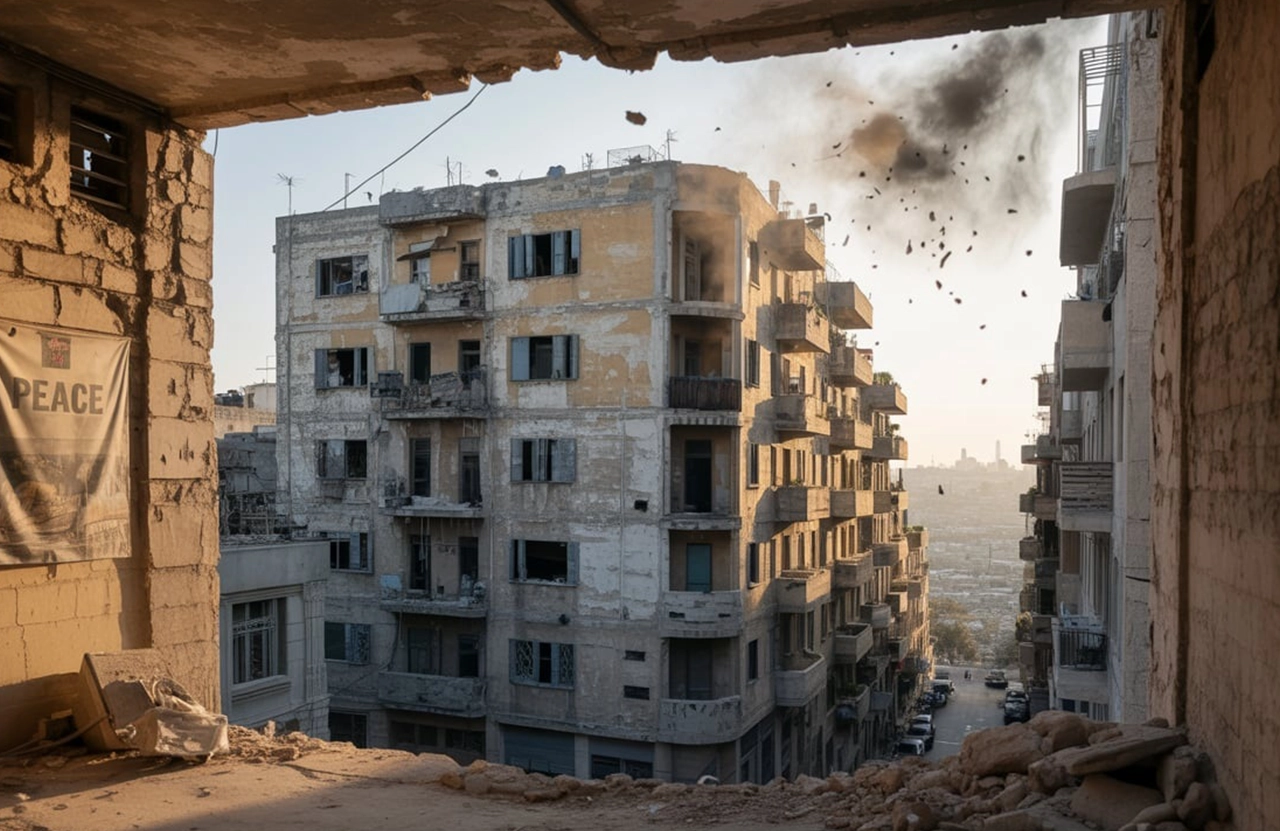
The video featuring Dr. Kristin Barry, an associate professor of architecture at Ball State University, discusses her research at the intersection of architecture and armed conflict, which leads to the massive destruction of not only buildings but also history, culture, and traditions. Her work analyses how design is used, destroyed, or transformed during wartime across various historical periods.
Her work reflects various ideas such as the following:
- War as Beginning: Dr. Barry explores how conflict frequently functions as a chartering force, establishing the groundwork upon which culture is built. Taking reference from Homer’s Iliad and the Shield of Achilles, advocating for the balance between order and chaos. She discussed how public spaces are utilized as symbolic stages for protests and revolutions, citing the French Revolution, Tiananmen Square, Egyptian Revolution.
- Design during conflict: This section of research covers the militarization of spaces. The role of fortification: huge walls, underground tunnels; and the targeting of architecture to demoralize populations. She further discussed the use of deception, such as the creation of decoy cities to mislead aerial bombers during World War I and World War II.
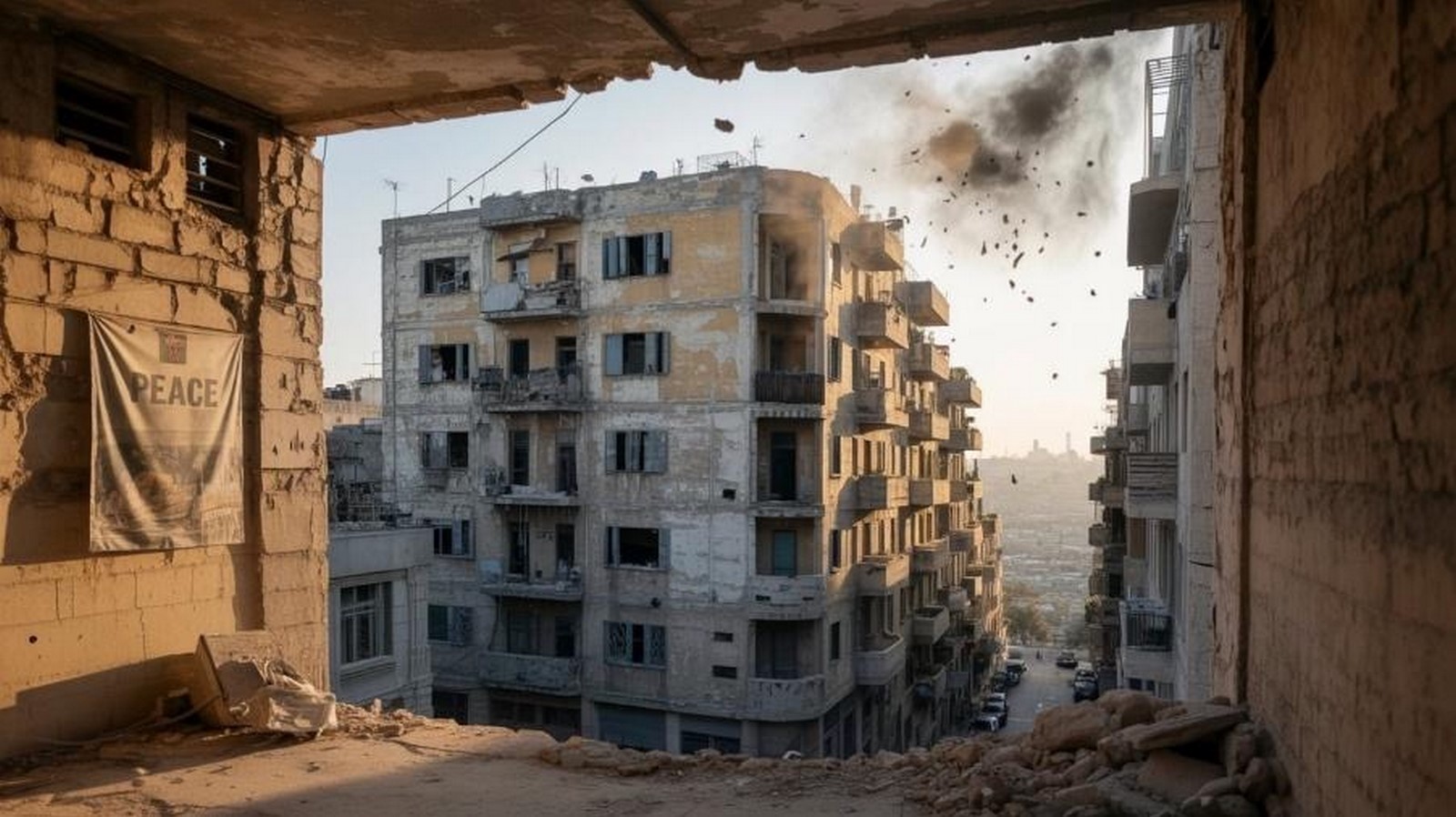
She explains that humans have historically used architecture as a way to secure themselves and to protect the entire town or kingdom. Fortifications, thick walls, defensive systems, and many more were designed to differentiate between safe areas and outside threats, helping inhabitants feel protected from invaders.
- Results of Conflict and Rebuilding: She examines the aftermath and post-destructive phase of war, focusing on how cities are rebuilt or memorialized. She discusses the tension between recreating lost architectural history versus modernizing and how monuments are used to shape memory or express power.
- Future Implications: She argues that practicing empathy, communication, and inclusivity is essential to prevent future conflicts and destruction. She stresses the importance of working with communities to foster peace rather than continuing cycles of ideological war.
By practicing empathy, communication, and recognizing shared values across cultures and religions, societies can have the possibility to end the cycles of ideological warfare that lead to the destruction of the built environment and loss of life. Dr. Barry argues that rather than accepting war as an inevitable “cosmic” force, we should prioritize community inclusivity and diplomatic efforts, which can effectively de-escalate tensions and foster long-term peace for everybody and for coming generations.
But the question that has been discussed was about why architecture?
The speaker further states that architecture is frequently targeted during wartime because buildings are often deeply symbolic to the communities residing in them and rooted in a specific ideology. By destroying significant structures. The main reasons to target the architecture were:
- Demoralize the population: Attacking places people are emotionally connected to serves to break their spirit and will to fight.
- Erase identity and culture: Targeted destruction can act as a form of cultural erasure, effectively removing the markers of a society’s history and values.
- Reverse symbolism: Destroying government buildings or religious sites is a strategic move to reject or dismantle the power and ideology that those structures represent.
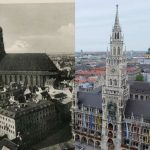
This led to the post-war revival of destroyed structures. The tension in rebuilding arises from how societies weigh cultural identity, memory, and progress after the trauma of war. She explains that rebuilding a direct copy of the original architecture acknowledges the past and preserves a strong cultural identity, as seen in the city of Munich, which was reconstructed to look as it did before the conflict.
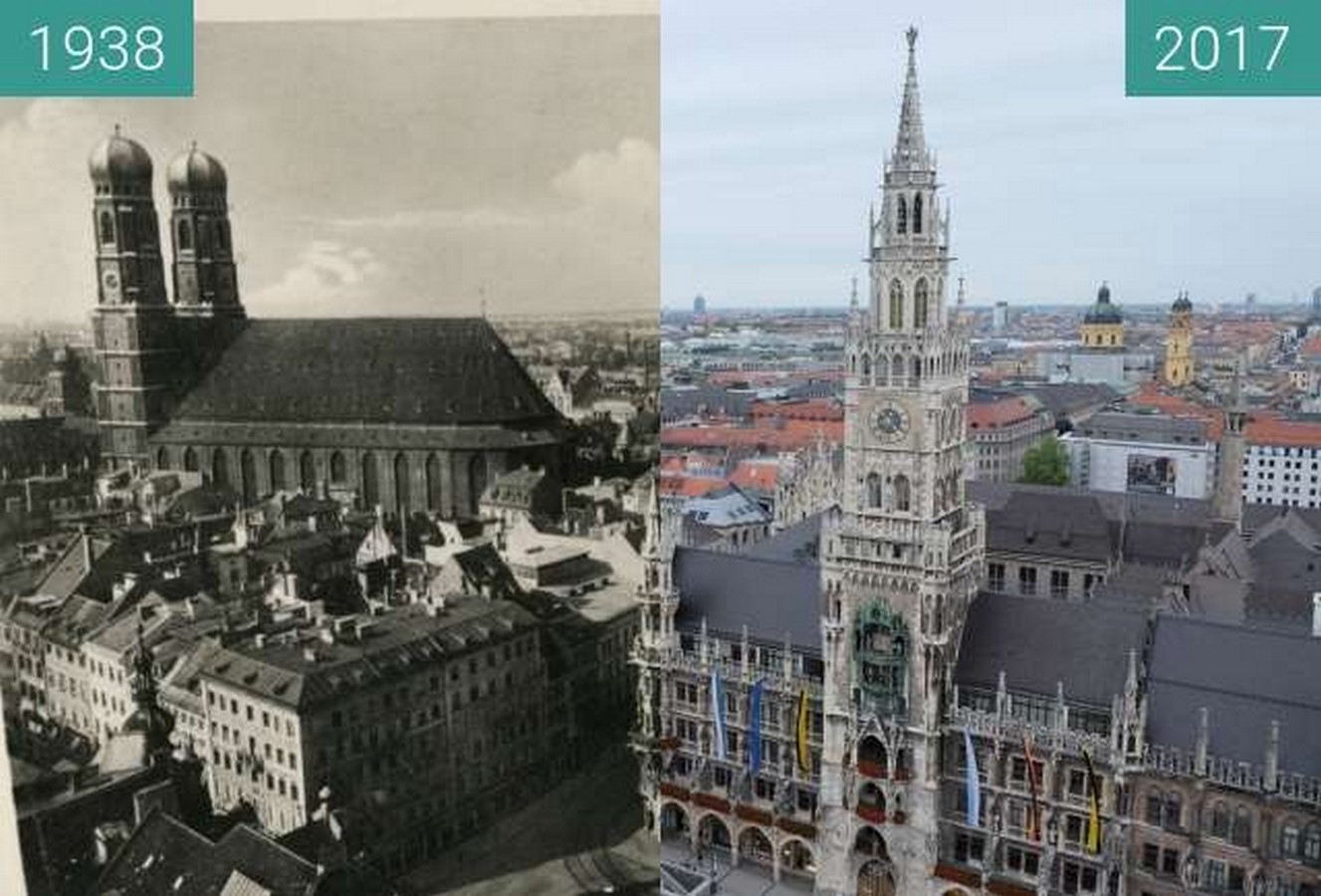
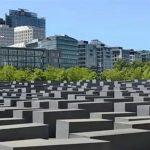
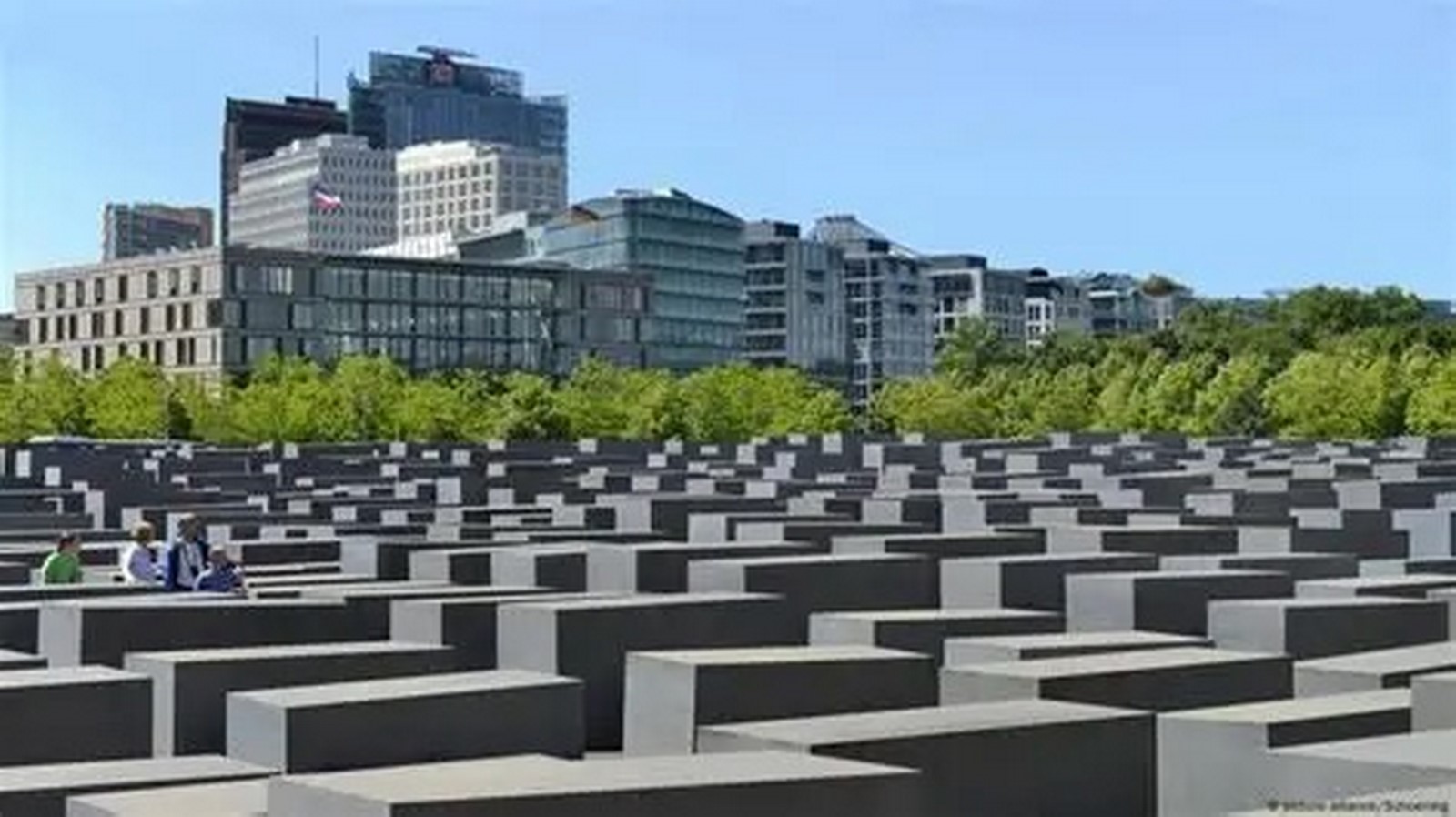
In contrast, some cities, such as Berlin, opt to modernize using newer technology and designs. Dr. Barry notes that this approach often stems from a lack of strong craft-based cultural identity or a desire to move past the symbolic baggage of the destroyed structures. Ultimately, the choice often comes down to whether a population seeks comfort in nostalgia for what was lost or chooses to build a new model that makes the previous, damaged reality obsolete.
The city of Munich chose to rebuild using traditional architectural forms because it possessed a strong cultural identity deeply rooted in its Bavarian heritage. Because this traditional style was an essential part of how the people of Munich viewed themselves, it made sense to reconstruct the city to look as it did before the war. This contrasts with cities like Berlin, which did not share the same depth of craft-based cultural identity and therefore opted for more modern designs after the conflict.
The speaker explains that Berlin opted for modern architecture after the war because the city lacked the deep, craft-based cultural identity that influenced other cities, like Munich, to rebuild in traditional styles. Additionally, the decision reflects a desire to embrace modern technology and move away from the symbolic baggage associated with the historical structures that were destroyed during the conflict.
The speaker explains that choosing modern architecture can be a way to move away from the symbolic baggage of the past, as seen in the rebuilding of Berlin. By building a new model that makes the previous, damaged reality obsolete, planners can theoretically help a population step away from the associations of the destroyed city. However, this is one of two competing theories; the alternative is to rebuild traditionally to preserve identity and memory, even if that means confronting the history that led to the destruction.
Additionally, the video notes that our environment profoundly impacts our personal sense of safety. Growing up in certain types of spaces can shape our internal feeling of security, and living in restrictive or enclosed environments may influence whether we feel comfortable and safe when we are out in large public places later in life.