A Deep Dive into The Unseen Future and Its Endless Possibilities
The world has witnessed an ever-evolving feat of architecture throughout history. The current and upcoming years are no exception to this change. In recent years, architecture has become a topic of conversation among the population. Comparisons between the bygone days of architecture and its present were made. Hence, the discussion about its future was long overdue.
The future of architecture is moving beyond the ordinary and surpassing expectations. As cities grow denser and the climate starts bearing its consequences, the requirement for tech-advanced and sustainable architecture increases as well. The world of architecture begins to adapt and shift accordingly. In today’s article, there will be a brief overview of this inevitable shift and how it will accommodate the human race alongside the environment.
1. The Innovative Push
History & Craftsmanship
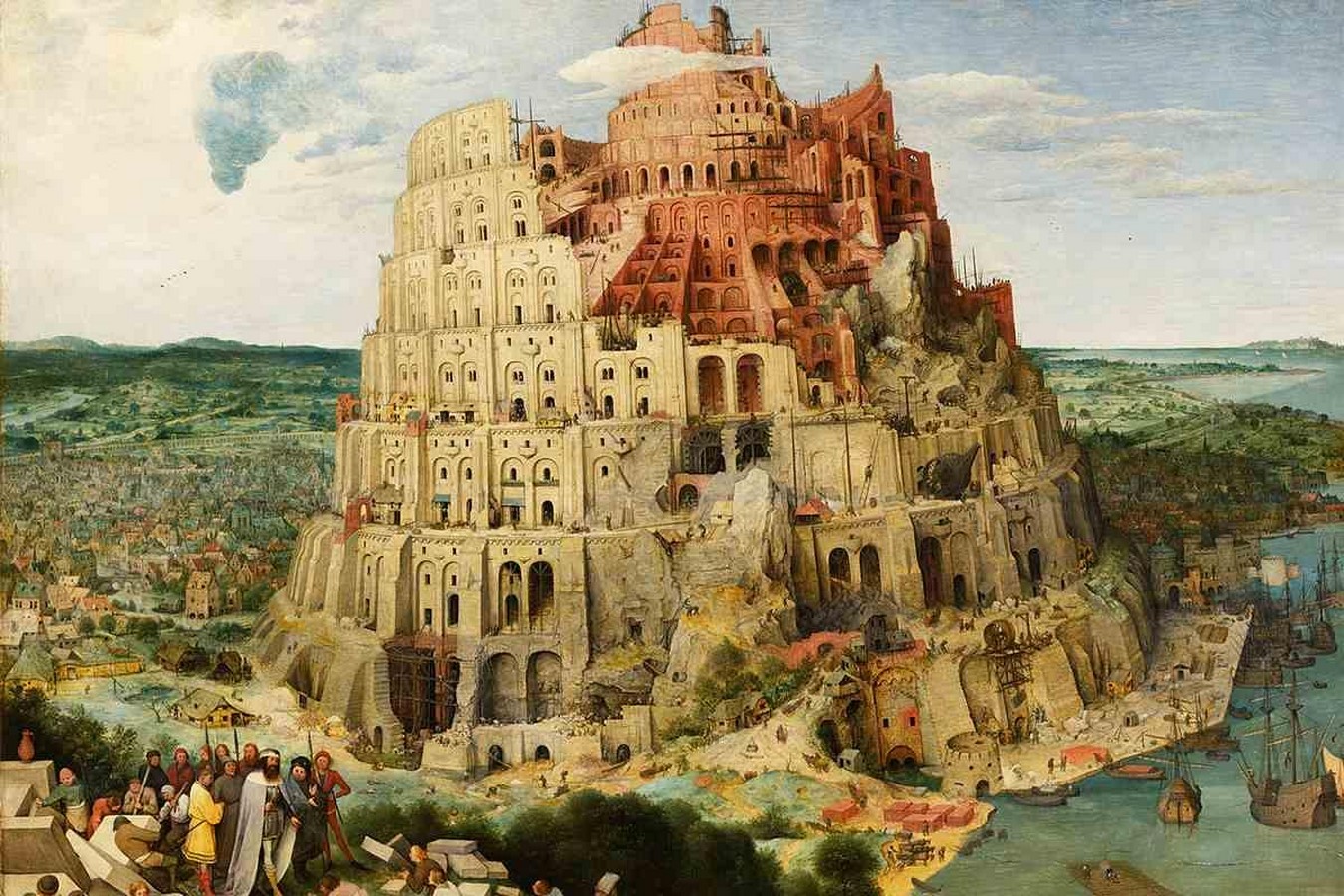
As one might have noticed, during its primitive glory, humans started with a functional roof over their heads that would protect them from the climate changes, store food, support their livelihood, and enhance their chances of survival. The way a building stands is a direct reflection of its timeline; most of history is preserved in these walls. The desire for a more complex build came into existence along the way.
Modern or Contemporary
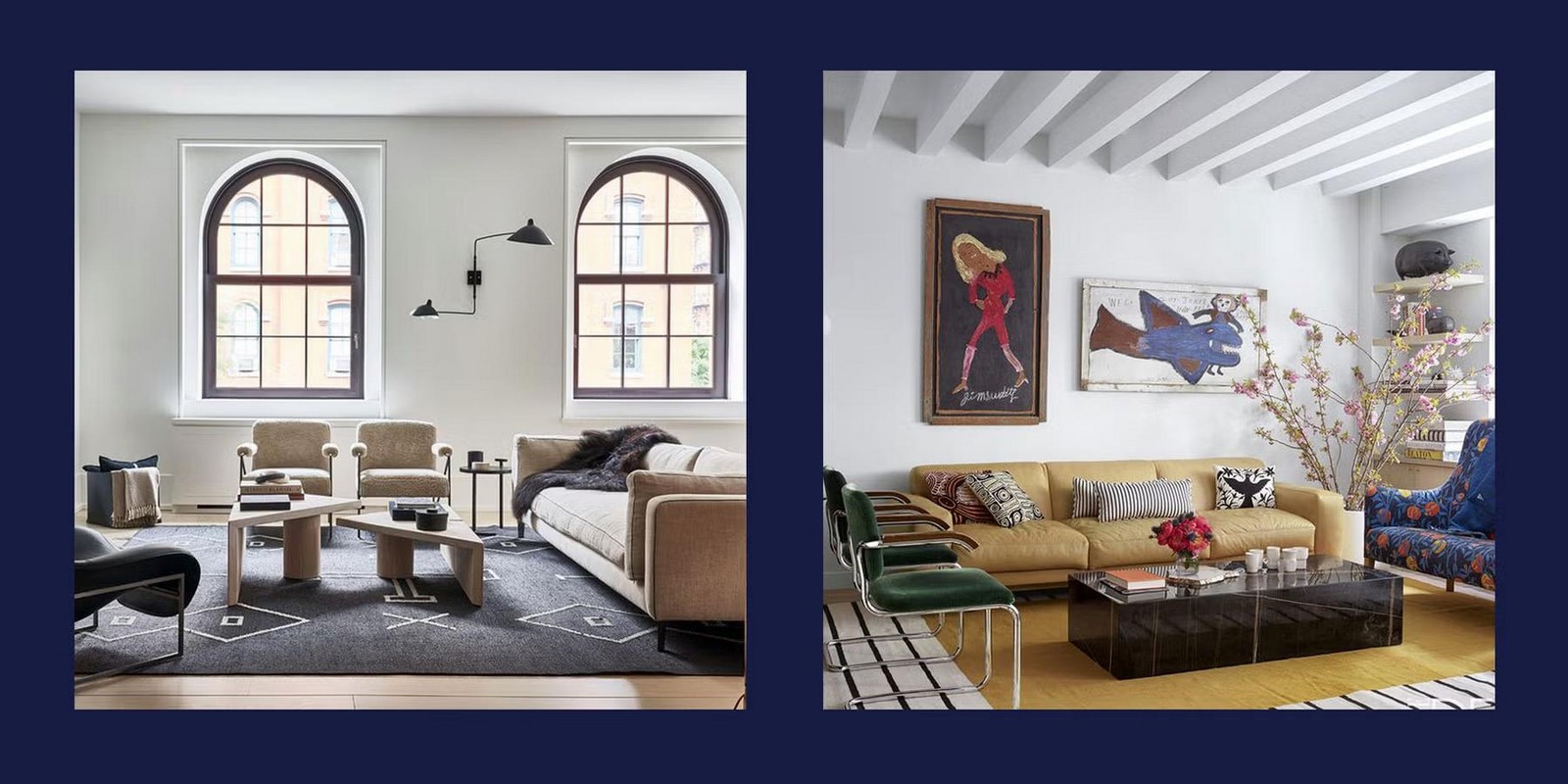
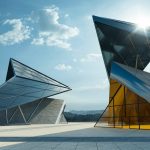
Modern architecture, despite its name, refers to the structural patterns of the 20th century, whereas Contemporary architecture is an idea of an evolving present and the future of the new generation with a focus on sustainability and social needs. Modern architecture leaned more towards a cleaner and more minimalistic design. Contemporary embraces the freedom of expression through its construction and walls. Modern architecture served its purpose of being modern and innovative, with precise lines and a controlled tone. Contemporary pushes emphasis on the natural voice, connection, and diverse shapes in construction.
AI & Technology
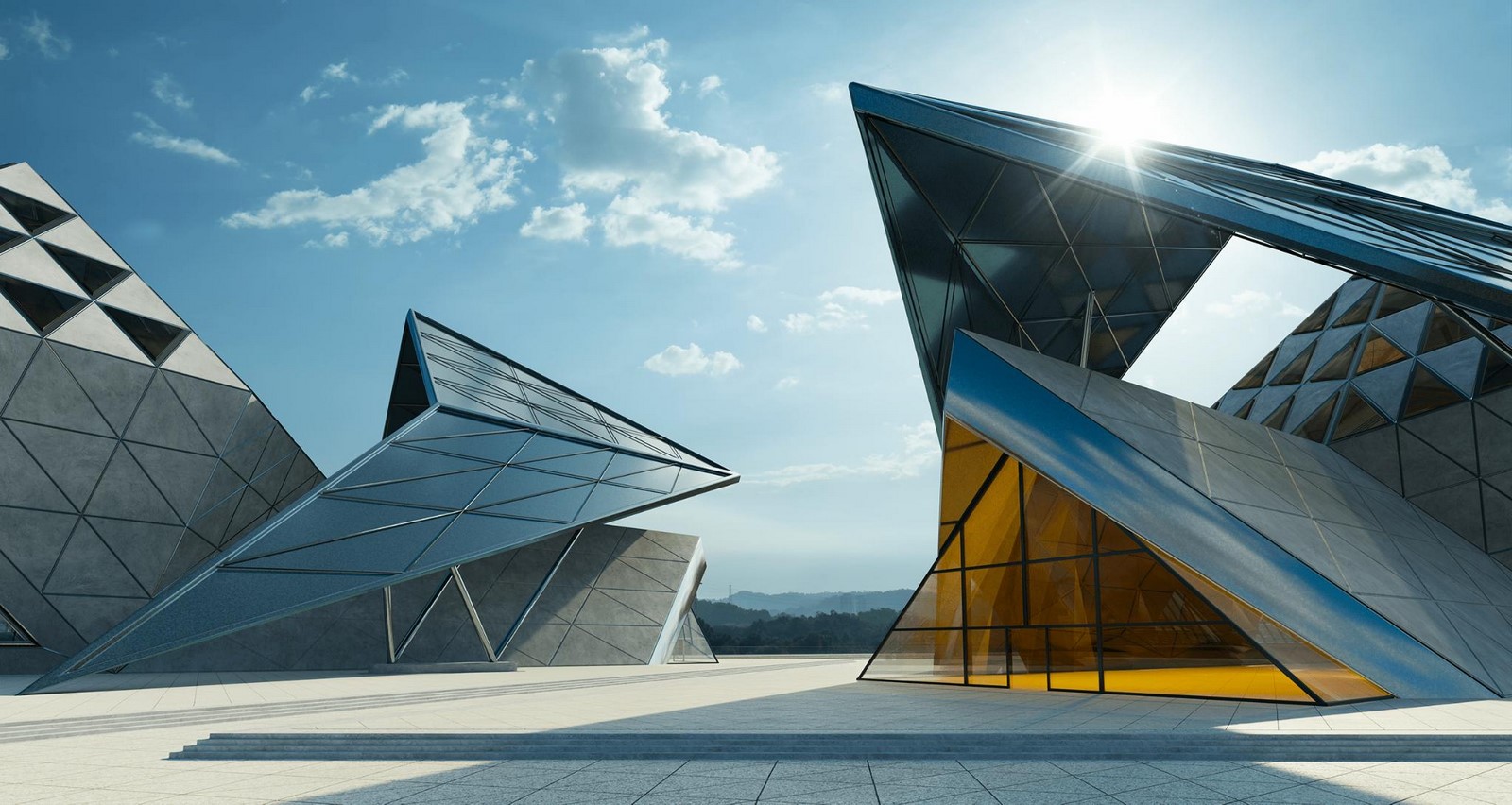
This generation is entering a digital and more tech-advanced world. Architecture has experienced the shift as well. With leading-edge technologies, the world can look forward to an era of architecture in which buildings will use real-time sensors to detect and predict minor/major flaws, malfunctions, and defects within themselves. Analysis will be automated, quick and cost-efficient. Prompts will be ordered for layouts and design variations, acting as a blueprint for the structures.
Artificial Intelligence will play a major role in crafting intricate designs; 3D printers will create replicas of real-life buildings reimagined in seconds and analyze algorithms to craft complex and customized structures. Enterprises have already begun incorporating these ideas in their projects. In the near future, the world might start seeing these high-tech innovations in practice.
2. Sustainability
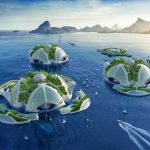
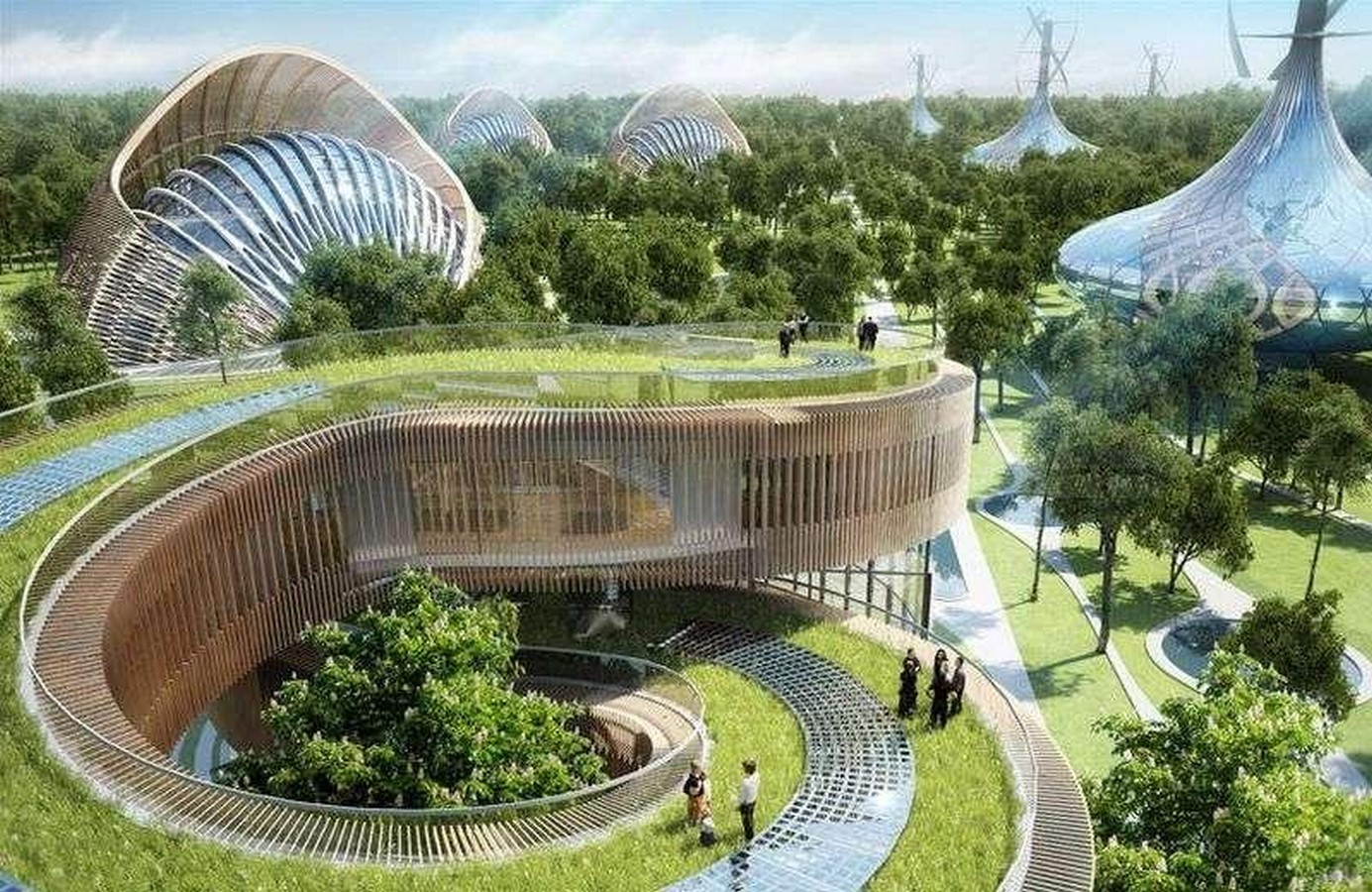
Sustainability has been a concern for years now; the future will not be just eco-friendly but sustainable in the long run. The rising demand for green buildings and sustainable architecture is likely to influence architecture in the future.
Carbon Emission
Carbon produced during manufacturing and construction is a major contributor to the carbon cause. Beyond imagination, the establishments will incorporate carbon-neutral buildings to reduce environmental stress. A properly functioning building requires cooling, powering, and lighting, all of which contribute to carbon production. Alternative materials will be used to store carbon and reduce excessive release into the environment. Net-zero and net-positive structures are encouraged; their primary function includes generating energy equal to their consumption or preferably more than their initial usage.
Retrofitting
Retrofit architecture refers to the process of preserving old architecture by upgrading its existing structure with advanced technologies and enhancing sustainability. Installing renewable energy systems, such as solar panels, wind turbines, or energy-efficient lighting, such as LEDs, in order to achieve net-zero emissions and limit carbon production.
HVAC
Rather than demolishing the old buildings, they are modified and elevated. An HVAC system, where HVAC stands for heating, ventilation, and air conditioning, is integrated. HVAC is responsible for regulating indoor temperature, humidity, and air quality in residential buildings and apartments to improve living facilities. Industrial sectors and even vehicles are adapting this system. It is supported by the principles of mechanical engineering that support climate control. It prioritizes thermal control and promotes non-contaminated air.
3. The Green Buildings
Biophilic Architecture
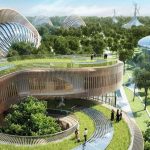
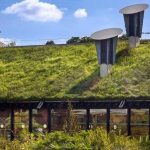
This practice has become even more popular in recent years and is expected to grow in the future. Biophilic architecture is a human-centric system that considers physical well-being, mental health, and a serene connection with nature. It sheds light on the importance of incorporating nature in our living spaces and the positive effect it has on the health of people. “Breathing architecture” refers to how the buildings are adorned with green walls, plants, and water elements. Materials reflecting an image of nature itself are used to create an ecology to promote coexistence with the environment. It is said to reduce mental stress, boost contentment, and increase productivity.
Living Material
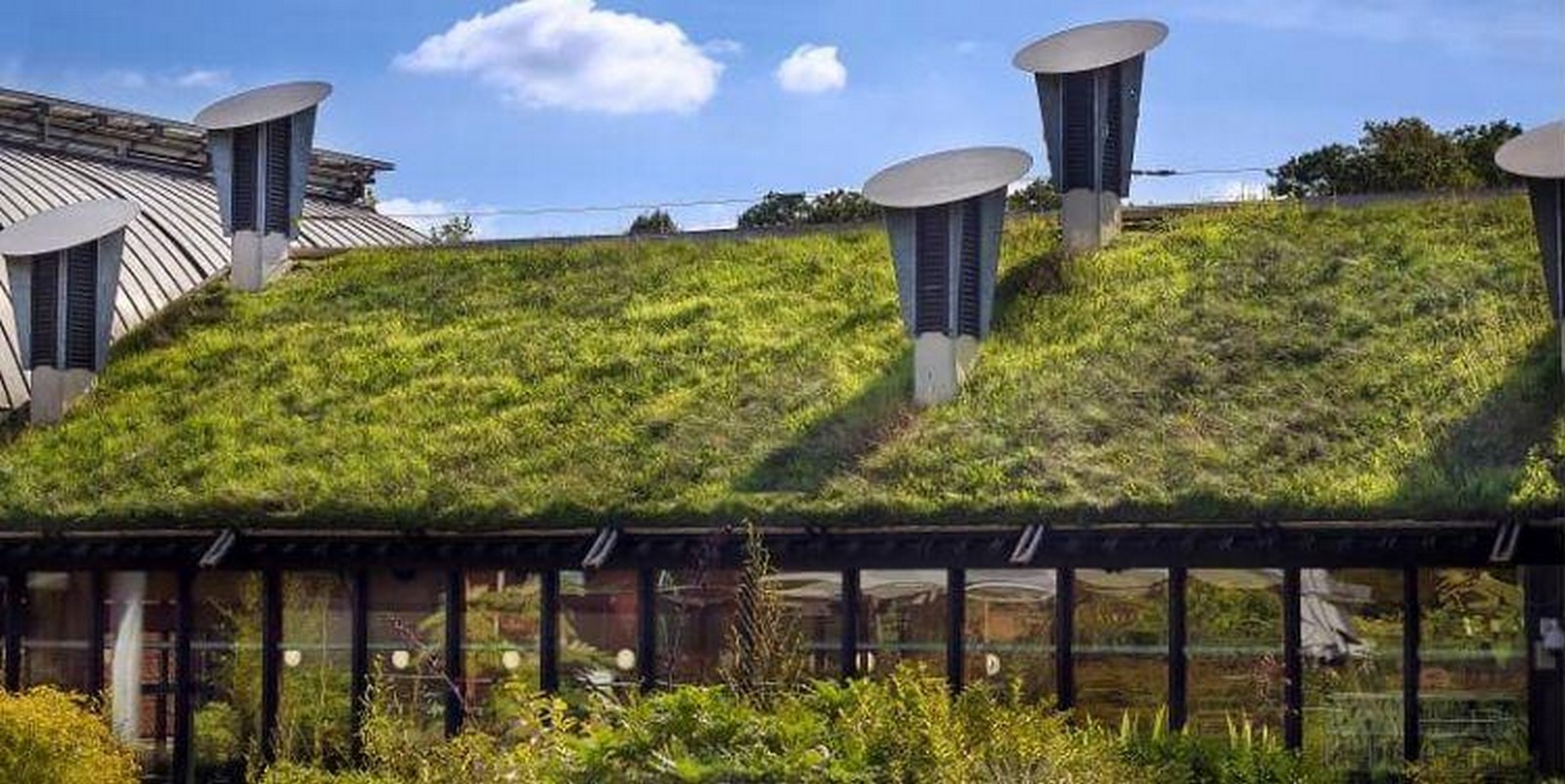
Fabrics and materials such as bamboo, mycelium, ferrock, and cellulose are integrated in the construction. They are highly sustainable and energy efficient. Bamboo is sustainable, lightweight, and cost-effective, with a high tensile strength and resistance to earthquakes. Mycelium is a cheap, fire-resistant, and eco-friendly alternative to many synthetic and traditional foams. It is biodegradable and lightweight with high absorption and thermal conductivity rates. Also involves reusing the recycled waste to reduce excess waste from the landfills, such as steel, rubber, and plastics.
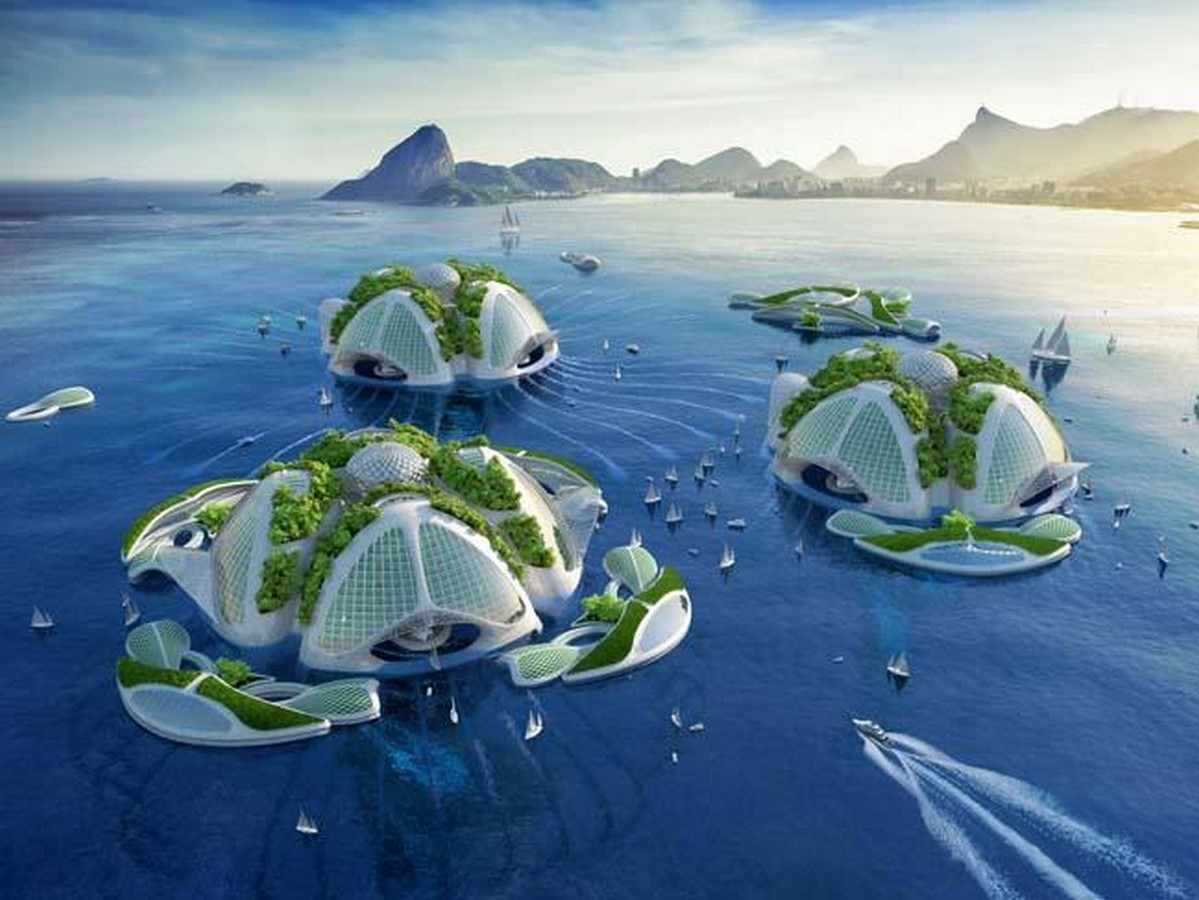
The upcoming years of architecture will be defined by its ability to balance innovation with responsibility. As the industry embraces sustainability, tech advancements, reduced carbon emissions, and the idea of green buildings, it becomes clear that architecture is no longer just about aesthetics or what is pleasing to the eye. These changes are accelerating this shift. Advancing towards a smarter, more efficient, and 3R (responsible, reasonable, and reliable) approach with modern spaces. But the primary objective remains the same: create an ecosystem of buildings that supports both the people and their planet.