What is Biophilic Architecture?
Bio means life and philia means love. Hence, biophilia translates to loving life. The term biophilic is the human connection with nature.
“In every walk with nature one receives more than one seeks.” – John Muir
The old trees in the backyard, gently swaying in the breeze, refreshing ripples of waves cascading into the water. The scent of the initial rainfall moistens the earth and fills the air, and a multitude of vibrant, colorful flowers adorn a thriving, green valley. These experiences are often linked with a sense of joy and relief for most and the reason is simple: Humans are innately attracted to nature and life. It’s engraved in the DNA for humans to move towards nature in search of tranquility and calmness.
Biophilia falls under the subcategories of other biosciences like Biomimicry which is emulation or mimicking nature whereas biomorphism is the patterns or shapes that are reminiscent of nature and other living organisms. Biophilic architecture is designing buildings and environments that have a strong connection with nature.
Benefits of Biophilic Architecture
Architecture in its true self is much more than a space; it affects the way one lives; the way one talks, and the way one thinks. In totality, it affects the mental and physical being as a whole. In today’s cities, for many unconsciously a whole day is gone without seeing the horizon, closed in boxes with limited ventilation.On the other hand,the primitive man that lived in the open undulating terrain made one constantly aware of their surroundings. In contrast with these constant obstructions in curbed cities, the open areas showcase the vastness, giving a faraway perspective to see the endless possibilities. The primitive man living amidst nature was healthier both physically and mentally. Although the times cannot be directly comparable, the environment may be credited for a healthier state of mind. Hence, biophilic design can boost cognitive performance and improve physiological and psychological well-being.
The three pillars of Biophilic design
According to the “14 Patterns of Biophilic Design: Improving Health and Well-Being in the Built Environment” biophilic design can be categorized into three subcategories.
- Nature In The Space refers to the direct presence of natural elements in a space like plants, the presence of water, light, and visual and non-connection connections with Natural Systems
- Nature Analogues refers to the indirect depictions of nature and opting for nature-inspired colors, natural shapes, and natural patterns.
- Nature of space refers to the spatial considerations to create deliberate and engaging spaces with a strong connection to the patterns of nature.
For Example – A space with views extending towards a natural element or a cozy nook designed intentionally for retreating into.
Biophilia design Toolkit
Biophilia is a trend that has not gone unheard of, with many finding ways to incorporate biophilia into their own homes. There are a plethora of direct and indirect ways to bring in natural elements to create environments that foster feelings of calmness, happiness, creativity, and productivity, whether it is in the house or the workplace.
The design consideration for biophilic design includes incorporating factors like scale, character, climate, and user demographics. However, if a basic toolkit of sorts is created to follow to design spaces incorporating biophilic design they may include the following:
1. Bring the Outside inside
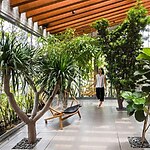
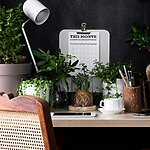
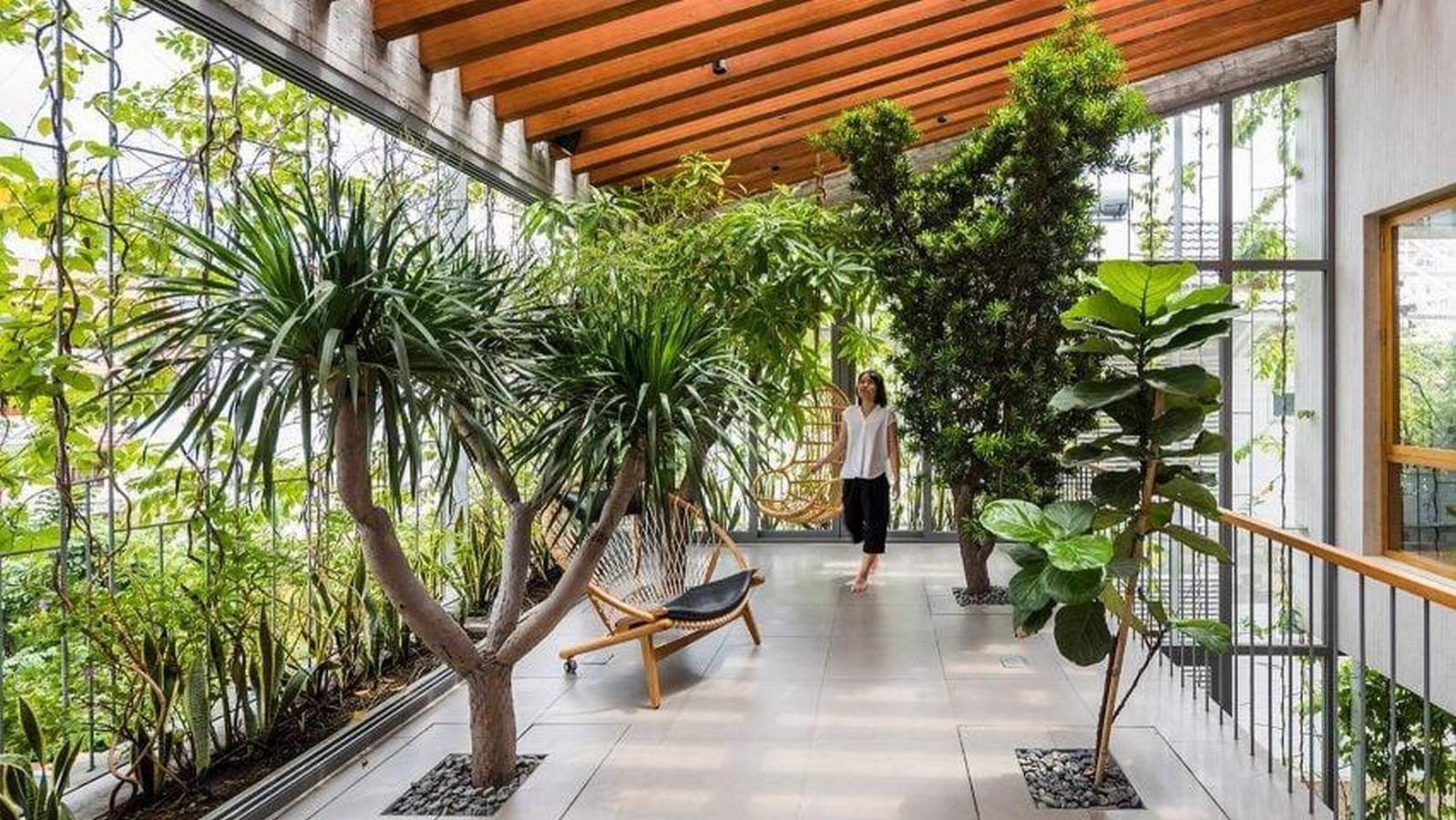
Even though it’s not possible to be outside and enjoy nature 24/7 it is possible to bring the outside inside. It can be achieved through the use of indoor plants, potted plants, green walls, or even vegetable gardens, etc. Creating an indoor garden of sorts to eliminate the feeling of being trapped in concrete boxes. The goal is to create a visual and sensory connection with the natural world, which can enhance the overall ambiance of the space.
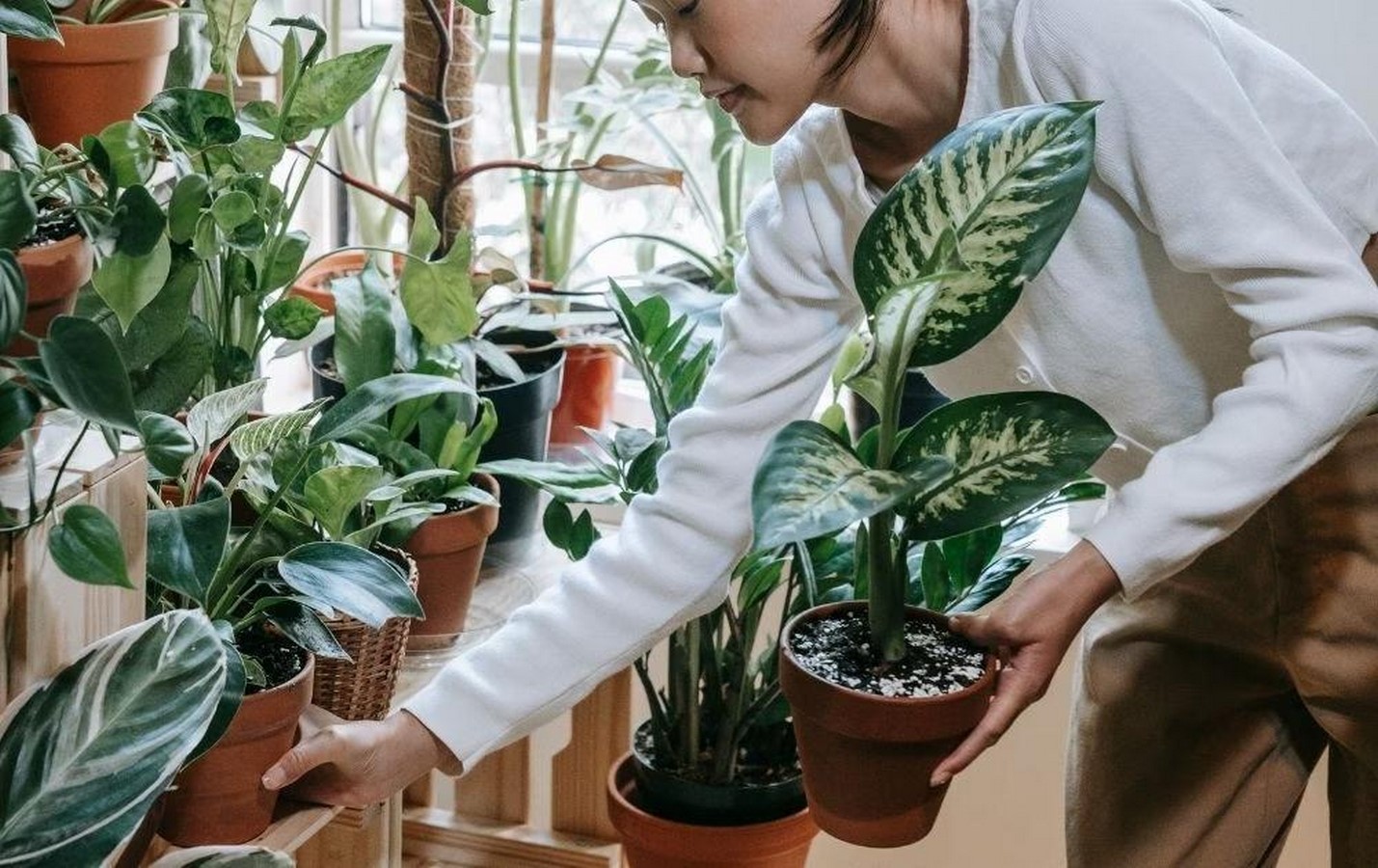
Another way to bring the outside inside is by maximizing the use of outdoor Space. It is one thing to add natural features inside but they are not as powerful as the outside environment itself. Whether it’s a balcony, patio, lawn, or garden, there are ways to make the most of the existing outdoor spaces. These spaces should be viewed as multi-functional spaces perhaps an Alfresco Dining, wildlife-attracting garden, reading nook, etc to maximize the time spent outdoors
2. Maximize Natural ventilation and light
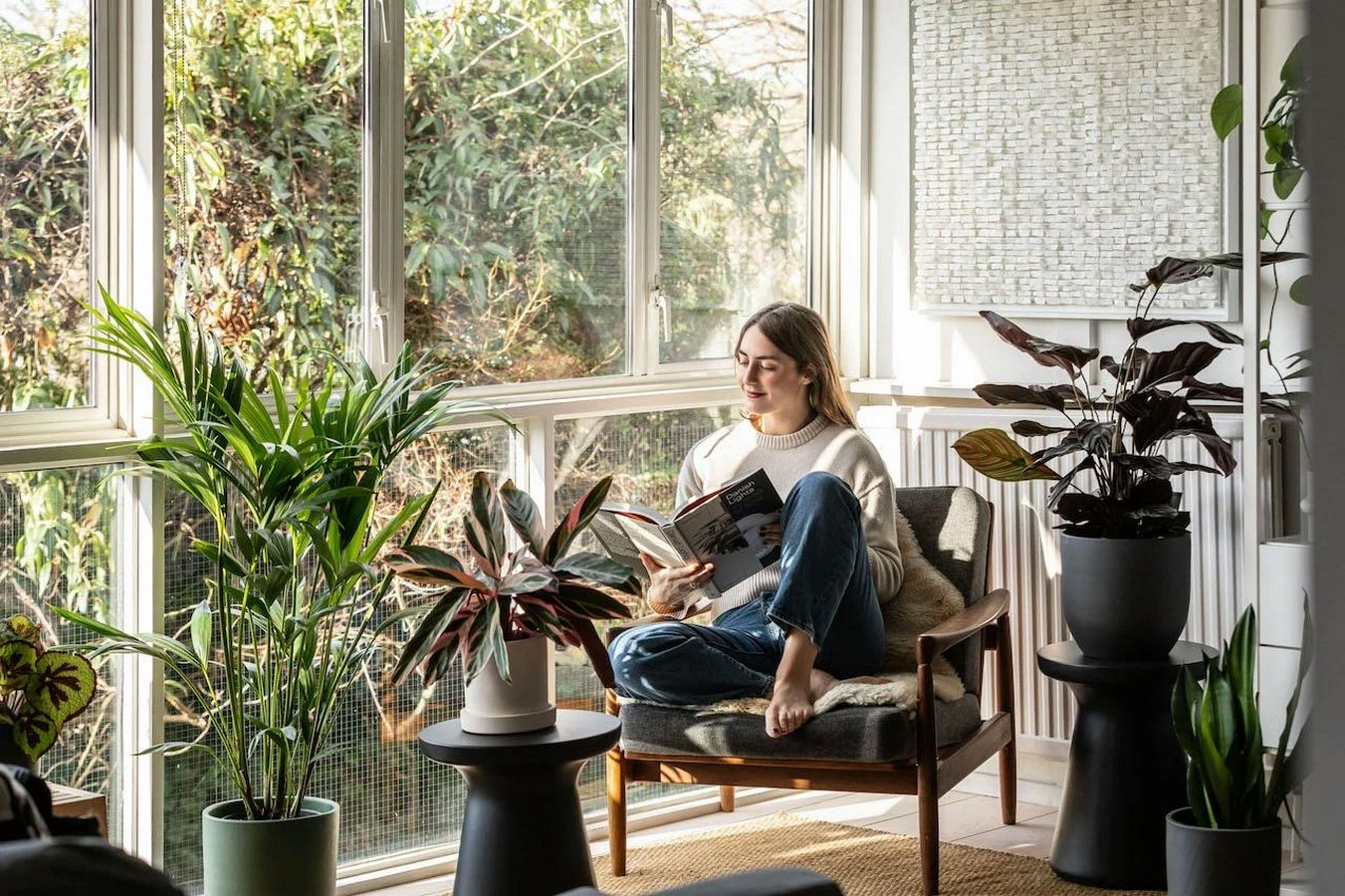
HVAC systems and artificial lighting make life convenient and comfortable. However, these artificial environments may not be the best places to spend the entire day in. Vitamin D that is absorbed through natural light is important to balance the circadian rhythm that enhances the mood and increases productivity relatively, also helping restore the quality of sleep. To maximize natural ventilation, spaces should be designed to allow the free flow of fresh air through larger windows, skylights, and open floor plans to facilitate this. A fresh walk can help reduce stress levels and boost attention levels.This is the reason why Working near a window can help boost overall productivity.
3. Using Natural Materials
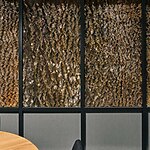
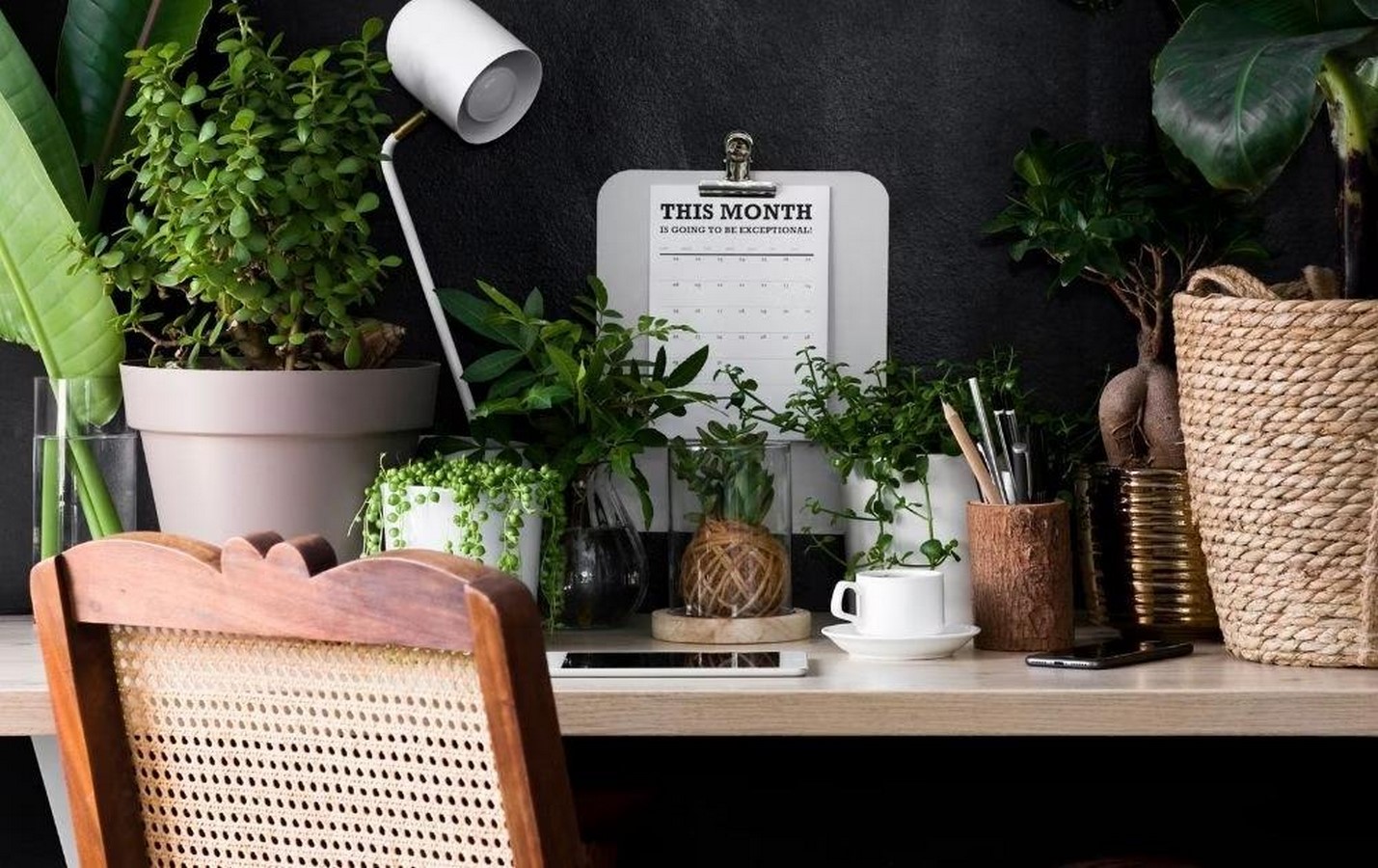
Natural materials such as wood, stone, bamboo, and clay can be incorporated into the design of the space. These materials not only create a warm and organic aesthetic but also provide a tactile connection to nature. Adding pieces directly from nature like shells, leaves, and flowers as well as decor like Natural woven baskets and bamboo chairs can add to the natural touch of a space. Green walls, blend the best of both worlds: plants and decor.
Wright used wood grain and the veining of stone as decorative elements and was equally concerned with exploring the relationship between interior to exterior.
4. Fabrics and furniture that resemble the earthy tones
Selecting fabrics and furniture in earthy tones like greens, browns, and muted blues can help create a harmonious connection with nature. Earthy color palettes evoke feelings of tranquility and comfort, which are key elements of biophilic design. These colors can be used for upholstery, curtains, and decorative elements.
5. Shapes and forms inspired by nature
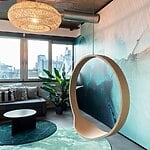
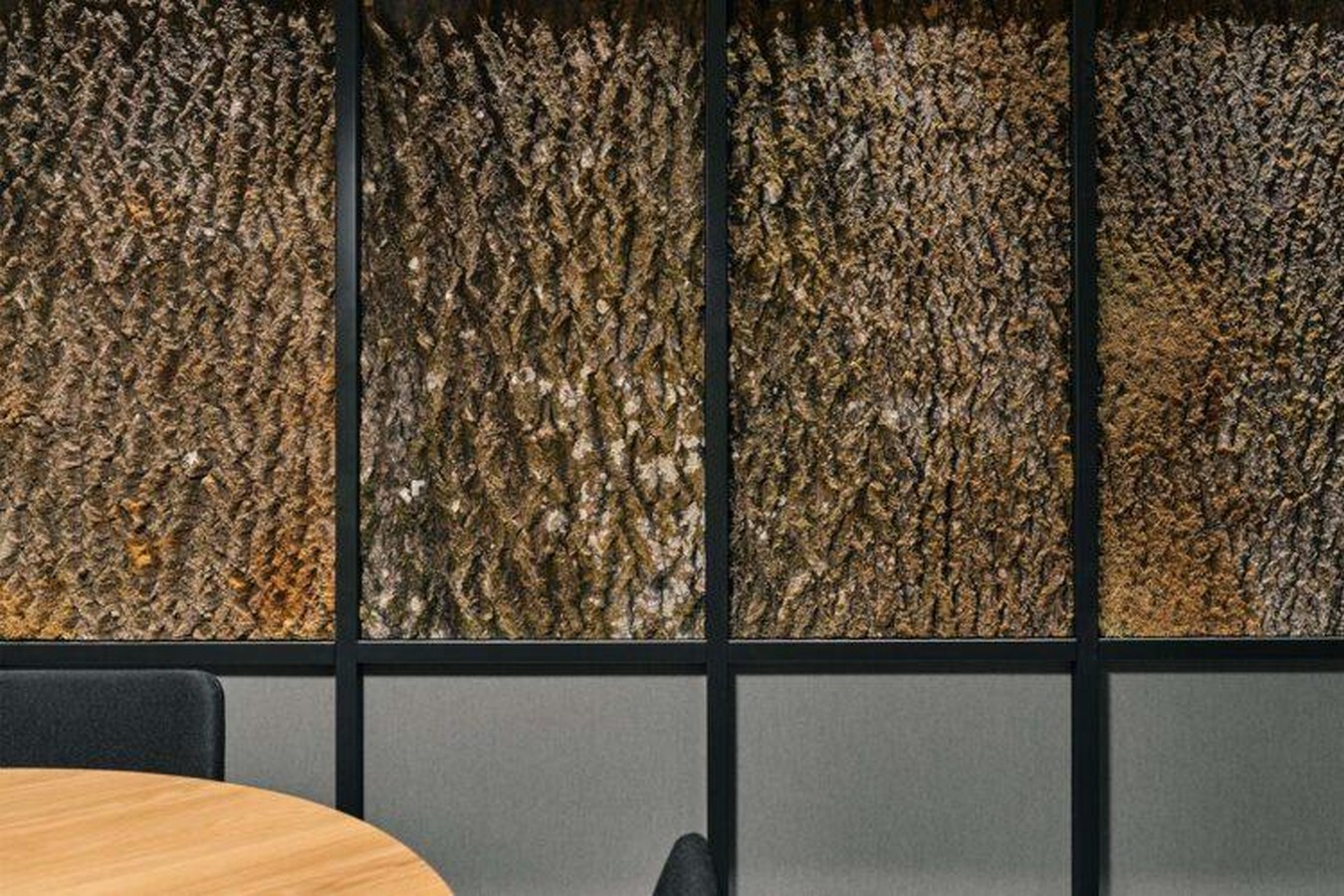
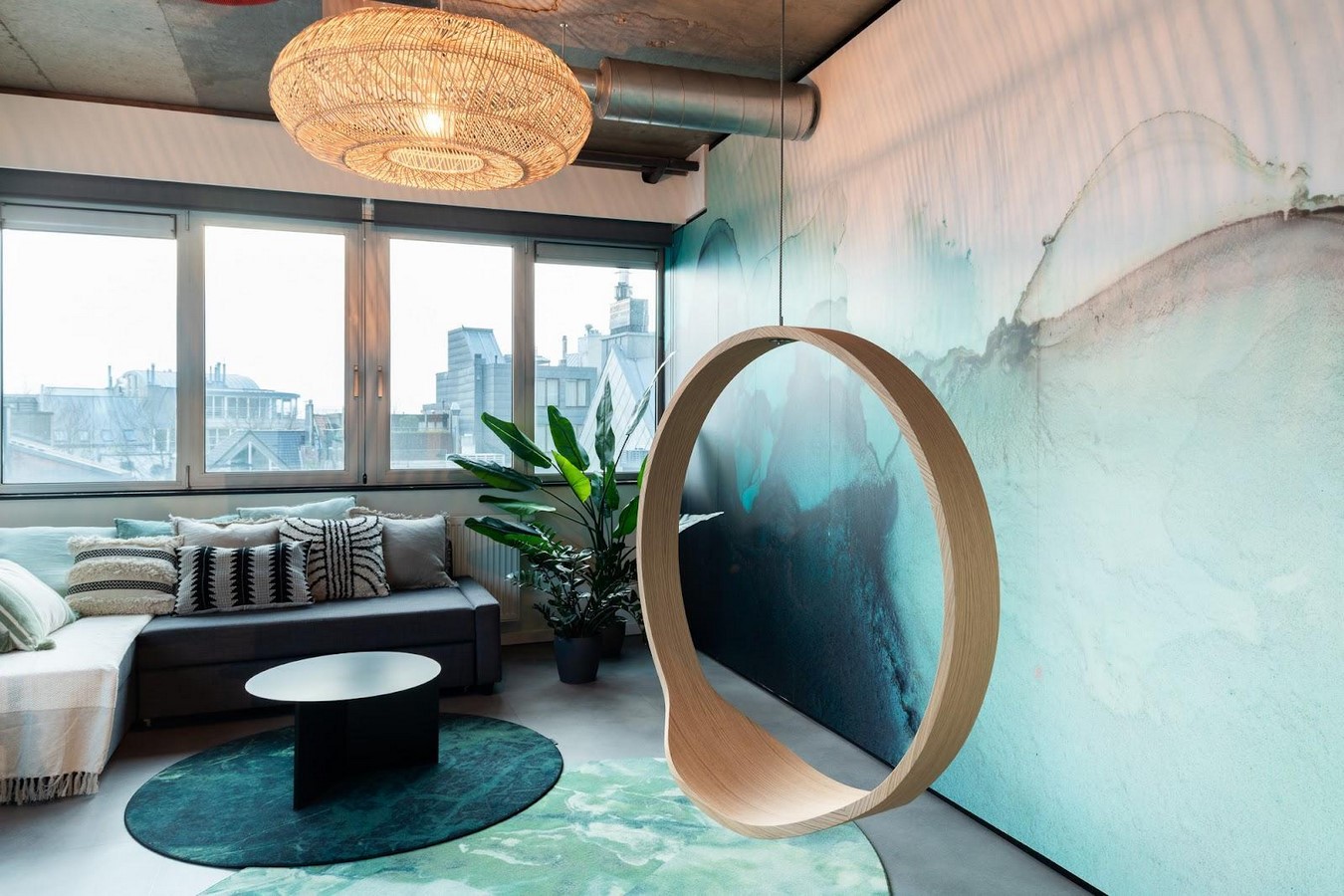
Most homes with edges and straight lines create rigidity however nature is fluid, with organic lines and curves natural patterns. Incorporating various shapes such as organic and circular-shaped mirrors, wall decor, stools, and tables, similar to the organic form of shells, and patterns that imitate the fluid and mercurial nature of water to create fluidity in space.
Nature and its teachings
A few seconds in nature can captivate all the senses, touch, smell, hearing, taste, and vision. Hence, nature has a multisensory hold on humans. Hence, designers should capitalize on this aspect and draw inspiration beyond the beauty of nature. Like Frank Lloyd said,” Study nature, love nature, stay close to nature. It will never fail you.”. Architectural design like the design of nature should be participation: the power to involve the body and mind in day-to-day activities through its functionality and aesthetics. The importance of nature plays a pivotal role in understanding the role of “building on engaging the sensory stimulus in homes” on the physical and emotional well-being of an individual.
In conclusion, even a small fragment of time one occupies in space affects another behavioral pattern in the user, which gives us clues on how biophilic design may be the way forward to nudge people to keep more aware and direct consciousness to help reach the collective conclusion to physiological, psychological stability.
References:
Biophilic Design and How It Benefits Creativity and Focus. (n.d.). Space Refinery. Retrieved November 5, 2023, from https://www.spacerefinery.com/blog/biophilic-design-101
Biophilic Design Initiative. (n.d.). International Living Future Institute. Retrieved November 5, 2023, from https://living-future.org/biophilic-design/
Fathy, H., Ryckaert, M., & Nichol, G. G. (n.d.). 14 Patterns of Biophilic Design. Terrapin Bright Green. Retrieved November 5, 2023, from https://www.terrapinbrightgreen.com/reports/14-patterns/
Kellert, S. R. (2015, October 26). What Is and Is Not Biophilic Design. Metropolis Magazine. Retrieved November 5, 2023, from https://metropolismag.com/viewpoints/what-is-and-is-not-biophilic-design/
The six elements of biophilic design. (n.d.). Thermory. Retrieved November 5, 2023, from https://thermory.com/blog-and-news/the-six-elements-of-biophilic-design/