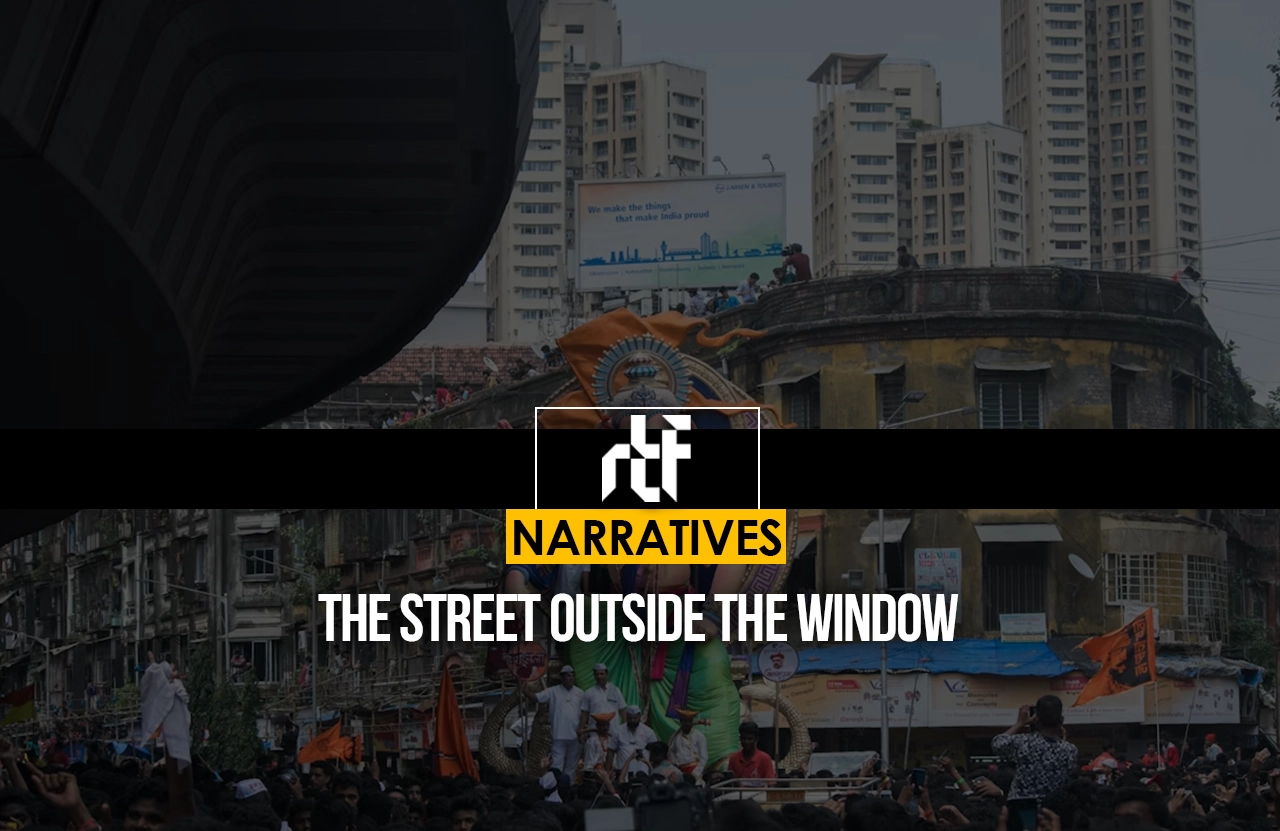
What if the most important classroom in a person’s life was not inside a school, but outside a window?
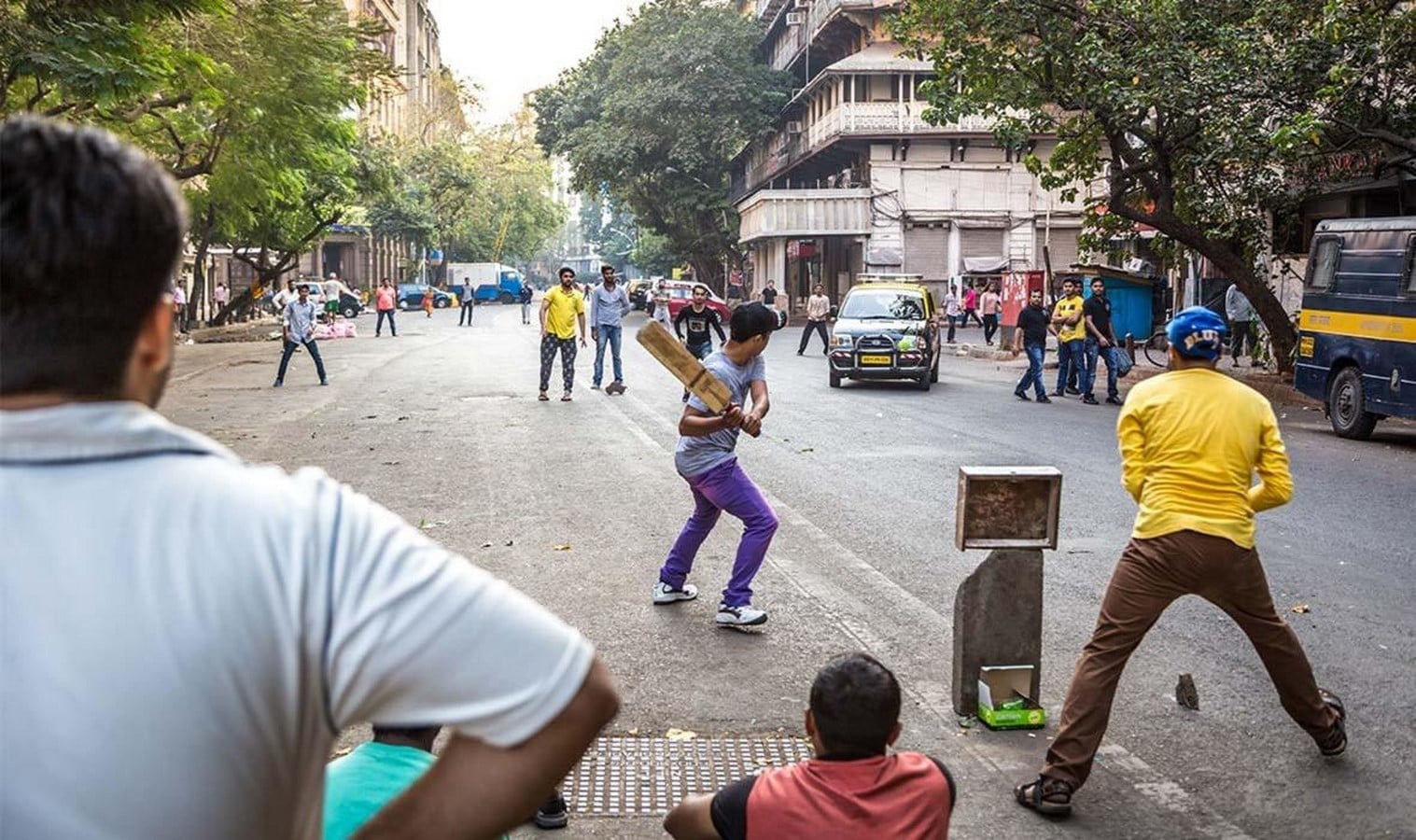
Most of us remember a street from our childhood. Not necessarily because it was beautiful or famous, but because it was always there. It was the place where vendors announced their arrival, where children turned the road into a cricket pitch, where neighbours stopped for conversations that lasted much longer than intended. It was where festivals arrived before they entered our homes. Long before we understood architecture, urban design, or sociology, we were already learning from the street. We watched people. We observed routines. We noticed celebrations, conflicts, friendships, and traditions. Without realising it, we were building an understanding of society through everyday observation.
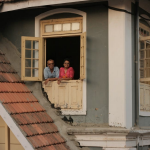
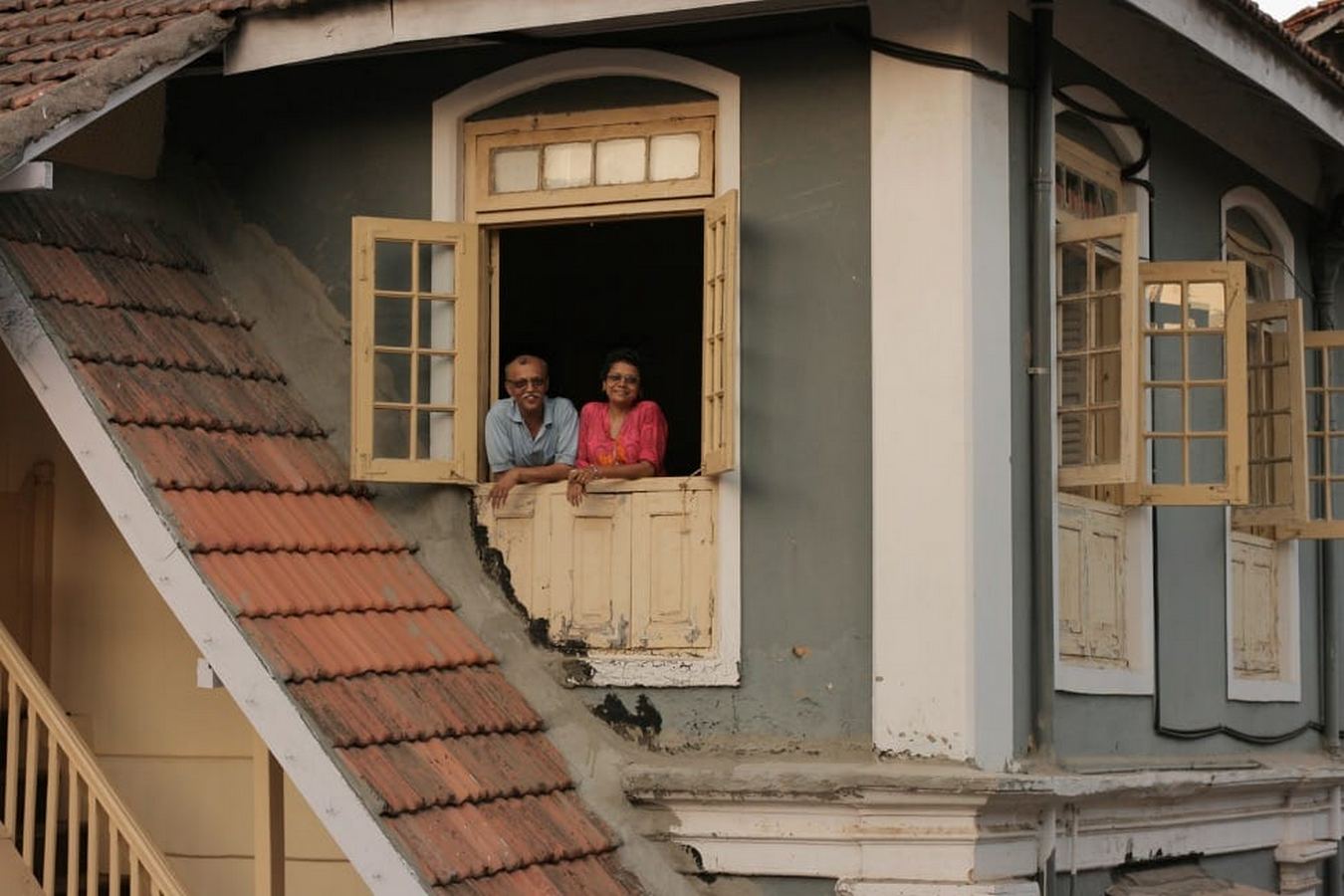
A few months ago, I came across an elderly couple living on the first floor of an old neighbourhood building. Their home would probably make many contemporary homeowners uncomfortable. The living room was fully visible from the street below. There were no tinted windows, no privacy screens, and no attempt to hide daily life from passersby. What immediately caught my attention was the placement of their couch. It faced directly towards a large street-facing window. From that position, they could observe everything happening outside. The street was not simply a view; it was part of their daily routine. Children returning from school, shopkeepers arranging goods, neighbours exchanging greetings, festival preparations, evening gatherings, and the changing rhythm of the day all unfolded before them. The window acted like a living frame, continuously displaying the life of the neighbourhood. Watching them sit there made me wonder whether something important has changed in the way we relate to our streets and, more importantly, what that change might mean for future generations.
Streets as Everyday Teachers
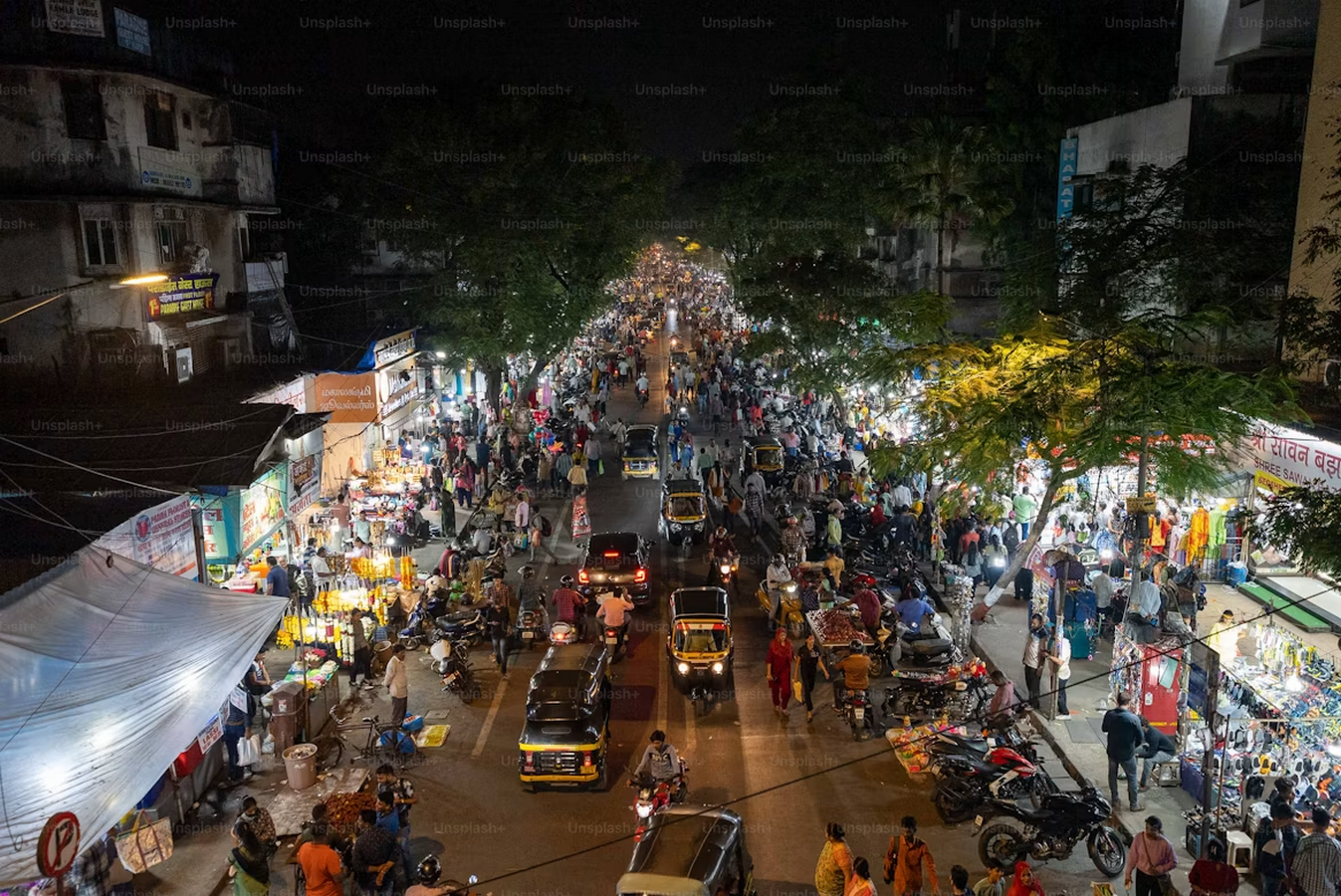
A great deal of social learning happens on streets, often without us realising it. Unlike formal education, which is structured and intentional, the lessons of the street are absorbed naturally through observation. A child sitting by a window overlooking a busy street does not consciously decide to study human behaviour. Yet every day they witness interactions that slowly shape their understanding of the world. They see people from different age groups, professions, cultures, and economic backgrounds sharing the same public space. They observe how neighbours help each other, how local businesses operate, how festivals are organised, and how communities respond during moments of celebration and difficulty.

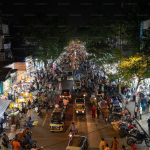
In many Indian towns and cities, streets become temporary stages for cultural life. Ganesh Utsav pandals appear almost overnight. Dahi Handi gatherings transform ordinary roads into spaces of excitement and participation. Bhim Jayanti processions, Muharram observances, Christmas carol walks, weddings, political rallies, and local community events all leave their mark on the street. For a child watching from a balcony or window, these are not isolated events. Together, they create an ongoing education about identity, belonging, diversity, and collective memory. The street teaches lessons that cannot be fully captured in textbooks because they are experienced rather than explained.
The View From the Window
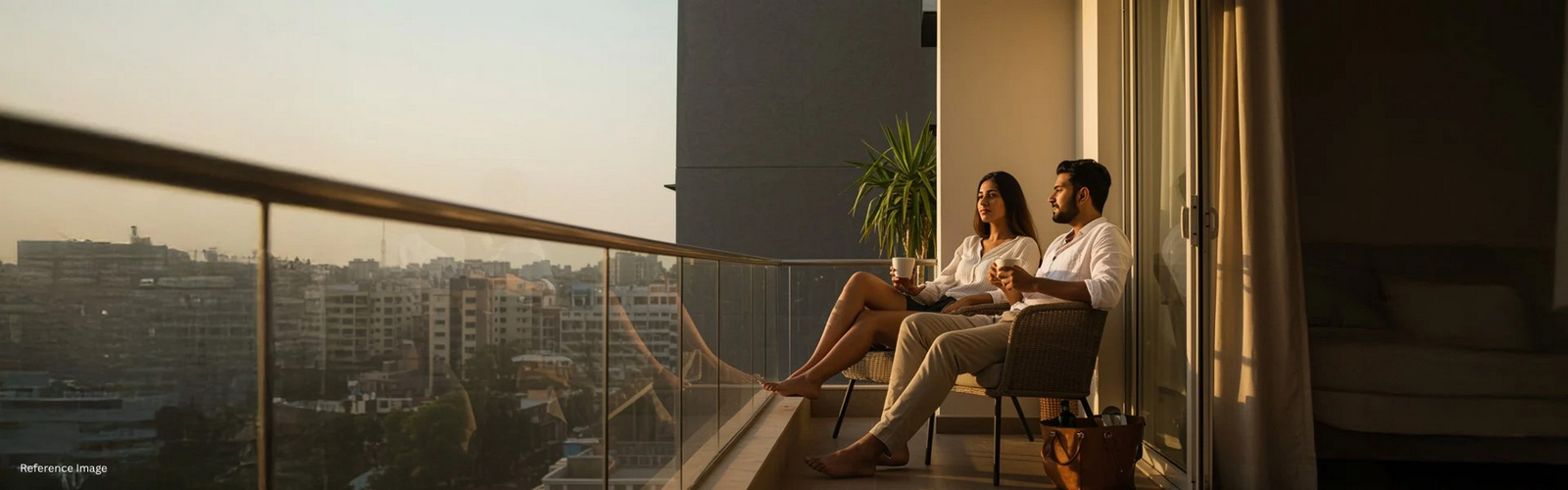
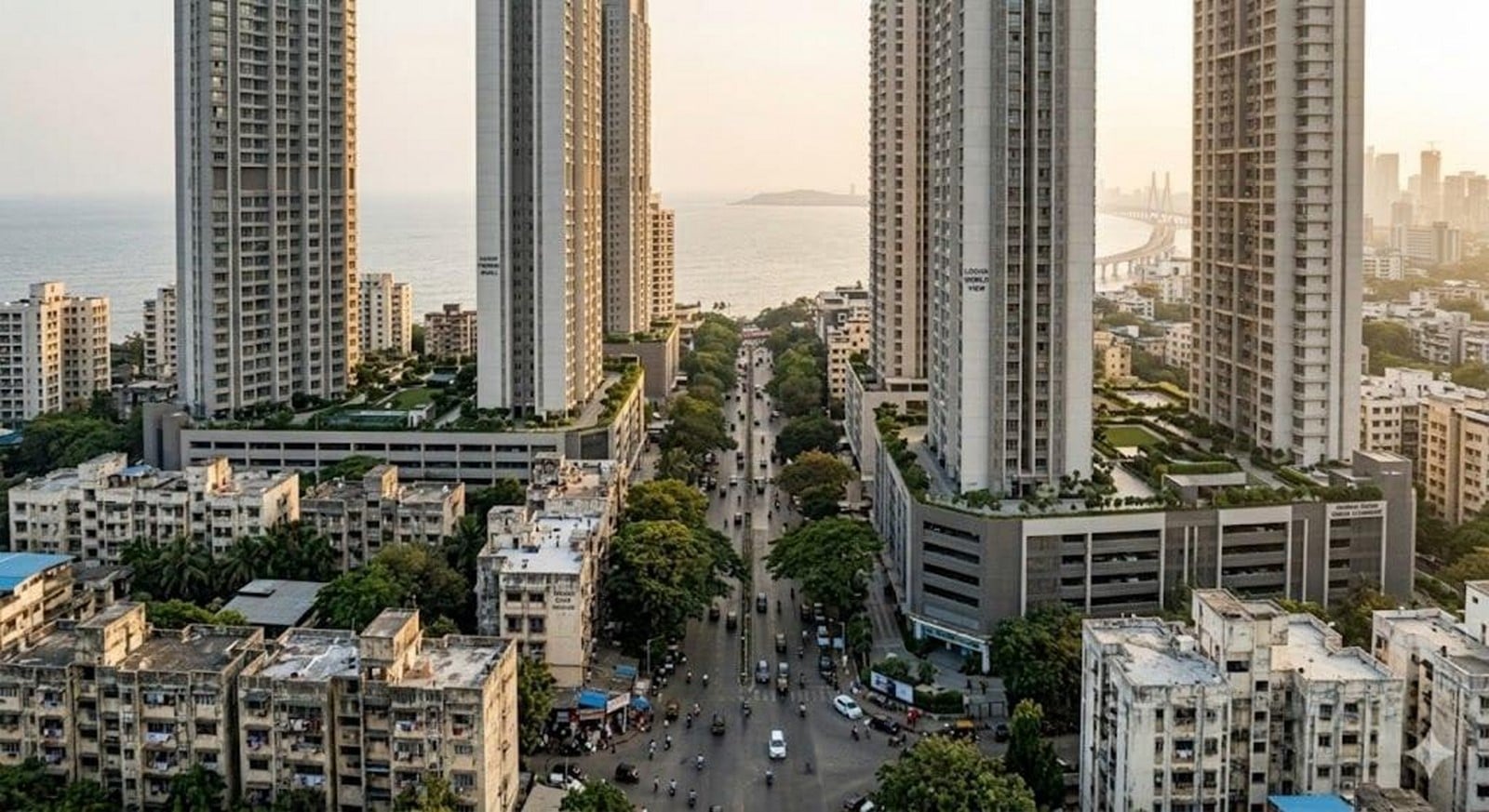
Today, however, many residential developments are designed differently. Privacy has become a major priority. Apartments often face inward towards landscaped courtyards, podium gardens, or internal society roads. Large windows may still exist, but the view frequently consists of another building, a parking area, or a controlled private space. There are many practical reasons for this approach, including security, comfort, and noise reduction. Yet it is worth asking whether something is lost when daily life becomes visually disconnected from the wider city.
Imagine two children growing up in different homes. One spends their afternoons looking out at a neighbourhood street. The other looks out at an internal residential courtyard. Neither experience is inherently better or worse. However, the nature of what each child observes is very different. The child facing the street encounters a constantly changing social environment. They see movement, diversity, celebration, commerce, and public life. They observe adults navigating real situations, communities gathering for common purposes, and the informal interactions that make cities feel alive.
The child facing only an internal compound experiences a more controlled environment. Their surroundings may be safer and quieter, but they are also more predictable. The variety of everyday urban life is reduced. Over years and decades, these differences in observation may influence how individuals understand community, public space, and social relationships. While it is impossible to measure precisely, it seems reasonable to believe that what we repeatedly see helps shape how we think.
Streets as Cultural Memory
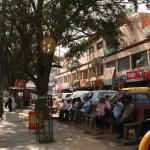
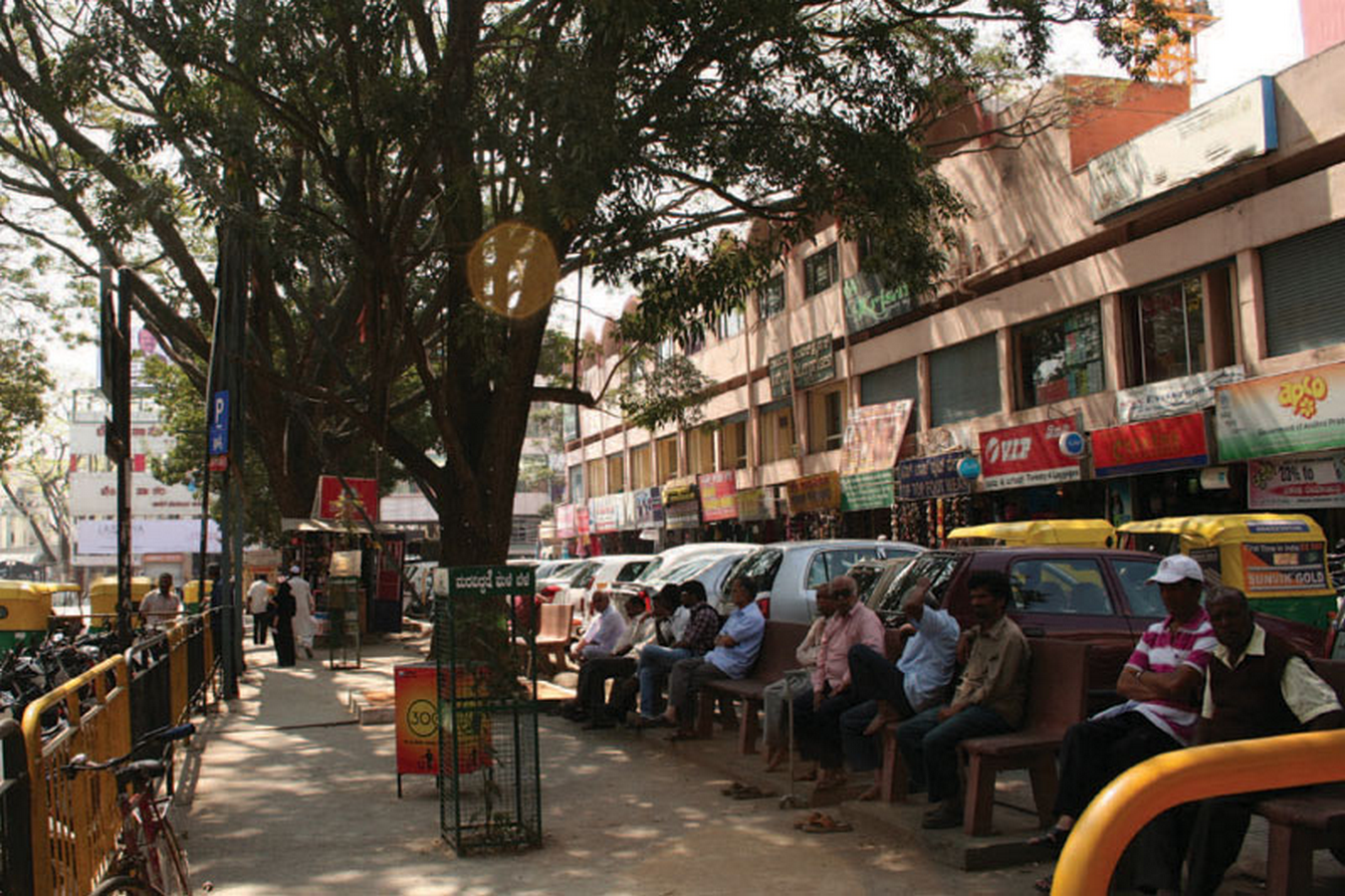
Architecturally, streets are often discussed as infrastructure. They are measured by width, traffic capacity, parking requirements, and circulation efficiency. Yet their cultural role is equally important. Streets are among the few urban spaces where different groups of people continue to share common experiences. Unlike private homes or gated communities, streets remain open stages where everyday life unfolds in public view.
This is why certain streets become deeply rooted in collective memory. People may forget the details of individual buildings, but they remember the road where festival lights appeared every year. They remember the corner where neighbours gathered every evening. They remember watching processions pass by, hearing music in the distance, or waiting for familiar vendors. The physical form of the street becomes inseparable from the memories created within it.
As architects, we often focus on designing buildings that function efficiently and look appealing. Yet the relationship between buildings and streets may be just as important. A window overlooking a lively street is not merely an architectural feature. It is a connection between private life and public life. It allows people to remain part of the community even when they are not physically present within it. The elderly couple sitting by their window understood this instinctively. Their daily engagement with the street was not passive observation. It was participation through presence.
What We Might Be Missing
The question is not whether every home should face a busy road or whether privacy should be sacrificed. The real question is whether contemporary urban environments are providing enough opportunities for people, especially children, to observe and engage with public life.
Cities do more than house people; they shape people. The spaces we see every day influence our understanding of society. When streets remain visible and active, they become sources of learning, empathy, curiosity, and cultural awareness. When public life disappears from view, opportunities for this informal education may gradually diminish.
Perhaps this is why the image of the elderly couple remains so memorable. They were not watching television. They were watching life itself. Their window connected them to the neighbourhood, to its people, and to its stories. In a world increasingly defined by digital screens, that simple relationship between a person and a street feels surprisingly valuable.
“The street is the river of life of the city, the place where we come together.”
-Charles Correa
A street does not simply connect one destination to another. It connects generations to culture, individuals to community, and everyday moments to lasting memories.
The view outside a window may seem insignificant, yet it quietly influences how we understand the world around us. Streets expose us to diversity, celebration, routine, and human interaction in ways that no private space can fully replicate. They teach lessons without announcing them. They shape perspectives without demanding attention.
As architects, planners, and citizens, perhaps we should think more carefully about what our buildings choose to reveal and what they choose to hide. Because sometimes the difference between looking at a wall and looking at a street is the difference between seeing a building and seeing society.
And perhaps the street outside the window is still one of the most powerful teachers a generation can have.