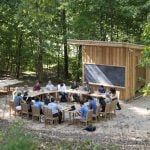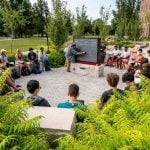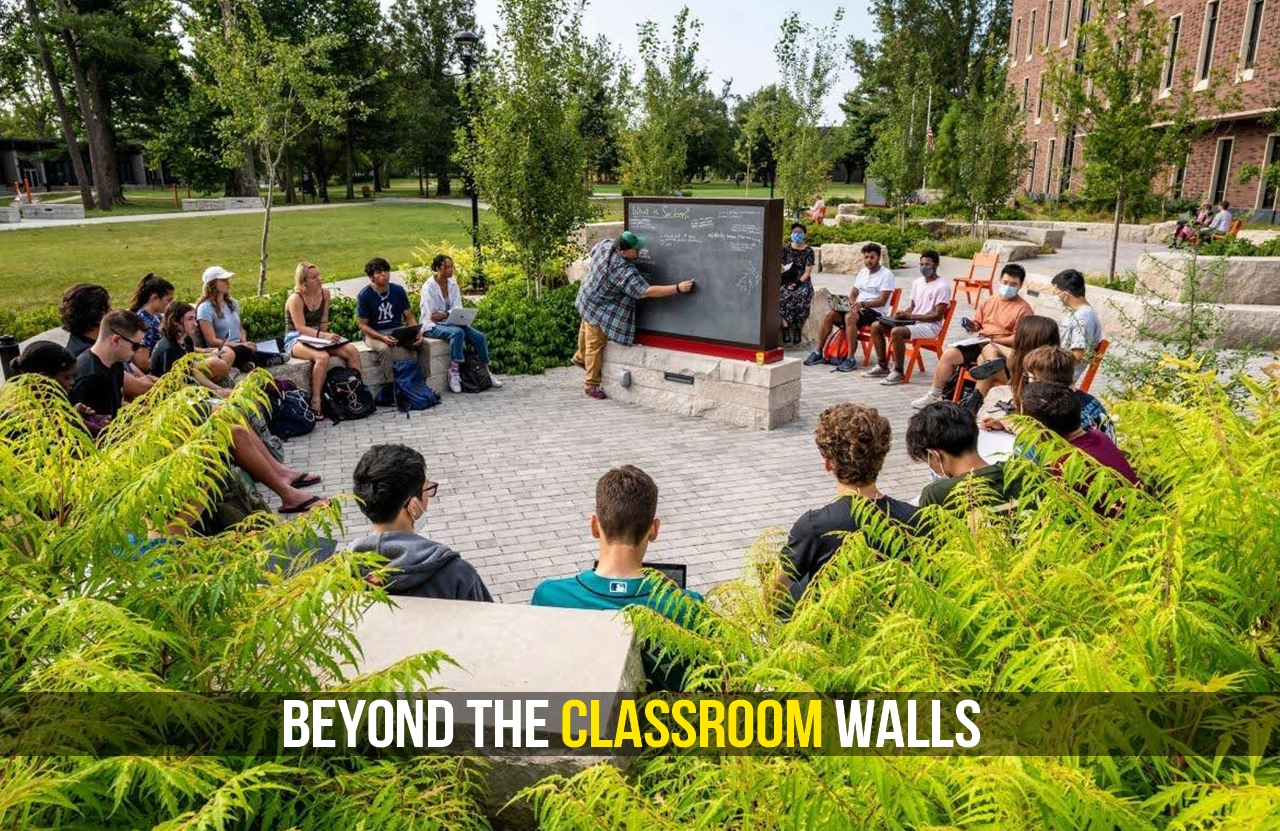
For generations, the image of education has been four walls, a blackboard and rows of desks, as knowledge is a commodity dispensed from one individual, the teacher, to another, the student․ Yet in the 21st century the idea of the classroom as the only or best place to learn is increasingly feels restrictive․ A powerful pedagogical shift is redefining the very geography of learning. Education is increasingly supported by the philosophy that learning happens in real-world contexts, in places outside school, not just because it is a nice thing to do, but because it is an essential part of a holistic and effective education․ This challenges fundamental reimagining of where, how and when learning takes place, through using the whole community, the natural environment and the digital world․
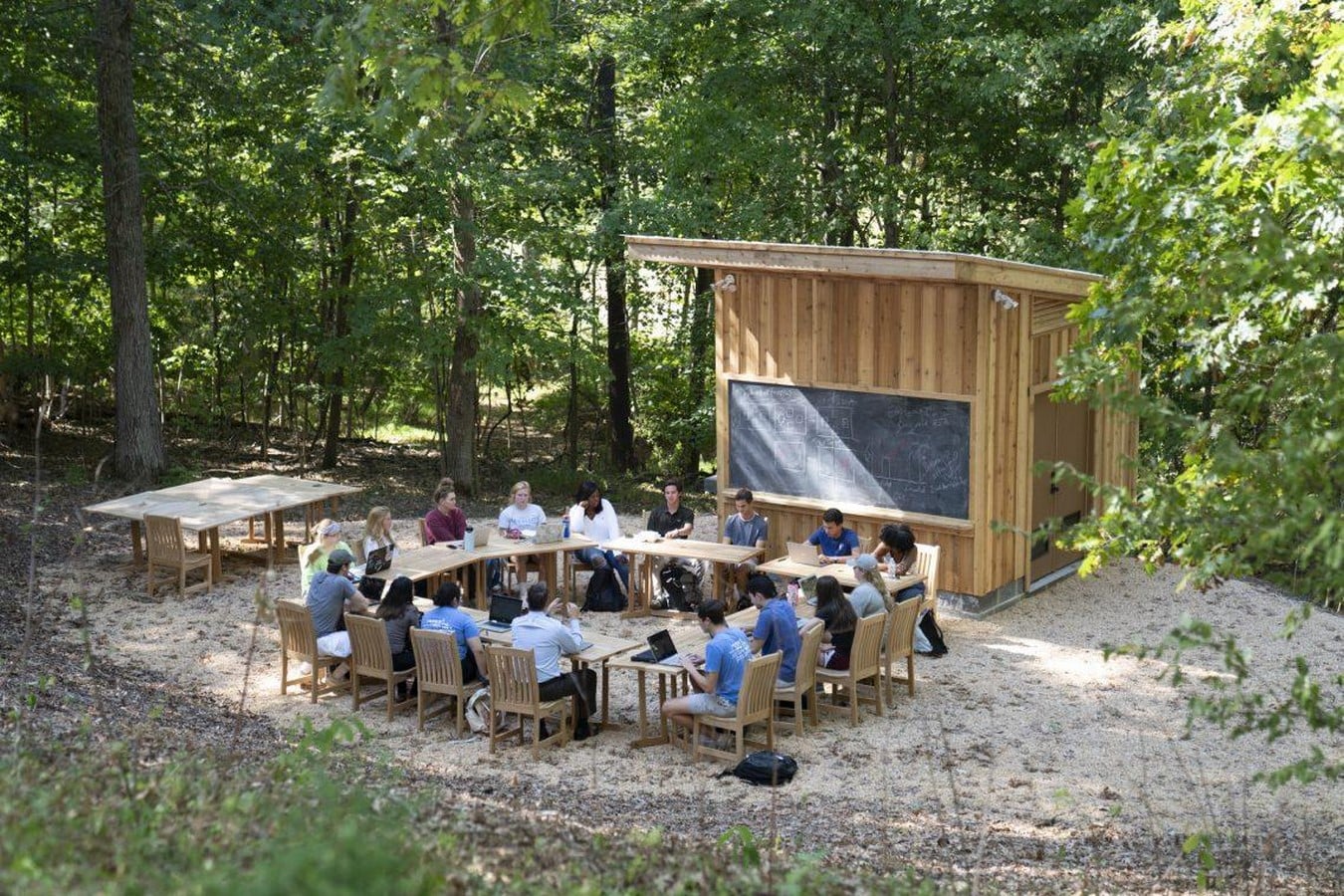
Rethinking the Boundaries of Learning
Classrooms were structured and organized as much as possible with defined environments and standardized programs and timetables to allow for access and equity, but this did not expose students to the complexities of real life․ Learning became associated with memorisation and examination, rather than exploration and its application․
“Beyond the classroom walls” denotes the shift from passive learning to active engagement. It inspires people to interact with their environment, to ask questions, to experiment, to cooperate, and to reflect. Education is not a place; it’s a process. The world itself has become a living laboratory.
Classrooms are places that give a sense of structure and basic knowledge. They are also isolating and decontextualising. Students often sense a gap as they struggle with abstract concepts, equations, scientific concepts, or historical events. This disconnection can lead to disengagement, turning learning into passive memorisation rather than active discovery. Because classrooms are controlled environments, they seldom capture the unpredictability and richness of the real world.
The City and Nature as a Classroom
A city has a rich history, vibrant culture, infrastructure, and interactions with its people. It is, therefore, a powerful place to learn. A marketplace can be a place where one learns economics, a park where one learns ecology, a construction site where one learns engineering, a museum where one learns history, the street where one learns urban planning, and the community center where one learns governance.
When students leave the formal education system, learning becomes concrete as ideas that were once abstract are now related to the real world. Environmental science is not just the pictures they see in the book; it is the measurement of the air quality in their own neighborhoods. Sociology is not just the way people interact with each other in public places. Architecture is not just the drawings they see; it is the way it affects the way people behave. Experiential learning is the bridge between theory and practice, which encourages students to think about and react to the situation rather than the answer.
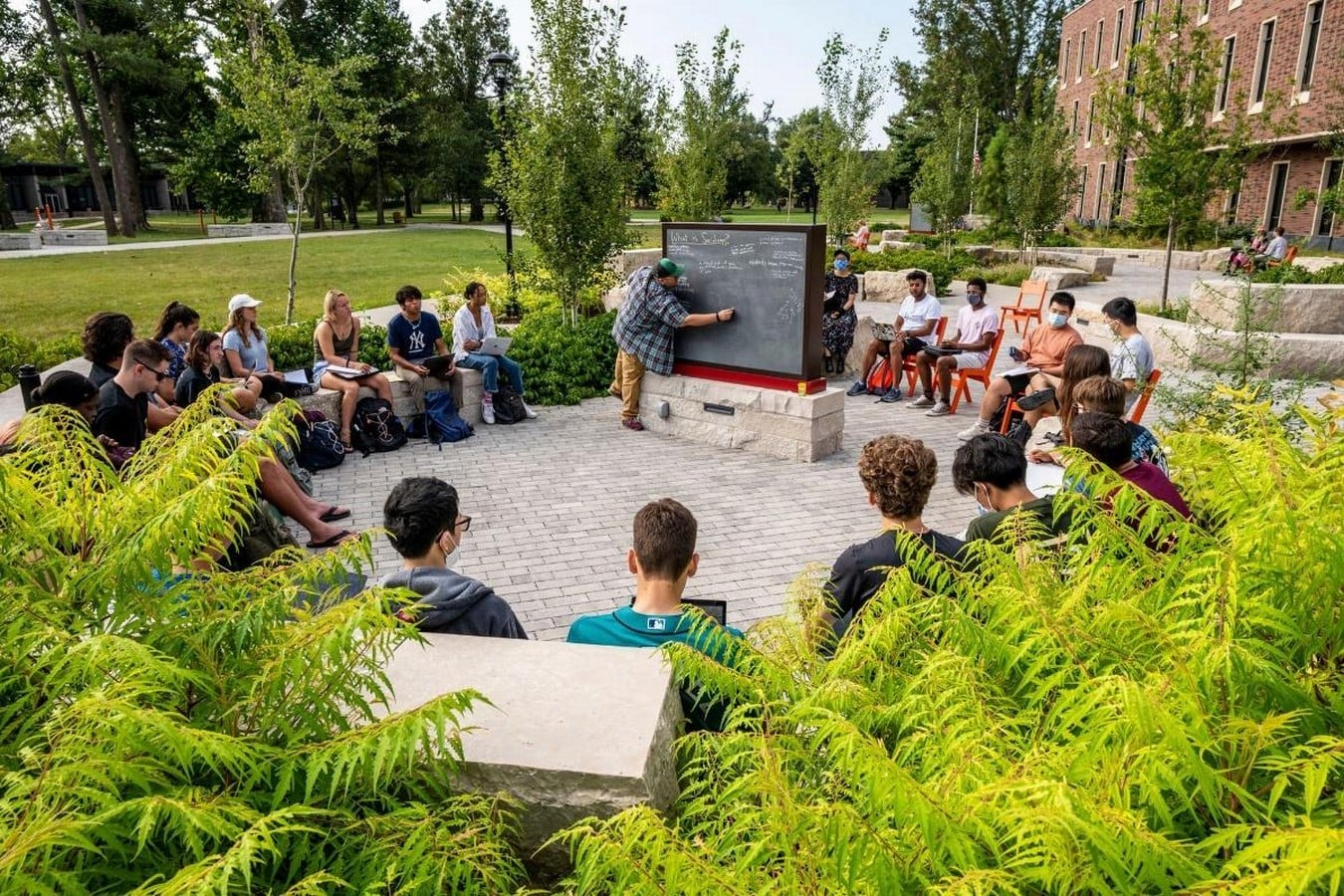
Outdoor education is an extension of this type of approach but with the addition of the natural environment. Research has revealed that learning in an outdoor setting helps in clarifying theoretical concepts as well as increases academic engagement. Whether it is the study of ecosystems in a park or physics in the structures of everyday life, it becomes more interactive and collaborative.
Nature has been the main educational hub for humans, even before the development of any educational institution. The study of the seasons and the natural world has encouraged the development of scientific and philosophical thinking. The relationship between education and nature in today’s society may be beneficial in terms of environmental knowledge and the benefits of well-being, such as concentration and creativity, which concerns the possibility that education can be the result of direct engagement with the world.
Connecting with Community and Culture
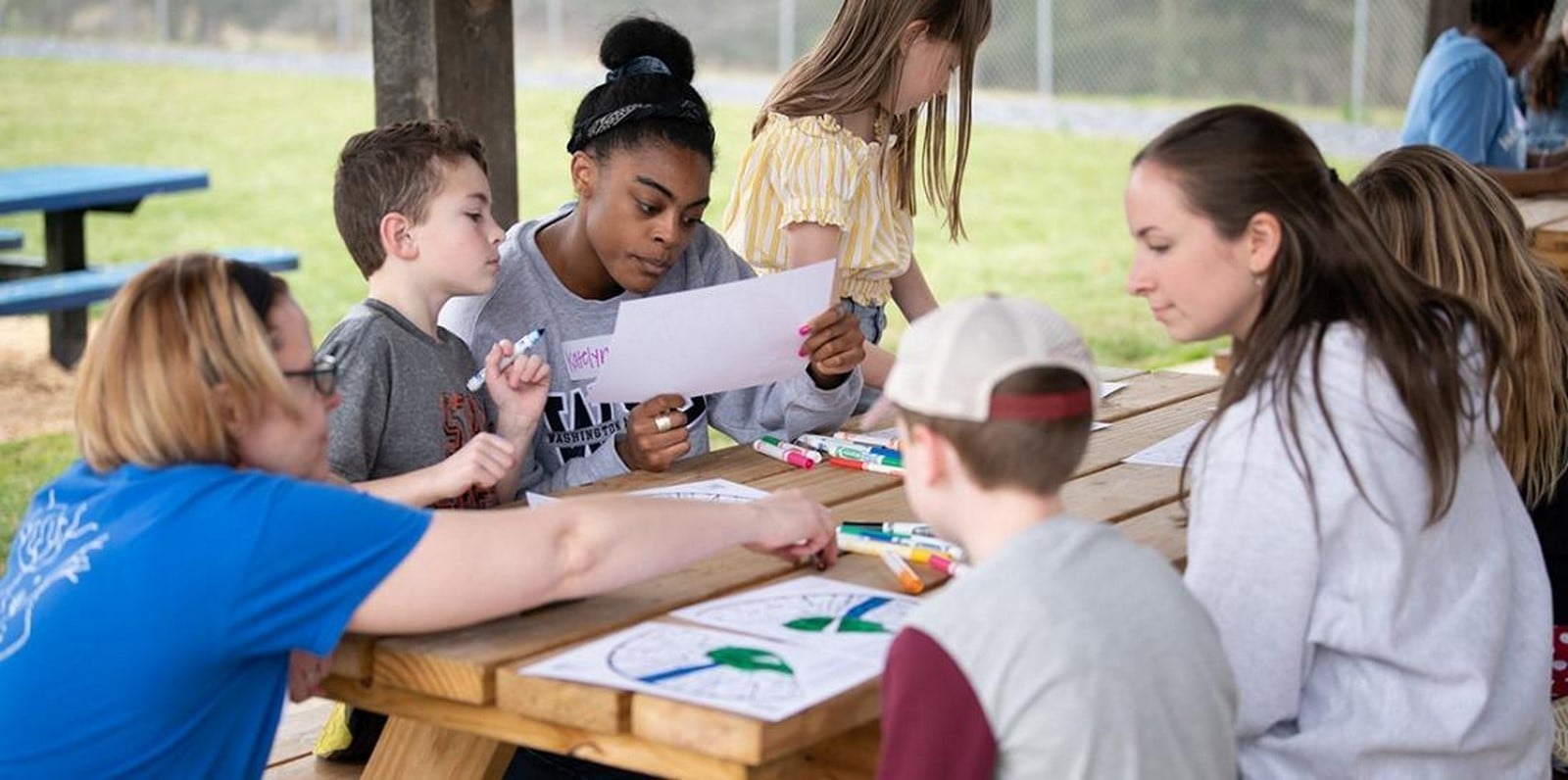
Stepping outside means engaging with the community and turning the neighborhood into a live learning space. Education thrives when it is linked with the community through community service, internships, and fieldwork. Projects, such as the Tel Aviv project of “Cell-Aviv,” demonstrate how students can utilize mobile technologies to design location‑based learning content about important places in their communities. In this way, students are able to create knowledge and make interactive maps, histories, and cultures for their community.
Community-based learning eliminates the hierarchical understanding of who knows what and what is right and wrong. Wisdom does not reside only within the pages of textbooks and the walls; it is with the craftsmen, the farmers, and the entrepreneurs. This recognition of the diversity of knowledge helps to widen the inclusiveness and respect within education.
Digital Spaces: Expanding Horizons
Technology has redefined the boundaries of space. The Internet allows the learner to contribute to global discussions, explore different views, and tap into virtually unlimited resources. Virtual workshops, group works, and open-source resources allow the learner to learn from experts in distant parts of the world. Digital education is not about the ease of the medium; it’s about democratisation. A learner, for instance, can attend virtual lectures in various parts of the world, interact with experts, and collaborate with people in different nations.
Virtual interactions are also important because they improve the experience of the learner through immersion. In some classes, students are able to interact with people such as scientists, writers, and students in other parts of the world. This assists in transforming the learner from a passive reader to an active learner who not only asks questions but also contributes to discussions and seeks knowledge beyond the environment.

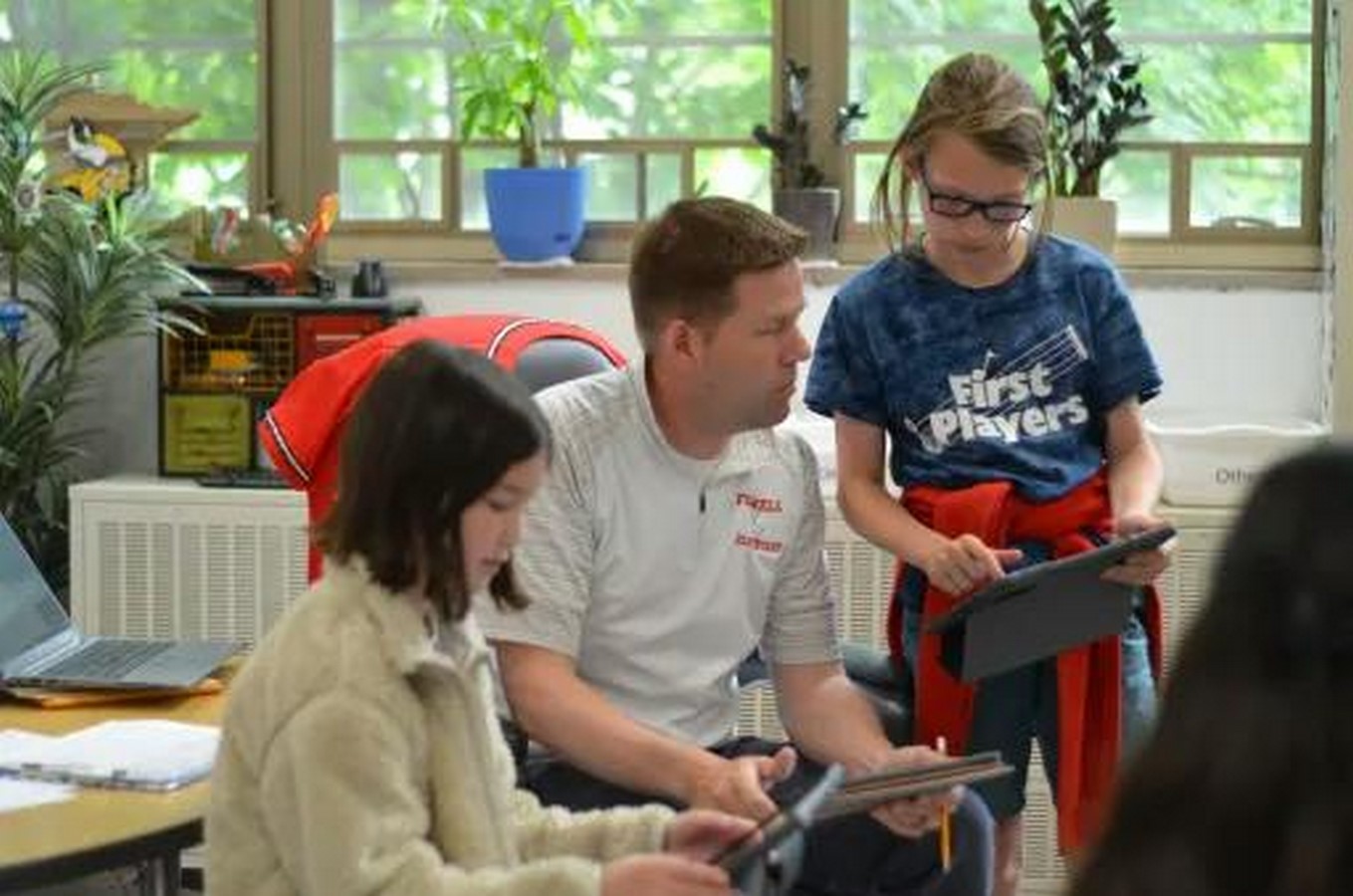
Nevertheless, digital learning outside the formal classroom setting requires responsibility as well. This is because of the abundance of information. There is a need to develop digital literacy skills. This is the ability to evaluate the information and be ethical in the digital environment. In the new digital learning environment, the educator’s role is not only to impart knowledge to the learner, but to mentor.
Skills for the Future
The future requires more than subject knowledge. It demands adaptability, collaboration, creativity, and emotional intelligence. These skills are best developed within an environment that allows for exploration outside the set boundaries. Project-based learning, interdisciplinary research, and real-world problem-solving are some of the ways this resilience is built. Students learn to deal with uncertainty, to test and improve their ideas. Mistakes are turned into an opportunity rather than a failure.
Innovative educational programmes are already living this philosophy. In some schools, computer science courses involve creating artificial intelligence chatbots or digital tools that aim to solve problems in society. These projects not only need the application of knowledge but also involve the application of ethical considerations. This transforms the classroom into a launchpad for innovation. Not only do the children learn to pass exams but also to contribute to society.
The Role of Design in Expanding Learning
- Flexible planning: Spatial planning has a significant impact on the learning experience. A flexible learning environment, collaborative studio, and flexible classrooms allow spaces to shift between lectures, group discussions, workshops, and project-based learning.
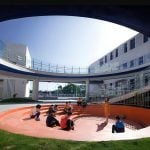
- Blurring indoor–outdoor boundaries: Courtyards, terraces, and transparent interfaces between interior and exterior spaces can promote learning outside the conventional classroom.
- Hybrid and technologically integrated spaces: Learning spaces with digital technologies can change between physical and virtual learning environments, which are necessary for modern learning environments.
- Learning landscapes and informal spaces: Designers are reimagining learning environments to foster openness rather than confinement, integrating circulation areas, landscapes, and built forms so that learning extends into courtyards, pathways, corridors, cafés, amphitheatres, libraries, and stepped plazas. These spaces can encourage dialogue, creativity, and spontaneous collaboration.
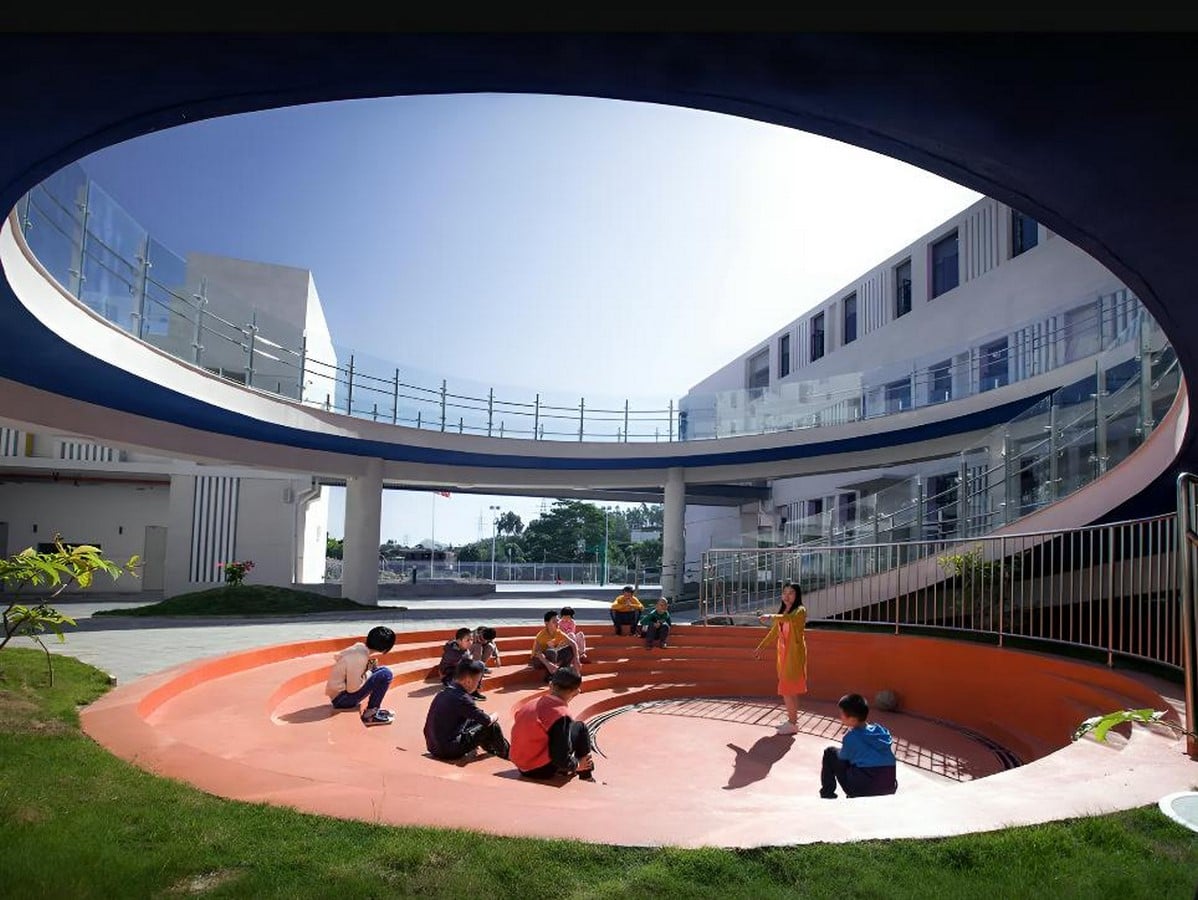
5. Spatial experience and materiality: Elements such as natural lighting, visual connectivity, materiality, and accessible open spaces play an important part in the learning experience of the students.
6. Architecture as pedagogy: When thoughtfully designed, educational architecture itself becomes a teaching tool that promotes values such as inclusiveness, collaboration, and innovation in learning.
Toward a Holistic Vision of Education
This movement beyond the classroom walls is a recognition that the activity of learning is not static but dynamic. Learning is not disengagement from the classroom but rather learning transcends the physical limits of the classroom. The classroom can be a place for anchors or for reflecting, talking, and synthesizing.
Learning must take place not only inside the classroom but also outside the classroom in order for it to be relevant, make learning interesting, and make it meaningful. When these walls disappear, education itself becomes dynamic and interconnected. It nurtures informed minds, compassionate citizens, and innovative thinkers. The world itself becomes the classroom. Every street, screen, community, and landscape holds the potential to be a classroom. The classroom walls no longer become a hindrance but a starting point for a journey to take place. Learning does not stop at the bell rings but goes on forever.
Reference List-
- Teach, R. (2023). Outdoor Education: Exploring the Benefits of Experiential Learning. [online] Reachandteach.net. Available at: https://www.reachandteach.net/post/outdoor-education-exploring-the-benefits-of-experiential-learning
- Pearson.com. (2025). Beyond the textbook: Preparing students for real-life problem solving. [online] Available at: https://www.pearson.com/international-schools/international-schools-blog/2025/11/beyond-the-textbook–preparing-students-for-real-life-problem-so.html
- Yildiz, K. (2021). Experiential Learning from the Perspective of Outdoor Education Leaders. Journal of Hospitality, Leisure, Sport & Tourism Education, [online] 30, p.100343. doi: https://doi.org/10.1016/j.jhlste.2021.100343
- Rochesterschools.org. (2023). Virtual Visits- Beyond the Classroom Walls. [online] Available at: https://www.rochesterschools.org/o/jf/article/1197562
- Pulido, L., Pépin, A., Bergeron-Leclerc, C., Cherblanc, J., Godue-Couture, C., Laprise, C., Paquette, L., Nadeau-Tremblay, S. and Simard, S. (2025). The Effects of Outdoor Teaching on Academic Achievement and Its Associated Factors—A Scoping Review. Education Sciences, [online] 15(8), pp.1060–1060. doi: https://doi.org/10.3390/educsci15081060
- Children and Nature Network. (n.d.). Outdoor education improves students’ engagement in and motivation for learning. [online] Available at: https://research.childrenandnature.org/research/outdoor-education-improves-students-engagement-in-and-motivation-for-learning/.
- Savage, L. (2025). Learning in Nature: Easy Outdoor Strategies to Strengthen CLASS® Interactions. [online] Teachstone.com. Available at: https://info.teachstone.com/blog/learning-in-nature-easy-outdoor-strategies-to-strengthen-class-interactions