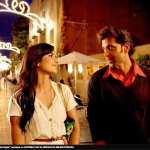
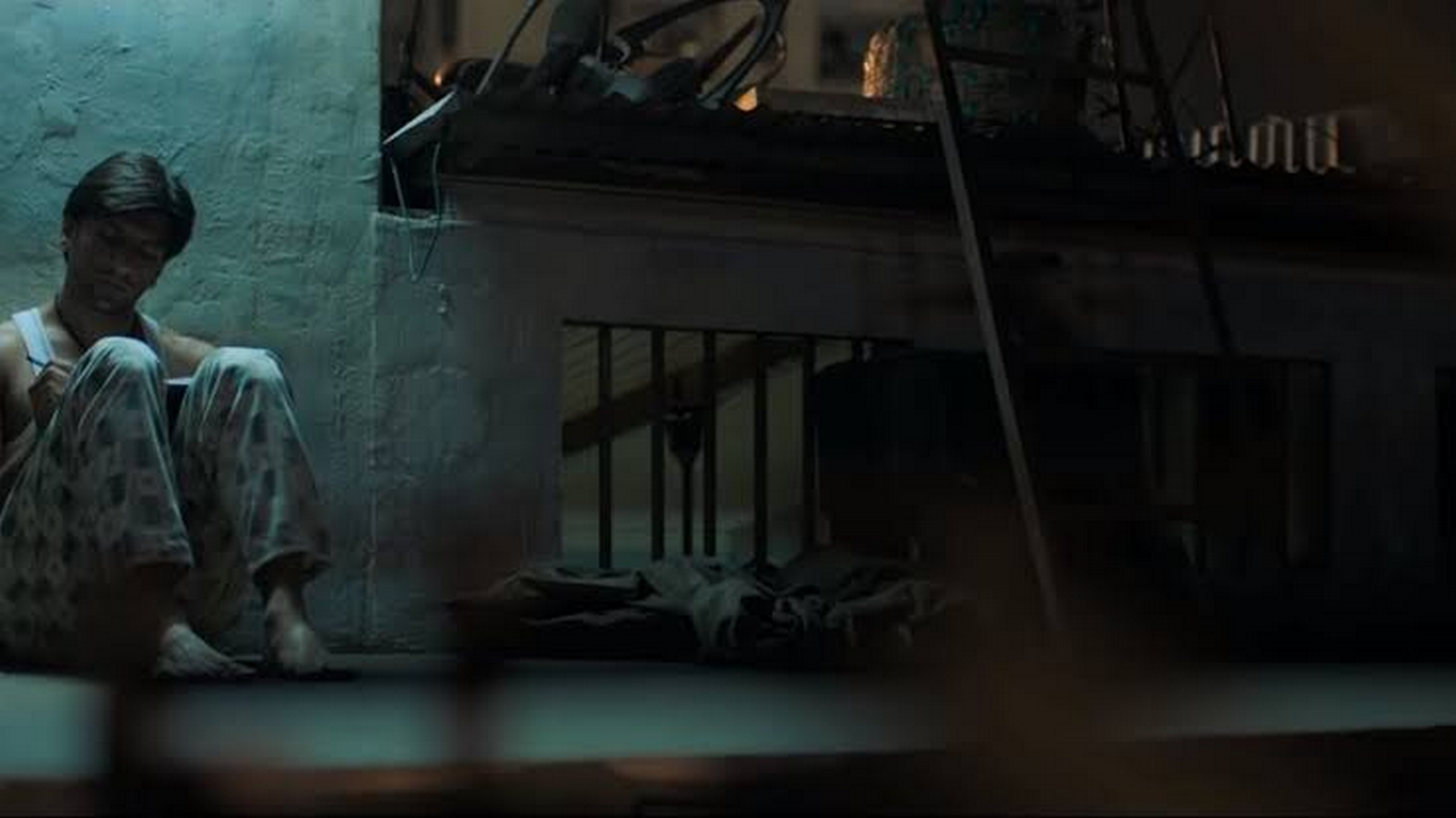
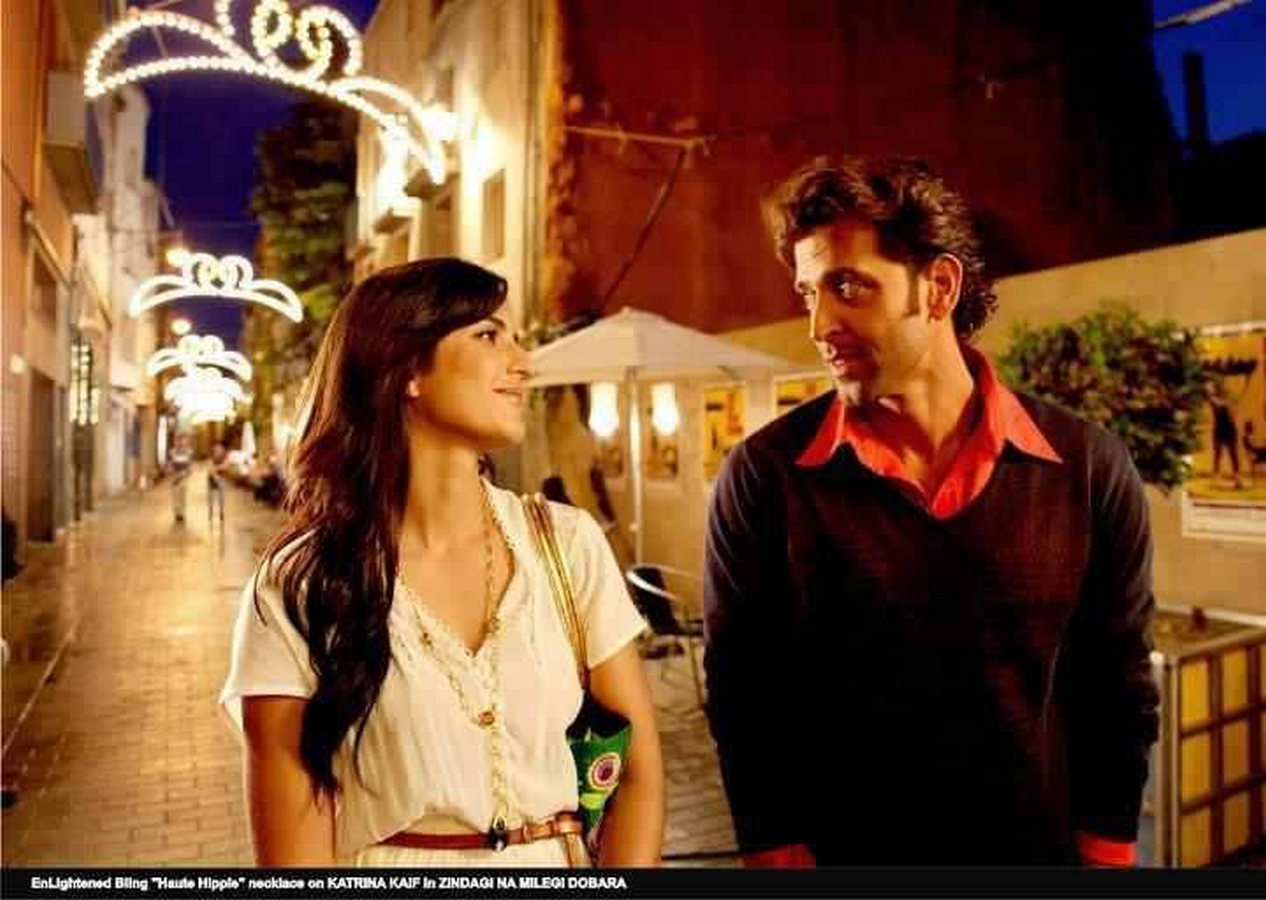
In the 2019 Hindi movie “Gully Boy”, set in Mumbai, India, we see Ranveer Singh wandering in the streets of Dharavi. His neighbourhood is dimly lit, illuminated only by shop signs and household bulbs. Whereas in the 2011 movie “Zindagi na Milegi Dobara”, Katrina Kaif and Hrithik Roshan stroll through the streets of Spain illuminated by ambient street lighting. What is the contrasting difference observed in these two movie stills? Is it just the location, the types of buildings, or the materials used? The commonality is the nighttime setting in both scenes, and that both movies are shot by the same director, Zoya Akhtar, with authenticity towards their locations. So, notice how the lighting is different between the two frames?
From gas lamps to smart street lights
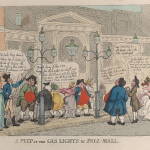
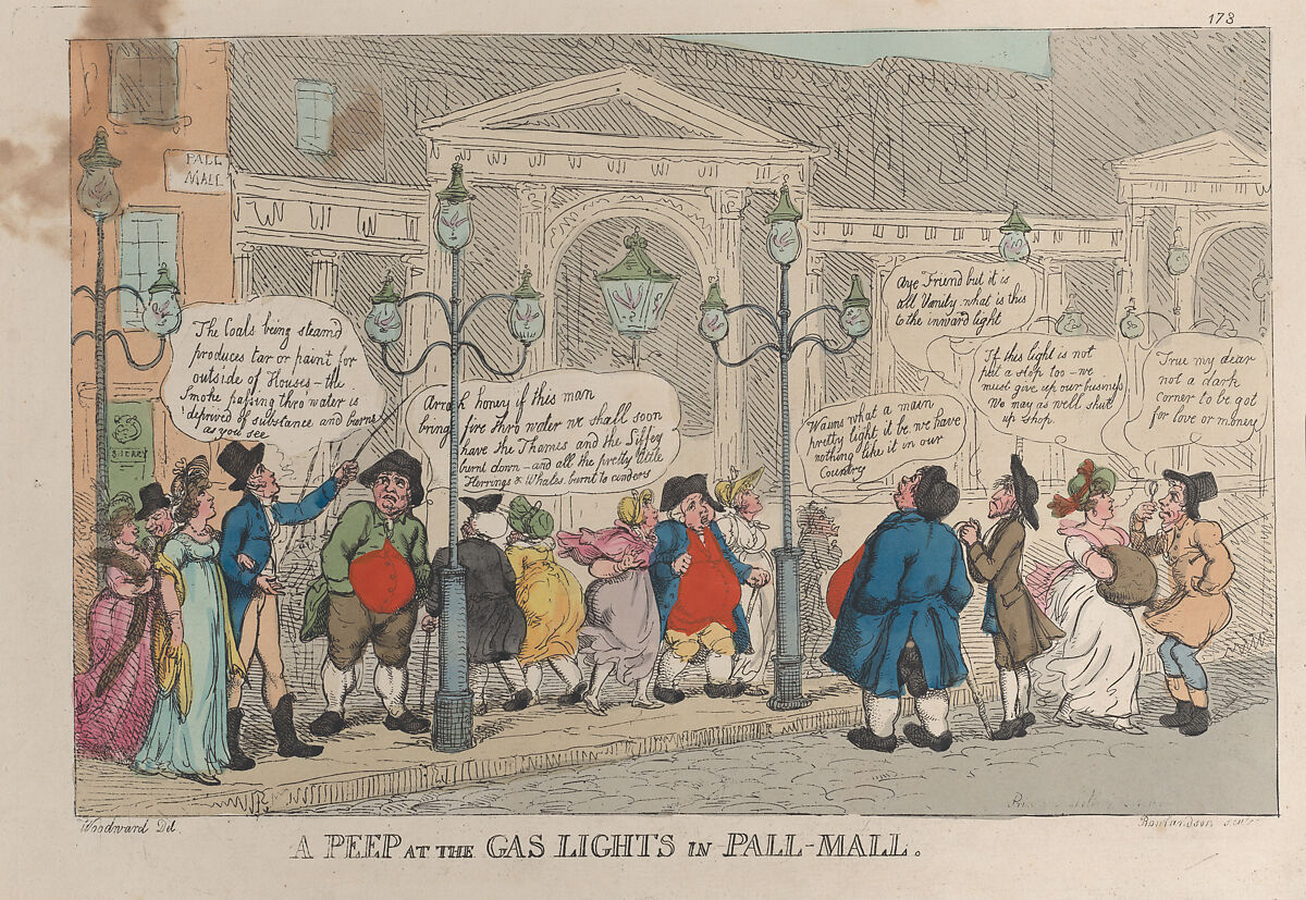
A simple stroll in the night can turn from a relaxing activity to an unsafe endeavour just by removing one thread from the urban fabric- lighting. Today, urban lighting has levelled up from LEDs to motion-sensitive lights. Reaching this point was a result of centuries of innovation. A decree in London in the 15th century required the inhabitants to hang lanterns, marking the first attempt towards urban lighting. In the 16th century, Parisians were compelled to do the same- private lighting for public spaces. In the 17th century, lanterns hung on cables were introduced in the streets, and the local police were responsible for their upkeep. Finally, in the early 19th century, gas lighting was pioneered in Britain, bringing out a bustling nightlife in the cities. Fast forward to the 20th century, India saw its first street lighting in Bengaluru under the British Raj.
Lighting Inequality
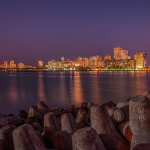
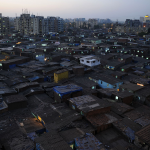
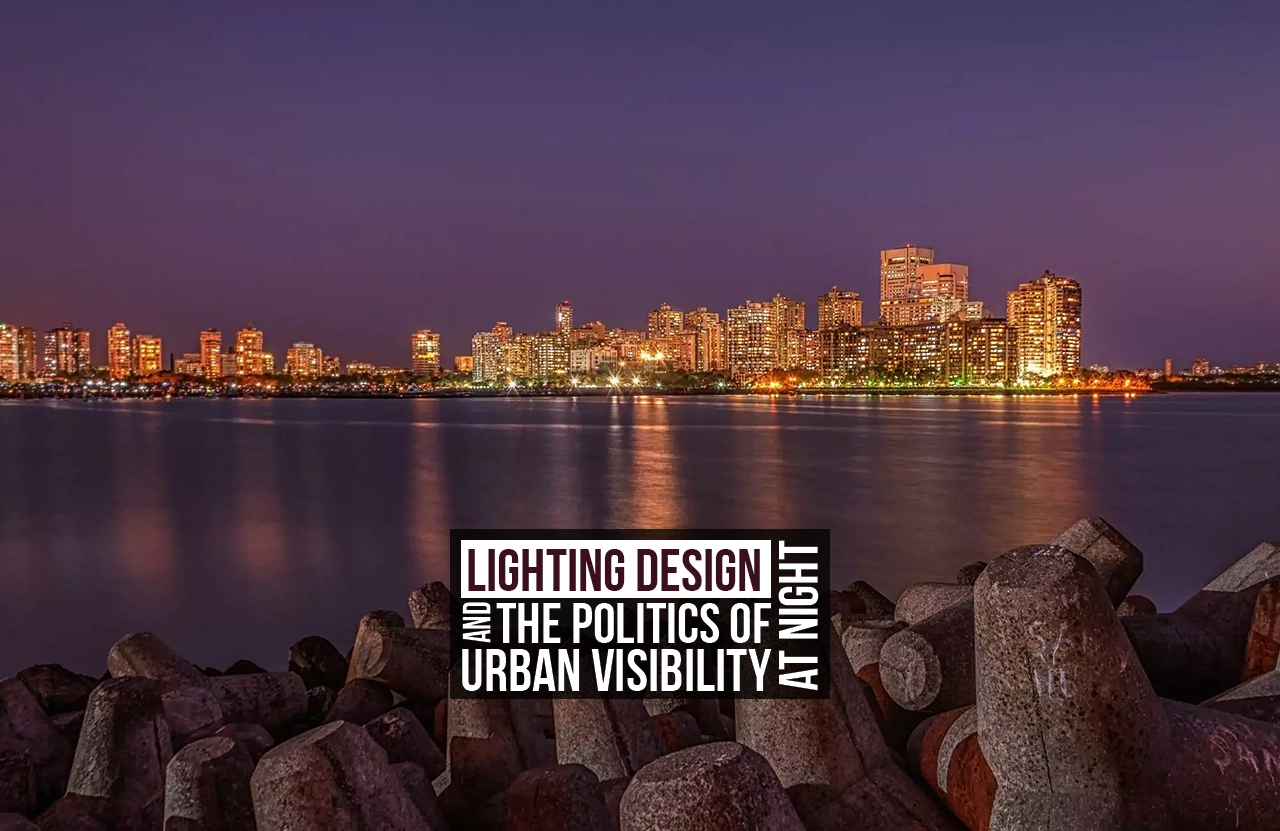
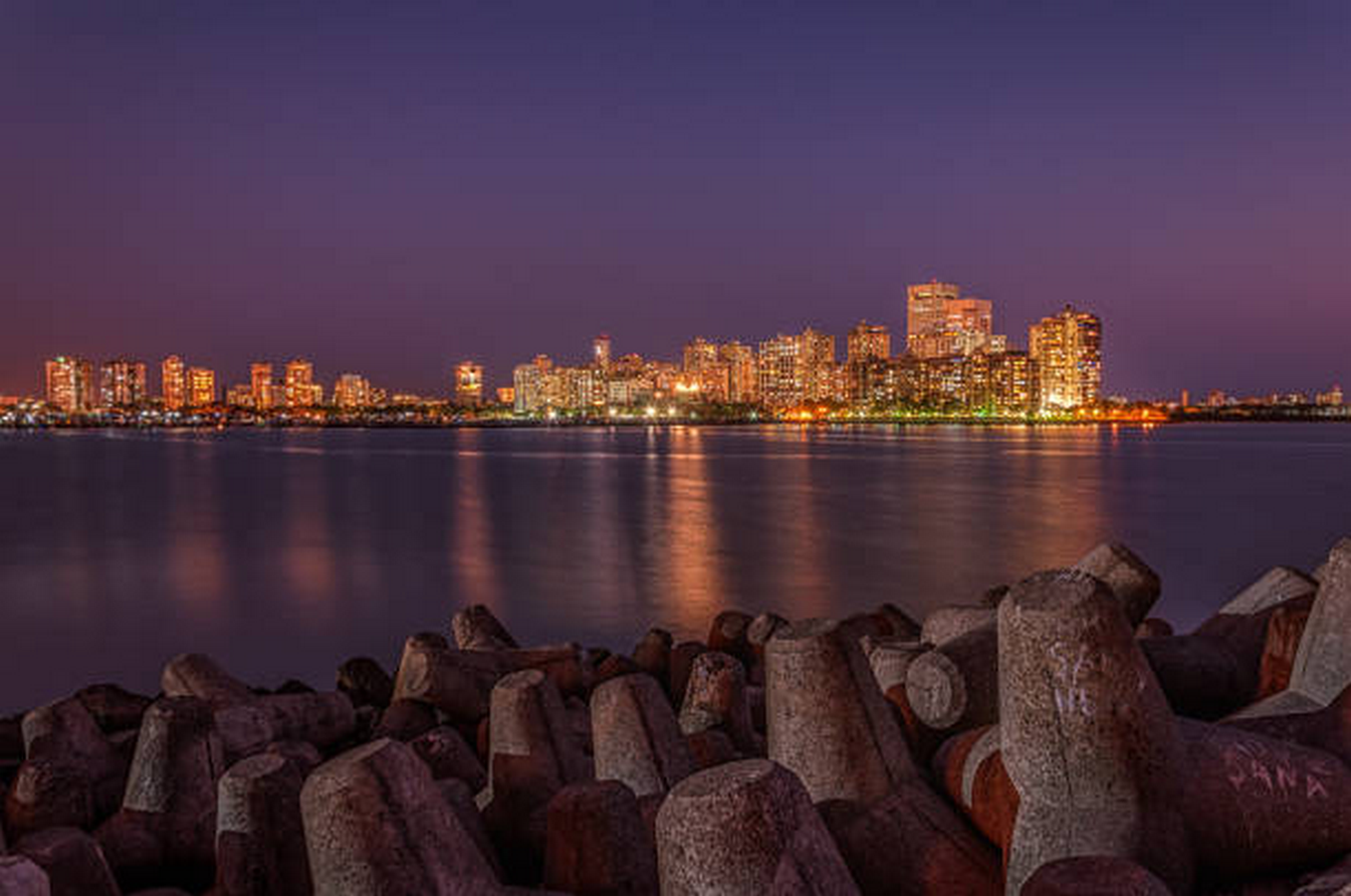
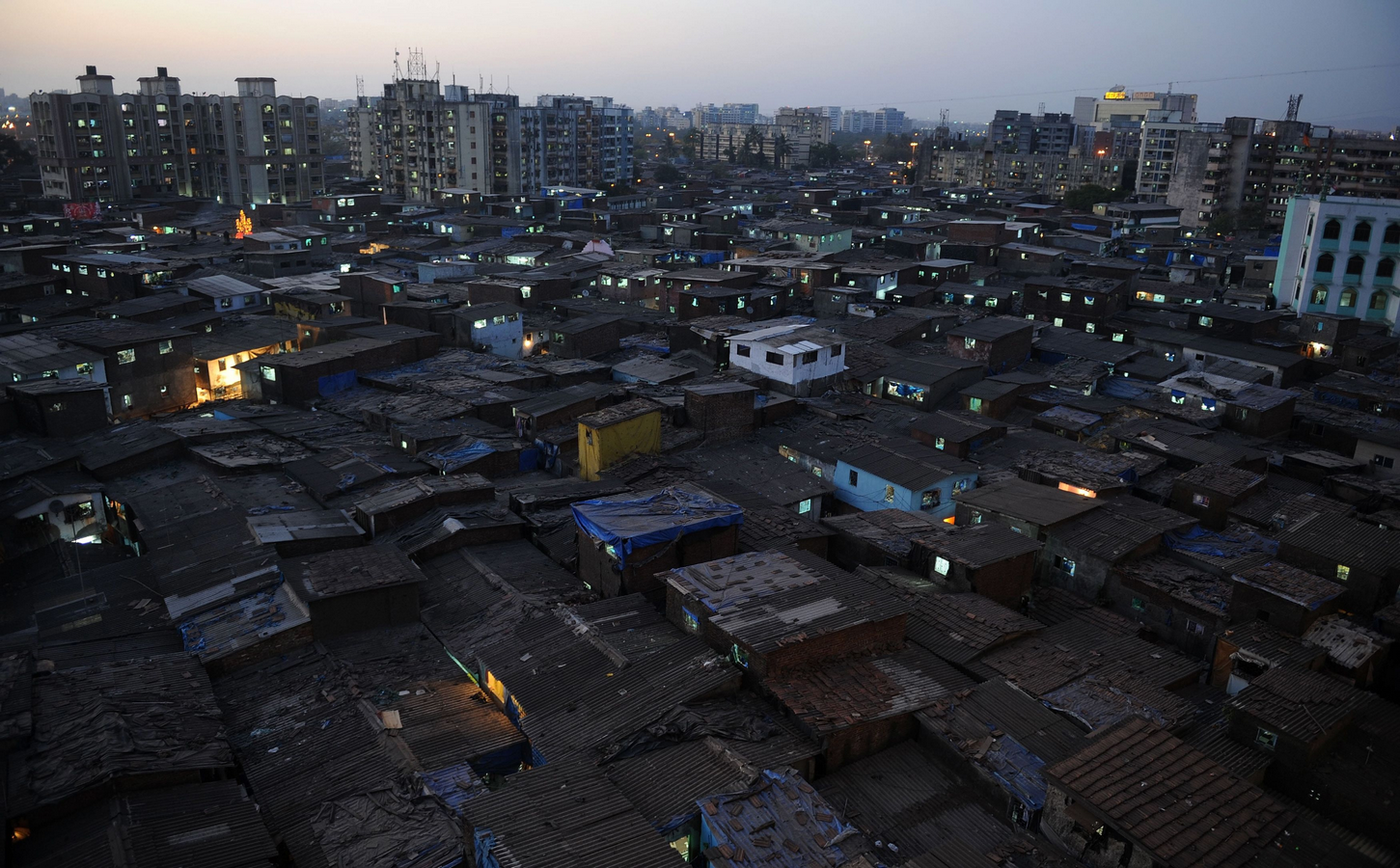
So even though urban street lighting was introduced in India in 1905, access to quality nighttime lighting for all remains a challenge. While Central Business Districts (CBDs), airports, and bustling nighttime markets are brightly lit, underprivileged areas such as informal settlements and low-income neighbourhoods are poorly illuminated. Mumbai’s Marine Drive by the sea and the Bandra-Worli sea link are beautifully illuminated every time, making them not only a part of locals’ everyday lives but also tourist attractions. Well-lit streets reduce the risk of crime; when people are being watched, they tend to commit less crime. On the other hand, the streets of Dharavi are dimly lit, making the everyday lives of dwellers hard. Are we putting all of our eggs in one basket, or in lighting terms, all our bulbs in one socket, thus resulting in light pollution?
Light pollution
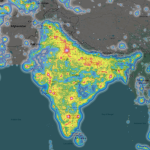
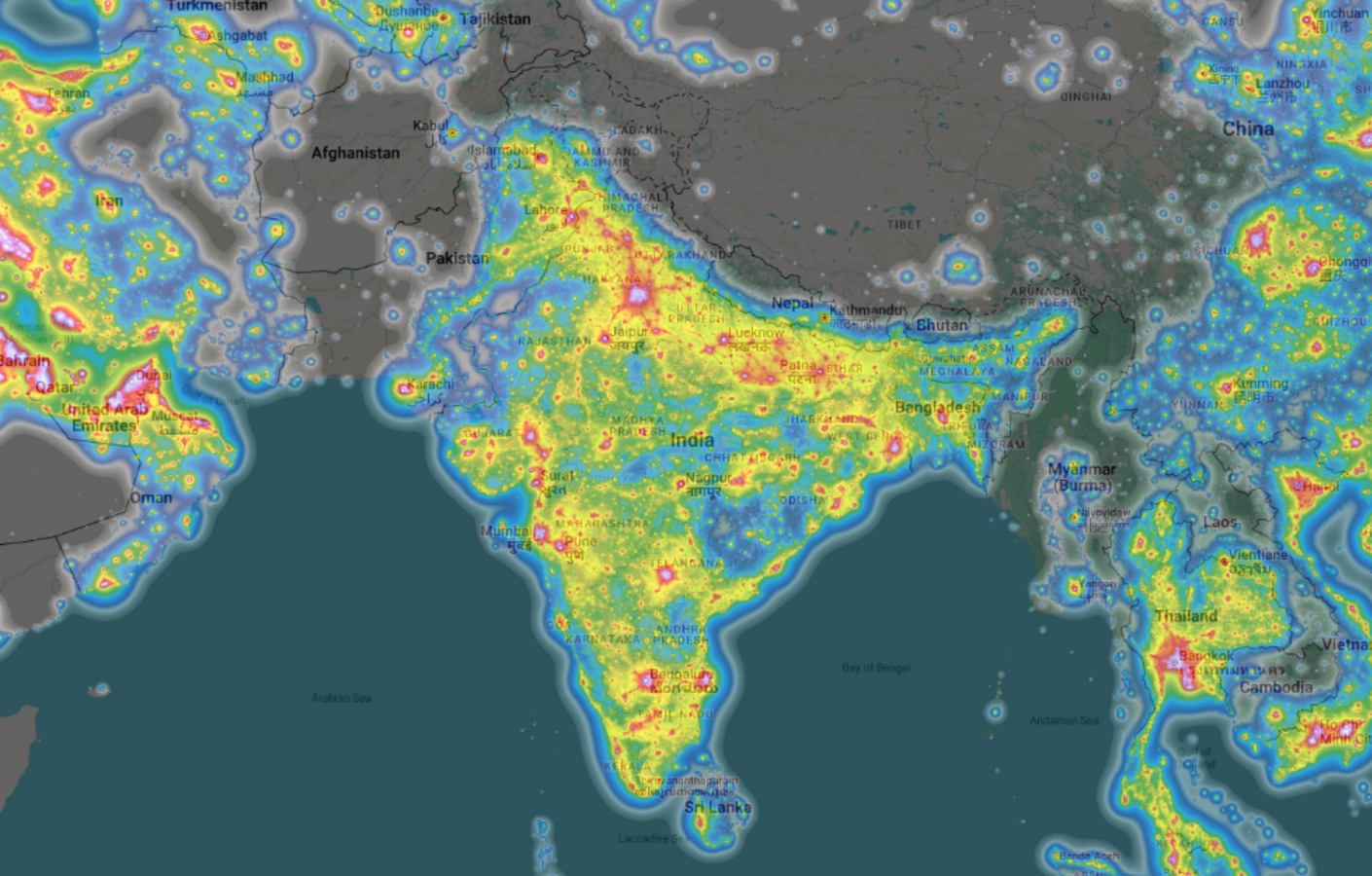
If one checks the light pollution map online, they can observe that metropolitan cities are major hotspots in red. Places like Hitech City in Hyderabad and Marine Drive in Mumbai are so brightly lit that it is impossible to spot any stars in the night sky. Excessive artificial light overly brightens the night sky, wastes energy, and disrupts ecosystems. It also disrupts the human circadian rhythm and poses a threat to wildlife- sea turtles are often misguided by city lights after they hatch and move towards the artificial light instead of the ocean. Insects are attracted to human-made lamps instead of pollinating plants, and birds become disoriented during migration. There are so many examples of why light pollution is bad for the environment. Maybe we were better off in the 17th-century lantern era, when urban lighting was designed for visibility and safety and not for commercial activity?
Lighting at Monuments
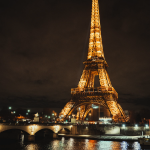
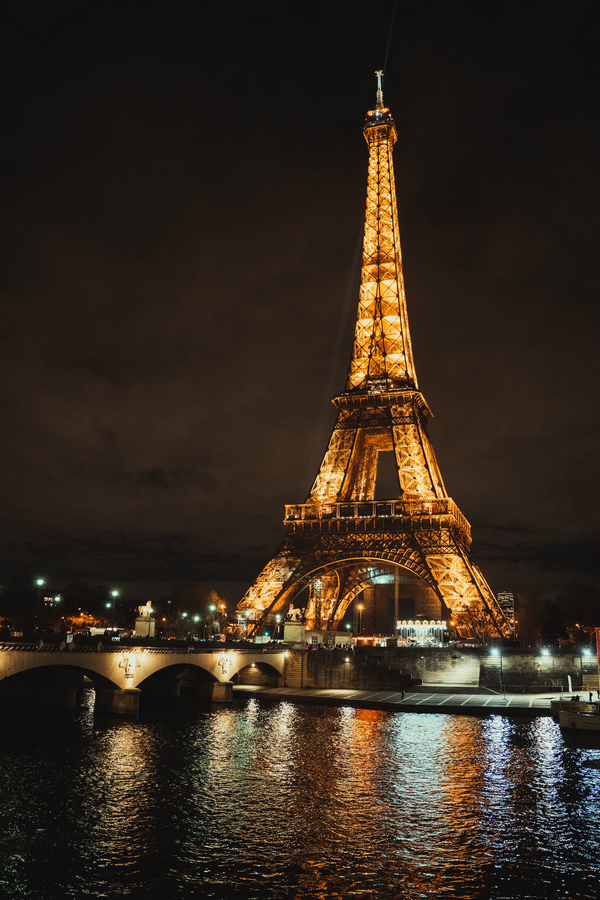
From the sparkle light show on the Eiffel Tower in Paris to the laser show at the Statue of Unity in Gujarat, lighting has transformed monuments into symbols of identity and catalysts for tourism. But is it really fair that the government is funding heavily in illuminating these spaces, intricately to highlight elements such as arches, carvings and other details of the structures when residential neighbourhoods have not even as much as functioning streetlights? The same cities that have light pollution also have streets that are pitch dark, which are unsafe after sunset. It is a question of priorities: are light shows more important than street lights?
Lighting at Riverfronts
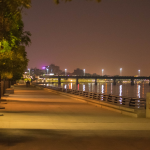
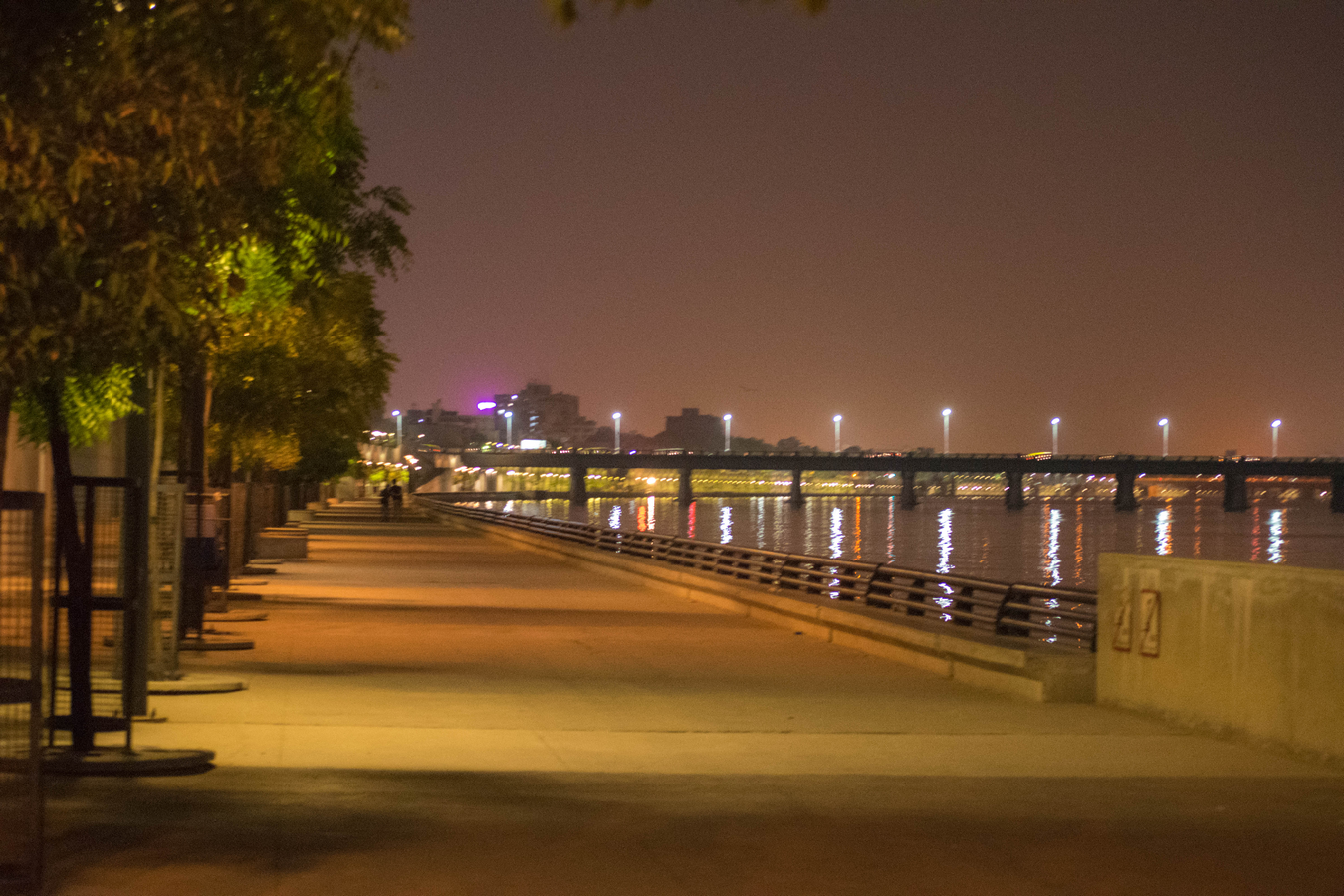
In Ahmedabad, the Sabarmati River is the central spine of the city, and the Riverfront designed by HCP, Ahmedabad, is a respite for the locals from the hustle and bustle. The lighting design is adequate for visitors to navigate themselves, and at the same time subtle enough to provide privacy and calm that is needed after a long day of work. The Musi Riverfront in Hyderabad, on the other hand, is pitch dark at nightfall. Is it safe for a river that courses in the middle of the city, with its natural edge exposed, not to be visible at night? Do we need an entire riverfront development just to get a basic necessity such as light?
References:
https://www.archdaily.com/998418/the-safety-of-light-a-short-history-of-light-in-public-spaces
https://www.mahallampshades.com/evolution-of-lighting-in-the-raj-era/
https://www.lightpollutionmap.info/#zoom=3.57&lat=19.7042&lon=77.2332&state=eyJiYXNlbWFwIjoiTGF5ZXJCaW5nUm9hZCIsIm92ZXJsYXkiOiJzYl8yMDI1Iiwib3ZlcmxheWNvbG9yIjpmYWxzZSwib3ZlcmxheW9wYWNpdHkiOiI2MCIsImZlYXR1cmVzb3BhY2l0eSI6Ijg1In0=
https://darksky.org/resources/what-is-light-pollution/effects/wildlife-ecosystems/