

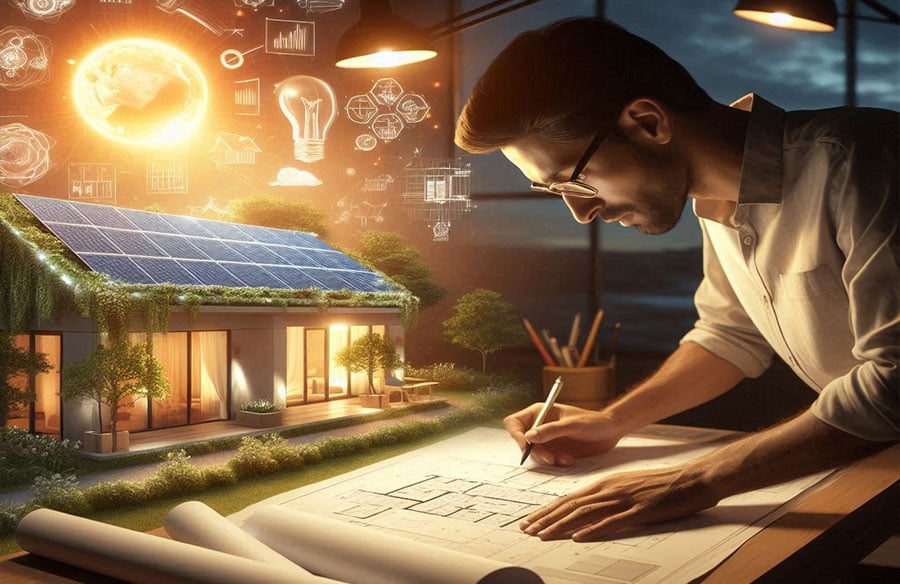
Imagine your world bathed in sustainable brilliance. LED technology isn’t just about lighting up spaces anymore; it’s reshaping how we design our homes and offices with energy efficiency and style.
Architects, like Frank Gehry, embrace LEDs for their durability and sleek appeal. They slash energy bills while reducing carbon footprints, proving that bright ideas really do light the way to a greener future.
Curious about what makes these innovations tick?
Let’s explore how they transform modern architecture into eco-friendly masterpieces.
Energy Efficiency in Modern Architecture
Perhaps the greatest perk of LEDs is their energy-saving potential to reshape architecture today. These small wonders reduce electricity usage by up to 80% compared to traditional bulbs.
For architects focused on sustainable buildings, they serve as a beacon of practicality and efficiency. LEDs’ lower heat output also supports cooling costs, making them ideal for smart HVAC systems.
In a world where eco-consciousness is key, integrating these efficient solutions is a must for any forward-thinking design approach.
Aesthetic Innovations with LED Lighting
This technology also doesn’t sacrifice visual appeal. While it 100% supports sustainability, LEDs offer endless design possibilities that elevate any space’s aesthetics. Designers use them to create dynamic atmospheres, from soft ambiance in lounges to vibrant displays in commercial spaces.
Their flexibility and color range inspires creativity and adaptability in projects. For instance, customizable strip lights transform mundane areas into captivating showcases. LED strip light manufacturers such as LEDYi lead the charge by developing models that blend function with flair seamlessly, ensuring every project stands out while remaining eco-friendly.
Smart Home Integration and LED Technology
You get into your home, and upon detecting motion, the lights turn on automatically. How incredible. This seamless integration with smart technology highlights LEDs’ role in modern living.
Paired with systems like Alexa or Google Home, LEDs provide customizable lighting that adapts to daily routines and moods. Beyond convenience, this integration enhances energy management by optimizing light use based on occupancy and natural light levels.
It’s a shining example of how technology can enhance comfort while promoting sustainability in our homes – and commercial spaces alike.
LEDs Role in Carbon Footprint Reduction
Picture this: efficient lighting that’s not just functional but crucial in reducing a building’s carbon footprint. As mentioned earlier, LEDs consume significantly less energy than traditional lighting solutions, slashing greenhouse gas emissions.
They’re also mercury-free and boast an extended lifespan, minimizing waste and environmental impact. As more buildings adopt these innovations, the cumulative effect on global sustainability is profound. Embracing LEDs isn’t just about light- it’s about illuminating a path to a cleaner planet for future generations.
Incorporating LEDs in Green Building Design
Growing increasingly popular as the push for sustainable construction escalates, green buildings leverage LED technology to achieve environmental goals. These innovative lights enhance daylighting strategies by complementing natural light, reducing reliance on artificial sources.
Architects integrate LEDs into solar power systems, maximizing efficiency and energy savings. Additionally, their adaptability in design-whether embedded in walls or ceilings-creates eco-friendly spaces without compromising aesthetics.
The use of sensors with LEDs further optimizes energy usage by ensuring lighting is only active when needed, reinforcing sustainability initiatives.
Long-lasting Nature of LED Solutions
LEDs boast an impressive lifespan, outlasting traditional bulbs by thousands of hours. This durability means fewer replacements and reduced waste is an eco-friendly win for both wallets and the environment.
Their longevity also minimizes maintenance efforts in commercial and residential settings, offering reliability with minimal disruption. As a sustainable lighting choice, LEDs not only illuminate spaces efficiently but also contribute to long-term resource conservation strategies.
Innovative Custom LED Solutions for Green Practices
Today’s LED technology has evolved into highly customizable solutions tailored to specific green building needs. Designers can now specify brightness, color temperature, and even shapes that perfectly align with environmental goals.
This adaptability empowers architects to incorporate LEDs seamlessly into diverse projects, enhancing both functionality and aesthetic appeal. These innovations underscore how LEDs have advanced from basic lighting options to pivotal components in sustainable architecture, revolutionizing energy-efficient design strategies across the globe.
Cost-saving Benefits of Using LEDs
And then there’s the cost-saving aspect. Over time, LEDs have transformed into budget-friendly options without sacrificing quality. They consume less power and have longer lifespans, directly impacting electricity bills and replacement costs.
Benefits include:
- Lower energy consumption
- Reduced maintenance expenses
- Longer lifespan, reducing replacements
These savings make a compelling case for widespread adoption in both residential and commercial sectors. By choosing LEDs, you invest in technology that continues to evolve, offering ever-greater returns on investment while championing sustainability.
As architects and designers continue to incorporate LEDs, the path to a sustainable future shines brighter. These innovations are not just trends but essential elements in crafting eco-friendly environments that benefit both people and the planet for generations to come.







