The New Assistant
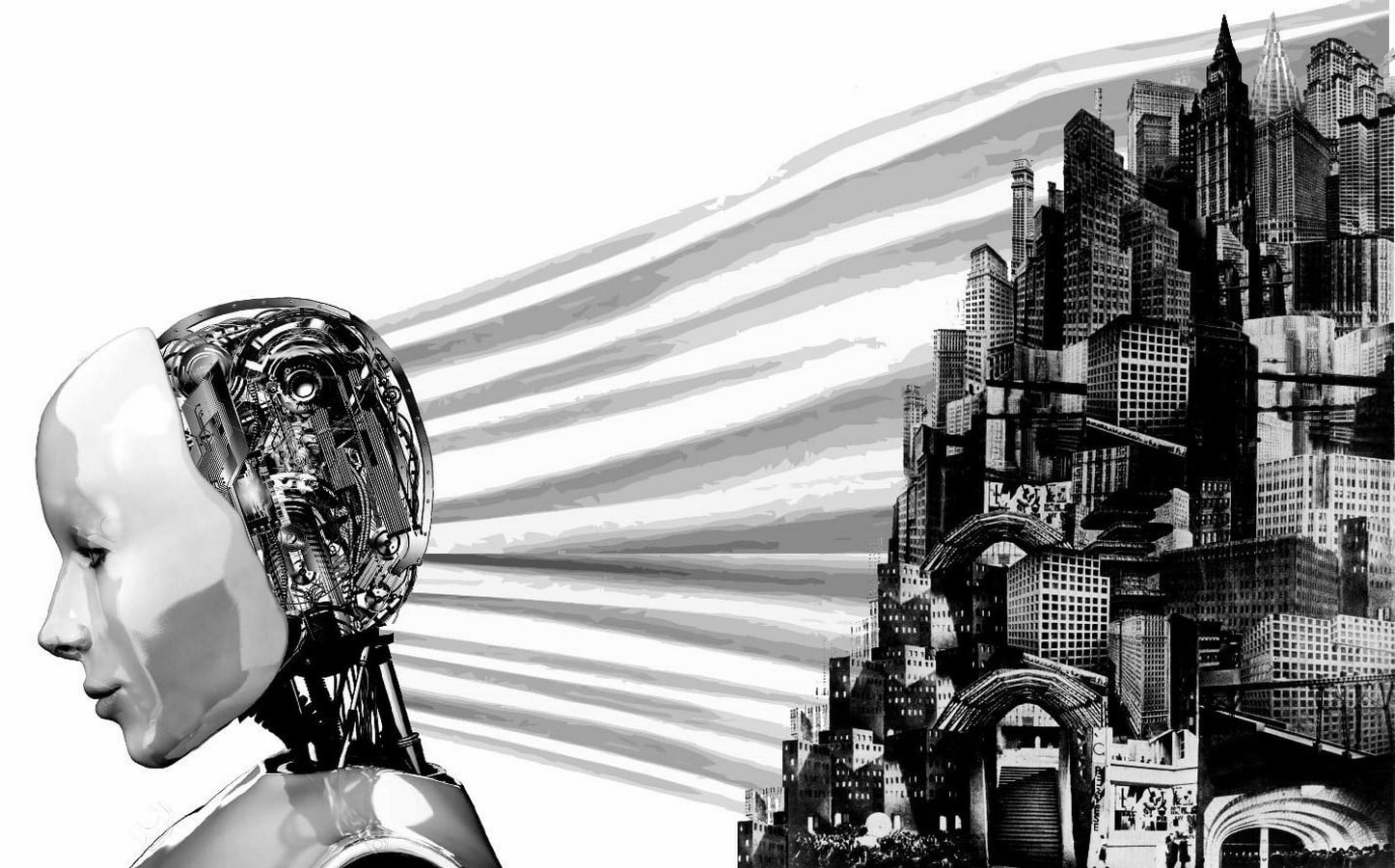
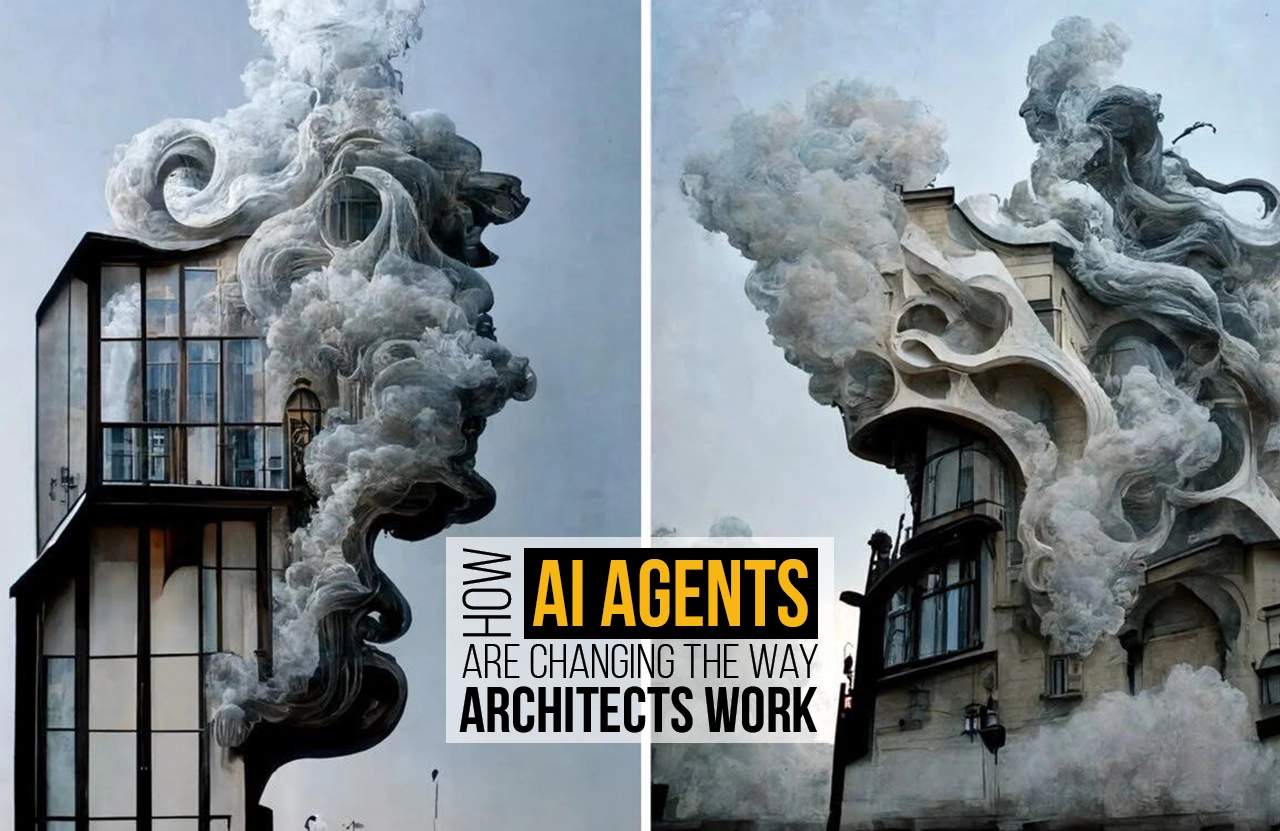
Artificial Intelligence has a contradictory effect on society. In most fields, it is introduced as a helping hand to humans, while in some fields it has also been looked at as a replacement for humans. In the field of architecture, it serves as a tool for generating iterations quickly, visualising concepts, exploring materials, producing mood boards, summarising complex documents, and simplifying drafting and other repetitive tasks. A tool that hasn’t exactly replaced architects but has changed where architects spend most of their time.
From Hours to Seconds
With the rapid evolution of the construction industry, AI matches the pace. Architects spend a lot of their time trying out new concepts and figuring out details, including the tedious process of going through standards and codes and analysing them. AI now helps architects streamline the process and produce viable visual concepts. Playing with various facade iterations, creating walkthroughs, exploring material palettes, and creating various moodboards for presentations – all processes that would require hours of work – are now achieved through prompts. AI saves time for architects by quickly exploring multiple iterations of a design concept. It makes visualising thoughts a little easier, but can also make an unfinished idea look completely resolved. When the architect actually scrutinises their own design, AI behaves like a tool that helps pick out the drawbacks of each thought. In a field like architecture, where the human touch can be very evident in curated spaces, the impact ultimately depends on how the architect chooses to use AI. Whether they use it as an aid or as a cheaper alternative to doing the work themselves makes a difference that is visible in the resulting space.
Anything and Everything
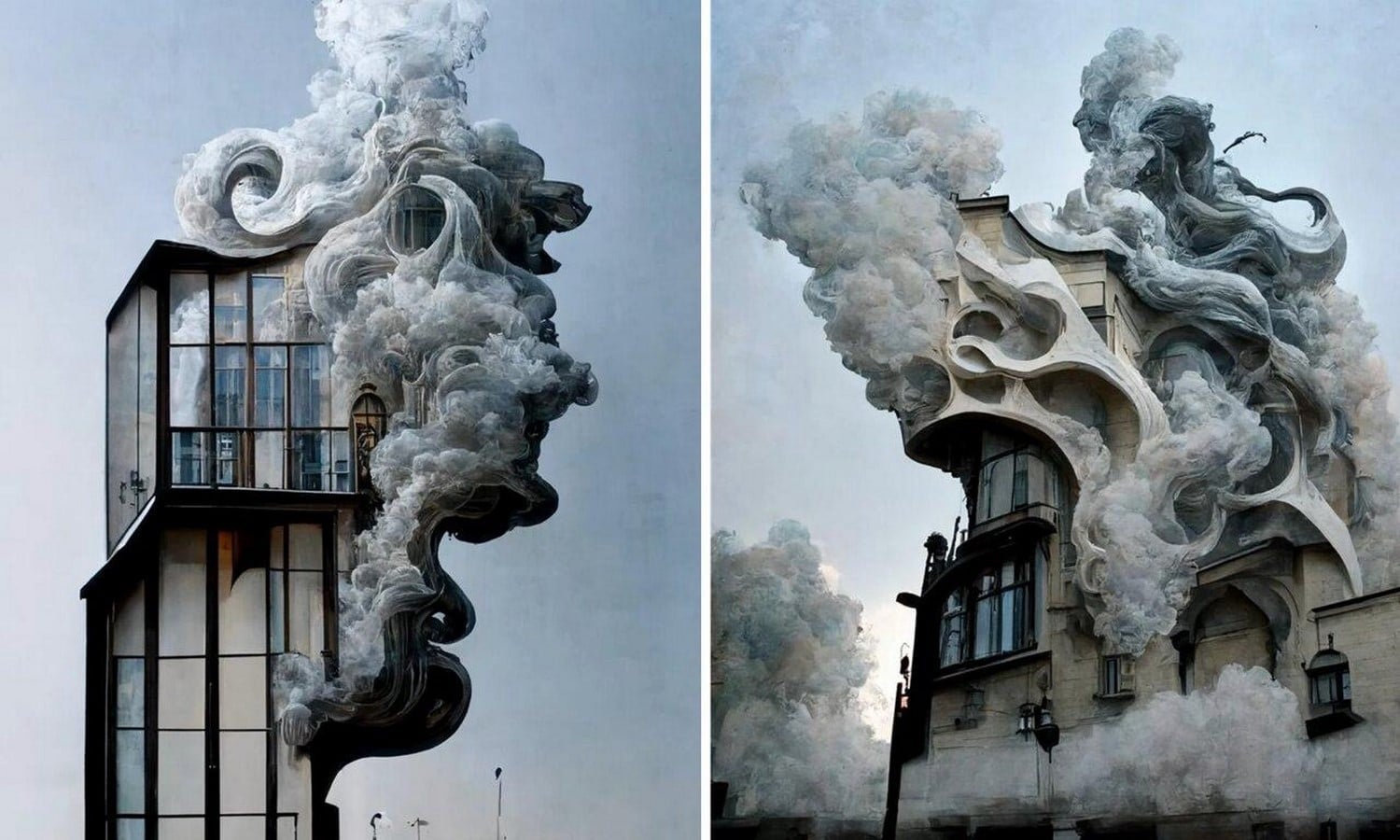
AI has helped bridge the gap between imagination and image-making, from thoughts to visuals. It optimizes workflow in a lot of ways without having architects spend hours analysing data for efficient results. Tools like Midjourney, LookX, and Copilot all help in making the whole process, from design conceptualisation to execution, more efficient for architects. While helping to visualise base concepts, AI can also make anything possible to achieve, and that’s where the architect’s role levels up. A role to monitor what is feasible and what isn’t in the present day. The field of design makes use of these new tools brought to the table, giving way to rethink the way architects conceptualise and approach design, construction, and the environment. The use of AI, in a way, has also changed the architect’s role from solely producing work to choosing what needs to be produced. If, as architects, we choose what is produced, we should also start to question the cost of this production.

Conversation and A prompt
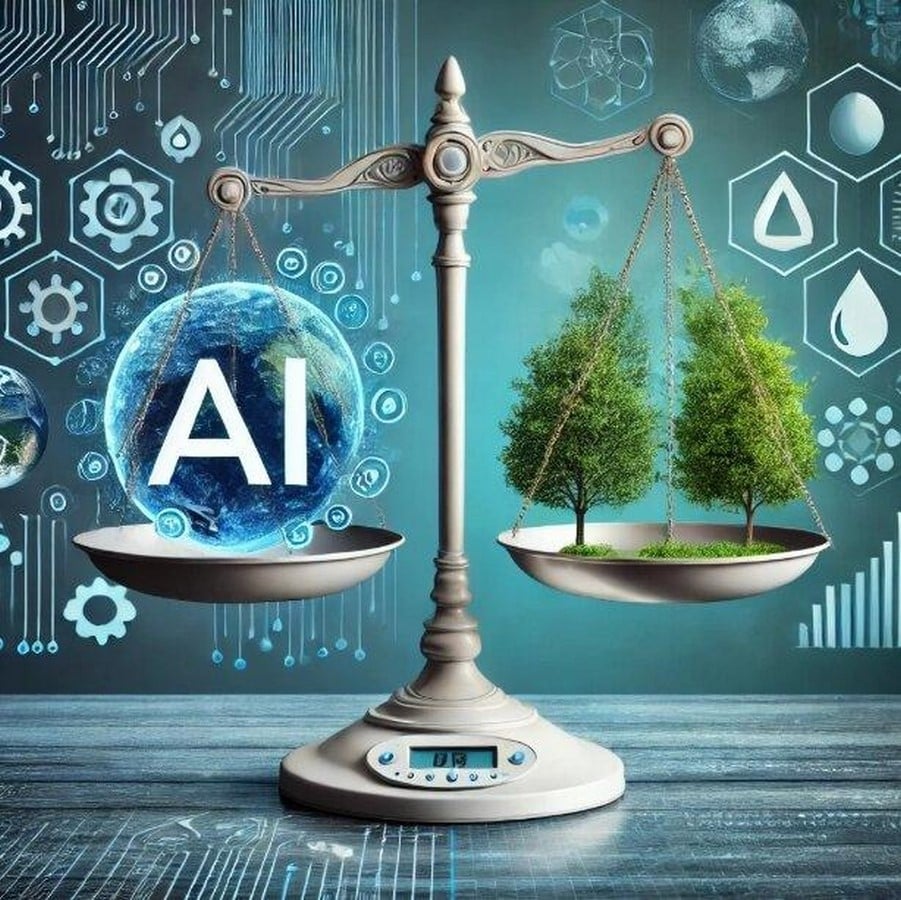
While AI simplifies a lot of the design, construction, and mapping process involved in taking up an architectural project, designing a space still depends on conversations between the architect and the user and the experience they aim at creating. AI technology brings in a collaborative approach that combines the architect’s creative vision with greater efficiency in the field and future design explorations. The current scenario promises a lot as an aid to architects, yet there lies an irony in this pursuit of efficiency. The tools that help us optimize work and design depend on infrastructure that has a large carbon footprint and can affect local communities and ecosystems. In this fast-paced way of looking at development, the contradiction between “green goals” and “dirty computation” gets overlooked. It’s almost like inviting an apocalypse and asking who cares as long as cute generative videos exist. A sustainability paradox!
AI can make architectural practice more efficient, but what happens when we open the box and examine the environmental and human cost of that efficiency?
When looking at it in detail, architectural AI programs rely on hyperscale data centers that generate extreme heat. While servers process heavy architectural models, data centers tend to consume large quantities of water for cooling. This environmental cost contradicts the so-called convenient efficiency we get while designing. As time passes, the need for AI in design will only increase, which will in turn put an additional strain on Earth’s natural resources despite the one that already exists.
AI in architecture almost becomes a Schrödinger’s box of its own. On one side, we see hope for a better future and efficiency in design for architects. On the other side, the infrastructure that makes it possible consumes energy and natural resources through means that aren’t always sustainable. The contradiction isn’t hidden; it’s simply easier to look the other way.
We have become good at making prompts for our convenience, whether it be at work or in our personal lives. Perhaps we should also become better at asking how this convenience is made possible?
References:
- Submissions, R. (2023) Architects vs. AI: Who will design the future?, ArchDaily. Available at: https://www.archdaily.com/1006681/architects-vs-ai-who-will-design-the-future (Accessed: 09 August 2026).
- A.I. Architecture Intelligence (no date) Future Architecture. Available at: https://futurearchitectureplatform.org/news/28/ai-architecture-intelligence/ (Accessed: 09 August 2026).
- Nations, U. (2025) Artificial intelligence: How much energy does AI use?, United Nations Western Europe. Available at: https://unric.org/en/artificial-intelligence-how-much-energy-does-ai-use/ (Accessed: 09 August 2026).
- Bahar, U. (2026) The Creative Line: Where AI should stop in architecture, Urbanist Architecture – Small Architecture Company London. Available at: https://urbanistarchitecture.co.uk/artificial-intelligence-ai-in-architecture/ (Accessed: 09 August 2026).