What is “computational architecture”?
The introduction of computational architecture significantly changed the way architects worked. It is where computation is combined with the creativity and skill of a traditional architect to provide clear, effective, and helpful drawings that account for multiple aspects that would often be difficult to address without computational architecture. It can be used to test and refine design options through the algorithm and many features, allowing architects to make more changes to their designs without causing too much of a hindrance in the future while submitting their work to their clients. Architects were able to test their design for its performance, understand the structural logic of their building, and assess its environmental impact. This made studio practices significantly more efficient compared to when manual representation was the common practice.
Though there isn’t a single person who is known to have “invented” it, it is most commonly associated with John Von Neumann. He is a Hungarian-American polymath whose breakthroughs in computer science, game theory, and quantum mechanics are what gave him his identity. Additionally, one of the earliest innovations was Sketchpad by Ivan Sutherland in 1963. This involved the manipulation of geometry and basic computer drawings. Between the 1980s and the 1990s, computers started becoming more advanced and shifted from just simple drawings to digital modelling. Names commonly associated with this advancement were Marcos Novak, William Mitchell, Peter Eisenman, John Fraser, and Greg Lynn.
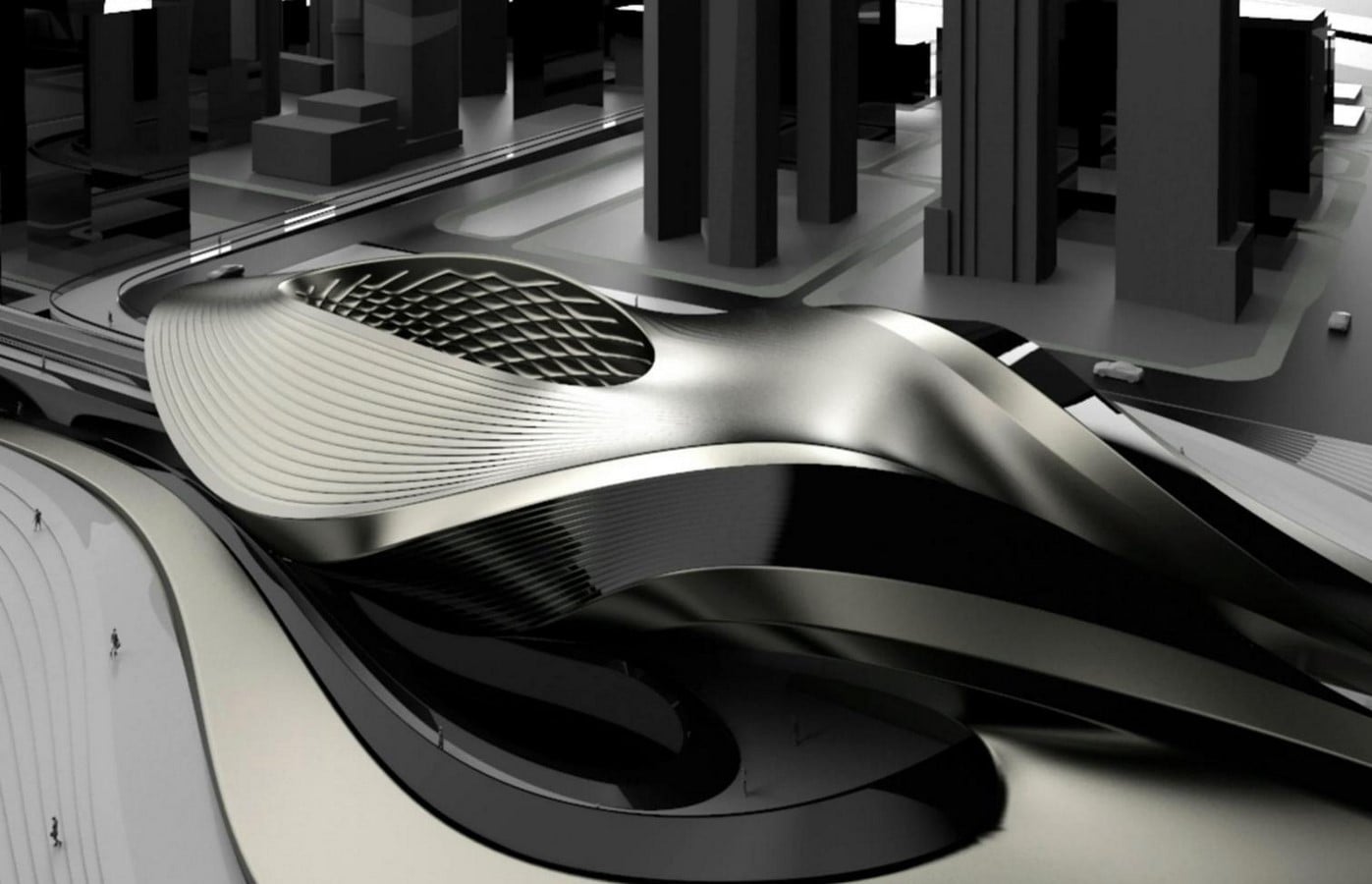
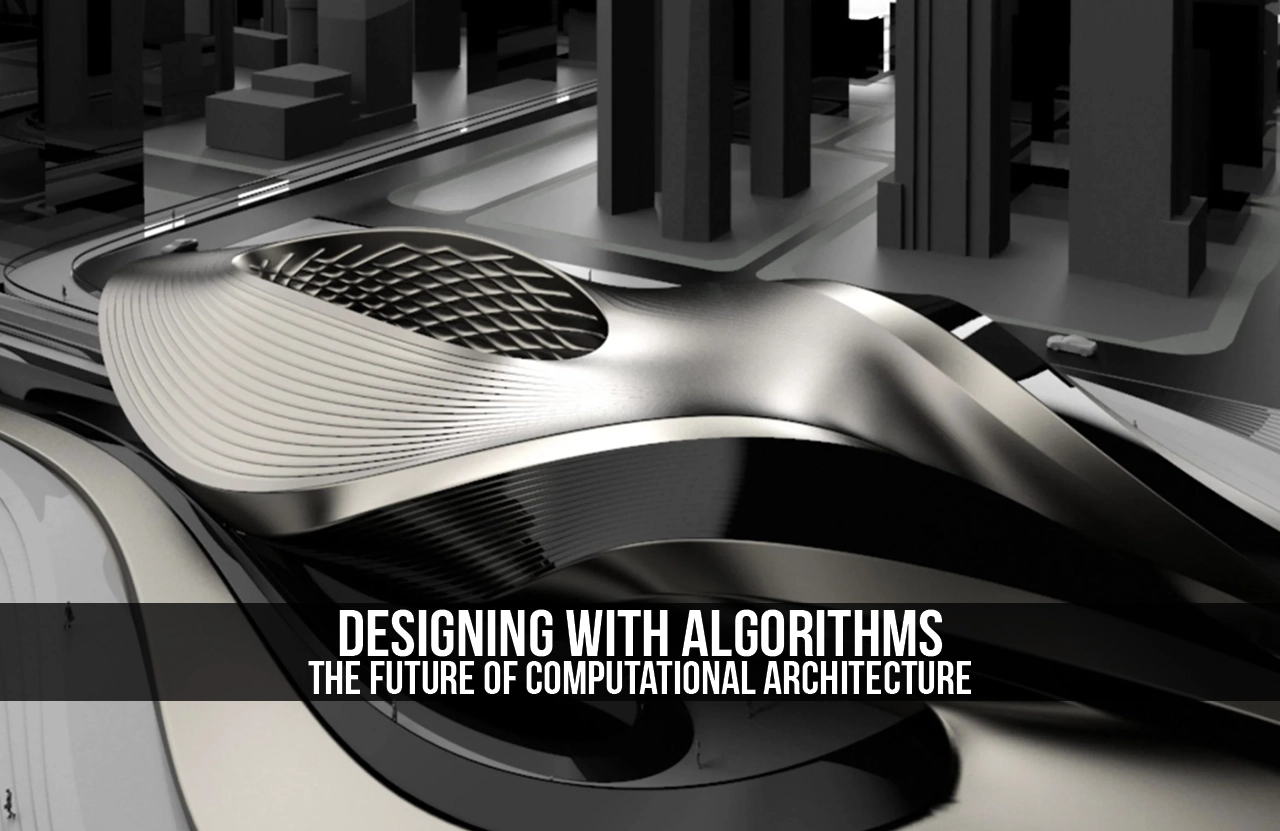
Present-day computational design focuses more on using algorithms to solve practical design problems faster. The main trends also include AI-powered generative design, real-time simulations, and automation in coordination. The question behind computational design has shifted from “Can it generate forms?” to “Can it aid an architect in making more efficient and practical design solutions? Architects are now able to curate better outputs of their creativity while being able to focus more on their judgement and design aspects without worrying about every detail in drawings.
Parametric and algorithmic design principles
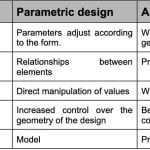
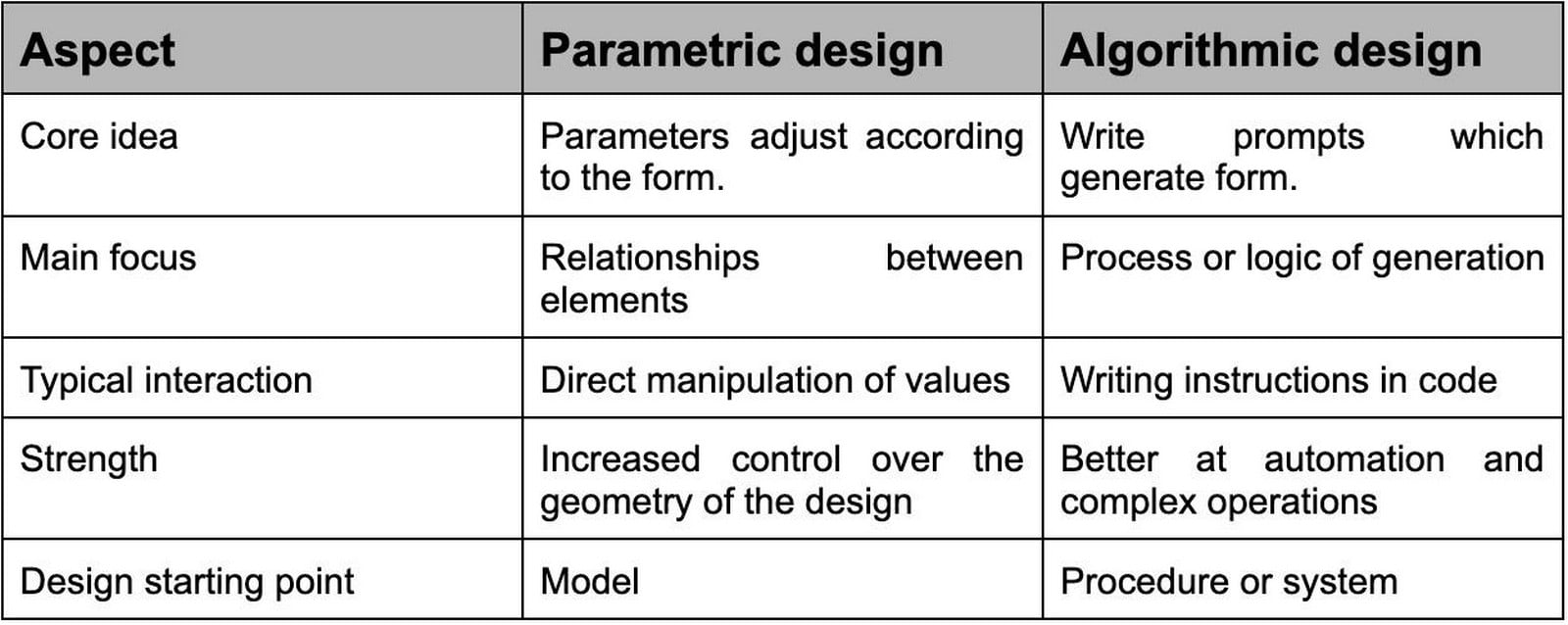
Height, spacing, curvature, daylight, and angles are variables known as parameters. A parametric model will adjust itself according to the change in the value of one variable due to the relationship between all the variables. These design elements are connected through rules, which is the heart of parametric thinking. In architecture, an algorithm is a step-by-step logic that makes the design process easier by iterating design options such as generating facades or optimising circulation. Lastly, the limits the system must follow are known as constraints. This lets creativity flow while keeping within the required limits, decreasing the chance for errors in the design.
At the core, parametric design includes values which can be changed in the model. A parametric model, however, generally begins with a base logic. The variables are linked through equations and constraints so the system generates viable design options. This is useful for architects when a project has multiple similar elements, complex designs, or specific requirements. It helps in testing changes in designs while maintaining coordination. Parametric design isn’t just about making curved forms; the most important distinction is the idea of controlled variation – a system that can effectively change while preserving the intent. Supporting principles include the rules that control behaviours and evolving parameters that make geometry responsive.
At the core, parametric design includes values which can be changed in the model. A parametric model, however, generally begins with a base logic. The variables are linked through equations and constraints so the system generates viable design options. This is useful for architects when a project has multiple similar elements, complex designs, or specific requirements. It helps in testing changes in designs while maintaining coordination. Parametric design isn’t just about making curved forms; the most important distinction is the idea of controlled variation – a system that can effectively change while preserving the intent. Supporting principles include the rules that control behaviours and evolving parameters that make geometry responsive.
Tools and workflows in computational design
The classic flow is model, script, test, refine, and document. The most popular tools used today are Rhino, Grasshopper, Revit, Dynamo, and plugins such as Ladybug, Honeybee, and other analysis tools. Rhino and Grasshopper are mainly associated with parametric geometry, facades, form-finding and visual scripting, whereas Revit and Dynamo are used for BIM automation, documentation and task scripting. For most architecture students, though, these applications are not typically taught in university but are crucial when stepping out into the field. The workflow starts with defining the problem, then building the parametric model, analysing the performance, and finally exporting to BIM.
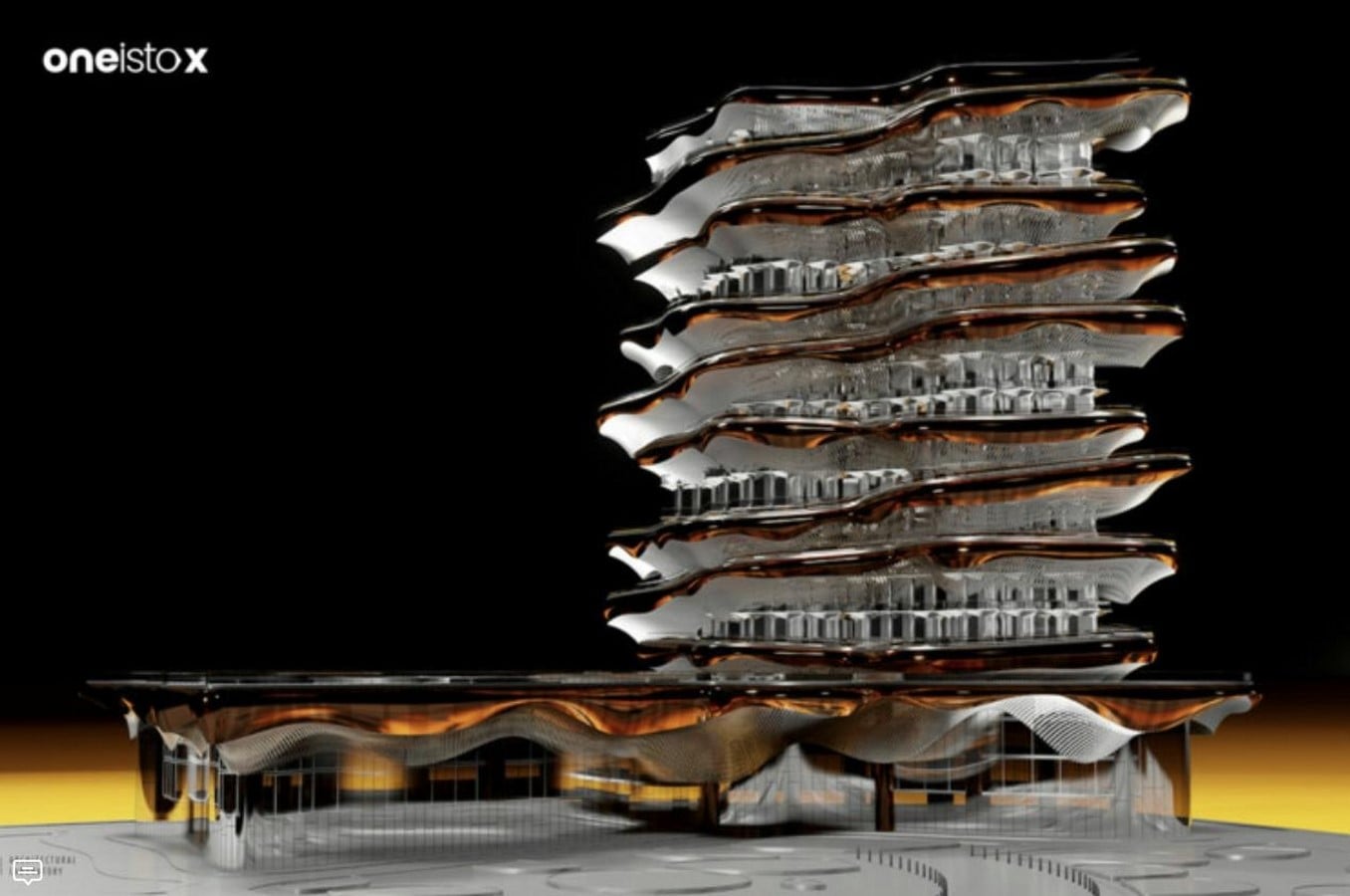
A workflow is the disciplined sequence and interconnectivity of design tasks, tools, data, and decisions. It can range from the sourcing of site data to the production of a parametric model, iterative design through building performance analysis, the testing and comparison of options, and the generation of documentation for use in BIM, for example. These workflows serve crucial functions in the computational design process by enabling the management of complexity, linking software solutions together, automating repetitive tasks, facilitating iteration, and ensuring the process remains transparent, auditable, and efficient. Thus, computational design becomes less an obsession with creating complex forms and more about creating process and linkage.
Applications and future impact
Computational design is now commonly applied across architecture to generate forms and assist with various parts of the design process. Current applications range from generation to fabrication and construction. Algorithms design countless forms, including patterns, facades and roof systems. Additionally, applications include environmental design, structural optimisation, material optimisation, BIM and automation, and urban planning. Designers/architects are able to, with the help of computational design, study daylight and thermal comfort; test structural systems to reduce wastage of materials; improve material selections; create digital models which improve efficiency; and automate repetitive tasks, improving the whole flow of design.
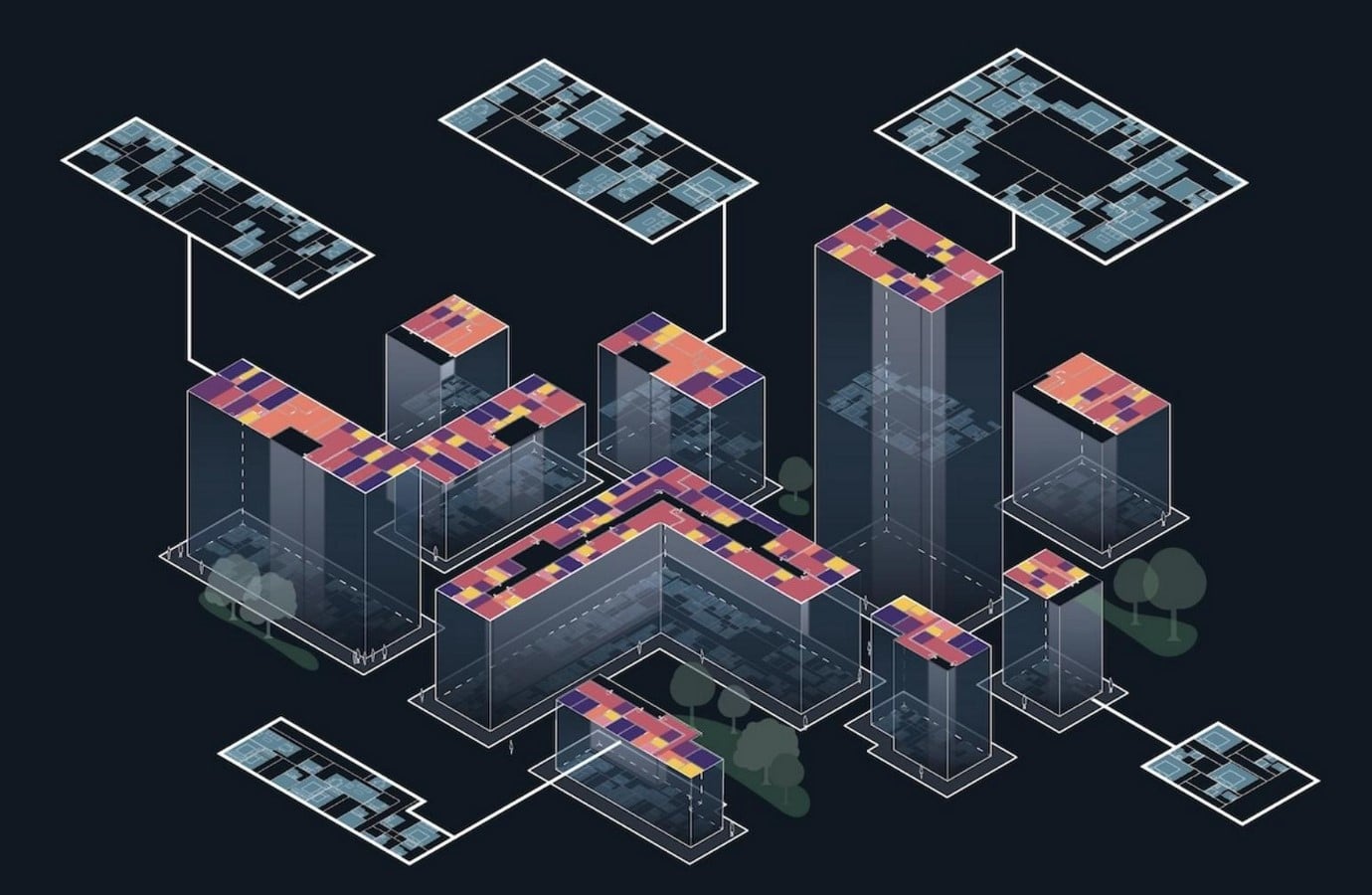
In the future, due to the increase in awareness around sustainable architecture, architects and designers will have greater access to better evaluate their designs to increase their sustainability criteria even if they are in the early stages of design decision-making. The increased use of AI and optimisation has also become a significant role in the design process, allowing for pattern identification, performance predictions, or increasing the number of design alternatives. The introduction of AI has made even the most limited aspect of architecture seem endless. The future of design is likely to include more environment-responsive buildings which are more adaptable to local climates.
“The pencil and computer are very similar in that they are only as good as the person driving them.” – Norman Foster (Szenasy, 2011)
Reference list:
[1] Acm.org. (2020). Ubiquity: Machine learning and computational design. [online] Available at: https://ubiquity.acm.org/article.cfm?id=3401842 [Accessed 6 Aug. 2026].
[2] Ashton, D. (2024). Your mini-guide to parametric design. [online] University of the Built Environment. Available at: https://www.ube.ac.uk/whats-happening/articles/parametric-design/ [Accessed 5 Aug. 2026].
[3] Begum Gumusel (2025a). 8 Principles of Parametric architecture you should know. [online] illustrarch. Available at: https://illustrarch.com/parametric-design/63755-8-principles-of-parametric-architecture-you-should-know.html [Accessed 5 Aug. 2026].
[4] Begum Gumusel (2025b). What is computational architecture? Exploring design, technology, and efficiency | learn architecture online. [online] Learn Architecture Blog. Available at: https://learnarchitecture.net/computational-design/7098-what-is-computational-architecture.html [Accessed 4 Aug. 2026].
[5] Creative design exploration by parametric generative systems in architecture. (2012). METU JOURNAL OF THE FACULTY OF ARCHITECTURE. doi:10.4305/metu.jfa.2012.1.12.
Duarte, B. (2024). Parametric design techniques and their distinction from algorithmics. [online] Studocu. Available at: https://www.studocu.com/pt-br/document/universidade-federal-de-vicosa/trabalho-final-de-graduacao-monografia/parametrics-explained/84794135?sid=3706f067-65ba-4d08-8a55-410747bf0a661785941673 [Accessed 5 Aug. 2026].
[6] Florian Chéraud (2021). An introduction to computational architecture. [online] Medium. Available at: https://florianchraud.medium.com/an-introduction-to-computational-architecture-906b11240b64 [Accessed 4 Aug. 2026].
[7] GeeksforGeeks (2020). Algorithms design techniques. [online] GeeksforGeeks. Available at: https://www.geeksforgeeks.org/dsa/algorithms-design-techniques/ [Accessed 4 Aug. 2026].
[8] Pasetti Monizza, G., Di Blasio, I. and Matt, D.T. (2024). Exploring applications of Computational Design techniques and design for manufacturability for costs reduction of prefabricated timber-based façades: The ‘LegnAttivo’ design prototype. Developments in the Built Environment, 19, p.100489. doi:10.1016/j.dibe.2024.100489.
[9] paulwintour (2018). A brief history of computation. [online] parametricmonkey. Available at: https://parametricmonkey.com/2018/06/08/a-brief-history-of-computation/ [Accessed 4 Aug. 2026].
[10] Sen, F. (2026). Introduction to computational design: A beginner’s guide for architecture students | learn ARCHITECTU … [online] Learn Architecture Blog. Available at: https://learnarchitecture.net/articles/34431-introduction-computational-design.html [Accessed 4 Aug. 2026].
[11] STRUCTUREX-ADMIN (2026). Top computational design trends transforming the AEC industry in 2026. [online] STRUCTUREX – Engineering Consulting Training. Available at: https://structurex.live/top-computational-design-trends-transforming-the-aec-industry-in-2026/ [Accessed 4 Aug. 2026].
[12] Szenasy, S. (2011). Q&A: Architects’ sketchbooks. [online] Metropolis. Available at: https://metropolismag.com/viewpoints/qa-architects-sketchbooks/ [Accessed 6 Aug. 2026].
[13] Terzidis, K. (n.d.). The nature of computation algorithmic design: A paradigm shift in architecture? [online] Available at: https://papers.cumincad.org/data/works/att/2004_201.content.pdf [Accessed 4 Aug. 2026].
[14] truegeometry (2025). Definition and core concepts of parametric modeling. [online] Truegeometry.com. Available at: https://blog.truegeometry.com/api/exploreHTML/4f02e434544ce86ec13d9a6293abc2a2.exploreHTML [Accessed 5 Aug. 2026].
[15] Verma, S. (2023). How is computational design used in architecture in 2024? [online] Novatr.com. Available at: https://www.novatr.com/blog/computational-design-in-architecture [Accessed 4 Aug. 2026].
[16] Wikipedia Contributors (2019). Parametric design. [online] Wikipedia. Wikimedia Foundation. Available at: https://en.wikipedia.org/wiki/Parametric_design [Accessed 4 Aug. 2026].
[17] Şeyma Bozkurt Uzan (2024). Algorithm design. [online] Medium. Available at: https://medium.com/@SeymaBozkurtUzan/algorithm-design-df245fce2237 [Accessed 4 Aug. 2026].
[18] Google.com. (2023). About this image. [online] Available at: https://www.google.com/search/about-this-image?img=H4sIAAAAAAAA_wEXAOj_ChUI9a2wk43Lgpn8ARDFzP31p5HJti5DiNOOFwAAAA%3D%3D&q=https://www.novatr.com/blog/computational-design-examples-in-non-architectural-fields&ctx=iv&hl=en-IN [Accessed 6 Aug. 2026].
[19] Computational Design is a Tough Nut to Crack. Here’s How Architects Can Succeed. (2022). [online] ArchDaily. Available at: https://www.archdaily.com/978206/computational-design-is-a-tough-nut-to-crack-heres-how-architects-can-succeed [Accessed 6 Aug. 2026].
[20] Computational design can lead to more sustainable architecture, new research from UC Berkeley shows. (2024). [online] UC Berkeley College of Environmental Design. Available at: https://ced.berkeley.edu/news/computational-design-research-ramon-weber [Accessed 6 Aug. 2026].
[21] Sharma, P. (2023). 10 Fields Using Computational Design Besides Architecture. [online] Novatr.com. Available at: https://www.novatr.com/blog/computational-design-examples-in-non-architectural-fields [Accessed 15 Aug. 2026].