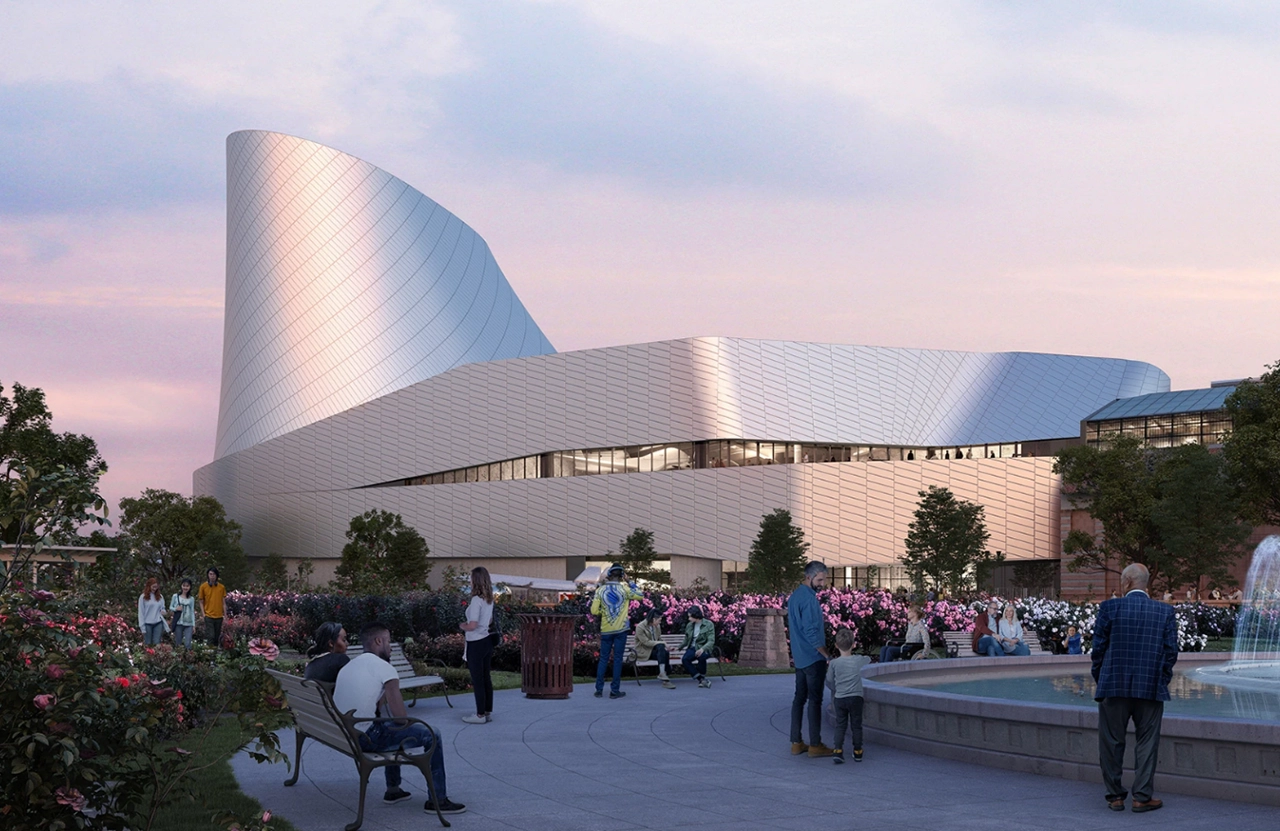
The Launchpad: Reimagining the Urban Interface
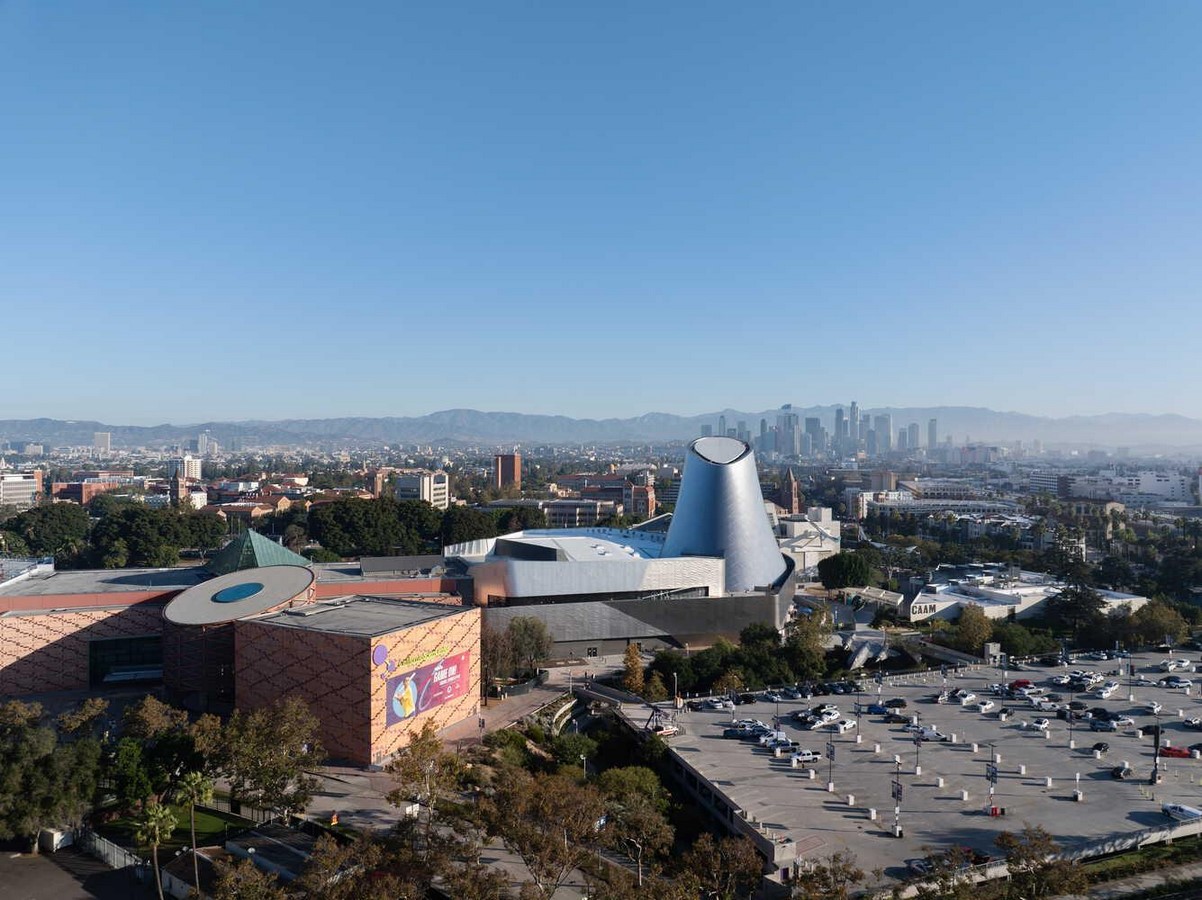
Project Overview
Size: 200,000 square feet (18,580 square meters)
Type: Cultural, Exhibition, Educational
Inception: Phase III of the California Science Center Master Plan (1993)
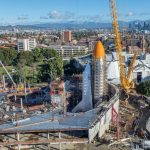
Status: Nearing Completion; artifact installation in progress
Location: Los Angeles, California, USA
Client: California Science Center Foundation
Build Contractor: MATT Construction
Design Architect: ZGF Architects
Structural Engineer: Arup
MEP Engineer: Arup
Exhibition Design: Ralph Appelbaum Associates
Sustainability: Targeting LEED Silver Certification
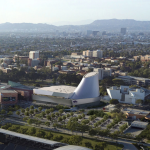
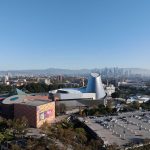
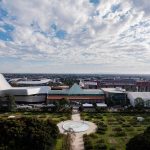
The Samuel Oschin Air and Space Center, designed by ZGF Architects, is a 200,000-square-foot (approx. 18,580-square-meter) expansion that serves as the centerpiece of the California Science Center’s Phase III Master Plan. Located in Exposition Park, Los Angeles, the project is an educational and cultural destination dedicated to housing over 100 aerospace artifacts, including the retired NASA Space Shuttle Endeavour.
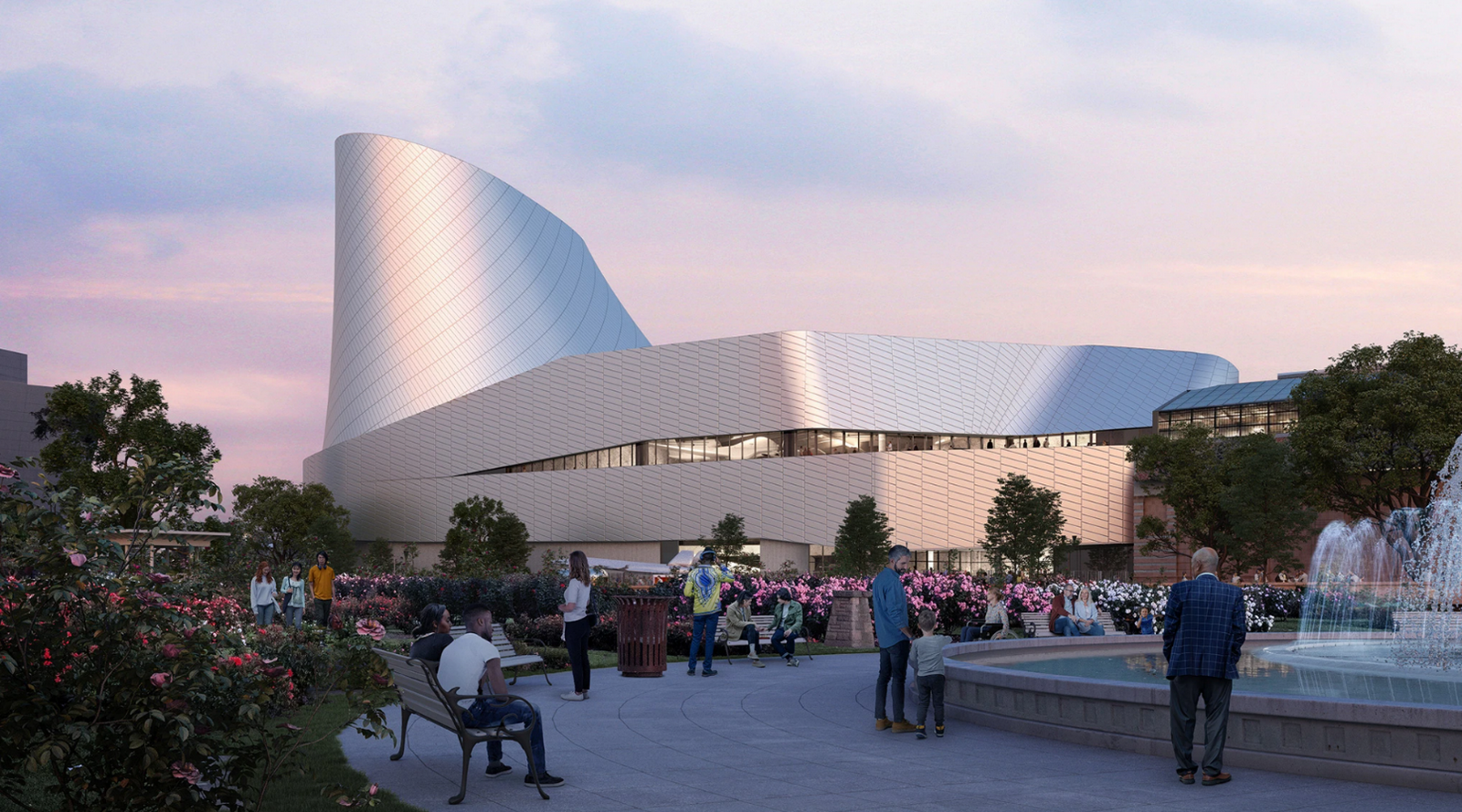
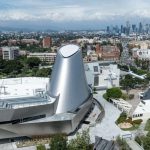
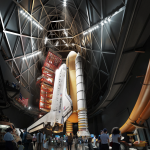
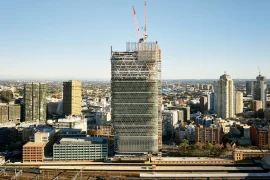
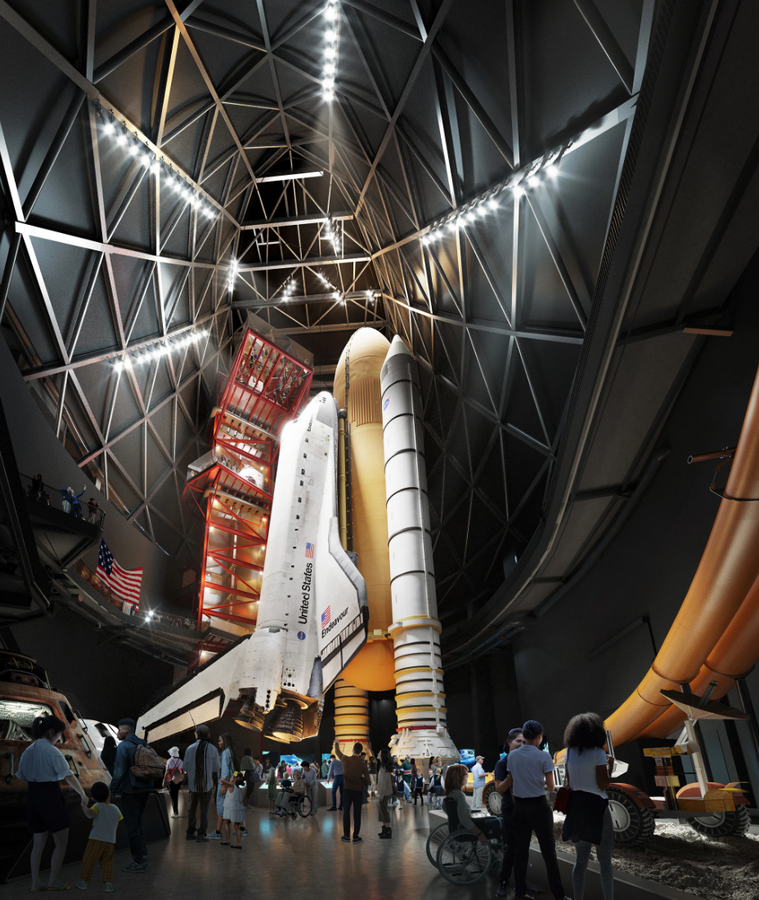
The structure is defined by its 200-foot-tall curvilinear stainless-steel tower and an innovative structural diagrid engineered by Arup, which eliminates internal columns to provide an unobstructed “ready-for-launch” view of the shuttle. Built by MATT Construction, the building officially completed construction in April 2026 and has moved into the artifact installation phase. The project targets LEED Silver certification, emphasizing high-performance design for a specialized museum environment.
Gravity Defied: ZGF’s Vertical Gantry for the Space Age
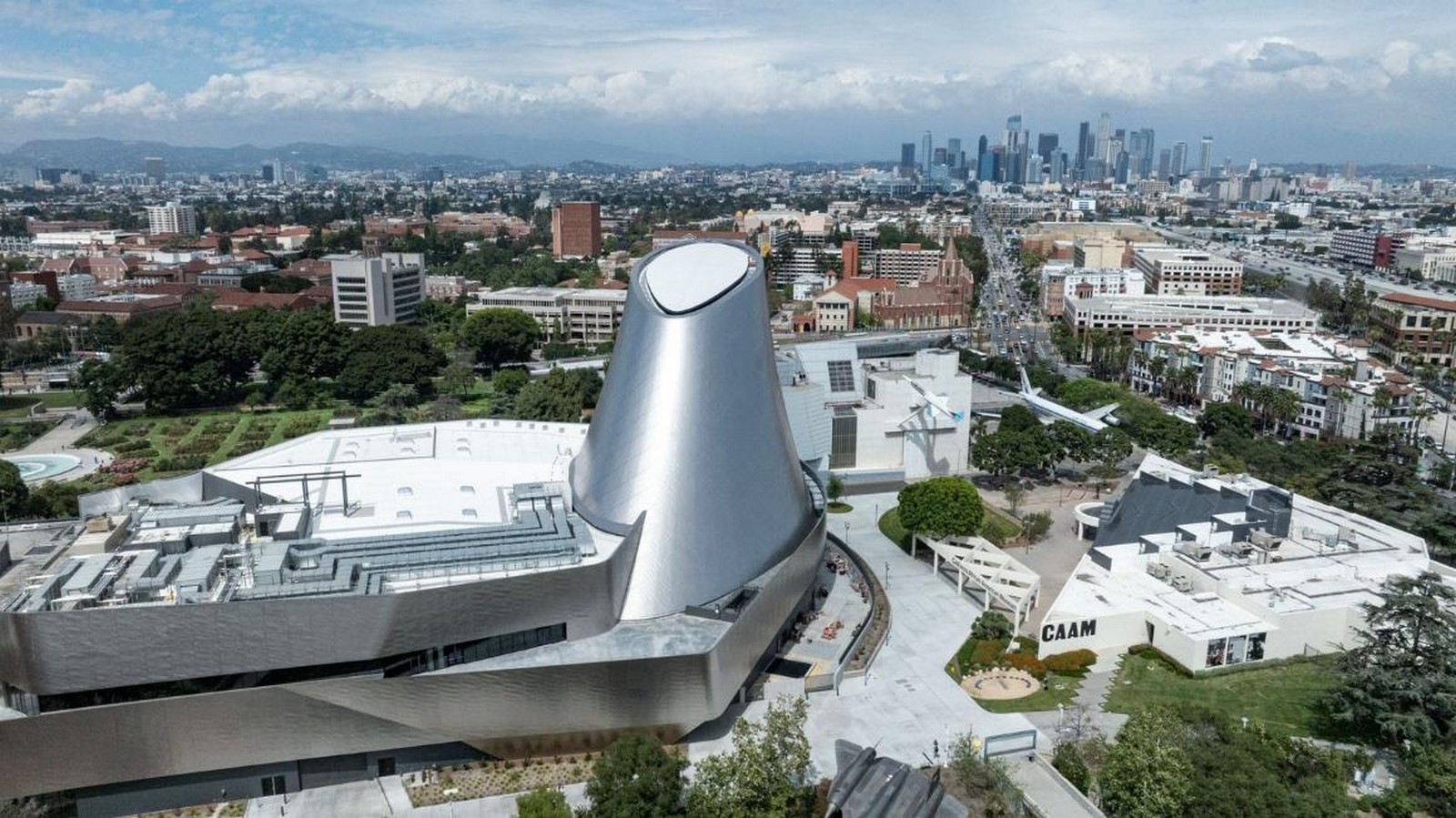
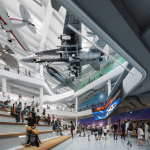
Positioned within the historic cultural landscape of Exposition Park, the Samuel Oschin Air and Space Center redefines the science museum as an immersive, vertical campus. Rather than functioning as a traditional static gallery, the project operates as a dynamic educational vessel, where engineering, history, and atmospheric exploration intersect.
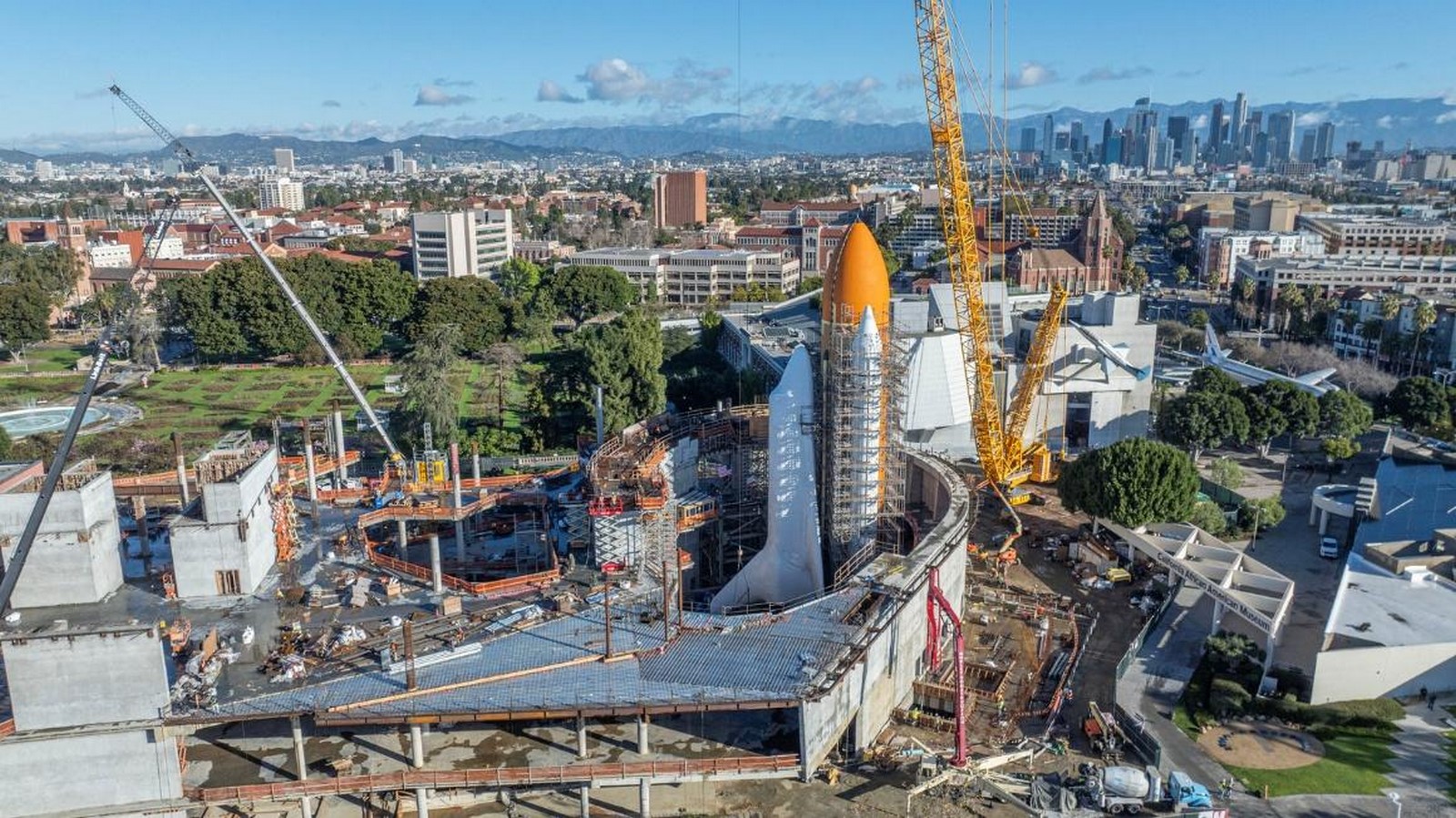
This expansion represents the culmination of the California Science Center’s 25-year Master Plan, transforming the site into one of the world’s premier public destinations for aerospace learning. By integrating the Space Shuttle Endeavour—displayed in a gravity-defying, ready-to-launch configuration—the architecture itself becomes an exhibit, dissolving the boundary between the artifact and the urban fabric of Los Angeles.
Design Big Idea: Architecture as Convergence
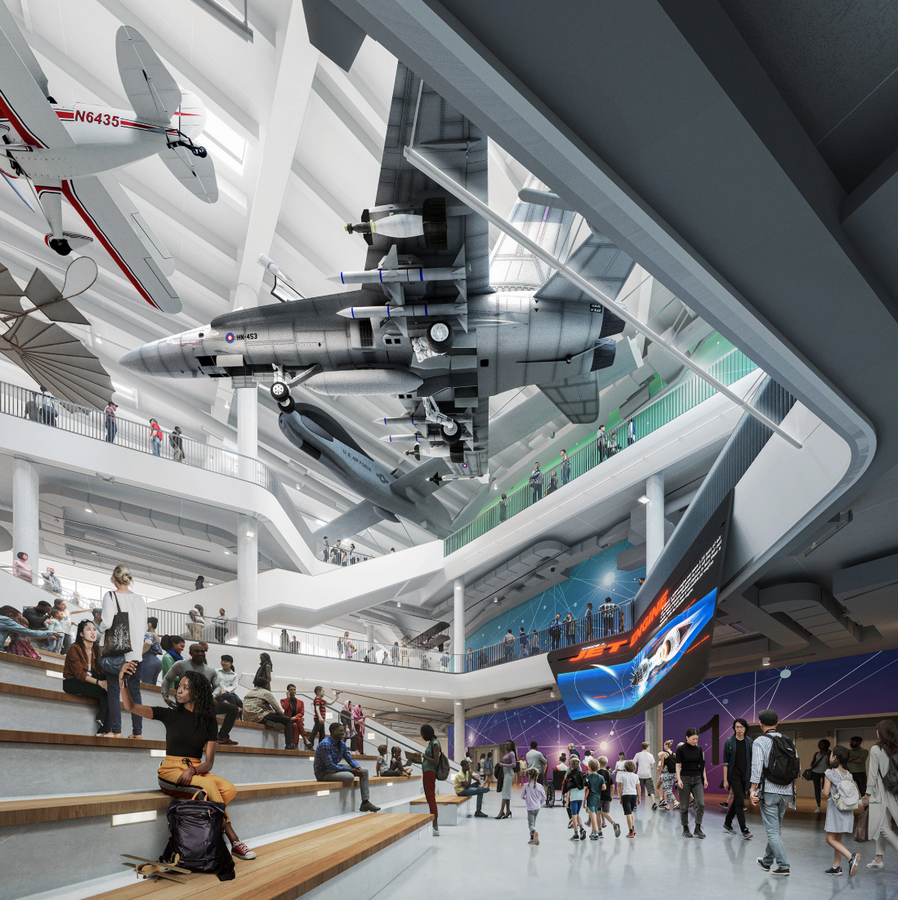
At its core, the project is driven by the idea of convergence, the intersection of spatial, programmatic, and experiential forces centered on the singular concept of “Lift-Off.” The architecture mediates between the massive infrastructural demands of aerospace engineering, specifically the support of a 200,000-pound orbiter and intimate human-scale engagement. By utilizing a diagrid framework, ZGF eliminates visual noise, ensuring that the ‘spatial framework’ serves as a clear lens through which the public interacts with the history of flight.
The Vertical Narrative: “Ready-to-Launch”
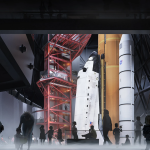
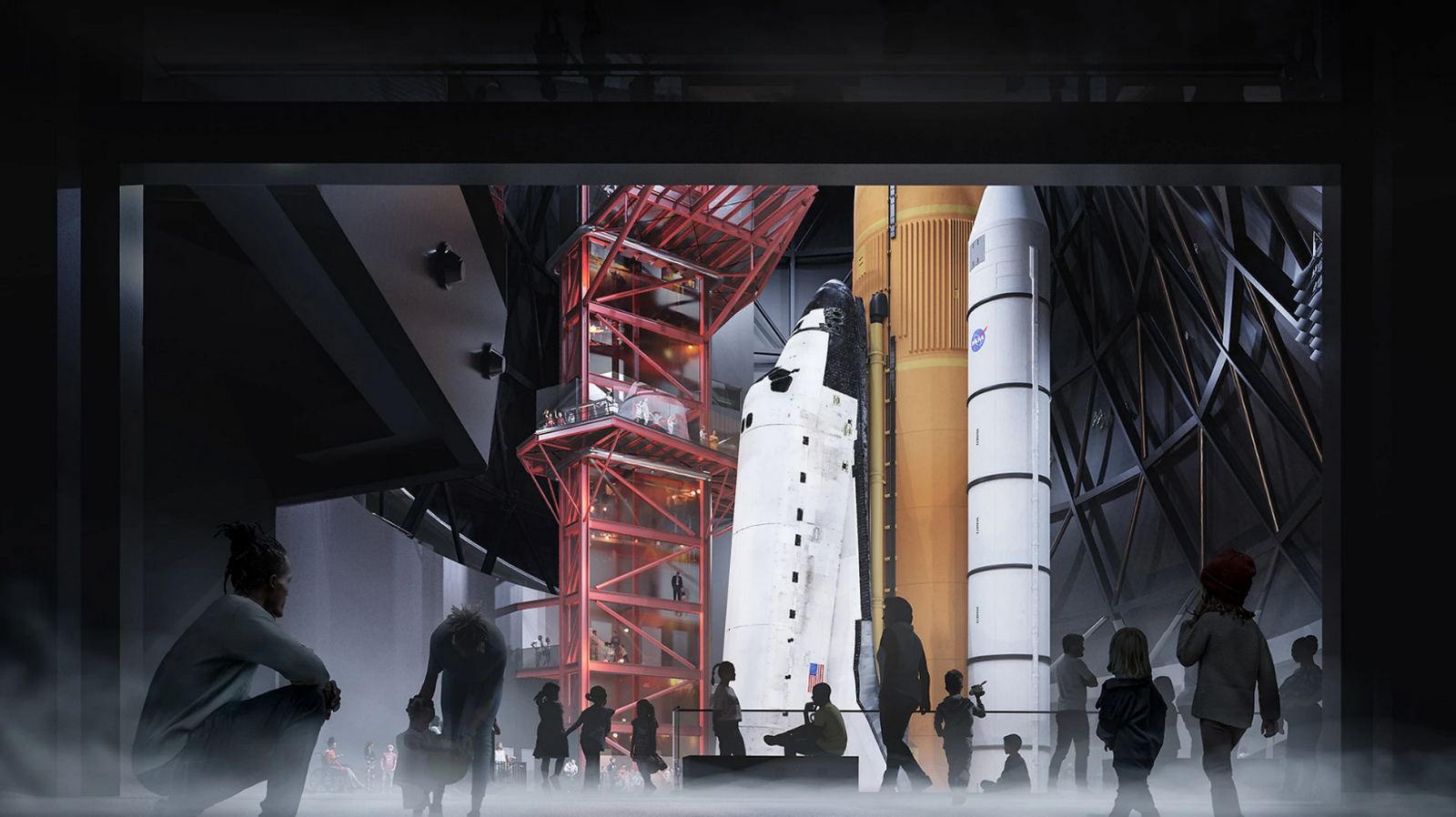
The driving force of the entire design is verticality, moving away from traditional horizontal museum layouts. The architecture is conceived as a 20-story “Launchpad”, a multi-programmatic vessel that wraps around the world’s only vertical Space Shuttle stack. This verticality dictates the programmatic layering, allowing visitors to encounter the Endeavour, Solid Rocket Boosters, and External Tank (ET-94) at various elevations, mirroring the experience of astronauts on a gantry.
Aerodynamic Fluidity & Material Convergence
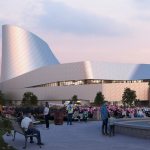
The building’s envelope reflects a convergence of form and function. Its curvilinear stainless-steel skin mimics the aerodynamics of flight, referencing the fuselage and wings of the artifacts within. This fluid geometry ensures that the structure feels in motion, dissolving the boundary between the static building and the atmospheric nature of its exhibits.
Structure as Spectacle: The Diagrid Framework
Spatial continuity is achieved through a massive self-supporting steel diagrid, engineered by Arup to eliminate all internal columns. This “Structure as Spectacle” serves as the ultimate spatial framework, stitching together diverse educational and exhibition functions while maintaining total visual and physical permeability. By removing internal obstructions, the design allows users to navigate seamlessly between interior galleries and exterior perspectives, offering 360-degree views that emphasize the project’s role as a new urban interface for Los Angeles.
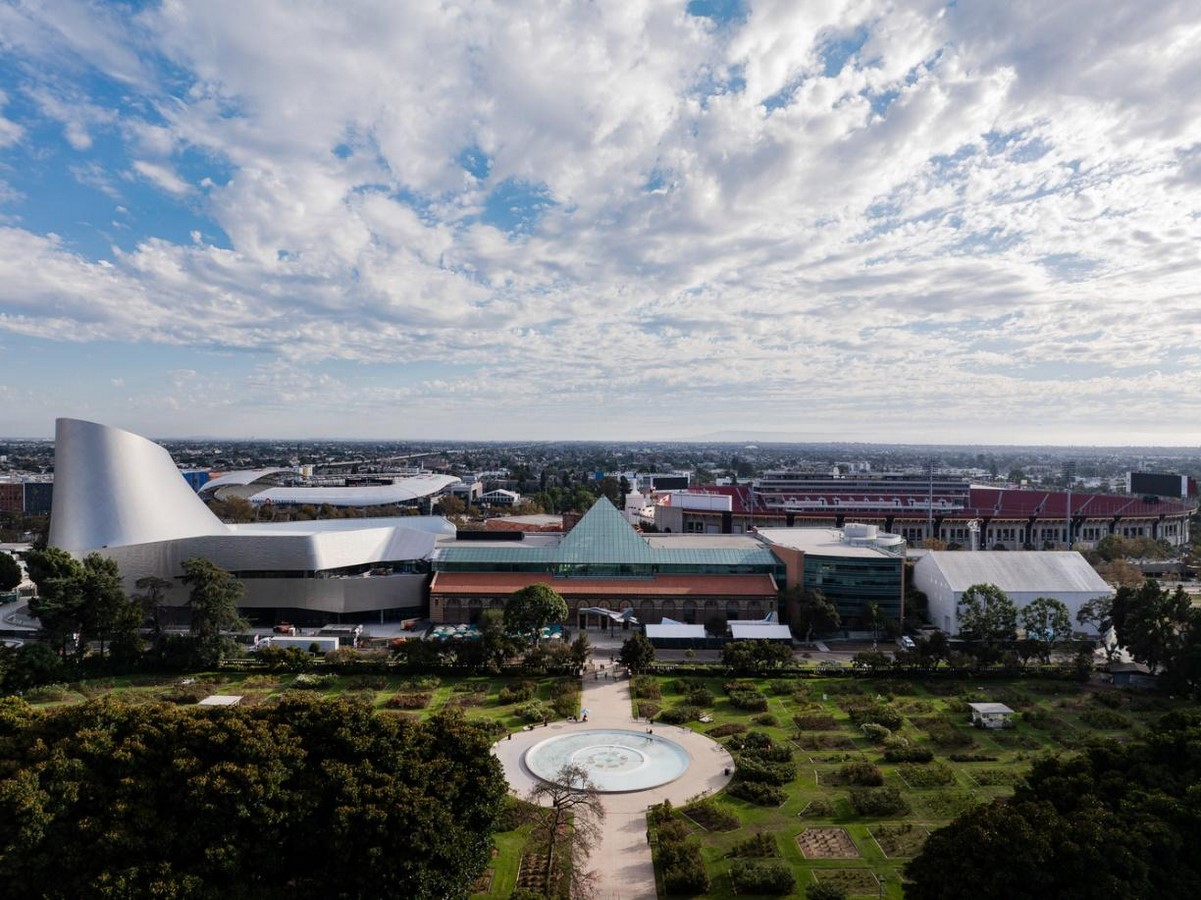
A New Horizon for Exposition Park
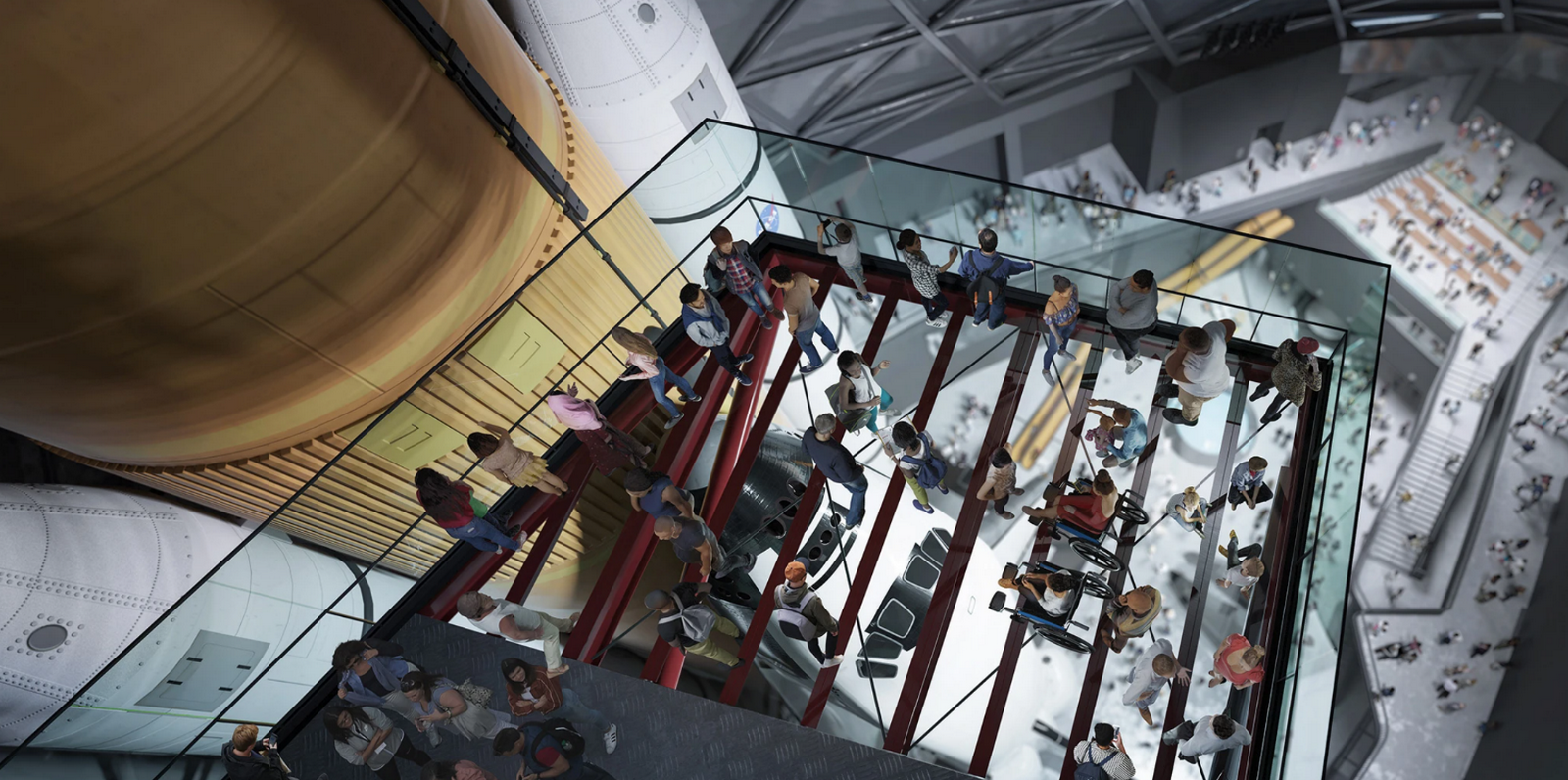
The Samuel Oschin Air and Space Center by ZGF Architects represents a contemporary evolution of cultural architecture—where engineering, education, and public life are seamlessly interwoven. By shifting from a traditional “container of functions” to a dynamic, integrated vertical system, the project sets a new precedent for how high-density cultural interventions can activate the Los Angeles skyline.
Through its emphasis on sustainability (targeting LEED Silver), the innovative use of the self-supporting diagrid, and a layout that invites spatial connectivity, the Center transcends the role of a museum expansion. As it nears completion with the final artifact installations, the structure stands as a permanent tribute to human ingenuity, operating as both a landmark for the city and a functional “launchpad” for the next generation of explorers.
Reference:
- ZGF Architects. (2026). California Science Center Announces New Milestone: Construction of the ZGF-Designed Samuel Oschin Air and Space Center is Now Complete. [online]. Available at: ZGF Project News [Accessed 24 April 2026].
- California Science Center. (2025). Samuel Oschin Air and Space Center Architectural Fact Sheet. [online]. Available at: CSC Fact Sheet [Accessed 24 April 2026].
- Arup. (2024). California Science Center Reaches Major Topping Out Milestone on the Samuel Oschin Air and Space Center. [online]. Available at: Arup Project News [Accessed 24 April 2026].
- Dezeen. (2026). California Science Center Expansion by ZGF Contains Space Shuttle in Launch Position. [online]. Available at: Dezeen Article [Accessed 24 April 2026].
- ArchDaily. (2026). ZGF Architects Nears Completion of Los Angeles Air and Space Center Housing Space Shuttle Endeavour. [online]. Available at: ArchDaily Project Profile [Accessed 24 April 2026].
- MATT Construction. (2024). Samuel Oschin Air and Space Center Project Profile. [online]. Available at: MATT Construction Profile [Accessed 24 April 2026].
- Evidence Design. (2025). Samuel Oschin Air and Space Center Exhibition Planning. [online]. Available at: Evidence Design Portfolio [Accessed 24 April 2026].
- Southland Industries. (2025). The Samuel Oschin Air and Space Center: Design-Assist Mechanical Systems. [online]. Available at: Southland Industries Case Study [Accessed 24 April 2026].