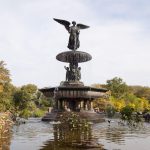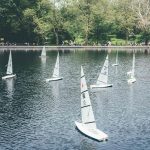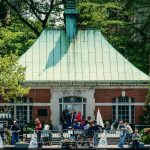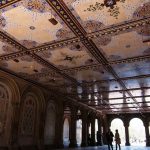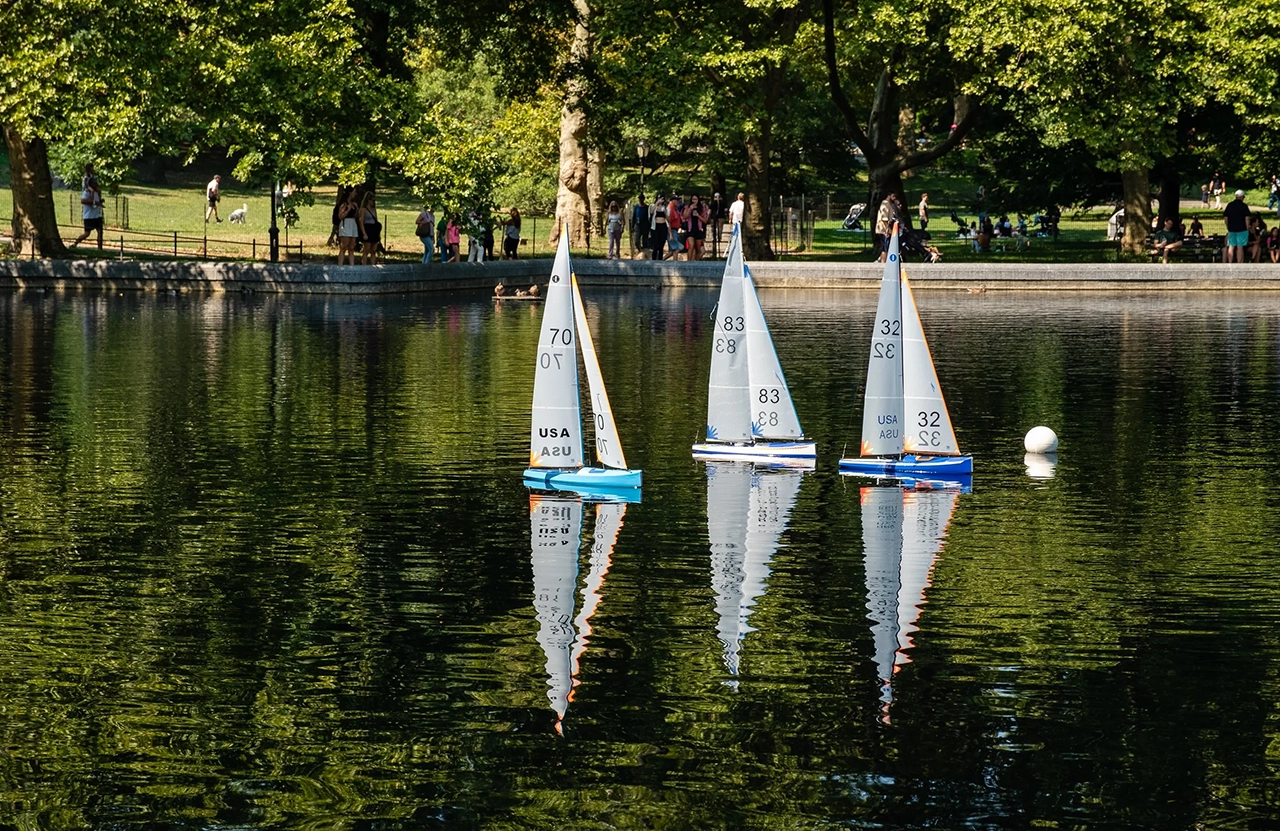
The Central Park Conservancy has recently launched a $37 million restoration initiative to restore one of the most cherished and frequented landmarks: Bethesda Fountain and Conservatory Water. This massive investment is designed to address decades of structural wear and tear to meet 21st-century sustainability standards. The Conservancy aims to balance the scrupulous preservation of historic craftsmanship with the evolving needs of over 42 million annual visitors. This involves protecting original designs while keeping paths, lawns and facilities safe for the visitors. These projects are primarily funded by a mix of private family wealth and municipal backing. The donations notably come from the Tarr family, supplemented by support from the City of New York, continuing a decades-long tradition of private support for public green spaces. By combining high-tech engineering with traditional conservation methods, the Conservancy intends to protect historical urban landscapes so that these sites remain safe, accessible and beautiful for another century of New Yorkers.
Bethesda Fountain’s “Inside Out” Restoration
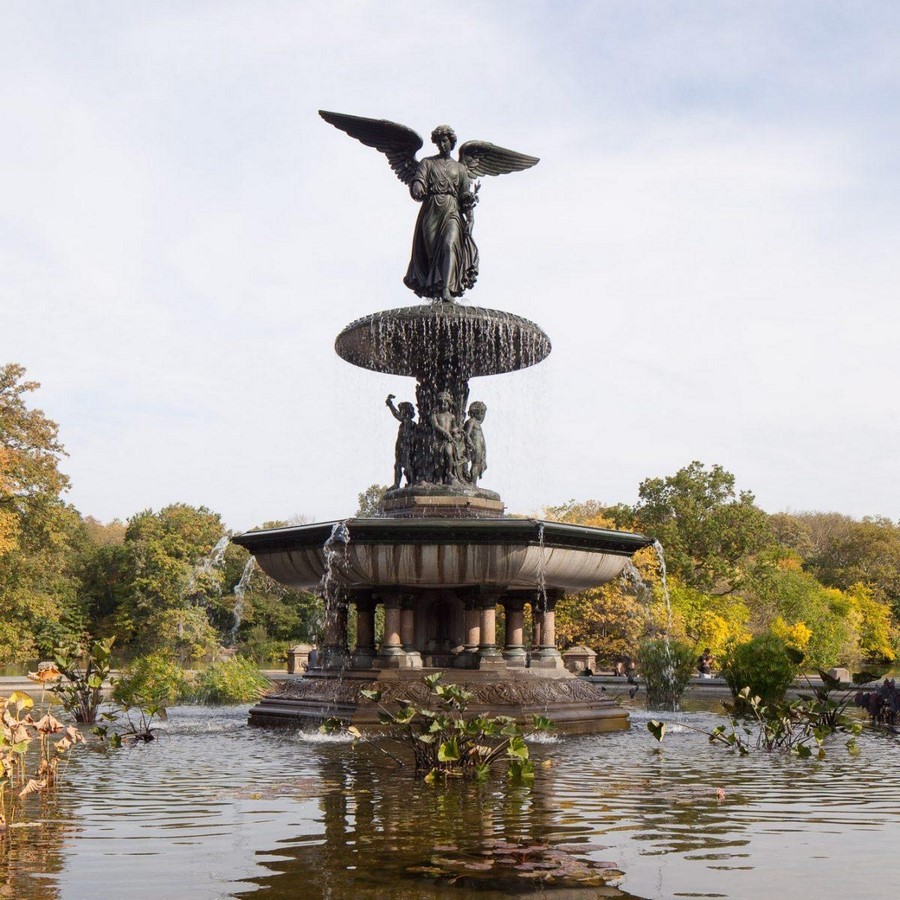
Scheduled to begin in August 2026, the Bethesda Fountain in Central Park will be turned off for approximately one year while crews perform an “inside out” repair of the 150-year-old structure. Furthermore, conservators will recreate and install missing historic ornamental elements that have been lost over time. This project seeks to restore the cascading pools while introducing a modern UV disinfection and filtration system to mitigate the growth of algae and bacteria.
Rebuilding Conservatory Water and the Kerbs Boathouse
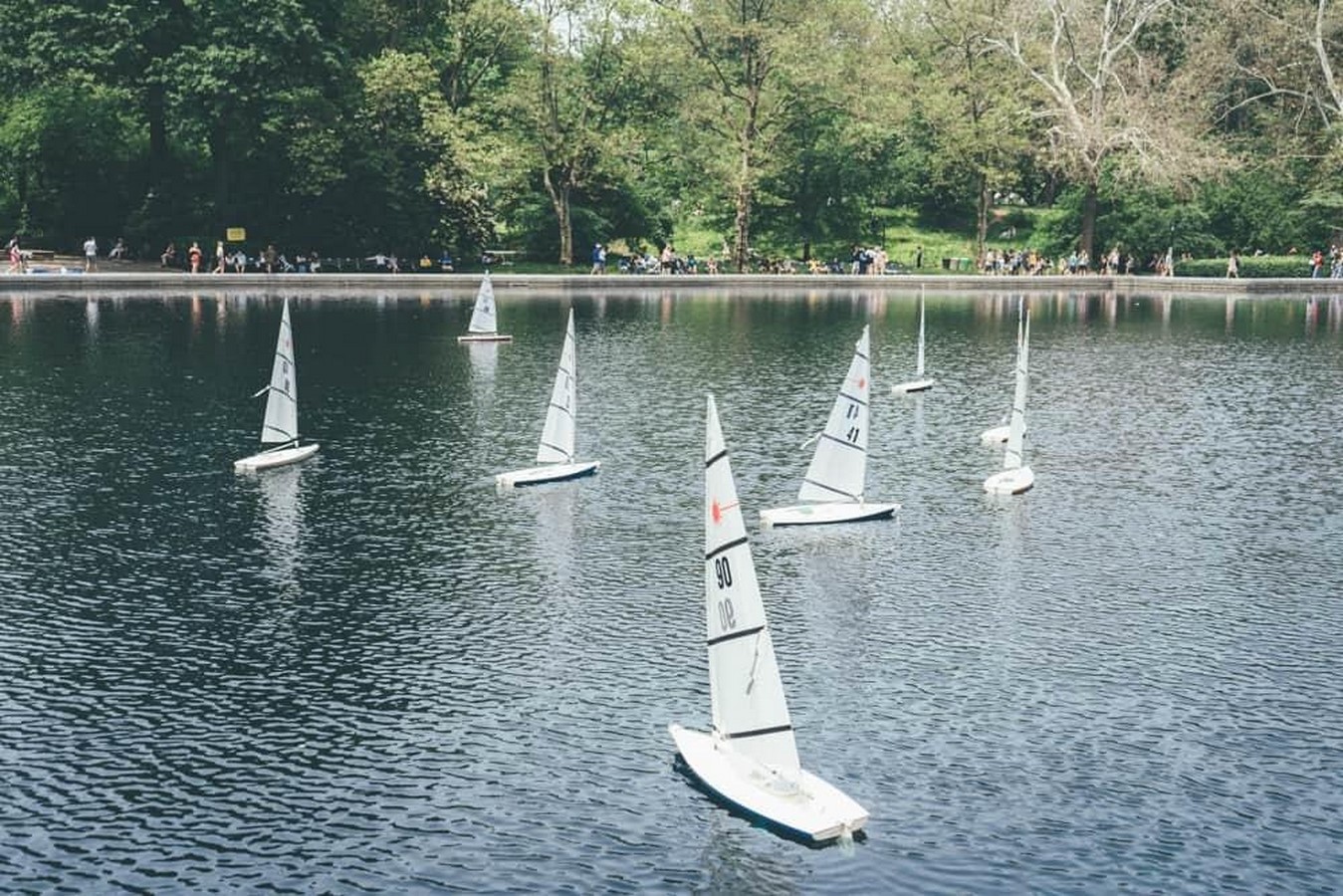
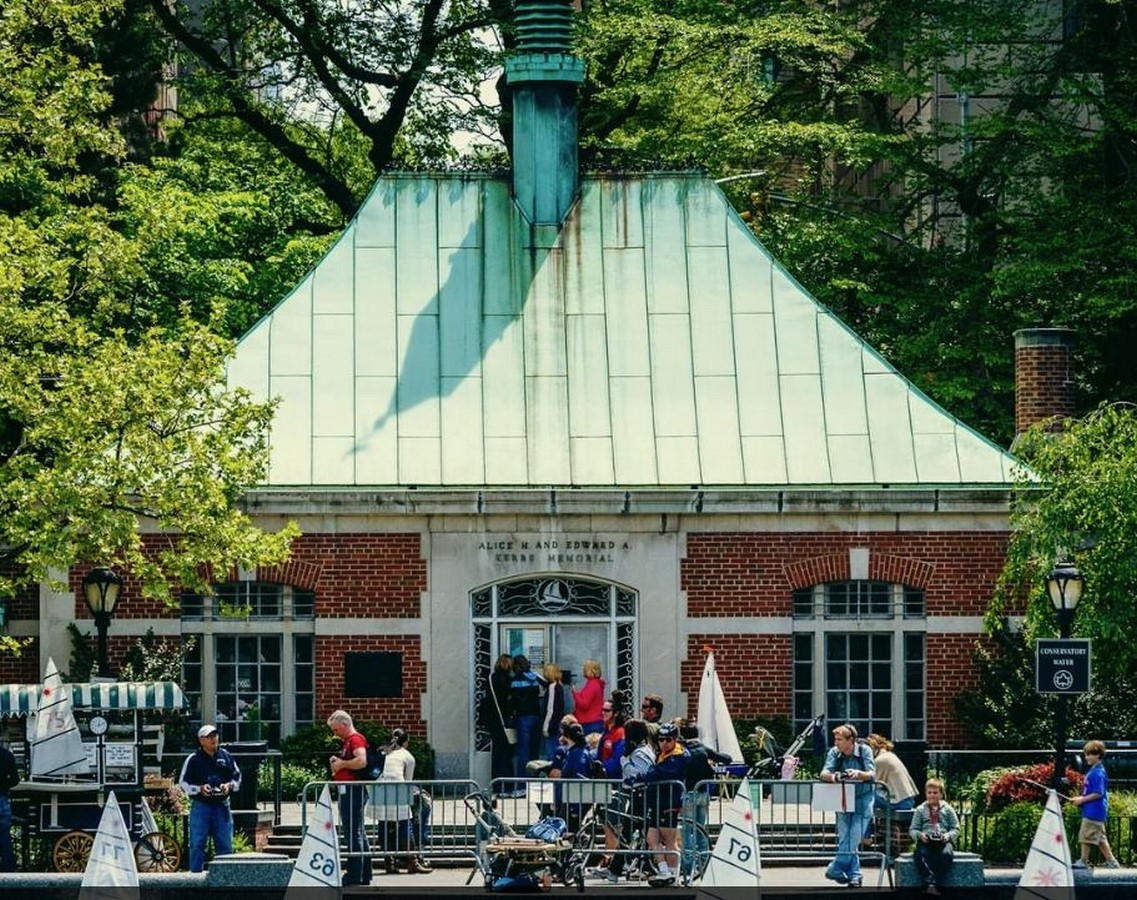
The Conservancy will embark on a multi-year rehabilitation of Conservatory Water, the iconic model sailboat pond located just east of the fountain. Constructed in the 1860s, the pond basin has suffered from severe leaking due to the weather conditions and long term water pressure. The staff is currently struggling to maintain the water levels necessary for boating due to cracks in the concrete. The restoration will involve a complete reconstruction of the pond basin, including the installation of a new waterproof liner and a layer of bedding stone to replace the deteriorated original floor. Adjacent to the water, the historic Kerbs Boathouse, built in 1954, will undergo its first comprehensive renovation as part of a $37 million overhaul. The upgrades aim to include doubling the restroom capacity, creating more efficient concession spaces and meet model sustainable benchmarks. Work on the basin is expected to start in late 2026, with the entire complex anticipated to be offline for the 2027 season and targeting a spring 2028 reopening.
Central Park as an Engineered Hydrological System
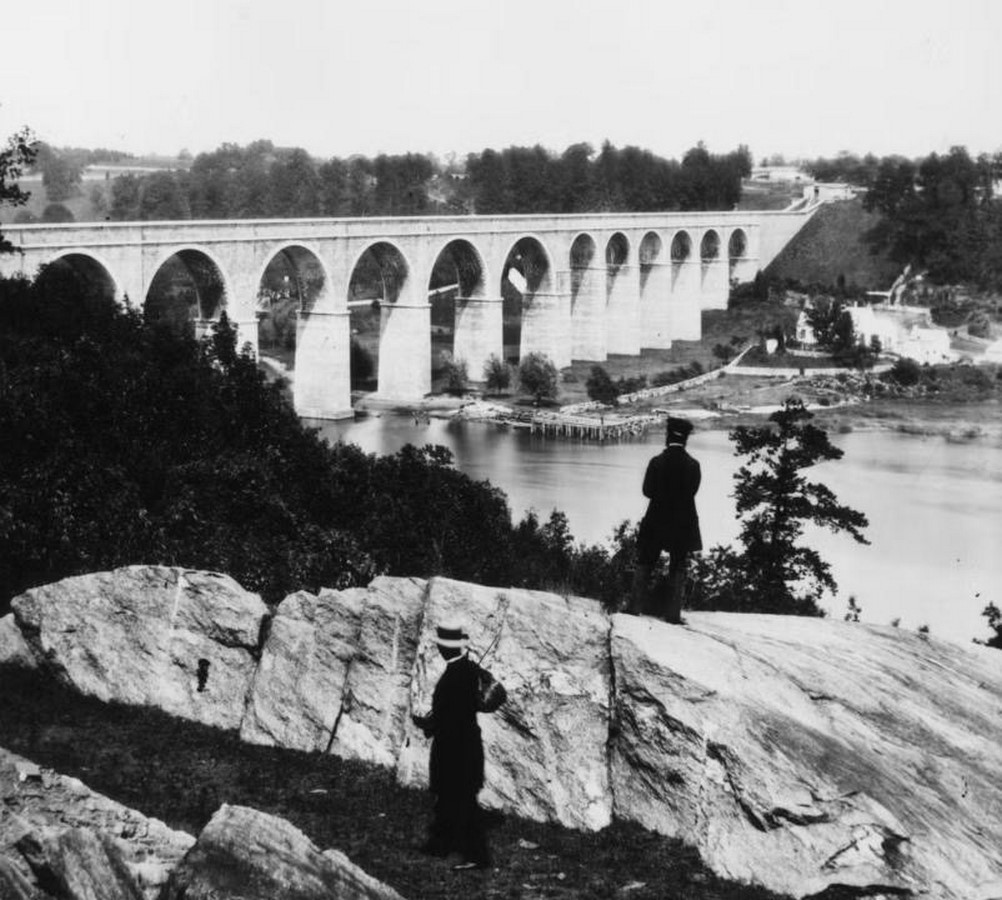
To appreciate the necessity of these upgrades, one must understand that Central Park is not a slice of wilderness but a managed hydrological machine designed to balance water flow. The original landscape was largely a swampy environment that required massive topographic manipulation and the installation of complex hidden network of pipes, underground tunnels and artificial lakes to become a functional park. Historically, the park’s water features relied heavily on the Croton Aqueduct system, because the system fed the massive NYC Parks. This 41 mile gravity fed aqueduct first brought fresh water to Manhattan in 1842. Early infrastructure was often primitive, utilizing wood log pipes, iron collars and gravity flow. Even the “natural” looking features, such as The Lake and The Pond, were excavated by hand or created by damming historic streams like De Voor’s Mill Stream. This “engineered oasis” requires constant municipal supply to prevent stagnation and maintain the illusion of a wild, mountain-fed landscape.
The Shift toward Water Recirculation
The “Recirculation Revolution,” brought a paradigm shift in how the park manages its water resources. Historically, many of the park’s fountains and waterfalls operated on a linear, “open loop” that wasted millions of gallons of clean drinking water daily by routing it straight into city sewers. This process contributed to the Combined Sewer Overflow (CSO) crisis during heavy rain. Modern restoration efforts focus on creating sustainable closed-loop systems to capture, filter, and reuse water on-site. By moving away from a reliance on the city tap, the Conservancy is evolving the park into a sustainable green infrastructure asset. This ecological transition is essential for combating the impacts of climate change, focusing on water control, native plants, and wildlife protection. The park must now adapt to survive increasingly volatile weather patterns, including sudden flash floods and prolonged droughts.
Preserving Emma Stebbins’ Artistic Legacy
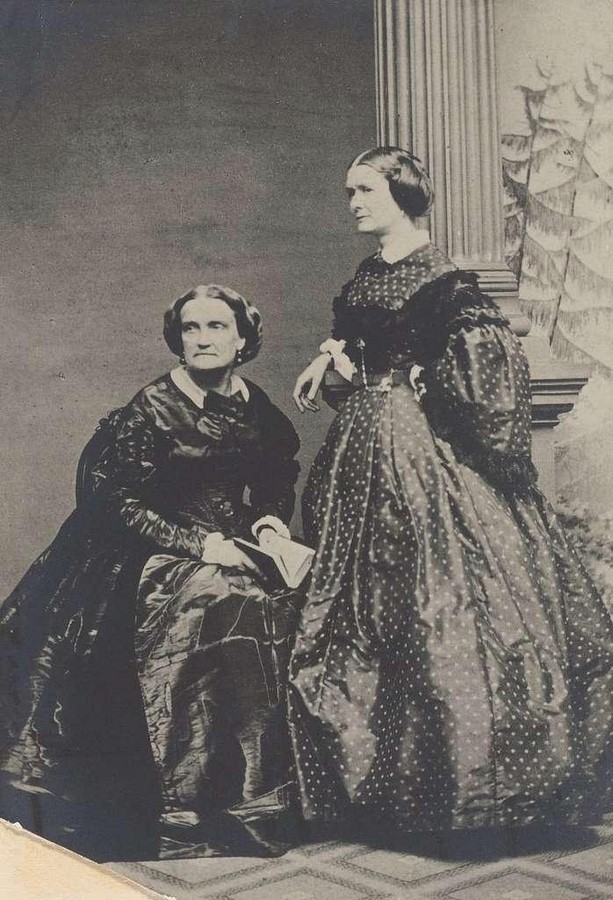
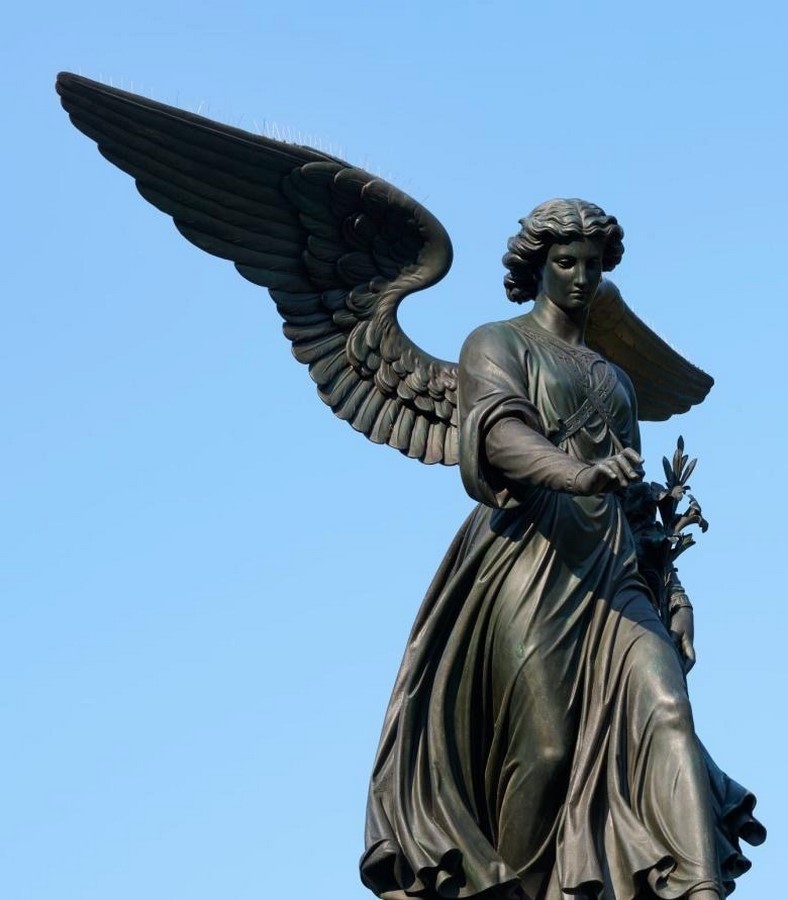
The restoration of the Bethesda Fountain does more than repair hidden pipes; it serves to safeguard the artistic legacy of Emma Stebbins, the sculptor of the fountain’s iconic Angel of the Waters. Stebbins was the first woman ever commissioned to create a public artwork in New York City. She broke historic barriers as her work is a cornerstone of the city’s LGBTQ+ history. The bronze angel commemorates the opening of the Croton Aqueduct and refers to a passage in the Gospel of John describing an angel blessing a pool with healing powers. The theme was chosen to celebrate the arrival of clean water in a city previously devastated by cholera. Historians and tour guides often note that Stebbins likely modeled the angel after her longtime partner, the famous actor Charlotte Cushman. Their relationship, often described as a “Boston marriage,” reflects how 19th century women found social acceptance and independence together, highlighting the contributions of queer artists whose work has historically gone unrecognized.
The Historic Minton Tile Ceiling
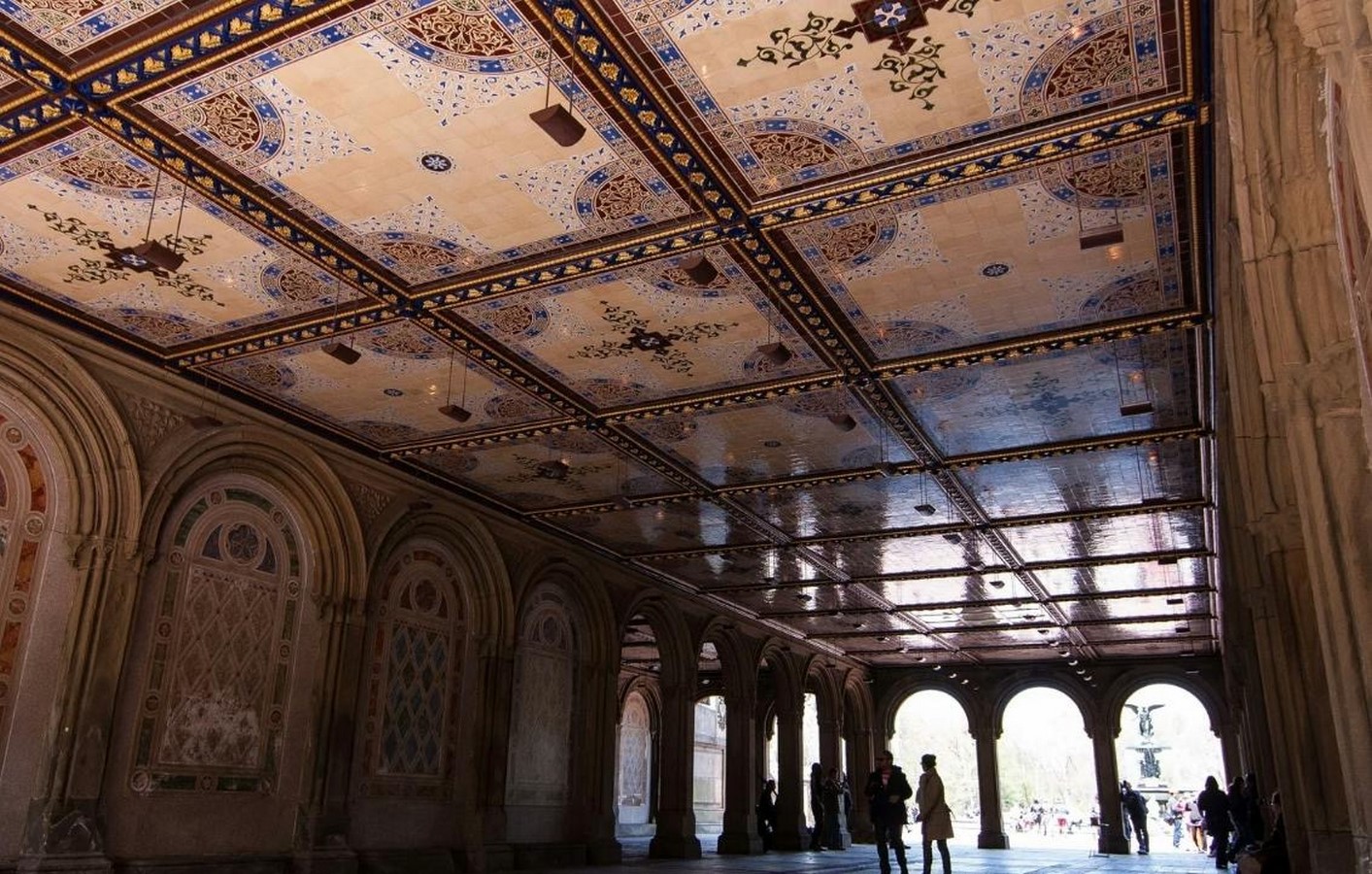
The fountain features the Bethesda Terrace Arcade with its world-renowned Minton tile ceiling. Designed by Jacob Wrey Mould, the arcade was intended as a semi open gathering space that integrated architecture with nature. The ceiling is composed of 15,876 handmade encaustic tiles that were restored by the Conservancy after water infiltration caused their backing plates to corrode. These vibrant geometric and figurative ceramic tiles are arranged across 49 decorative panels on the ceiling, featuring earth tones, cobalt, and forest green. They were manufactured by Minton and Company, a leading 19th-century ceramic firm in England. The interaction between the fountain’s renewed water flow and the colorful majolica tiles of the arcade creates a sensory active, breathing experience. Preserving these intricate details requires a specialized workforce and a long-term commitment to maintaining the extraordinary craftsmanship of the Victorian era.
Central Park as a Global Model for Sustainable Green Infrastructure
The ongoing evolution of Central Park serves as a vital global model for how dense cities can integrate sustainable green infrastructure into19th century landscapes. Through initiatives like the FOR ALL campaign, the Conservancy is building the financial stability needed to care for the park. At the same time, the park organization uses its practical expertise and skills to train, guide, and help smaller community green-space groups. As the Conservancy’s CEO Betsy Smith noted, these are the places where the beauty of the park becomes personal, serving deep, emotional settings where individuals spend a lot of their time. By modernizing the hidden infrastructure of these landmarks, the Conservancy ensures that the illusion of Central Park’s pristine nature remains a seamless and thriving reality for future generations.
Citations-
- https://www.centralparknyc.org/restoration/bethesda-fountain-restoration
- https://www.centralparknyc.org/press/central-park-conservancy-announces-major-investment-in-two-of-the-parks-most-iconic-destinations
- https://assets.centralparknyc.org/media/documents/AnnualReport_Inside_2022_Digital.pdf
- Wasterman A. Central Park Dissected: The Hidden Plumbing of an Engineered Oasis Available at: https://alexwesterman.com/new-york-city/nyc-history/central-park-hidden-plumbing-waterworks-2/
- https://www.centralparknyc.org/restoration/conservatory-water-basin-restoration
- Levingston P. S(2026). Central Park’s Model Boat Basin To Be Drained For Multi-Year Rehab Available at: https://patch.com/new-york/central-park/central-parks-model-boat-basin-be-drained-multi-year-rehab