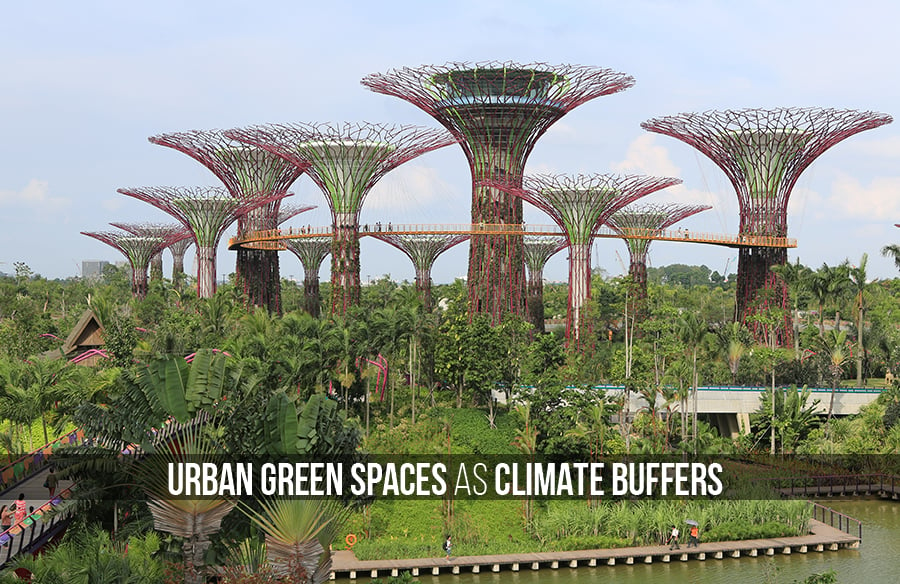
Urban green spaces are areas within the urban landscape that have been constructed to create room for nature, such as parks, gardens, greenways, and living roofs. Urban green spaces are critical climate change mitigation measures in the urban landscape, acting as climate buffers that regulate heat, stormwater, air quality, and biodiversity, and enhance the health of people.
Benefits of Urban Green Spaces
-
Cooling Urban Heat Islands
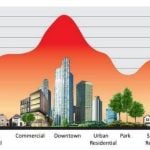
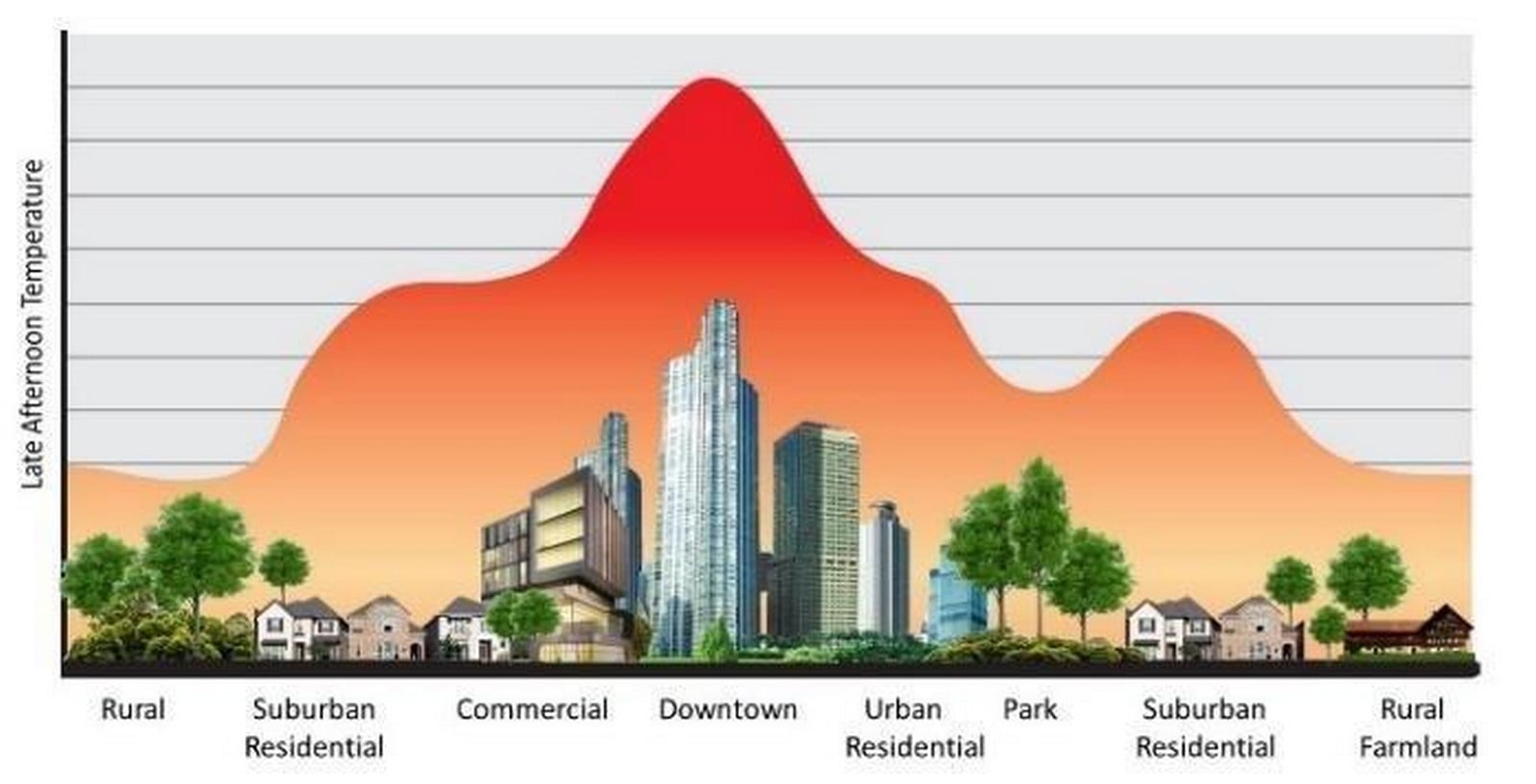
Urban Heat Island (UHI) effect is a condition in which there is the occurrence of higher surface and air temperature within the urban area than in adjacent suburban and rural areas. Urban natural land cover is one of the most viable climate change adaptation measures to reduce the growing impact of the urban heat island (UHI) effect. Green cover disperses the effect by evapotranspiration and shading. UGS provides a range of ecosystem services including better air and water quality, quieter landscape, habitat for wildlife for biodiverse fauna, provision for physical and recreation activity, and social and psychological benefits for the city dweller.
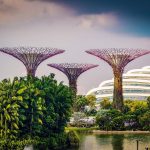
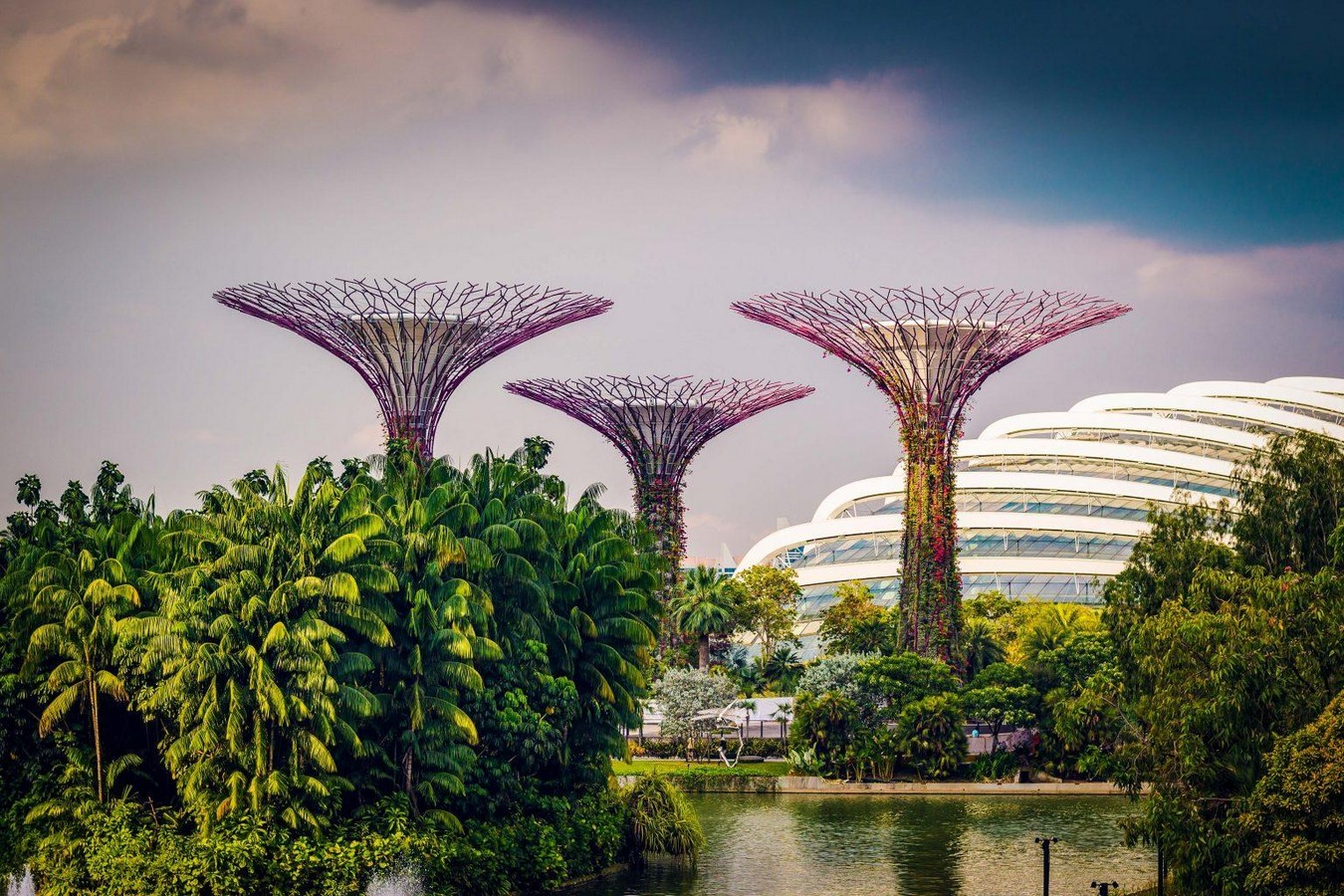
Singapore‘s Gardens by the Bay is an exemplary case of reducing UHI with assistance from urban green infrastructure. Through the use of widespread tree cover, green roofs, and vertical gardens, ambient temperature in the area can be lowered by as much as 5°C. This cooling effect not only makes the city climate more habitable and convenient but also enhances the city’s appeal as a tourist destination. The project shows how the use of nature in urban planning can benefit the environment and economy, and also help overcome the problem of urban heat rise.
2. Flood Mitigation
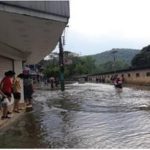
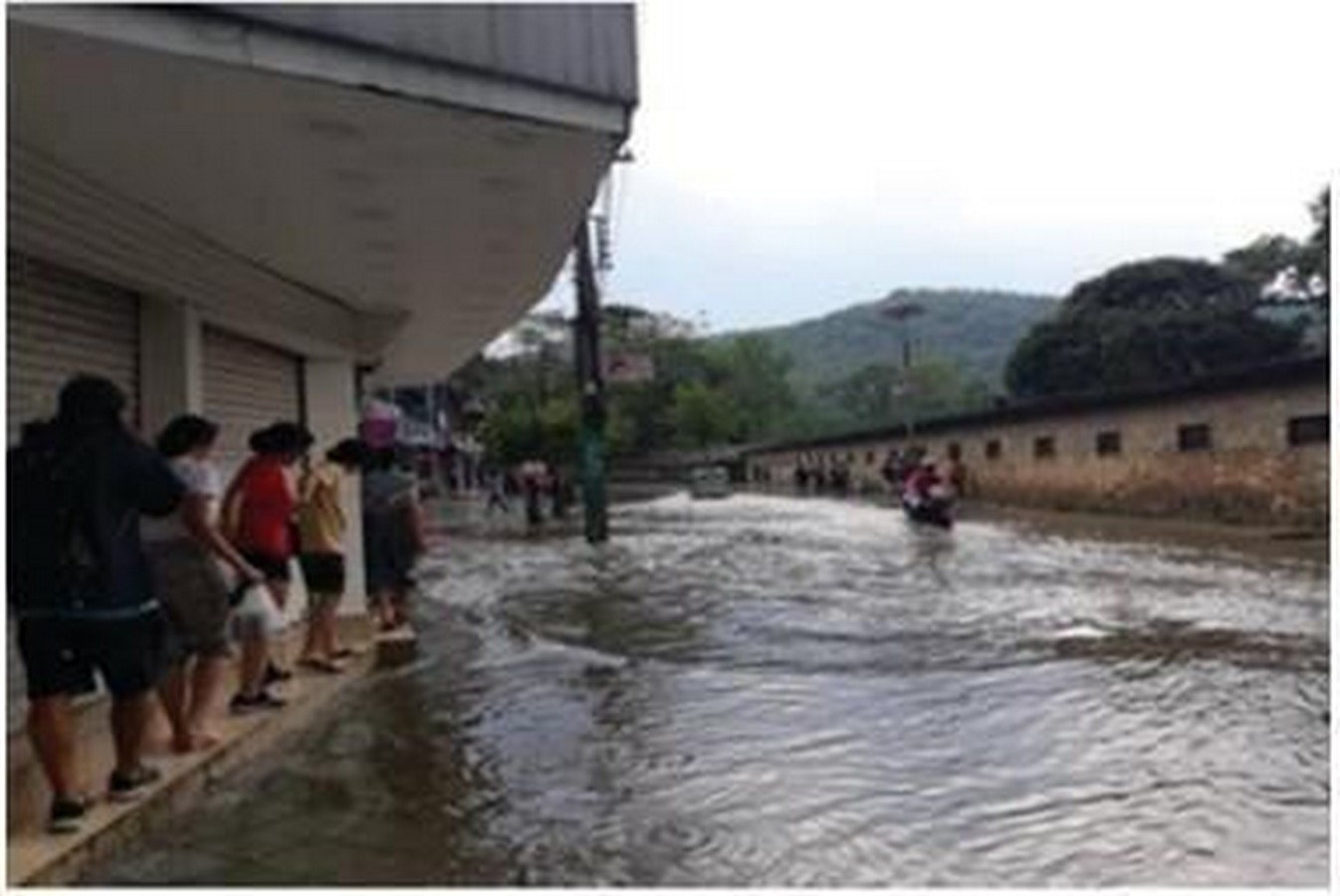
Urban flooding is worsened by non-porous surfaces like concrete and asphalt that don’t permit water to absorb into the ground. Permeable surface green space, however, makes sure rainwater seeps into soil and reduces surface runoff. By adding parks, green roofs, rain gardens, and other vegetated surfaces to the urban landscape, cities can drain severe rainfall events more efficiently and reduce the risk of flash flooding.
3. Air Quality Improvement
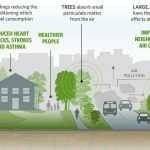
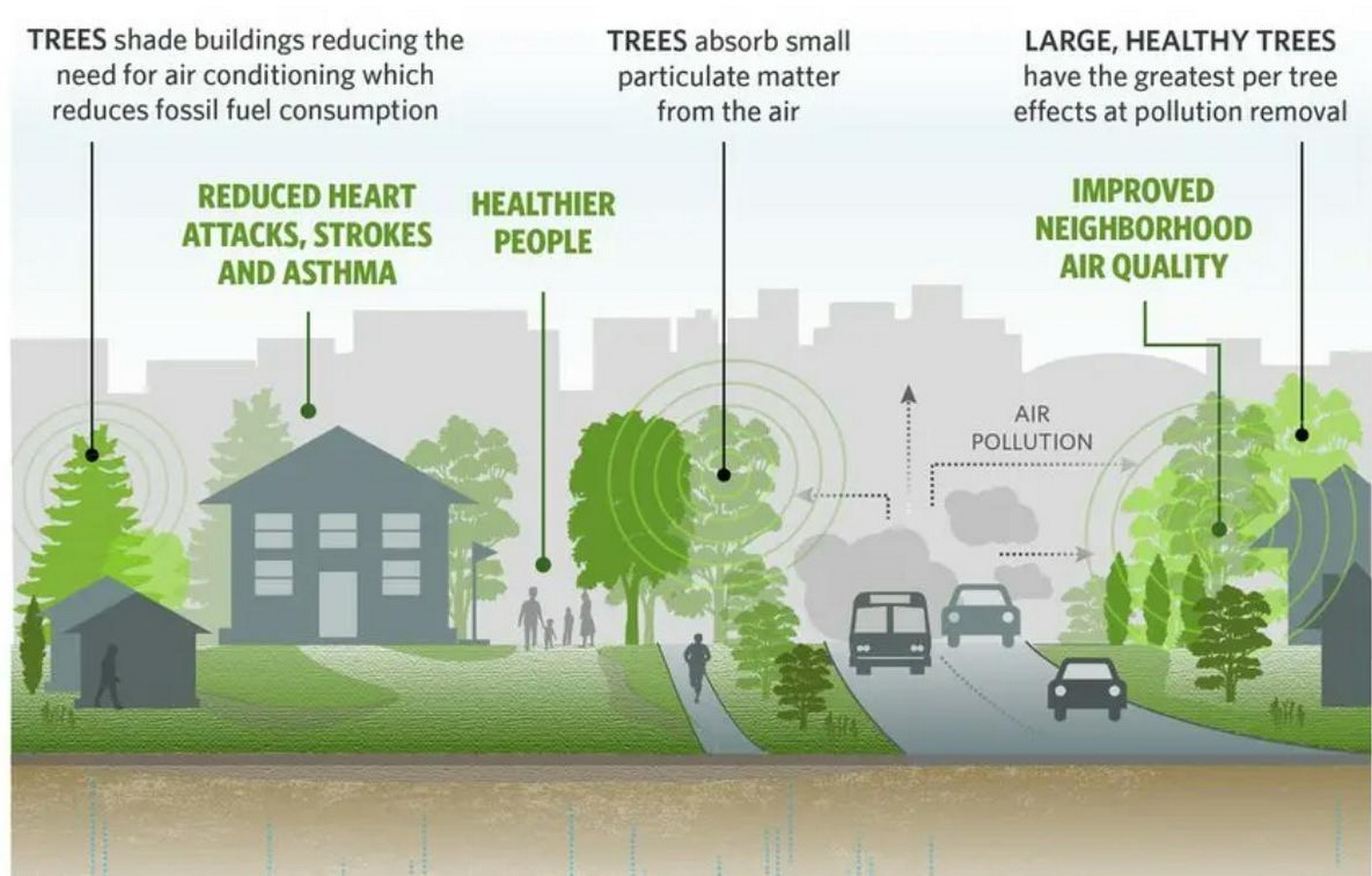
Urban greening contributes significantly to enhancing air quality due to the fact that it purifies the air from poor air pollutants such as particulate matter (PM2.5) and nitrogen dioxide (NO2). They are intercepted by vegetation and the tree surface and leave less in the air. According to “Landscape and Urban Planning” research, for example, London‘s urban forest was shown to cleanse 850 to 2,000 tonnes of particulate pollution from the atmosphere annually. This type of natural air purification lowers the risk to respiratory health, especially where population density is great, and highlights the importance of green space within urban planning.
Challenges
Urban parks as climate buffers present several challenges in their implementation. To answer that first, space in rapidly expanding cities is scarce and thus inhibits the possibility of expanding space to parks, gardens, and green corridors necessary in preventing heat and improving air quality. Land supply in high-density cities typically arrives in competition with housing and infrastructure needs. Second, upkeep is costly; year-round irrigation, pest control, and grounds maintenance expenses are a strain on municipal budgets, especially in low-water resource or drought-affected areas. Third, equity is a problem as poor neighborhoods lack parkland, depriving disadvantaged populations of climatic advantages of shade, cooling, and clean air. Besides, problems of pollution, soil pollution, and lack of engagement of the common population can hinder the efficiency and long-term resilience of urban parks as climate buffers. Proper planning, cautious finances, and inclusive policy with attention to environmental justice are needed to put an end to such problems.
Urban green spaces are inexpensive and multifunctional climate buffers that provide essential services such as urban cooling, carbon sequestration, flood protection, and increased public health values. Though possessing such disadvantages as limited space, maintenance costs, and social inequity, their long-term benefits come out ahead of the costs. Cities must adopt new, context-driven design concepts, offer equal access to all neighborhoods, and involve citizens in planning and maintenance to realize their full potential. If so, urban parks are fair, sustainable options at the heart of making cities sustainable.
Reference:
- https://www.researchgate.net/publication/387309780_The_Role_of_Urban_Green_Spaces_in_Mitigating_Urban_Heat_Island_Effect_Amidst_Climate_Change
- https://www.plt.org/educator-tips/urban-green-spaces/
- https://pmc.ncbi.nlm.nih.gov/articles/PMC6888177/
- https://citychangers.org/singapore-gardens-by-the-bay/
- https://www.theguardian.com/environment/2024/feb/23/botanical-gardens-most-effective-green-space-at-cooling-streets-in-heatwaves
- https://19january2021snapshot.epa.gov/sites/static/files/2017-02/documents/omaha_report_final_011917-no_appends_508.pdf
- Matthew Tallis, G. T.-S. (2011). Estimating the removal of atmospheric particulate pollution by the urban tree canopy of London, under current and future environments. Landscape and Urban Planning, Volume 103.
- https://www.woodlandtrust.org.uk/trees-woods-and-wildlife/british-trees/tackling-air-pollution-with-trees
- https://www.researchgate.net/publication/381168100_Urban_Roadside_Flooding_Analysis_Using_SWMM_A_Case_Study_of_a_Road_Section_in_Pokhara_Metropolitan_City_Nepal
- https://www.nepjol.info/index.php/josem/article/view/61021
- https://www.bbc.com/news/science-environment-37813709
- Bulkeley, H. (2013). Cities and climate change. Routledge.
- Gill, S. E., Handley, J. F., Ennos, A. R., & Pauleit, S. (2007). Adapting cities for climate change: The role of the green infrastructure. Built Environment, 33(1), 115-133.
- Jaganmohan, M., et al. (2016). Cost-benefit analysis of urban green infrastructure in the context of climate adaptation. Environmental Science & Policy, 66, 43-53.
- Kabisch, N., & Haase, D. (2014). Green justice or just green? Provision of urban green spaces in Berlin, Germany. Landscape and Urban Planning, 122, 129-139.
- Kabisch, N., Qureshi, S., & Haase, D. (2015). Human–environment interactions in urban green spaces — A systematic review of contemporary issues and prospects for future research. Environmental Impact Assessment Review, 50, 25-34.
Wolch, J. R., Byrne, J., & Newell, J. P. (2014). Urban green space, public health, and environmental justice: The challenge of making cities ‘just green enough’. Landscape and Urban Planning, 125, 234-244.