Walk through any major city today, such as Mumbai, Singapore, Rotterdam, and everything you see is the result of decades of human decision-making: where roads go, how dense a neighbourhood becomes, which areas get parks and which get bypassed. However, with the recent development in technology, especially Artificial Intelligence (AI), humans are not the only decision makers in urban planning. AI has emerged as a co-designer, evolving from a mere tool for consolidating data to a high-powered generator. It can transform a simple sketch into a realistic render within seconds, and it can also analyse data at a speed much faster than that of human designers. Today, the use of AI has increased drastically from just helping with the visualisation to helping designers make informed decisions.
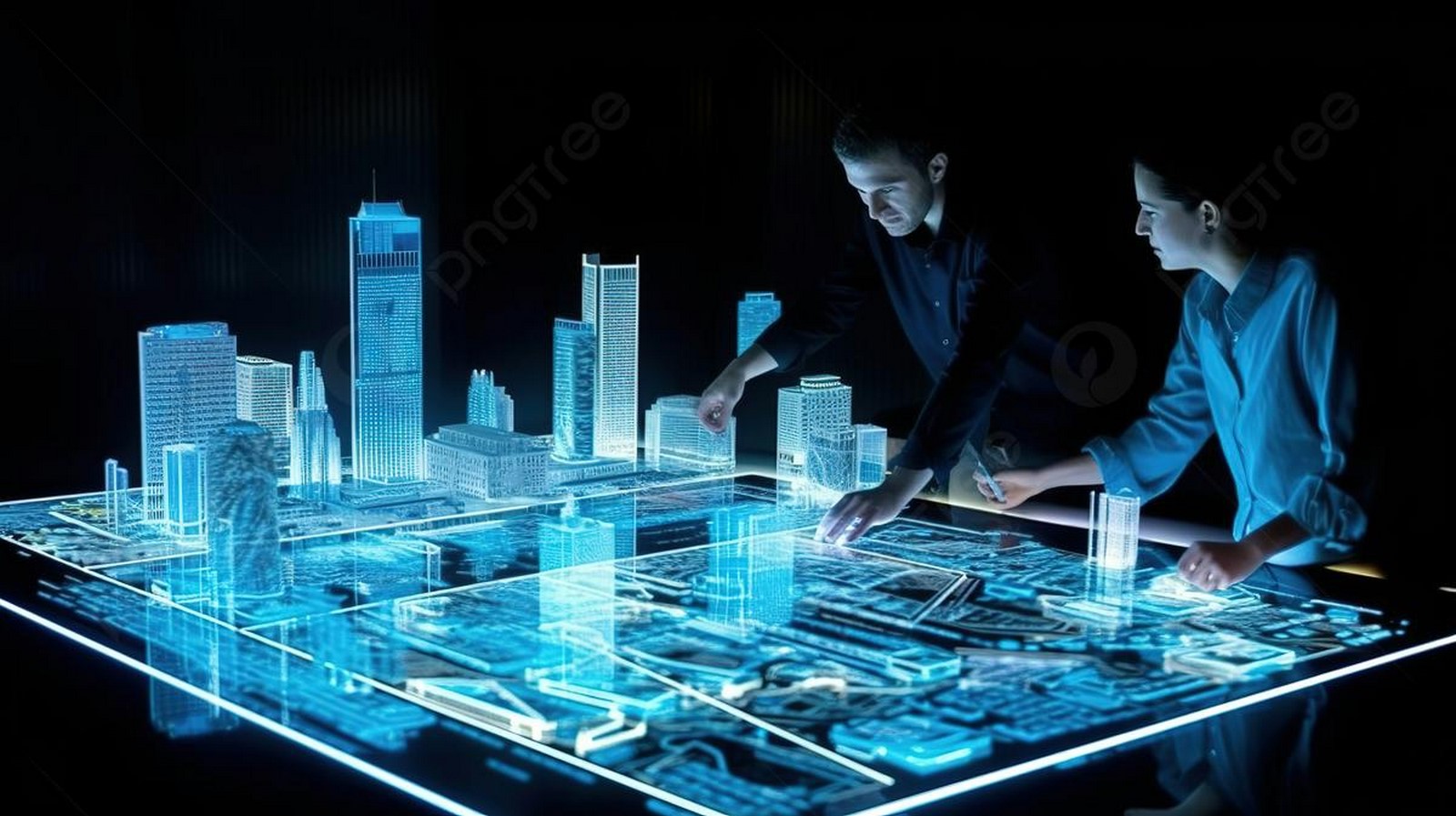
With increasing development, the world faces growing challenges, such as climate change, rapid urbanisation, and housing shortages. Designing in these times means thinking beyond the conventional planning methods that have been used for the past many decades. Thus, AI has become a tool that cannot be overlooked in the multiple possibilities it presents. It is being used to generate spatial layouts, model climate scenarios, simulate disasters, and involve communities in design decisions. The question is no longer whether it belongs in the process; it is how to use it well.
AI as Design Partner
In the early development of AI and its introduction in architectural and construction practices, it served a very superficial role. Used mainly to generate renders, visualise concepts and ideas, and develop aesthetic graphics to make the presentation look more compelling, AI was more about treating the end-product. But that has changed considerably in the past five years. Now, it is more than just a filter to make renders look better. It has been involved in the early planning processes to the final execution, not just in residential projects but on large scales of commercial architecture and urbanism. Thus, AI’s role has evolved from being used as a presentation tool to an essential assistant in the problem definition stage. It helps designers identify constraints, analyse a variety of data, test assumptions, and explore multiple solutions before committing to the most suitable approach (Holmes, 2023).
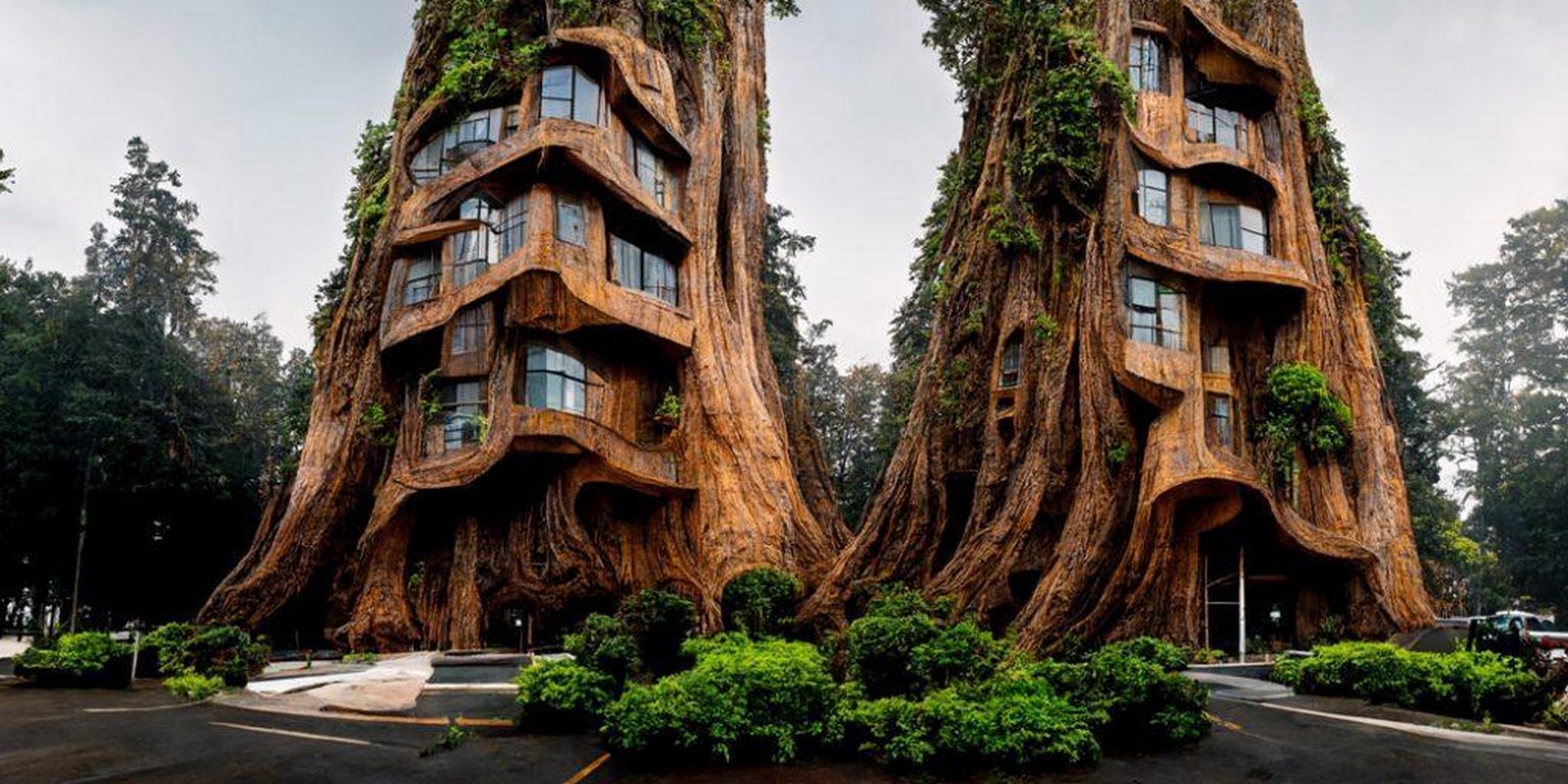
Architect Manas Bhatia has worked with AI image generation for architecture to develop his concept for Symbiotic Architecture. These images explore nature’s cohesion with construction, generating sustainable and eco-friendly buildings for the future of humanity. These images, though interesting to see from an imaginary perspective, are proof of what AI can achieve in the field of urban planning. The issue with conventional design processes has never been a shortage of problems to solve, but a shortage of time and resources to properly explore them. AI addresses that specific bottleneck (Holland, 2022).
From Smart Cities to AI Urbanism
The time period from 2000-2010 represents the era of smart cities, a global approach to building cities based on data. The concept behind these cities was fairly simple: instrument the city, collect the data, optimize the systems. It produced real results, but also utilised expensive infrastructure that did not deliver as well as expected. However, the recent developments in AI have opened new possibilities for smart cities. From smart cities, the world is progressing to AI Urbanism. Instead of using AI as just a management tool, AI Urbanism places AI as an active agent in urban development. Now, it can shape land use, influence spatial outcomes, and make decisions that previously belonged exclusively to human professionals (Cugurullo et al., 2023).
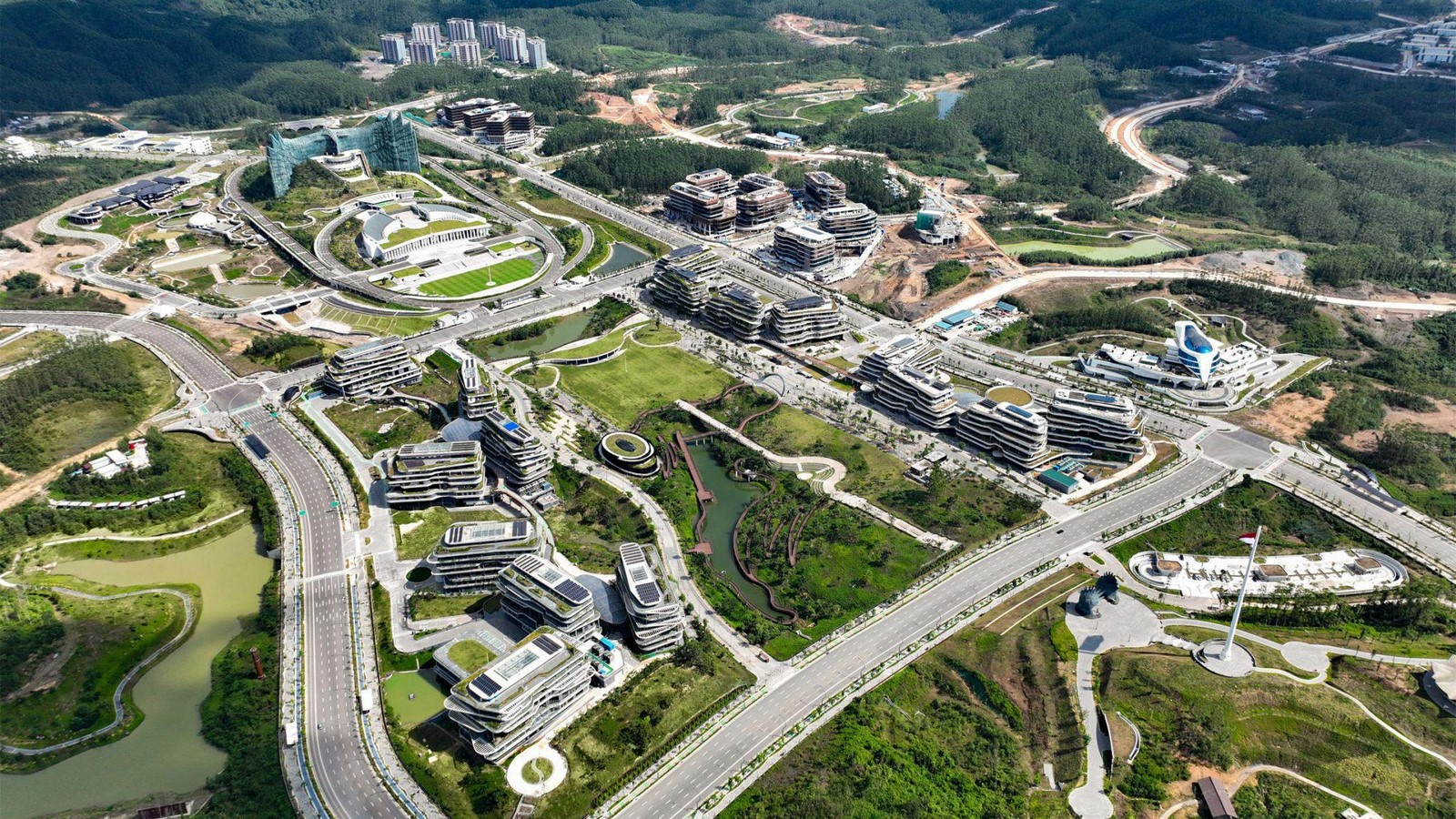
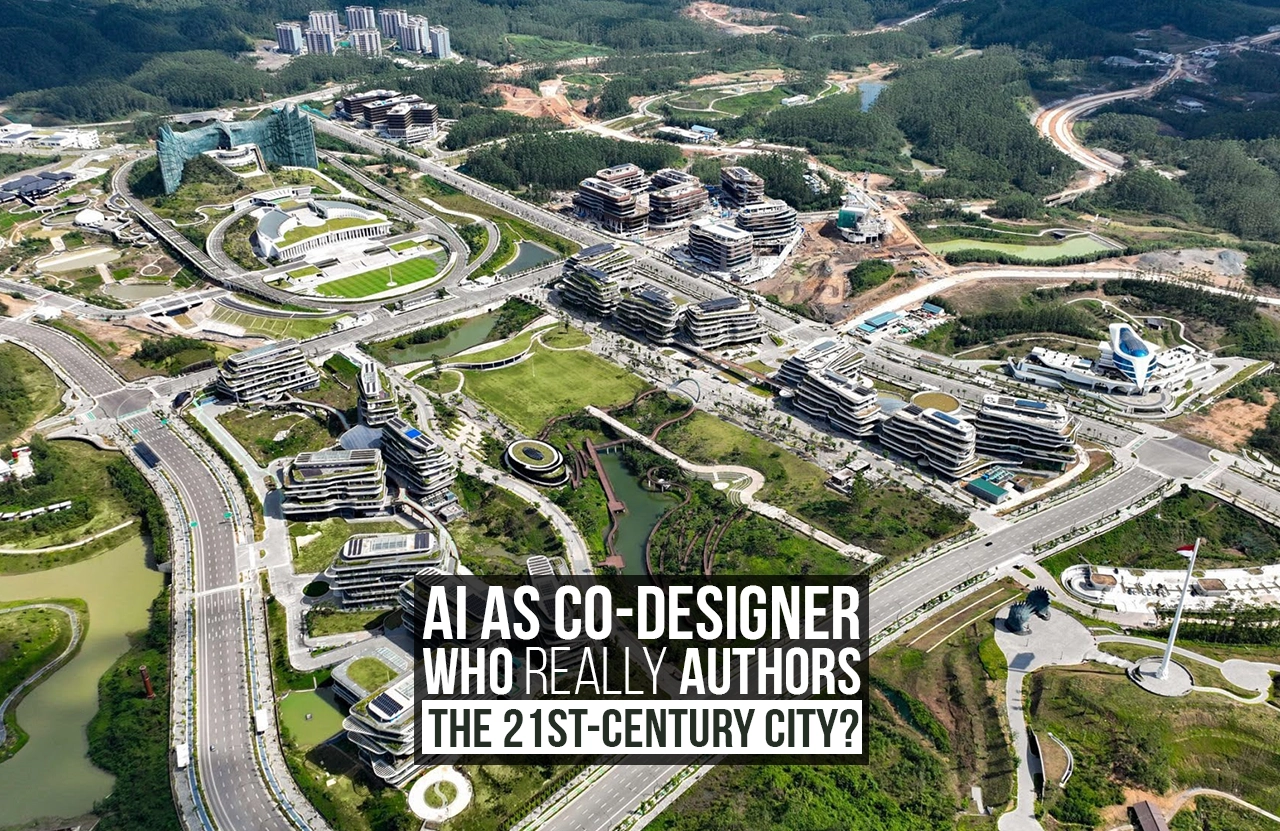
An example of this human-AI integration in the design process and decisions is Indonesia’s new capital city, the Nusantara project. It is currently under development in East Kalimantan and has been planned with the help of AI tools from the very beginning. A study on the Nusantara project shows that, unlike common belief, AI integration in the project does not replace human judgment. However, it is also not just a passive tool but an active agent in design and planning. The Nusantara project is therefore a collaboration of humans and AI as co-designers, with AI handling data processing, option generation, and environmental modelling, while human planners retained decision-making authority over the outcomes (Toyyibah et al., 2024).
What Architects Think About AI Integration
The professional response to AI in urban planning and architecture has been rather mixed. It is neither wholesale enthusiasm nor straightforward resistance. A 2025 survey conducted by the American Institute of Architects found that architects were excited about AI’s potential to handle repetitive tasks, accelerate early-stage design work, and expand the range of options available to clients. At the same time, they were concerned about authorship, liability, and the long-term implications for the profession. Thus, practitioners acknowledge that AI is unlikely to replace the architect entirely because the relational, contextual, and site-specific nature of design work resists full automation. Given the developments in these technologies, very few architects are under the illusion that the profession will remain unchanged by AI (Russo, 2025).
Challenges and Ethical Considerations
AI also presents its own set of challenges and ethical concerns. Using this technology at such a large scale, while helpful in many ways, can also reproduce and increase existing inequalities at a scale and speed that human oversight cannot easily catch. AI functions on algorithms, and algorithmic bias is a real concern for designers. AI systems trained on historical urban data will reproduce the inequalities embedded in that data unless active steps are taken to prevent it. Thus, If a city historically neglected poor neighbourhoods, an AI trained on that data will keep ranking them as low priority. This doesn’t mean the AI is biased, but it is repeating the unfair patterns it was trained upon (Sanchez, Brenman and Ye, 2024).
When a designer makes a bad decision, there is a paper trail connected. But a bad decision made by an algorithm is hard to trace. Another challenge is that AI works better in cities with rich, well-maintained datasets. Smaller cities, especially those in the Global South, do not have that infrastructure. Introducing AI in these cities might not yield as well-informed results as cities like Singapore and Zurich. Integrating AI might make prosperous cities more efficient while unable to yield the same results for cities that lack the data and infrastructure for it to train upon. On the other hand, data privacy is another concern for people living in AI-integrated cities as these systems gather a lot of information about how people move, work, and live, often without meaningful consent.
AI in urban planning is already past the experimental stage. It is being used to design capital cities, manage urban traffic systems, and reshape how architects approach the earliest stages of a project. AI is fast, consistent, and capable of processing data at a scale no human team can match. Planners bring contextual judgement, community relationships, cultural knowledge, and ethical accountability. A system that discards either is worse than one that combines both. Thus, AI as a co-designer has revolutionised modern urban planning already and will continue to do so, provided that it is used ethically and in close collaboration with human designers.
References:
Cugurullo, F., Caprotti, F., Cook, M., Karvonen, A., Mc̱GuirkP. and Marvin, S. (2023). The rise of AI urbanism in post-smart cities: A critical commentary on urban artificial intelligence. Urban Studies, 61(6). doi:https://doi.org/10.1177/00420980231203386.
Cummings, M. (2025). How might AI affect architects? A Yale expert weighs in. [online] Yale News. Available at: https://news.yale.edu/2025/04/23/how-might-ai-affect-architects-yale-expert-weighs.
Dong, B. and Lechot, C. (2024). Generative AI in Urban Planning – a Prototype. [online] ArcGIS Blog. Available at: https://www.esri.com/arcgis-blog/products/city-engine/design-planning/generative-ai-in-urban-planning.
Holland, O. (2022). An architect asked AI to design skyscrapers of the future. This is what it proposed. [online] CNN. Available at: https://edition.cnn.com/style/article/ai-architecture-manas-bhatia.
Holmes, J. (2023). Vision Setting and Problem Solving: AI in Architecture Is Changing Design. [online] Autodesk.com. Available at: https://www.autodesk.com/design-make/articles/ai-in-architecture.
Russo, M. (2025). Architects are excited about the potential of AI, but concerns abound. [online] The American Institute of Architects. Available at: https://www.aia.org/aia-architect/article/architects-are-excited-about-potential-ai-concerns-abound.
Sanchez, T.W., Brenman, M. and Ye, X. (2024). The Ethical Concerns of Artificial Intelligence in Urban Planning. Journal of the American Planning Association, 91(2), pp.1–14. doi:https://doi.org/10.1080/01944363.2024.2355305.
Toyyibah, W., Chandra, M.F.W., Sishartami, D.R.W., Belinda, B.P., Abidzar, F. and Winarso, H. (2024). Human natural and artificial intelligence collaboration in urban design: a case study of Indonesia’s new capital city. IOP Conference Series Earth and Environmental Science, 1394(1), pp.012030–012030. doi:https://doi.org/10.1088/1755-1315/1394/1/012030.