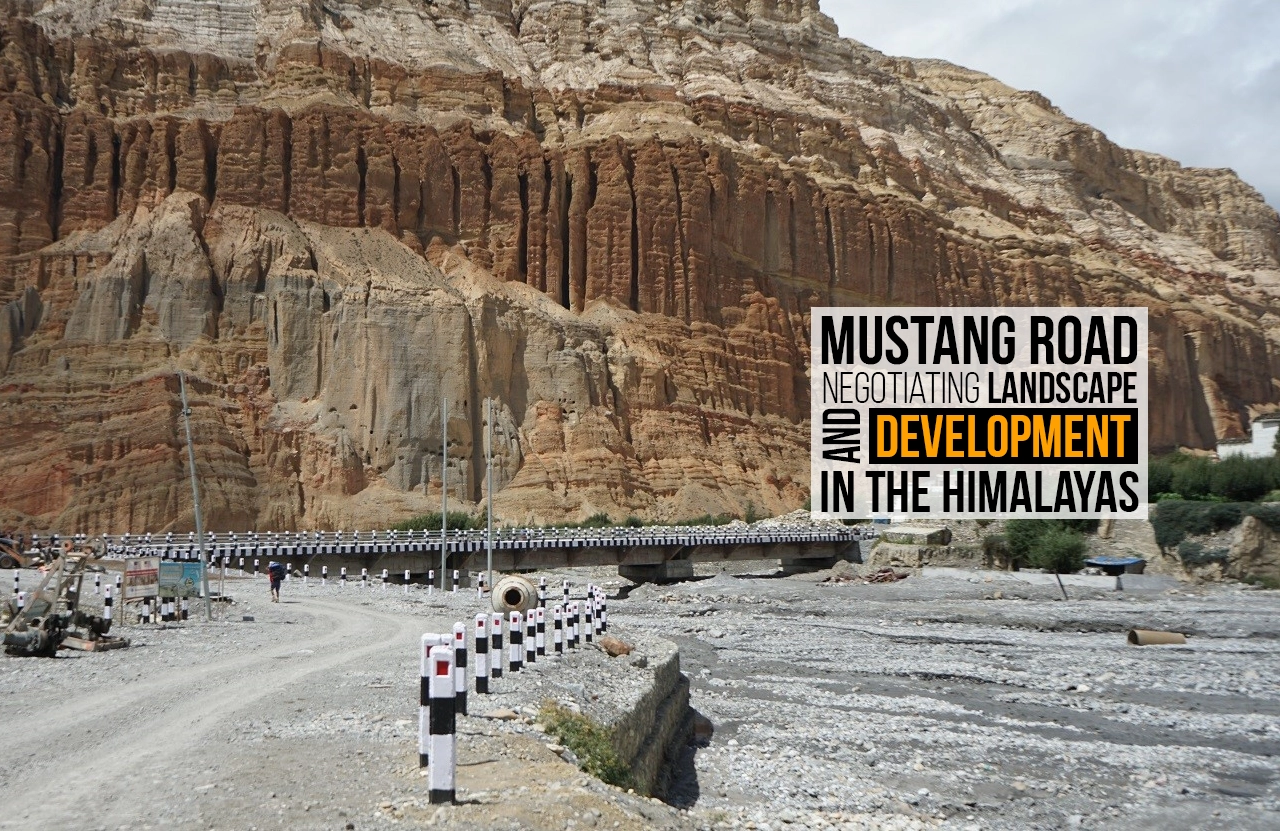
Mustang Road Nepal connects Beni to Upper Mustang, a previously isolated territory located in one of the Himalayas’ most breathtaking and vulnerable environments. This route has transformed accessibility in a region formerly known for isolation and difficult terrain. For years, getting to Mustang took several days of travel or expensive flights. Today, Mustang Road Nepal has substantially reduced isolation, enabling for faster movement of people, goods, and services.
Mustang Road Nepal emphasizes Nepal‘s overall ambition for infrastructure development and regional connectivity. However, this transformation does not occur without consequences. The corridor offers economic benefits while also raising concerns about environmental degradation and cultural shifts. As a result, Mustang Road Nepal provides an essential case study for understanding how infrastructure interacts with fragile terrain.
Engineering in a Dynamic Terrain
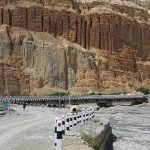
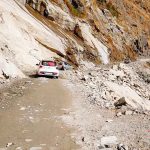
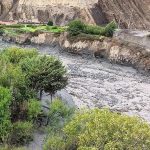
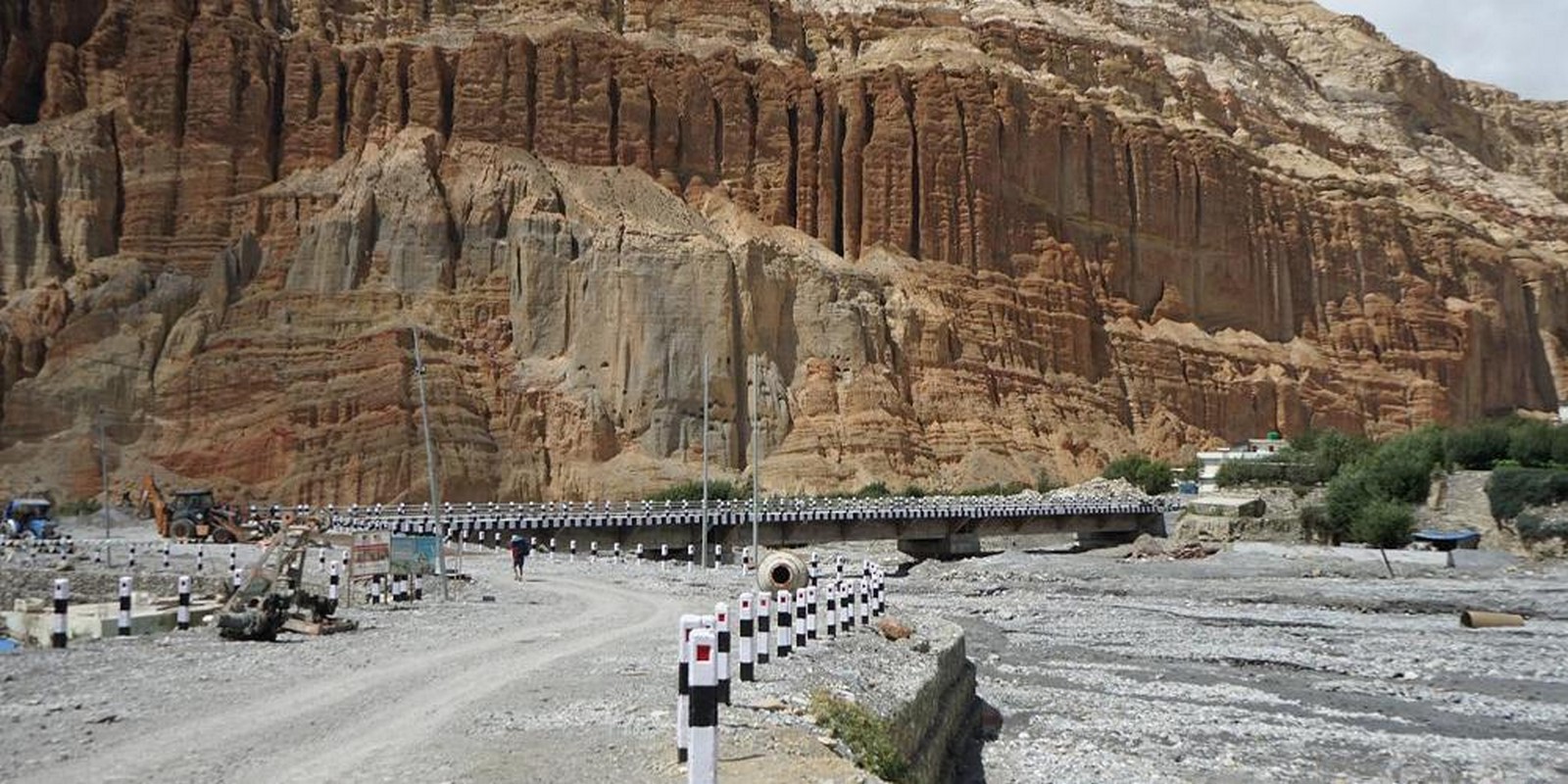
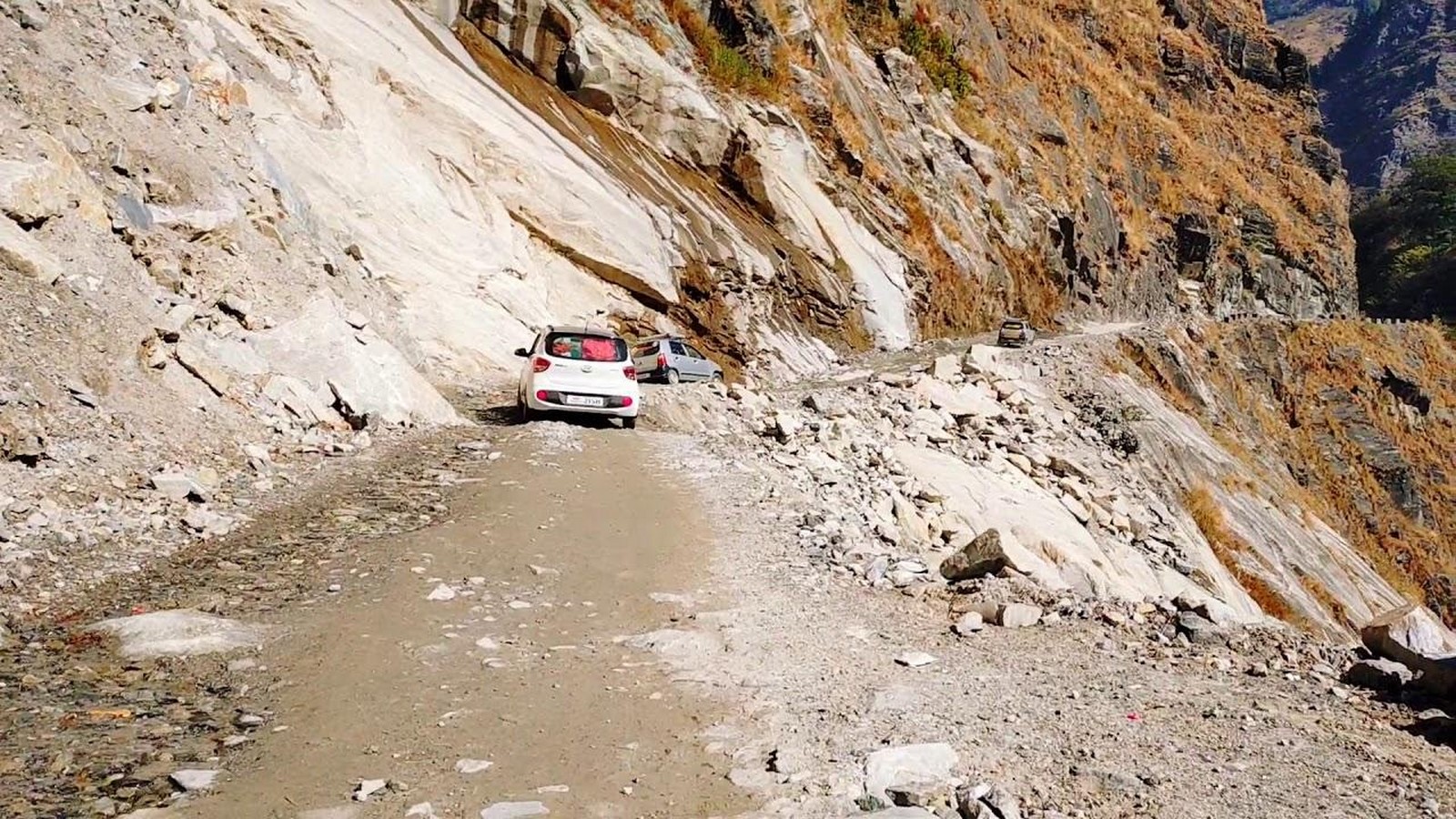
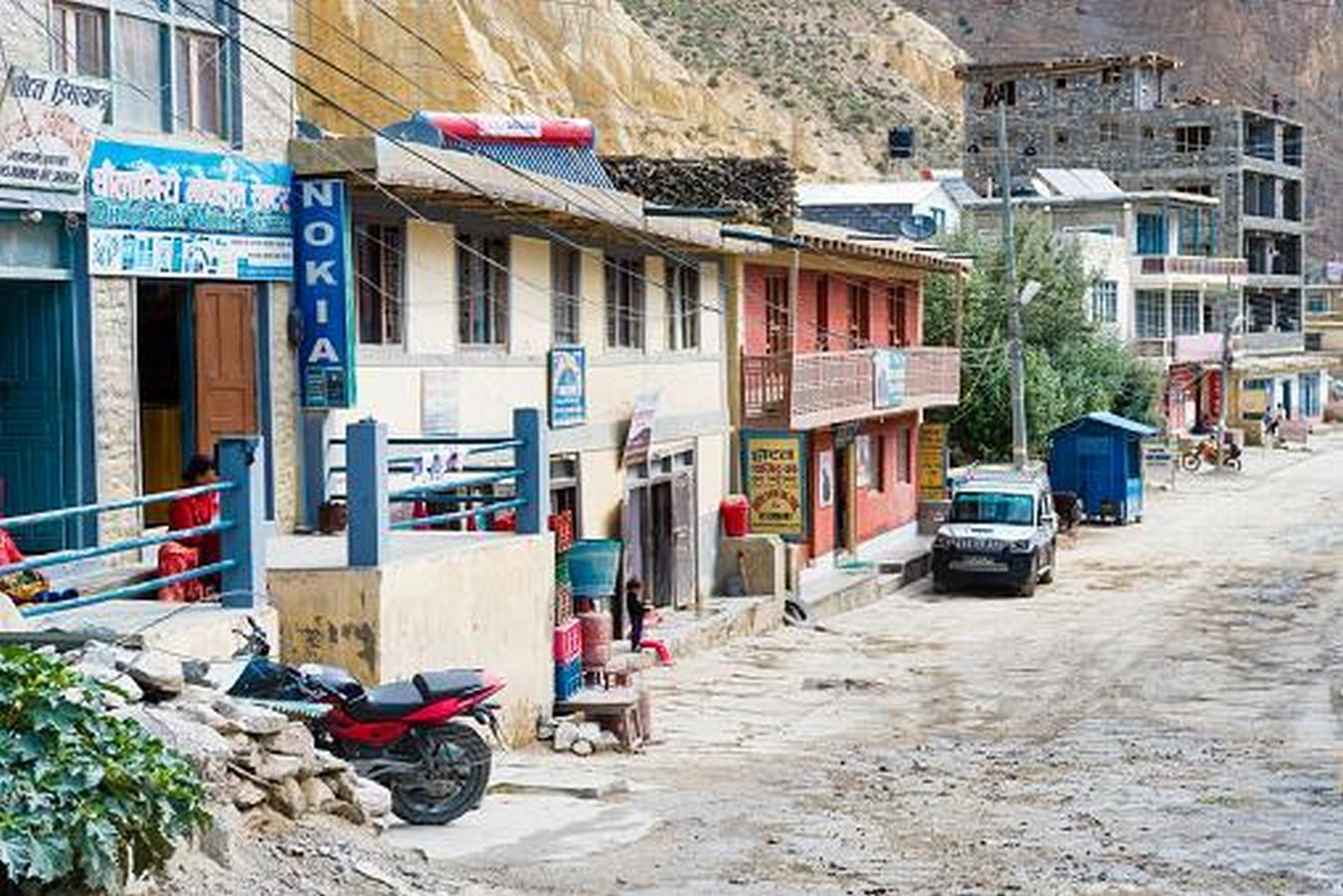
Mustang Road in Nepal traverses one of the Himalayas‘ most geologically active sections. The path follows the Kali Gandaki gorge, which is characterized by steep slopes, erodible soil, and frequent landslides. These circumstances make road building and maintenance more difficult. Much of Mustang Road Nepal is unpaved, with gravel tracks prone to seasonal degradation.
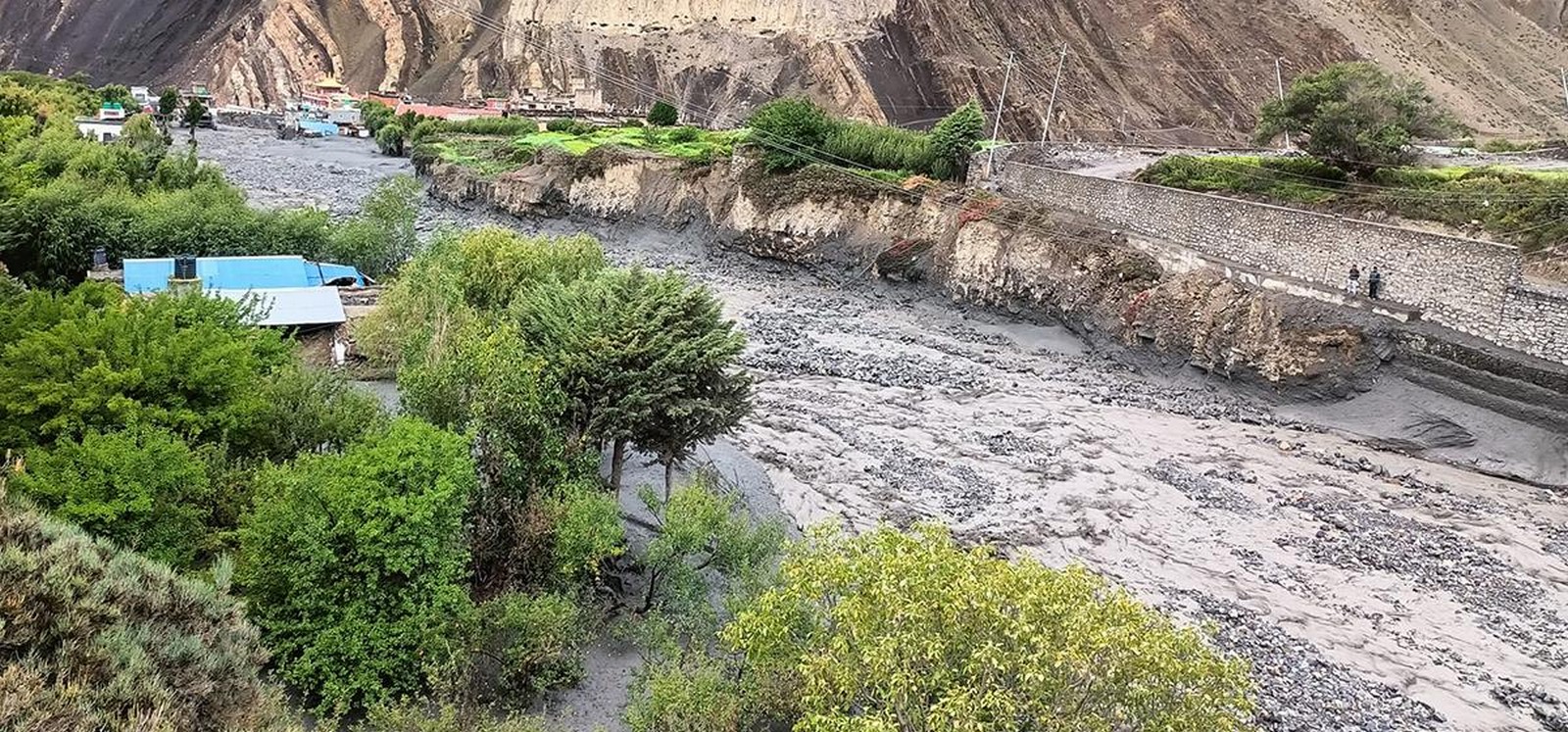
During the monsoon season, landslides and river erosion frequently affect sections of the Mustang Road Nepal. Mountain roads, according to the Nepalese government, require regular monitoring and adaptive repair due to the country’s unstable topography. As a result, the road’s state varies throughout the year, demonstrating the challenge of imposing permanent infrastructure in such a changing environment.
Economic Opportunities and Shifts
Mustang Road Nepal has provided significant economic benefits to the region. Transporting products used to take several days of hard labor but can now be finished in hours. This has increased access to basic supplies and cut transportation expenses for local populations.
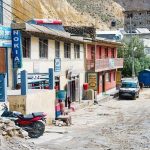
Mustang Road Nepal has also boosted tourism. Jomsom and Upper Mustang have become more accessible, boosting visitor numbers and fostering the expansion of hospitality services. The Nepal Tourism Board adds that better road connectivity has helped to diversify tourism outside traditional trekking routes (Nepal Tourism Board, 2021). However, economic gains remain uneven, with settlements closest to the road reaping more benefits than more isolated regions.
Cultural and Social Transformations
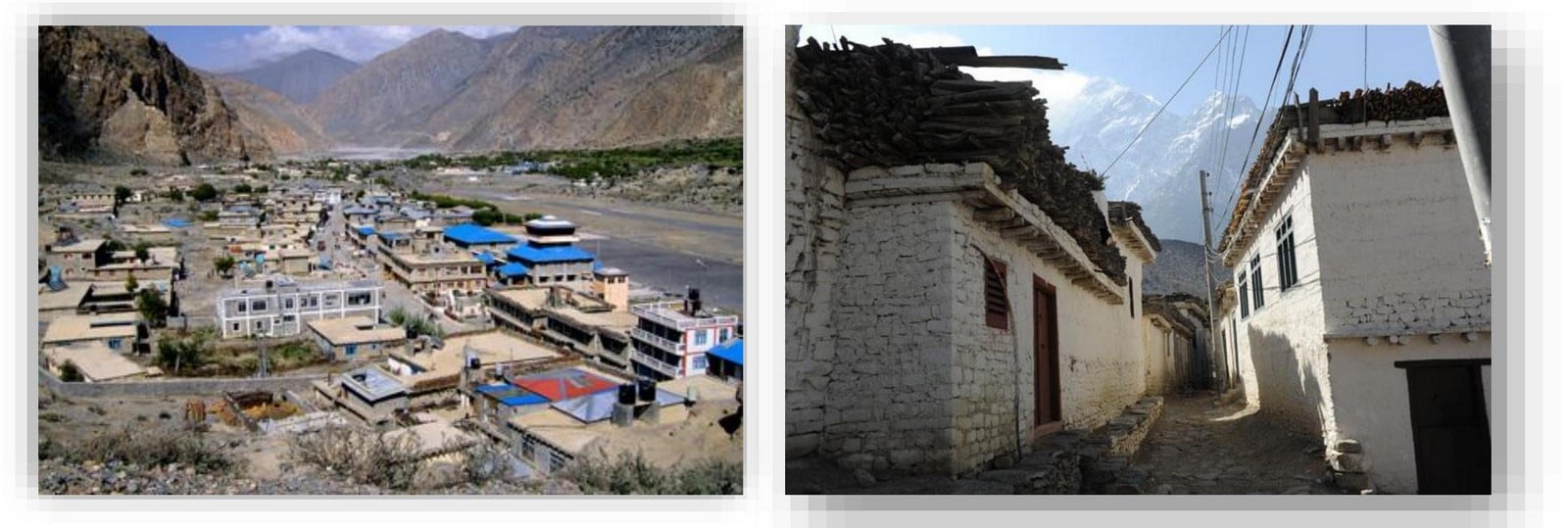
The Mustang Road in Nepal has had an impact on regional cultural and socioeconomic traditions. Mustang is noted for its Tibetan Buddhist tradition, which has historically survived due to low foreign contact. Increased accessibility has brought about new cultural influences, which are gradually changing old behaviors and lifestyles.
Improved mobility has increased access to education, healthcare, and job opportunities. Younger populations are becoming more connected to metropolitan areas, leading to migration and shifting ambitions. According to research, road expansion in mountain regions frequently accelerates sociocultural transformation (Shrestha 2018). Mustang Road Nepal thus serves as both a physical connector and a catalyst for social development.
Environmental Challenges
The sensitivity of the Himalayan ecosystem makes the environmental impact of Mustang Road Nepal substantial. Unpaved parts produce dust, which has an impact on air quality and agricultural output. Road building has further exacerbated slope instability, increasing the incidence of landslides.
Increased motor traffic along Mustang Road Nepal has resulted in higher garbage generation, notably in tourist regions. To minimize long-term environmental damage, ICIMOD believes that infrastructure development in alpine regions must strike a balance between accessibility and ecological preservation. Climate variability exacerbates these issues, making maintenance more complex and unpredictable.
Mustang Road Nepal is a critical infrastructure project that has altered connectivity in one of Nepal’s most inaccessible areas. It has increased access to services, boosted economic growth, and facilitated mobility. Simultaneously, it has raised environmental stress and accelerated cultural transformation.
Mustang Road Nepal’s future hinges on implementing context-sensitive techniques that combine engineering, environmental awareness, and indigenous understanding. Addressing these difficulties will ensure that the route continues to benefit communities while also protecting Mustang’s distinctive terrain and legacy.
References:
Department of Roads Nepal (2020) Strategic Road Network of Nepal. Kathmandu: Government of Nepal.
ICIMOD (2019) Mountain Infrastructure and Sustainable Development in the Himalayas. Kathmandu: International Centre for Integrated Mountain Development.
Nepal Tourism Board (2021) Tourism Statistics of Nepal. Kathmandu: Government of Nepal.
Shrestha, B. (2018) ‘Road Development and Its Socio Cultural Impact in Mustang’, Journal of Himalayan Studies, 12(2), pp. 45 to 62.