Mattancherry is a historic ward of Kochi, Kerala. Mattancherry is home to many sites of historical and cultural significance, including the Paradesi Synagogue, which was the centre of life in the Jewish Quarter. Many of the landmarks in Mattancherry are listed as monuments of national importance.
Paradesi Synagogue
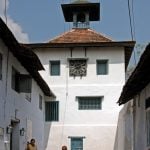
The Paradesi Synagogue, or the Mattancherry Synagogue, is located in Jew Town, Mattancherry, and is the only one of the seven synagogues in the area still in use. The complex has four buildings. It was built adjacent to the Mattancherry Palace temple on the land given to the community by the Raja of Kochi, Rama Varma. The Mattancherry Palace temple and the synagogue share a common wall.
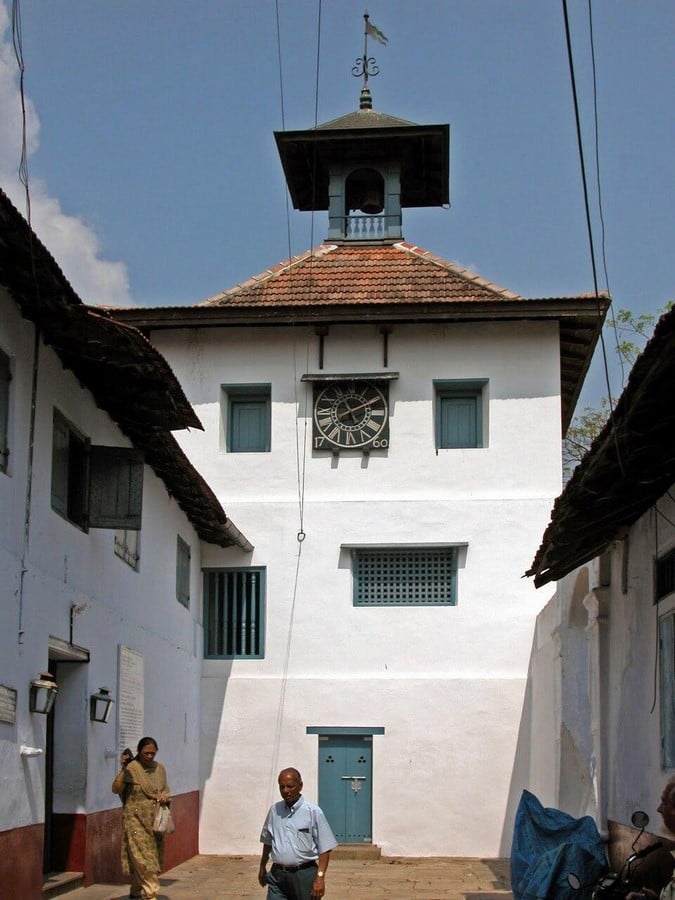
In 1568, Paradesi Jews constructed the Paradesi Synagogue. The Paradesi Synagogue has the scrolls of the law, several gold crowns received as gifts, many Belgian glass chandeliers, and a brass-railed pulpit. It houses the 10th-century copper plates and privileges given to Joseph Rabban, the earliest known Cochin Jew. These two plates were inscribed in Old Malayalam by the ruler of the Malabar Coast. The floor of the synagogue is composed of hundreds of Chinese 18th-century, hand-painted porcelain tiles, each of which is unique. A hand-knotted Oriental rug was a gift from Haile Selassie, the last Ethiopian emperor. The synagogue has an 18th-century clock tower, which, along with the other parts of the complex, was restored between 1998 and 1999 by the architect Karl Damschen under the direction of the World Monuments Fund.
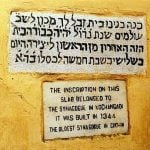
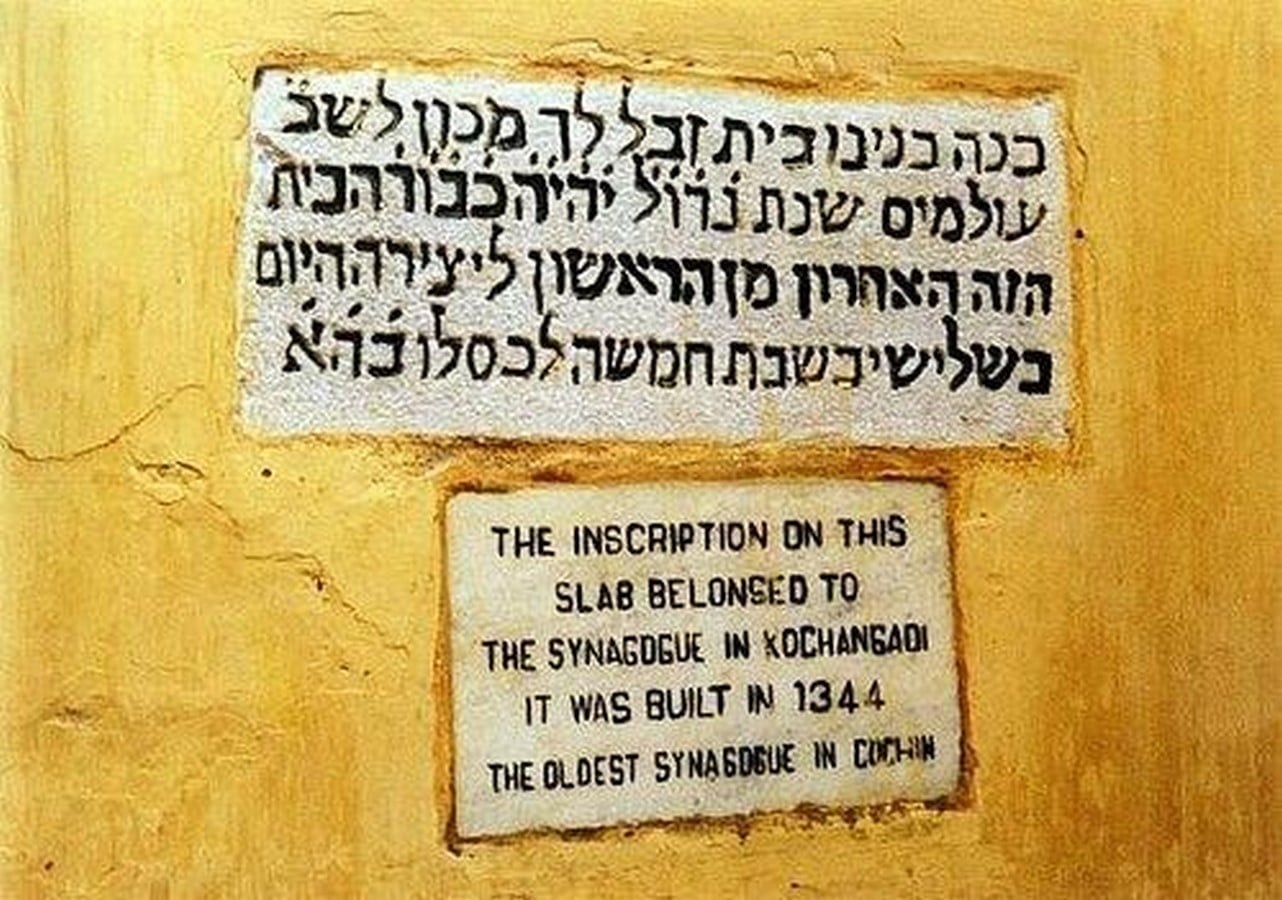
A tablet from the former Kochangadi Synagogue (1344) in Kochangadi, south of the Jew town in Kochi, was installed on the outer wall of the Paradesi Synagogue. The inscription states that the structure was built in 5105 (in the Hebrew calendar) as “an abode for the spirit of God”. This tablet was initially discovered inserted in the wall of the Kadavumbhaagam, Mattancherry Synagogue, during restoration work.
Aspinwall House
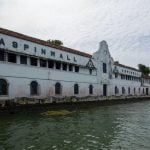
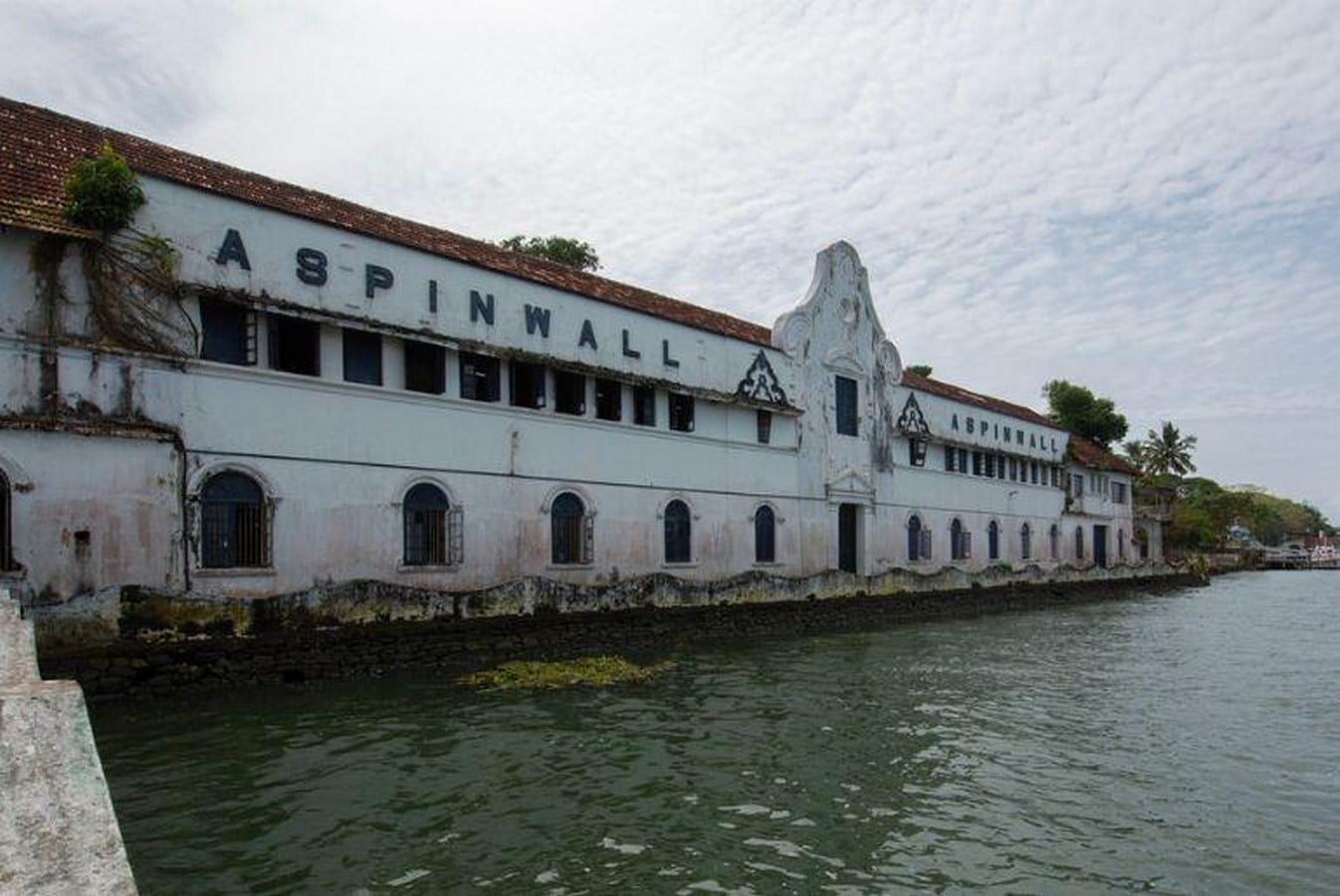
Aspinwall House is a large sea-facing heritage property in Fort Kochi on the way to Mattancherry. The property was originally the business premises of Aspinwall and Company Ltd, established in 1867 by the English trader John H. Aspinwall. Under the guidance of Aspinwall, the company traded coconut oil, pepper, tinder, lemon grass oil, ginger, turmeric, spices, hides and, later, coir, coffee, tea and rubber. The large compound contains office buildings, a residential bungalow and several warehouses and smaller outlying structures. Aspinwall will be a primary venue of the Biennale, hosting numerous artist-led projects and event spaces.
Dutch Palace
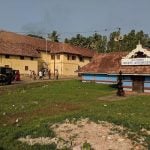
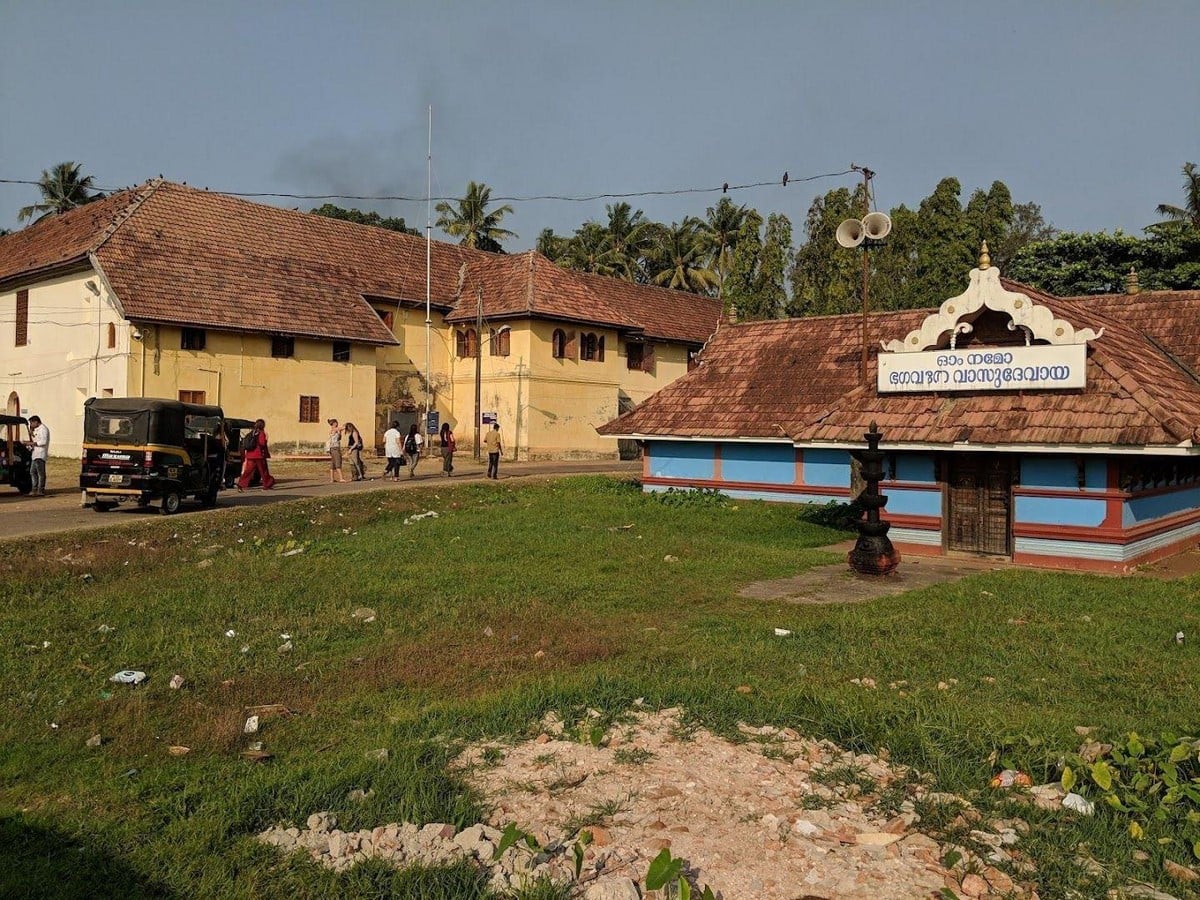
Mattancherry Palace, also known as Dutch Palace, is a stunning example of Kerala-style architecture with a touch of colonial influence. Originally constructed by the Portuguese in 1555 and later renovated by the Dutch, this palace is located just 10 km from main Ernakulam. The interiors are adorned with beautiful 17th and 18th-century murals depicting scenes from the epics Ramayana and Mahabharata.
Santa Cruz Cathedral Basilica
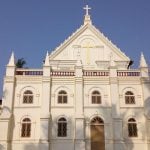
Santa Cruz Cathedral Basilica in Fort Cochin is a reconstructed 1880s Catholic church with a rich history dating back to the 1500s when it was originally built by the Portuguese. This magnificent structure stands out in dazzling white against the lush greenery of Kochi and boasts two spires that serve as a landmark for both locals and tourists.
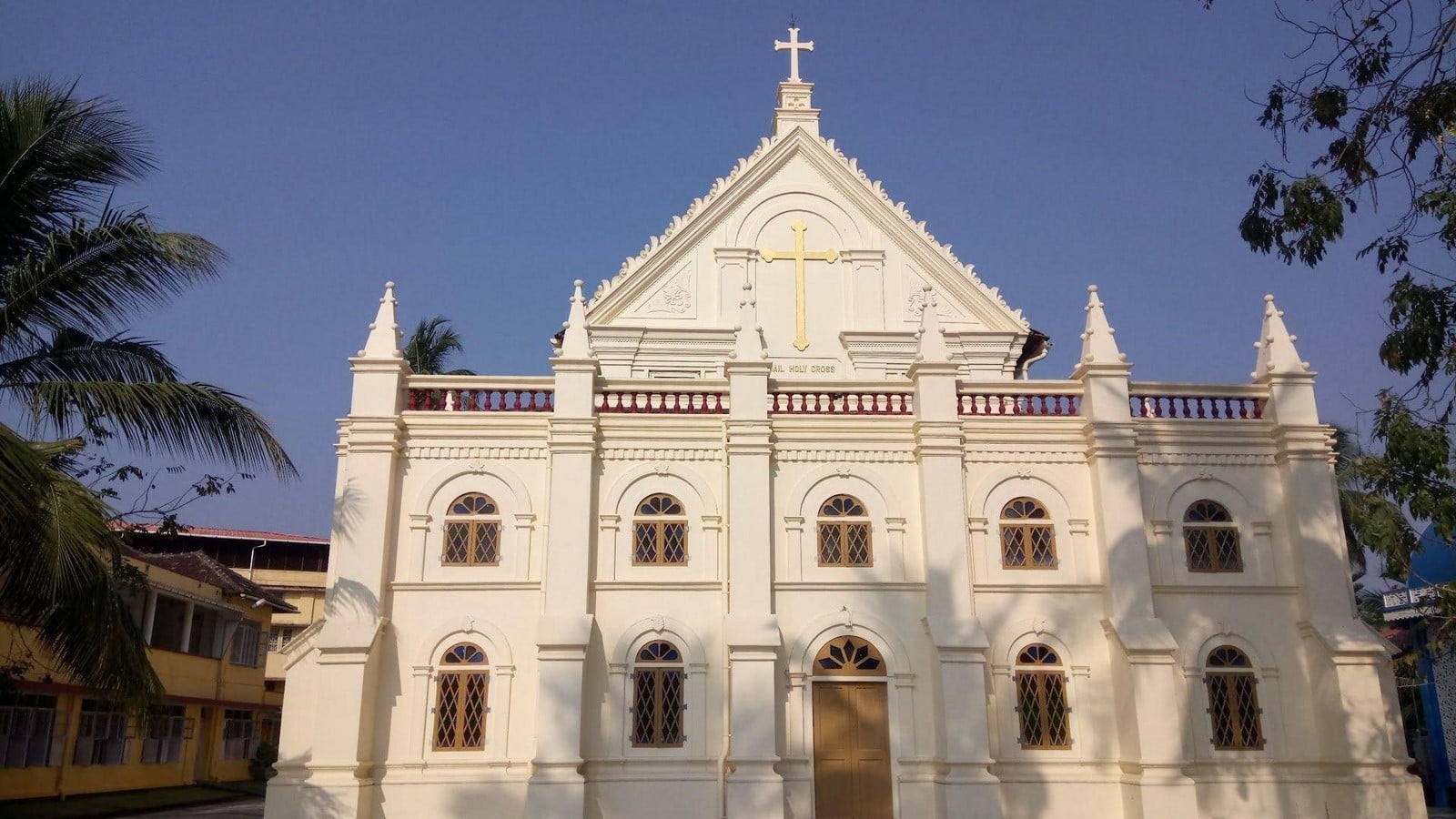
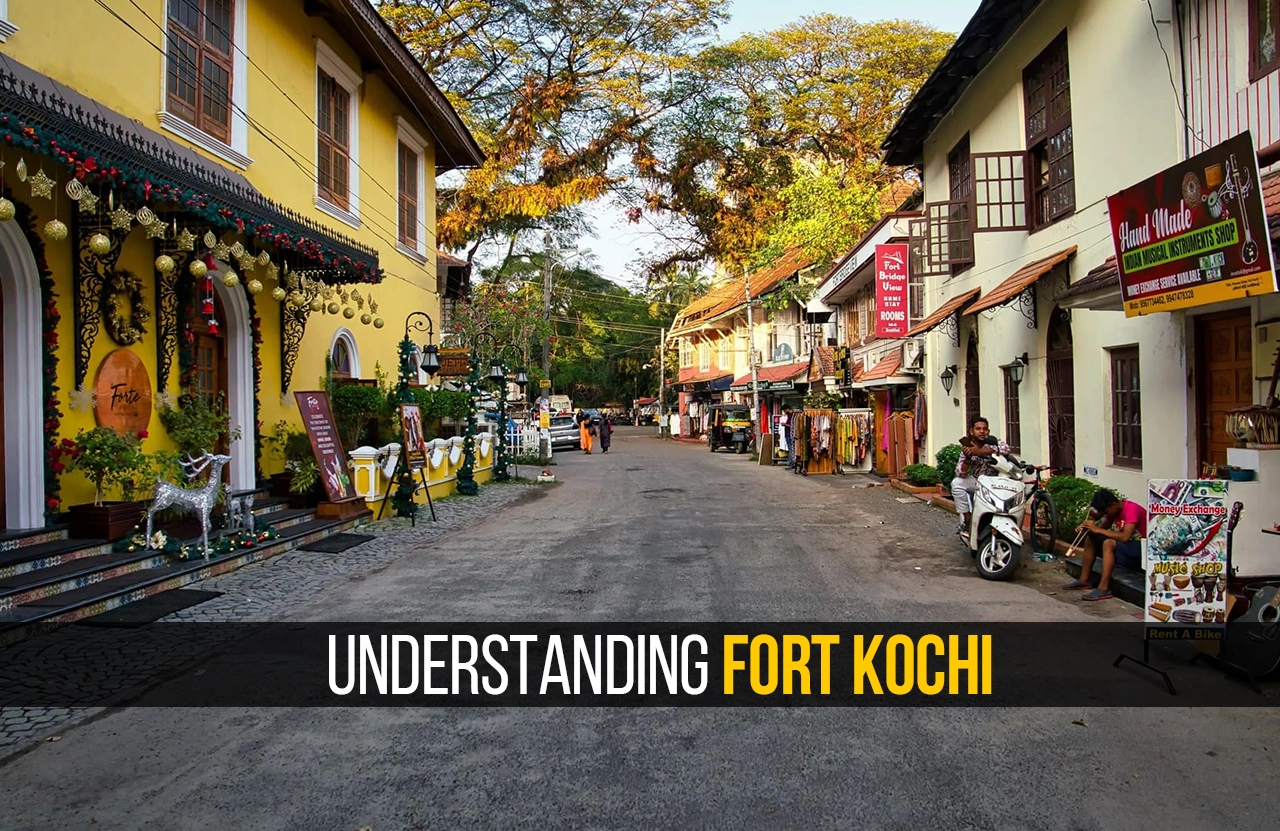
In a nutshell, Kochi, a vibrant city on the southwestern coast of India, is a treasure trove of history and culture waiting to be explored. With its unique blend of colonial architecture and rich multicultural heritage, this coastal gem offers visitors a glimpse into the past through its historic buildings and sites. From the iconic Chinese fishing nets that line the shores of Fort Kochi to the elegant Santa Cruz Cathedral Basilica, each landmark tells a story of the city’s diverse influences, including those of the Portuguese, Dutch, and British. As you wander through the charming streets of Kochi, you’ll encounter the majestic Mattancherry Palace, adorned with intricate murals and artefacts that reflect the region’s royal legacy. The serene atmosphere of Jew Town, with its quaint shops and the historic Paradesi Synagogue, invites you to delve deeper into the city’s Jewish heritage. Whether you’re an architecture enthusiast or a history buff, Kochi’s historic sites promise to captivate your imagination and inspire a sense of wonder.
Reference:
- Old monuments in Kochi