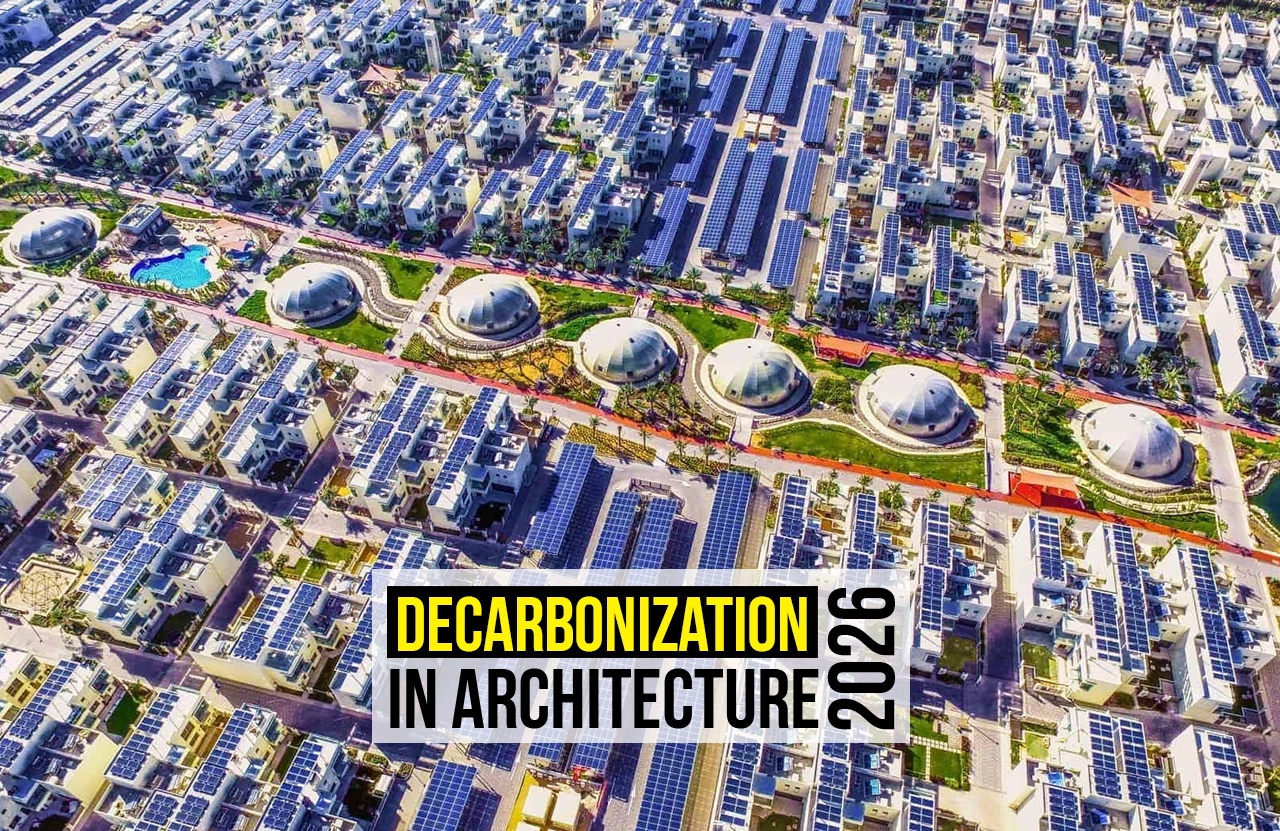
The term decarbonisation refers to the process of reducing or eliminating carbon dioxide and other greenhouse gas emissions from day-to-day activities. The main goal of decarbonisation is to reduce climate change by limiting global warming and its impacts, such as extreme weather, rising sea levels, and ecosystem disruptions.
What is Decarbonization in Architecture?
Narrowing in on architecture with respect to decarbonisation, some of the main factors for achieving this are building construction and materials, including, but not limited to, building techniques and technologies. Across the world, countries have been asked to come together to find a solution to this rapidly growing problem, to the point that certain regions have even pushed for policies and regulations to curb the harmful emissions from urban development. As a general starter, this can include using low-carbon materials, improving energy efficiency during construction and post-occupancy, and even switching to electric machinery and transportation.
Trends and Innovations in 2026
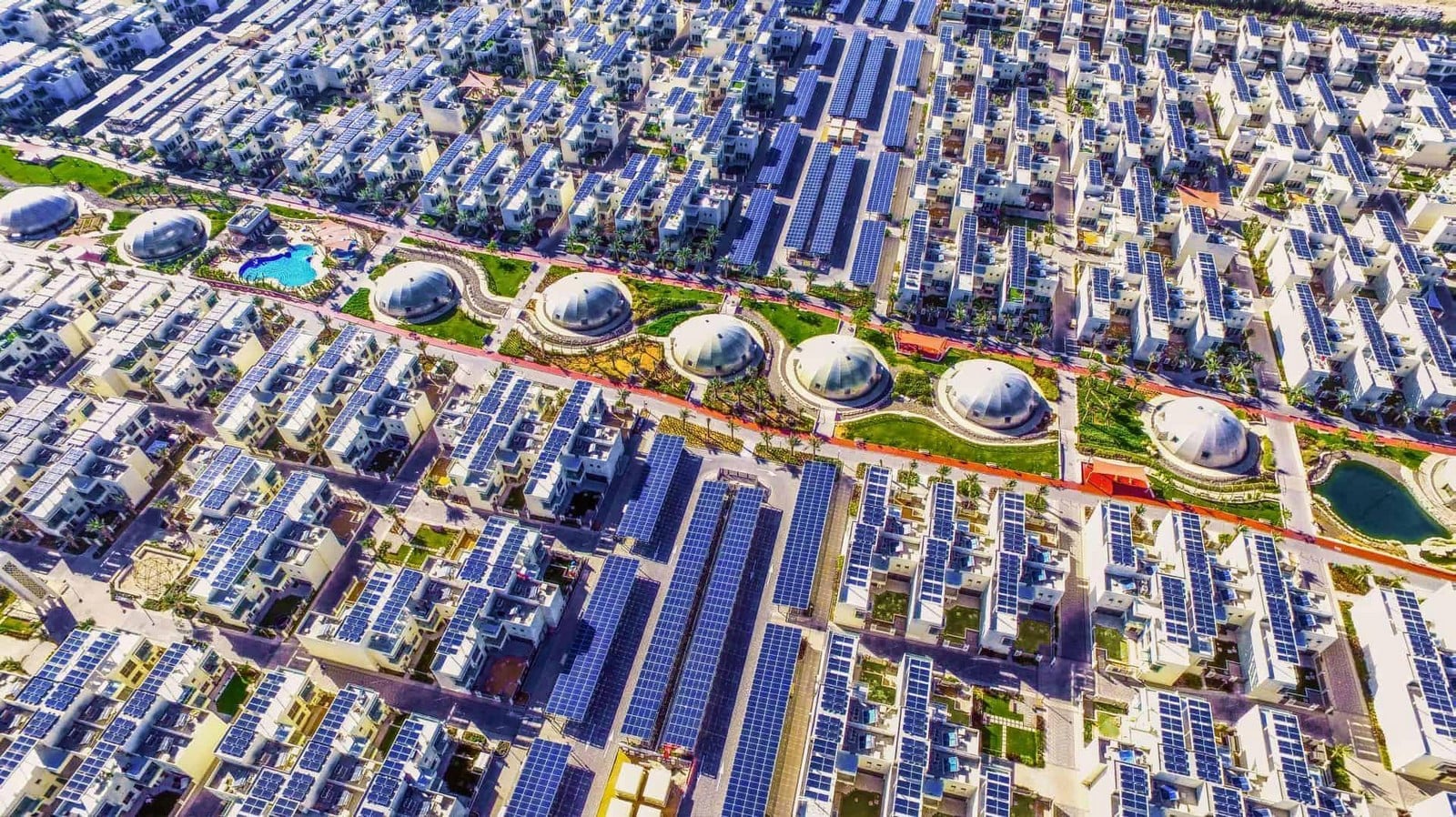
In 2026, architecture is increasingly focused on reducing both operational and embodied carbon. Key trends focus on substituting alternative building materials with lower environmental impact while maintaining the durability required for each material. A strong emphasis is also placed on bioclimatic solutions that aim to passively reduce energy demand through optimised ventilation, daylighting, and thermal mass. The use of sustainable materials that minimise environmental impact is becoming increasingly common in the architectural field.
The practice of adaptive architecture is slowly growing, with buildings becoming almost “sentient” and collecting data to optimise occupancy, thermal comfort, energy efficiency, air quality, and more. Prefabrication and adaptive reuse of existing structures are gaining traction as ways to minimise the carbon footprints of buildings. And to additionally reduce environmental impact, biodegradable materials and energy-efficient technologies are being integrated into the design and build process.
Alternative Building Materials
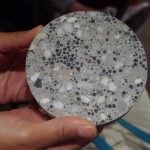
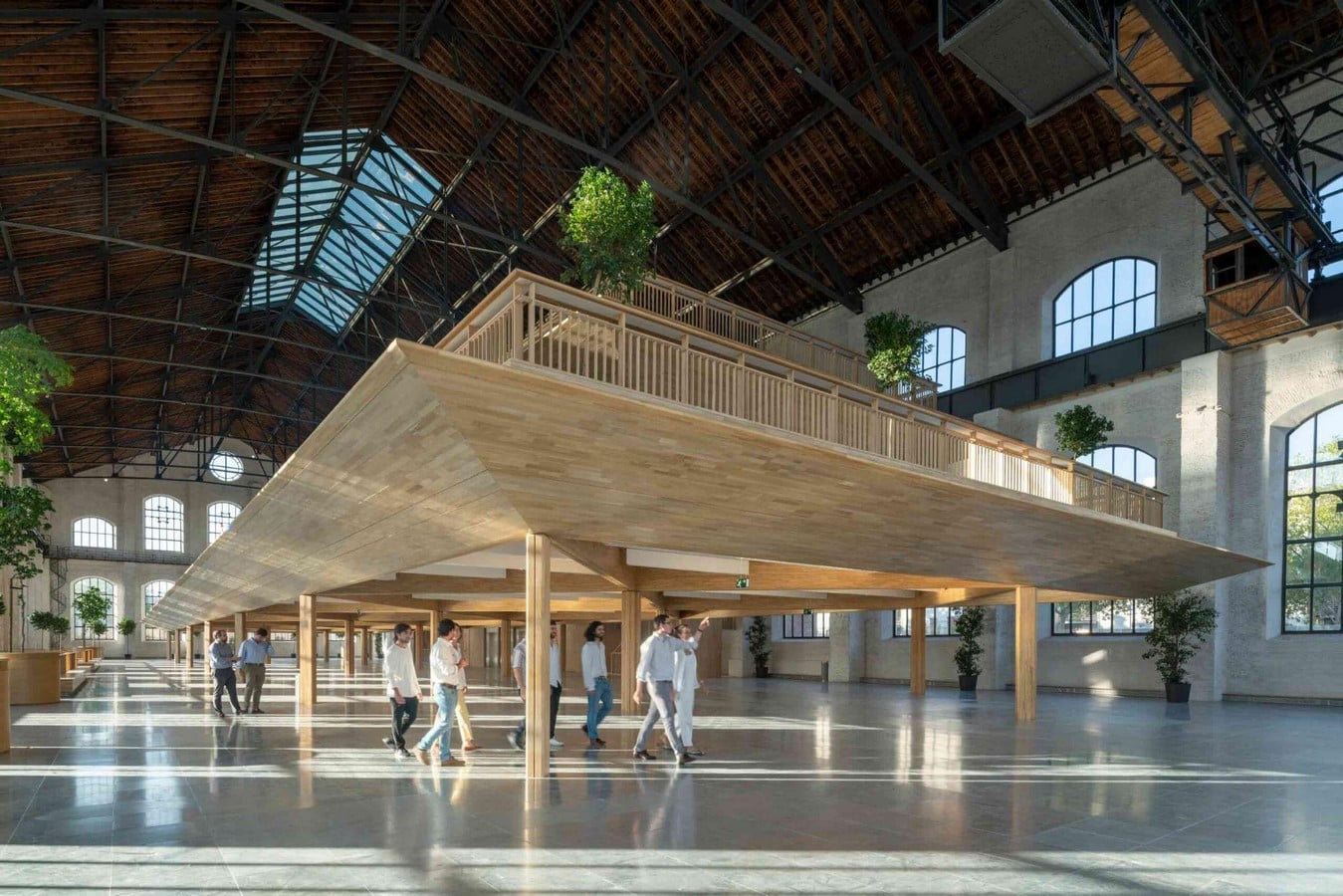
Those familiar with architecture and engineering are no strangers to the age-old material, Portland cement. Still, it is, in fact, a high-carbon material that is detrimental to the goals of decarbonisation. Environmentally friendly alternatives have been developed and explored in recent years, some of which include materials like bio-based and mycelium-based concrete. Additionally, there are low-carbon concrete alternatives, steel alternatives, and even insulation alternatives, all of which aim to reduce the carbon emissions as much as possible (again, these are low-carbon, not zero-carbon alternatives). Other alternative building materials include recycled and upcycled materials, as well as smart and adaptive materials.
Bio-based alternatives provide a zero- or even negative-carbon footprint, as they utilise growth of or derivation from natural sources. However, controlling the quality and cost of these materials is difficult, as it takes more time and attention to ensure their durability and structural integrity.
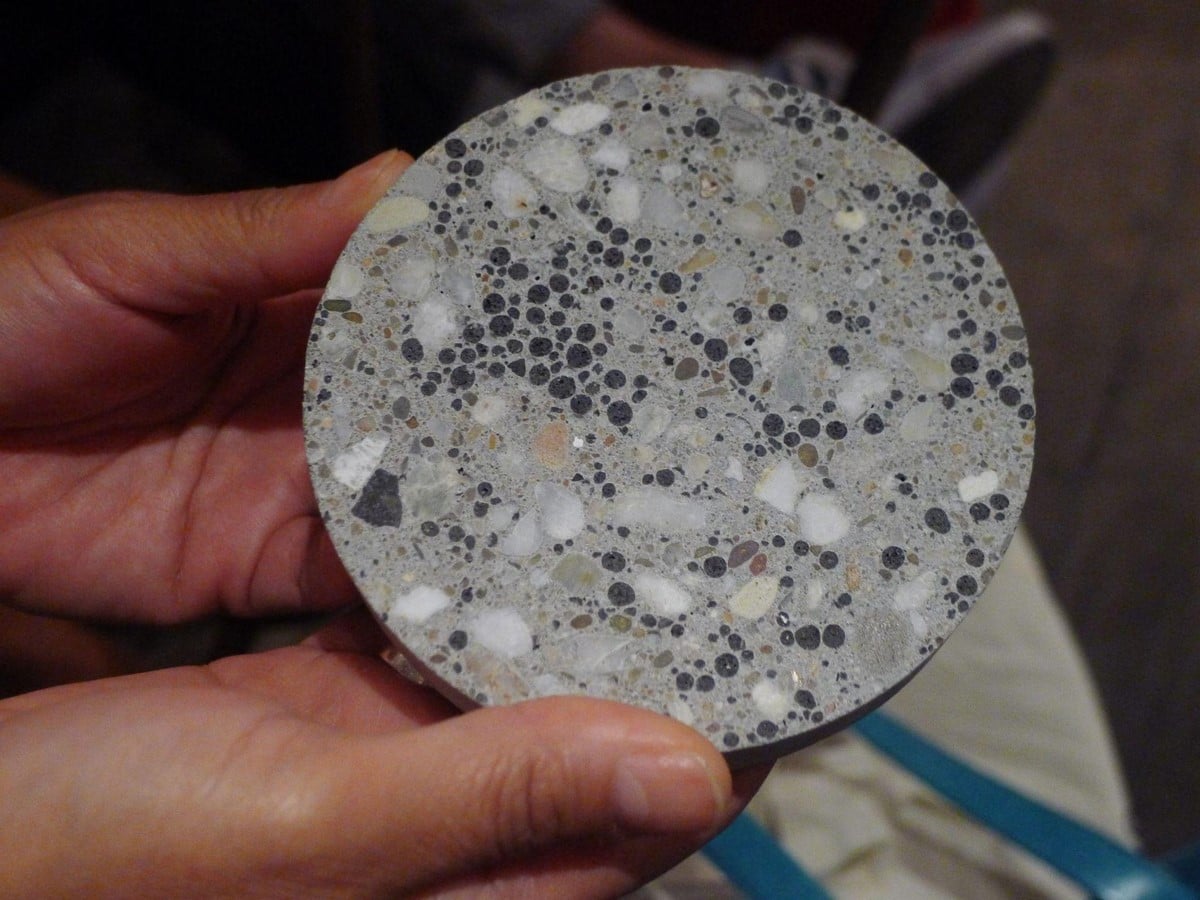
Low-carbon concrete alternatives use either an alternative binding agent in the concrete or replace a portion of the Portland cement in the concrete, reducing the carbon footprint without compromising the strength of the structure. But even while strength and durability are ensured, the cost, availability, and quality of these substitutes remain issues. In cases of an alternative binder, there can even be an adverse chemical reaction or corrosion to the steel rebar encased within the concrete.
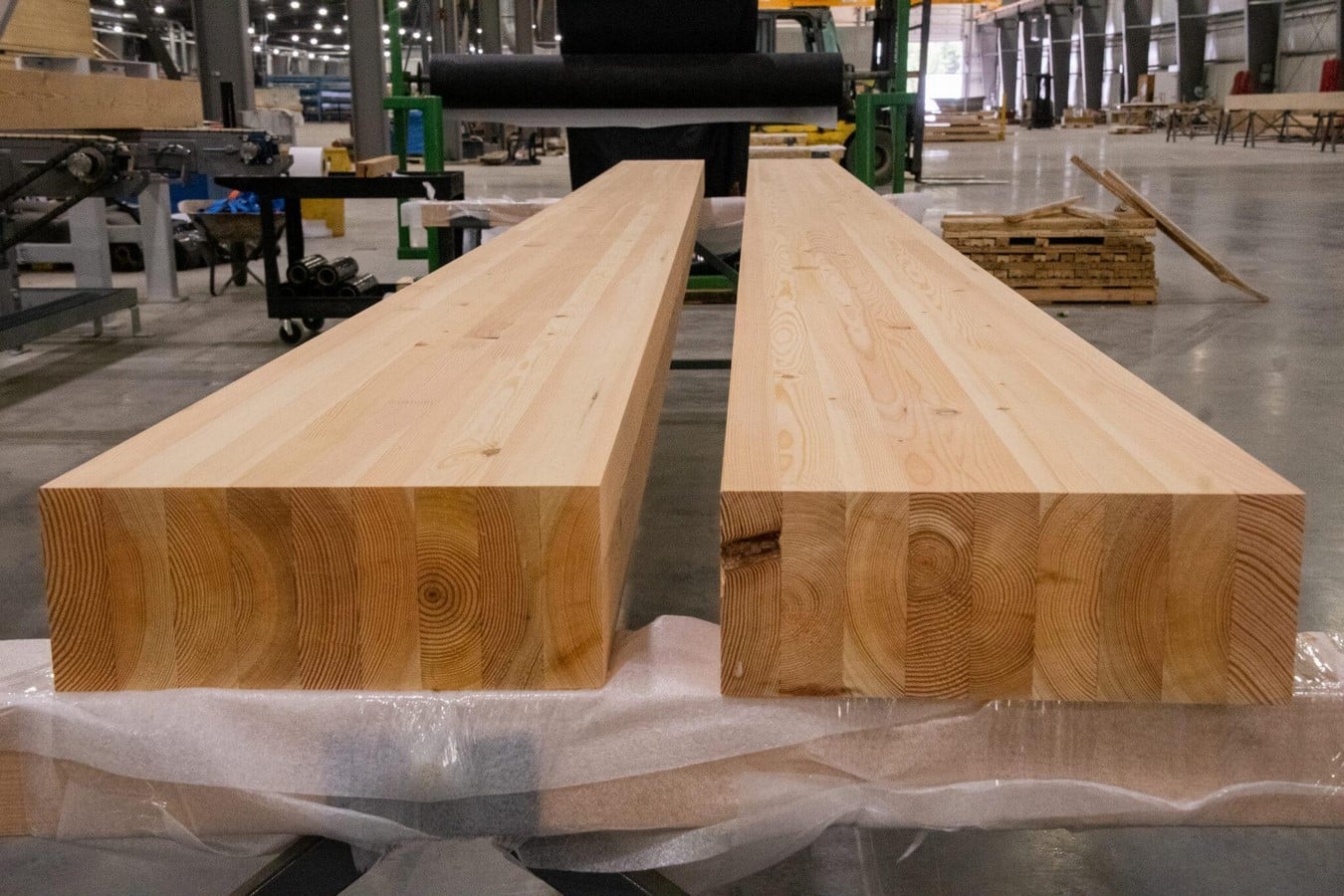
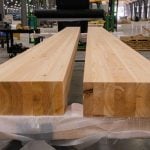
Low-carbon steel alternatives include cross-laminated timber, which is carbon negative as the wood stores carbon dioxide, but requires treatment for fire safety and may have height restrictions in certain regions; bamboo, which also absorbs carbon dioxide as it grows, but is still highly susceptible to absorbing moisture and attracting pests; recycled steel, which reduces the carbon footprint but needs time to ensure quality; and finally, ferrock which is made from recycled steel dust and silica and absorbs carbon dioxide while it cures, but is still in the early stages and has limited commercial use.

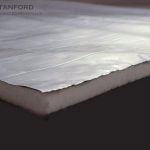
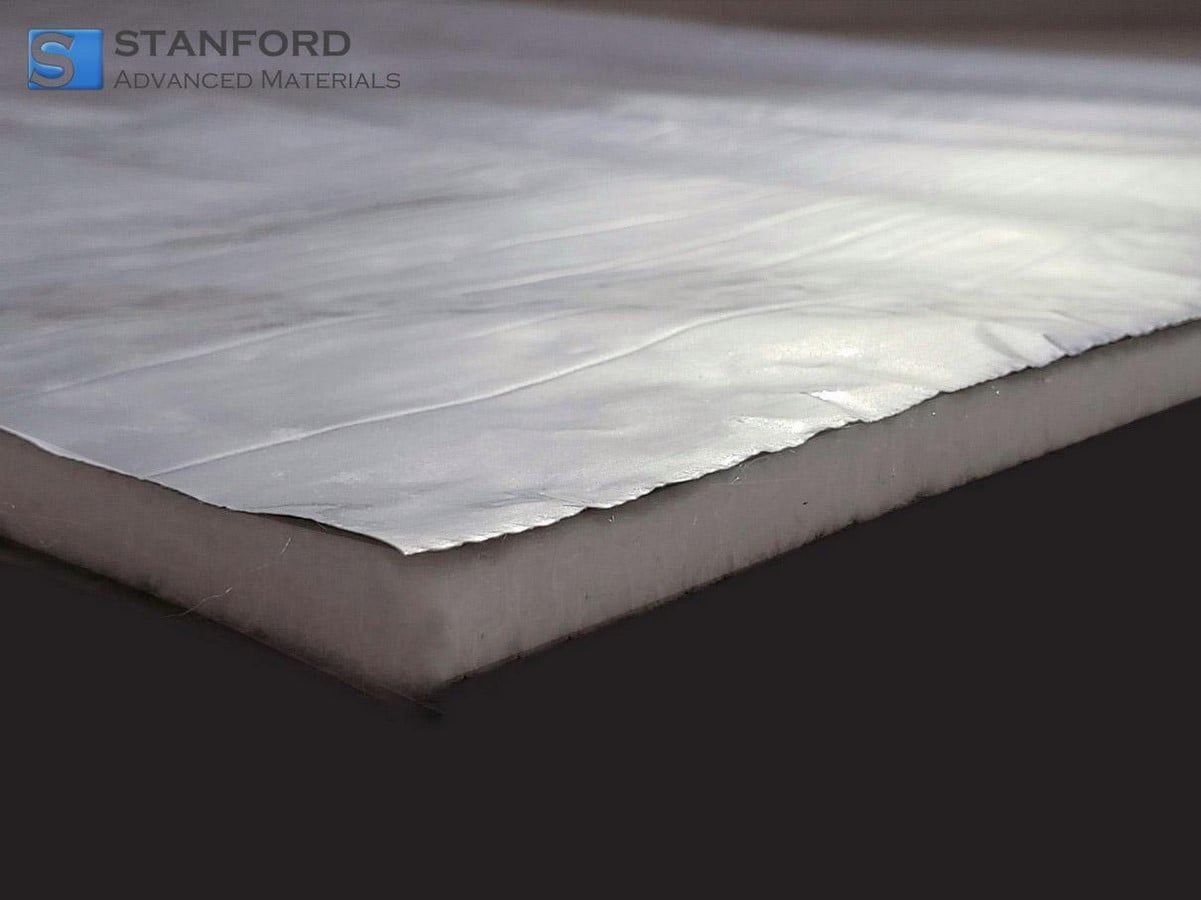
Since traditional insulation materials like foam and fibreglass have a higher carbon footprint, low-carbon alternatives focus on natural, recycled, or bio-based materials. While these substitutes are effective and good insulators, the cost of some (namely, hemp, sheep’s wool, aerogel, etc.) is much higher than that of traditional options, and the question of availability also arises.
Policies and Regulations Driving Change Across the World
Worldwide, policies and frameworks are pushing for decarbonisation in architecture. Central drivers in Europe include the recast Energy Performance of Buildings Directive and the New European Bauhaus, which are pushing for stricter energy-efficiency and sustainability standards across the overall design and construction processes.
In addition, regional building codes and bylaws worldwide are identified as the main tools for encouraging the widespread implementation of decarbonisation practices, especially in new construction. These codes are updated as regularly as possible, growing to incorporate requirements for energy efficiency and low-carbon materials.
One particular global initiative, outlined by the International Energy Agency, highlights the importance of an energy efficiency policy as a catalyst for decarbonisation and environmental action. Other recognised drivers for decarbonisation include integrated design approaches, predictive analytics (as seen in adaptive buildings), and digitalisation.
The Progress of Today and Tomorrow–and 20 Years Later
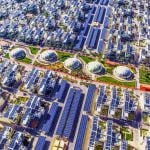
In 2026, there have been multiple projects that have successfully implemented decarbonisation strategies. Some case studies have revealed that the concerned buildings have achieved up to 77% reductions in carbon dioxide and greenhouse gas emissions without increasing costs–simply by optimising material usage and construction methods.
But what lies ahead? As we cross the halfway mark of the calendar year, and the increase in demand for urban development and data centres, will the world be able to reach its carbon-zero (or even carbon-negative) goals in the next 20 years? Through passive design strategies, energy optimisation, and the use of alternative building materials and techniques, it would be possible, alongside relevant policies and government incentives that encourage companies to choose sustainability and decarbonisation.
References:
- ace-cae.eu. (2025) Decarbonizing Architecture: Driving the Energy Transition in Europe. Available at: https://ace-cae.eu/news/decarbonizing-architecture-driving-the-energy-transition-in-europe/ [Accessed 5 July 2026].
- ace-cae.eu. (2026) Call for Projects for the Conference Decarbonizing Architecture 2026. Available at: https://ace-cae.eu/news/call-for-projects-for-the-conference-decarbonizing-architecture-2026/ [Accessed 5 July 2026].
- ASHRAE. (2026) 2026 ASHRAE Building Decarbonization Conference. Available at: https://www.ashrae.org/conferences/topical-conferences/2026-ashrae-building-decarbonization-conference [Accessed 5 July 2026].
- ASHRAE. (2026) Building Decarb 101. Available at: https://www.ashrae.org/about/cebd-building-decarb-101 [Accessed 5 July 2026].
- bdla.stanford.edu. (2026) Case Studies. Available at: https://bdla.stanford.edu/teaching-materials/case-studies/ [Accessed 5 July 2026].
- buildingdecarb.org. (2026) Case Studies. Available at: http://buildingdecarb.org/resource_type/case-studies [Accessed 5 July 2026].
- GlobalABC. (2021) Decarbonizing the Building Sector: 10 Key Measures. Available at: https://globalabc.org/sites/default/files/2021-08/Decarbonizing The Building Sector – 10 Key Measures.pdf [Accessed 5 July 2026].
- International Energy Agency (IEA). (2023) The Energy Efficiency Policy Package: Key Catalyst for Building Decarbonisation and Climate Action. Available at: https://www.iea.org/energy-system/buildings [Accessed 5 July 2026].
- MDPI. (2025) Energy Efficiency and Decarbonization Strategies in Buildings. Available at: https://www.mdpi.com/2076-3417/15/21/11660 [Accessed 5 July 2026].
- RMI. (2026) Case Studies in Cost-Effective Low Embodied Carbon Buildings. Available at: https://rmi.org/resources/case-studies-in-the-economics-of-low-embodied-carbon-buildings/ [Accessed 5 July 2026].
- Scribd. (2025) Future Architecture Trends for 2026. Available at: https://www.scribd.com/document/923750884/New-Architecture-Today [Accessed 5 July 2026].
- tkmsa.ac.in. (2026) 10 Trends of Architecture in 2026: Shaping the Future. Available at: https://tkmsa.ac.in/10-trends-of-architecture-in-2026/ [Accessed 5 July 2026].
- ugreen.io. (2026) Architecture Decarbonization: Innovations and Strategies for a Sustainable Future. Available at: https://ugreen.io/architecture-decarbonization-from-concepts-to-concrete-actions/ [Accessed 5 July 2026].