The False Dilemma of the “Decorated Shed”
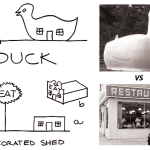
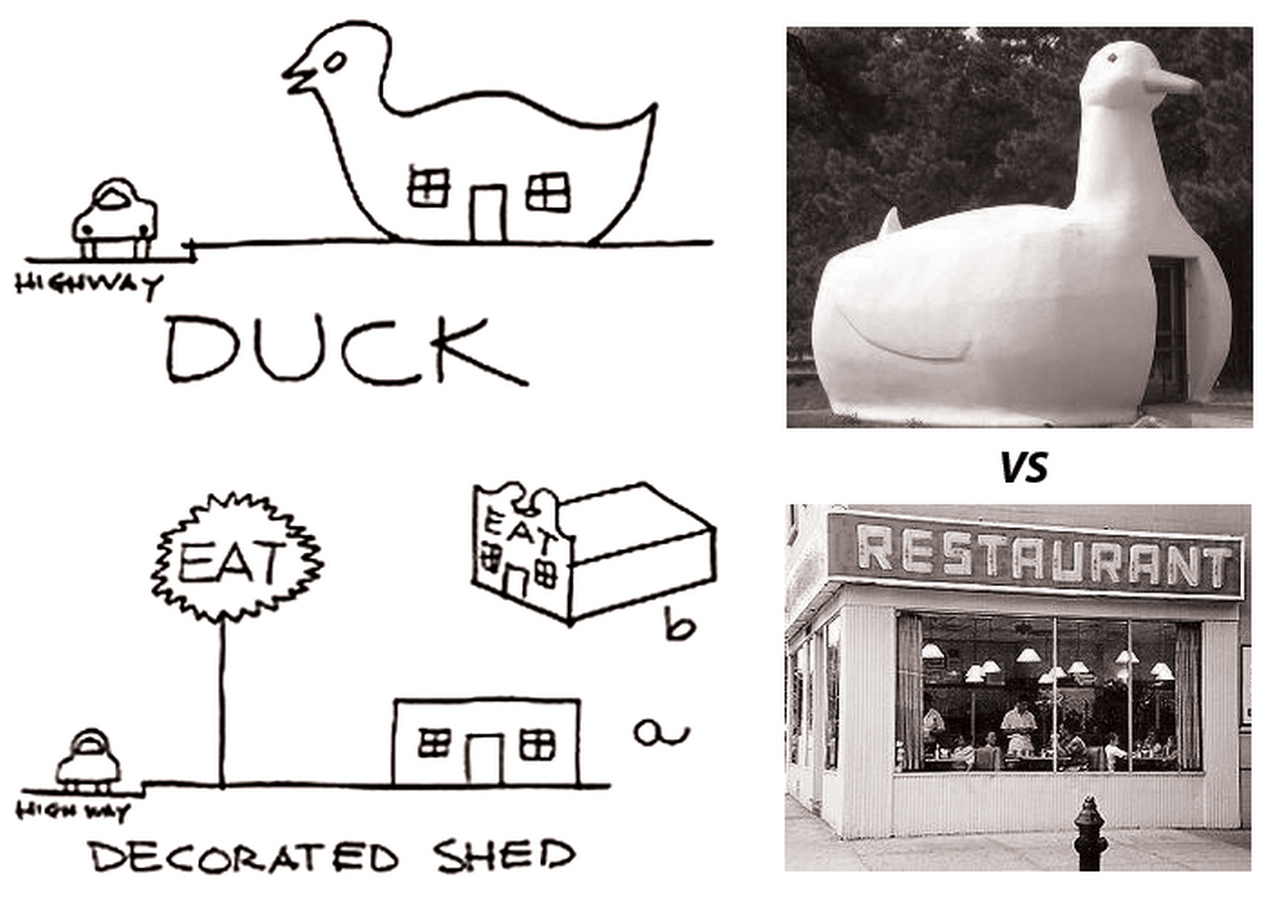
The history of architecture has constantly been in a dilemma of aesthetics, which prioritizes the visual appeal of a structure, and ethics, which emphasizes moral responsibilities. However, modern discourse increasingly rejects this bifurcation to accommodate utility and social responsibility while maintaining the building’s appearance. A primary obstacle to integrating ethics and aesthetics is the conception of architecture as “building + decoration,” often referred to as the “decorated shed”. In this view, a building is a utilitarian structure to which an aesthetic component is merely added. Critics argue this approach divorces pragmatic considerations from artistic ones, leaving the architect in an uneasy middle ground. Roger Scruton argues that our sense of beauty is inherently dependent on our conception of the object; just as haunches that are beautiful on a horse would be ugly on a human. In architecture, this means a building’s true beauty and shape depend on its functionality rather than being an arbitrary aesthetic applied to a blank slate.
Aesthetics as a Social Objective
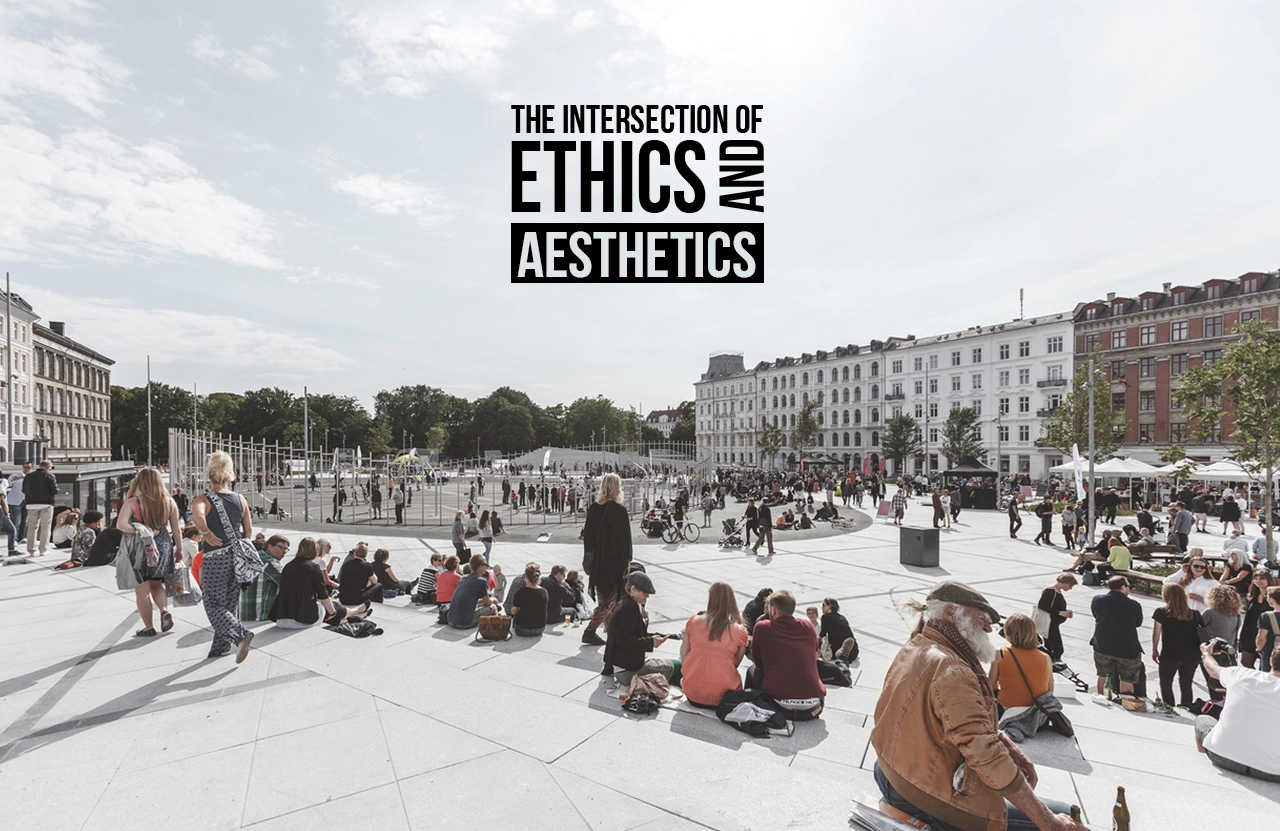
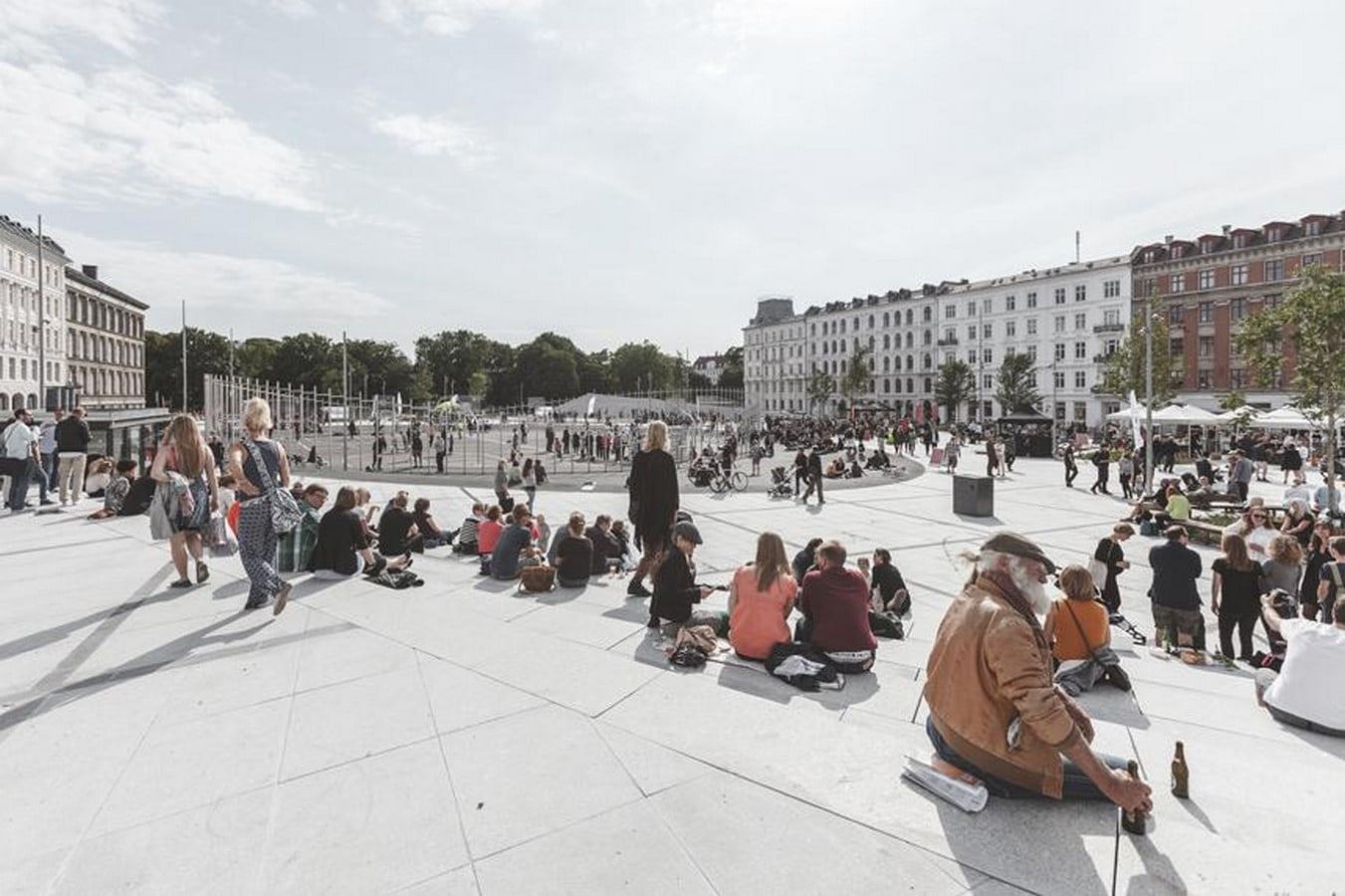
The subjectivity of beauty often transforms into a matter of politics. When planning policies, such as the UK’s 1909 Planning Act, call for “house beautiful” and “town pleasant,” they raise questions about who gets to decide what the spaces we all live in should look like. If policy imposes a ruling viewpoint of beauty, it can become an instrument of control rather than public welfare, leaving no choice for the public. Instead, a “participatory aesthetic” can transform the world into a true human dwelling. This approach views aesthetics not as an exclusive study of individual taste, but as a shared sensory experience. By prioritizing functionality and beauty equally, architecture directly serves its community. This approach ensures designers create inclusive spaces, rooting beauty in the everyday lives of the people who interact with them. This aligns with Hannah Arendt’s concept of the “space of appearance,” where people gather as equals to be seen and heard. A space must be perpetually recreated through action rather than enshrined in static policy codes.
Existential Ethics: Authenticity vs. Bad Faith
Philippe d’Anjou, an academic, philosopher, and scholar, synthesizes Jean-Paul Sartre’s philosophy about design aesthetics. Jean-Paul Sartre, a French philosopher, playwright, and novelist, argues that a designer’s moral character is found not in adhering to universal codes, but in authenticity. This authenticity is deeply rooted in understanding human realities and taking full responsibility as designers for the impact of their work. A designer acts in bad faith whenever they regard themselves or others as fixed objects with pre-decided roles rather than as free subjects. For example, a design student might be torn between a lucrative practice and a humanitarian cause. The choice they make is not merely a rational deliberation but a choice of self, because the design they produce and the work they do become an extension of their very being. In this light, ethics is not about whether a design conforms to rules, but the attitude with which the designer confronts the open-endedness and ambiguity of a situation.
Contextuality and the Critique of “Starchitecture”
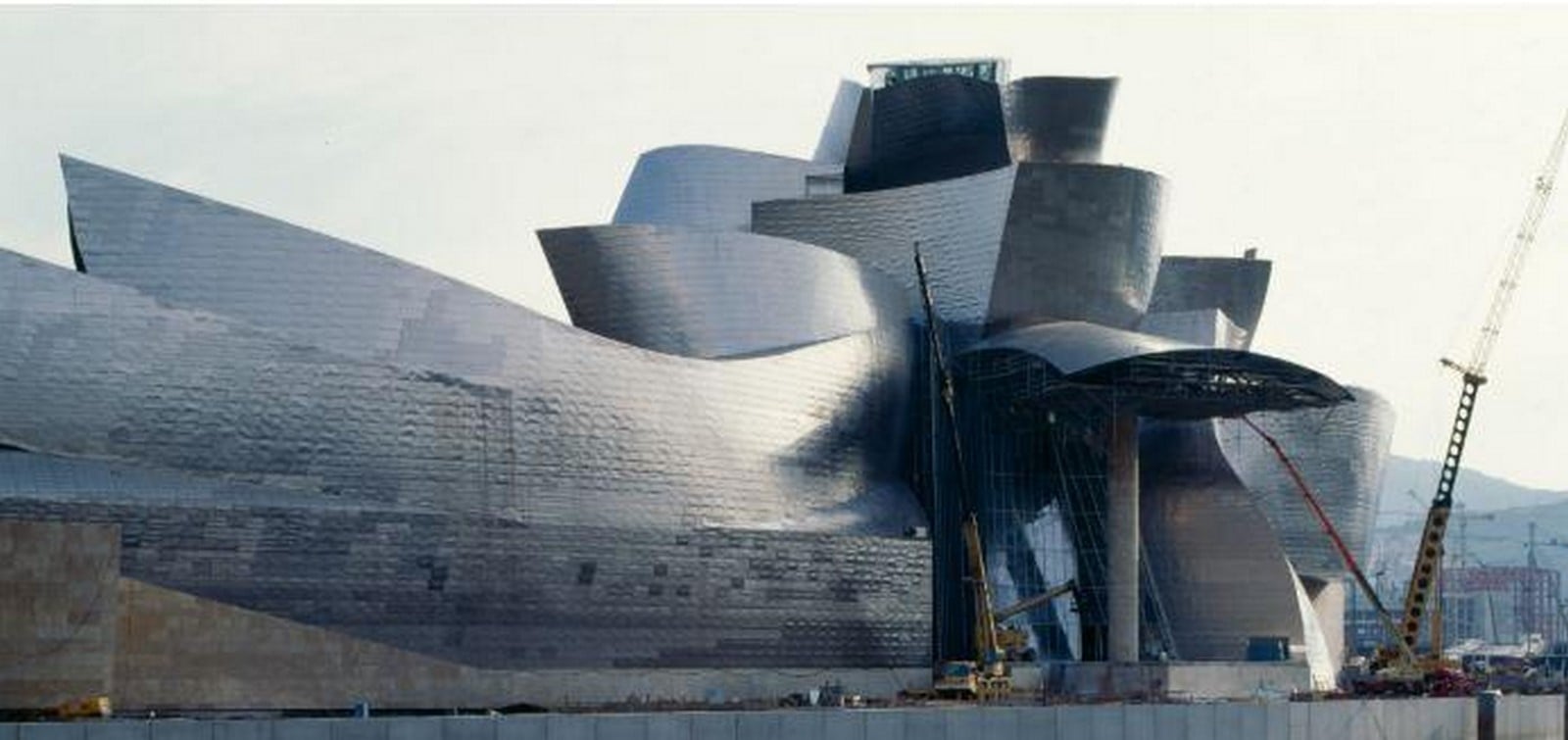
The rise of “starchitecture”—iconic, signature buildings like the Guggenheim Museum in Bilbao often ignores contextual concerns to operate as a brand of global identity. While such landmarks can create a “wow factor” and boost tourism, they are often criticized for being socially insensitive and cutting off from contextual inspirations. In contrast, Critical Regionalism seeks to avoid general “placeless” designs (like copy-paste glass skyscrapers)in architecture by creating buildings that truly belong to their specific location. It avoids generic, “placeless” designs (like copy-paste glass skyscrapers) by using local traditions, culture, and materials. This approach helps to maintain the cultural and environmental identity of a place.
The Ethical Problem of Hostile Architecture
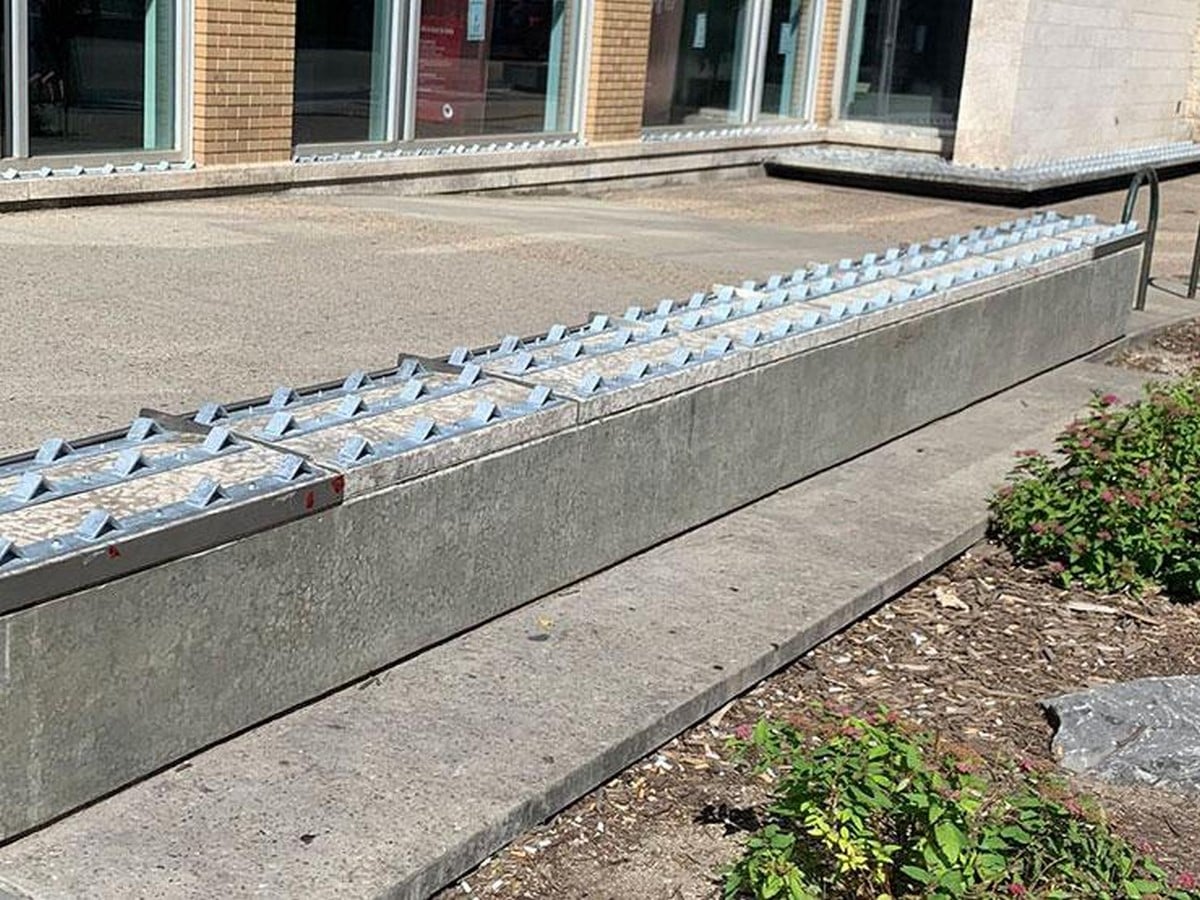
A stark example of the intersection of ethics and aesthetics is hostile architecture, also known as defensive or exclusionary design. This practice uses aesthetic elements such as rails on benches, spikes in alcoves, or sloped surfaces to physically exclude “undesirable” groups, specifically the unhoused population, aiming to deter loitering or sleeping in public spaces. Hostile architecture is ethically problematic because it privatizes public space and transforms the act of designing into an act of enforcement. While residents may claim these features are crucial, they often cause accessibility issues for older people and those with disabilities. By making a space unusable for some, the designer violates the commitment to a truly inclusive public interest. Furthermore, it becomes a band-aid solution that fails to address the root causes of homelessness, serving only to remove the unhoused people rather than actually tackling the problem.
Integrity in Representation
The ethical duty of the architect also lies in representation that includes the drawings, models, and digital simulations used to communicate proposals. Teleological Virtue (Mastery as a Goal) is the end goal of architectural communication, which is clarity and understanding. It is the architect’s ethical duty to possess technical mastery over drawings, physical models, and digital simulations (like CAD or rendering software) to meaningfully communicate to others. Deontic obligation is the duty to provide “truthful” and accurate portrayals that do not misrepresent the project. Inaccurate representations that hide facts are ethically problematic because it includes cheating from clients and decision-makers. From Vitruvius to modern CAD systems, the goal of representation remains to reduce ambiguity and allow non-architects to read and imagine the full experience of a place before it is built.

Synthesis: Case Studies in Ethical Aesthetics
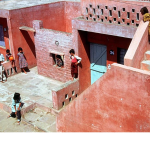
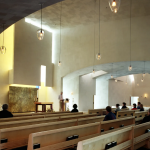
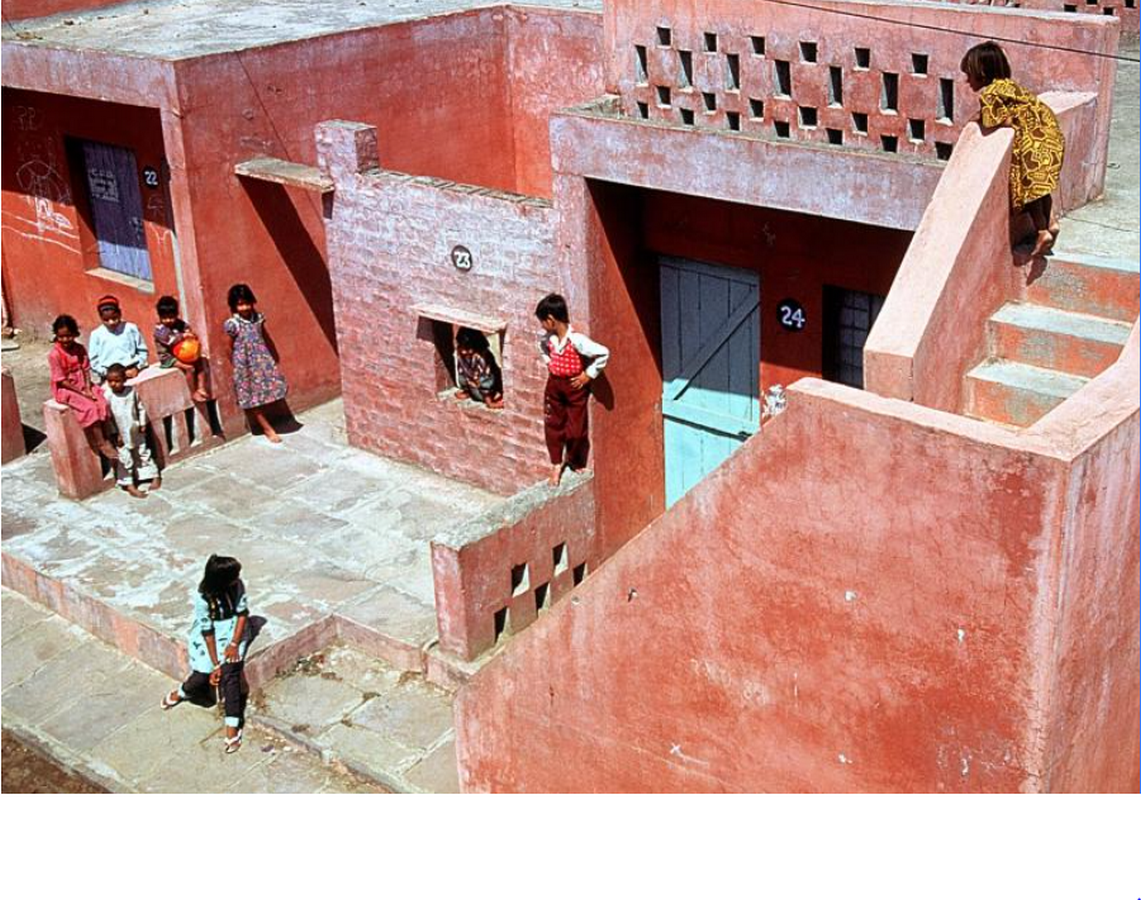
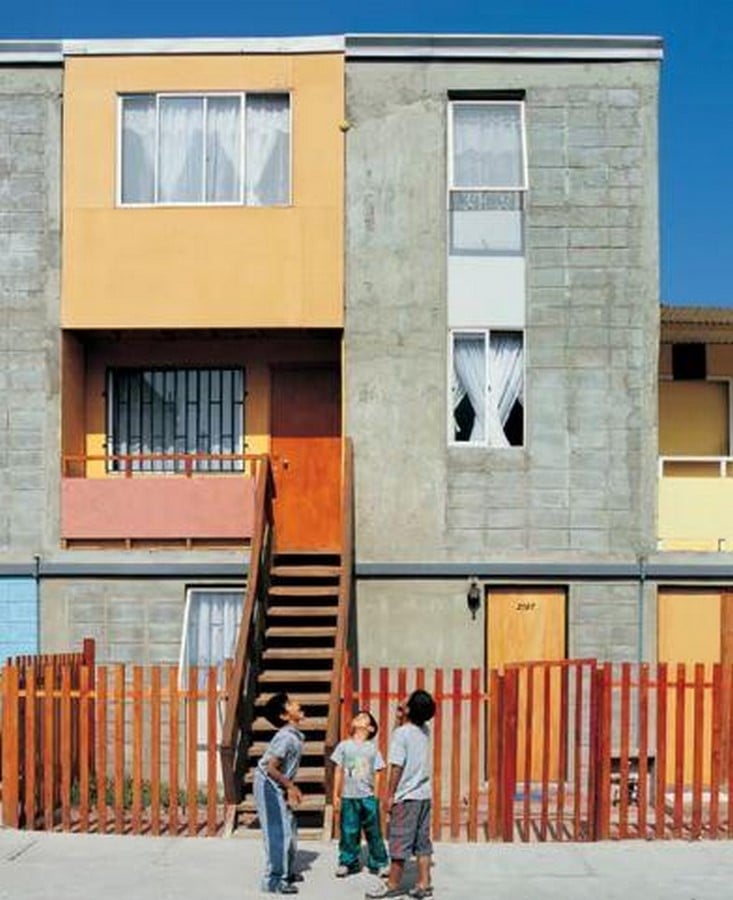
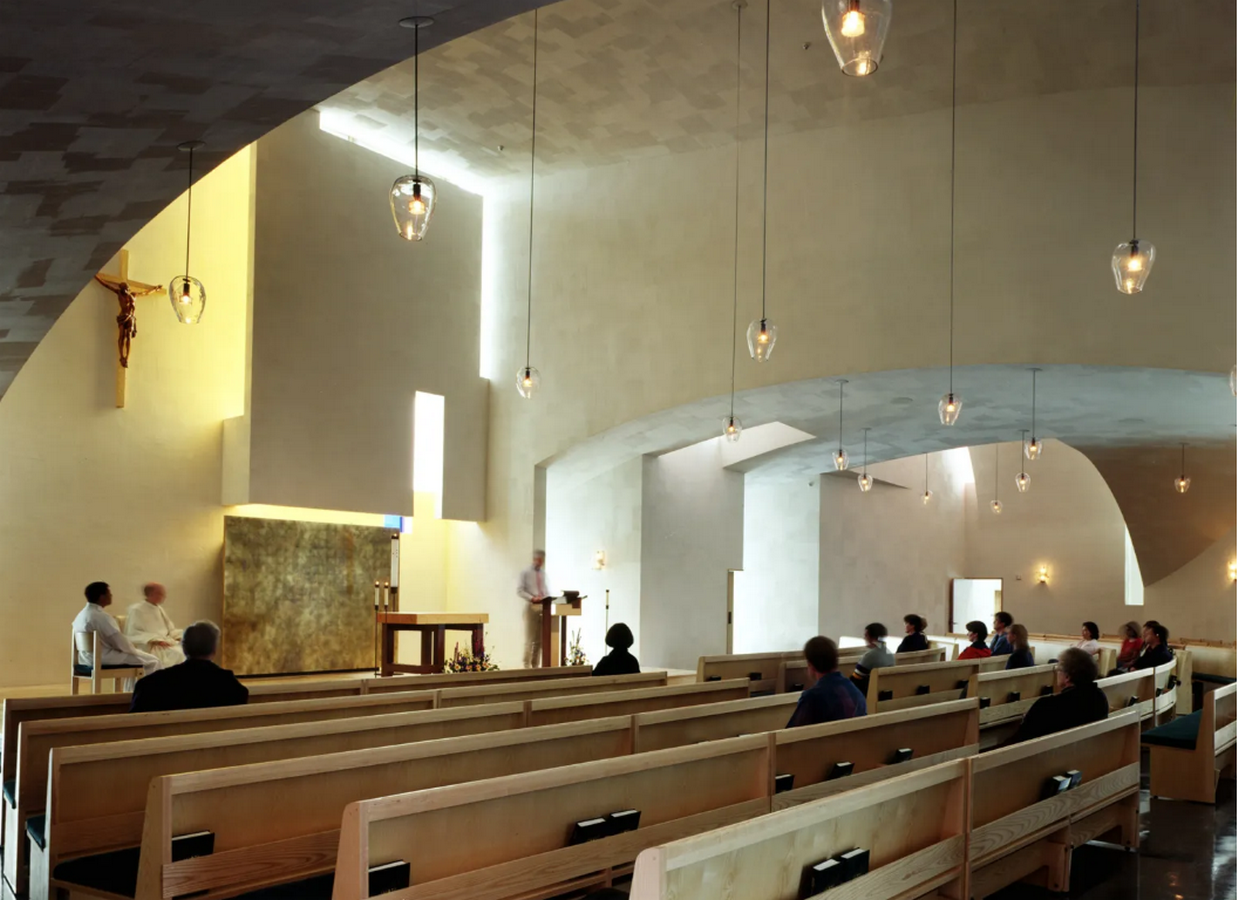
Great architecture successfully navigates these intersections. BV Doshi’s Aranya Housing project in India rejected the model of a contemporary residential community that deprived inhabitants of flexibility. Instead, it encouraged inclusive projects where families could extend their homes according to their needs, blending a vernacular architecture with social solidarity. Similarly, Alejandro Aravena’s Elemental project in Chile utilized the architecture of the open structure, providing half a house and allowing residents to complete the rest based on their material availability and requirements. In the realm of modern spiritual architecture, Steven Holl’s Chapel of St. Ignatius demonstrates how modern technology can be “humanized”. By transforming abstract geometric volumes into highly sensory, emotionally resonant spaces, Holl created a space that is both profoundly modern and deeply symbolic.
Ultimately, whether through the retrieval of past practices or the invention of new forms, the intersection of ethics and aesthetics requires architects to treat their work as a living organism that adapts and grows. The shape of our built environment directly impacts human dignity. Design choices are not merely artistic preferences, but beauty must serve as a vehicle for truth, inclusion, and authentic human dwelling.
Citations-
- Berleant, A. (2005) Aesthetics, Beauty and Social Justice in the Urban Environment, Available at: https://www.westportarchitects.co.uk/post/aesthetics-beauty-and-social-justice-in-the-urban-environment
- Baranowski A. Between aesthetics and ethics in architecture, Available at: https://architectus.pwr.edu.pl/files/numery/30_09.pdf
- Anjou P(2010). Beyond Duty and Virtue in Design Ethics, Available at: https://www.proyectaryproducir.com.ar/public_html/Seminarios_Posgrado/Material_de_referencia/Articulos%20de%20Design%20Issues/desi.2010.Beyond%20Duty%20and%20Virtue%20in%20Design%20Ethics.pdf
- Abrar N. Contextuality and Design Approaches in Architecture: Methods to Design in a Significant Context, International Journal of Education & Social Sciences (IJESS) ISSN: 2754-2793 Vol. 2 Issue 11, November – 2021, Available at: https://architizer.com/blog/inspiration/stories/why-starchitecture-lost-its-shine/
- Kidder P(2011). Philosophical Hermeneutics and the Ethical Function of Architecture, Vol. 9 , Available at: https://digitalcommons.risd.edu/cgi/viewcontent.cgi?article=1244&context=liberalarts_contempaesthetics